Notion leads the Airtable alternatives for most teams, with docs, wikis and databases in one workspace from ten dollars a user a month. ClickUp suits teams that want cheaper seats and built-in project tracking, while Baserow fits self-hosters who want an open database.
How we make this list: we compare pricing pages, product documentation and public user reviews, then re-check every price before each update. No product paid for a place. Disclosure.
Notion Plus costs ten dollars a user a month billed yearly and covers docs, wikis, databases and projects in one workspace.
ClickUp Unlimited costs seven dollars a user a month billed yearly, the cheapest paid seat here.
Smartsheet Pro costs nine dollars a user a month and has no free plan, with a 30-day trial instead.
Baserow Premium costs ten dollars a user a month billed yearly, and the open-source core can be self-hosted free.
Quickbase starts at 35 dollars a user a month, the highest published entry price in this list.
How do you choose among the Airtable alternatives?
Airtable users usually leave for one of three reasons: per-seat billing, automation depth or self-hosting. Team costs 20 dollars a user a month billed yearly, and commenters count as seats, so the bill grows fast.
Databases and spreadsheets are not the same job. Notion, Baserow and Quickbase model linked records and rollups, while Smartsheet and monday.com track dated work in grids and boards.
Billing models change the total more than the headline rate. Notion, ClickUp and Asana charge every user, while Coda charges only Doc Makers, so a five-person team can cost very different amounts.
Row and automation caps decide the free plan. Free plans cap rows, automations and file uploads, so test with a real base before moving your data across.
Notion is a block-based workspace that combines docs, wikis, databases and projects in one place, with linked tables, views and formulas. The free plan covers individuals and small teams, and Plus at 10 dollars a user a month billed yearly adds unlimited file uploads, 30-day page history and database automations.
The trade off is database depth. Notion handles linked records and rollups well, but heavy automation and large bases run slower than Smartsheet or Quickbase. It suits teams that want documents and databases together.
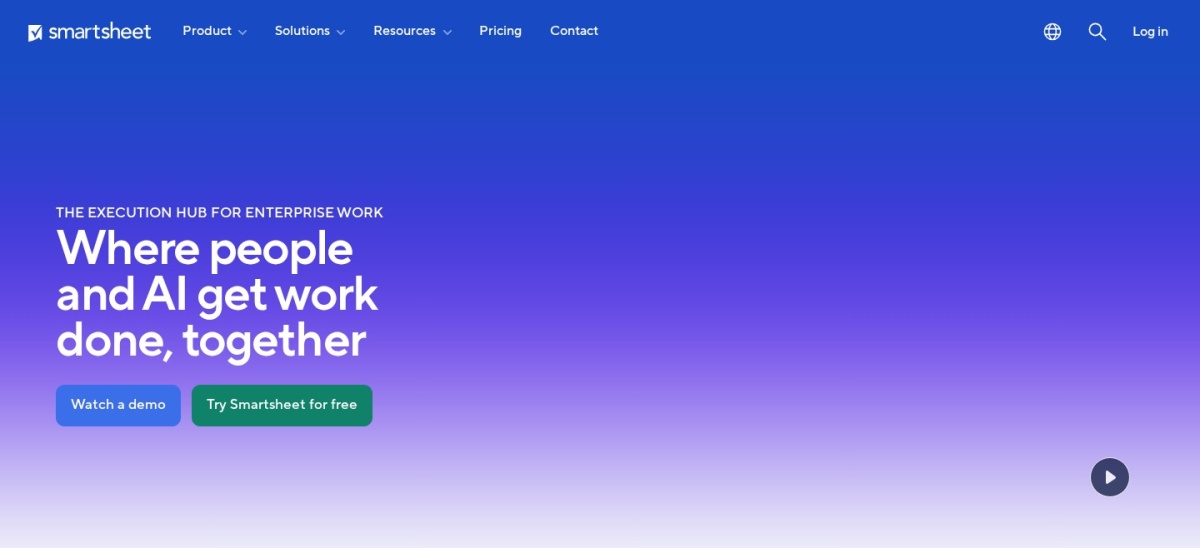
Smartsheet is a spreadsheet-style work platform with grids, Gantt charts, dashboards and automations for planning and reporting. Pro at 9 dollars a user a month billed yearly covers up to 10 editors with 250 automations, 20 GB of storage and core integrations, with a 30-day free trial and no permanent free plan.
The trade off is the seat model. Pro caps at 10 members and Business jumps to 19 dollars a user a month, while pivot tables and Dynamic View need pricier add-ons. It suits teams that think in rows and columns.
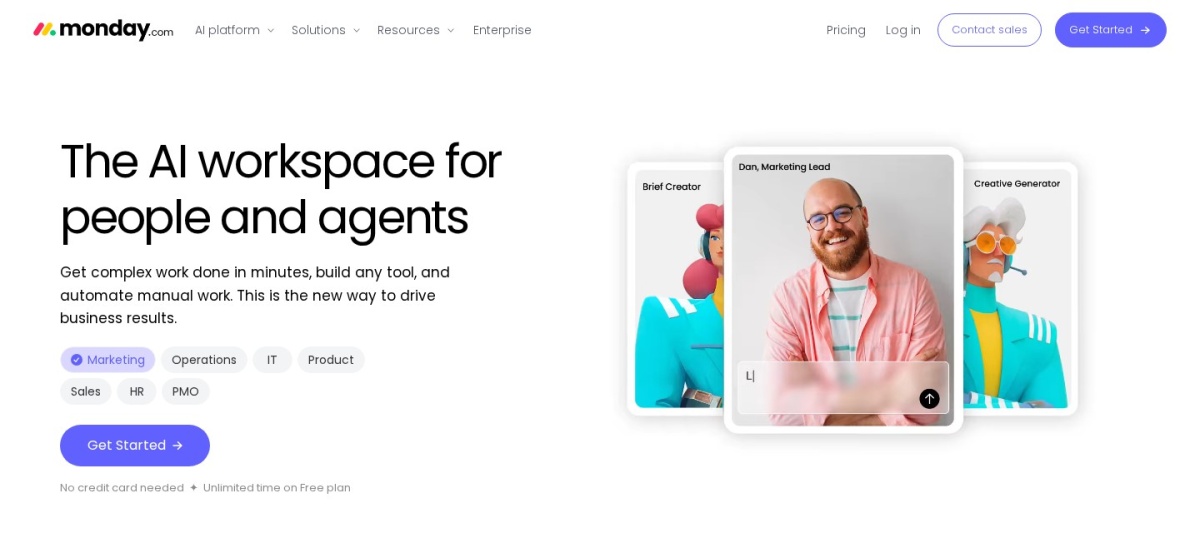
monday.com is a visual work platform where records live on colour-coded boards with automations, timelines and dashboards. The free plan covers up to 2 seats, and Basic at 9 dollars a seat a month billed yearly adds unlimited items, unlimited free viewers and 1,000 AI credits a month.
The trade off is database depth. monday.com tracks dated work beautifully but is not a relational database, so linked records and formulas stay simpler than Airtable. It suits teams that want visual tracking over strict data modelling.
ClickUp is an all-in-one work platform with tables, lists, boards, docs and dashboards in one workspace. The free plan allows unlimited tasks and members, and Unlimited at 7 dollars a user a month billed yearly adds unlimited storage, custom fields, Gantt charts and native time tracking.
The trade off is complexity. The breadth that makes ClickUp cheap per seat also makes it slower to learn, and reviewers flag a steep learning curve. It suits teams that want databases, tasks and docs for one low seat price.
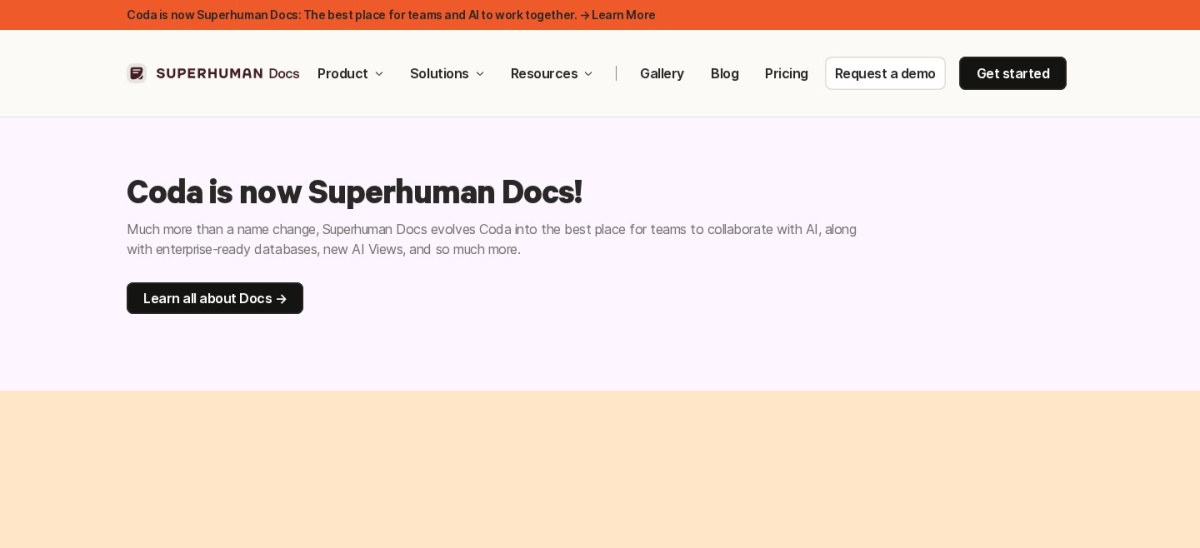
Coda is a docs-first workspace where pages hold live tables, buttons, formulas and automations, so a tracker, a dashboard and a project plan can be the same document. Pro costs 12 dollars a Doc Maker a month billed annually, and editors and viewers are free, with Coda now sold as Superhuman Docs.
The trade off is the rebrand. Coda became Superhuman Docs in July 2026, and its pricing page now lives under Superhuman, which catches out buyers who search for the old Coda pages. It suits teams whose workspace is really a database with a friendly face.
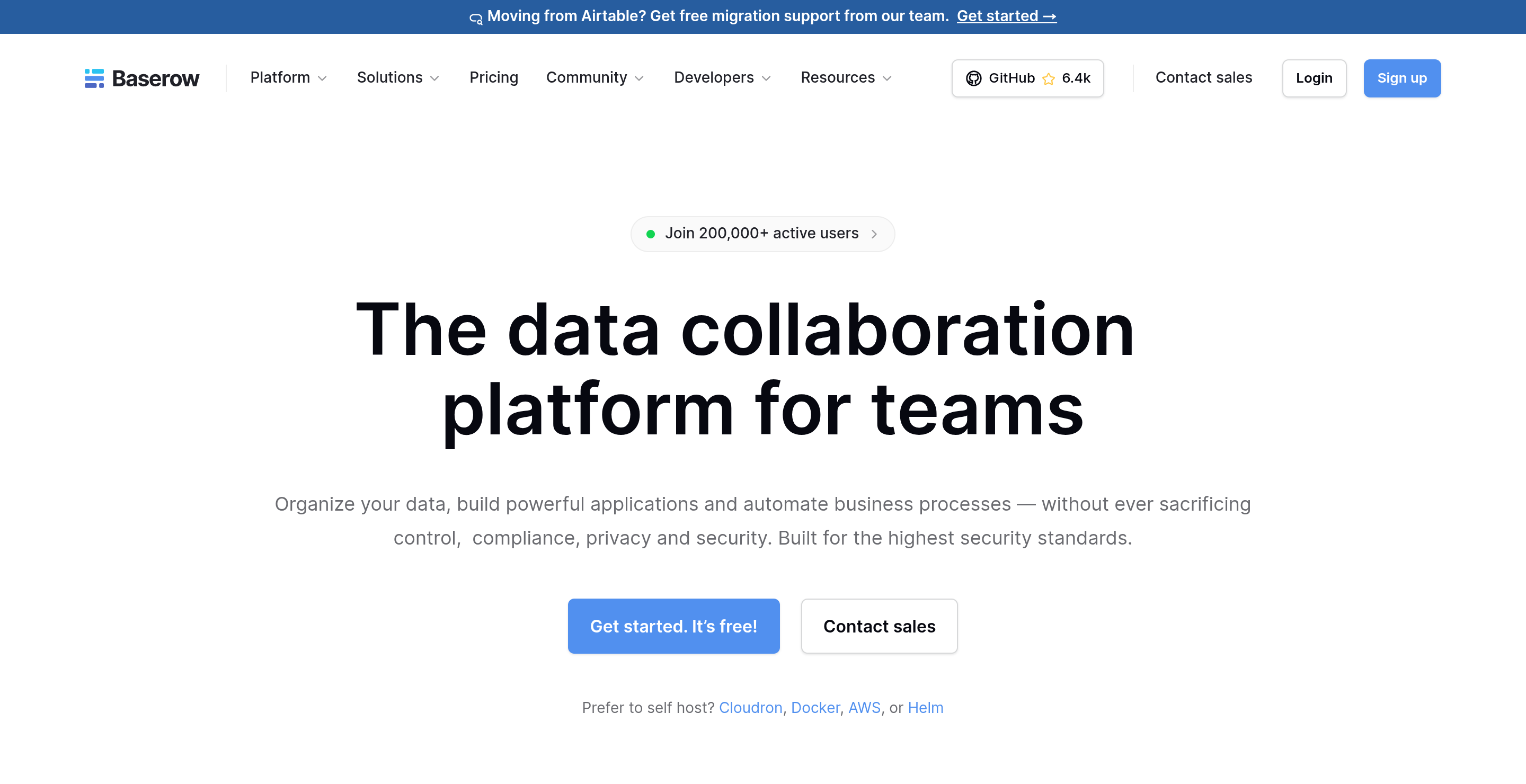
Baserow is an open-core database builder that looks and feels like Airtable, with tables, linked records, forms and views in the browser. The free cloud plan covers 3,000 rows, Premium costs 10 dollars a user a month billed yearly with 50,000 rows, and the MIT-licensed core can be self-hosted free.
The trade off is scale. The free cloud plan caps at 3,000 rows per workspace, and the review base is small at 70 Capterra reviews, so enterprise buyers should trial it first. It suits teams that want to own their database.
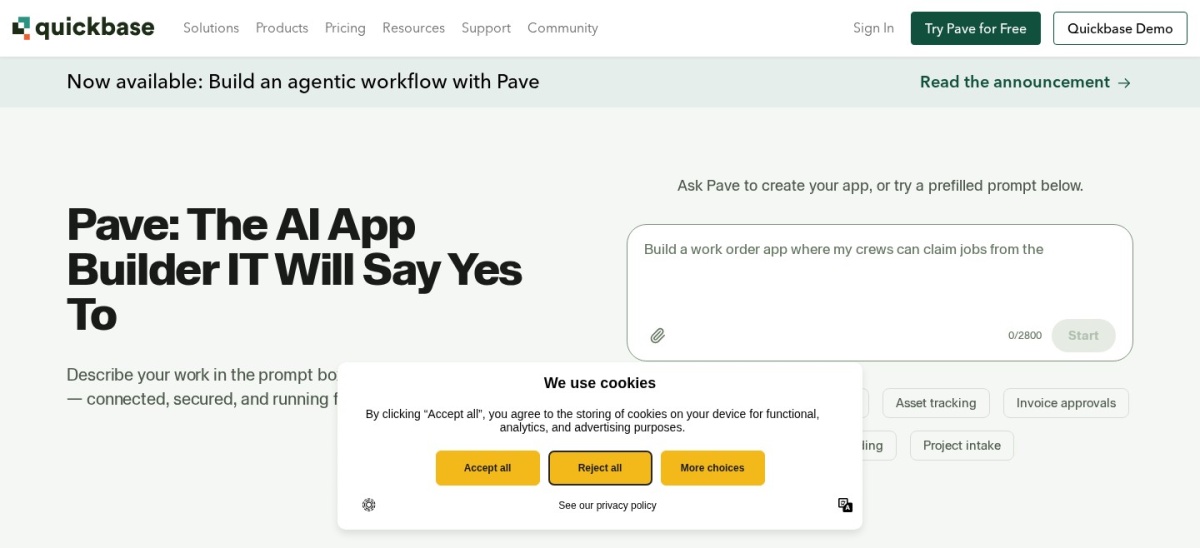
Quickbase is a low-code platform for building custom business apps and databases without code, aimed at larger teams that outgrow simple tables. Paid plans start at 35 dollars a user a month, and teams build workflows, reports and permissions around their own data model.
The trade off is price and weight. Quickbase has the highest published entry price here and no free plan, so small teams should start with Baserow or Notion instead. It suits enterprises that need governed, custom apps.
Asana is a work management platform with list, board, timeline and calendar views for coordinating team projects. The free Personal plan covers up to 10 users, and Starter at 10.99 dollars a user a month billed yearly adds timeline, dashboards, forms and workflow automations.
The trade off is data modelling. Asana tracks work well but has no real database tables, so linked records and formulas need another tool. It suits teams that left Airtable because they needed project tracking, not tables.
Per-seat vs per-maker: the bill that surprises buyers
Per-seat tools charge every user. Notion, ClickUp and Asana bill each person on the workspace, so a five-person team pays five seats.
Per-maker tools charge only creators. Coda bills Doc Makers, while editors and viewers are free, so the same five-person team can cost two seats.
For a team of readers and one builder, per-maker billing wins. For a team where everyone edits, compare the per-seat rate instead.
How we chose
We started from the database and workspace tools most often recommended as Airtable alternatives, then kept the eight with a public rating on G2 or Capterra and a published price.
Prices come from each vendor's pricing page, checked on 29 November 2026, with regular prices shown and sale prices left out. Ratings and review counts come from G2 and Capterra on the same day.
We left out tools with no verifiable rating on G2, Capterra or Trustpilot. No vendor paid for a place, and we do not claim hands-on testing for this list.
How to choose an Airtable alternative
Start with your data model, then check who pays for a seat.
Map your tables and links first. If you need linked records, rollups and formulas, pick Notion, Baserow or Quickbase, while simple tracking fits monday.com or Asana.
Count who actually pays. Notion, ClickUp and Asana charge every user, while Coda charges only Doc Makers, so a five-person team can cost very different amounts.
Check the row and automation caps. Free plans cap rows, automations and file uploads, so test with a real base before moving your data.
Trial the import before you commit. Import one real base, including attachments and formulas, and confirm nothing breaks before you cancel Airtable.
FAQ
What is the best Airtable alternative in 2026?
Notion is the best Airtable alternative for most teams, with docs, wikis and databases from ten dollars a user a month. ClickUp suits teams that want cheaper seats, while Baserow fits self-hosters who want an open database.
Is there a free alternative to Airtable?
Yes. Notion, ClickUp, monday.com, Coda, Baserow and Asana all offer free plans, and Baserow can be self-hosted free. Free plans cap rows, seats or uploads, so check the limit before you move a large base.
What is the cheapest Airtable alternative?
ClickUp Unlimited is the cheapest paid seat here at seven dollars a user a month billed yearly. Baserow Premium and Notion Plus both cost ten dollars a user a month, while Quickbase starts at 35 dollars a user a month.
Which Airtable alternative is best for small teams?
Notion is the best pick for small teams, with a strong free plan and Plus at ten dollars a user a month. Baserow suits teams that want to self-host, and ClickUp suits teams that want tasks beside their tables.
Notion vs Smartsheet: which replaces Airtable better?
Notion replaces Airtable better for docs-led teams, with linked tables inside a workspace. Smartsheet replaces it better for spreadsheet-led teams, with grids, Gantt charts and automations from nine dollars a user a month.
Can I self-host an Airtable alternative?
Yes. Baserow is open source under the MIT licence and can be self-hosted free with no storage cap. Ninox and SeaTable also offer self-hosted options, but their prices are in euros, so confirm the currency before you budget.
SaaS SEO and WordPress specialist with about 8 years of experience. Rakib compares WordPress plugins, themes, hosting and software using public pricing, documentation and user reviews. See how we rank.