StreamYard is the best answer to what are the alternatives to GoTo Webinar, with the highest rating in this list and a free plan plus paid plans from 15 dollars a month. BigMarker is the top-rated dedicated webinar platform, while Demio is the simplest pick for marketers.
How we make this list: we compare pricing pages, product documentation and public user reviews, then re-check every price before each update. No product paid for a place. Disclosure.
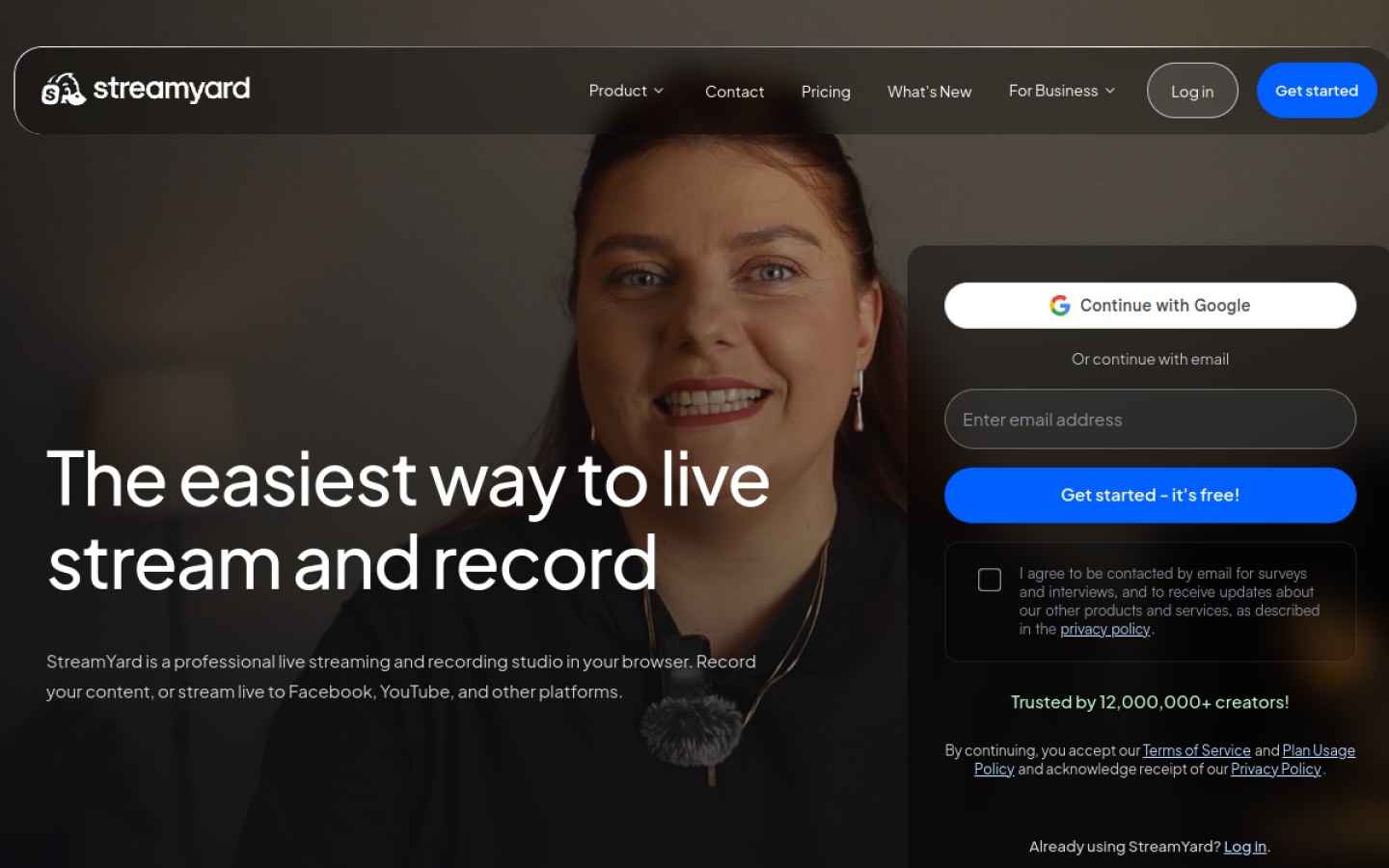
StreamYard leads with a 4.8 G2 rating, a free plan and paid plans from $14.99 a month.
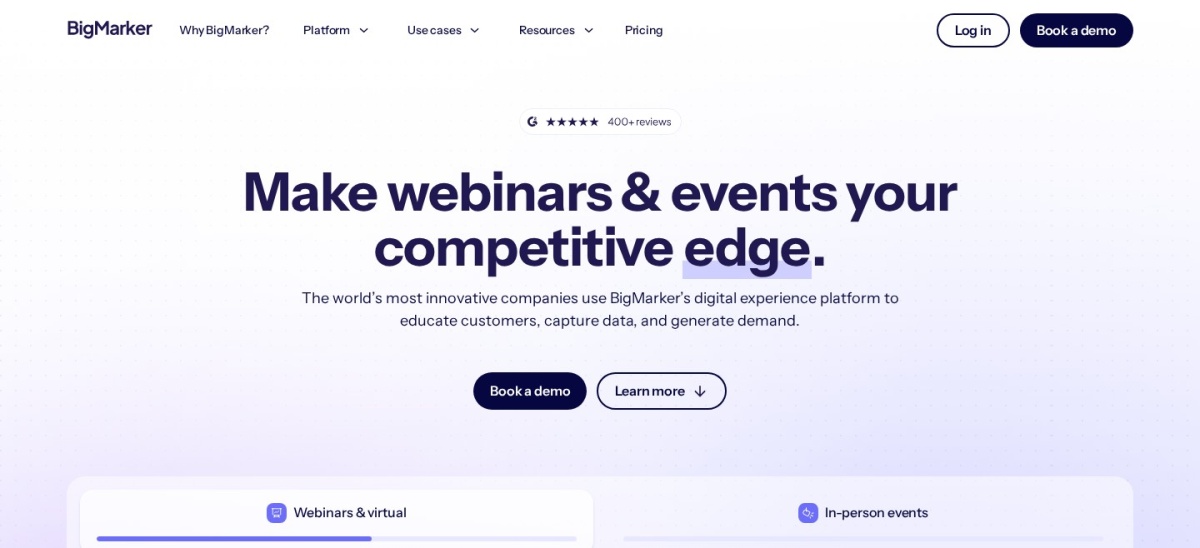
BigMarker is the highest-rated dedicated webinar platform at 4.7, but every plan is quote-only.
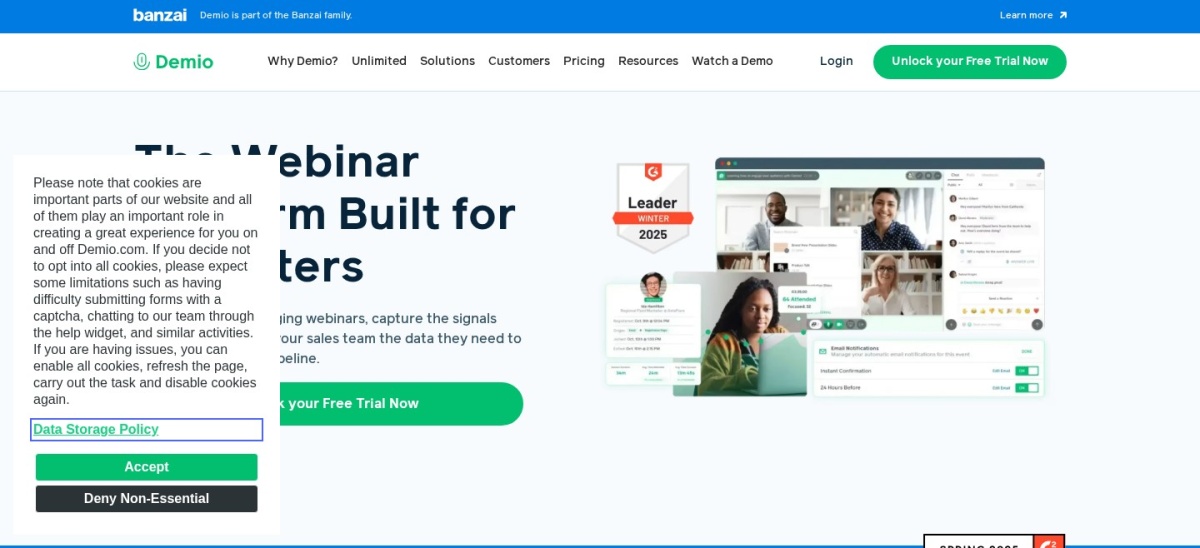
Demio is the simplest marketing pick, with live and automated webinars from $45 a month.
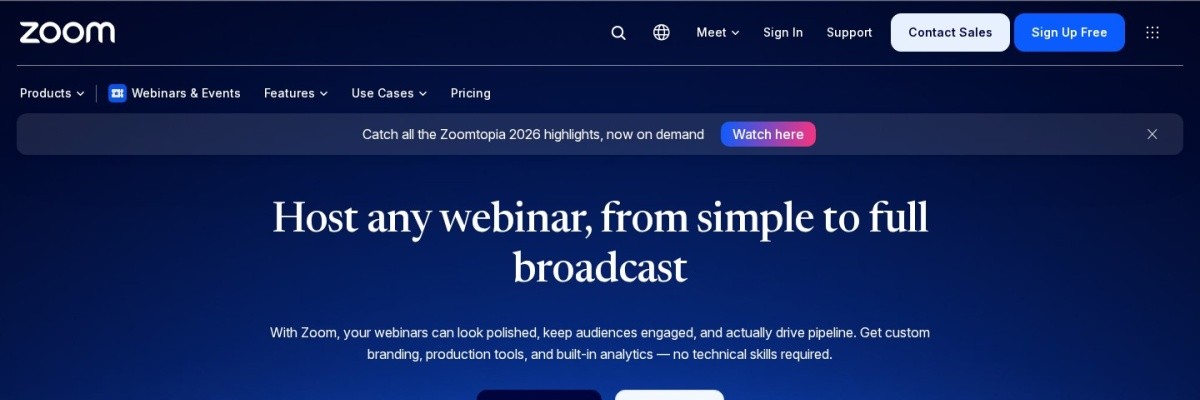
Zoom Webinars costs $66.67 a month on annual billing, plus a paid Workplace Pro licence.
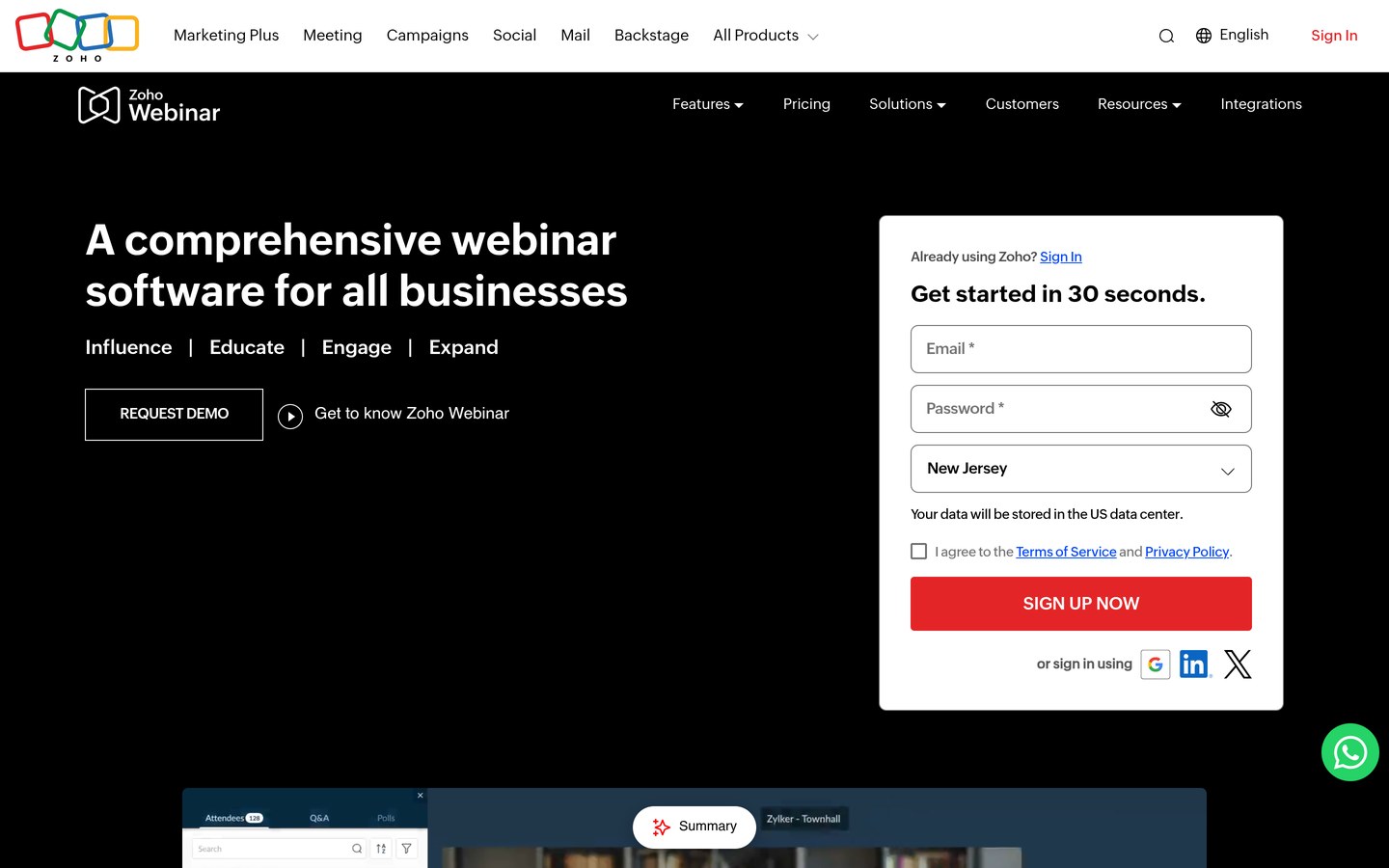
Zoho Webinar has the cheapest paid plan here at $8 a month, for a 25-person room.
ON24 and BigMarker publish no prices, so budget only after a sales quote.
What are the alternatives to GoTo Webinar for a small team?
GoTo Webinar is the long-established option, with published prices from $59 a month billed annually for a 500-attendee room. People switch for a lower bill, browser-based joining, automated webinars or a tool that also streams to social channels, and the nine tools here cover every one of those reasons.
Decide live, automated or both before you compare prices. Demio, Livestorm and BigMarker run automated and on-demand webinars, while Zoom and StreamYard are live-first. If you only run live sessions, do not pay for automation you will never use.
Watch the licence underneath the headline price. Zoom Webinars needs a paid Workplace Pro licence beside it, Livestorm sells attendee credits rather than seats, and Zoho and ClickMeeting price by room size. Our guide to the best online event software shows how the same tools compare for larger events.
Price the room you actually fill. Zoho charges per organiser and room size, so a 25-person session costs $8 a month while 1,000 attendees cost $89. A cheap entry price means little if your audience outgrows it in three months.
StreamYard is a browser-based live streaming studio that doubles as a GoTo Webinar alternative for hosts who want a polished show without downloads. Guests join from a link, the host controls layouts, banners and on-screen comments, and streams go out to YouTube, Facebook and LinkedIn at once. The free plan covers 20 hours a month, and the Essential plan adds unlimited streaming and Full HD for $14.99 a month.
The trade off is that real webinar features sit on the top tier. On-Air webinars for up to 100 viewers, transcripts and 4K local recordings need the Advanced plan at $68.99 a month, and there are no native registration pages or CRM funnels like Demio and Livestorm offer. It suits hosts who stream to social channels first and run webinars second.
BigMarker is a dedicated webinar and virtual event platform built for marketing teams that run large, polished programmes. It covers live, automated, simulive and on-demand webinars with registration, email, polls, handouts and CRM integrations, and its Basic plan supports up to 1,000 live attendees with one host licence. Enterprise tiers scale to 500,000 attendees with white-label domains.
The trade off is that you cannot buy it without a sales call. Every plan is quote-only, there is no self-serve signup and no free plan, and reviewers say costs climb fast with attendee volume. It suits teams with a real webinar programme and a budget to match, not a first-time host testing the format.
Demio is a browser-based webinar platform for marketers who want live and automated sessions in one clean workspace. Attendees join from a browser with no install, and the engagement tools cover polls, handouts, featured actions and automated reminders. Starter costs $45 a month billed annually for one host, a 50-person room and 3-hour sessions.
The trade off is automation pricing. Starter covers live webinars only, so automated and on-demand sessions need the Growth plan at $117 a month, and the 50-attendee room is small for a growing list. It suits marketers who run straightforward live webinars and want the simplest tool in this list.
Zoom Webinars is the webinar add-on for teams that already live in Zoom. It runs reliable, high-quality broadcasts with chat, reactions, polls and Q&A, plus registration pages and performance reports that connect to HubSpot, Marketo and Salesforce. The entry plan costs $66.67 a month billed annually and supports up to 500 attendees with 30-hour sessions.
The trade off is the licence underneath. Webinars is an add-on that needs a paid Workplace Pro licence beside it, at $14.16 per user a month on annual billing, so the real entry cost is higher than the headline price. There is no free plan, and simulive sessions need Webinars Plus at $82.50 a month.
What we like
Rated 4.5 out of 5 on G2 from 412 reviews
Up to 100,000 attendees on higher tiers
Chat, Q&A, polls and reactions included
AI summaries and smart chapters
Watch out for
Needs a paid Workplace Pro licence on top
No free plan or trial
Webinars Plus adds simulive and Production StudioVisit zoom.us
05
Zoho Webinar
4.5/5on G2 (94 reviews, checked Nov 2026)
Paid from$8/mo
Best budget pick for small teams
Cheapest paid planStandard, $8/mo
Room size25 attendees on Standard
Free planYes, 20 attendees
RecordingYes, on Standard
zoho.com
Zoho Webinar homepage, captured Nov 2026.
Zoho Webinar is the budget webinar tool of the Zoho suite, priced per organiser with a room size you pick. Standard costs $8 a month billed annually for a 25-attendee room and adds recording, co-organisers, chat, analytics and webhooks. The free plan hosts 20 attendees for 60-minute webinars, and Zoho CRM and Zapier work on every plan.
The trade off is room size. Standard starts at just 25 attendees, and the price climbs steeply as the room grows, reaching $89 a month for 1,000 attendees, while live streaming and source tracking need Professional at $16 a month. It suits small teams inside Zoho that run modest sessions.
What we like
Rated 4.5 out of 5 on G2 from 94 reviews
Cheapest paid plan in this list
Free plan with 20 attendees
Zoho CRM on every plan
Watch out for
Standard room starts at just 25 attendees
Price climbs steeply with room size
Professional adds live streaming and source trackingVisit zoho.com
06
Google Meet
4.5/5on Capterra (12,079 reviews, checked Nov 2026)
Paid from$7/user/mo
Best for teams already on Google Workspace
Cheapest paid planBusiness Starter, $7/user/mo
Participants100 on Starter, 500 on Plus
RecordingStandard plan and up
Free planYes, 60-minute meetings
meet.google.com
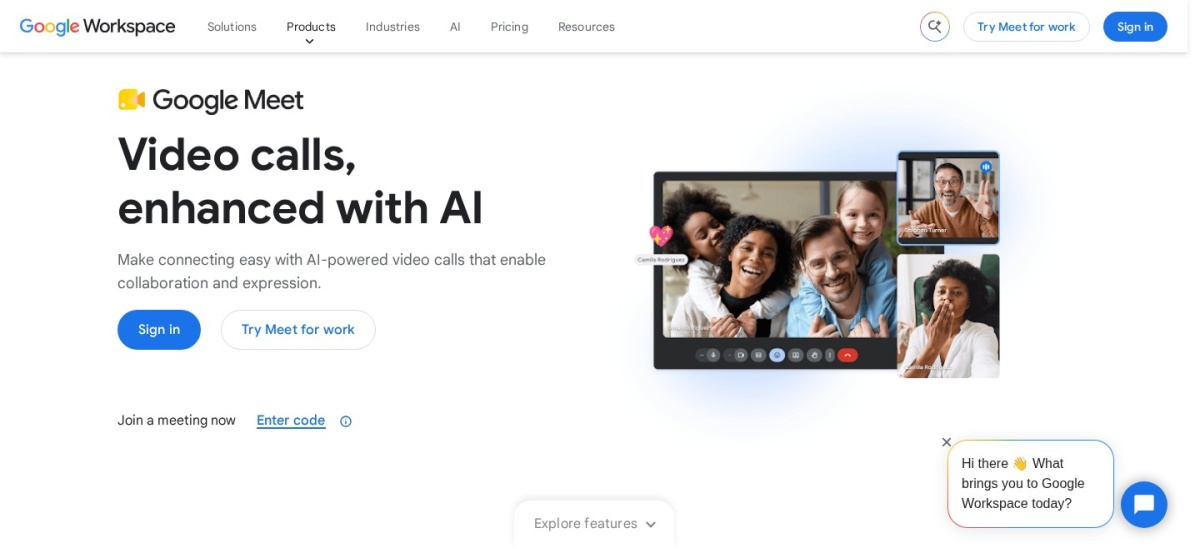
Google Meet homepage, captured Nov 2026.
Google Meet is the video meeting tool built into Google Workspace, and it works as a GoTo Webinar alternative for teams that already run on Gmail and Calendar. Meetings run in the browser with no downloads, Business Starter costs $7 per user a month on annual billing, and the free plan covers 60-minute meetings for up to 100 participants.
The trade off is that Meet is a meeting tool, not a webinar platform. There are no native registration pages, polls for lead capture or automated webinars, and recording needs the Standard plan at $14 per user a month. It suits internal sessions and small public calls, not a marketing webinar programme.
What we like
Rated 4.5 out of 5 on Capterra from 12,079 reviews
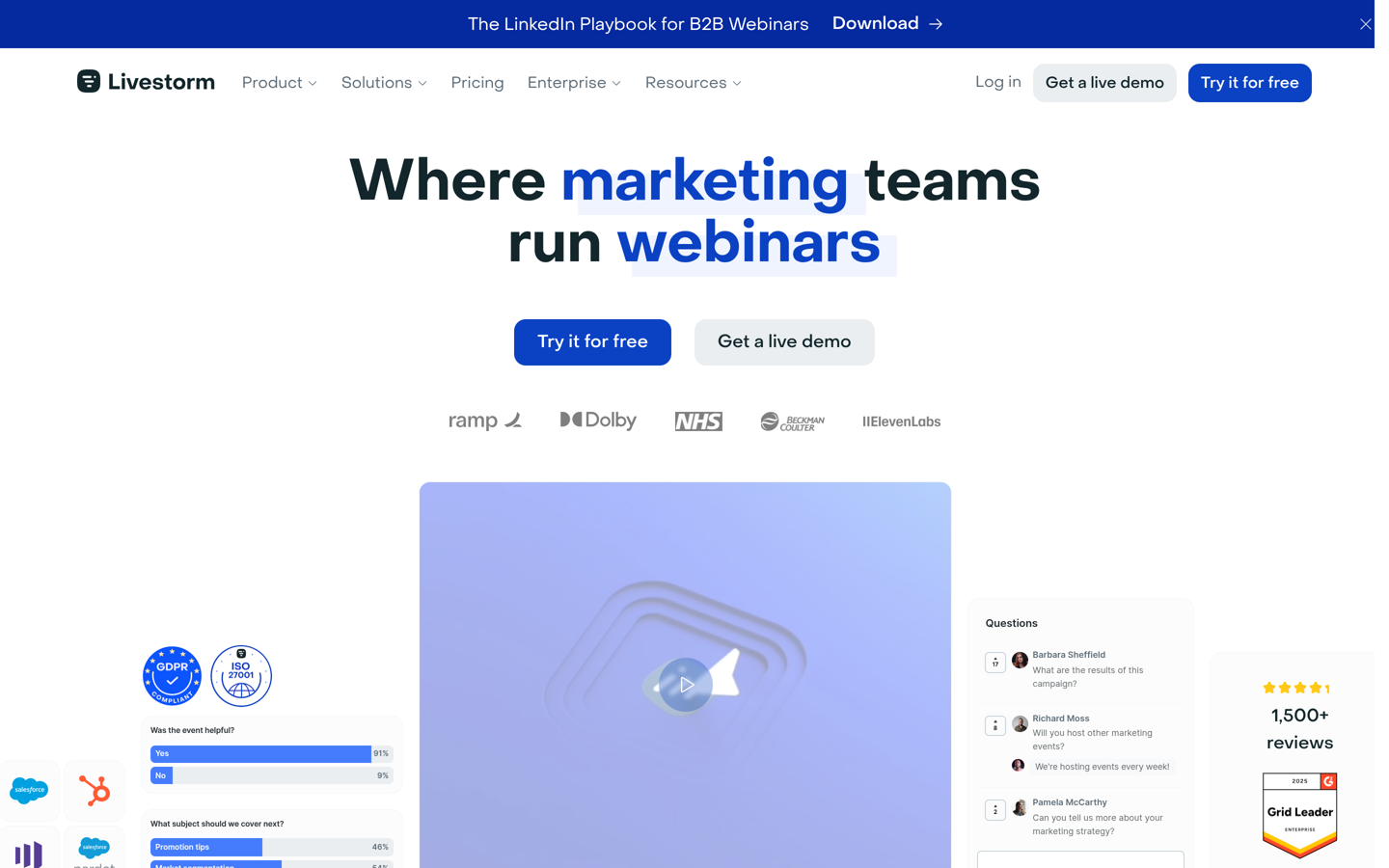
Livestorm is a browser-based video engagement platform for marketing webinars, product demos and training. It sells yearly packs of attendee credits instead of seats, so any number of hosts can run unlimited events, and no-shows never use a credit. The Pro pack starts at $1,200 a year for 400 credits, with sessions up to 4 hours and 3,000 live attendees.
The trade off is the billing model. Plans are annual only, unused credits do not carry over or get refunded, and cancelling needs 90 days notice, so a quiet quarter still costs the full pack. It suits B2B marketing teams that run webinars every week and can use the credits.
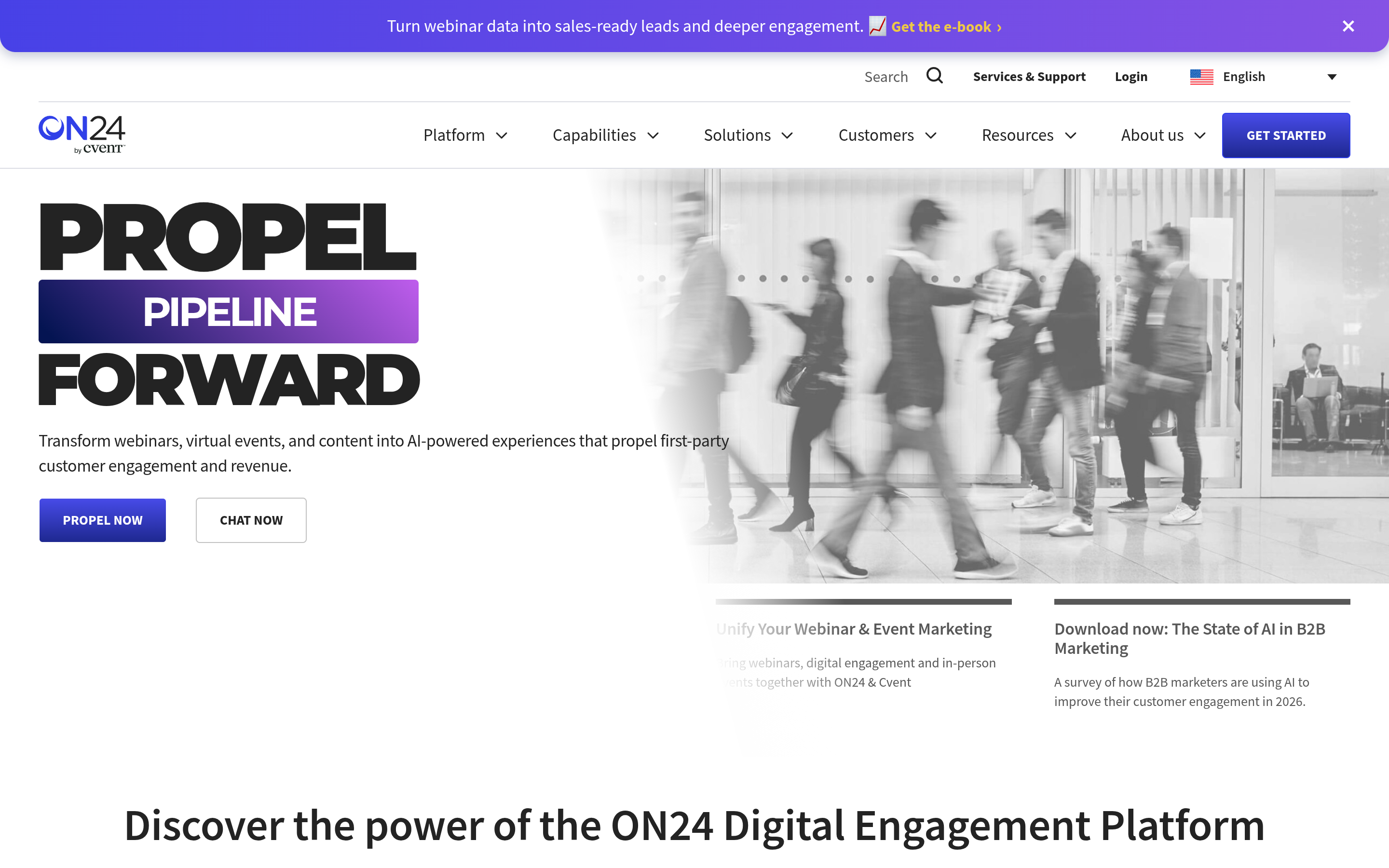
ON24 is an enterprise digital engagement platform for webinars, virtual events and content marketing. It combines live, simulive and on-demand webinars with engagement analytics, account-level intent data and AI that turns a session into transcripts, e-books and short videos. It integrates with more than 30 marketing automation and CRM tools.
The trade off is price and process. ON24 publishes no prices at all, its packages are custom annual subscriptions sold through sales, and reviewers repeatedly call it the most expensive tool in this list. It suits enterprise marketing teams that need deep analytics and can pay for them.
ClickMeeting is a browser-based webinar platform for small and mid-sized teams that run live, automated and paid webinars from one account. Essential costs $39 a month billed annually and covers paid webinars with tickets, discount codes and donations, plus tests, quizzes and a whiteboard. The vendor says 15 million users enjoy it each year.
The trade off is that automation costs more. Automated and on-demand webinars need the Standard plan at $79 a month, and Essential stores just 2 hours of recordings with 500 MB for files. It suits trainers and small teams that sell tickets to live sessions.
Free plans cover the basics well. StreamYard streams free for 20 hours a month with its logo on screen, Google Meet runs free 60-minute meetings for 100 people, and Zoho hosts 20 attendees free.
Paid plans mostly add scale and polish. You get bigger rooms, recording, branding removal, automated webinars and CRM integrations, plus support that answers faster.
If you run webinars every week, the free plan runs out fast. Budget for the first paid tier, and remember Zoom has no free plan at all.
How we chose
We started from webinar and live-event platforms with a G2 or Capterra rating that can replace GoTo Webinar for live, automated or on-demand sessions, then ranked them by rating and review count.
Prices come from each vendor's own pricing page, checked on 30 November 2026. StreamYard's plans changed since review sites listed its old Basic plan at $25 a month, and ClickMeeting replaced its Live plan with Essential at $39 a month. Zoho's and Google's pages did not render dollar figures in our read, so their figures rest on the vendors' own comparison pages and recent reads of them.
We left out tools with no aggregator rating and GoTo Webinar itself, since this list is about replacing it. No vendor paid for a place, and we do not claim hands-on testing for this list.
How to choose an alternative to GoTo Webinar
Start with the session you run most often, then match the tool to that session.
Decide live, automated or both. Demio, Livestorm and BigMarker run automated and on-demand webinars; Zoom and StreamYard are live-first. Pick the mode you actually run.
Price the room, not the host. Zoho and ClickMeeting price by attendee tier, Livestorm by credits, Zoom by licence plus add-on. Cost the room size you fill every week.
Check the licence underneath. Zoom Webinars needs a paid Workplace Pro licence beside it, so add $14.16 a user a month on annual billing to its $66.67.
Run a real session on the free plan or trial. StreamYard, Google Meet, Zoho and Livestorm all have free plans. Host one real webinar before you pay.
FAQ
What are the alternatives to GoTo Webinar in 2026?
StreamYard is the best alternative for most people, with a 4.8 rating on G2, a free plan and paid plans from $14.99 a month. BigMarker is the top-rated dedicated webinar platform, and Demio is the simplest pick for marketing webinars.
How much do GoTo Webinar alternatives cost?
Entry prices run from $8 a month for Zoho Webinar and $14.99 for StreamYard to $66.67 for Zoom Webinars, which also needs a paid Workplace Pro licence. Demio starts at $45 a month, Livestorm at $1,200 a year, and BigMarker and ON24 sell by custom quote only.
What is the best free alternative to GoTo Webinar?
StreamYard has the most useful free plan, with 20 hours of streaming a month and multistreaming included. Google Meet runs free 60-minute meetings for 100 people, Zoho hosts 20 attendees free, and Livestorm gives 30 attendee credits a year.
Which GoTo Webinar alternative is best for marketing webinars?
Demio is the best pick for marketing webinars, with live and automated sessions, polls, handouts and featured actions in one clean tool. Livestorm adds all-in-one webinar marketing with landing pages and CRM sync, while BigMarker suits large programmes.
Is Zoom Webinars cheaper than GoTo Webinar?
No. GoTo Webinar's entry plan costs $59 a month billed annually, below Zoom Webinars at $66.67 a month, and Zoom also needs a paid Workplace Pro licence on top. Zoom wins on scale and integrations, not on entry price.
Do I need to install software to run these webinars?
No. StreamYard, Demio, Livestorm, Zoho Webinar, Google Meet and ClickMeeting all run in the browser, so attendees join from a link with no download. Zoom attendees can also join from a browser, though the desktop app gives the full experience.
SaaS SEO and WordPress specialist with about 8 years of experience. Rakib compares WordPress plugins, themes, hosting and software using public pricing, documentation and user reviews. See how we rank.