Salesforce is the top enterprise software brand for most large companies, with its Sales Cloud CRM from $25 per user a month and the largest review base here. HubSpot suits teams that want a free start, and Microsoft Dynamics 365 fits firms already on Microsoft 365.
How we make this list: we compare pricing pages, product documentation and public user reviews, then re-check every price before each update. No product paid for a place. Disclosure.
Salesforce starts at $25 per user a month, the lowest published price among the enterprise brands here.
HubSpot is the only brand here with a free CRM, and Sales Hub Starter costs $20 per seat a month.
Microsoft Dynamics 365 Sales starts at $65 per user a month, with Copilot AI built into the sales workflow.
SAP, Oracle NetSuite, ServiceNow, Workday and Sage Intacct publish no price, so every deal is a custom quote.
ServiceNow holds the highest G2 rating among the custom-priced brands at 4.5 out of 5.
How do you compare top enterprise software brands?
Enterprise software brands differ from ordinary software picks because the brand is the platform. Salesforce, SAP and Oracle sell whole ecosystems, so the choice locks in years of integrations, training and consulting, not just one app.
Published prices cover only three of the eight brands here. Salesforce starts at $25 per user a month, HubSpot at $20, and Microsoft Dynamics 365 at $65, while SAP, Oracle NetSuite, ServiceNow, Workday and Sage Intacct all sell by custom quote.
Revenue shows the scale gap. Microsoft reported $331.8 billion in its latest fiscal year, Oracle $67.4 billion, SAP about $41.6 billion and Salesforce $41.5 billion, while ServiceNow reported $13.3 billion.
Ratings are close at the top. ServiceNow leads at 4.5 out of 5 on G2, Salesforce and SAP follow at 4.4, and Microsoft Dynamics 365 trails at 3.8, the lowest rating in this list.
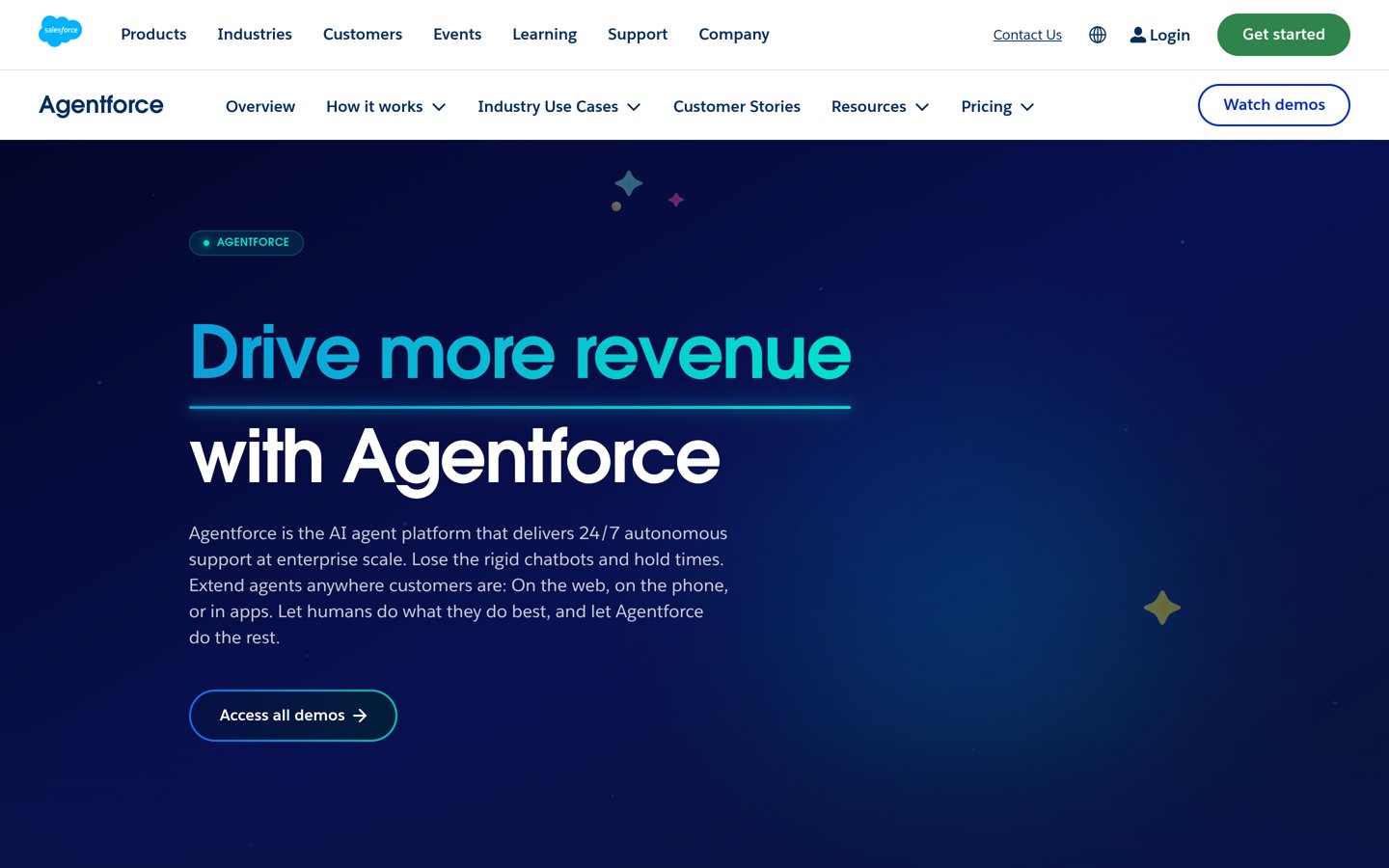
Salesforce is the largest CRM brand in the world, with Sales Cloud covering leads, opportunities, forecasting and service in one platform. Starter Suite costs $25 per user a month and bundles sales, service and marketing basics, and the AppExchange marketplace adds thousands of extensions.
The trade off is total cost. Higher editions, add-ons and admin time push the real bill far past $25 per user, and most deployments need a dedicated admin. It suits companies that want the deepest CRM and can staff it properly.
HubSpot is the easiest enterprise brand to start with, because its free CRM is a real product, not a timed trial, and its six hubs cover marketing, sales, service and operations in one system. Sales Hub Starter costs $20 per seat a month and adds deal tracking, email templates and simple automation.
The trade off is the upgrade jump. Professional costs far more than Starter, and contact-tier pricing rises as the database grows. It suits marketing-led teams that want a gentle path from free to paid.
Microsoft Dynamics 365 homepage, captured Nov 2026.
Microsoft Dynamics 365 is the enterprise brand for companies already running Microsoft 365, Teams, Outlook and Power BI. Sales Professional costs $65 per user a month and adds pipeline management, Copilot insights and native Office integration, while Business Central covers finance and operations.
The trade off is the rating and the setup. It holds the lowest G2 rating in this list at 3.8 out of 5, and most deployments take three to four months with a partner. It suits firms that already live in Microsoft tools.
SAP is the brand large manufacturers, distributors and multinational groups pick when operations are too complex for lighter ERP. SAP Cloud ERP runs finance, procurement, manufacturing and sales in one system, and it holds a 4.4 out of 5 G2 rating from more than 1,100 reviews.
The trade off is price and implementation. SAP publishes no price, so every deal is a custom quote, and rollouts take months with a partner. It suits large global firms with complex supply chains and many subsidiaries.
Oracle NetSuite is a cloud ERP that combines accounting, inventory, order management, CRM and ecommerce in one system. It covers multi-subsidiary and multi-currency accounting out of the box, and it is rated 4.1 out of 5 on G2 from more than 4,500 reviews.
The trade off is pricing opacity. NetSuite publishes no price, so buyers must talk to sales, and implementation costs add up. It suits mid-size firms that have outgrown basic accounting and spreadsheets.
ServiceNow is the brand big IT departments standardise on for service management. Its IT service suite spans incidents, requests, changes, assets and a service portal, and it holds a 4.5 out of 5 G2 rating from more than 2,000 reviews.
The trade off is price and complexity. ServiceNow publishes no price, every deal is a custom quote, and the platform needs skilled admins to configure. It suits large firms that run IT and employee service at scale.
Workday is the enterprise brand for large employers that want HR and finance in one cloud system. Financial Management shares one data model with HCM, so headcount, pay, budgets and forecasts stay in step, and it is rated 4.2 out of 5 on G2 from more than 500 reviews.
The trade off is price and fit. Workday publishes no price, every deal is a custom quote, and it suits firms with hundreds of employees rather than small teams. It suits large employers that plan headcount and money together.
Sage Intacct is the finance-led pick among the enterprise brands, with dimensional reporting and native consolidation for firms that run many entities. It is rated 4.3 out of 5 on G2 from more than 4,500 reviews, and it fits finance teams that close the books every month.
The trade off is pricing opacity and scope. Sage publishes no price for Intacct, and it is a finance system first, so sales and operations need other tools. It suits mid-size and large finance teams with complex books.
Three brands publish a starting price, so you can budget before you talk to sales. Salesforce, HubSpot and Microsoft Dynamics 365 all list a per-user monthly price.
Five brands sell by quote only. SAP, Oracle NetSuite, ServiceNow, Workday and Sage Intacct all need a sales conversation, and the final price depends on modules, users and contract length.
As a rough guide, a custom quote usually means a longer sales cycle and a higher total cost, so start with the published-price brands if you need a number this quarter.
How we chose
We started from the largest software companies by revenue, then kept the brands with a flagship enterprise product, a verifiable G2 rating and a clear buyer fit.
Prices come from each vendor pricing page, checked on 29 November 2026. Ratings and review counts come from G2 on the same day. Where a vendor shows a sale, the list shows the regular price.
We left out brands with no enterprise flagship product and brands with no verifiable rating. No vendor paid for a place, and we do not claim hands-on testing for this list.
How to choose a top enterprise software brand
Start with the system you already run, then price the published options first.
Match the brand to your stack. Microsoft shops fit Dynamics 365, Salesforce shops fit Sales Cloud, and SAP shops fit Cloud ERP.
Price the published options first. Salesforce, HubSpot and Dynamics 365 list prices, so budget those before you open a quote conversation.
Ask for the total cost, not the seat price. Implementation, admin time and add-ons often cost more than the subscription itself.
Run a pilot with real data. Test the flagship product with your own records before you sign a multi-year deal.
FAQ
What is the top enterprise software brand in 2026?
Salesforce is the top enterprise software brand for most large companies. Its Sales Cloud CRM starts at $25 per user a month, it holds the largest G2 review base here, and its AppExchange marketplace adds thousands of extensions.
Which enterprise software brand is cheapest?
HubSpot is the cheapest to start, since its CRM is free and Sales Hub Starter costs $20 per seat a month. Salesforce follows at $25 per user a month, while the other brands sell by custom quote.
Is there a free enterprise software brand?
Yes, partly. HubSpot offers a free CRM with real features, and Salesforce and Microsoft Dynamics 365 offer free trials. The other brands here sell by quote with a demo only.
Which enterprise software brand is best for manufacturers?
SAP is the best enterprise software brand for manufacturers, with Cloud ERP covering finance, procurement, production and sales in one system. Oracle NetSuite is the better pick for mid-size firms that want cloud ERP without SAP scale.
Salesforce vs Microsoft Dynamics 365: which is better?
Salesforce is better for most companies, with a higher G2 rating and a lower starting price of $25 per user a month. Dynamics 365 is better for firms already running Microsoft 365, Teams and Power BI every day.
Do enterprise software brands publish prices?
Only some do. Salesforce, HubSpot and Microsoft Dynamics 365 publish starting prices, while SAP, Oracle NetSuite, ServiceNow, Workday and Sage Intacct sell by custom quote only.
SaaS SEO and WordPress specialist with about 8 years of experience. Rakib compares WordPress plugins, themes, hosting and software using public pricing, documentation and user reviews. See how we rank.