WLWPLegible EditorsLast verified 22 Nov 2026How we rank13 min read
★ Short answer
HubSpot is the best CRM software overall, offering a free CRM for 2 users and Sales Hub Starter at a regular $20 per seat monthly. Zoho CRM is better for cost-conscious teams needing customization, while Pipedrive is suited to salespeople who prioritize visual pipelines and deal tracking.
How we make this list: we compare pricing pages, product documentation and public user reviews, then re-check every price before each update. No product paid for a place. Disclosure.
HubSpot earns 4.4/5 from 14,407 G2 reviews and provides a free CRM for 2 users; regular Sales Hub Starter pricing is $20/seat/month.
Zoho CRM offers a free edition for 3 users, while Standard costs $14/user/month with annual billing.
Pipedrive starts at $14/seat/month billed annually, with 500+ integrations and a 4.3/5 G2 rating from 5,132 reviews.
Freshsales Growth costs $9/user/month billed annually and includes email, phone, chat and basic workflows.
monday CRM Basic starts at $12/seat/month annually, but subscriptions require at least 3 seats.
Salesforce Starter Suite costs $25/user/month, while Insightly Plus starts at $29/user/month billed annually.
What matters when choosing CRM software
Customer relationship management software organizes the people, conversations and opportunities behind a business's sales process. Instead of keeping customer details in spreadsheets and separate inboxes, a CRM centralizes contact records, deals, activities and follow-up tasks.
Start with contact and pipeline management. Every CRM in this comparison handles customer records, but pipeline visibility, activity tracking and reporting differ. A useful system should make it easy to identify stalled deals, overdue tasks and the next action for each prospect.
Automation is another major difference. Entry plans often support task reminders and basic workflows, while advanced plans add lead scoring, automated sequences, forecasting and more detailed reporting. Confirm which features are included before comparing subscription prices.
CRM costs usually depend on the number of paid users. A plan advertised at a low monthly rate can require annual billing, a minimum seat commitment or an upgrade for email synchronization. Calculate the full team cost instead of comparing individual seat prices alone.
Finally, consider your existing tools. Integrations with email, calendars, forms, marketing platforms and customer support software can reduce duplicate work. A CRM that fits your daily workflow is usually more valuable than one with features your team will rarely use.
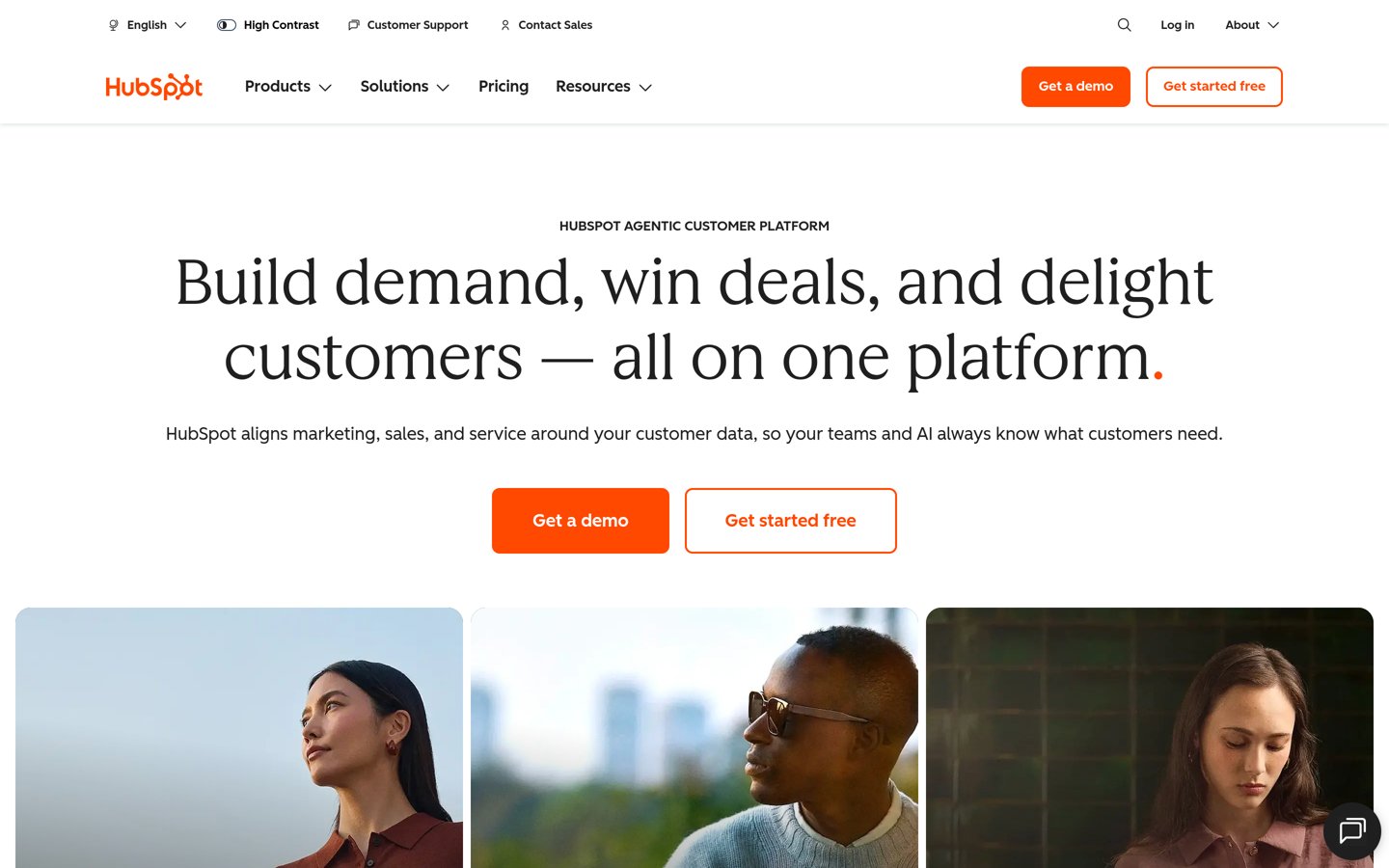
HubSpot is a CRM platform combining contact management, sales pipelines, email tracking, meeting scheduling and customer activity history. Its free CRM supports 2 users, unlimited contacts and companies, and 1 deal pipeline. Sales Hub Starter adds features such as additional pipelines, task automation and expanded email tracking.
The trade off is that advanced workflow automation, forecasting and sales sequences require more expensive plans. Sales Hub Starter has a regular price of $20 per seat monthly, although the public pricing page displays a $7 promotional offer. It suits growing businesses wanting sales, marketing and service data connected.
What we like
Useful free CRM for small teams
Sales, marketing and service tools share customer data
Built-in email tracking and meeting scheduling
Starter adds basic sales automation
Large integration and training ecosystem
Watch out for
Advanced automation requires higher plans
Professional plans introduce significant subscription and onboarding costs
Free tools include HubSpot branding
Starter adds additional pipelines, automation and expanded sales toolsVisit hubspot.com
02
Zoho CRM
4.1/5on G2 (2,963 reviews, checked Nov 2026)
Paid from$14/mo
Best value CRM for customizable sales processes
Free editionUp to 3 users
Entry paid planStandard
Annual-billing price$14/user/month
Monthly-billing price$20/user/month
zoho.com
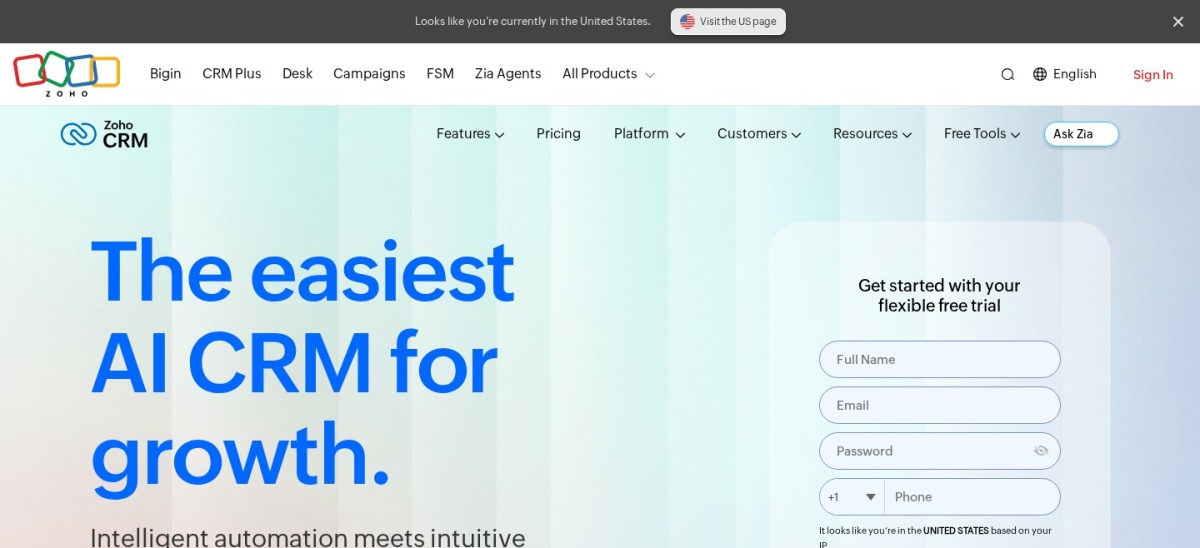
Zoho CRM homepage, captured Nov 2026.
Zoho CRM is a sales management platform offering leads, contacts, accounts, deals, reporting and customizable pipelines. Its free edition supports 3 users, while Standard costs $14 per user monthly with annual billing. Standard adds email integration, mass emails, multiple pipelines, built-in calling and workflow capabilities.
The trade off is that Zoho CRM has more settings and configuration options than some simpler competitors, and advanced features require higher editions. Standard costs $20 per user on monthly billing instead of the $14 annual-billing rate. It suits small businesses wanting customization without committing to a higher-priced CRM.
What we like
Free edition supports 3 users
Competitive Standard subscription
Multiple pipelines and workflow capabilities
Connects with other Zoho business applications
Customizable sales processes and reporting
Watch out for
Configuration can require more initial setup
Advanced AI and process tools require upgrades
Email and automation limits depend on the edition
Standard adds multiple pipelines, email tools and workflowsVisit zoho.com
03
Pipedrive
4.3/5on G2 (5,132 reviews, checked Nov 2026)
Starts at$14/mo
Best for visual sales pipelines and deal management
Entry planLite
Annual-billing price$14/seat/month
Integrations500+
Free trial14 days
pipedrive.com
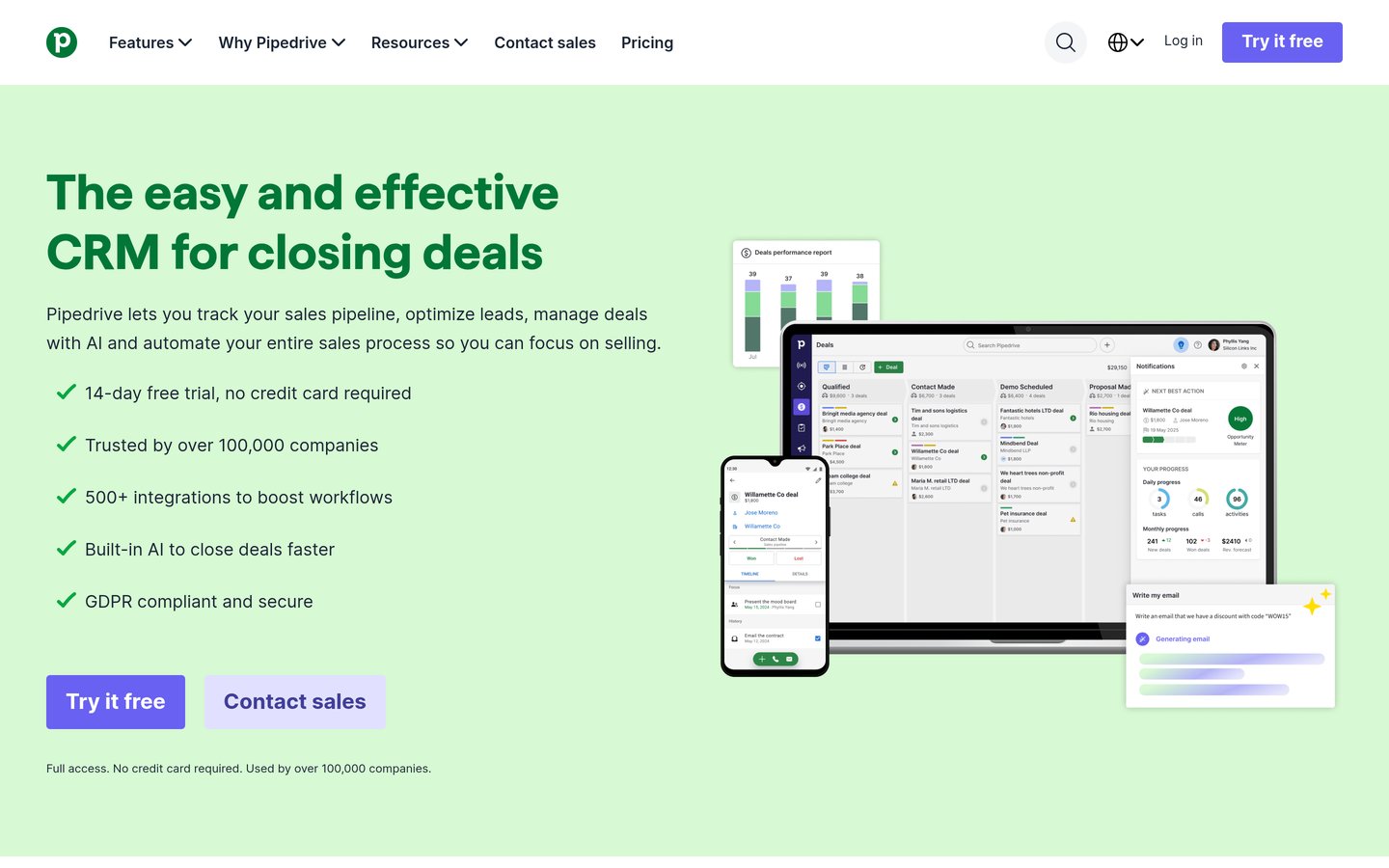
Pipedrive homepage, captured Nov 2026.
Pipedrive is a sales-focused CRM that organizes leads, contacts, activities and deals around visual pipelines. Its Lite plan costs $14 per seat monthly with annual billing and includes pipeline management, calendars, reporting and access to more than 500 integrations. Pipedrive also includes meeting intelligence features in its updated plans.
The trade off is that Lite does not include the full email synchronization, automated follow-ups and nurturing sequences available in Growth. Lite costs $24 per seat on monthly billing, while Growth starts at $39 per seat monthly with annual billing. It suits sales teams that prefer a clear deal pipeline over a broader marketing platform.
What we like
Clear visual deal pipelines
Designed around sales activities and follow-ups
More than 500 app integrations
AI-assisted reporting and meeting intelligence
Straightforward sales-focused interface
Watch out for
No permanent free plan
Email sync and automation require Growth
Additional selling and lead-generation tools can increase costs
Growth adds email synchronization, automations and nurturing sequencesVisit pipedrive.com
04
Freshsales
4.5/5on G2 (1,244 reviews, checked Nov 2026)
Paid from$9/mo
Best for sales teams needing built-in communication
Free editionUp to 3 users
Entry paid planGrowth
Annual-billing price$9/user/month
CommunicationEmail, phone and chat
freshworks.com
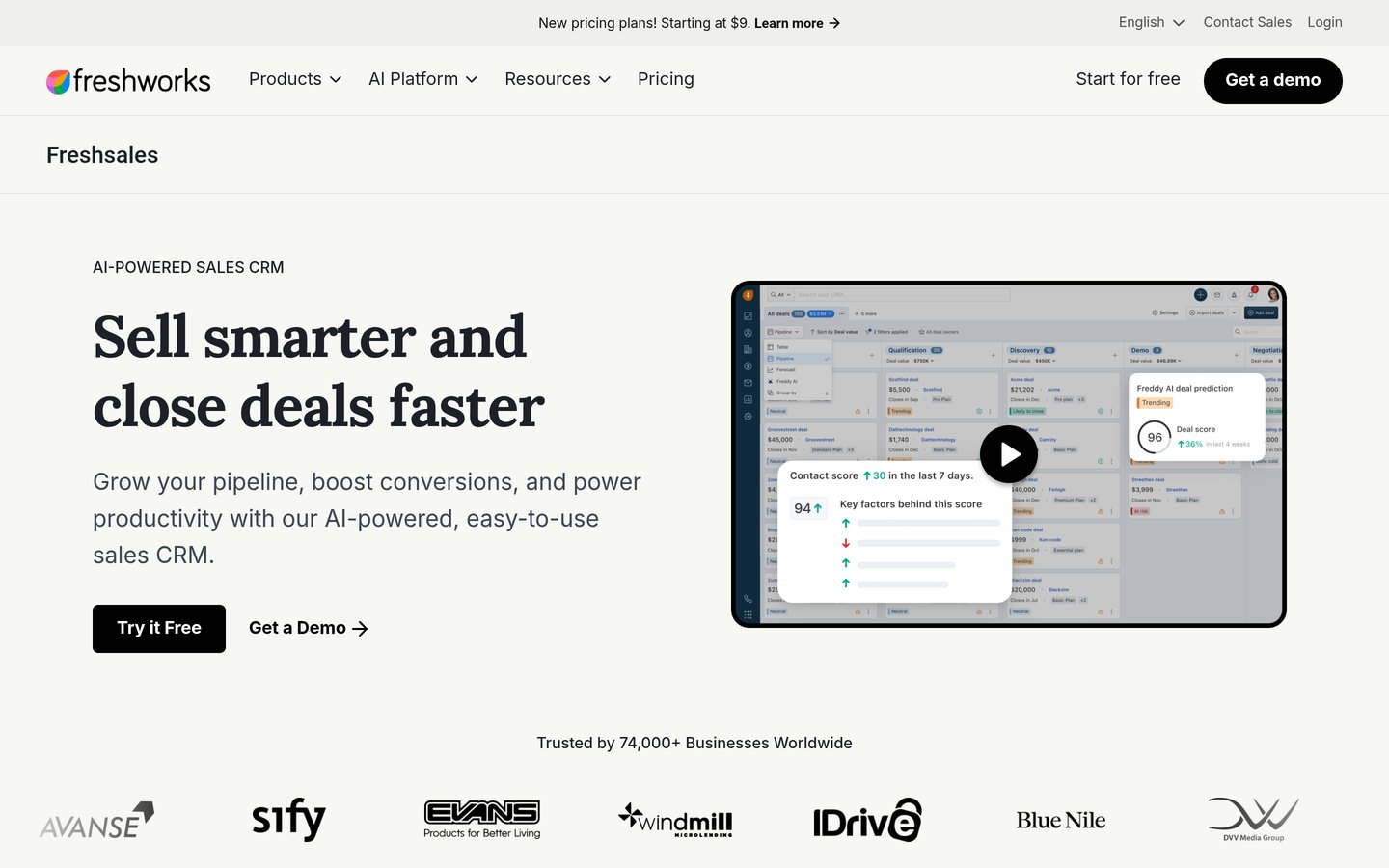
Freshsales homepage, captured Nov 2026.
Freshsales is a sales CRM combining contact management, pipeline views, email, phone and chat within one workspace. Its Growth plan costs $9 per user monthly with annual billing and includes contact lifecycle stages, Kanban views, email templates, custom fields and basic workflows. A free edition is documented for teams of up to 3 users.
The trade off is that advanced contact scoring, sales sequences, territory management and deeper deal insights require Pro at $39 per user monthly with annual billing. Optional branded documents and AI agent sessions also cost extra. It suits businesses that want communication tools and CRM records in the same system.
What we like
Email, phone and chat within the CRM
Affordable Growth plan
Contact lifecycle and Kanban views
Basic workflows available in Growth
Higher plans add sales intelligence and sequences
Watch out for
Advanced lead scoring requires Pro
Some AI capabilities carry additional charges
Annual billing is required for the advertised entry rate
Best for customizable workflows and team collaboration
Entry planBasic
Annual-billing rate$12/seat/month
Minimum seats3
Basic capacity1,000 active contacts and deals
monday.com
monday CRM homepage, captured Nov 2026.
monday CRM is a customizable sales workspace that manages leads, contacts, deals and collaborative workflows through configurable boards. Basic costs $12 per seat monthly with annual billing and includes 1 workspace, 1 custom dashboard, 1,000 active contacts and deals, and 20 quotes or invoices per month.
The trade off is that monday CRM requires at least 3 paid seats, making the actual minimum annual commitment $432 rather than $144. Standard starts at $17 per seat monthly with annual billing and adds broader automation and communication features. It suits teams already comfortable organizing work through boards and dashboards.
What we like
Flexible boards for managing sales processes
Custom dashboards and collaborative workspaces
Quotes and invoices included in Basic
Integrates sales tasks with broader workflows
Watch out for
Minimum purchase of 3 seats
Basic has contact, deal and dashboard limits
Advanced automation and email features require upgrades
Standard expands dashboards, contacts and sales automationVisit monday.com
06
Salesforce
4.4/5on G2 (27,596 reviews, checked Nov 2026)
Starts at$25/mo
Best for companies planning complex CRM operations
Entry paid planStarter Suite
Subscription$25/user/month
BillingMonthly or annually
Included toolsSales, service and marketing
salesforce.com
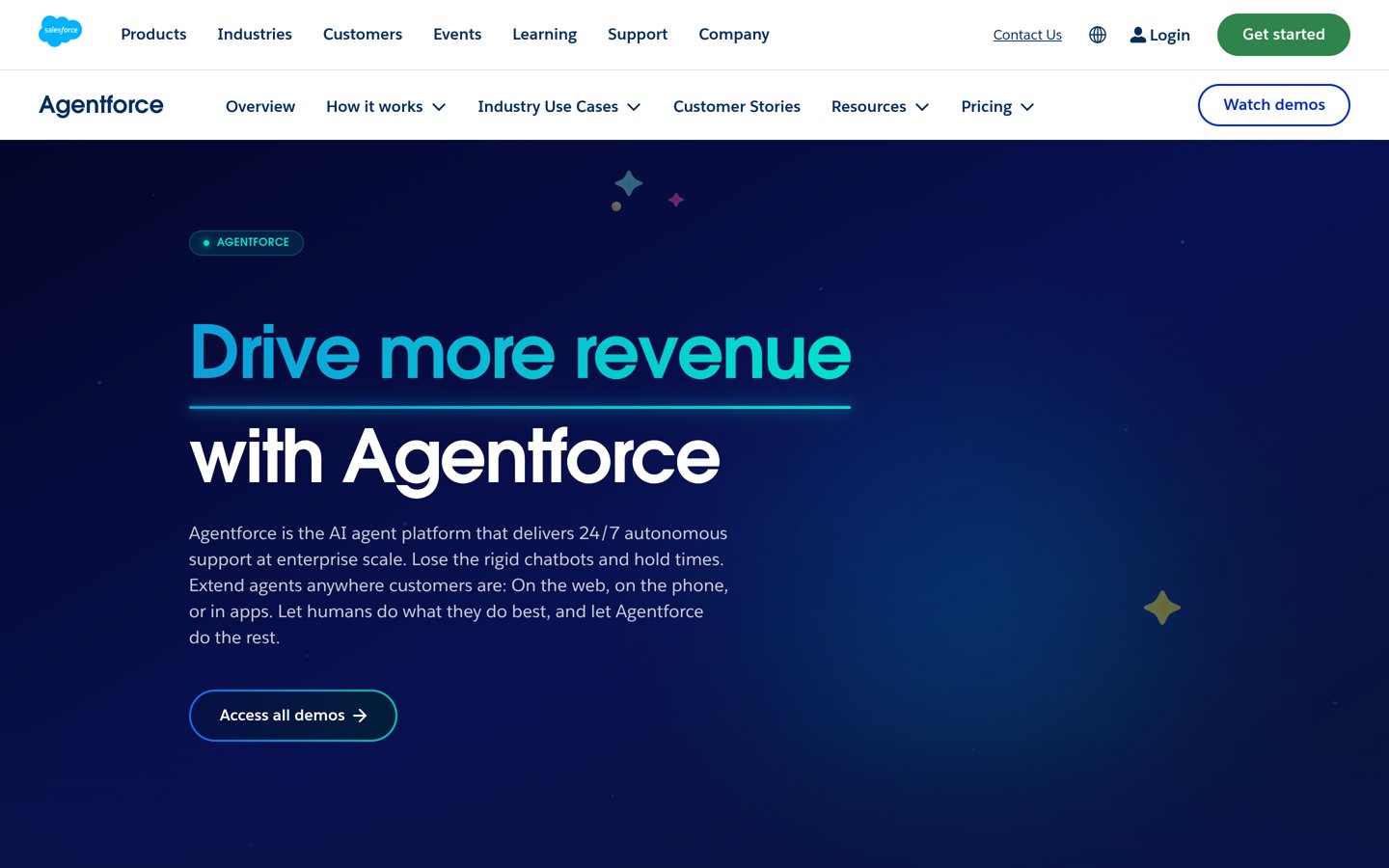
Salesforce homepage, captured Nov 2026.
Salesforce is a CRM platform covering leads, accounts, contacts, opportunities and customer relationships across departments. Its Starter Suite costs $25 per user monthly and combines sales, service, marketing and commerce capabilities. Starter includes lead routing, built-in sales flows, email synchronization and marketing analytics.
The trade off is that broader customization, quoting, forecasting and advanced automation require higher-priced editions. Pro Suite costs $100 per user monthly with annual billing, creating a significant step above Starter. It suits companies that expect complex sales processes and want a CRM ecosystem capable of supporting additional departments.
What we like
Sales, marketing and service capabilities
Customizable CRM ecosystem
Built-in lead and opportunity management
AI-assisted synchronization and sales flows
Extensive enterprise expansion options
Watch out for
Advanced editions are considerably more expensive
Complex configurations may need specialist administration
Starter lacks some advanced forecasting and customization tools
Pro Suite adds advanced customization, automation, quoting and forecastingVisit salesforce.com
07
Insightly
4.2/5on G2 (950 reviews, checked Nov 2026)
Starts at$29/mo
Best for connecting CRM with project delivery
Entry planPlus
Annual-billing price$29/user/month
Free trial14 days
Core functionsCRM and project management
insightly.com
Insightly homepage, captured Nov 2026.
Insightly is a CRM platform connecting lead and contact management with sales opportunities, projects and reporting. Its Plus plan costs $29 per user monthly with annual billing and includes project management, advanced reports and prebuilt business dashboards. It is designed to help teams organize customer relationships beyond the initial sale.
The trade off is that automated lead routing, workflow automation and AI Copilot require Professional at $49 per user monthly with annual billing. The Plus plan therefore costs more than several entry-level alternatives while offering fewer automation capabilities. It suits service businesses that need to manage both customer acquisition and post-sale projects.
What we like
CRM and project management in one platform
Advanced reporting included in Plus
Prebuilt business dashboards
Suitable for sales-to-project handoffs
Watch out for
No permanent free CRM edition advertised
Workflow automation requires Professional
Higher entry subscription than several alternatives
Professional adds lead routing, workflow automation and AI CopilotVisit insightly.com
Free vs paid CRM: when is upgrading worthwhile?
A free CRM can work well when the main requirement is organizing contacts, tracking deals and remembering follow-ups. HubSpot offers a free CRM for 2 users, while Zoho CRM has a free edition for 3 users. Freshsales also documents a free edition for small teams.
The limitations become more noticeable when sales activity increases. Free editions commonly restrict user access, automation, reporting or the number of pipelines. Moving to a paid plan can be worthwhile when manual follow-ups begin consuming significant sales time.
Do not assume the cheapest paid plan includes advanced automation. Pipedrive reserves automated follow-ups and full email synchronization for Growth, while Insightly requires Professional for workflow automation. Salesforce similarly places advanced forecasting and customization above Starter Suite.
Choose a paid CRM based on the specific features that will save your team time. A subscription is easier to justify when it removes repetitive administrative tasks, improves deal visibility or prevents leads from going unanswered.
How to compare the real annual cost of CRM software
Most CRM platforms charge per user or seat. This means your annual cost depends on how many people need access, which features each person requires and whether you commit to annual billing.
For example, Zoho CRM Standard costs $168 per user annually, while Salesforce Starter Suite costs $300 per user annually. The difference grows as additional salespeople join the team.
Minimum-seat requirements also matter. monday CRM Basic advertises $12 per seat monthly with annual billing, but requires at least 3 seats. Its minimum annual purchase is therefore $432.
Check onboarding charges, add-ons and upgrades before buying. HubSpot's Professional tier has a separate onboarding fee, while Freshsales offers optional AI and document add-ons. Compare the full cost of the plan your team actually needs, not just the entry-level advertised rate.
How we chose
We shortlisted established CRM platforms with significant public user-review histories and clearly documented contact or sales pipeline management. The selection covers general-purpose CRM, sales-focused systems, customizable team workspaces and platforms that connect customer relationships with project delivery. We prioritized practical suitability, product scope and pricing transparency.
We checked official pricing and product information on 22 Nov 2026 and used G2 for ratings and review counts. Prices represent the cheapest published paid plans at regular rates, not limited-time offers. Annual-billing rates are identified where applicable, and we noted minimum-seat commitments, free editions and important upgrade requirements.
We excluded tools without confirmable paid subscription prices, platforms with insufficient public review evidence and products primarily intended for unrelated business functions. We also avoided treating free trials as permanent free plans. No vendor paid for a place, and we do not claim testing for this list.
How to choose the best CRM software for your business
Identify your biggest sales-management problem, then select a CRM that solves it without adding unnecessary complexity or subscription costs.
Define your core sales workflow. List the steps a lead passes through before becoming a customer. If visual deal tracking is the priority, consider Pipedrive. If you need sales, marketing and service information together, compare HubSpot and Salesforce.
Set a realistic user-based budget. Count everyone who needs CRM access and calculate the total annual subscription. Check annual-billing commitments, minimum seats and upgrade costs. Include any required onboarding, additional communication tools or integrations.
Identify the automation features you need. Decide whether reminders and basic workflows are sufficient or whether your sales team needs automated sequences, lead scoring, routing and forecasting. Verify that those features are available in the plan you intend to purchase.
Check integrations and data portability. Confirm that the CRM connects with your email, calendars, lead forms and existing business software. Review data import and export options, permissions and reporting before moving customer records. Use an available trial or free edition to assess the workflow.
FAQ
What is the best CRM software in 2026?
HubSpot is our overall recommendation because it combines contact management, deal pipelines, email tracking and connected marketing and service tools. Its free CRM supports 2 users, and Sales Hub Starter has a regular price of $20 per seat monthly. Zoho CRM and Pipedrive are strong alternatives for different needs.
What is the best free CRM software?
HubSpot and Zoho CRM are useful free options. HubSpot's free CRM supports 2 users and includes contact and deal management, while Zoho CRM offers a free edition for 3 users. Choose based on team size, email requirements, pipeline features and whether the eventual paid upgrade fits your budget.
Which CRM is best for a small business?
Zoho CRM, HubSpot and Freshsales are suitable starting points for small businesses. Zoho CRM Standard costs $14 per user monthly with annual billing, while Freshsales Growth costs $9 per user monthly under the same billing arrangement. HubSpot is attractive when connected marketing and customer service tools are important.
Is HubSpot better than Salesforce?
HubSpot is generally easier to recommend to a small team starting with a free CRM and expanding into paid sales tools. Salesforce offers extensive customization and broader enterprise expansion options. Salesforce Starter Suite costs $25 per user monthly, while more advanced Salesforce editions can involve substantially higher subscriptions.
Is Pipedrive good for managing sales pipelines?
Yes. Pipedrive focuses on organizing deals, contacts, activities and follow-ups through visual sales pipelines. Lite starts at $14 per seat monthly with annual billing. Teams needing full email synchronization, automated sequences and more involved follow-up workflows should compare the Growth plan before subscribing.
How much does CRM software cost per year?
CRM prices vary by plan and user count. Freshsales Growth costs $108 per user annually, Zoho CRM Standard costs $168, and Salesforce Starter Suite costs $300. Some products have additional requirements: monday CRM Basic starts at $144 per seat annually but requires a minimum purchase of 3 seats.
Does CRM software include email marketing?
Some CRM platforms connect sales records with email campaigns, but functionality varies by product and subscription. HubSpot provides connected marketing products, Salesforce Starter Suite includes email marketing capabilities, and Zoho CRM Standard offers email integration and mass emails. Check sending limits, automation features and whether a separate marketing subscription is required.
Which CRM has the best sales automation?
The right choice depends on workflow complexity. HubSpot supports automation across its sales platform, Zoho CRM offers configurable workflows, and Salesforce provides extensive advanced options. Freshsales includes basic workflows in Growth, while Pipedrive introduces broader automated follow-ups in Growth. Compare actual plan entitlements instead of relying on feature names.
Can I move customer data from spreadsheets into a CRM?
Yes. Established CRM platforms generally support importing customer records from spreadsheets or other systems. Before importing, remove duplicates, standardize contact fields and decide how leads, accounts and deals should relate. Test a small import first, then check whether email activity and pipeline stages require additional setup.