WLWPLegible EditorsLast verified 22 Nov 2026How we rank13 min read
★ Short answer
Salesforce Revenue Cloud is the top CPQ software for complex enterprise catalogs and subscriptions, starting at $150 per user/month billed annually with a 4.2/5 G2 rating across 1,687 reviews. HubSpot Revenue Hub suits HubSpot-native SMBs at $85 per seat/month, while QuoteWerks Web fits distributors and MSPs at $45.83 per concurrent user/month.
How we make this list: we compare pricing pages, product documentation and public user reviews, then re-check every price before each update. No product paid for a place. Disclosure.
Salesforce Revenue Cloud leads for enterprise configuration and subscriptions, starting at $150/user/month ($1,800/year) on Growth.
HubSpot Revenue Hub gives HubSpot teams native CPQ, billing, and e-signatures from $85/seat/month ($1,020/year) on Professional.
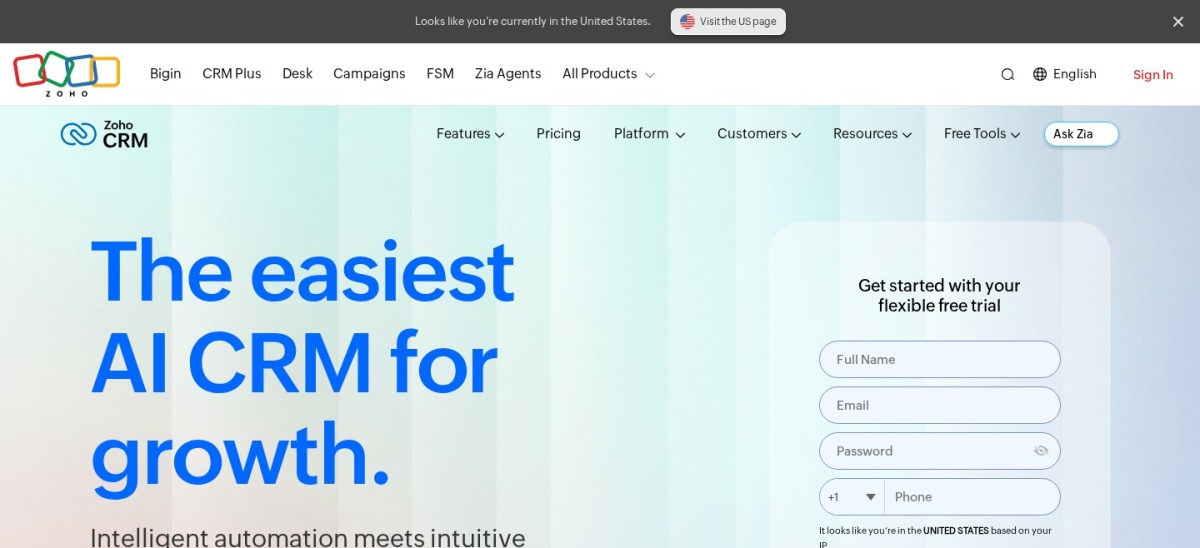
Zoho CRM bundles native product configurator and price rules directly into its Professional edition at $23/user/month ($276/year).
QuoteWerks Web uses concurrent-user licensing starting at $45.83/month ($550/year) with 115+ CRM, PSA, and distributor integrations.
Better Proposals and Qwilr offer fast interactive quote tables and e-signatures from $13/user/month and $35/user/month on annual billing.
What to look for in CPQ software
Configure, price, quote (CPQ) software sits between your CRM opportunity and the final signed order. Instead of reps manually copying SKUs and discount tiers into spreadsheets, a CPQ rules engine enforces valid product bundles, applies volume or contract pricing, and routes margin exceptions to managers before a quote goes out.
Licensing models vary sharply across this category. Enterprise platforms like Salesforce Revenue Cloud and HubSpot Revenue Hub charge per named user per month on annual contracts, while QuoteWerks Web charges per concurrent user, and Zomentum bundles three seats into a flat monthly team tier.
Before comparing sticker prices, check whether CPQ capabilities sit on the entry tier or require an upgrade. Tools like PandaDoc and GetAccept advertise low starting prices for basic e-signatures, whereas full automated pricing rules, CRM sync, and approval workflows live on higher Business or Enterprise tiers.
Salesforce Revenue Cloud homepage, captured Nov 2026.
Salesforce Revenue Cloud is Salesforce's unified quote-to-cash platform combining product configuration, dynamic pricing, quoting, and subscription management directly on the core CRM data model. The entry Revenue Cloud Growth tier costs $150 per user/month billed annually and includes guided product configuration, order capture, and subscription lifecycle management.
The trade off is high per-seat licensing at $1,800 per user/year plus significant admin setup for complex rule modeling, with consumption billing and contract analytics locked behind the $200 per user/month Advanced tier. It suits mid-market and enterprise organizations already standardized on Salesforce that manage multi-year ramps, renewals, and intricate bundle rules.
What we like
Native to the Salesforce data model without third-party sync connectors
Handles multi-year ramp deals, co-termed amendments, and recurring subscriptions
Clear upgrade path to usage billing and contract lifecycle tools on Advanced
Watch out for
No free tier or low-cost starter seat for small teams
Annual billing commitment required at $1,800 per user/year minimum
Catalog and rule architecture typically requires dedicated admin time
Advanced ($200/user/mo) adds contracts, consumption billing, and AI analytics.Visit salesforce.com
02
HubSpot Revenue Hub
4.6/5on G2 (125 reviews, checked Nov 2026)
Paid from$85/mo
Best for HubSpot-native sales teams
Entry paid planRevenue Hub Professional ($85/seat/mo)
Free tierFree tools available ($0/mo)
Transaction fee0.5% after year 1 (HubSpot Payments)
Core focusAI quoting, approvals, e-sign, billing
hubspot.com
HubSpot Revenue Hub homepage, captured Nov 2026.
HubSpot Revenue Hub brings CPQ quoting, e-signatures, invoicing, and payment collection directly into HubSpot CRM records. While HubSpot offers free entry tools at $0/month, unlocking full CPQ quoting, standard quote approvals, and 3,000 monthly HubSpot Credits starts on Revenue Hub Professional at $85 per seat/month (or $95 per seat/month depending on billing term).
The trade off is per-seat cost scaling alongside payment processing fees of 2.9% on cards and a 0.5% platform fee after year one, while advanced approval chains require Enterprise at $140 per seat/month. It suits small and mid-sized B2B teams running their pipeline in HubSpot that want quoting and billing in one workspace.
What we like
Connects deal records, quotes, e-signatures, and recurring billing natively
Includes 3,000 HubSpot Credits and standard quote approvals on Professional
Free tools allow teams to test basic billing workflows before upgrading
Fast administrative setup compared with legacy enterprise CPQ suites
Watch out for
CPQ quoting requires jumping from $0 free tools to $85/seat/month Professional
Advanced multi-stage approvals are restricted to Enterprise at $140/seat/month
Less suited for deeply nested manufacturing bills of materials
QuoteWerks is a dedicated CPQ and quoting platform built for VARs, MSPs, and B2B distributors that manage multi-vendor catalogs and purchase orders. QuoteWerks Web Essential starts at $45.83 per concurrent user/month billed annually ($50/month month-to-month) with no activation fees, including product configurator rules, approval workflows, and unlimited named user profiles.
The trade off is that online client acceptance, e-signatures, and card or ACH payment collection require Balanced at $71.50 per concurrent user/month annually, while QuickBooks or Xero integrations add $20/month per site. It suits technical resellers and distribution teams that rotate quoting seats and need distributor pricing feeds.
What we like
Concurrent-user licensing lets larger teams share active quoting seats
Over 115 native integrations across CRM, PSA, and accounting platforms
No mandatory onboarding or activation fees on any Web tier
Supports purchase orders, vendor RFQs, and real-time distributor feeds
Watch out for
No free plan for solo operators
Online e-signatures and payment collection require the $71.50/mo Balanced tier
Accounting integrations like QuickBooks Online and Xero cost $20/mo extra
Zoho CRM embeds native Configure, Price, Quote tools directly inside its sales modules so reps can apply mandatory add-ons, guided selling prompts, and volume or customer-tier discounts without separate software. While Zoho CRM has a free edition for up to 3 users, native CPQ unlocks on Professional at $23 per user/month billed annually ($35 monthly).
The trade off is that Professional caps configurations at 10 product configurator rules and 10 price rules, and Zoho marks parts of its CPQ feature set as early access with lighter subscription amendment tools. It suits cost-conscious SMBs already using Zoho CRM that want structured line-item rules without paying for standalone CPQ.
What we like
Includes native CPQ rules inside a full CRM license at $23/user/month
Supports mandatory companion items, cross-sell suggestions, and volume discounts
Eliminates third-party sync between deals, inventory items, and quotes
Forever-free CRM tier available for up to 3 users and 5,000 records
Watch out for
Professional edition limits accounts to 10 product rules and 10 price rules
Only works with Zoho CRM native inventory and custom modules
Lacks deep multi-year subscription proration and complex enterprise approvals
PandaDoc combines interactive pricing tables, product catalogs, proposal templates, and legally binding e-signatures in one document workflow. The Free plan costs $0/month for up to 5 documents per month, while Starter starts at $19 per seat/month billed annually for unlimited documents and templates.
The trade off is that CRM integrations, approval workflows, and custom branding require Business at $49 per seat/month annually, while full CPQ configuration rules sit behind custom-priced Enterprise plans. It suits sales teams where visual proposals, interactive buyer line-item selection, and fast contract signing matter more than complex engineering rules.
What we like
High G2 satisfaction score of 4.7/5 across 3,869 verified user reviews
Permanent free tier allows 5 documents per month with no credit card
Interactive pricing tables let buyers adjust quantities and optional items
Combines quoting, redlining, e-signatures, and payment collection
Watch out for
CRM integrations and approval workflows require the $49/seat/month Business tier
Advanced CPQ rule logic is gated behind custom-quoted Enterprise licensing
Per-seat pricing adds up quickly for larger sales floors
Business ($49/seat/mo annual) unlocks CRM integrations, content library, and approvals.Visit pandadoc.com
06
Qwilr
4.6/5on G2 (938 reviews, checked Nov 2026)
Starts at$35/mo
Best for interactive web-based quotes
Entry planStarter ($35/user/mo billed annually)
Monthly option$49/user/mo
Free tier14-day free trial (no free plan)
Core focusWeb page quotes, e-sign, QwilrPay
qwilr.com
Qwilr homepage, captured Nov 2026.
Qwilr replaces static PDF quotes with mobile-responsive web pages featuring interactive quote blocks, embedded ROI calculators, e-signatures, and instant payment acceptance. Starter costs $35 per user/month billed annually ($49 monthly) and includes interactive quoting, analytics, e-sign, and native HubSpot, Zoho, and Pipedrive integrations.
The trade off is that Qwilr lacks a permanent free plan, charges a 0.09% QwilrPay fee on Starter transactions, and restricts custom branding and CRM automations to Growth at $55 per user/month with a 5-user minimum ($3,300/year). It suits modern B2B service and SaaS sales teams that want interactive buyer-facing quote pages.
What we like
Interactive quote blocks let buyers toggle add-ons and quantities live
Starter includes HubSpot, Pipedrive, and Zoho CRM integrations at $35/user/mo
Page-level engagement analytics alert reps when buyers view pricing sections
Accepts e-signatures and Stripe payments on the same web link
Watch out for
No permanent free tier beyond the 14-day trial
Growth ($55/user/mo) enforces a 5-user minimum ($3,300/year)
Automated API or Smart Proposal Engine documents cost $2.50 each past free allowances
Proposify gives sales teams and agencies strict layout control, reusable content libraries, interactive pricing tables, and built-in e-signatures for recurring quotes and statements of work. Its Build plan costs $39 per user/month billed annually ($468/year) or $49 monthly, including unlimited documents, signatures, a product catalog, and core integrations.
The trade off is that user roles, approval workflows, and API access require Grow at $65 per user/month billed annually ($780/year), while Salesforce integration costs an extra $9 per user/month. It suits agencies and mid-sized sales teams that want tight brand governance and section-level viewer analytics.
What we like
Unlimited documents and e-signatures included on the $39/user/mo Build plan
Granular section-by-section viewing metrics show where buyers spend time
Content library locks approved pricing and legal language for reps
Rated 4.6/5 on G2 across 1,148 verified customer reviews
Watch out for
No permanent free tier
Approval workflows and role permissions require upgrading to Grow at $65/user/mo
Salesforce integration is a paid $9/user/month add-on
Grow ($65/user/mo annual) unlocks approval workflows, user permissions, and API access.Visit proposify.com
Better Proposals is a lightweight quoting and proposal tool designed for freelancers and small service businesses that want auto-calculated pricing tables, digital signatures, and Stripe or PayPal payments in minutes. The Starter plan costs $13/month billed annually ($149/year) or $19 month-to-month for 1 user and up to 10 sent documents per month.
The trade off is that Starter is capped at a single seat and 10 monthly sends, requiring Premium at $21 per user/month annually ($249/user/year) for team seats, CRM sync, and 50 sends. It suits solo consultants and small agencies that need clean interactive quotes without enterprise CPQ overhead.
What we like
Lowest annual entry price on this list at $149/year ($13/month equivalent)
Includes interactive pricing tables, e-signatures, and payments on Starter
Fast template setup with live client view notifications
No minimum user count on Premium or Enterprise tiers
Watch out for
Starter is strictly limited to 1 user and 10 sent documents per month
No permanent free plan after the 14-day trial
Lacks multi-tier manufacturing or subscription proration rules
Traditional CPQ platforms like Salesforce Revenue Cloud, QuoteWerks, and Zoho CRM focus on rule-driven product configuration: enforcing SKU dependencies, calculating multi-tier volume discounts, generating bills of materials, and managing subscription renewals or co-termed amendments.
Document-centric tools like PandaDoc, Qwilr, Proposify, and Better Proposals focus on buyer presentation, interactive pricing tables where clients select optional add-ons, and one-link e-signatures with instant payment collection. Teams selling straightforward service packages or fixed SaaS tiers often get faster ROI from interactive proposal tools, whereas complex hardware or multi-year enterprise deals require a true rules engine.
How we chose
We selected 8 established CPQ and interactive quoting platforms with active 2026 product releases, transparent public pricing pages, and verified buyer review profiles on G2.
All regular plan prices, billing cycles, G2 star ratings, and review counts were verified on 22 Nov 2026 directly from official vendor pricing pages and G2 product listings.
We excluded enterprise-only vendors that hide all pricing behind custom sales quotes—such as DealHub CPQ, Conga CPQ, and Oracle CPQ—as well as tools with fewer than 20 public G2 reviews. No vendor paid for a place, and we do not claim testing for this list.
How to choose the right CPQ software
Evaluate your quoting workflow against these four buying criteria before committing to an annual license:
Match the tool to your CRM database. Native options like Salesforce Revenue Cloud, HubSpot Revenue Hub, and Zoho CRM eliminate two-way sync errors because quotes read and write directly to your deal and product objects.
Audit where discounting rules actually live. Entry plans often include basic product catalogs, while automated approval routing and conditional pricing rules are frequently gated behind higher tiers like PandaDoc Business or Proposify Grow.
Compare named-seat vs. concurrent-user pricing. If 15 staff members occasionally build quotes, QuoteWerks Web's concurrent-user model ($45.83/month per active session) can cost significantly less than buying 15 named annual seats.
Check downstream billing and e-signature needs. Verify whether signed quotes automatically trigger invoices, e-signatures, or payment links out of the box, or whether you will need paid add-ons for accounting and payment gateways.
FAQ
What does CPQ software stand for?
CPQ stands for Configure, Price, Quote. It automates product bundle selection, applies volume or contract pricing rules, routes discount approvals, and generates accurate customer quotes directly from CRM deal data.
How much does CPQ software cost in 2026?
Entry-level quoting tools start between $13 and $39 per user/month on annual billing, such as Better Proposals ($13/month) and Zoho CRM Professional ($23/user/month). Mid-market and enterprise CPQ platforms like HubSpot Revenue Hub ($85/seat/month) and Salesforce Revenue Cloud ($150/user/month) cost $1,020 to $1,800+ per user annually.
Is there a free CPQ software option?
Yes, HubSpot Revenue Hub, Zoho CRM, and PandaDoc offer permanent free tiers. However, advanced rules-based product configuration and automated approval workflows generally require upgrading to a paid tier starting at $23 to $85 per user/month.
What is the difference between CPQ and proposal software?
CPQ software focuses on complex product rules, SKU dependencies, margin protection, and subscription amendments. Proposal software focuses on branded layouts, interactive buyer pricing tables, engagement tracking, and fast e-signatures.
When does a business need dedicated CPQ software?
A business benefits from CPQ once reps spend hours building spreadsheet quotes, make frequent SKU or discount errors, manage multi-year subscription ramps, or require manager sign-off on non-standard margins.