Time Doctor is the best of the Hubstaff alternatives for teams that need screenshot proof of work, with distraction alerts and payroll tools built in. Toggl Track suits teams that want a simple timer, while Clockify is the cheapest route in with a free plan.
How we make this list: we compare pricing pages, product documentation and public user reviews, then re-check every price before each update. No product paid for a place. Disclosure.
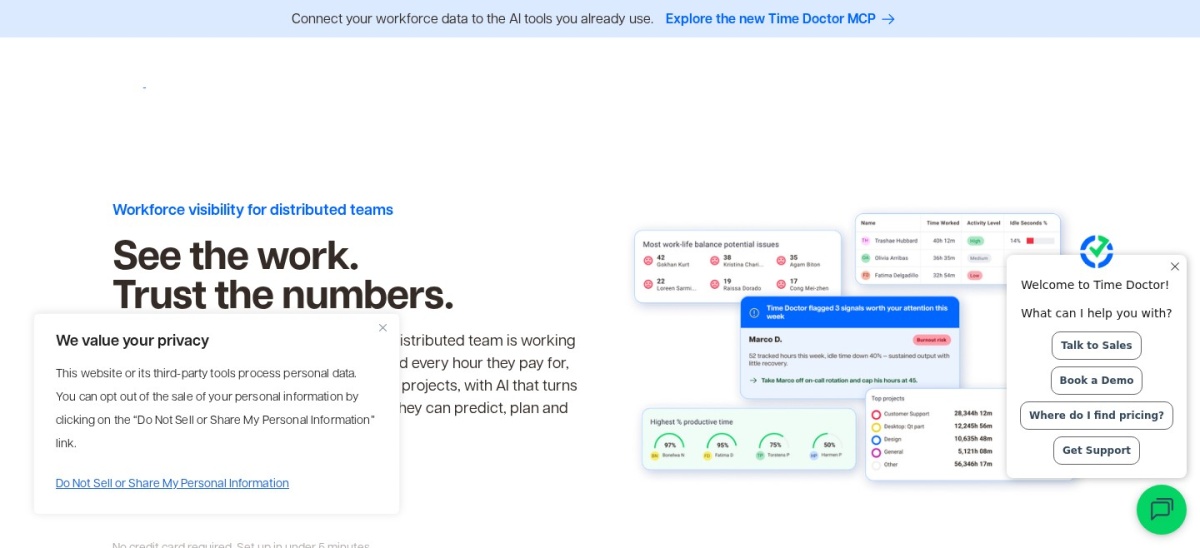
Time Doctor leads for monitoring, with screenshots, distraction alerts and payroll from $6.67 a user a month.
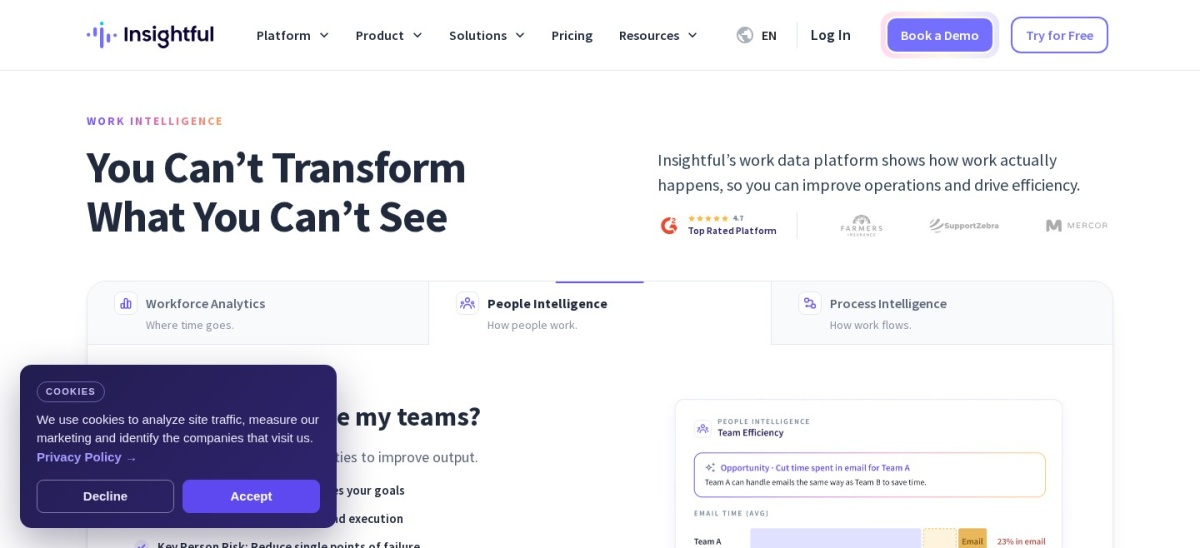
Insightful starts at $6.40 a user a month and adds workforce analytics, but screenshots cost extra on some plans.
Clockify and TimeCamp share the cheapest paid price at $3.99 a user a month, both with free plans.
Toggl Track has the simplest timer teams actually use, with a free plan and Starter at $9 a user a month.
Timely has the highest G2 rating here at 4.8, but Starter caps at 5 users and there is no free plan.
Hubstaff itself costs $4.99 a user a month, so most alternatives here are cheaper or simpler.
How do you choose from the Hubstaff alternatives?
Monitoring is the real decision, not the timer. Hubstaff, Time Doctor, DeskTime and Insightful take screenshots and score activity, while Toggl Track, Clockify and Harvest only record time, so agree the monitoring level with your team before you buy.
Free plans split this list in two. Clockify covers five seats free, Toggl Track covers five users, TimeCamp covers unlimited users and Harvest covers one seat, while Time Doctor, Insightful and Timely are paid only, and DeskTime's free plan covers one solo user.
Payroll changes the maths. Hubstaff, Time Doctor and Harvest turn tracked time into pay or invoices, so a cheap timer can cost more once you add a payroll tool beside it. Our best time tracking software for employees guide compares the same tools on billing depth.
Automatic tracking suits teams that forget timers. Timely, DeskTime and Insightful record app and website use in the background and draft timesheets from it, while Toggl Track and Clockify depend on someone pressing start.
Time Doctor is a productivity analytics tool, with distraction alerts, activity tracking and detailed reports on how time is spent across the team. Basic at $6.67 per user a month on annual billing covers automatic tracking, screenshots, projects and tasks, with offline tracking included.
The trade off is the monitoring posture. Screenshots and distraction alerts suit managers who need proof of work, but some teams reject them, so the conversation matters more than the feature list. It suits remote teams that bill clients and want a clear record.
Insightful is a workforce analytics platform that tracks time, apps, websites and screenshots to show how work happens. Productivity Management starts at $6.40 per seat a month billed annually and covers app and web analysis, attendance, screenshots and productivity reports.
The trade off is the add-on bill. On-demand screenshots and screen recording cost extra on some plans, so the entry price is not the whole cost. It suits larger teams that want analytics rather than a simple timer.
DeskTime is an automatic time tracker that starts when the computer turns on, recording apps, websites and document titles, then sorting them into productive and unproductive time. Pro costs $6.42 per user a month on annual billing and covers automatic tracking, productivity scores and basic reports.
The trade off is screenshots. They sit on Premium at $9.17 a user a month, so teams that need visual proof pay more than the headline rate. It suits office and hybrid teams that want automatic tracking with little setup.
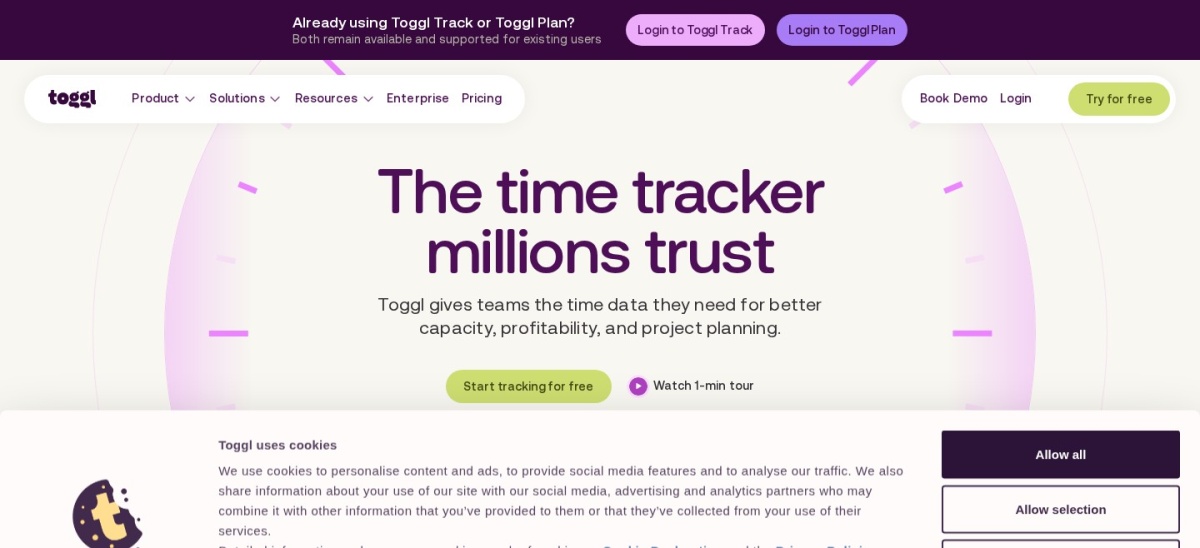
Toggl Track is a timer-first time tracker for teams that want hours logged with as little friction as possible. The free plan covers up to 5 users with timers, tasks and personal reports, and Starter at $9 per user a month adds billable rates, tags and team reports.
The trade off is monitoring. Toggl Track takes no screenshots and scores no activity, so managers who need proof of work must look elsewhere. It suits teams that want a simple timer people actually use.
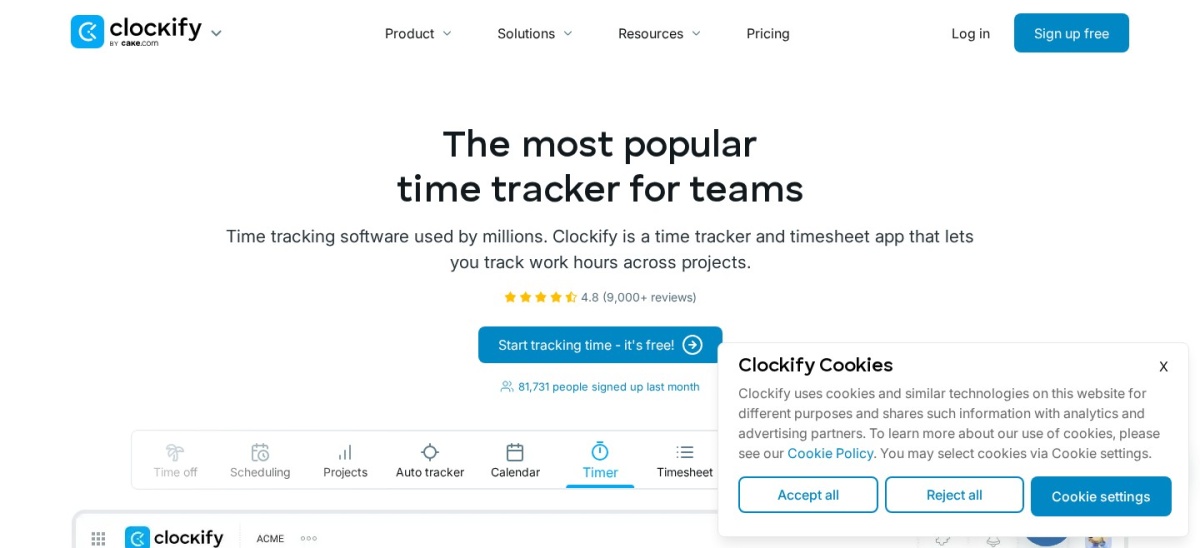
Clockify is a time tracker and timesheet app for teams, with a timer, calendar, scheduling, time off and a kiosk mode where staff clock in with a PIN or QR code. The free plan covers up to 5 seats with unlimited tracking, and Basic at $3.99 per seat a month adds invoicing, approvals and time off management.
The trade off is depth. Clockify covers the basics well, but its reports and monitoring are thinner than Time Doctor or Insightful. It suits teams that want the cheapest honest route into time tracking.
What we like
Cheapest paid plan in this list
Free plan for up to 5 seats
Kiosk mode for clocking in
Invoicing on the cheapest plan
Watch out for
Thinner reports than rivals
No screenshots on Basic
Standard adds GPS and screenshots at $5.49 a seat a monthVisit clockify.me
06
TimeCamp
4.7/5on G2 (392 reviews, checked Nov 2026)
Paid from$3.99/mo
Best free plan
Free planUnlimited users
Cheapest planStarter, $3.99/user/mo
GPS trackingYes, on free plan
AttendanceYes, on Starter
timecamp.com
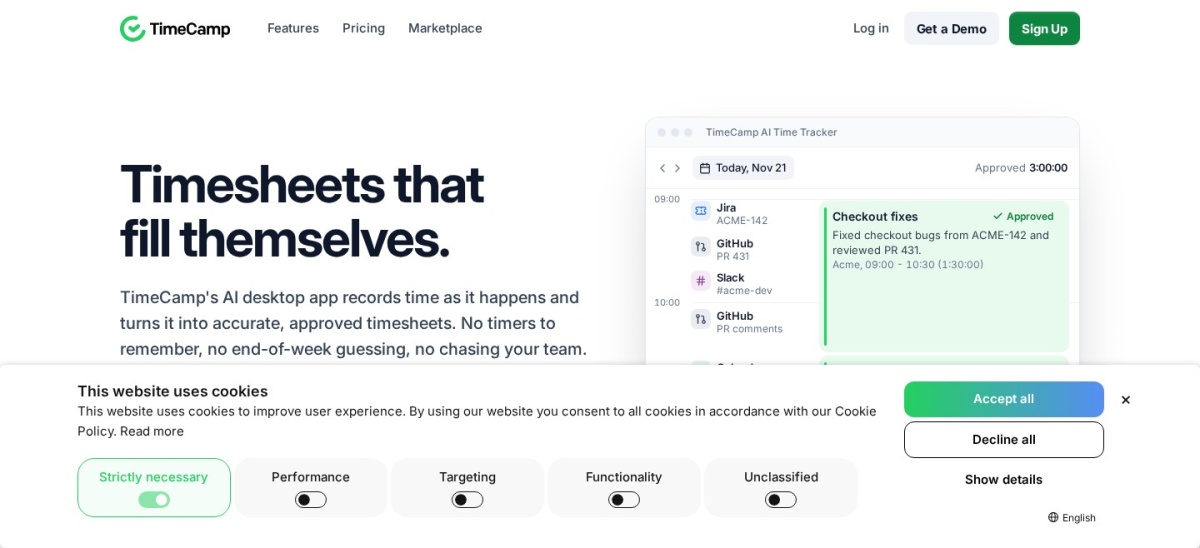
TimeCamp homepage, captured Nov 2026.
TimeCamp is an hours tracker with billing and attendance built in. Its free plan covers unlimited users and projects with timers, timesheets, automatic tracking and GPS, which no other free plan in this list matches.
The trade off is the paid tier. Invoicing, attendance and time off need Starter at $3.99 per user a month on annual billing, and billable rates sit higher still. It suits teams that want a free plan for the whole company.
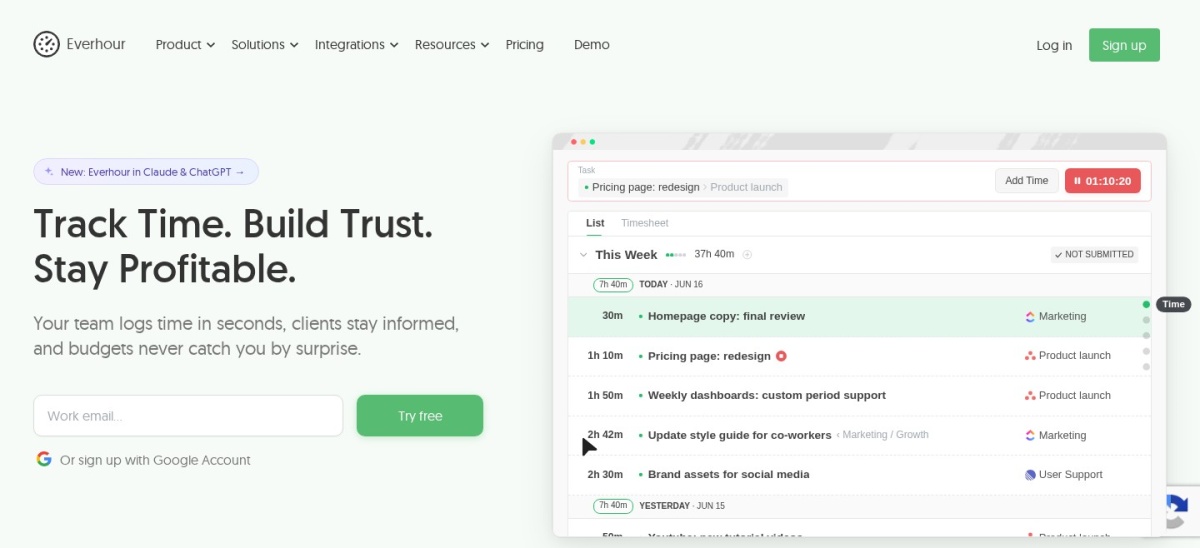
Everhour is a time tracker that lives inside project tools such as Asana, Jira, ClickUp and Trello, so teams log time without leaving their boards. The free plan covers time tracking, projects and reports for up to 5 seats, and the Team plan adds billing, budgets and invoicing.
The trade off is the home base. Everhour shines inside Asana or Jira and feels thinner as a standalone tracker. It suits teams that already live in a project tool and want time on the same board.
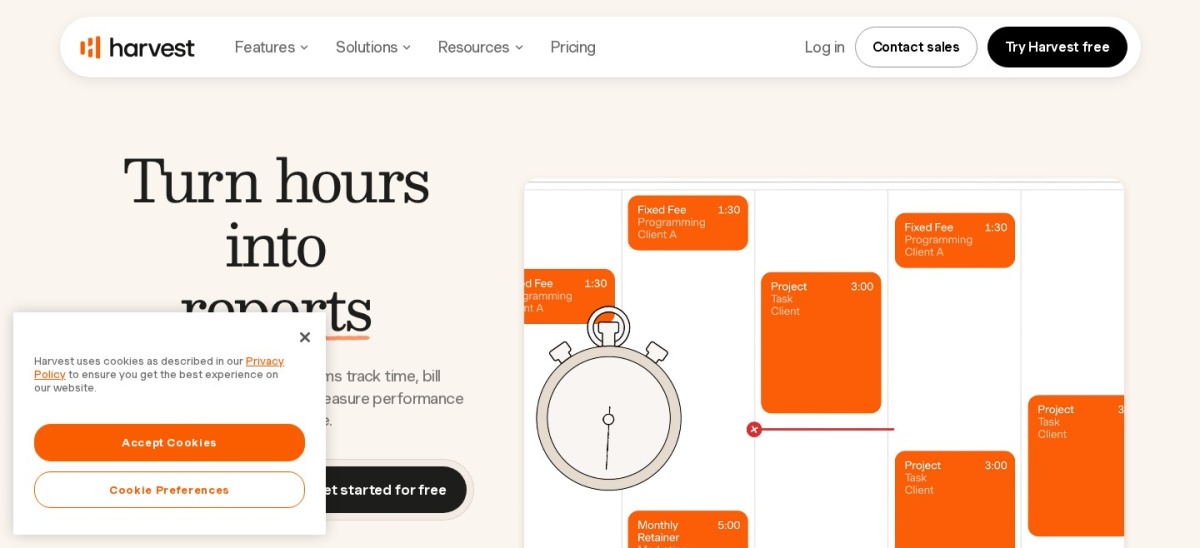
Harvest is the only pick here built around billing: time, expenses and invoices in one place. The free plan covers one seat, and Pro at $9 per seat a month billed annually adds unlimited seats, billable rates, budgets and invoicing with online payments.
The trade off is monitoring. Harvest records time and expenses but takes no screenshots and scores no activity. It suits freelancers and agencies that bill clients by the hour.
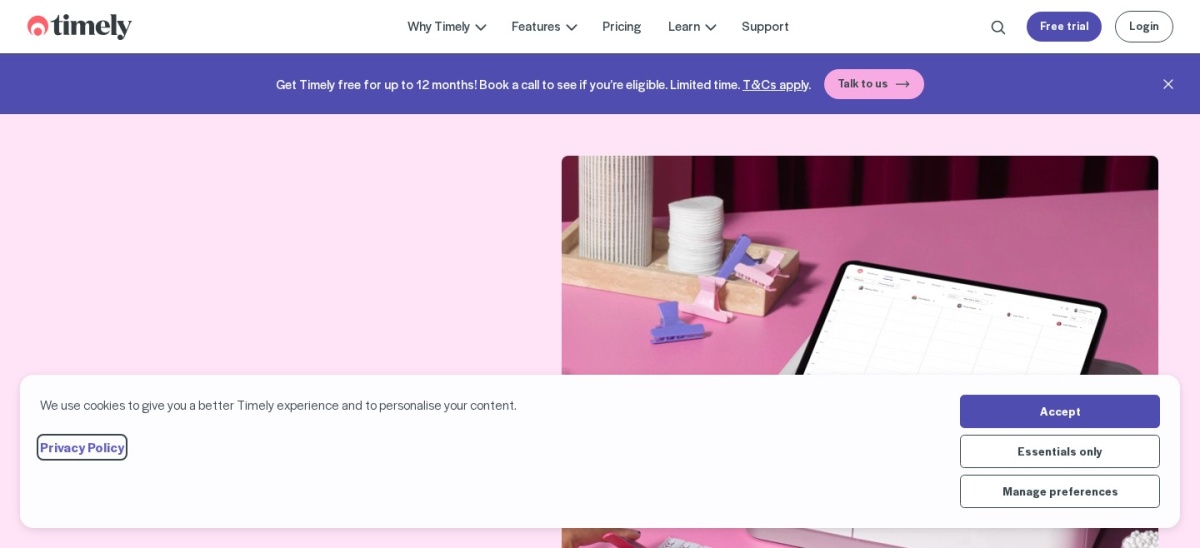
Timely is an automatic time tracker that records app and website use in the background and drafts each person's timesheet with AI. The Starter plan covers automatic tracking, billable rates, project budgets and reports for up to 5 users and 20 projects.
The trade off is the Starter cap. Teams larger than 5 users need Premium at $16 per user a month billed yearly, and there is no free plan, only a trial. It suits small teams that want timesheets drafted for them.
Screenshots and activity scores change how a team feels about a tracker. Tell the team what is recorded, why, and who can see it, before the first install, not after.
A lighter tool is often the better buy. If nobody needs proof of work, Toggl Track or Clockify give you the hours without the surveillance conversation.
How we chose
We started from the tools G2 lists as Hubstaff alternatives, then kept those with a verifiable G2 rating and a published per-user price, covering both monitoring-first and timer-first tools.
Prices come from each vendor's pricing page, checked on 29 November 2026. Time Doctor lists Basic at $6.67 a user a month, Insightful at $6.40 and DeskTime Pro at $6.42, all on annual billing. Ratings and review counts come from G2 on the same day.
We left out tools with no verifiable rating and tools that only sell annual enterprise contracts. No vendor paid for a place, and we do not claim hands-on testing for this list.
How to choose a Hubstaff alternative
Decide the monitoring level first, then compare the price per user.
Decide how much monitoring you need. Screenshots and activity scores suit proof-of-work teams; a simple timer suits teams that only need hours.
Count the seats that need a paid plan. Free plans cover 5 seats at Clockify and Toggl Track and unlimited users at TimeCamp, so small teams may pay nothing.
Check payroll and invoicing. Time Doctor, Harvest and Hubstaff turn hours into pay or invoices, while Toggl Track and Clockify need a second tool.
Trial the top two with a real week. Run both with the same team for a week and keep the one people actually use.
FAQ
What is the best Hubstaff alternative in 2026?
Time Doctor is the best Hubstaff alternative for teams that need monitoring, with screenshots, distraction alerts and payroll from $6.67 a user a month. Toggl Track is the better pick for teams that only need a simple timer people actually use.
What is the cheapest Hubstaff alternative?
Clockify and TimeCamp share the cheapest paid price at $3.99 a user a month, and both have free plans. TimeCamp's free plan covers unlimited users, while Clockify's covers up to 5 seats.
Is there a free Hubstaff alternative?
Yes. TimeCamp offers a free plan for unlimited users with timers, timesheets and GPS, and Clockify and Toggl Track offer free plans for up to 5 seats or users. DeskTime's free plan covers one solo user, while Time Doctor, Insightful and Timely have trials but no free plan.
Time Doctor vs Hubstaff: which is better?
Time Doctor is better for distraction alerts and detailed productivity reports, with Basic at $6.67 a user a month. Hubstaff is cheaper at $4.99 a user a month and stronger on GPS job sites and payroll for field teams.
Which Hubstaff alternative has screenshots?
Time Doctor, Insightful and DeskTime all include screenshots. Time Doctor includes them on Basic at $6.67 a user a month, Insightful on Productivity Management at $6.40, and DeskTime on Premium at $9.17.
Does Toggl Track monitor employees like Hubstaff?
No. Toggl Track records time with timers and reports but takes no screenshots and scores no activity. Teams that need proof of work should pick Time Doctor, Insightful or DeskTime instead.
SaaS SEO and WordPress specialist with about 8 years of experience. Rakib compares WordPress plugins, themes, hosting and software using public pricing, documentation and user reviews. See how we rank.