Substack is the best of the ghost alternatives for most writers leaving Ghost, because it costs nothing until you earn and takes no monthly fee. Beehiiv suits creators who want to grow a list and keep all subscription revenue, while WordPress is the pick for a blog that may later become a store.
How we make this list: we compare pricing pages, product documentation and public user reviews, then re-check every price before each update. No product paid for a place. Disclosure.
Substack costs nothing until you earn, then takes 10% of paid subscription revenue.
beehiiv is free to 2,500 subscribers, with Lite at $49 a month billed yearly.
WordPress.com Personal costs $4 a month billed yearly, the cheapest paid plan here.
Medium pays writers from reading time, but you cannot use a custom domain.
Squarespace and Webflow cost $19 and $15 a month, and neither includes a newsletter.
How do you choose the best ghost alternatives?
Ghost bundles a blog, a newsletter and paid memberships in one product, so a good replacement has to cover at least two of those three jobs.
Price is the first split. Substack charges no monthly fee and takes 10% of paid revenue, while beehiiv charges a flat $49 a month and takes nothing.
Ownership is the second split. WordPress.org and self-hosted tools give you the site, the list and the rules, while Medium and Substack keep part of the control.
Newsletters decide the shortlist for most leavers. If paid subscriptions are the income, the tool must handle payments, and several builders here need a separate email add-on.
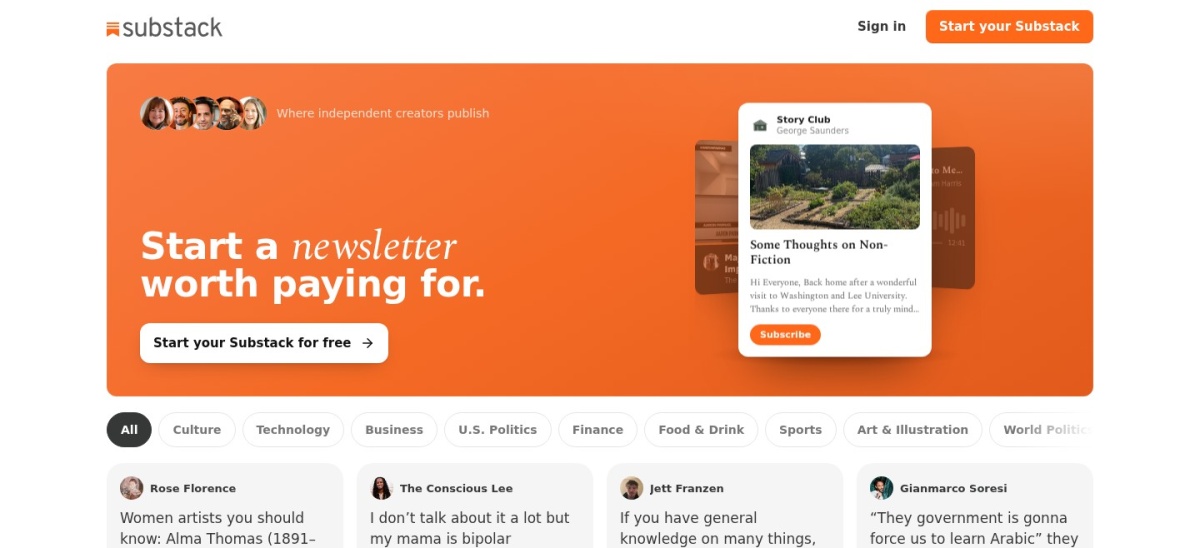
Substack is the simplest way to leave Ghost without paying a monthly bill. You publish posts, send emails and sell paid subscriptions from one place, with no plan to pick and no hosting to manage. It takes 10% of paid subscription revenue plus Stripe fees, and your mailing list stays portable.
The trade off is the 10% cut, which grows with your income and never drops, plus minimal design control and no real theme system. It suits writers who want readers fast and would rather give up a share of revenue than pay a flat monthly fee.
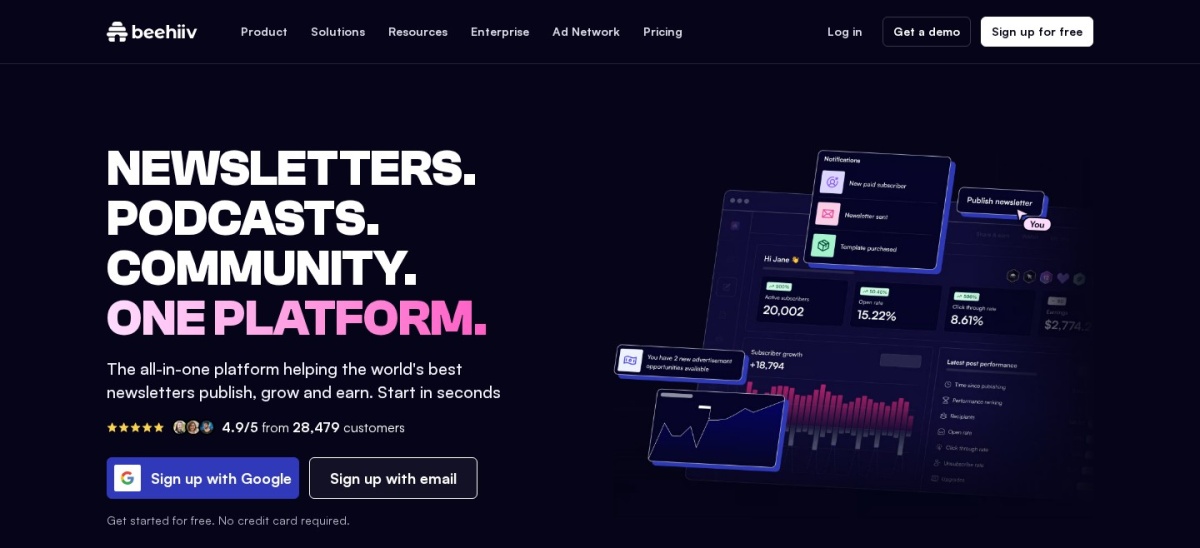
beehiiv is a newsletter platform built by former Morning Brew staff, with referral programs, a native ad network and paid recommendations built in. The free plan covers 2,500 subscribers with unlimited sends, and Lite adds paid subscriptions at a 0% platform fee.
The trade off is price growth. Lite starts at $49 a month billed yearly for 1,000 subscribers and climbs in steps as the list grows, reaching $119 a month at 10,000. It suits creators who plan to earn from ads and referrals, not just subscriptions.
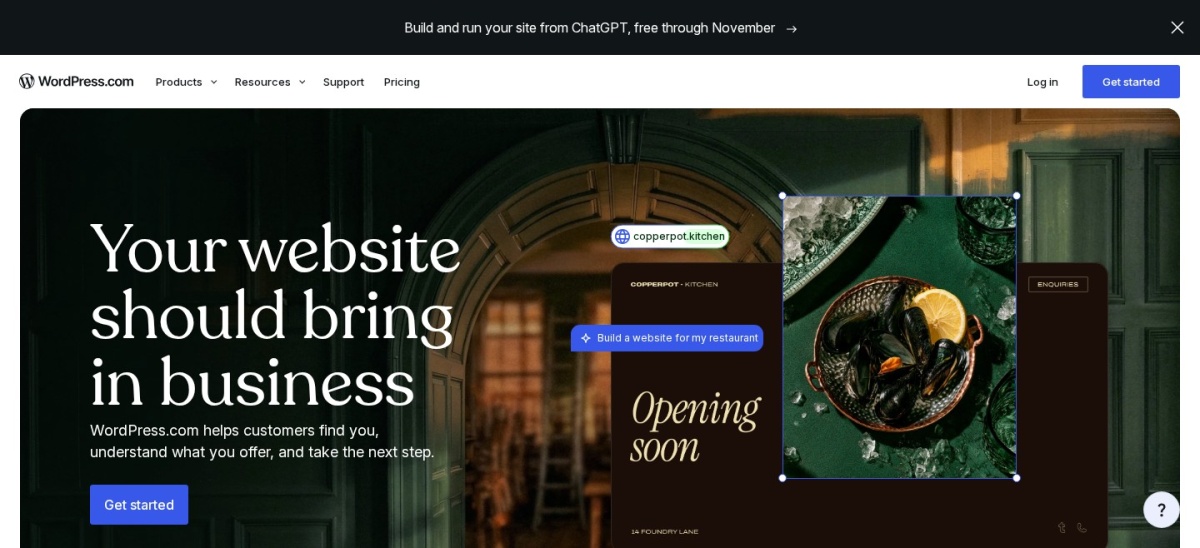
WordPress.com is the hosted version of WordPress, with unlimited pages and posts, a free plan and paid tiers from Personal at $4 a month billed yearly. It is the broadest Ghost alternative here, since the same site can later add a store, a membership or a forum.
The trade off is that newsletters and paid subscriptions are not built in the way Ghost bundles them, and plugin installs need the Business plan at $25 a month billed yearly. It suits publishers who want the biggest theme and plugin ecosystem and room to grow.
Medium is an online publishing platform where writers publish for free and can earn through the Partner Program, which pays from member reading time. Stories can reach millions of readers without building an audience first, and there is nothing to install or maintain.
The trade off is ownership. You cannot use a custom domain, you cannot run your own paid subscriptions, and Medium controls distribution and the rules. It suits essayists and thought leaders who want readers now rather than a business built on a list.
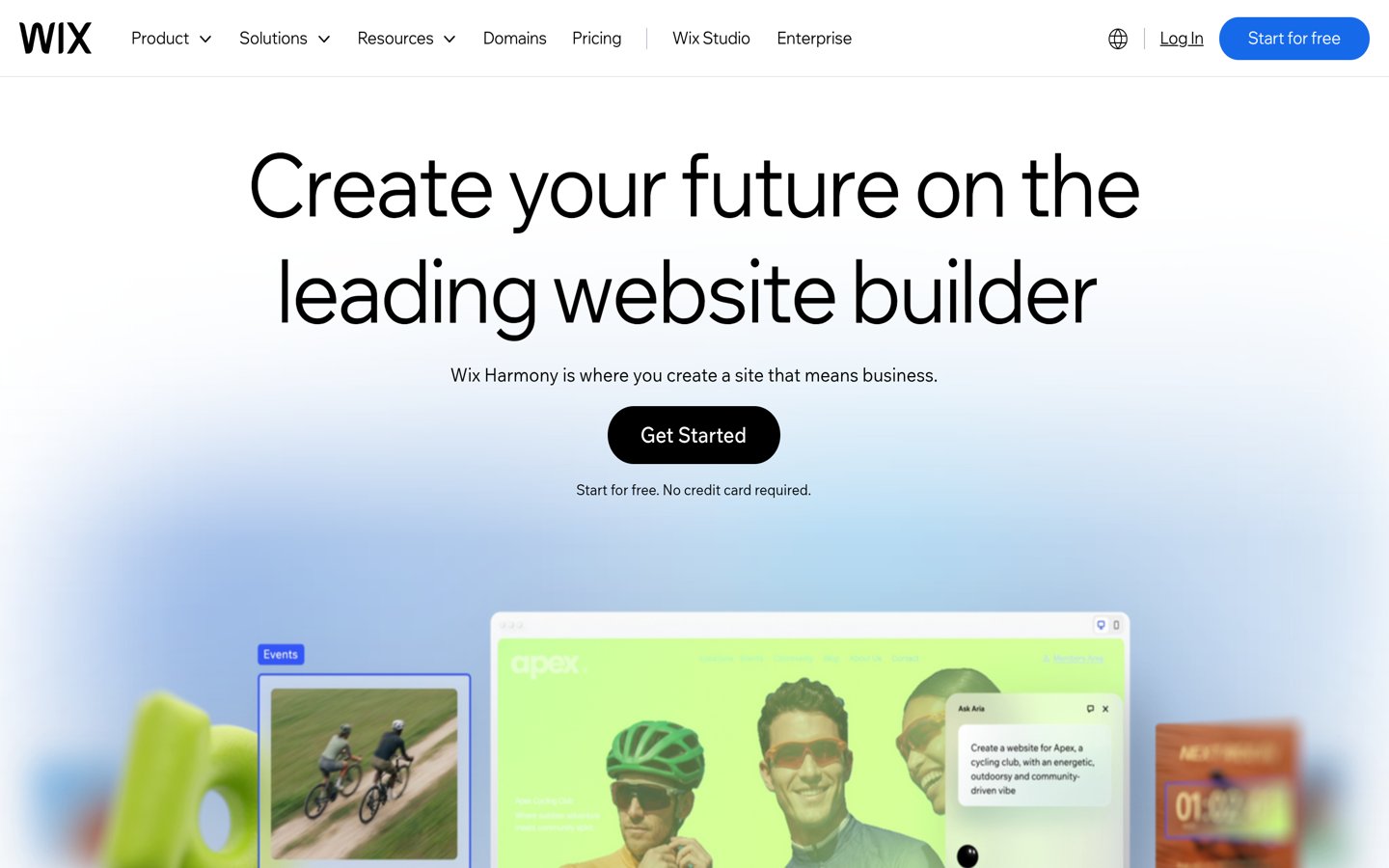
Wix is a drag-and-drop website builder with more than 900 templates, a built-in blog and marketing tools in one subscription. The free plan covers a basic site, while Light at $17 a month billed yearly adds a custom domain and removes Wix branding.
The trade off is that newsletters are not native, since email marketing is a separate paid add-on, and the editor can feel heavy on large sites. It suits small businesses that want a polished site and a blog without touching code.
What we like
900+ templates and drag-and-drop editor
Free plan to start
Blog, store and bookings in one place
Watch out for
Email marketing costs extra
No native paid newsletter
Light adds a custom domain and removes brandingVisit wix.com
06
Squarespace
4.4/5on G2 (1,133 reviews, checked Nov 2026)
Starts at$19/mo
Best for design-led sites
Free planNo, 14-day trial
Paid planBasic, $19/mo yearly
Store fee2% on Basic
Contributors2 on Basic
squarespace.com
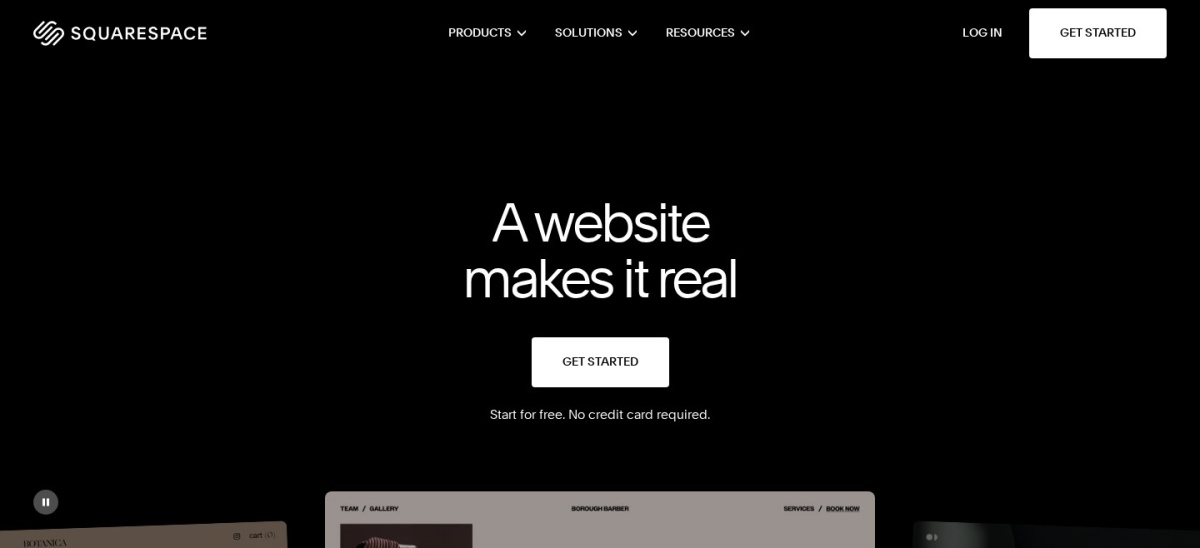
Squarespace homepage, captured Nov 2026.
Squarespace is a design-led website builder known for polished templates, strong typography and an editor that makes most sites look good without a designer. Its Basic plan starts at $19 a month billed annually and includes a free custom domain for the first year.
The trade off is price and flexibility. There is no free plan, only a 14-day trial, Basic adds a 2% fee on store sales, and newsletters need the separate Email Campaigns add-on. It suits creatives who want a finished look fast.
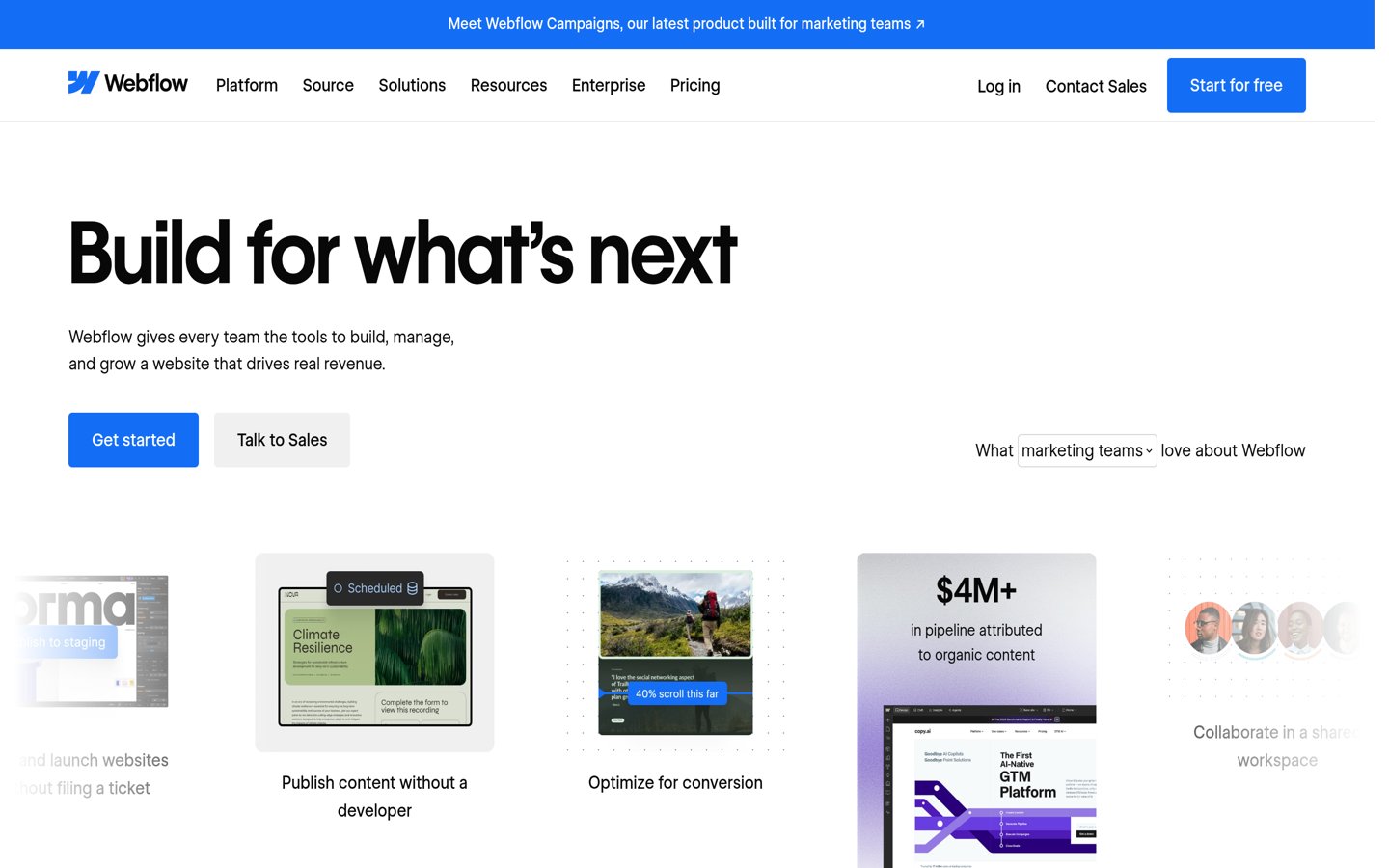
Webflow is a visual design tool with a real CMS, built for designers who want control without code. Its Basic site plan starts at $15 a month billed annually and covers a custom domain and 300 static pages, while Premium adds the CMS at $25 a month.
The trade off is that Basic has no CMS, so a real blog needs Premium, and newsletters need a separate tool entirely. It suits design-led marketing sites where the blog is one piece of a larger site.
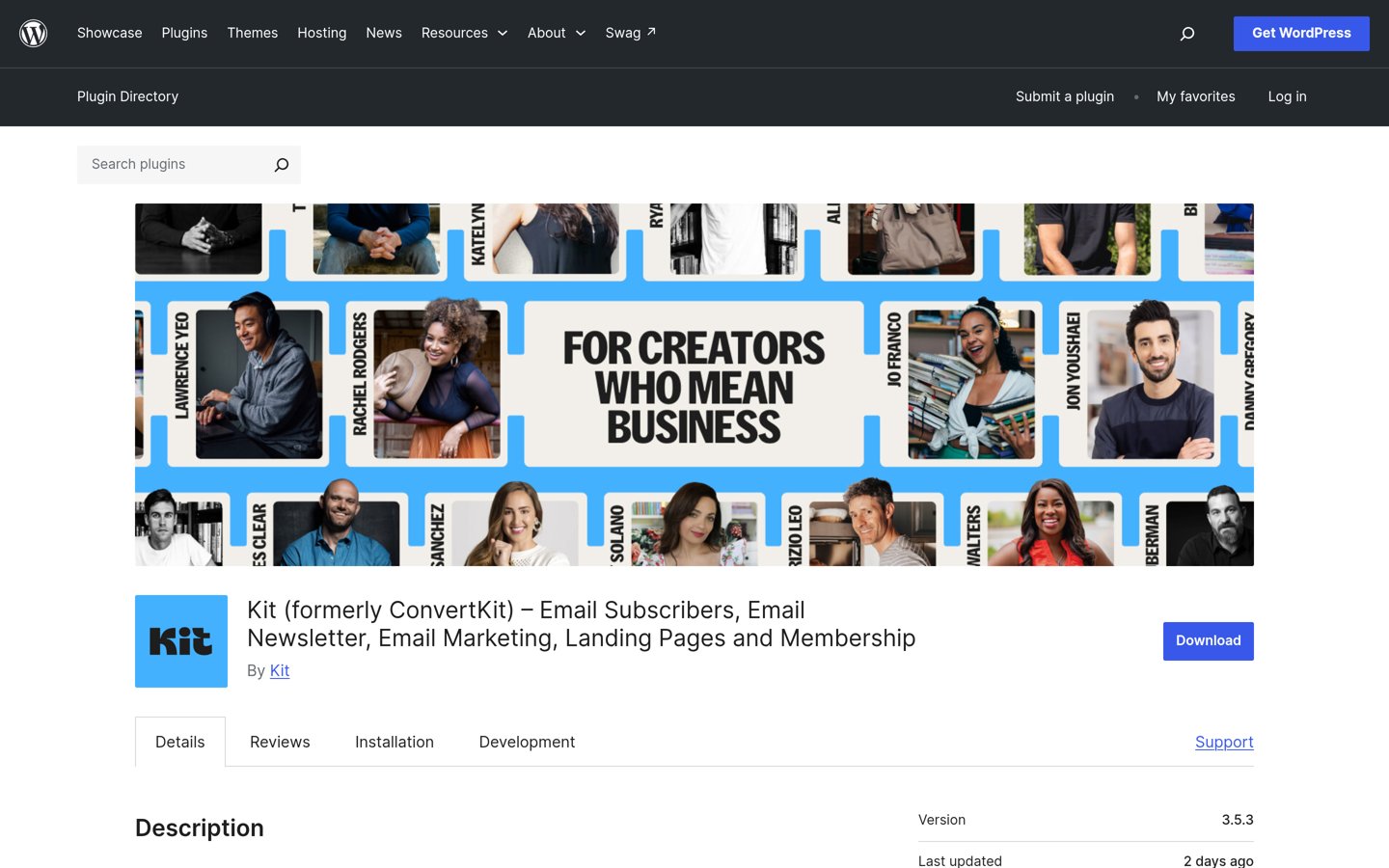
Kit is an email platform for creators who sell digital products, formerly called ConvertKit, with landing pages, tagging and a visual automation builder. Its free plan covers up to 10,000 subscribers with unlimited broadcasts, and Creator adds automations and sequences.
The trade off is that the free plan has no visual automation builder, and Creator costs $33 a month billed yearly at 1,000 subscribers after a 2025 price rise. It suits creators who sell products by email and need sequences that branch on tags and clicks.
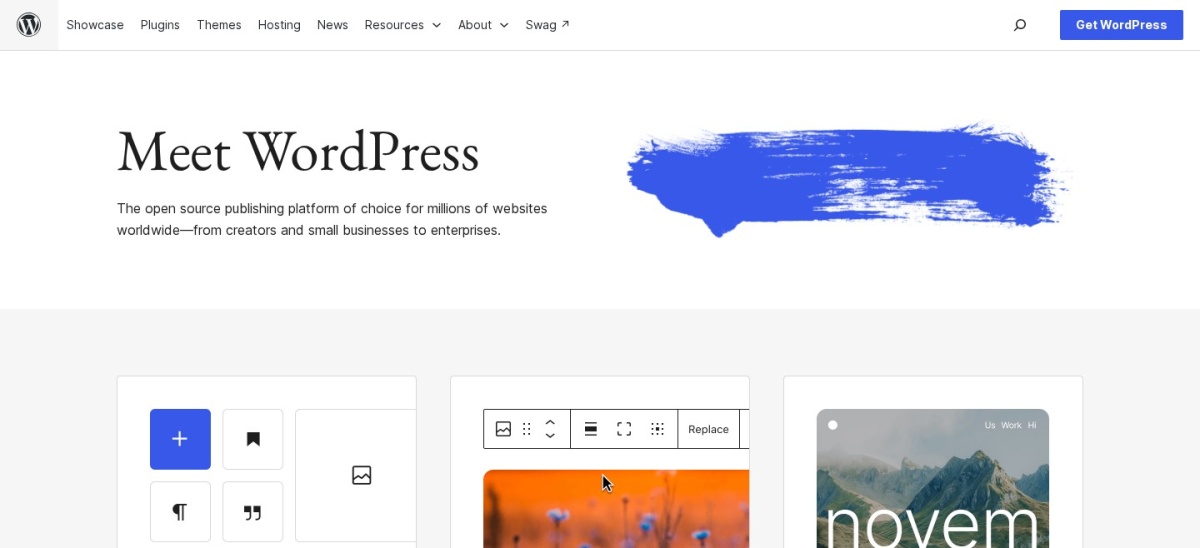
WordPress.org is the free, open-source software behind a large share of the web, and self-hosting it costs only the price of hosting. You own the site, the list and the rules, with 59,000 plugins covering newsletters, memberships and stores.
The trade off is upkeep. You handle updates, backups and security yourself, and a realistic stack with hosting, a newsletter plugin and a membership plugin can cost more than Ghost. It suits publishers who want total control and are happy to maintain a site.
Free plans cover publishing well. Substack, beehiiv, WordPress.com, Medium and Wix all let you publish without paying.
Paid plans mostly add earning and control. You get paid subscriptions without a revenue cut, a custom domain, more storage and branding removal.
If paid subscriptions are your income, compare the fee, not the sticker price. Substack at 10% costs more than beehiiv at $49 a month once you earn about $490 a month.
For a hobby blog, a free plan is enough. For a business built on a list, budget for the paid tier that unlocks payments and your own domain.
How we chose
We started from the publishing platforms most often named as Ghost replacements, then kept nine with a verifiable G2 or Capterra rating and a published price.
Prices come from each vendor's pricing page, checked on 29 November 2026. Ratings come from G2 or Capterra on the same day. Where a vendor shows a sale price, the list shows the regular price.
We left out tools with no verifiable rating and platforms that no longer sell a self-serve plan. No vendor paid for a place, and we do not claim hands-on testing for this list.
How to choose a Ghost alternative
Start with how you earn, then match the tool to that income.
Decide how you earn. Paid subscriptions favour Substack or beehiiv, while ads and products favour Kit or WordPress.
Compare the fee, not the sticker price. A 10% revenue cut beats $49 a month until you earn about $490 a month, then the flat plan wins.
Check who owns the list. If you may move later, pick a tool with list export and a custom domain from the start.
Test the free plan first. Publish a few posts, send a test email and check the editor before you pay for a year.
FAQ
What is the best Ghost alternative in 2026?
Substack is the best Ghost alternative for most writers in 2026, because it is free to start and charges no monthly fee. It takes 10% of paid subscription revenue instead, so it suits writers who want readers fast without a bill.
How much does it cost to switch from Ghost?
Switching can cost nothing. Substack, beehiiv, WordPress.com and Medium all have free plans, and WordPress.com Personal costs $4 a month billed yearly. The real cost is usually the paid tier that unlocks subscriptions or a custom domain.
Is there a free alternative to Ghost?
Yes. Substack is free with no monthly bill, beehiiv is free to 2,500 subscribers, and WordPress.com and Medium both offer free publishing. WordPress.org software is also free, though hosting costs extra.
Which Ghost alternative is best for newsletters?
beehiiv is the best Ghost alternative for newsletters that plan to earn, with referral programs, an ad network and a 0% platform fee. Substack is simpler and free, but its 10% cut grows with your income.
Substack vs beehiiv: which is cheaper?
Substack is cheaper until you earn about $490 a month, because 10% of that is $49, the same as beehiiv Lite billed yearly. Above that line, beehiiv costs less, since its fee stays flat while Substack takes 10% forever.
Can I move my subscribers from Ghost?
Yes. Ghost exports your subscriber list as a file, and Substack, beehiiv, Kit and WordPress all accept imports. Check that paid subscribers transfer cleanly, since payment records may need a fresh checkout on the new platform.
SaaS SEO and WordPress specialist with about 8 years of experience. Rakib compares WordPress plugins, themes, hosting and software using public pricing, documentation and user reviews. See how we rank.