Self-hosted WordPress is the best blog platform to monetize for most bloggers, because the software is free, you keep every dollar, and every revenue model works. Medium is the best for earning without an audience, beehiiv is the best for paid newsletters at scale, and Ghost is the best for memberships with zero platform fees.
How we make this list: we compare pricing pages, product documentation and public user reviews, then re-check every price before each update. No product paid for a place. Disclosure.
Medium leads on Capterra at 4.8 out of 5, and its Partner Program pays for member reading time with no audience to build.
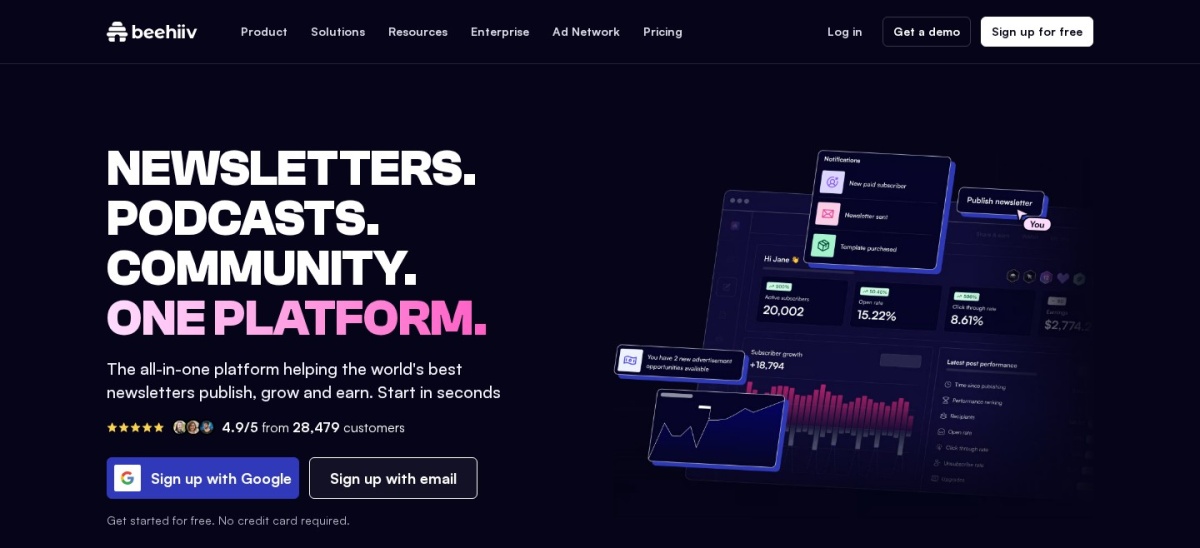
beehiiv charges a flat 49 dollars a month on yearly billing and takes 0 percent of paid subscription revenue, beating Substack past about 490 dollars a month.
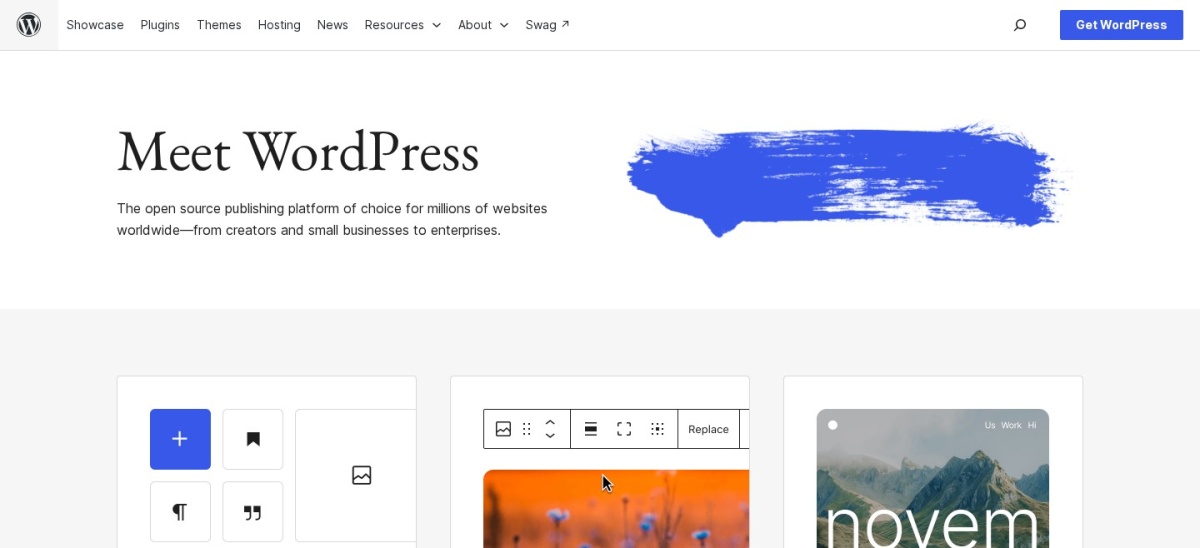
Self-hosted WordPress is free software with no revenue share, but you pay for hosting and handle updates, security and backups yourself.
Ghost takes 0 percent of member revenue, with hosted plans from 18 dollars a month billed yearly after a 14-day trial.
Substack is free to start and the fastest way to sell paid subscriptions, but its 10 percent cut gets expensive as revenue grows.
What to look for in a blog platform to monetize
A blog platform makes money in a few ways: display ads, paid subscriptions, memberships, selling products or courses, donations, and sponsored content. No single platform does all of them well, so name the revenue model before the platform. A newsletter-first tool wins for subscriptions, while a full website wins for commerce.
Two numbers decide the economics: the platform's cut and the monthly floor. Substack takes 10 percent of subscription revenue, so it beats beehiiv's 49 dollars a month until you earn about 490 dollars a month, and then the flat plan wins. WordPress.org has no cut at all, but hosting plus your time is the floor.
Audience ownership matters more than the editor. Every platform except the self-hosted ones can change the rules, the algorithm or the revenue share, and the creators who survive those changes all share one asset: an email list they control. Check that your platform exports subscriber emails, and back the list up regularly.
Free tiers are real, but they come with limits. Blogger is free forever with AdSense, beehiiv's free plan includes unlimited sends, and WordPress.com's free plan carries branding with no custom domain. Expect to upgrade for a custom domain, removed branding, or full monetization features.
Medium is an online publishing platform where writers earn through the Partner Program, which pays from member reading time instead of ads or subscriptions you set yourself. Publishing is free, and your stories can reach millions of readers without building an audience first. It holds a 4.8 out of 5 Capterra rating from 164 reviews.
The trade off is control. You rent the audience: Medium sets the payout formula, controls discovery and can change both, and your publication looks like Medium with your name on it. You cannot set your own prices, and payouts are modest unless stories get serious member reading time. Treat it as a discovery channel or side income, not the home of a business you plan to own.
beehiiv is a newsletter platform built as the direct answer to Substack's revenue cut. You pay a flat monthly fee based on subscriber count and keep 100 percent of paid subscription revenue, minus Stripe processing. It holds a 4.5 out of 5 G2 rating from 40 reviews.
The trade off is the monthly floor. Paid subscriptions need the Lite plan at 49 dollars a month billed yearly, so Substack's 10 percent cut is cheaper until you earn about 490 dollars a month. The site builder also covers the basics only, and the platform is newsletter-first rather than a full website.
WordPress.org is the self-hosted version of WordPress that powers a huge share of the money-making web. The software costs nothing; you pay for hosting and a domain, then every monetization method is yours: display ads, affiliate links, memberships, digital products, courses and sponsored content. It holds a 4.4 out of 5 G2 rating from 9,546 reviews.
The trade off is responsibility. You handle updates, security, backups and performance, or you pay a managed host to do it, and beginners sometimes underestimate the maintenance. There is also no built-in audience, so every reader has to be earned. For anyone serious about building a durable publishing business, the ceiling here is higher than anywhere else on this list.
What we like
Software is free and open source
You keep 100% of every revenue stream
60,000+ plugins for memberships, courses and commerce
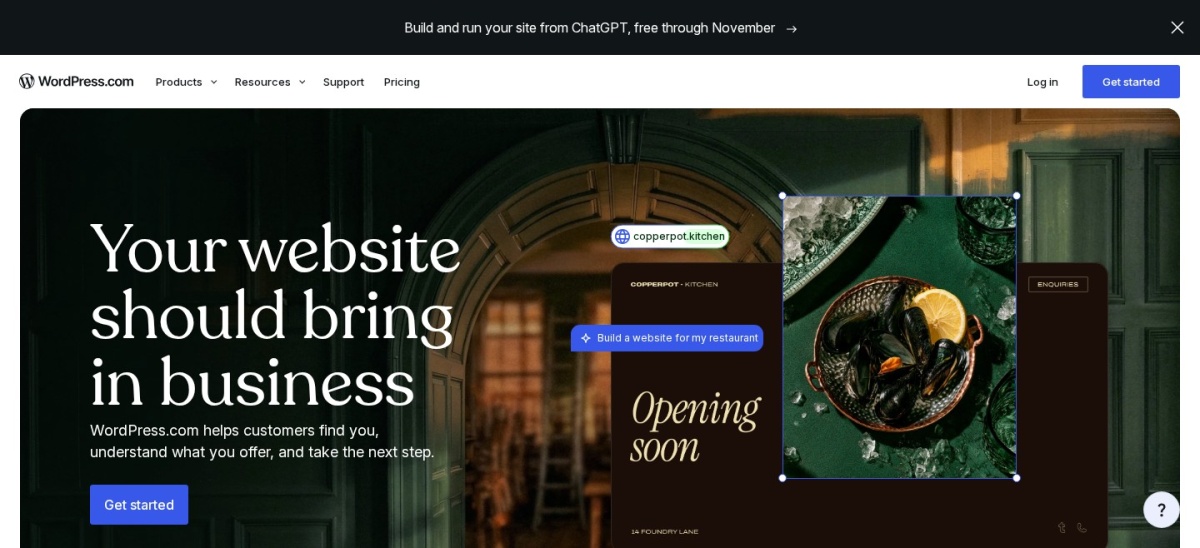
WordPress.com is the hosted sibling of WordPress.org: the same software, but Automattic runs the servers, handles security and provides support. A free plan gets you publishing immediately, and paid tiers add custom domains, plugins, themes and the monetization features that make the blog pay. It holds a 4.4 out of 5 G2 rating from 2,717 reviews.
The trade off is the plan ladder. The free and cheap tiers limit the plugins and customization that make WordPress.org powerful, so the real monetization toolkit sits behind higher-priced plans. The Personal plan costs 4 dollars a month billed yearly, but serious monetization needs the Business tier or above. It suits bloggers who want WordPress without ever touching a server.
Squarespace is a website builder that sells design: the templates look expensive, the editor stays simple, and the blog attaches to stores, digital downloads, member areas and scheduling. After a free 14-day trial, plans start at 19 dollars a month billed yearly, with hosting, security and the commerce toolkit included. It holds a 4.4 out of 5 G2 rating from 1,133 reviews.
The trade off is the meter and the depth. There is no permanent free tier, so the meter runs from month one, and the blogging engine is solid but shallower than WordPress for power users, with fewer plugins and less SEO control. It also takes a 2 percent transaction fee on store sales on the Basic plan. For creators whose brand is visual, the polish justifies the price.
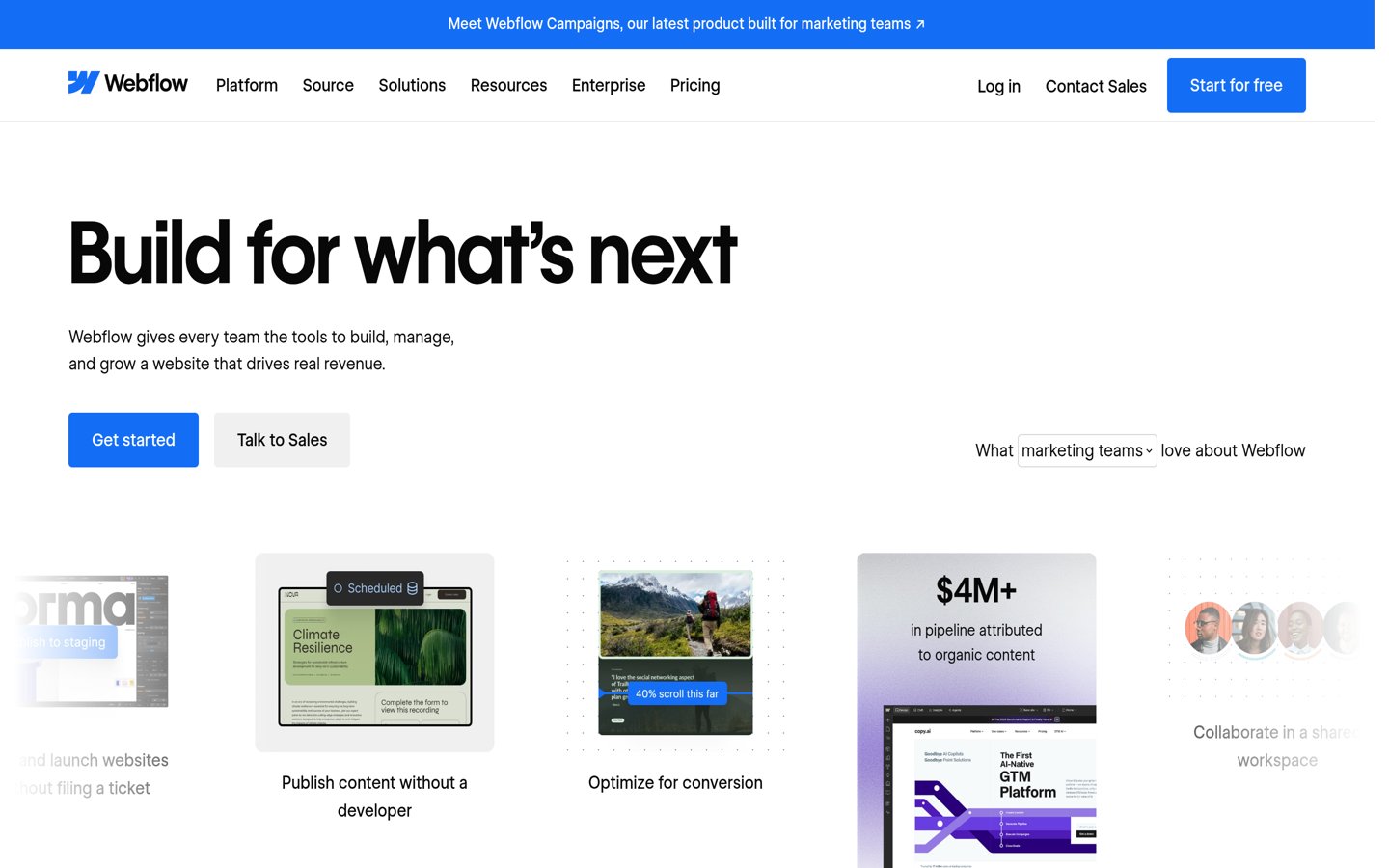
Webflow is the designer's publishing platform: a visual canvas with CMS collections that can run serious content sites, blogs and publications with pixel-level control. The code output is clean, SEO tooling is built in, and hosting is enterprise-grade. It holds a 4.4 out of 5 G2 rating from 995 reviews.
The trade off is price and the learning curve. Webflow restructured its plans in 2026: the CMS now lives in the Premium plan at 25 dollars a month billed yearly, and monetization comes through third-party membership, ecommerce and paywall tools rather than native features. Agencies and media brands use it where design is the differentiator.
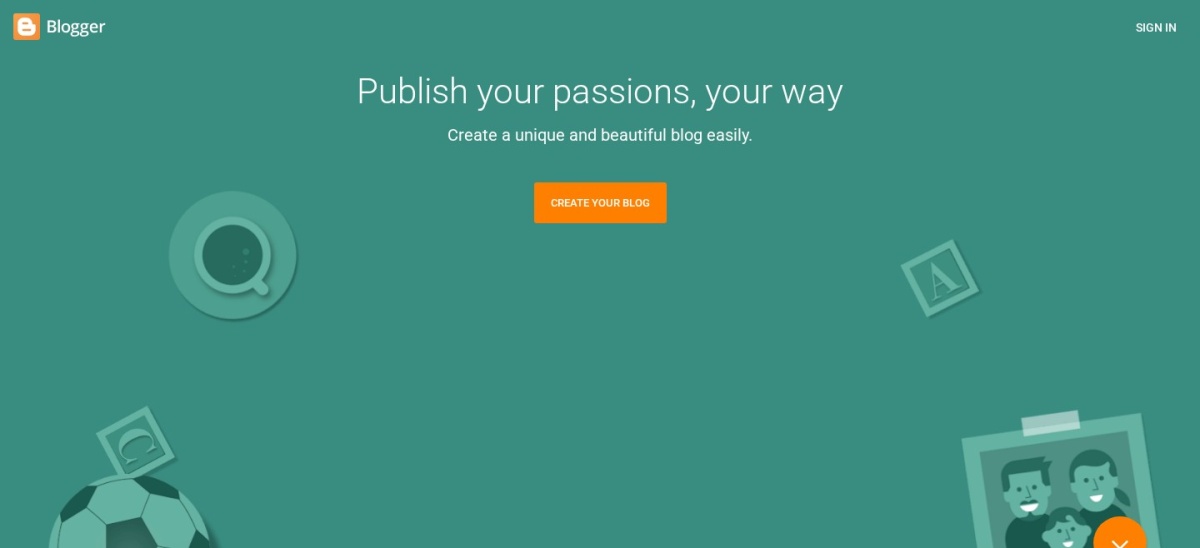
Blogger is the forgotten free option that still works: free hosting on a blogspot domain or a custom domain, decent templates, built-in stats, and one-click Google AdSense so display ads can earn from your first visitors. There is nothing to install, update or pay for, ever. It holds a 4.3 out of 5 Capterra rating from 120 reviews.
The trade off is the ceiling. Google barely develops Blogger anymore, so there are no new features, and monetization is essentially AdSense plus affiliate links: memberships and courses are not native, and the design options are dated. For a hobby blog that should cost nothing and might earn coffee money, it remains unbeatable value.
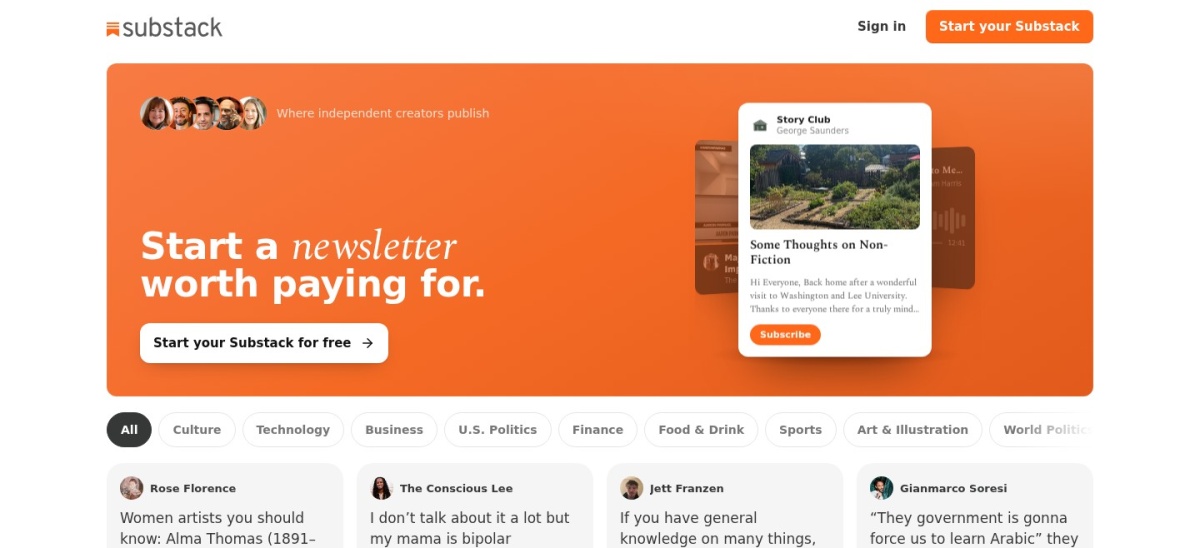
Substack is a publishing and newsletter platform that costs 0 dollars to start, with no monthly bill regardless of subscriber count. Writers publish posts, send emails and offer paid reader subscriptions in one place, and the mailing list is portable. It holds a 4.3 out of 5 G2 rating from 17 reviews.
The trade off is the 10 percent cut. Once you switch on paid subscriptions, Substack keeps 10 percent of every payment on top of Stripe processing, which stings as you scale: a writer earning 10,000 dollars a month hands Substack 1,000 dollars of it. Design options are also deliberately limited, with no plan that lowers the cut.
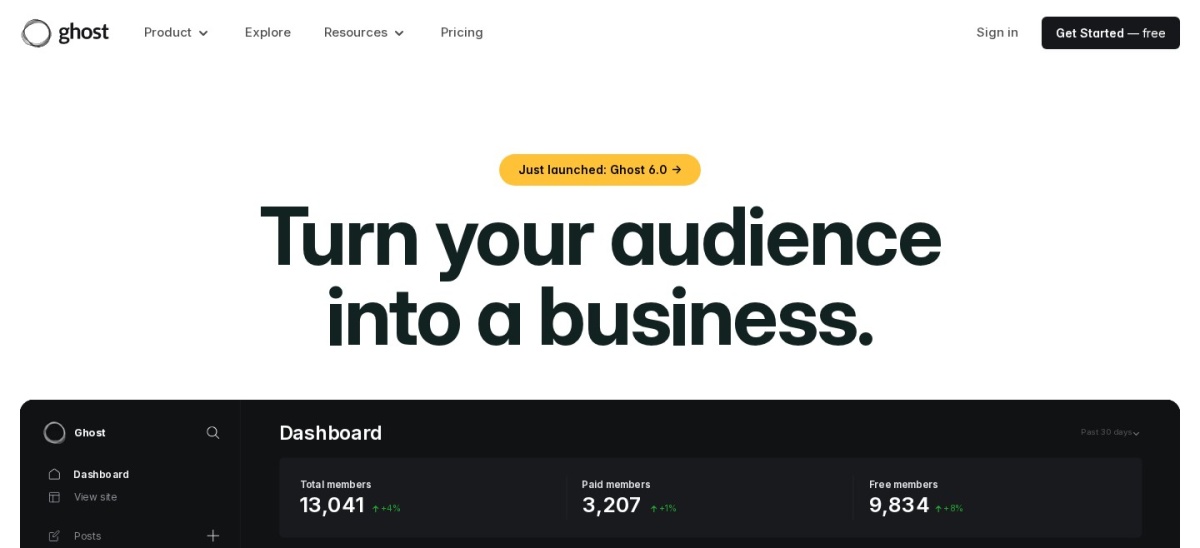
Ghost is an independent publishing platform with memberships, paid subscriptions, newsletters and analytics built in, taking 0 percent of your revenue. Publications on Ghost collectively earn over 100 million dollars a year through the platform, and the software is open source. It holds a 4.0 out of 5 G2 rating from 40 reviews.
The trade off is the price and the ecosystem. Ghost(Pro) hosting starts on paid plans after a 14-day free trial, with Starter now at 18 dollars a month billed yearly, up from 15 dollars in older guides, and self-hosting hands you the server work. The theme and integration ecosystem is smaller than WordPress, so exotic integrations may not exist.
We started from the blog platforms with verifiable G2 or Capterra ratings, then kept 9 with published scores. Ratings were collected in November 2026, and every entry here has a G2 or Capterra score.
We compared revenue model, platform cut, monthly floor and audience ownership. Top picks combine a real rating with a clear way to earn: 0 percent fees, a flat plan, or a built-in audience that pays for reading time.
Wix was dropped because it had the lowest rating among the solid options and monetizes sideways through stores and courses, not writing revenue. Medium's Capterra rating is second-hand via Toolradar, Ghost's Starter price rose from 15 to 18 dollars in 2026, and Squarespace's dollar price is second-hand because its pricing page rendered Singapore dollars.
How to choose a blog platform to monetize
Name the revenue model first, then check the platform's cut and monthly floor.
Name the revenue model first. Paid subscriptions, display ads, memberships or commerce each point at a different platform. Decide how the blog will earn before comparing editors and templates.
Run the fee math. Add the platform cut, payment processing and monthly plan together, then work out what you keep from 500 dollars a month in subscriptions. The cheapest plan is rarely the cheapest at scale.
Build the email list from day one. Export subscriber emails regularly and never let a social following substitute for them. Followers are borrowed, subscribers are owned, and the list is what lets you move platforms.
Start free, upgrade when revenue covers it. Blogger, beehiiv's free plan and Substack cost nothing to start. Upgrade to a paid plan only when the blog earns enough to cover it, and keep the custom domain from the start.
FAQ
What is the best blog platform to make money?
Self-hosted WordPress has the highest ceiling: free software, no revenue share, and every monetization method available. For the fastest start, Substack is free with a 10 percent fee, or beehiiv with a flat 49 dollars a month and a 0 percent take rate. The right answer depends on whether you value maximum revenue, minimum setup or audience ownership most.
How much does Substack take from paid subscriptions?
Substack takes 10 percent of subscription revenue, plus standard Stripe payment processing of about 2.9 percent plus 30 cents per transaction. Publishing is free, and there is no monthly bill. Once monthly revenue passes roughly 490 dollars, beehiiv's flat 49 dollars a month Lite plan with a 0 percent take rate becomes cheaper.
Can I monetize a free blog?
Yes. Blogger is free with AdSense built in, WordPress.com and beehiiv have free tiers, Medium pays through its Partner Program, and Substack charges nothing to publish. Free tiers work for starting out, but expect to upgrade for a custom domain, removed branding or full monetization features.
Is Medium or Substack better for earning?
Substack is better if you can bring or build an audience, because you set subscription prices and keep 90 percent. Medium is better if you want built-in discovery, because the Partner Program pays for member reading time with zero marketing, but you cannot set prices and payouts are modest. Many writers use Medium for discovery and Substack for revenue.
Do I need to pay for hosting to monetize a blog?
Not always. Substack, beehiiv, Medium, Blogger and Ghost(Pro) include hosting, and Squarespace and WordPress.com bundle it into their plans. Only self-hosted WordPress requires separate hosting, typically a few dollars a month for a starter site. Factor hosting into the true monthly cost when comparing free platforms.
What is the cheapest way to start a money-making blog?
Blogger costs 0 dollars forever with AdSense, on a blogspot subdomain. The next cheapest serious options are beehiiv's free tier for newsletters, or self-hosted WordPress on budget shared hosting for a few dollars a month with a custom domain. Add the domain cost, roughly 10 to 15 dollars a year, to any option where you want your own address.
SaaS SEO and WordPress specialist with about 8 years of experience. Rakib compares WordPress plugins, themes, hosting and software using public pricing, documentation and user reviews. See how we rank.