Best Tools For Enterprises To Integrate Apps in 2026: 9 Tools Compared
WLWPLegible EditorsLast verified 24 Nov 2026How we rank8 min read
★ Short answer
Workato is the best enterprise integration tool for governed automation across departments. Boomi is the cheapest enterprise entry at $99 a month, and Zapier is the best self-serve pick for no-code teams.
How we make this list: we compare pricing pages, product documentation and public user reviews, then re-check every price before each update. No product paid for a place. Disclosure.
The billing unit decides your bill: Zapier charges per action step, Make per operation, n8n per whole workflow run.
Enterprise iPaaS such as Workato, MuleSoft, Boomi, Celigo and Tray.ai is quote-based and built for governed, high-volume integration.
Self-serve automation such as Zapier at $19.99 a month, Make at $9 and n8n cloud from €20 covers most SMB needs at a fraction of iPaaS pricing.
Microsoft shops should price Power Automate at $15 a user a month before anything else, since it is often already in the licensing bundle.
Boomi is the friendliest enterprise on-ramp, with pay-as-you-go from $99 a month plus usage.
What enterprise integration should cover
Enterprise integration connects the apps a company runs on: CRM, ERP, ecommerce, HR and finance. The tools here range from no-code automation to full integration platforms as a service.
The split is governance. Enterprise iPaaS such as Workato, Boomi, MuleSoft, Celigo and Tray.ai is built for governed, high-volume integration with SSO, audit logs and environment controls, and expect five-figure annual contracts.
Self-serve automation such as Zapier, Make and n8n covers most smaller integration needs at a fraction of the price, with free tiers and fast setup. Our guide on CRM software covers the systems these tools usually connect.
Pricing is rarely transparent, so budget on the quote for your volume and connector list, not the headline price.
List prices in each vendor's currency, checked Nov 2026
WorkatoCustom
CeligoCustom
MakeFREE$108
AutomateFREE$180
ZapierFREE$240
n8nFREE€240
Tray.ai$600
Boomi$1,188
MuleSoft$24,000
The 9 best tools for enterprises to integrate apps
01
Workato
4.7/5on G2 (843 reviews, checked Nov 2026)
PricingCustom/yr
Best tools for enterprises to integrate apps
Connectors1,000+
GovernanceSSO, roles, audit logs
Self-service ProFrom $75/mo
Paid planCustom quote
workato.com
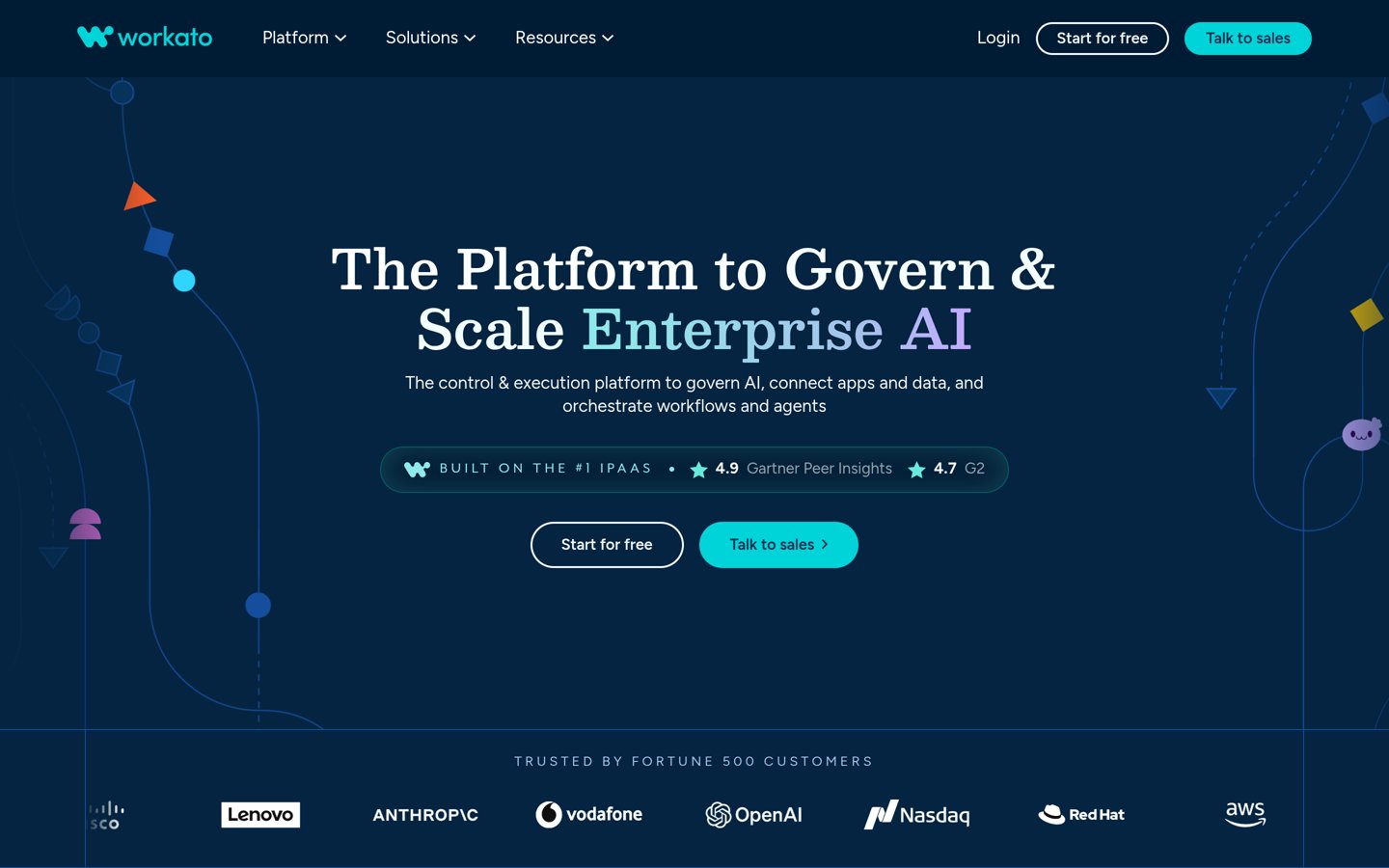
Workato homepage, captured Nov 2026.
Workato is the enterprise answer to Zapier: the same recipe-style automation, rebuilt for IT governance. Business teams build integrations on 1,000-plus connectors while IT keeps SSO, role-based access, audit logs and environment controls.
The trade off is price. Workato publishes no list price, and third-party analyses place entry contracts near $25,000 a year, climbing fast with usage. It suits enterprises standardising automation across departments.
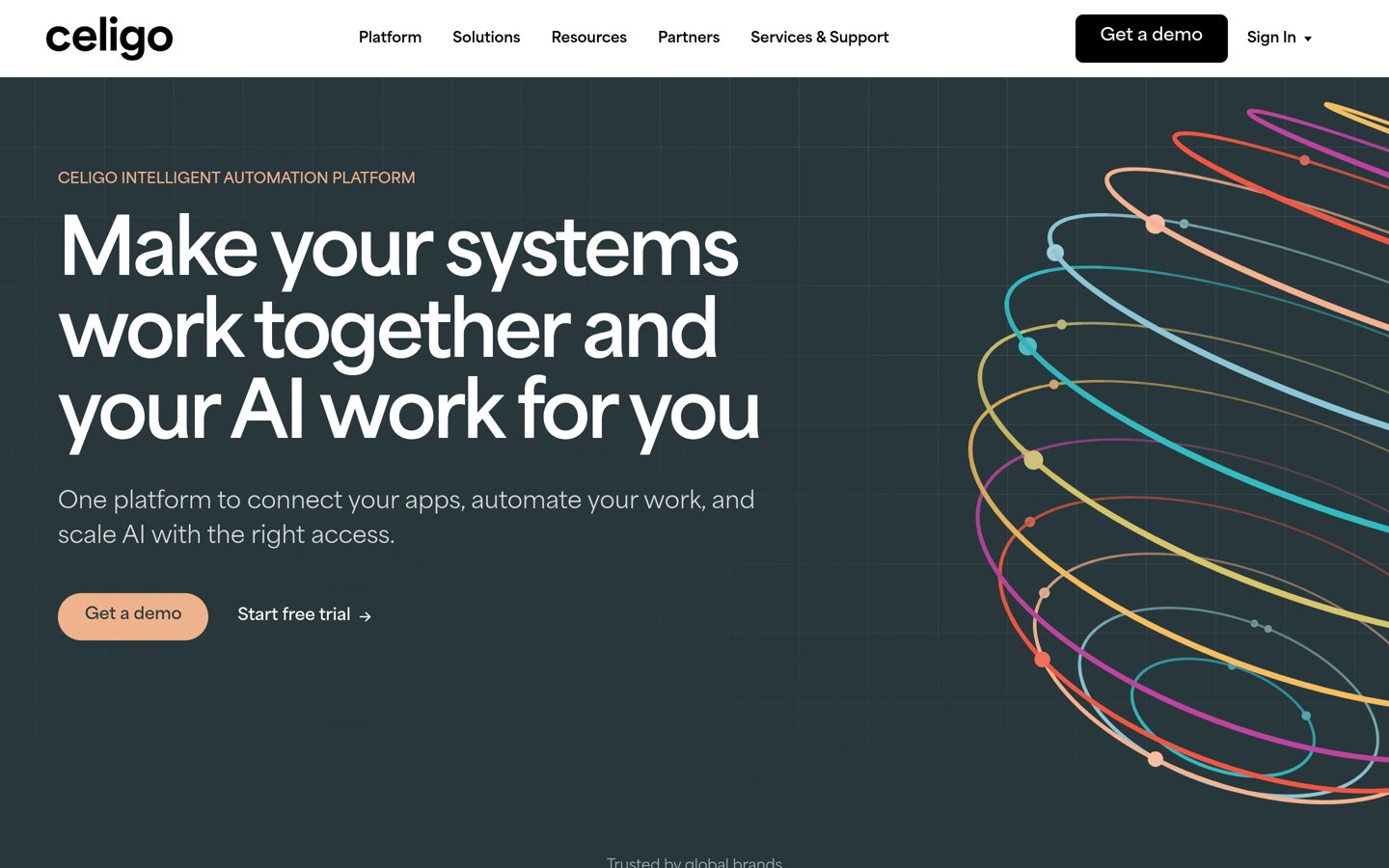
Celigo is an integration platform that owns the mid-market integration niche, especially around NetSuite and ecommerce. Instead of a blank canvas, it ships prebuilt integration apps for common flows: order to cash, procure to pay, Shopify to NetSuite.
The trade off is range. Away from NetSuite and ecommerce, it is an ordinary iPaaS with fewer connectors than Tray or Workato. It suits fast-growing companies on NetSuite.
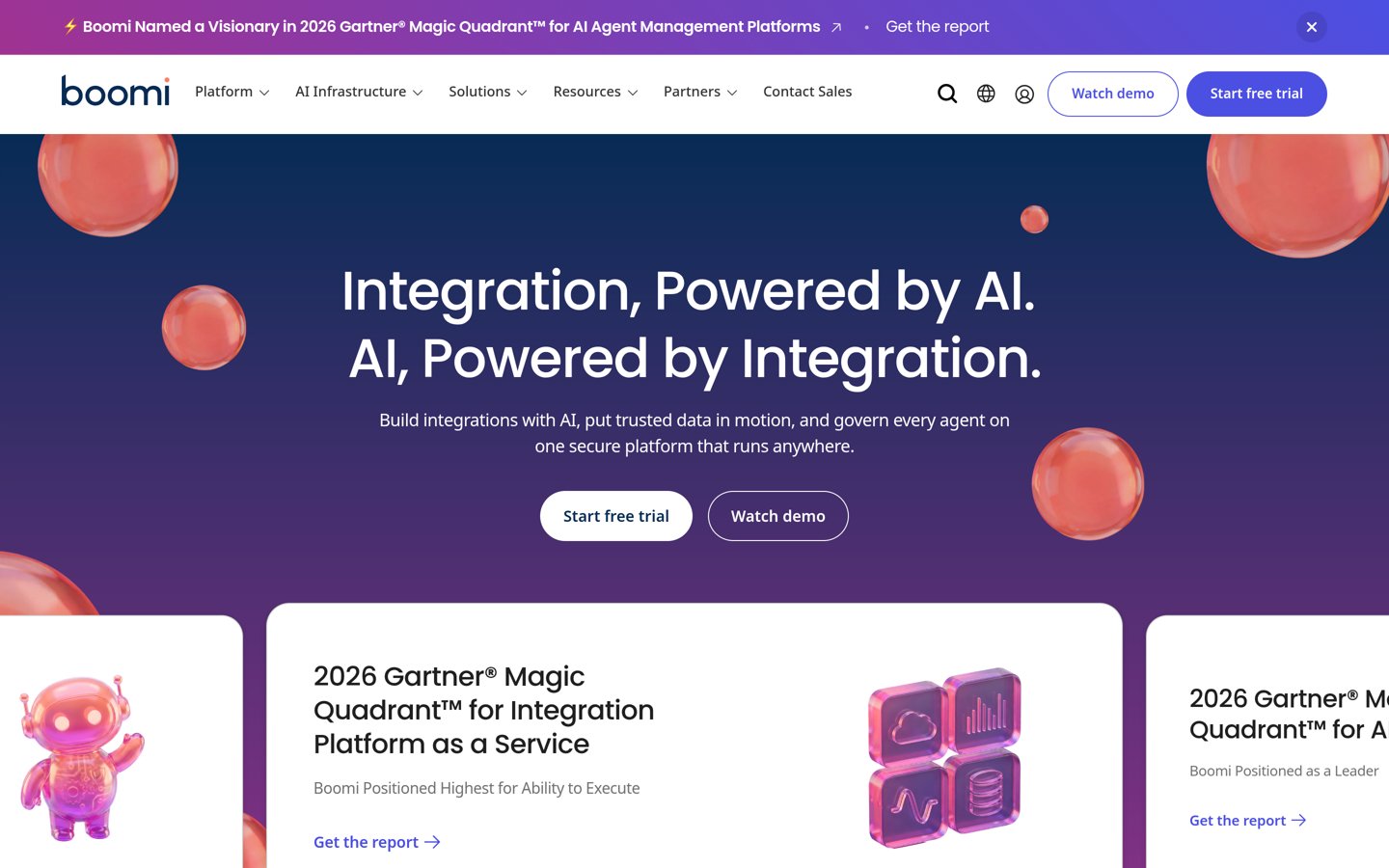
Boomi is the friendliest on-ramp to enterprise integration. The pay-as-you-go tier starts at $99 a month plus usage, which lets teams run real production integrations without an enterprise contract.
The trade off is that enterprise editions are quoted, and one comparison lists Boomi at $550 a month, so confirm which tier the $99 figure covers. It suits legacy-heavy environments with SAP, Oracle or EDI depth.
MuleSoft Anypoint is what large enterprises buy when integration becomes architecture. The API-led approach treats every integration as a reusable API with a lifecycle: designed, published in Exchange, governed and reused across the business.
The trade off is cost and specialism. Anypoint starts from $2,000 a month billed annually, and setup needs specialist skills. It suits Salesforce-centric enterprises doing API-led architecture.
4.5/5on G2 (Not published reviews, checked Nov 2026)
Starts at$50/mo
Best for AI-first enterprise automation
Connectors600+
AI agentsMerlin Agent Builder
Low-code canvasYes
Paid planOrchestration from $50/mo
tray.ai
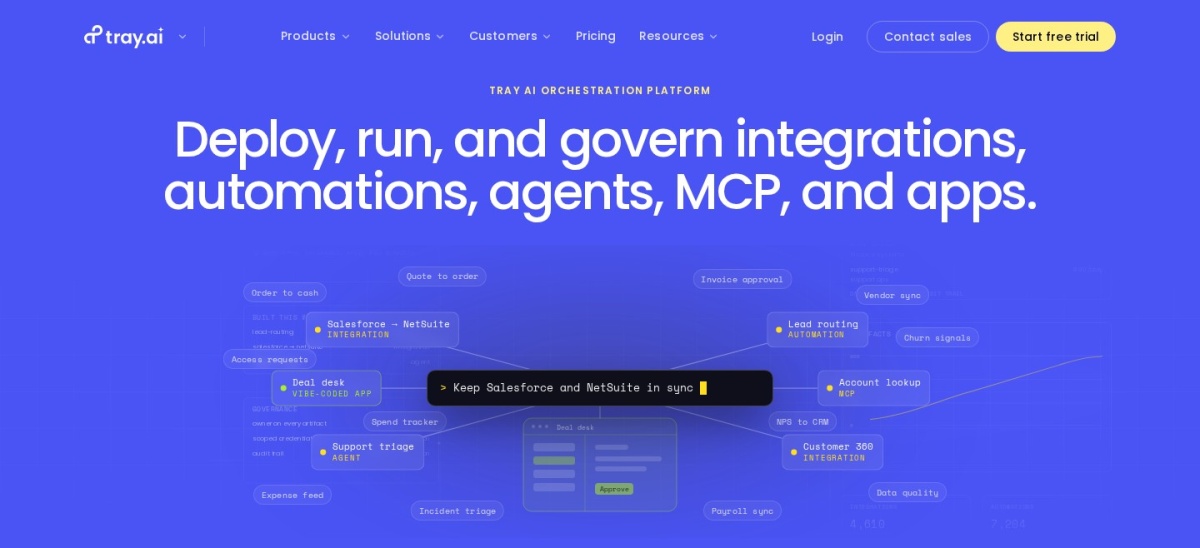
Tray.ai homepage, captured Nov 2026.
Tray.ai is a managed platform that covers integration, automation and AI agents in a single place. You build workflows on a visual canvas with 600-plus connectors, drop into JavaScript when the canvas runs out, and build AI agents with Merlin Agent Builder.
The trade off is price opacity. Tray iPaaS is a platform fee plus tasks with no published price, while the Orchestration Platform starts from $50 a month. It suits technical automation teams.
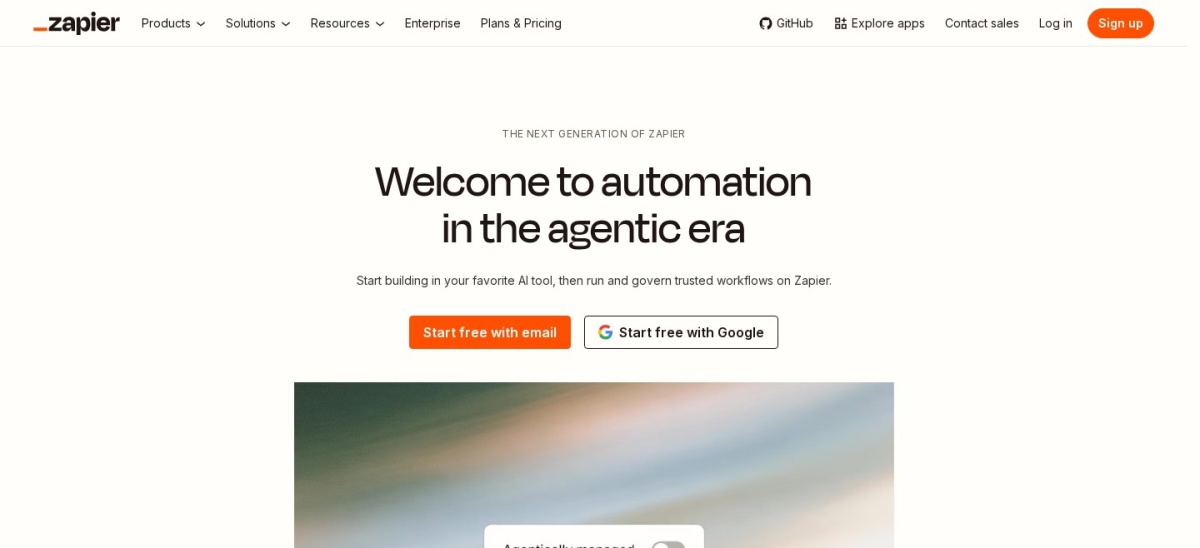
Zapier is the simplest alternative for teams whose integrations are really automations: when X happens in one app, do Y in another. Its app directory is the largest in this category, setup takes minutes, and the free tier covers light use.
The trade off is the billing unit. Zapier charges per action step, so the same automation can cost far more than on Make or n8n. It suits no-code teams that need the widest app catalog.
Make is the visual automation value pick: a canvas builder with HTTP modules, functions and iterators, priced per operation rather than per task. Core costs $9 a month billed annually with 10,000 credits.
The trade off is scale. Make is not suited to high-volume or complex enterprise integrations, where Workato or Boomi fit better. It suits visual builders who want lower cost than per-task pricing.
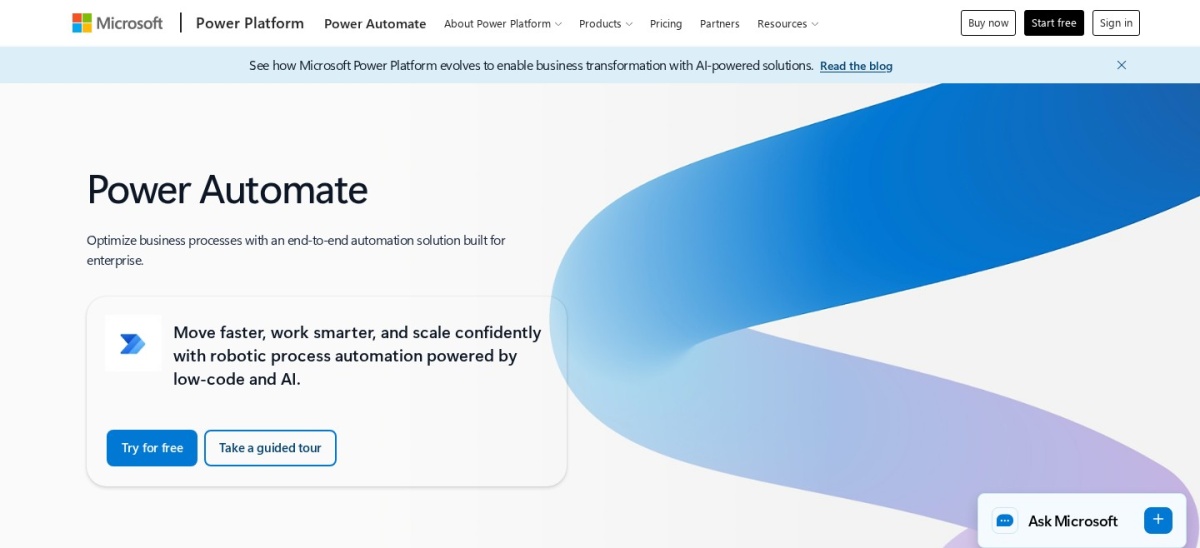
Microsoft Power Automate homepage, captured Nov 2026.
Microsoft Power Automate is almost a default inside a Microsoft 365 company. It is already in the tenant, it talks to SharePoint, Teams, Dynamics and Outlook natively, and the Premium licence at $15 per user per month covers cloud flows, attended RPA and premium connectors.
The trade off is the ecosystem. Outside Microsoft 365 it is a harder sell, and setup needs technical resources. It suits organisations already standardised on Microsoft 365 and Azure.
4.7/5on G2 (Not published reviews, checked Nov 2026)
Paid from€20/mo
Best self-hosted integration for developers
Self-hostedYes, free
CloudFrom €20/mo
AI agent nodesYes
Paid planCloud, €20/mo
n8n.io
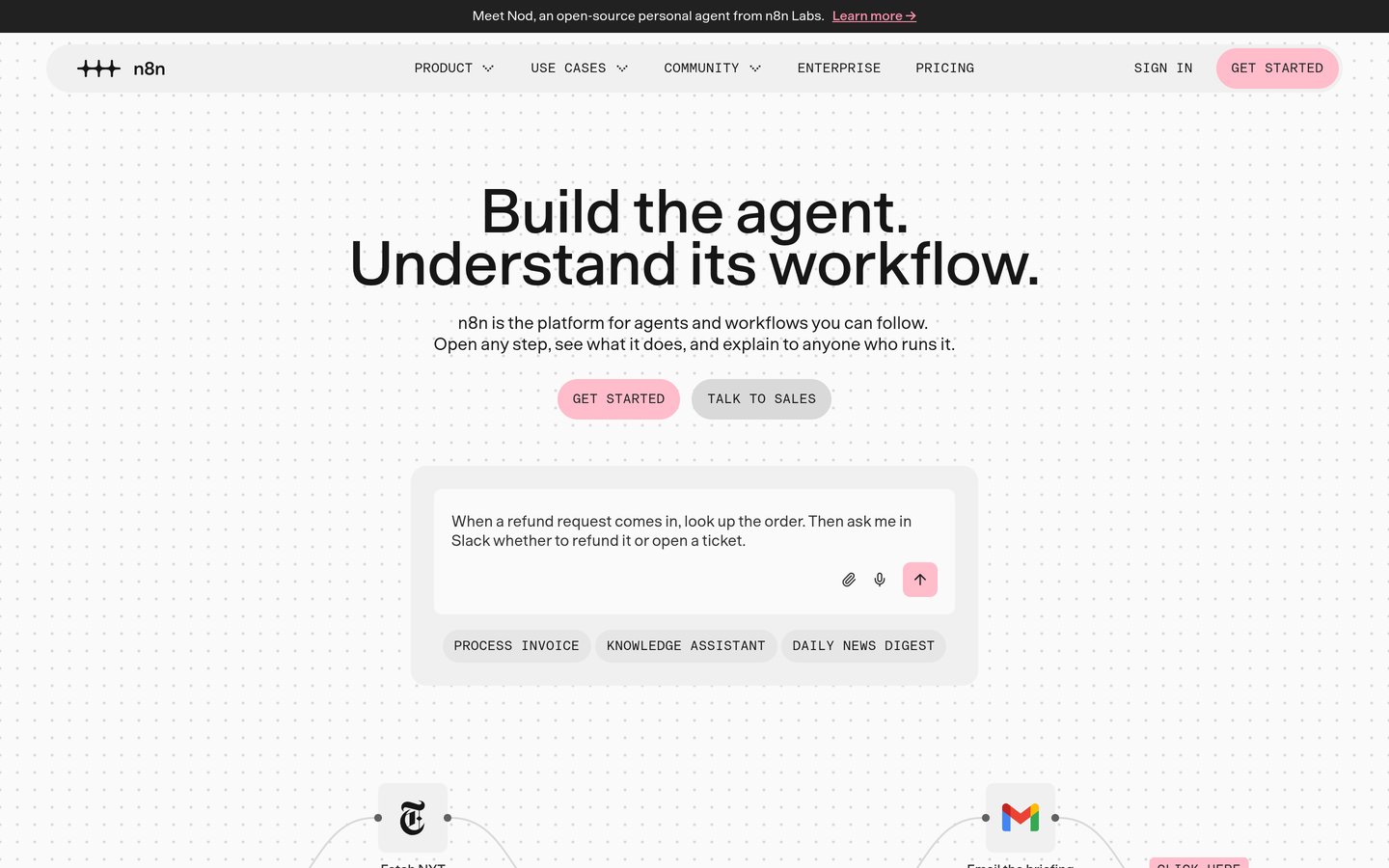
n8n homepage, captured Nov 2026.
n8n is the open-source workflow automation that gives technical teams self-hosted control, with AI agent nodes and MCP support. Cloud plans start at €20 a month, and the Community Edition is free to self-host.
The trade off is currency and support. Cloud pricing is in euros, not dollars, so the €20 a month figure is not $20, and self-hosting needs your own maintenance. It suits developer-led teams that want data on their own servers.
Zapier charges per action step, Make per operation, and n8n per whole workflow run. The same automation can cost ten times different across them.
Enterprise iPaaS charges by platform fee plus usage, connectors or flows. Count your flows and data volumes before the sales call.
For a dozen SaaS-to-SaaS syncs, Make or Celigo will do the job for a tenth of the cost of Workato or MuleSoft.
How we chose
We started from the established tools for enterprises to integrate apps that buyers shortlist in 2026, then kept those with a verifiable rating on G2 or Capterra and a published price or a clear quote-based model.
Prices come from each vendor's pricing page as reported in comparisons checked on 24 November 2026, with the top three checked against vendor pricing pages. Ratings and review counts come from G2 or Capterra on the same day. Where a vendor shows a sale, the list shows the regular price.
We left out tools with no verifiable public rating. No vendor paid for a place, and we do not claim hands-on testing for this list.
How to choose the best tools for enterprises to integrate apps
Start with who builds the integrations, then check governance before price.
Decide who builds. Business teams suit Workato or Zapier, while IT-led teams suit MuleSoft, Boomi or n8n.
Count flows and volume first. iPaaS pricing follows flows, connectors and usage, so list them before the sales call.
Check governance needs. SSO, role-based access, audit logs and environments decide whether a tool passes IT review.
Trial the self-serve tier. Run one real integration on a free tier before signing an enterprise contract.
FAQ
What is the best tool for enterprises to integrate apps?
Workato is the best enterprise pick for governed automation across departments, rated 4.7 on G2. Boomi is the best low-cost enterprise entry at $99 a month, and Celigo suits NetSuite shops.
How much does enterprise integration software cost?
Enterprise iPaaS is mostly quote-based, with third-party estimates from around $10,000 a year for Workato and $2,000 a month for MuleSoft. Self-serve tools cost $9 to $20 a month.
Is Zapier or Make better for enterprises?
Neither is a full enterprise iPaaS. Zapier suits no-code teams that need the widest app catalog, while Make suits visual builders on a budget. Enterprises should shortlist Workato, Boomi or Celigo.
What is the cheapest integration tool?
Make Core at $9 a month is the cheapest paid plan here, and n8n is free to self-host. Zapier's free tier covers 100 tasks a month.
Does Power Automate work outside Microsoft 365?
It works, but it is a harder sell outside Microsoft 365, since its value is native SharePoint, Teams, Dynamics and Outlook integration. Zapier or Make cover those workflows more naturally.
What is n8n pricing?
n8n is free to self-host as a Community Edition, and cloud plans start at €20 a month. The price is in euros, not dollars. Annual cloud billing keeps the same monthly rate.