Best Tax Research Software in 2026: 9 Tools Compared
WLWPLegible EditorsLast verified 24 Nov 2026How we rank9 min read
★ Short answer
Checkpoint is the best tax research software for most firms, with the deepest federal tax library and CoCounsel AI. Blue J is the best AI option for solo practitioners at $1,498 per user per year, and Bloomberg Tax suits complex international work.
How we make this list: we compare pricing pages, product documentation and public user reviews, then re-check every price before each update. No product paid for a place. Disclosure.
Checkpoint is the default in most CPA firms, with the deepest federal tax library and CoCounsel AI research.
CCH AnswerConnect has no verifiable G2, Capterra or Trustpilot rating, so it is not in this list despite its $1,499 shop price.
Bloomberg Tax lists small-firm pricing from $2,200 a year, and Blue J publishes $1,498 per user per year for sole practitioners.
Blue J and TaxGPT are the AI-native options, with cited answers and memo drafting built in.
Budget picks publish prices too: TaxJar starts at $39 a month and Avalara tax calculation from $699 a year.
What tax research software should cover
Tax research software answers the questions that decide a return: what the Code says, what the regulations add, and what the courts have ruled. The big platforms pair primary sources with editorial analysis written by tax professionals.
The three big platforms are all excellent, all expensive and all sold by quote, which means most buyers pick one and never look back. That is a mistake: the gap between a budget library and a five-figure enterprise subscription is enormous.
The new generation is AI research. Blue J, TaxGPT and the AI layers on Checkpoint, CCH and Bloomberg Tax answer in plain language with citations, but every citation still needs checking before it goes into advice. Our guide on accounting software covers the wider finance stack.
Pricing transparency is poor. Only Bloomberg Tax, Blue J, TaxJar and Avalara publish a starting figure, and the rest are quote-based.
Thomson Reuters Checkpoint homepage, captured Nov 2026.
Thomson Reuters Checkpoint is the default answer in most CPA firms. The platform combines the Internal Revenue Code, regulations, rulings and case law with Thomson Reuters editorial analysis, most notably the Federal Tax Coordinator.
The trade off is price. Checkpoint is quote-based with no published rates, and CoCounsel-enabled seats run into four figures per user per year. It suits firms with serious research volume.
Bloomberg Tax is a research platform that built its reputation on the Tax Management Portfolios: in-depth, practitioner-written analyses of more than 500 topics across federal, state and international tax, plus estates, gifts and trusts.
The trade off is that only the small-firm package is published. Bloomberg Tax for Small CPA Firms starts at $2,200 for firms with fewer than 10 employees, and larger firms go through request pricing. It suits complex business and international questions.
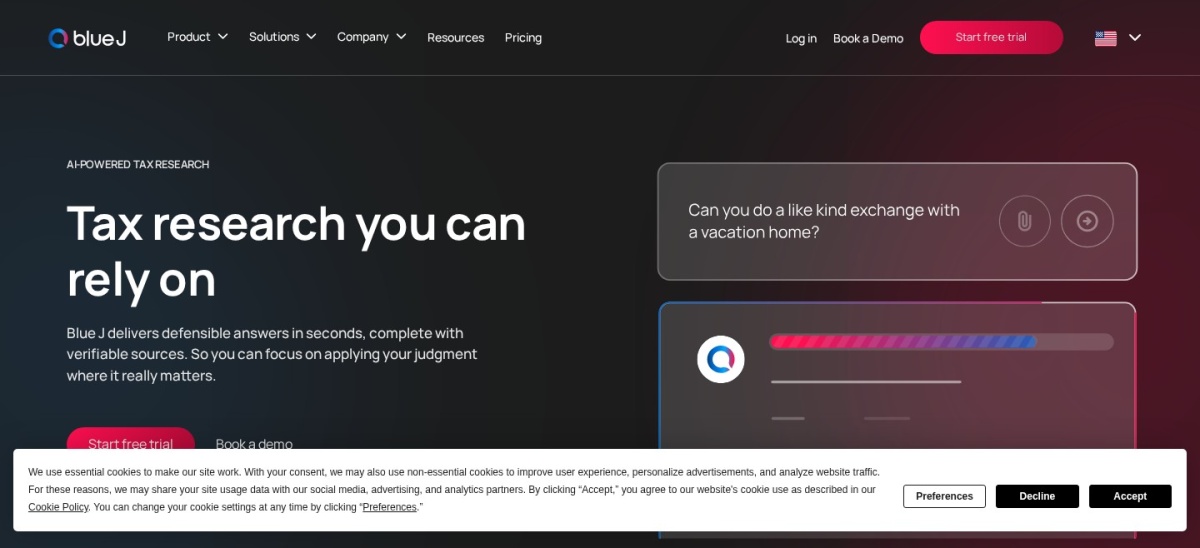
Blue J is the AI-native challenger that forced the big platforms to respond. Ask complex tax questions in plain language and get synthesised answers with citations to a curated library, plus drafting of client-facing memos and emails.
The trade off is verification discipline. The answers come with citations, and you should still check them before they go into advice. It suits solo practitioners and small firms that want AI research at a published price.
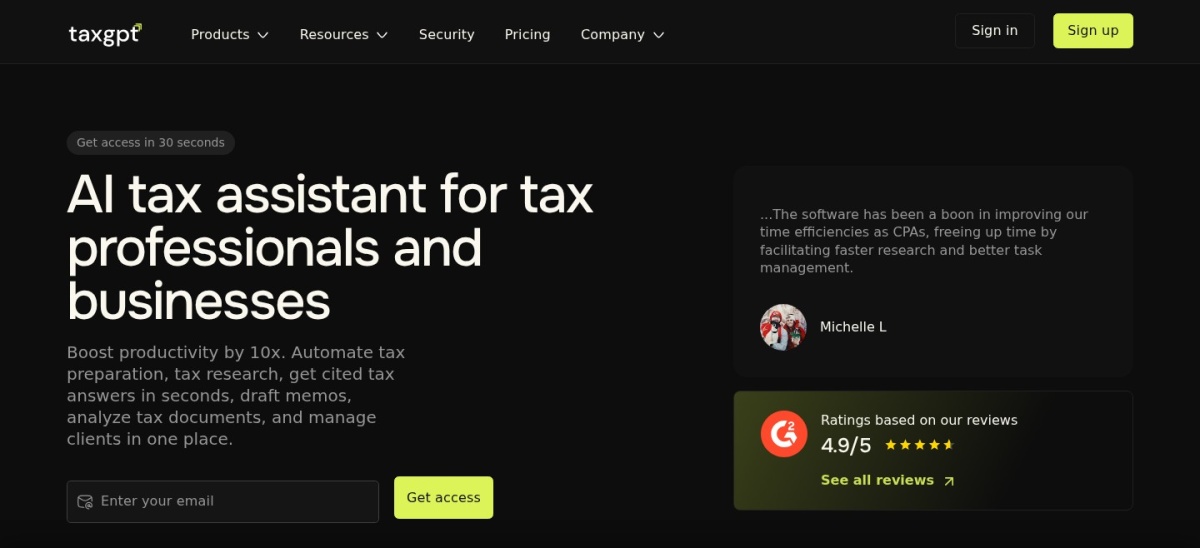
TaxGPT is an AI tax-research and return-review copilot for US firms, with cited answers across federal, state and Canadian tax law. It pairs research with document analysis, a Tax Writer and a Tax Matrix for comparing positions.
The trade off is pricing. TaxGPT lists three plans, Pro, Pro Plus and Enterprise, all by demo with no published prices. It suits firms that want AI research alongside document workflows.
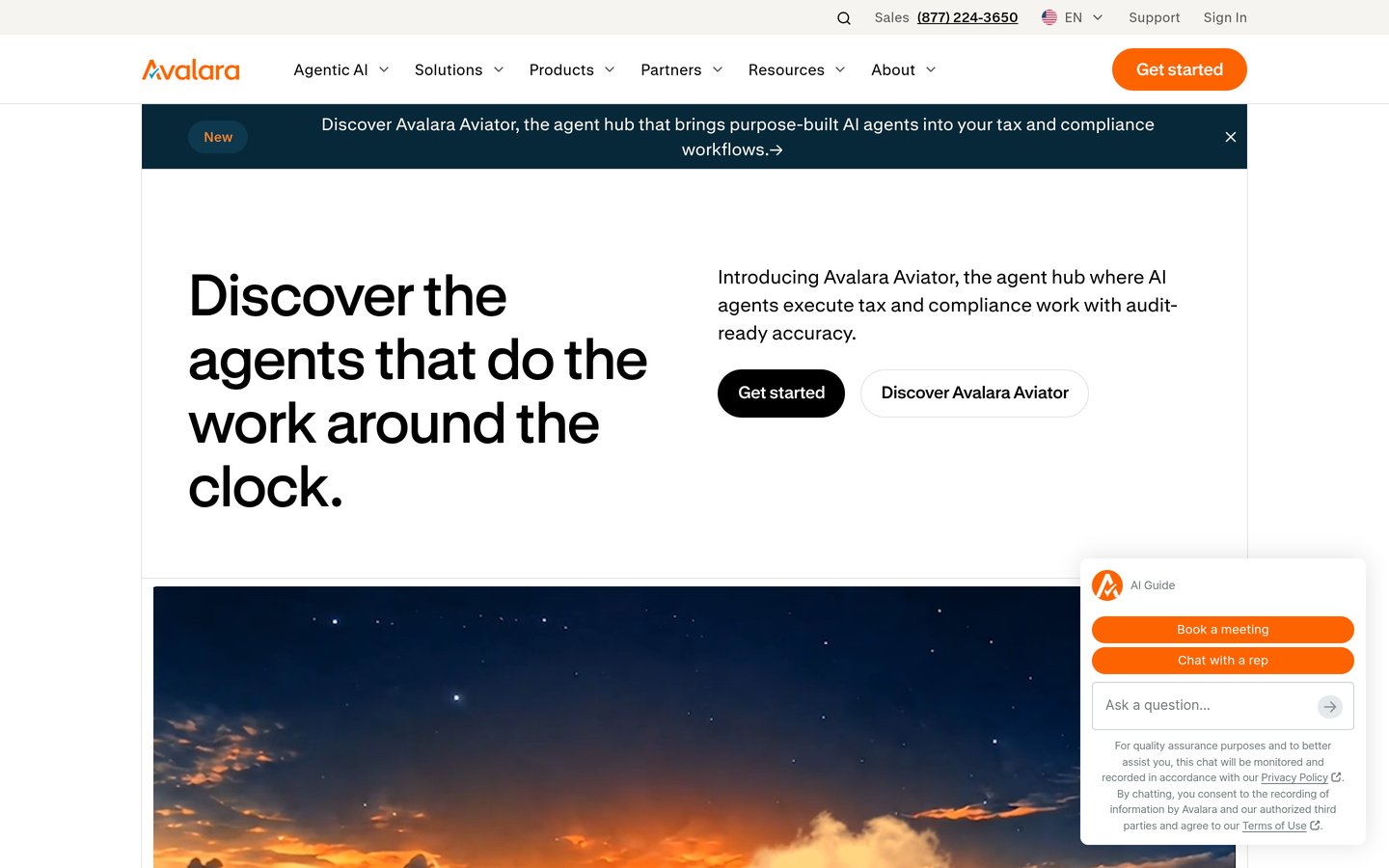
Avalara is a tax compliance platform that helps businesses manage complex tax nexus by calculating sales tax and filing returns. Its research side covers sales and use tax across jurisdictions, with exemption-certificate management, VAT reporting and e-invoicing.
The trade off is support and price. Avalara's Tax Calculation and Returns package starts from $699, and reviewers flag slow support responses. It suits firms automating transaction-tax compliance across states.
TaxJar is a sales tax platform, now part of Stripe, that made sales tax painless for small ecommerce: connect your store, get nexus insights, accurate checkout calculations and AutoFile submitting returns automatically.
The trade off is development pace. TaxJar has seen little new product development since its 2021 Stripe acquisition, leaving a basic tool that has not kept pace with Avalara. It suits SMBs wanting simple automated filing.
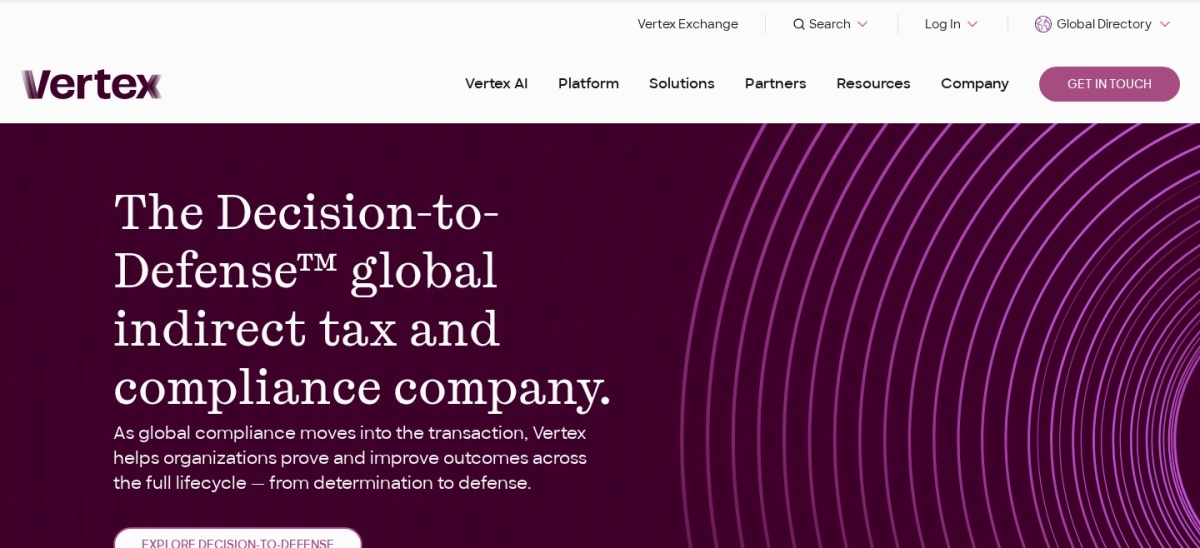
Vertex is the enterprise-grade tax compliance engine, rated 4.4 out of 5 on G2 from 466 reviews. It handles sales and use tax, VAT and exemption management for companies with complex multi-state and international obligations.
The trade off is that pricing is custom and the platform is built for enterprise scale, so smaller firms will find it oversized. It suits enterprises with complex tax footprints.
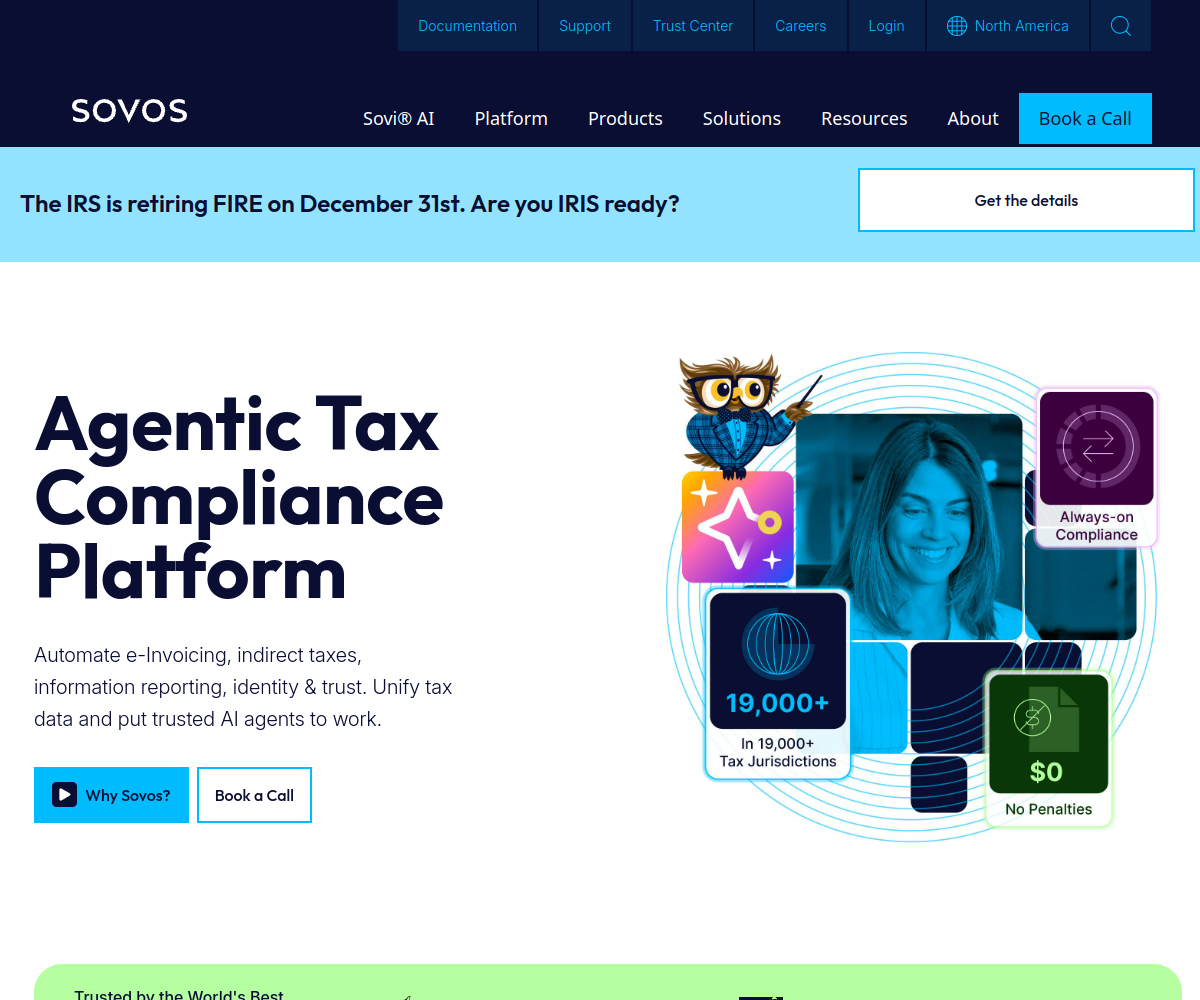
Sovos is a tax compliance platform that covers tax determination, returns, exemption management and e-invoicing for mid-market and enterprise companies. Reviewers rate it highly for customer support and comprehensive compliance coverage.
The trade off is pricing. Sovos is quote-based with no published rates, so budgeting needs a sales conversation. It suits companies that need compliance coverage across many jurisdictions.
LexisNexis is a legal research platform that approaches tax research from the legal side. The tax offering sits inside Lexis+, alongside case law, statutes and the Matthew Bender treatise library, which makes it the natural choice for tax attorneys who already research litigation there.
The trade off is that tax is one practice area among many, so depth varies by topic, and pricing is quote-based with no public tax-specific rates. It suits law firms that want one research subscription.
AI tax research promises to turn hours of keyword searching into a single conversational answer, and the technology is genuinely useful for finding answers fast.
The professional standard has not changed. An AI answer is a starting point, not a conclusion, and every citation needs verification against the primary source before it goes into advice.
Look for tools that show their work, linking each proposition to the Code section, regulation or ruling behind it. Avoid tools that answer confidently without visible sources.
How we chose
We started from the established tax research software that buyers shortlist in 2026, then kept those with a verifiable rating on G2 or Capterra and a published price or a clear quote-based model.
Prices come from each vendor's pricing page as reported in comparisons checked on 24 November 2026, with the top three checked against vendor pricing pages. Ratings and review counts come from G2 or Capterra on the same day. Where a vendor shows a sale, the list shows the regular price.
We left out tools with no verifiable public rating. No vendor paid for a place, and we do not claim hands-on testing for this list.
How to choose the best tax research software
Start with the questions you actually research, then match the library to them.
Audit the questions you research. Most practices live in a narrow band of individual, S corporation and partnership issues, which budget tools cover well.
Compare the AI layer honestly. Check whether answers come with verifiable citations to primary sources, because you sign the return.
Trial every platform that offers one. Run five of your hardest recent questions through each and check the citations before the price.
Price the whole library, not the entry tier. State coverage and specialty libraries add up, so ask what the full subscription costs.
FAQ
What is the best tax research software?
Checkpoint is the best pick for most firms, with the deepest editorial library anchored by the Federal Tax Coordinator and CoCounsel AI. Blue J is the best AI-native option for solo practitioners at $1,498 per user per year.
How much does tax research software cost?
Published prices run from $39 a month for TaxJar to $2,200 a year for Bloomberg Tax small firms and $1,498 per user per year for Blue J. Checkpoint, LexisNexis, Vertex and Sovos are quote-based.
What is the difference between Checkpoint and Bloomberg Tax?
Checkpoint has the deepest editorial library, anchored by the Federal Tax Coordinator, while Bloomberg Tax is built around 500-plus practitioner-written Tax Management Portfolios plus daily news. Most firms pick one as their primary platform.
Do solo practitioners need an enterprise research platform?
Usually not. Solo practices most often research mainstream individual and small-business issues, which Blue J, TaxJar and TaxGPT cover at a fraction of enterprise prices.
Can I get tax research for free?
There is no full free research platform. TaxNotes offers a free resources section, the IRS website provides the Code for free, and Checkpoint and Blue J offer free trials.
How often is tax research content updated?
The major platforms update continuously as new legislation, regulations, rulings and court decisions appear. TaxNotes publishes daily news coverage of tax developments. Always check the stated currency date before relying on a research answer.