Todoist is the best personal organization software for most people, with a fast task list that parses dates and priorities from plain text. Pick Notion if you want notes, tasks and databases in one workspace, and TickTick for tasks, habits and focus in one app.
How we make this list: we compare pricing pages, product documentation and public user reviews, then re-check every price before each update. No product paid for a place. Disclosure.
Todoist is the best pure task manager for most people, with a genuinely useful free tier.
Notion suits organizers who want tasks, notes and databases in one customizable workspace.
TickTick packs tasks, habits, calendar and a Pomodoro timer into one app for about $3 a month.
Obsidian is free without limits and keeps your notes as plain files on your own device.
OneNote and Microsoft To Do are fully free, with no subscription tier to buy.
What to look for in personal organization software
Personal organization software has one job: hold everything you need to do and remember, so your head does not have to. The best tools make capture fast and review easy.
There are two kinds here. Task managers such as Todoist, TickTick and Any.do track what to do and when, while note apps such as Notion, Obsidian, Evernote and OneNote hold the ideas, clippings and plans behind the tasks.
Free plans are genuinely useful here. Todoist, Notion, TickTick and Any.do all run well without paying, and OneNote and Microsoft To Do are fully free. Pay only when you need reminders, sync or unlimited projects.
The system matters more than the app. Pick one tool, use it every day for two weeks, and only switch if a real friction appears. Our guide on note-taking apps covers the note apps in more depth.
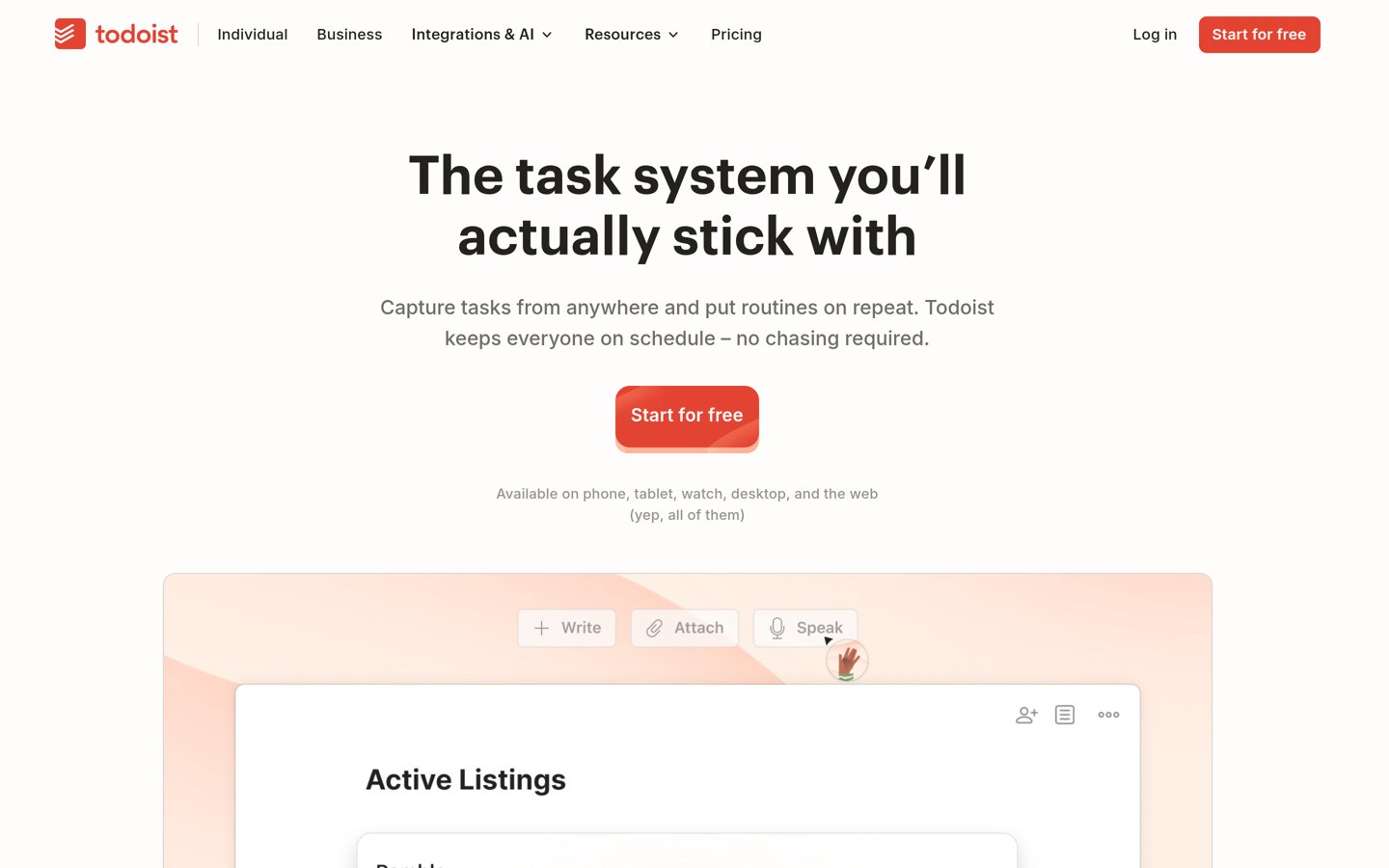
Todoist is a task manager that gets out of your way. Type submit report Friday 9am and it parses the task, date and project automatically, and projects, labels, filters and priorities scale from a grocery list to a full system.
The trade off is scope. It does not try to be a notes app or a calendar, and Pro costs $5 a month for reminders and calendar layouts. It suits anyone who wants a fast, focused to-do list.
Notion is a blank workspace you shape into whatever organization means to you: task boards, habit trackers, reading lists and project wikis, all built from the same blocks and databases. Community templates cover nearly every system, from GTD to bullet journals.
The trade off is the blank page. Many users spend more time designing their system than using it, and offline access is limited. It suits organizers who enjoy building their own system.
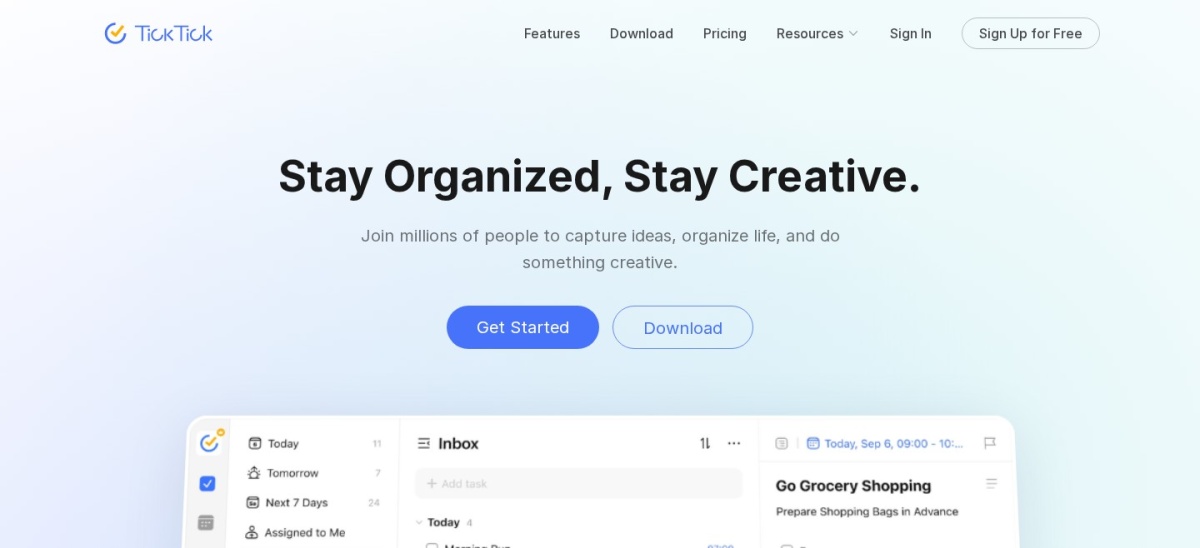
TickTick is a task, habit and focus app that packs tasks, habits, calendar and a Pomodoro timer into one app for about $3 a month billed annually. The free plan covers basic tasks, lists, tags and a calendar week view, with up to 9 lists and 99 tasks per list.
The trade off is polish. It is less elegant than Todoist and less flexible than Notion, and habits and advanced calendar views need Premium. It suits people who want tasks, habits and focus in one subscription.
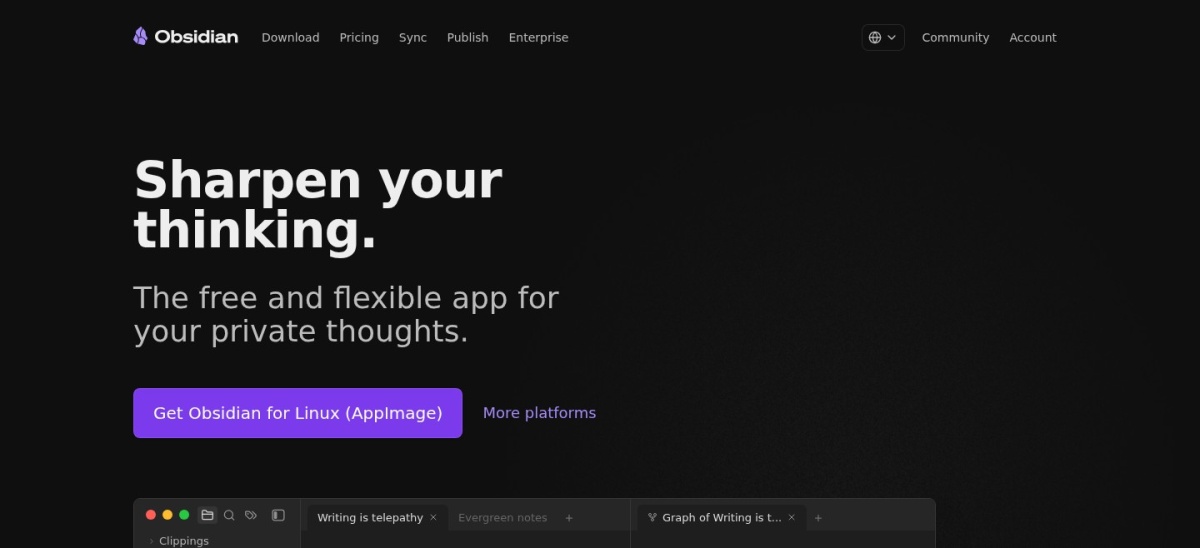
Obsidian is a free note app that stores your notes as plain Markdown files on your own device and links them into a personal knowledge graph. The core app is free without limits, personal or commercial.
The trade off is that it is a notes tool, not a task manager. There is no built-in reminder system, and sync across devices costs $4 a month. It suits thinkers who want their notes as files they own.
Evernote is a note and capture app for clipping web pages, scanning documents and finding everything with search, including text inside images. The free plan is limited, and Starter costs $8.25 a month billed annually.
The trade off is price and change. Old Personal and Professional plans were retired in November 2025, and the new Starter and Advanced plans cost more than older guides quote. It suits researchers who clip and search a lot.
Microsoft OneNote is a freeform notes app that comes free with a Microsoft account, with notebooks, sections and pages you can draw, type and clip into. It syncs across Windows, Mac, web and mobile at no cost.
The trade off is structure. It has no task system beyond simple checklists, and its search and tagging are weaker than Evernote. It suits Microsoft users who want free, flexible notes.
Any.do is a simple task and calendar app built around a daily planner, with lists, reminders and shared lists in a clean interface that takes minutes to learn. The free plan covers basic tasks and lists.
The trade off is depth. It has fewer power features than Todoist or TickTick, and Premium costs $4.99 a month for reminders and calendar views. It suits people who want simple shared lists.
Microsoft To Do is a simple, free task list for the Microsoft ecosystem, with My Day planning, due dates, reminders and Outlook integration. It costs nothing with a Microsoft account and has no subscription tier.
The trade off is ambition. It has no boards, timelines or advanced reporting, so teams running complex projects will outgrow it. It suits Microsoft users who want a free daily list.
Task managers track what to do and when. They shine at capture, dates, priorities and reminders, and they stay out of the way.
Note apps hold the ideas behind the tasks: clippings, plans, reading lists and linked notes that you search later.
Most people need one of each, or one tool that does both. Notion is the only tool here that tries to be both, while Todoist plus Obsidian is a popular pair.
How we chose
We started from the organization apps with the most G2 reviews and a real free tier, then kept eight that cover tasks, notes, habits and planning.
Prices come from each vendor pricing page or from November 2026 pricing guides where the vendor blocks direct checks, checked on 26 November 2026. Notion Plus at $10 a month was confirmed on its pricing page. Ratings and review counts come from G2 on the same day.
We left out team tools such as Asana and ClickUp, which suit work projects more than personal organization. No vendor paid for a place, and we do not claim hands-on testing for this list.
How to choose personal organization software
Start with how you think, then pick the tool that matches.
Decide tasks or notes first. Pick a task manager if your problem is forgetting things, and a notes app if your problem is finding ideas later.
Try the free tier for two weeks. Every tool here has a free plan. Use it daily before paying, and check reminders and sync on your phone.
Check the price of the habit. If you need reminders, habits or sync, check which paid tier unlocks them. The cheapest plan is not always the one you need.
Keep one system. One app used daily beats three apps used sometimes. Move everything in, then review the list every morning.
FAQ
What is the best personal organization software?
Todoist is the best personal organization software for most people, with fast task capture and a useful free tier. Notion suits organizers who want notes and tasks in one workspace, and TickTick is the best value, with habits and a Pomodoro timer included.
Is there a free organization app?
Yes. Microsoft To Do and OneNote are fully free with a Microsoft account, and Obsidian is free without limits. Todoist, Notion, TickTick and Any.do all have free plans that cover everyday personal use.
What is the difference between Todoist and Notion?
Todoist is a task manager built for speed: capture a task, set a date, and move on. Notion is a workspace you build yourself, with notes, tasks, databases and wikis in one place. Pick Todoist for doing, and Notion for organizing.
Can TickTick replace Todoist?
For most people, yes. TickTick covers tasks, lists and reminders like Todoist, then adds habits, a calendar and a Pomodoro timer for about 3 dollars a month. Todoist is faster and more polished, but TickTick gives you more for the money.
Is Evernote still worth it?
Evernote is still the best clipper here, with search that finds text inside images and strong document scanning. But its plans changed in late 2025, and the free plan is limited, so try the free tier before paying for Starter.
How do I organize my life with one app?
Pick one app and use it for two weeks before judging it. Put every task and idea in the same place, review the list each morning, and keep the system simple. A plain list you actually check beats a complex setup you avoid.
SaaS SEO and WordPress specialist with about 8 years of experience. Rakib compares WordPress plugins, themes, hosting and software using public pricing, documentation and user reviews. See how we rank.