Plane is the best open source project management tool for most teams, with a modern interface, cycles and modules, and a free plan for up to 12 users. OpenProject suits classic planning with Gantt charts and time tracking, while Redmine is free forever for technical teams that want full control.
How we make this list: we compare pricing pages, product documentation and public user reviews, then re-check every price before each update. No product paid for a place. Disclosure.
Plane is the best all-round pick, with the biggest G2 review base and a free plan for 12 users.
OpenProject is the most complete suite, with Gantt charts, time tracking and cost tracking included.
Redmine, WeKan and Taiga are free to self-host; check the paid cloud tiers before you rely on hosting.
Several ratings rest on a handful of reviews, so weigh the review count, not just the score.
Self-hosting costs server time, so start with a free cloud tier if your team has no server admin.
What open source project management software should cover
Open source project management software runs on your own server, so you own the data, the hosting and the code. A good tool covers tasks, boards, timelines and time tracking without a monthly bill, and the best ones keep shipping releases and accept community contributions.
Free does not mean the same thing everywhere. Some tools are free to self-host with every feature, some charge for a hosted cloud, and some keep single sign-on or advanced reporting behind a paid tier. Check what stays free before you build your process on a feature that later needs a licence.
Self-hosting is the real cost. The software costs nothing, but your team installs it, updates it, backs it up and keeps it running, usually with Docker. A team without a server admin should start with a free cloud tier instead, such as Plane for up to 12 users.
Ratings are thin in this category, so read them with care. Several tools here hold strong scores from a handful of reviews, and a high score from 3 reviews means far less than a solid score from 258. We name the review count for every tool so you can judge how much weight each score deserves.
List prices in each vendor's currency, checked Nov 2026
WeKanFree
RedmineFree
TaigaFREE€60
PlaneFREE$72
OpenProjectFREE$87
TuleapFREE€96
LeantimeFREE$96
OdooFREE$373
OrangescrumFREE$828
The 9 best open source project management tools
01
Plane
4.6/5on G2 (904 reviews, checked Nov 2026)
Paid from$6/mo
Best open source project management tool overall
Free planYes, up to 12 users
Cheapest paid planPro, $6/user/mo
Self-hostedFree, AGPL v3
Business$13/user/mo
plane.so
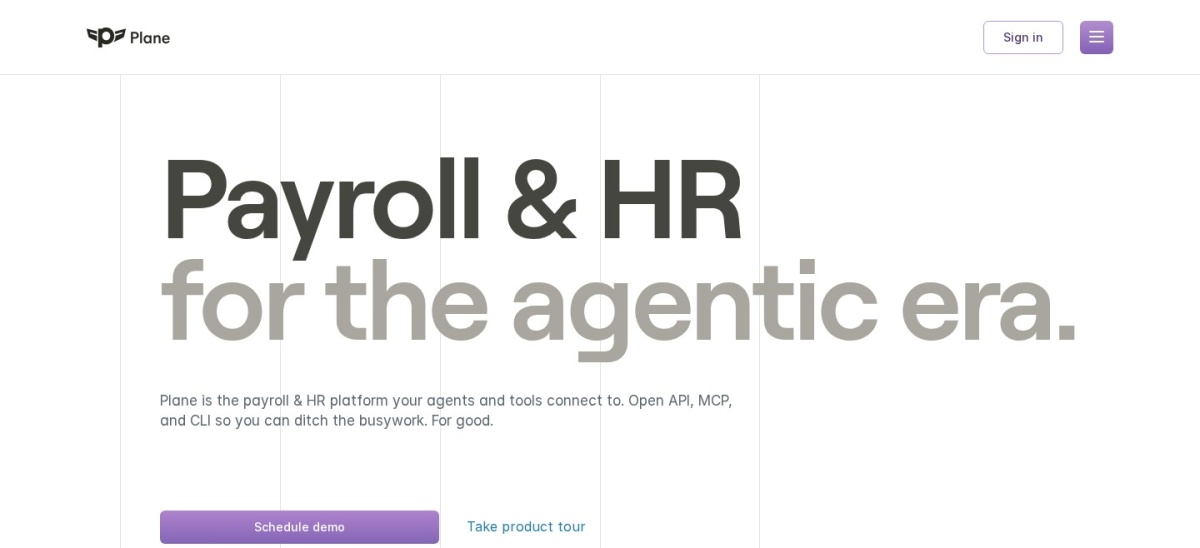
Plane homepage, captured Nov 2026.
Plane is a modern, open source alternative to Jira and Linear for software teams, built around work items, cycles, modules, views and pages. The cloud is free for up to 12 users, and Pro costs $6 a user a month billed annually, with a free self-hosted Community edition. It holds 4.6 out of 5 on G2 from 904 reviews.
The trade off is youth. Plane is younger than OpenProject and Redmine, so integrations and ecosystem depth are narrower, and time tracking, custom fields and dashboards sit behind Pro. It suits product and engineering teams that want a fast, modern Jira alternative.
What we like
Largest G2 review base in this list at 904
Free cloud plan for up to 12 users
Fast, modern interface like Linear
Cycles, modules, pages and intake in one place
Watch out for
Time tracking and SSO need paid plans
Younger tool, narrower integrations than Jira
Self-hosted Pro needs a paid licence
Business adds templates and workflows at $13 a userVisit plane.so
02
OpenProject
4.6/5on Capterra (188 reviews, checked Nov 2026)
Paid from$7.25/mo
Most complete open source suite
Free planYes, Community, no limit
Cheapest paid planBasic, $7.25/user/mo
Self-hostedFree, GPL v3
Professional$13.50/user/mo, 25 users
openproject.org
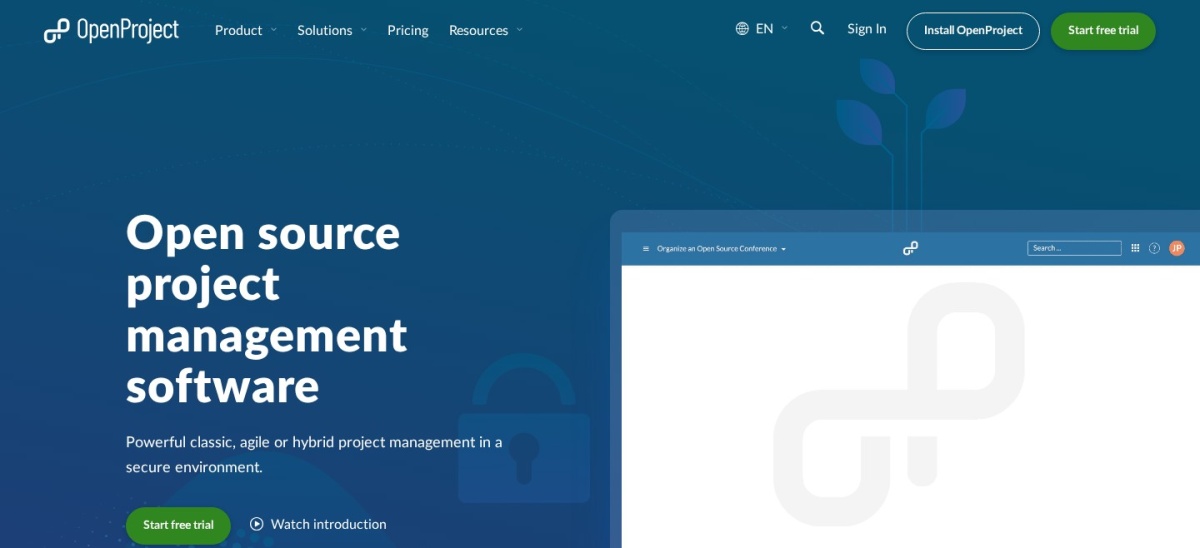
OpenProject homepage, captured Nov 2026.
OpenProject is the most complete open source project management suite, with work packages, Gantt charts, agile boards, time logging, cost tracking, wikis and meetings. The Community edition is free to self-host with no user limit, and Basic cloud costs $7.25 a user a month billed annually. It holds 4.6 out of 5 on Capterra from 188 reviews.
The trade off is the minimums. Basic needs 5 users in the cloud and 25 on-premises, Professional needs 25 users and Premium needs 100, so a small team pays for seats it does not use. It suits programme and portfolio managers that need Gantt charts, budgets and time tracking in one place.
What we like
Most complete suite: Gantt, boards, time and costs
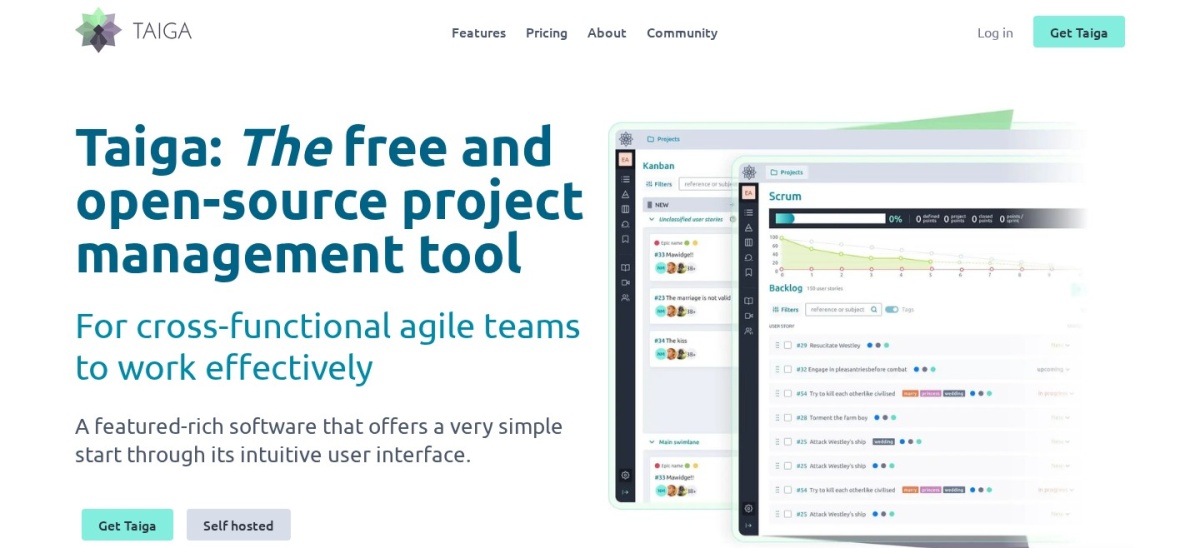
Taiga is open source agile project management for Scrum and Kanban teams, with backlogs, sprint planning, burndown charts, epics and WIP limits in a clean interface. Self-hosting is free with no user limit, and cloud plans are flat priced from €5 a month for the whole team. It holds 4.4 out of 5 on G2 from 74 reviews.
The trade off is scope. Taiga is deliberately narrower than OpenProject or Redmine, with no built-in time tracking and weak reporting, and the cheapest cloud plan caps storage at 100 MB. It suits agile teams that want Scrum and Kanban done well and nothing else.
Best for engineering teams in regulated industries
Free planYes, Community edition
Cheapest paid planCloud Premium, €8/user/mo
DeploymentCloud or on-premises
IncludesAgile, docs, tests, code hosting
tuleap.org
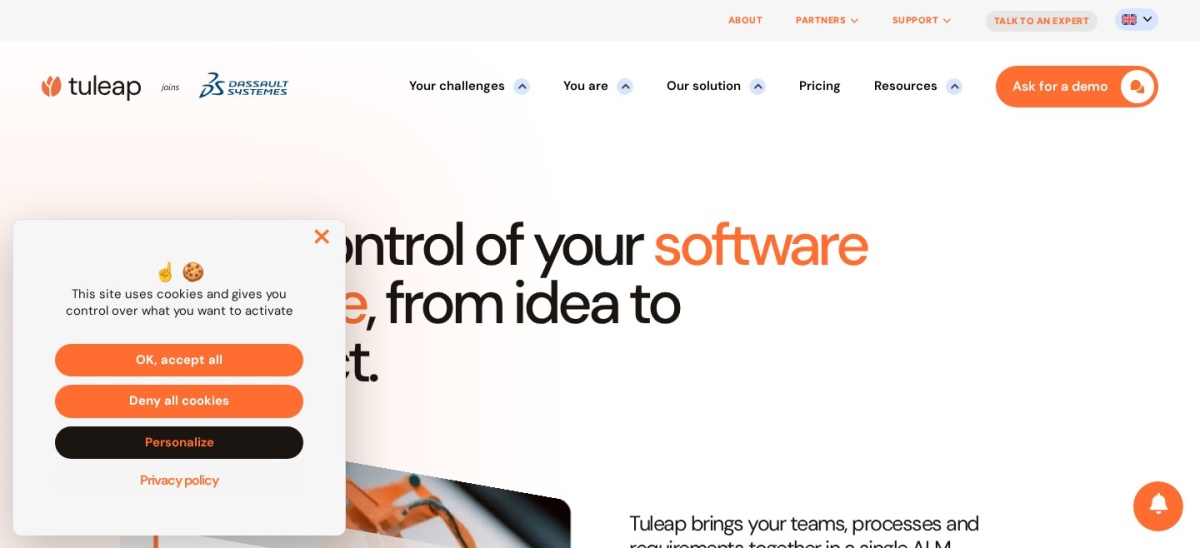
Tuleap homepage, captured Nov 2026.
Tuleap is open source agile management and DevOps for engineering organisations, with agile planning, requirement management, document management, test management and code hosting in one system. The Community edition is free to self-host, and Cloud Premium lists at €8 a user a month. It holds 4.5 out of 5 on Capterra from 37 reviews.
The trade off is reach. Tuleap is a French tool with a small English-speaking review base, and the vendor site shows quote-based pricing while Capterra lists €8 a user a month, so confirm the price before you budget. It suits engineering teams in regulated industries that need agile plus DevOps in one place.
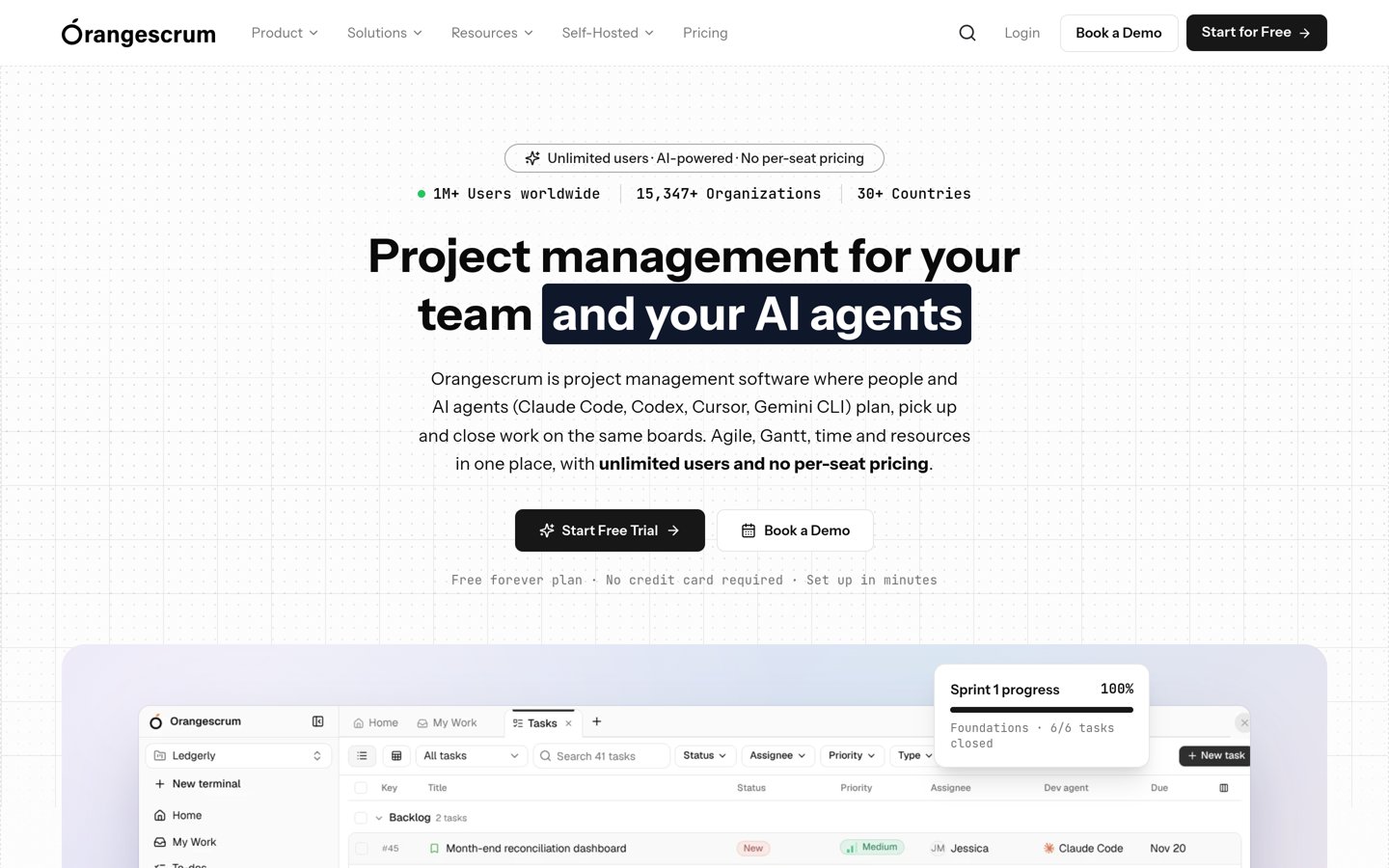
Orangescrum is open source project management for teams that bill hours and track budgets, with tasks, Kanban, Gantt, sprints, time tracking and resource management in one tool. The Community edition is free under the AGPL, and Pro costs $69 a month flat for unlimited users. It holds 4.3 out of 5 on Capterra from 105 reviews.
The trade off is youth. The open source Community edition only appeared in August 2026, the G2 base is 25 reviews, and paid price reads vary from $29 to $69 a month, so confirm the plan before you buy. It suits agencies and teams that track time and budgets against every project.
Odoo is an open-core business suite whose Project app covers tasks, milestones, Gantt charts and timesheets alongside CRM, sales and inventory. The Community edition is free to self-host, One App Free covers a single app, and Standard costs $31.10 a user a month. It holds 4.2 out of 5 on G2 from 374 reviews.
The trade off is scope creep. Odoo is a business suite first and a project tool second, so project features spread across paid apps and the per-user bill grows with every module you add. It suits teams that already run Odoo and want projects inside the same system.
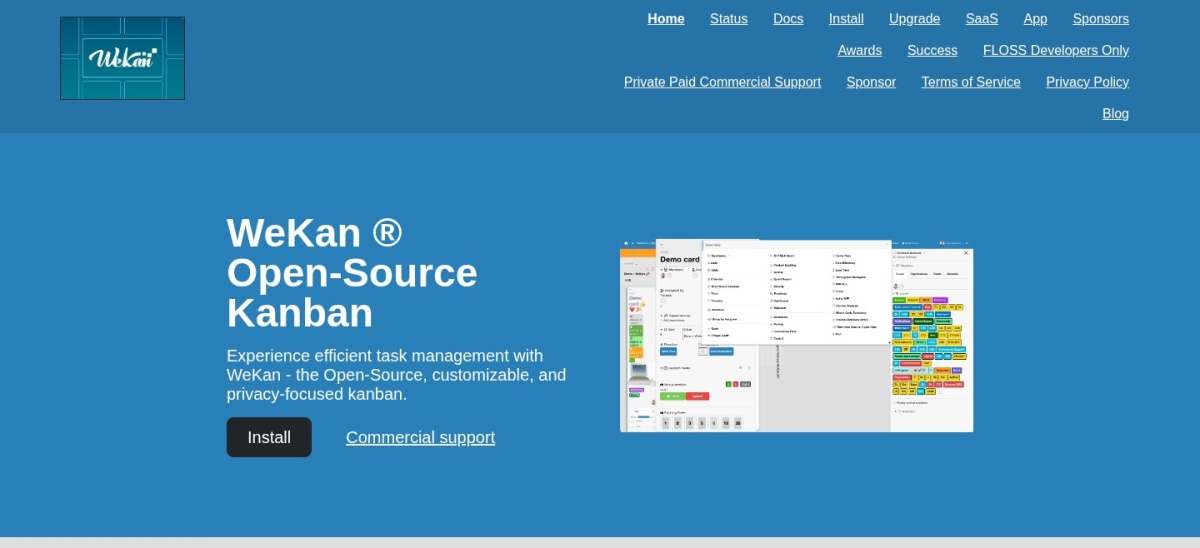
WeKan is a free, open source kanban board under the MIT licence, maintained since 2016, with Scrum views, automation rules and many import and export formats. It runs on your own server with no per-user fees and no vendor lock-in. It holds 4.2 out of 5 on G2 from 60 reviews.
The trade off is depth. WeKan is a kanban board, not a full project suite, so there is no Gantt chart, no time tracking and no portfolio view, and the interface is plain. It suits teams that want a private, self-hosted Trello alternative and nothing more.
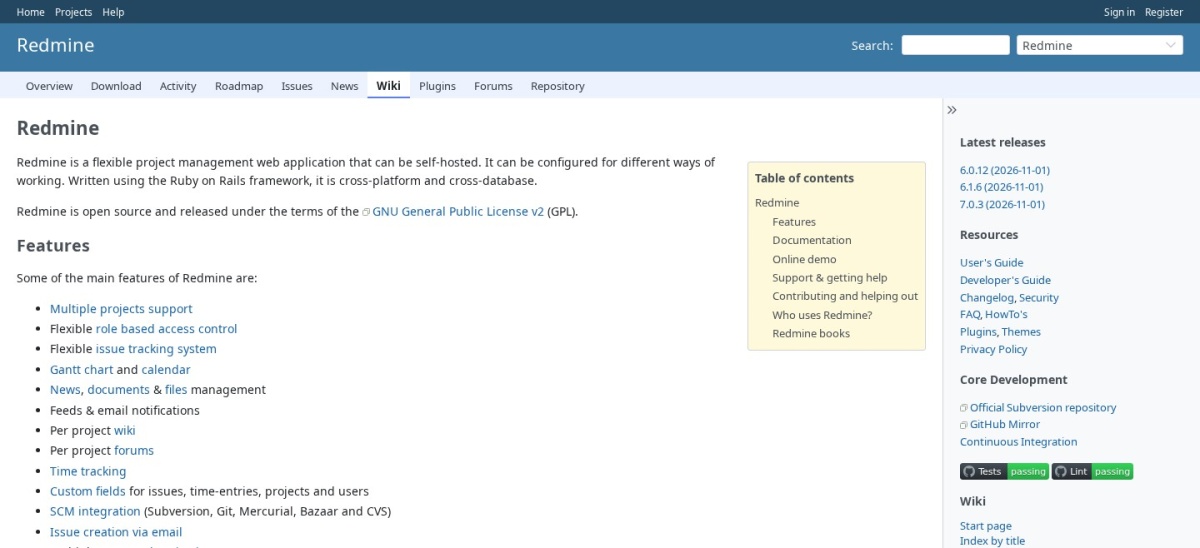
Redmine is the old workhorse of open source project management, covering issue tracking across many projects with custom fields, custom workflows, time tracking and repository browsing. It is free under the GPL with no paid edition, and version 7.0.2 shipped on 30 September 2026. It holds 4.0 out of 5 on G2 from 258 reviews.
The trade off is the interface. Redmine looks dated next to Plane or Taiga, setup needs a technical admin, and there is no hosted cloud edition from the project itself. It suits technical teams that want a tracker that will not change for a decade.
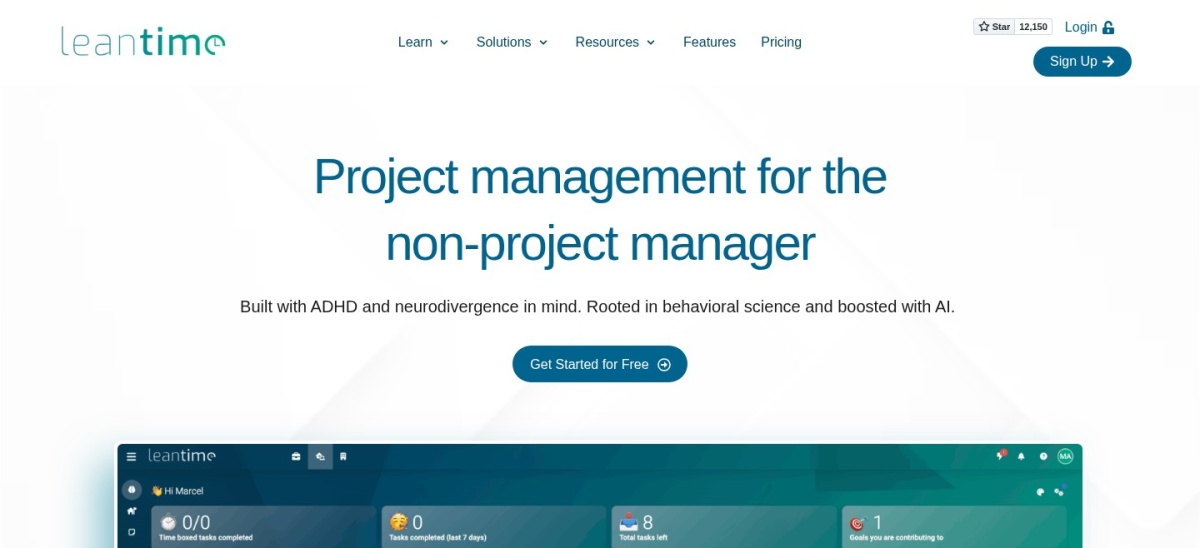
Leantime is open source project management organised around lean principles, with ideas, goals and projects connected instead of isolated task lists. It covers Gantt charts, Kanban, time tracking and research boards, and the Community edition is free. It holds 4.3 out of 5 on Capterra from 10 reviews.
The trade off is the thin record. With 10 Capterra reviews and 3 on G2, Leantime has the smallest review base in this list, and cloud price reads vary from $8 to $10 a user a month. It suits startups and founders who find Jira overwhelming and plan by goals.
Self-hosting is free with every tool here. Plane, OpenProject, Taiga, Redmine, WeKan and Leantime all ship a free self-hosted edition with no user limit, and the only cost is your server and the admin time to run it.
Paid cloud tiers start small. Plane is free for up to 12 users, Taiga is flat priced from 5 euros a month for the whole team, and OpenProject Basic starts at 7 dollars 25 a user a month with a 5-user minimum in the cloud.
Watch the minimums and the caps. OpenProject Professional needs 25 users and Premium needs 100, Taiga Enthusiast caps storage at 100 MB, and Plane Free caps at 12 users, so a growing team can outgrow a free tier fast.
Start free where you can, then pay when a limit actually bites. Moving project data later costs an afternoon, while paying for seats you never use costs money every month.
How we chose
We compared nine genuinely open source project management tools, checking each one against its repository and homepage in November 2026. Every tool here is licensed as open source, accepts community contributions and shipped a release recently. Plane, OpenProject, Taiga, Tuleap, Orangescrum, Odoo, WeKan, Redmine and Leantime all made the cut.
Prices come from the vendor pricing pages we opened on 26 November 2026, or from dated vendor-page reads in October and November 2026. Plane at 6 dollars a user a month and OpenProject at 7 dollars 25 a user a month were confirmed on their own pricing pages today, and the euro prices for OpenProject, Taiga and Tuleap are stated in euros, not dollars.
We ranked the tools by overall fit for a typical team, not by rating alone. A tool with hundreds of reviews outranks a tool with 3 reviews, even when the small sample scores higher, and a free self-hosted edition counts for more than a free cloud tier that caps projects at one private and one public.
How to choose open source project management tools
Start with licence and hosting, then check which free edition covers your real workflow.
Check the licence and the last release. Every tool here is open source and shipped a release recently, but licences differ: Plane is AGPL, OpenProject is GPL, Taiga is MPL and Apache. Pick a licence your organisation can live with.
Decide self-hosted or cloud first. Self-hosting is free but needs a server admin and Docker. If your team has none, start with a free cloud tier such as Plane for up to 12 users or Taiga's free cloud plan.
Test with a real project, not a demo. Import a real project, run a sprint or a Gantt plan, and check time tracking and reporting. A tool that looks clean in a demo can frustrate a team that uses it every day.
Check what the paid tier unlocks. Single sign-on, advanced reporting and priority support often sit behind paid tiers. Work out what your team needs in a year, not just what is free on day one.
FAQ
What is the best open source project management tool?
Plane is the best pick for most teams, with a modern interface, cycles, modules and pages, and a free plan for up to 12 users. It holds 4.6 out of 5 on G2 from 904 reviews, the largest review base in this list.
Is OpenProject really free?
Yes, the Community edition is free to self-host with no user limit, under the GPL licence, and it includes Gantt charts, agile boards, time tracking and wikis. Paid Enterprise plans start at 7 dollars 25 a user a month and add support, single sign-on and portfolio tools.
What is the best open source alternative to Jira?
Plane is the closest modern match, with work items, cycles and modules that map to how software teams work, and OpenProject is the closest full match with Gantt charts, time tracking and cost tracking. Both are free to self-host, and Plane's cloud is free for up to 12 users.
Is Redmine still maintained in 2026?
Yes. Redmine shipped version 7.0.2 on 30 September 2026, and three branches are maintained. It is free under the GPL, with custom fields, workflows and time tracking, plus the deepest plugin ecosystem in open source project management.
How much does Plane cost?
Plane is free for up to 12 users on the cloud, and free to self-host with no user limit. Pro costs 6 dollars a user a month billed annually, or 8 dollars monthly, and Business costs 13 dollars a user a month billed annually, or 15 dollars monthly.
Which open source tool is best for Scrum teams?
Taiga is the best pick for Scrum and Kanban, with backlogs, sprint planning, burndown charts and WIP limits in a clean interface. It holds 4.4 out of 5 on G2 from 74 reviews, and its cloud plans are flat priced from 5 euros a month for the whole team.
Can I self-host these tools for free?
Yes, all nine tools are free to self-host under open source licences, and most install with Docker. The only cost is your server and the admin time to run it. Plane, OpenProject, Taiga, Redmine, WeKan and Leantime all ship a free self-hosted edition with no user limit.
What is the cheapest open source project management tool?
Redmine, WeKan and the self-hosted editions of every tool here cost nothing but server time. For hosted cloud, Taiga is cheapest at 5 euros a month flat for the whole team, and Plane is free for up to 12 users before Pro at 6 dollars a user a month.
SaaS SEO and WordPress specialist with about 8 years of experience. Rakib compares WordPress plugins, themes, hosting and software using public pricing, documentation and user reviews. See how we rank.