SharePoint is the best document manager software for Microsoft teams, with libraries, versioning and search inside Microsoft 365 from $7 per user a month. Pick Box for simple cloud storage at $5 a month, and M-Files for metadata search at $65 a seat.
How we make this list: we compare pricing pages, product documentation and public user reviews, then re-check every price before each update. No product paid for a place. Disclosure.
SharePoint leads for Microsoft teams at $7 per user a month inside Microsoft 365.
Box is the cheapest manager at $5 per user a month.
M-Files finds files by metadata instead of folders, at $65 a seat a month.
Google Drive and Dropbox cover personal and team storage from $7 and $15 a month.
Egnyte and Revver suit teams that need governance and e-signatures as well.
What a document manager should do
A document manager stores, organises, finds and controls your files. The best ones make any document findable in seconds, show its version history and control who can see it.
The field splits into suites and specialists. SharePoint, Google Drive, Box and Dropbox store files as part of a bigger platform. M-Files, DocuWare, Laserfiche and Egnyte are built for document management first, with workflows and audit trails.
Price ranges from $3 to $65 per user a month, and the cheapest option is often the one you already pay for. Check your existing subscriptions before buying another tool. Our guide on file manager software covers the lighter end of file organisation.
Search is the feature that matters most. A manager with weak search wastes hours a week, however cheap it is. Test search with your real file names before you commit.
SharePoint is Microsoft's document manager, included with Microsoft 365 Business Basic at $7 per user a month. It organises files into libraries with version history, permissions, approval workflows and retention policies, and search covers the whole tenant.
The trade off is complexity. SharePoint needs configuration to work well, and its 4.0 G2 rating is the lowest here. It suits companies already on Microsoft 365 that want document management without a second platform.
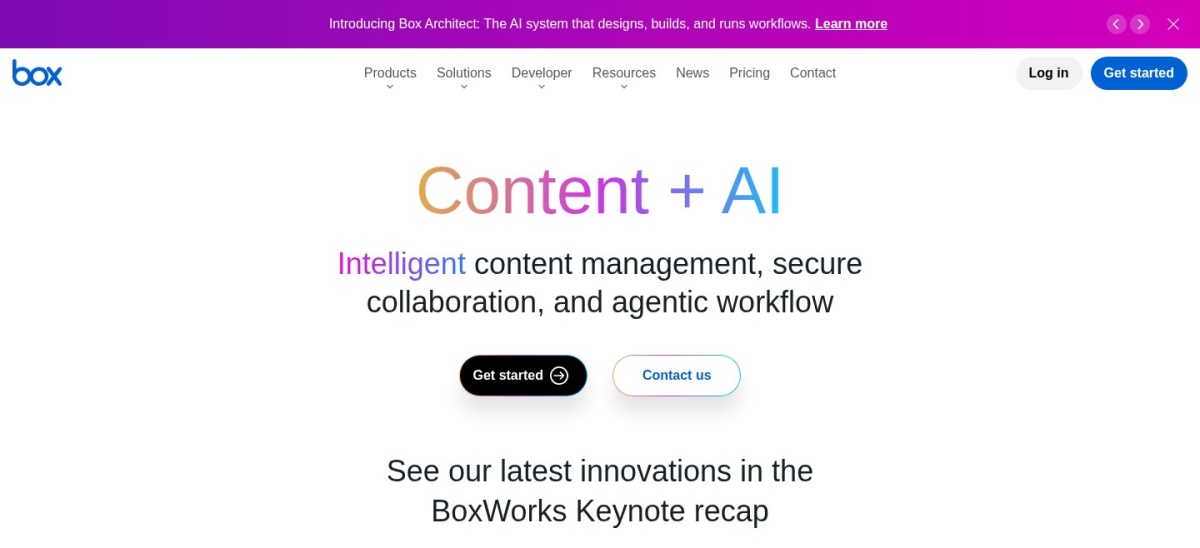
Box is a cloud content platform that manages business documents with version history, permissions, watermarks and workflows. Business Starter costs $5 per user a month billed annually, confirmed by Box's pricing page, and a free plan covers 10 GB.
The trade off is depth. Box manages files well but lacks the workflow and audit depth of Laserfiche or M-Files. It suits teams that need simple, reliable document management on a small budget.
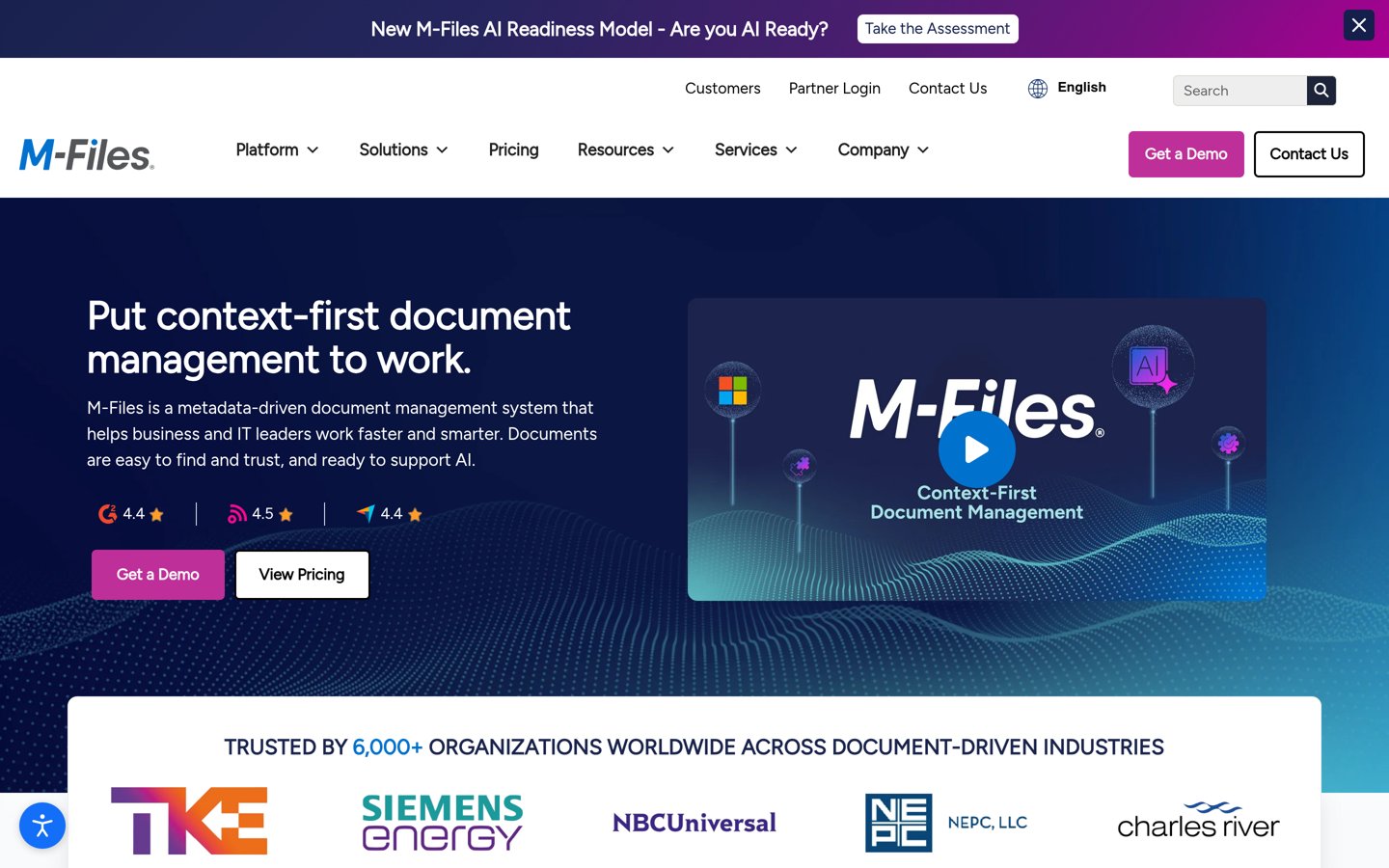
M-Files is a document manager that organises files by metadata instead of folders. Users find documents by what they are, such as a contract or an invoice, and the system enforces version control, permissions and workflows automatically. Essentials costs $65 a seat a month.
The trade off is price. At $65 a seat, M-Files costs more than Box or SharePoint for teams that only need storage and search. It suits companies with large document libraries that waste time hunting through folders.
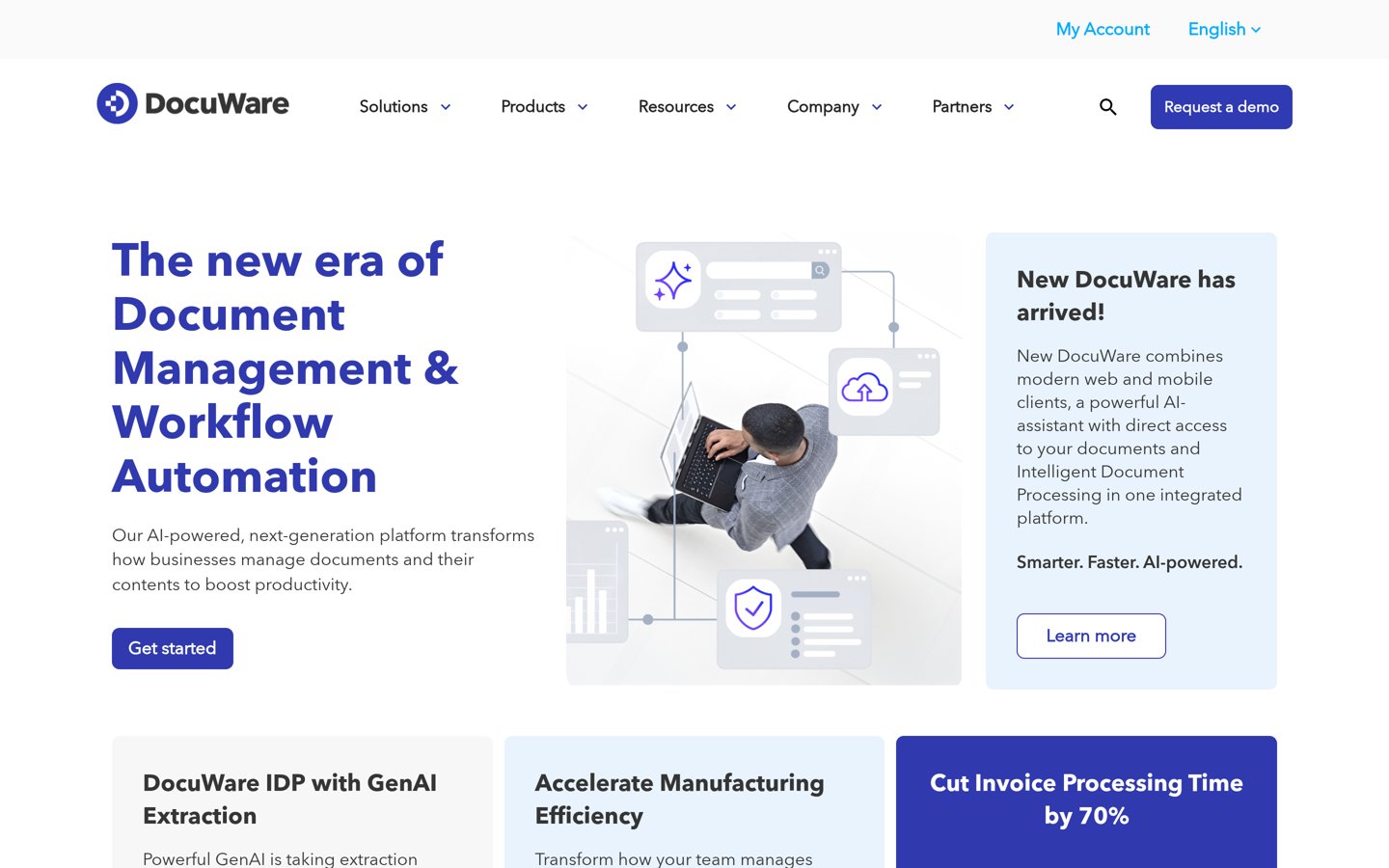
DocuWare is a cloud document manager for mid-size companies that need versioning, workflows and audit trails without running servers. Vendor pricing starts from $30 per user a month, though the exact figure depends on features and user count.
The trade off is that $30 is a starting point, not a fixed checkout price: DocuWare quotes a range of $30 to $125 or more per user a month. It suits companies moving paper processes to the cloud with controlled approvals.
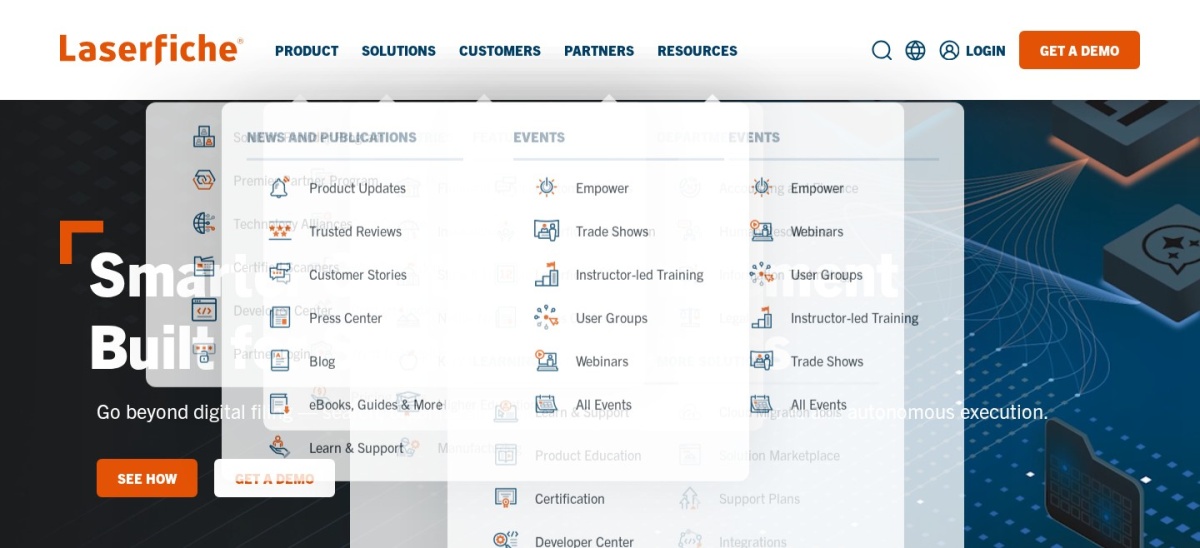
Laserfiche is a document manager with versioning, workflows, forms and audit trails. Plans start at $50 per user a month, confirmed on Laserfiche's pricing page, and the platform also offers annual pricing from $45 a month. It covers records management, e-forms and process automation in one system.
The trade off is scale. Some tiers need a 25-user minimum, and the Business and Professional tiers cost $93 and $73 a month. It suits mid-size teams that need managed documents, approvals and audit trails without buying a regulated-industry suite.
Egnyte is a document manager that governs files across cloud and on-premise storage in one system. The Team plan costs $10 per user a month, and it adds ransomware protection, permissions and audit trails on top of file storage and sharing.
The trade off is a price conflict: one secondary source lists $22 per user a month for the Business tier, so the $10 Team figure should be confirmed with Egnyte before budgeting. It suits teams with files split between cloud and local servers.
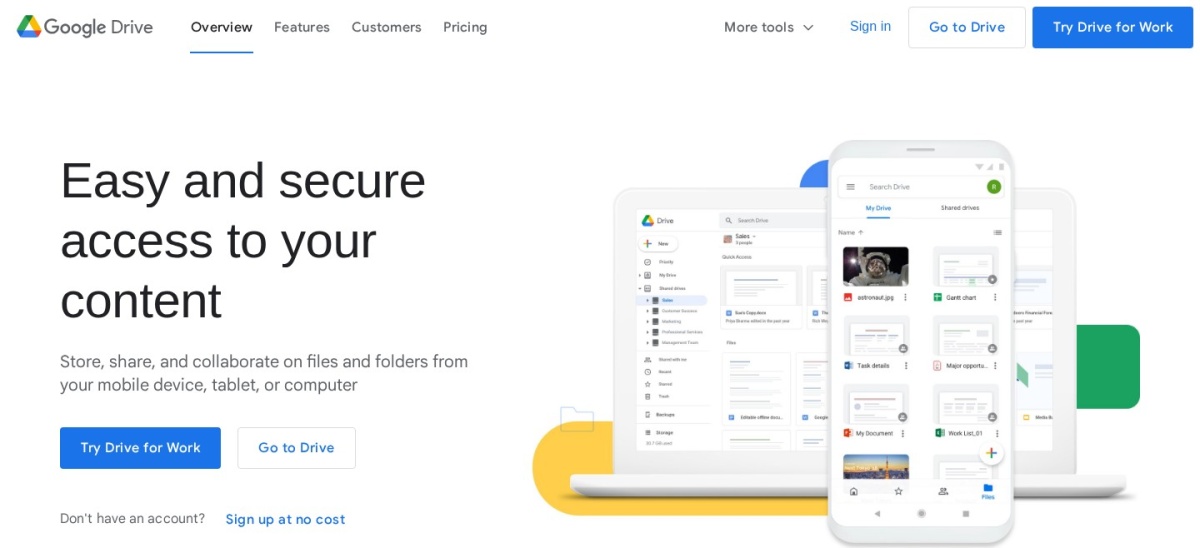
Google Drive is the file manager inside Google Workspace, with storage, search and sharing from $7 per user a month on Business Starter. Files open in Docs, Sheets and Slides, and shared drives give teams a single home for their documents.
The trade off is depth. Drive stores and finds files well but lacks the workflow and audit features of M-Files or Laserfiche. It suits teams already on Google Workspace that need simple, reliable file management.
Dropbox is a file storage and sync platform that keeps documents identical across every device. The Standard plan costs $15 per user a month billed annually, with 5 TB of storage, version history and admin controls.
The trade off is price for management features. Dropbox syncs brilliantly but offers less governance than Box or SharePoint at a higher price. It suits teams that live across devices and need files everywhere.
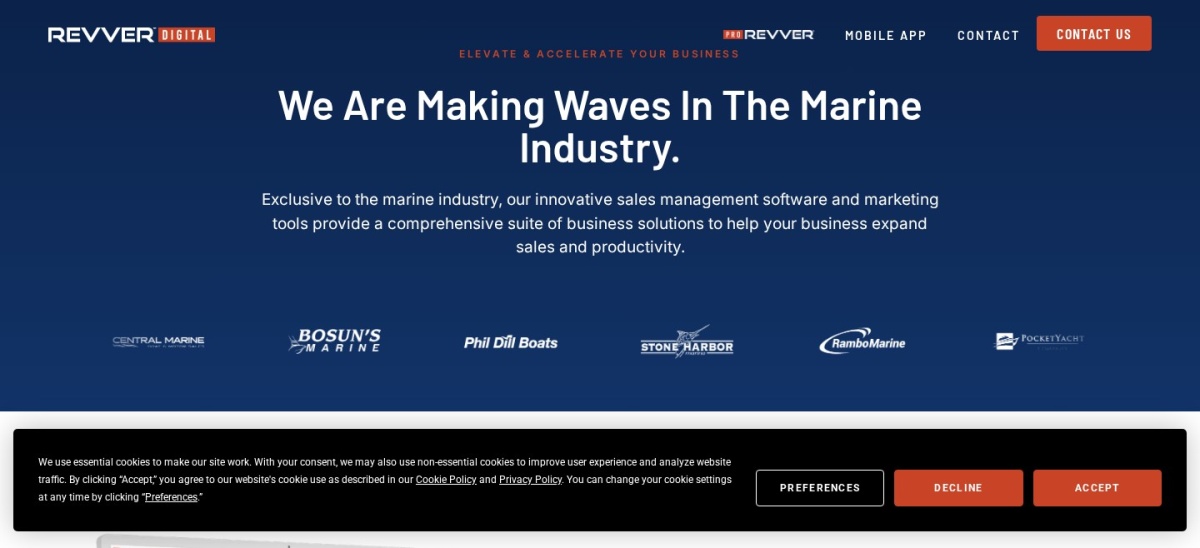
Revver is a document manager for growing teams, formerly known as eFileCabinet. It combines storage, version control, workflows and e-signatures in one system, with plans from $25 per user a month.
The trade off is that the $25 price rests on secondary sources: Revver's pricing page returned a 404 when we checked it on 25 November 2026. It suits teams that want management and signing in one place.
Suites win when documents are part of a wider workflow. SharePoint and Google Drive cost $7 a month and include email, chat and meetings.
Specialists win when documents are the work itself. M-Files, DocuWare and Laserfiche add metadata, workflows and retention that suites lack.
Many teams run both: a suite for everyday files and a specialist for controlled records. That works if the split is clear and everyone knows where each document lives.
How we chose
We started from the established document management tools with public ratings on G2, Capterra or Trustpilot, then kept those with a published price or a clear quote process and a real product behind them.
Prices come from each vendor's pricing page, checked on 25 November 2026, and ratings and review counts come from G2, Capterra or Trustpilot on the same day. Where a vendor shows a sale, the list shows the regular price.
We left out tools with no verifiable rating and tools that have been retired. No vendor paid for a place, and we do not claim hands-on testing for this list.
How to choose document manager software
Start with how many documents you manage, then match the tool to that scale.
Count your documents and users. Per-seat pricing punishes large teams. Suites at $5 to $7 a month suit most; specialists suit large libraries.
Test search with real file names. Search is the feature that matters most. Try finding five old documents before you commit.
Check what you already pay for. SharePoint and Google Drive may already be in your subscription. Do not buy a second tool for the same files.
Decide on governance needs. Approvals, audit trails and retention mean a specialist. Simple storage means a suite is enough.
FAQ
What is the best document manager software?
SharePoint is the best document manager software for Microsoft teams, with libraries, versioning and search inside Microsoft 365 from $7 per user a month. Box is the best simple alternative at $5 a month.
What is the cheapest document manager?
Box is the cheapest option here at $5 per user a month billed annually, with 100 GB of storage. SharePoint costs $7 per user a month inside Microsoft 365, which many teams already pay for.
M-Files vs SharePoint: which is better?
SharePoint suits teams already on Microsoft 365 that need libraries and versioning for $7 a month. M-Files suits teams with large libraries that need metadata search, at $65 a seat a month.
Is Google Drive a document manager?
Yes, for most teams. Google Drive stores, organises and searches files, and Google Workspace adds admin controls and shared drives from $7 per user a month. It lacks the workflow depth of M-Files or Laserfiche.
What is the difference between Dropbox and Box?
Dropbox is built for syncing files across devices, while Box is built for managing business content with permissions, workflows and governance. Box costs $5 a month; Dropbox Standard costs $15 a month.
Do I need a specialist document manager?
You need one if documents must pass approvals, keep audit trails or meet retention rules. If you only need to store and find files, a suite such as SharePoint or Google Drive is enough.
SaaS SEO and WordPress specialist with about 8 years of experience. Rakib compares WordPress plugins, themes, hosting and software using public pricing, documentation and user reviews. See how we rank.