Workiva is the best disclosure management software for public companies, unifying SEC, ESG and audit reporting on one platform. IRIS CARBON is the best value with a published $25,000 list price, while DFIN ActiveDisclosure suits Excel-first finance teams.
How we make this list: we compare pricing pages, product documentation and public user reviews, then re-check every price before each update. No product paid for a place. Disclosure.
Workiva is used by over 6,300 organisations, about 75% of the Fortune 500, for connected SEC, ESG and audit reporting.
IRIS CARBON is the only tool here with a published price: a $25,000 list price on its own site.
DFIN ActiveDisclosure supports over 170,000 SEC filings a year and pairs software with filing-agent services.
Almost every tool here sells by quote, so budget for a scoping call and a demo, not a checkout.
Certent links live to 140+ ERP and EPM systems inside Microsoft Office, the deepest Office integration here.
What disclosure management software has to do
Disclosure management covers the last mile of financial reporting: drafting the 10-K or annual report, tagging it in XBRL, validating it and filing it with the regulator, with an audit trail for every change.
The core test is linked data. When a number changes in the spreadsheet, it should update everywhere it appears in the document, the earnings release and the board deck, without re-keying.
Most tools in this category sell to public companies through demos and custom quotes, so the buying process matters as much as the feature list. Only IRIS CARBON publishes a list price.
Our accounting software guide covers the ledgers and close tools that feed numbers into these disclosure platforms.
Workiva is the platform most large filers know by name. The pitch is connected reporting: the same linked numbers flow into the 10-K, the earnings release, the ESG report and the board deck, so a last-minute change updates everywhere at once. It is used by over 6,300 organisations, about 75% of the Fortune 500.
The trade off is scale and price. Workiva sells to enterprises through a quoted sales process, typically tens of thousands of dollars a year, and a small filer pays for platform breadth it may not use. It suits public companies unifying SEC, ESG and audit reporting.
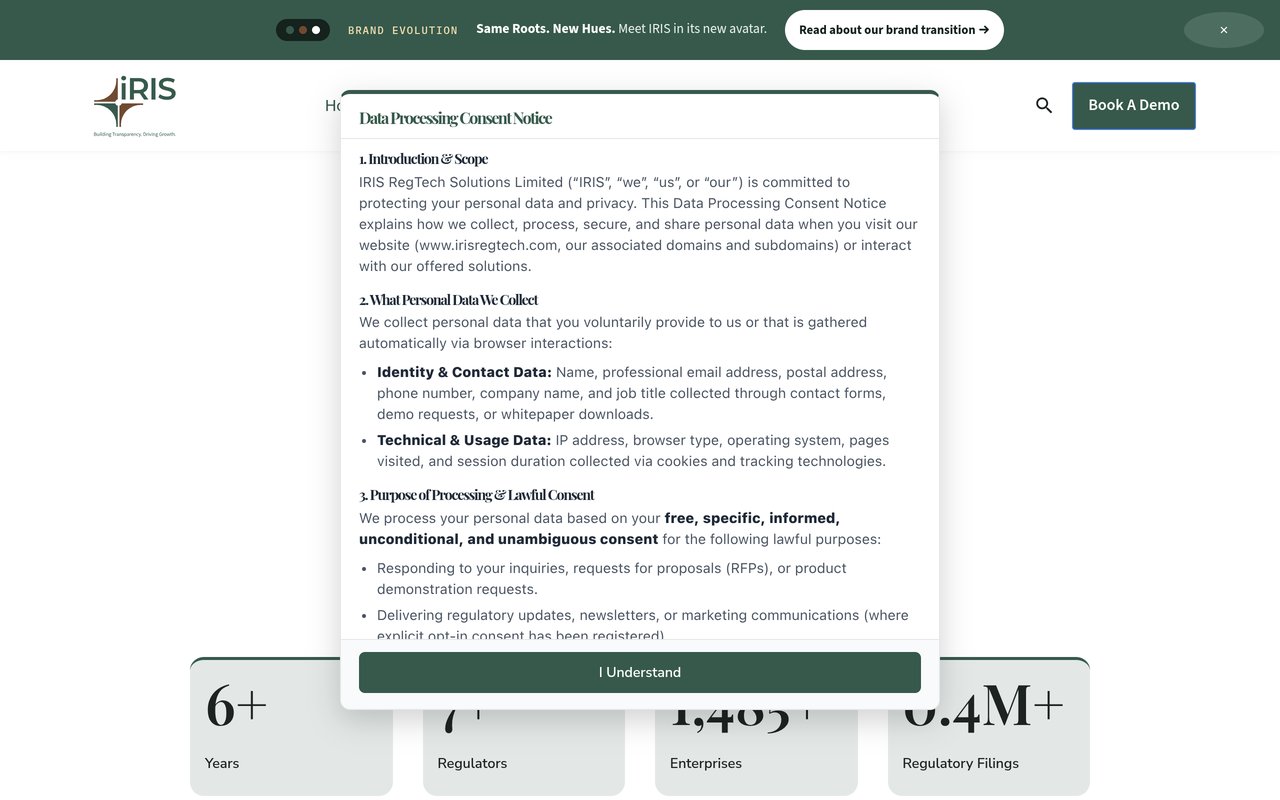
IRIS CARBON is a cloud disclosure platform for preparing, validating and submitting financial and regulatory reports across SEC, ESEF, ESG and other XBRL mandates. It lists a $25,000 price on its own site, the only published figure in this category, and holds a 4.8 out of 5 G2 rating from 102 reviews.
The trade off is model. IRIS CARBON is sold as a co-sourced SaaS-plus-expert-tagging deployment, so buyers who want a pure self-serve tool may find the service element heavy. It suits teams with cross-border or multi-framework reporting obligations.
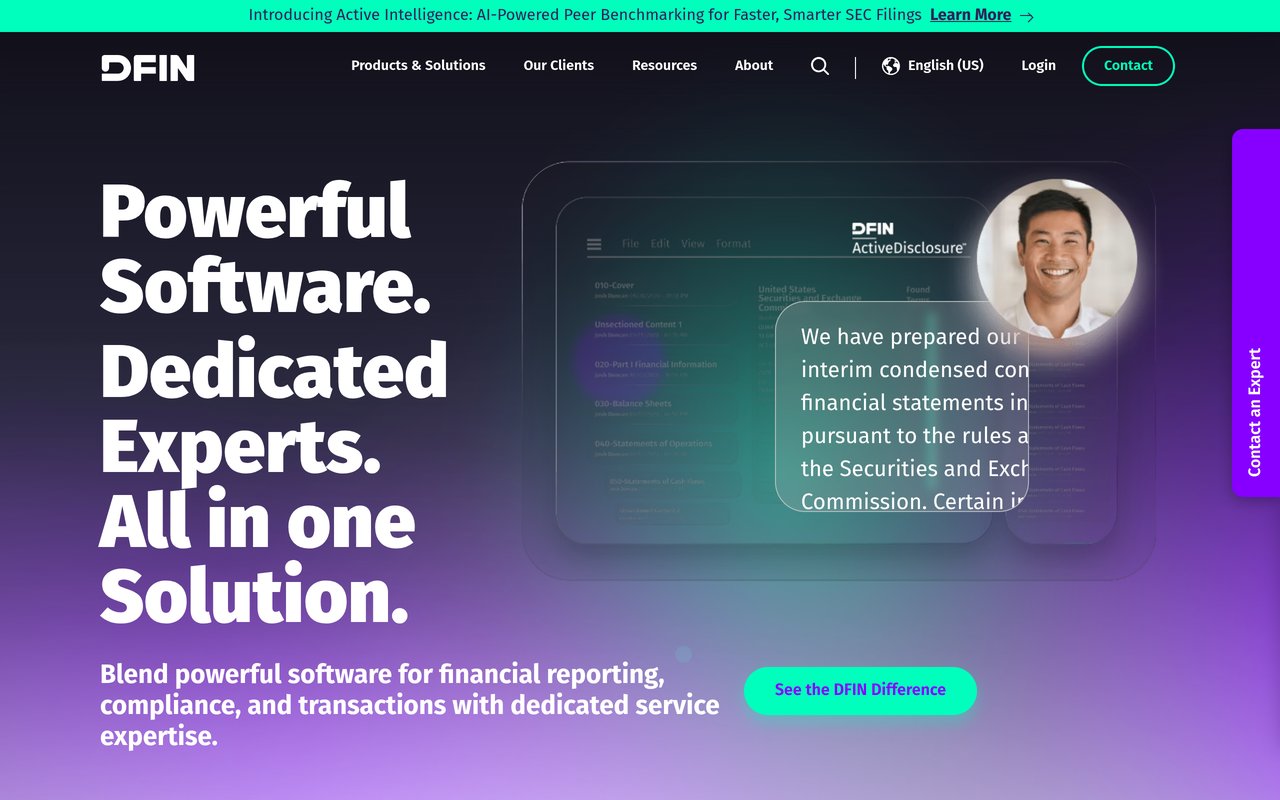
DFIN ActiveDisclosure homepage, captured Nov 2026.
DFIN ActiveDisclosure is an Excel-based SEC reporting platform from Donnelley Financial Solutions that meets finance teams where they live: Excel. Numbers stay linked from spreadsheet to filing document, and the cloud platform adds XBRL tagging, collaboration and review workflows. DFIN supports over 170,000 SEC filings a year.
The trade off is the model. Teams that build highly designed annual reports may find the Excel core limiting, and pricing is quote-only. It suits SEC registrants that want filing software backed by DFIN's reporting and XBRL specialists.
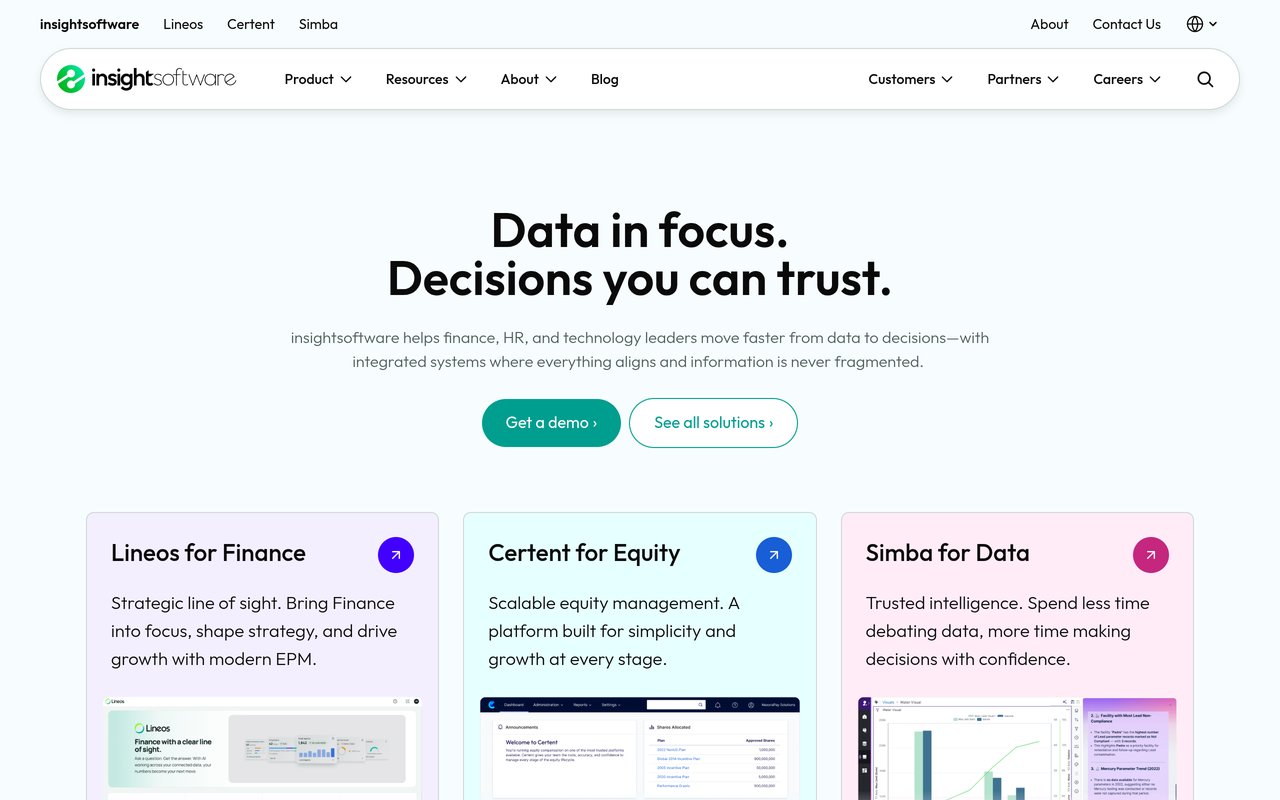
Certent Disclosure Management homepage, captured Nov 2026.
Certent Disclosure Management is a disclosure platform from insightsoftware that links ERP data to Word and Excel reports for filings and XBRL tagging. It connects live to more than 140 ERP and EPM systems inside Microsoft Office, so narrative drafting and tagging happen where finance teams already work.
The trade off is review depth. The G2 base is small at 24 reviews, and pricing is quote-only through a demo request. It suits finance teams producing statutory, ESEF and narrative reports from ERP data in Microsoft Office.
CCH Tagetik is a corporate performance management platform that includes disclosure management for annual reports and ESEF filings, linked to consolidation data. It holds a 4.3 out of 5 G2 rating from 72 reviews and suits teams that want close, consolidation and reporting in one system.
The trade off is scope. Tagetik is a full CPM suite, so buyers who only need disclosure pay for budgeting and forecasting depth they may not use. It suits finance teams unifying the close with disclosure.
Lucanet is a financial close and disclosure platform praised for ease of use and reliability, with a 4.7 out of 5 G2 rating from 314 reviews, the second-largest review base in this list. It covers consolidation, planning and disclosure for mid-size finance teams that want a simpler alternative to the enterprise suites.
The trade off is filing depth. Lucanet is stronger on consolidation and management reporting than on high-volume SEC filing, and pricing is quote-only. It suits mid-size teams that value usability over enterprise filing scale.
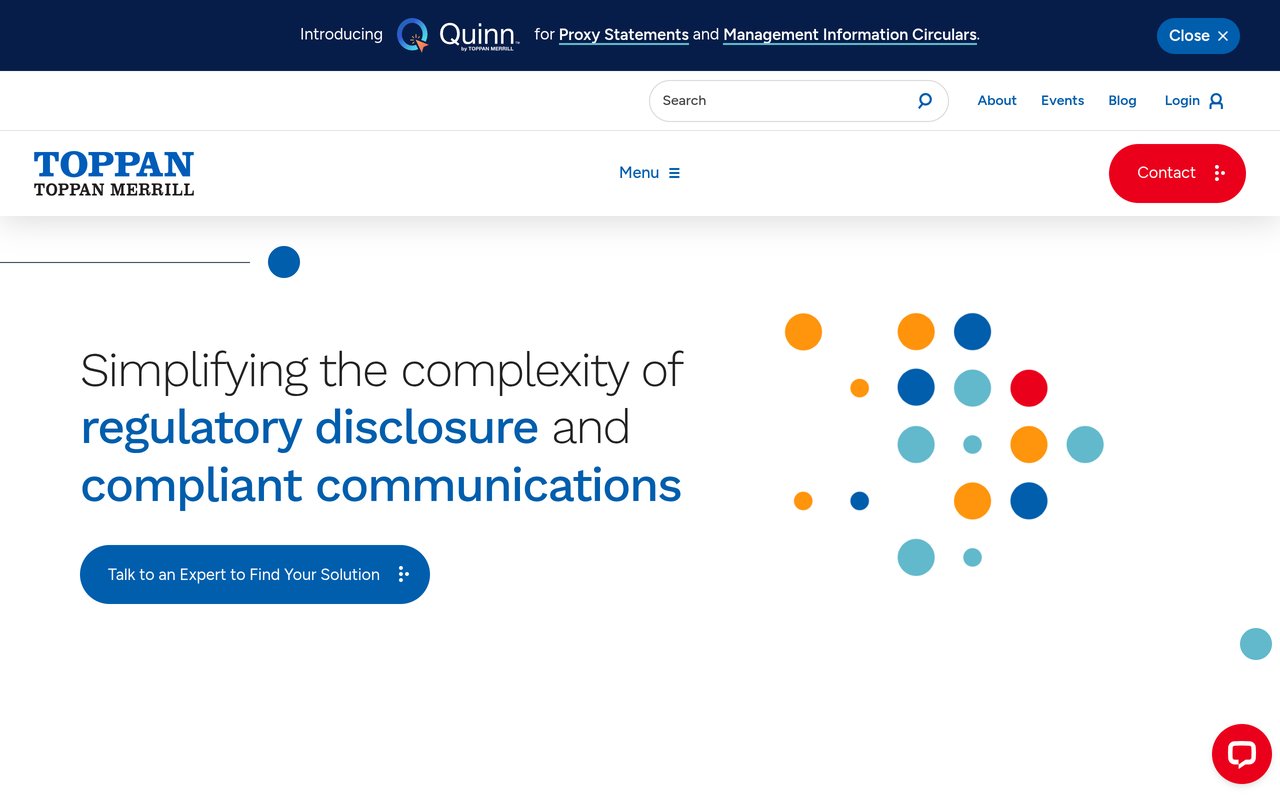
Toppan Merrill Bridge homepage, captured Nov 2026.
Toppan Merrill Bridge is a cloud platform for SEC filings and financial reports with XBRL, built on Microsoft 365 with direct EDGAR and iXBRL submission and dedicated consultants. It pairs software with managed filing services, so a small team gets expert help at deadline.
The trade off is price clarity. There is no published price, and the service element means quotes vary with filing volume. It suits SEC registrants that want software plus a filing service from one vendor.
Oracle Hyperion Disclosure Management homepage, captured Nov 2026.
Oracle Hyperion Disclosure Management is the disclosure tool for Oracle EPM customers, linking financial data to narrative reports and XBRL tagging inside the Oracle stack. It holds a 4.3 out of 5 G2 rating from 17 reviews and is praised for reliability and integrations.
The trade off is breadth. It is strongest inside Oracle EPM and thinner outside it, with a small review base. It suits Oracle shops that want disclosure without leaving their EPM system.
DataTracks Rainbow is an XBRL tagging platform combining tagging software with an outsourced tagging service, so teams that file rarely can hand the tagging to specialists. It holds a 4.5 out of 5 G2 rating from 37 reviews and suits smaller filers that need accurate tagging without a full platform.
The trade off is scope. Rainbow is a tagging tool with service, not a full disclosure management suite, so larger teams outgrow it. It suits small filers and first-time ESEF reporters.
Eight of the nine tools here publish no price, so treat the first quote as an opening offer, not a list price.
Ask for licence, modules, users, implementation and support on one sheet, and get the same sheet from at least two vendors.
IRIS CARBON's $25,000 list price is the only public anchor in the category, so use it as a budgeting floor for smaller filers.
Check what the filing service costs separately. DFIN and Toppan Merrill bundle software with filing-agent support, which changes the comparison.
How we chose
We started from disclosure management tools with G2 listings and real SEC or ESEF filing capability, then kept those with verifiable ratings.
Prices come from vendor pages where published, checked on 25 November 2026, with quote-only tools shown as Custom. Ratings and review counts come from G2 on the same day. Where a vendor shows a sale, the list shows the regular price.
We left out tools with no verifiable rating. No vendor paid for a place, and we do not claim hands-on testing for this list.
How to choose disclosure management software
Start with your filing calendar and your ERP, then demo the tagging workflow.
List your filings first. SEC 10-Ks and 10-Qs, ESEF annual reports and ESG disclosures need different tagging and validation, so scope the tool to your actual calendar.
Check the ERP link. Certent links to 140+ ERP and EPM systems, while Workiva uses Wdata connectors. The numbers must flow without re-keying.
Demo the tagging, not the slides. Tag a real note in the demo and run validation. That is where weak tools show their limits.
Price the service as well as the software. DFIN and Toppan Merrill include filing-agent support, which can be worth more than the licence for a small team.
FAQ
What is the best disclosure management software?
Workiva is the best disclosure management software for public companies, with connected SEC, ESG and audit reporting and a 4.5 out of 5 G2 rating. IRIS CARBON is the best value with a published $25,000 list price, and DFIN ActiveDisclosure suits Excel-first teams.
How much does disclosure management software cost?
Almost every tool here sells by custom quote, with no published price. IRIS CARBON is the exception, showing a $25,000 list price on its own site, and Workiva deals typically run into tens of thousands of dollars a year.
What is the difference between Workiva and DFIN ActiveDisclosure?
Workiva is a cloud platform that links data across documents, spreadsheets and presentations, while ActiveDisclosure is Excel-centric and pairs its software with DFIN's filing-agent services and 24/7 expert support.
What is XBRL tagging?
XBRL tagging marks each number in a filing with a machine-readable label, so regulators and investors can read it automatically. Disclosure tools tag inside the document and validate the tags before submission.
Does disclosure management software work with Excel?
Yes, and Excel is central to several tools here. DFIN ActiveDisclosure is built around native Excel models, and Certent Disclosure Management works inside Word and Excel with live links to ERP data.
Can small companies use disclosure management software?
Most tools here target public companies and IPO candidates, so small filers often find them expensive. IRIS CARBON's $25,000 list price is the most accessible entry point, and some vendors offer per-filing pricing.
SaaS SEO and WordPress specialist with about 8 years of experience. Rakib compares WordPress plugins, themes, hosting and software using public pricing, documentation and user reviews. See how we rank.