Circuit is the best delivery route planning software for most teams, with the highest Capterra score here and the cleanest driver app in this list. Its Starter plan costs 125 dollars a month for 1,000 stops, with unlimited drivers on every plan.
How we make this list: we compare pricing pages, product documentation and public user reviews, then re-check every price before each update. No product paid for a place. Disclosure.
Circuit is the best pick for most courier teams, with a 4.8 Capterra score from 105 reviews and the cleanest driver app.
Routific is the best fit for local delivery, with a free plan up to 100 orders a month and a flat 150 dollars after that.
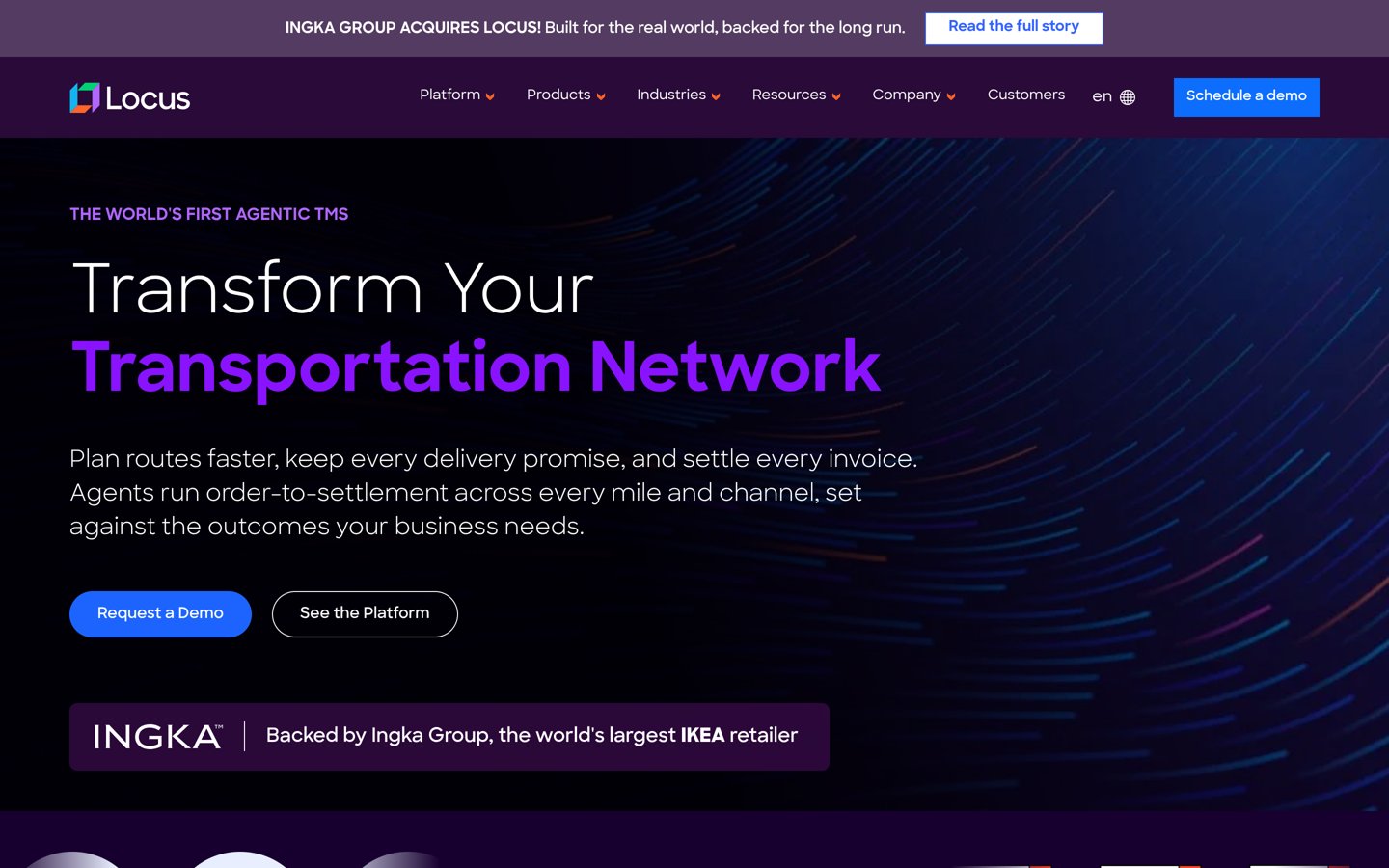
Locus is the enterprise pick, ranked first in route planning in G2's 2026 Best Software Awards, with custom quote pricing and no published rate.
Onfleet is the dearest entry here at 599 dollars a month, for operations with high daily task volumes.
Detrack adds route optimization only on its 39-dollar Advanced plan; the cheaper 29-dollar Pro plan has none.
What delivery route planning software should do
Delivery route planning software turns a list of stops into the fastest order for each driver, accounting for time windows, vehicle capacity, traffic and driver shifts. A dispatcher uploads the day's orders, the tool optimizes the sequence, and drivers follow turn-by-turn directions in a mobile app.
The tools here split into two shapes. Per-driver tools like OptimoRoute, Upper and Track-POD charge a flat monthly fee per driver or seat, while per-order and per-stop tools like Routific and Circuit charge for the work delivered. The right shape depends on whether your fleet or your order count grows faster.
Proof of delivery matters as much as the route. Every tool here captures signatures or photos, and most add live tracking links so customers can watch their delivery approach. For food, pharmacy and high-value deliveries, that paper trail is the product.
Prices in this list are the regular published prices checked in November 2026. A cheap monthly figure can hide a per-driver or per-stop meter, so divide the price by your real fleet size or order volume before you compare.
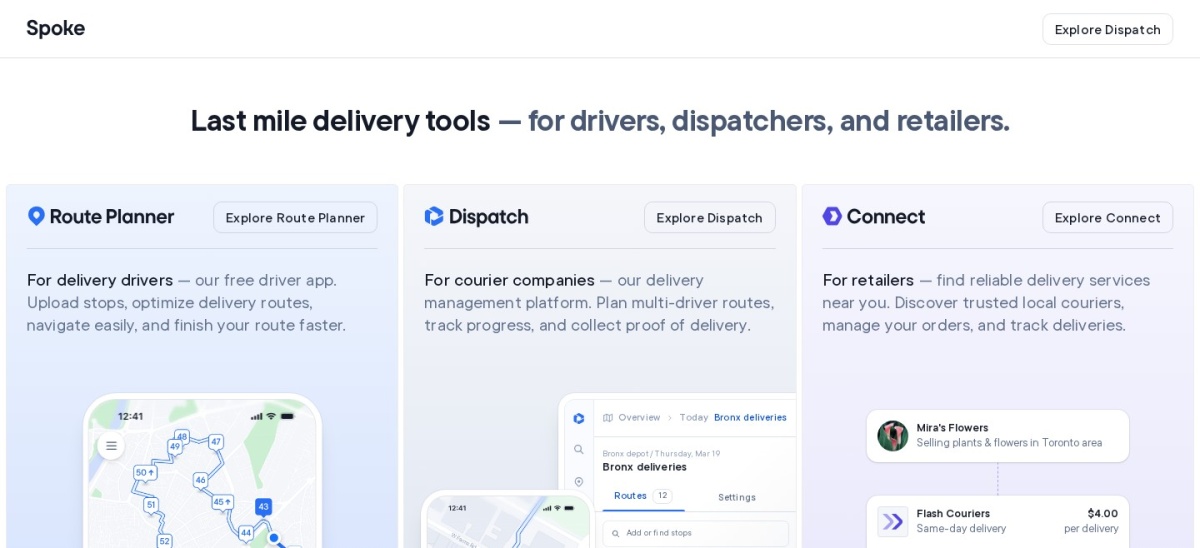
Circuit is the route planning platform couriers actually enjoy using, now sold as Spoke Dispatch after an October 2025 rebrand. Its driver app is the cleanest in this list, with one-tap handoff to Waze, Google Maps or Apple Maps, and dispatchers can edit routes after drivers leave. It is rated 4.8 out of 5 on Capterra from 105 reviews.
The trade off is stop-based pricing. Starter costs 125 dollars a month for 1,000 stops, so a busy courier pays more as volume grows, and the 30-day data history on Starter is short for teams that need older records. It suits courier companies with five or more drivers that value driver adoption above all.
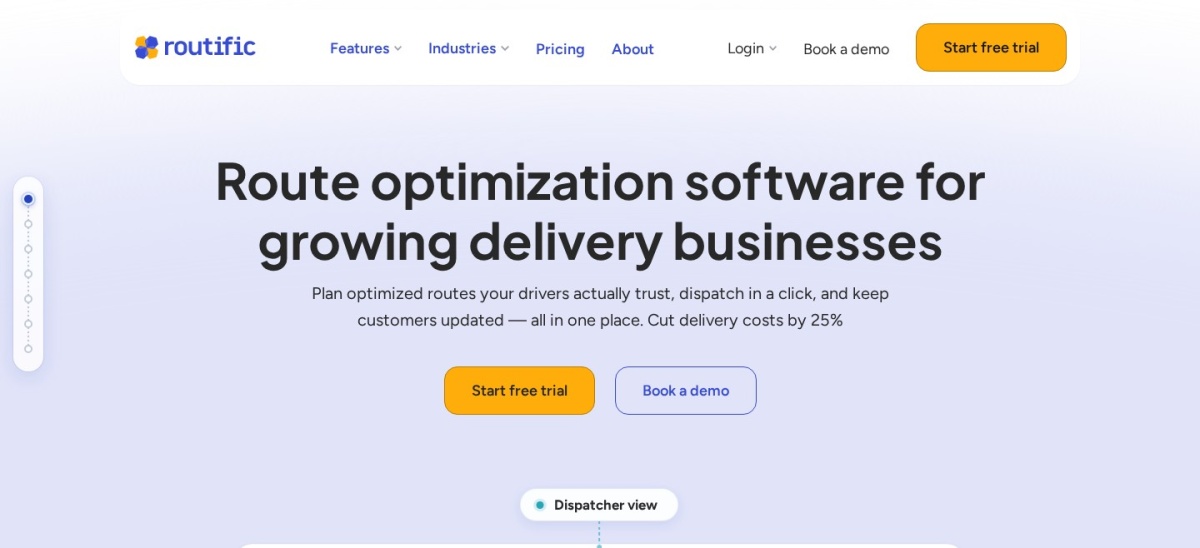
Routific is a route optimization platform built for local delivery teams, with a dispatcher dashboard, drag-and-drop stop reassignment and proof of delivery with timestamps. Its free plan covers up to 100 orders a month with every feature except SMS notifications. It is rated 4.8 out of 5 on G2 from 47 reviews.
The trade off is the pricing model. The flat 150 dollars a month covers up to 1,000 orders, then every extra order costs from 15 cents down to 3 cents at high volume, so costs climb with order count. It suits bakeries, meal prep and grocery teams with predictable daily volumes.
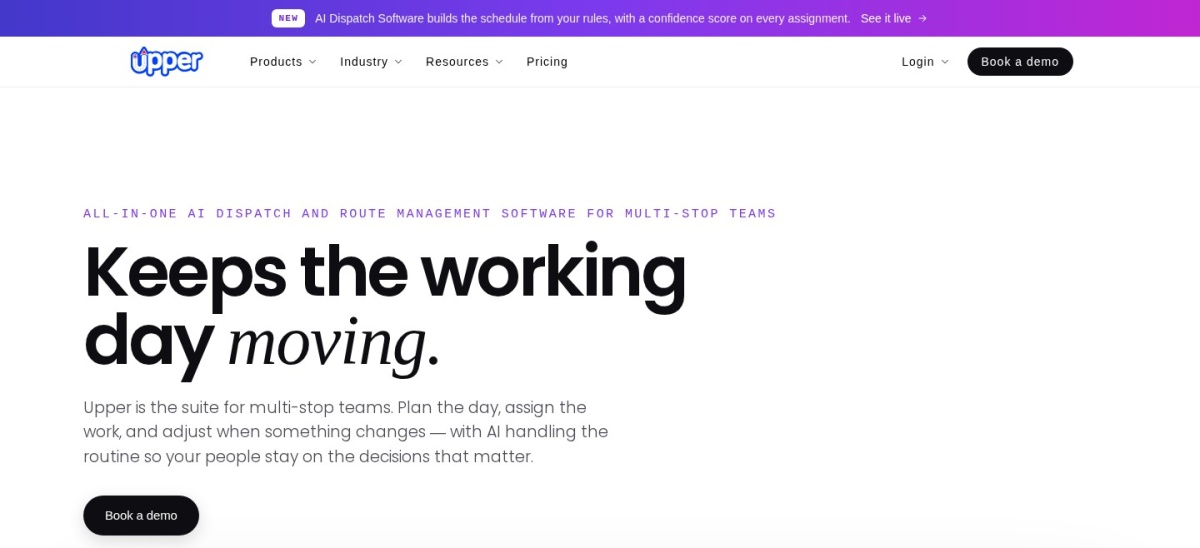
Upper is a route planner for small to mid-size delivery fleets that charges per user with unlimited orders, so costs stay flat as volume grows. Its Starter plan caps routes at 250 stops and includes barcode scanning, customer notifications and live tracking. It is rated 4.8 out of 5 on G2 from 11 reviews.
The trade off is the thin evidence. Eleven G2 reviews cannot prove a tool, and the newest reviews are from early 2025, so the score may be stale. It suits teams of one to 50 drivers that want predictable per-user pricing without order caps.
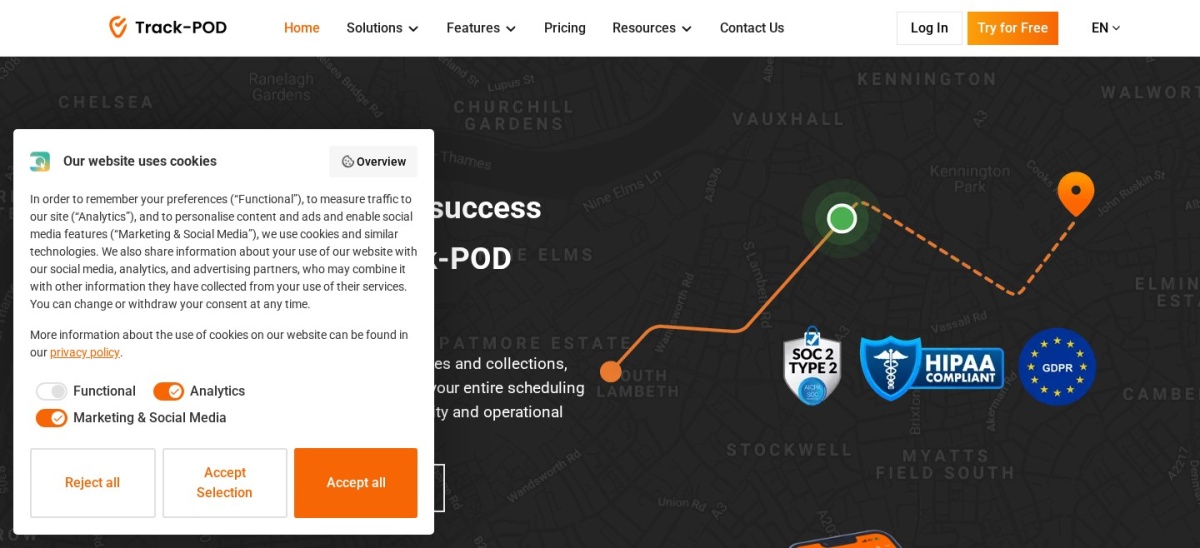
Track-POD is delivery management software built around electronic proof of delivery, with signature and photo capture, geotagging, barcode scanning and custom POD templates. Its Advanced plan covers route optimization and live tracking for up to 6,000 orders a month. It is rated 4.7 out of 5 on Capterra from 140 reviews.
The trade off is the interface and the minimums. Reviewers call the dispatcher screens dated and click-heavy, and the cheapest plan needs three drivers, so the smallest subscription is 147 dollars a month. It suits teams that need deep proof of delivery paperwork above all.
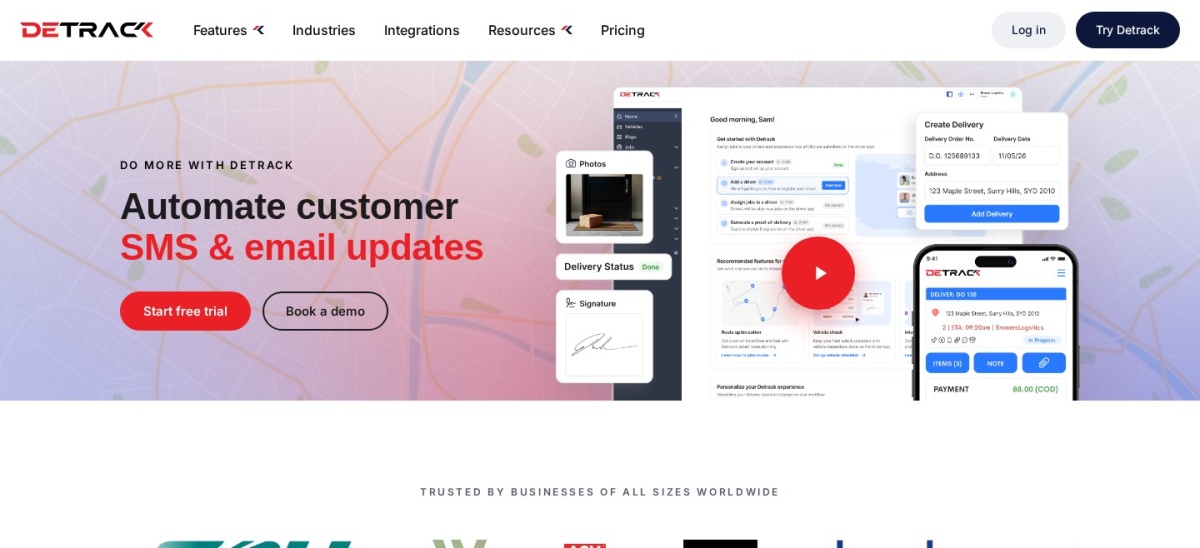
Detrack is cloud delivery software for small last-mile fleets, with live driver tracking, branded customer notifications and electronic proof of delivery with signatures and photos. Its Advanced plan adds route optimization, recurring orders and vehicle safety checks. It is rated 4.7 out of 5 on Capterra from 96 reviews.
The trade off is that route planning costs extra. The cheaper Pro plan at 29 dollars a vehicle a month has no route optimization, so routing teams must pay 39 dollars for Advanced. It suits small fleets that want simple proof of delivery and tracking at a low price.
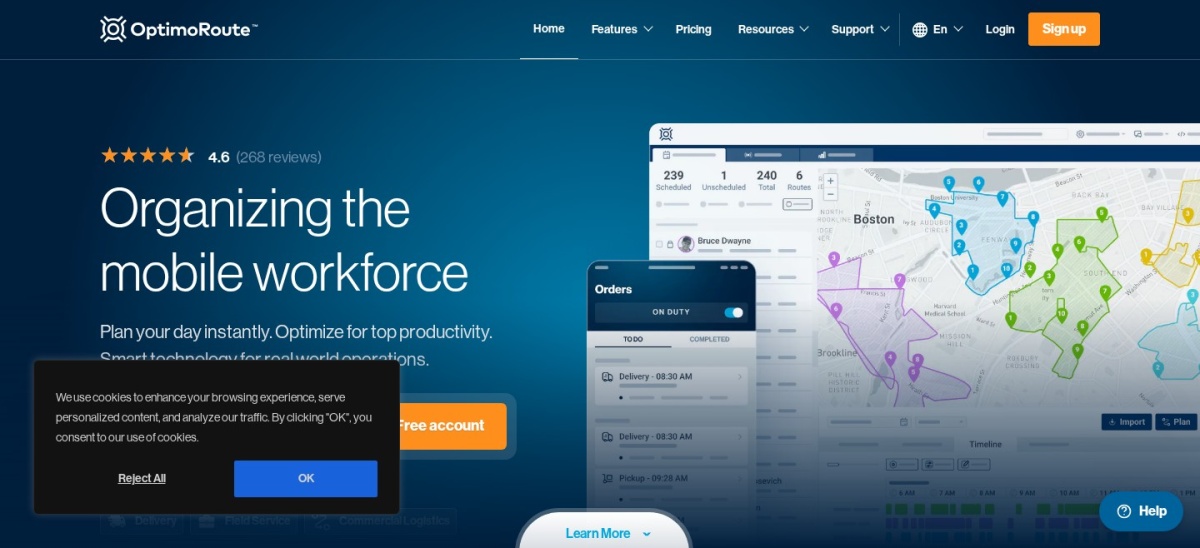
OptimoRoute is a route optimization and workforce scheduling platform for small to mid-size delivery and field service teams. It plans routes up to five weeks ahead, handles recurring schedules and time windows, and recalculates instantly when a dispatcher drags a stop. It is rated 4.7 out of 5 on G2 from 69 reviews.
The trade off is per-driver pricing. Lite costs 35 dollars and 10 cents a driver a month billed yearly, and the bill grows with every driver added, with no published volume discounts. It suits teams that plan routes in advance and run regular recurring rounds.
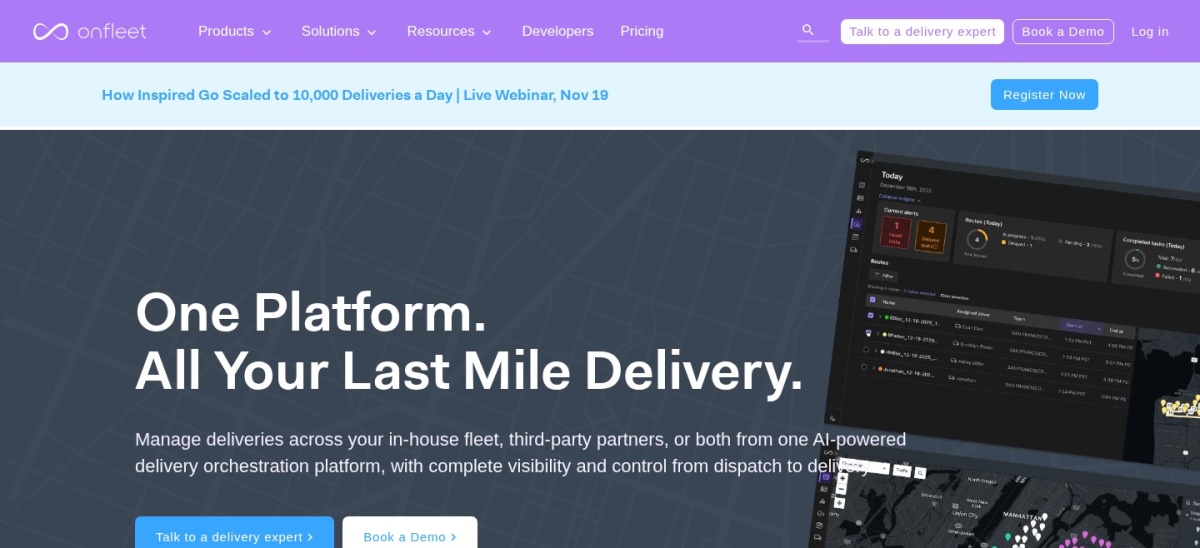
Onfleet is a delivery operations platform for mid-size to large teams that run on-demand dispatch, with route optimization, real-time driver tracking, proof of delivery and automated customer texts. Its Launch plan covers 2,500 tasks a month with basic analytics included. It is rated 4.6 out of 5 on G2 from 143 reviews.
The trade off is the price. Launch starts at 599 dollars a month, the dearest entry here by far, and the best routing and analytics features sit on higher tiers. It suits established operations with high daily task volumes that can use the scale.
Locus is an enterprise route planning and dispatch platform whose DispatchIQ module plans routes against more than 250 constraints, from time windows and vehicle capacity to road restrictions and live traffic. It has optimized more than 1.5 billion deliveries across 30-plus countries, and it ranked first in route planning in G2's 2026 Best Software Awards. It is rated 4.6 out of 5 on G2 from 80-plus reviews.
The trade off is enterprise access. Locus publishes no price and sells by custom quote, so small teams cannot budget it without a sales call, and reviewers warn that configuration is complex and performance can be slow. It suits large retail, FMCG and 3PL fleets that run high-density, multi-region delivery.
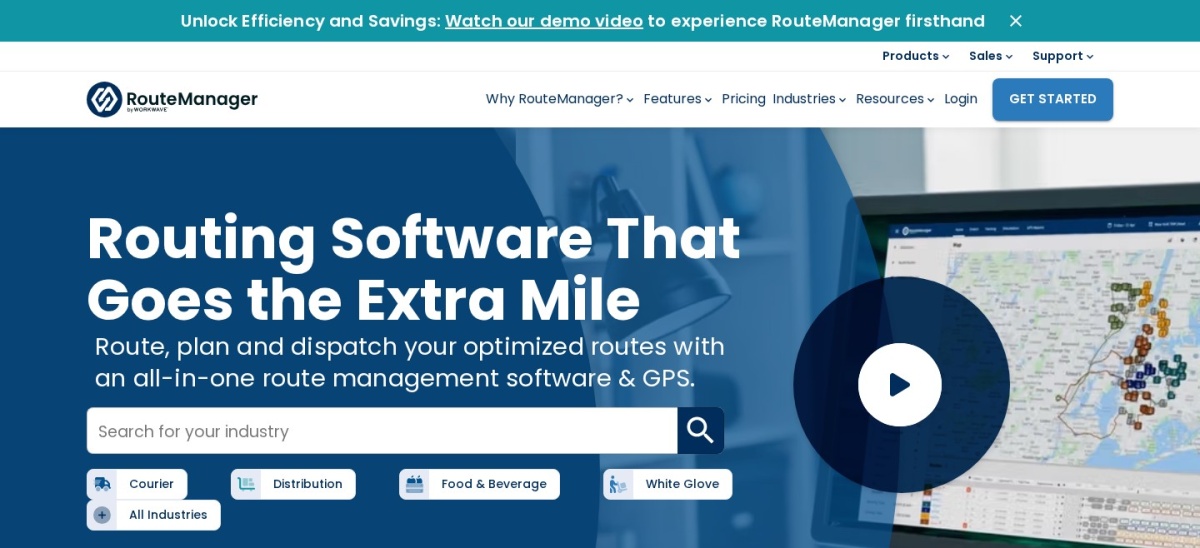
WorkWave Route Manager homepage, captured Nov 2026.
WorkWave Route Manager is cloud route planning paired with GPS fleet tracking, for service and delivery fleets that already watch vehicles on a live map. Dispatchers build routes with time windows and capacities, send them to driver apps, and collect proof of delivery with barcode scanning. It is rated 4.2 out of 5 on G2 from 40 reviews.
The trade off is cost per vehicle. At 54 dollars a vehicle a month, a 20-vehicle fleet pays over 1,000 dollars a month, and reviewers are mixed on reporting and multi-day routing. It suits fleets already in the WorkWave ecosystem that need routing with tracking.
Per-driver pricing is the simplest to budget: OptimoRoute, Upper, Track-POD, Detrack and WorkWave charge a monthly fee per driver, seat or vehicle, so the bill is fixed for a fixed fleet. It punishes growth, since every new driver adds the same fee again.
Per-order and per-stop pricing follows the work instead. Routific charges 150 dollars a month up to 1,000 orders, then a few cents per order, while Circuit charges 125 dollars a month for 1,000 stops. These models suit teams whose volume swings week to week.
How we chose
We started from the route planning listings on G2 and Capterra, then kept tools with a verifiable rating and a real delivery routing focus.
We ranked by review score and review count, then by routing quality, proof of delivery depth and pricing transparency. Enterprise platforms that publish no price were left out unless their rating was strong.
Prices come from vendor pricing pages opened on 25 Nov 2026 where possible. No vendor paid for a place, and we do not claim hands-on testing for this list.
How to choose delivery route planning software
Start with your stop count and fleet size, then match the tool to both.
Count your stops and drivers. A per-driver plan wins for stable fleets, a per-order plan wins when volume swings. Work out both costs for your real numbers before you choose.
Check the free plan or trial. Routific is free up to 100 orders a month, while most others offer a 7 to 30 day trial. Run a real day of routes before you pay.
Test the driver app. Drivers use the app all day, so a clean app with one-tap navigation matters more than a clever dispatcher dashboard. Ask a driver to try it.
Confirm proof of delivery. Check what each plan captures: signatures, photos, geotags and barcode scans. Some tools charge extra for the full paper trail.
FAQ
What is the best delivery route planning software?
Circuit is the best pick for most courier teams. It is rated 4.8 out of 5 on Capterra from 105 reviews, its driver app is the cleanest here, and its Starter plan costs 125 dollars a month for 1,000 stops with unlimited drivers.
What is the cheapest delivery route planning software?
OptimoRoute is the cheapest paid plan here at 35 dollars and 10 cents a driver a month on Lite. Detrack is next for routing at 39 dollars a vehicle a month on Advanced, and Routific is free up to 100 orders a month.
How much does delivery route planning software cost?
Paid plans here run from 35 dollars and 10 cents a driver a month for OptimoRoute Lite to 599 dollars a month for Onfleet Launch. Locus publishes no price, so enterprise teams must get a quote first.
Do I need route planning software for a small delivery team?
Yes, if you run more than about 15 stops a day. Below that, a spreadsheet and a maps app work fine, but once routes cross that line, optimization saves real drive time and missed windows. Routific's free plan covers up to 100 orders a month.
What is the difference between per-driver and per-order pricing?
Per-driver pricing charges a flat monthly fee for each driver, so the bill is fixed for a fixed fleet. Per-order pricing charges for the orders you deliver, so a quiet week costs less and a busy week costs more.
Which tool has the best proof of delivery?
Track-POD has the deepest proof of delivery here, with signatures, photos, geotags, barcode scanning and custom templates. Detrack is the budget pick, with signatures, photos and location on every plan.
SaaS SEO and WordPress specialist with about 8 years of experience. Rakib compares WordPress plugins, themes, hosting and software using public pricing, documentation and user reviews. See how we rank.