Microsoft Power BI is the best decision support system software for most teams, with Pro at $14 per user a month, 1,658 G2 reviews behind it, and dashboards that share across Microsoft tools. Pick Analytica for transparent decision models and 1000minds for ranked prioritisation.
How we make this list: we compare pricing pages, product documentation and public user reviews, then re-check every price before each update. No product paid for a place. Disclosure.
Microsoft Power BI is the cheapest paid pick at $14 per user a month, with a free Desktop edition and 1,658 G2 reviews.
Tableau Standard now starts at $15 per user a month billed annually, down from the old $75 Creator price.
Analytica is the best pure decision-modelling tool, with a free edition and Professional at $1,000 per user a year.
1000minds is the highest-rated specialist at 4.8 out of 5, but its full suite costs $25,000 a year.
Five of the nine tools have no vendor-confirmed dollar price, so expect a sales conversation for Decisions, Cloverpop and D-Sight.
What decision support software should do
Decision support software helps a team compare options with data instead of opinion. It covers dashboards, scenario models, ranked priorities and recorded decisions.
The tools split into two kinds. BI platforms such as Power BI and Tableau show what happened, while modelling tools such as Analytica and 1000minds work out what to do next.
Price is the biggest surprise in this category. Our guide to project management software covers the planning tools that often sit beside these systems.
Check the rating base before trusting a score. D-Sight scores 5.0 out of 5 from only 2 G2 reviews, while Tableau holds 4.4 from more than 4,200.
Start with the decision you actually make most often. A dashboard will not rank capital projects, and a ranking tool will not run your weekly sales review.
List prices in each vendor's currency, checked Nov 2026
DecisionsCustom
CloverpopCustom
D-Sight€100
Power BIFREE$168
TableauFREE$180
Loomio$399
AnalyticaFREE$1,000
DecRulesFREE$3,492
1000minds$25,000
The 9 best decision support system software tools
01
Microsoft Power BI
4.5/5on G2 (1,658 reviews, checked Nov 2026)
Paid from$14/user/mo
Best decision support overall
Free planYes, Desktop free
Paid planPro, $14/user/mo
SharingPublish and share apps
AI featuresCopilot in Fabric
microsoft.com
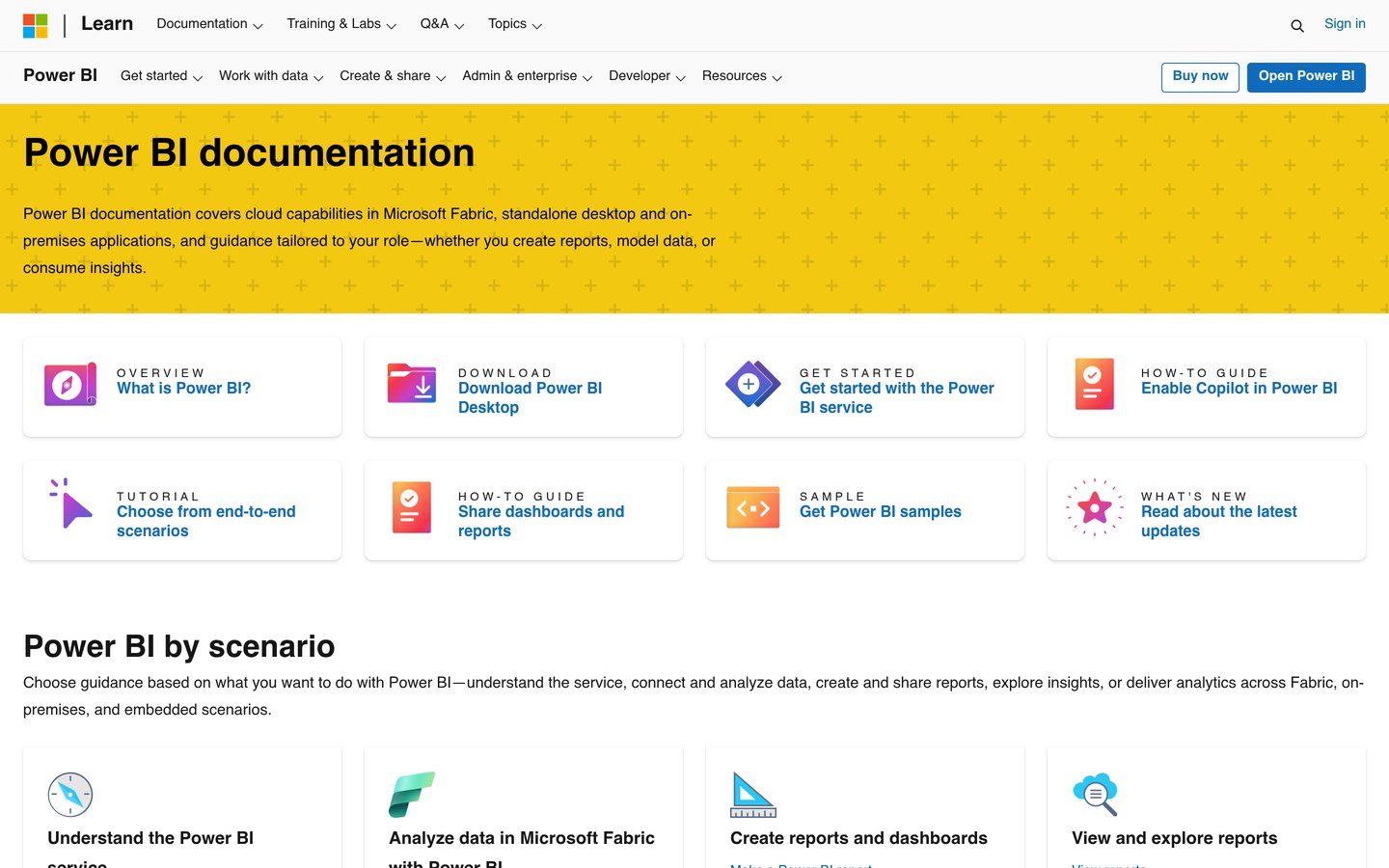
Microsoft Power BI homepage, captured Nov 2026.
Microsoft Power BI is a business intelligence platform that turns data into dashboards and reports for decision-making. The free Desktop edition builds reports locally, while Pro at $14 per user a month adds publishing, sharing and apps, and it is rated 4.5 out of 5 from 1,658 G2 reviews.
The trade off is cost per seat. A team of 20 pays $280 a month for Pro, and larger models need Premium Per User at $24 a month. It suits Microsoft shops that already use Excel and Teams and want shared dashboards without a new platform.
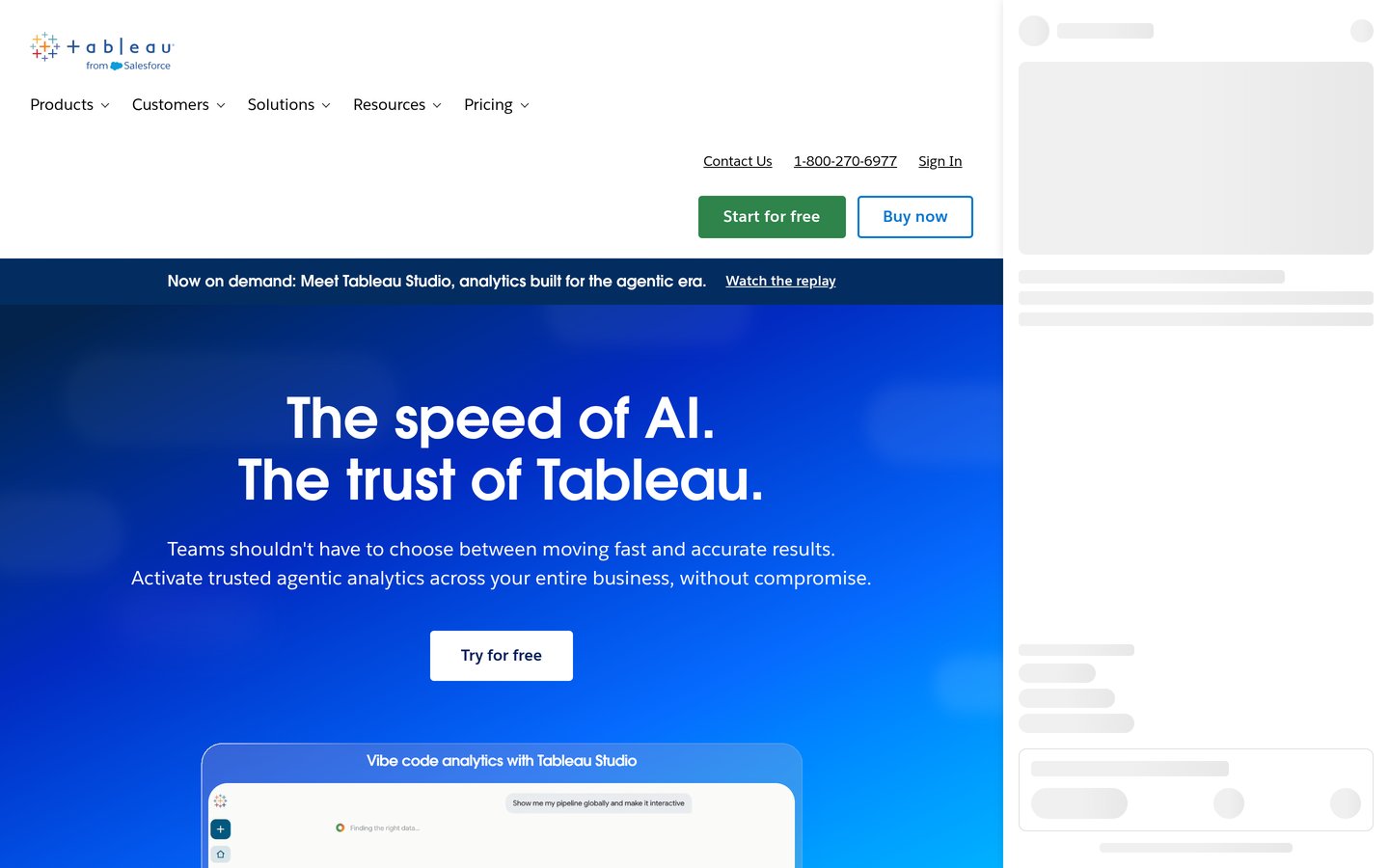
Tableau is a visual analytics platform for exploring data and building interactive dashboards. The free Desktop Free Edition covers local authoring, while Tableau Standard starts at $15 per user a month billed annually and adds sharing, governance and Tableau Pulse. It is rated 4.4 out of 5 from 4,237 G2 reviews.
The trade off is price as teams grow. Enterprise starts at $35 per user a month, and capacity pricing needs a sales conversation. It suits teams that live in dashboards and want the most flexible visual exploration on the market.
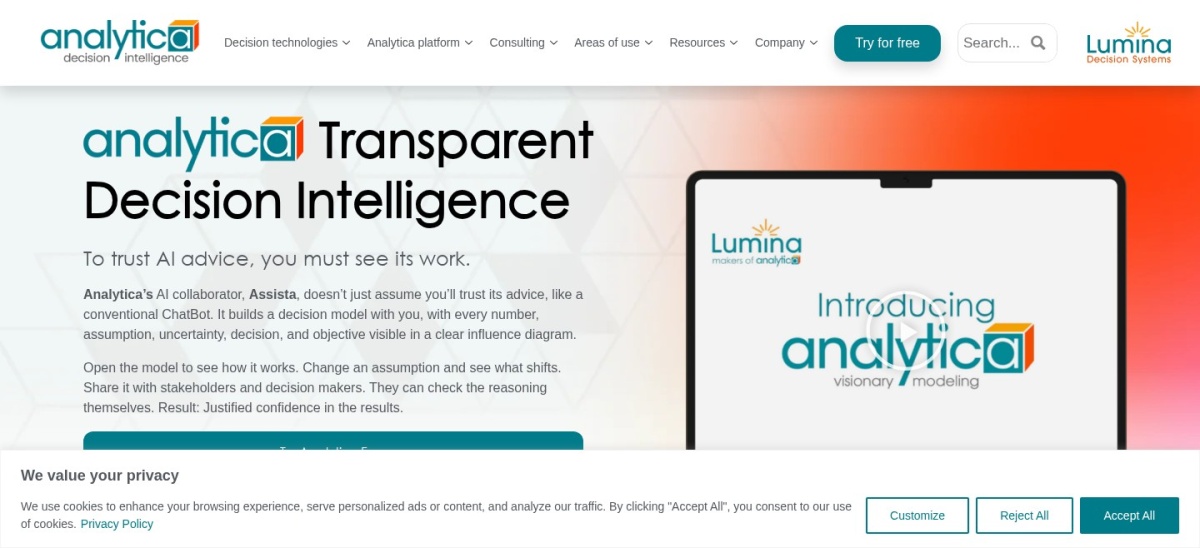
Analytica is a decision modelling platform that builds influence diagrams instead of spreadsheet formulas. The free edition covers models up to 101 objects with Monte Carlo simulation included, and Professional starts at $1,000 per user a year with no model size limit. It is rated 4.8 out of 5 from 33 G2 reviews.
The trade off is the learning curve. Influence diagrams and arrays take time to learn, and the tool runs on Windows or the web. It suits analysts modelling complex, linked decisions where a spreadsheet would hide the logic.
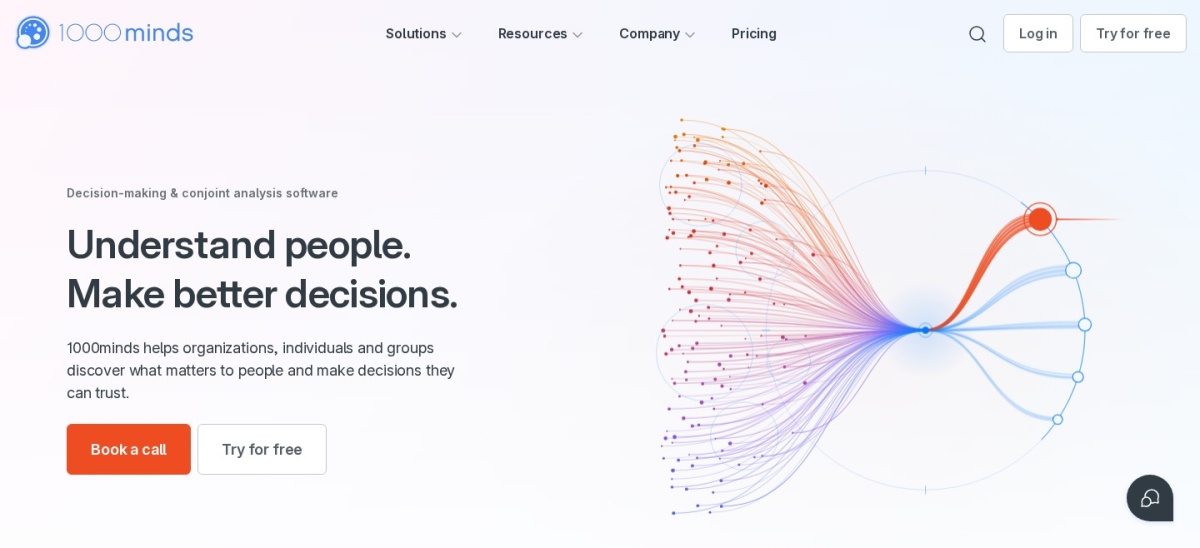
1000minds is decision-making software built around the patented PAPRIKA method, which asks one trade-off question at a time to rank options. The full decision-making suite costs $25,000 a year and covers shared team access, group voting, consensus tools and surveys of up to 5,000 people. It is rated 4.8 out of 5 from 32 G2 reviews.
The trade off is cost. At $25,000 a year it is priced for organisations, not small teams, and per-use surveys start at $4,500 each. It suits health, government and research teams that must defend a ranking with a transparent method.
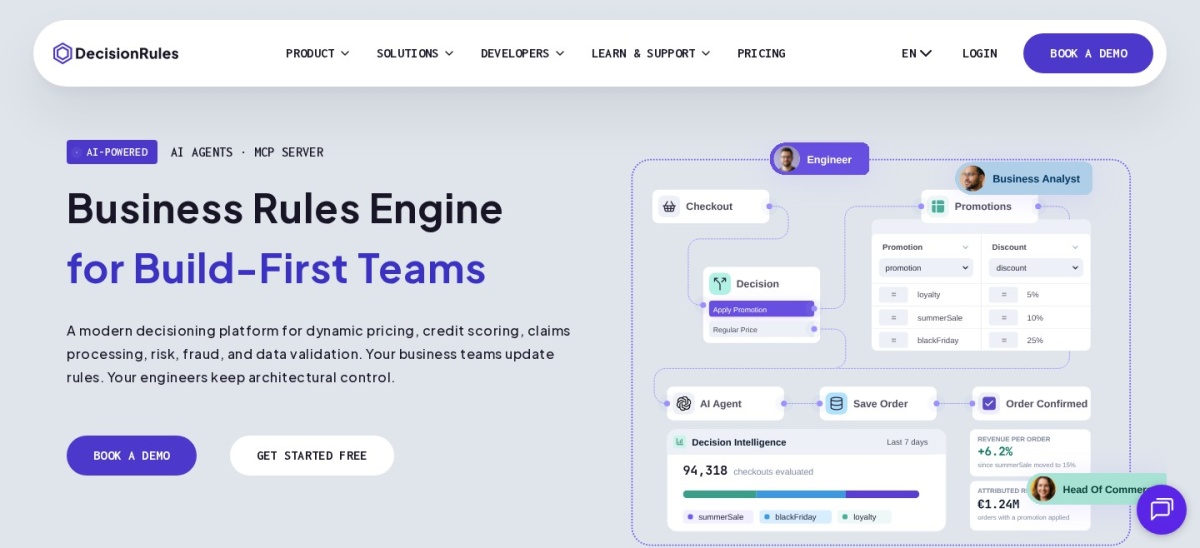
DecisionRules is a no-code platform for building and running business decision logic as rules and flows. The free plan covers small rule sets, and Lite starts at $291 a month with a visual rule editor, versioning and an API for calling rules from other systems. It is rated 4.4 out of 5 from 109 G2 reviews.
The trade off is price in euros on the vendor site. The vendor pricing page lists Lite in euros, so the dollar figure here comes from G2, and Premium is by quote. It suits teams that change pricing, eligibility or approval rules often and want business staff to edit them.
Decisions is a business rules and workflow platform that lets business experts build, test and change rules without code. It covers decision tables, process flows and integrations with 31 connected systems, and it is rated 4.5 out of 5 from 47 G2 reviews.
The trade off is that pricing is by quote only. There is no published starting price, and G2 reviewers report about six months to implement. It suits larger organisations that want business staff, not developers, to own decision logic.
Cloverpop is a decision intelligence platform that structures high-stakes decisions into playbooks with AI guidance. It records each decision, its reasons and its outcome, so teams can learn from past calls instead of repeating them. It is rated 4.5 out of 5 from 16 G2 reviews.
The trade off is cost and opacity. Pricing is by quote only, and reviewers call it expensive for smaller teams. It suits enterprises that want a shared record of who decided what, and why, across commercial teams.
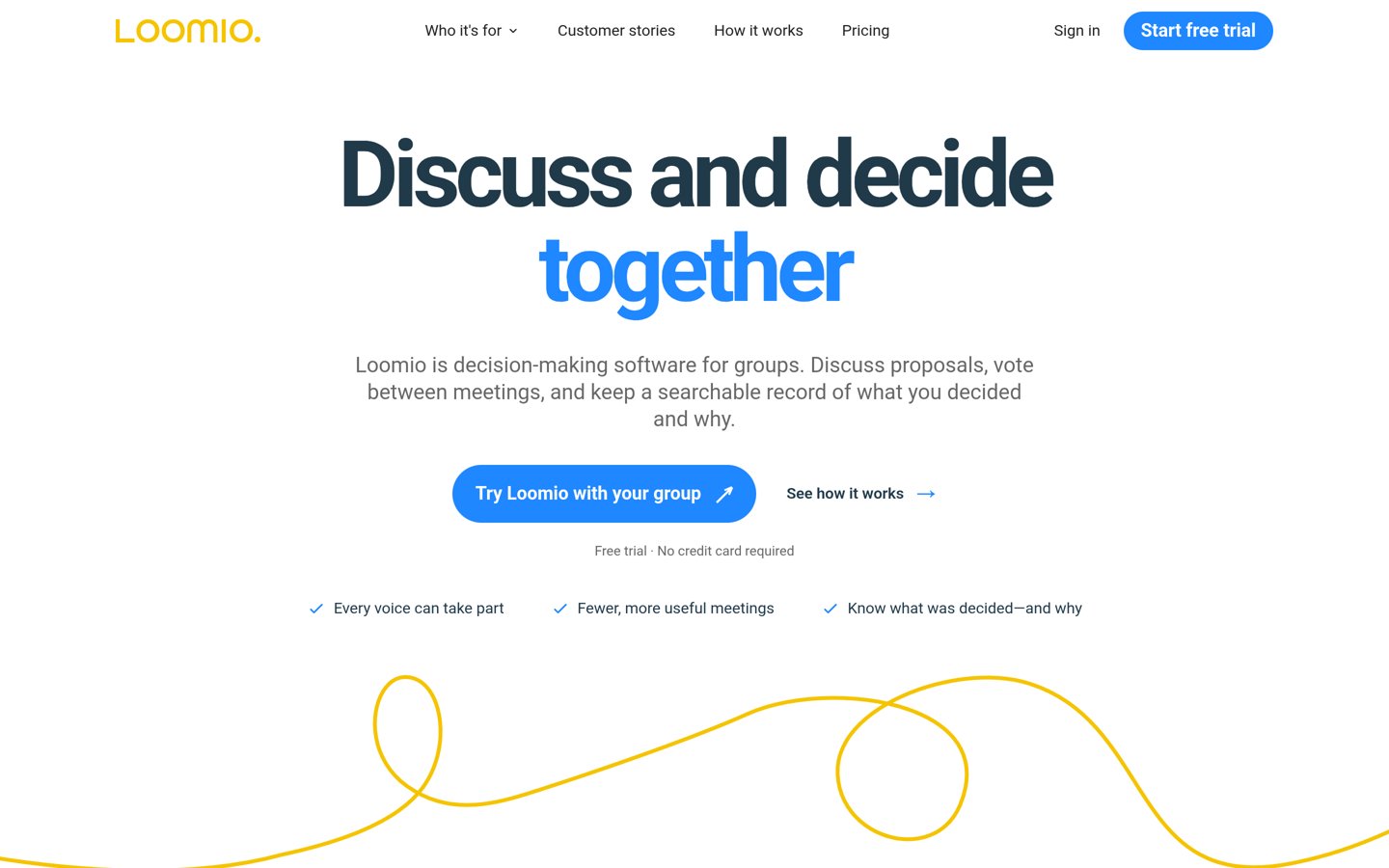
Loomio is collaborative decision-making software for groups, boards and co-operatives. It puts a proposal, discussion and vote in one thread, keeps a searchable record of what was decided and why, and the Starter plan costs $399 a year for one group of up to 30 members. It is rated 4.3 out of 5 from 22 G2 reviews.
The trade off is scope. Loomio covers discussion and voting, not analytics or modelling, and subgroups need the Pro plan. It suits boards, co-ops and member organisations that decide in writing between meetings.
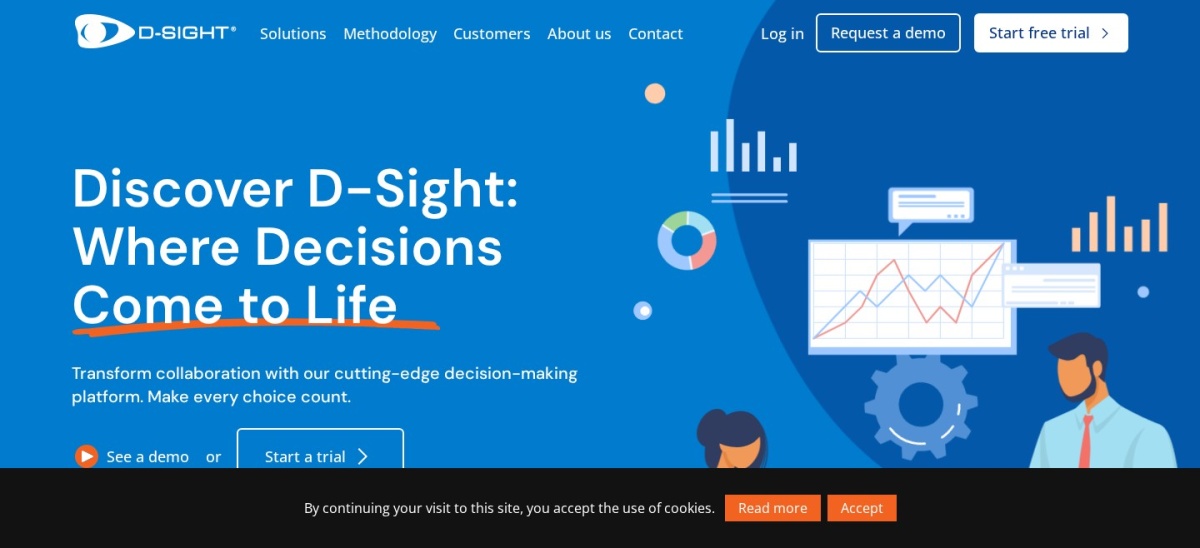
D-Sight is a collaborative decision-making platform that gathers stakeholder input in one place and analyses options with a structured method. It automates the scoring of alternatives and produces reports for the group, and its starting price is listed at €100 a month. It is rated 5.0 out of 5 from 2 G2 reviews.
The trade off is evidence. Only 2 G2 reviews exist, and the euro price comes from Capterra, not the vendor, so treat both with care. It suits teams running formal multi-stakeholder decisions who want the analysis done for them.
Only four tools in this list publish a price. Power BI, Tableau, Analytica and Loomio show a figure on their own pricing pages.
Decisions and Cloverpop sell by quote because the price depends on users, modules and implementation. D-Sight shows no price on its own site, and 1000minds lists packages without figures.
Where a figure comes from a directory rather than the vendor, this list says so. The 1000minds figure comes from a review quoting the vendor page, and the D-Sight figure comes from Capterra in euros.
Budget for implementation as well as the licence. G2 reviewers report about six months for Decisions, and modelling tools need training time before they pay off.
How we chose
We started from the decision support listings on G2 and Capterra, then kept tools with a verifiable rating on G2 and a real decision-making focus.
Prices come from each vendor's pricing page, checked on 25 November 2026, except where the notes say a figure comes from a directory. Ratings come from G2 on the same day.
We left out tools with no rating on G2, Capterra or Trustpilot. No vendor paid for a place, and we do not claim hands-on testing for this list.
How to choose decision support system software
Start with the decision you make most often, then match the tool to that job.
Name the decision first. Write down the one decision this tool must improve, such as ranking projects, approving credit or planning capacity.
Pick dashboards or models. Choose a BI platform for reporting what happened, or a modelling tool for working out what to do next.
Check the price model. Per-user tools such as Power BI scale with headcount, while per-group tools such as Loomio cost the same for 30 people.
Trial it with a real decision. Run one live decision through the trial and check whether the group trusts the result enough to act on it.
FAQ
What is the best decision support system software?
Microsoft Power BI is the best pick for most teams. Its Pro plan costs $14 per user a month, it is rated 4.5 out of 5 from 1,658 G2 reviews, and it shares dashboards across Excel, Teams and the wider Microsoft stack.
How much does decision support software cost?
Paid plans in this list run from $14 per user a month for Power BI Pro to $25,000 a year for the 1000minds full suite. Decisions and Cloverpop publish no price and sell by quote.
What is the difference between Power BI and Tableau?
Power BI is cheaper per user at $14 a month and fits Microsoft shops, while Tableau starts at $15 a month and offers more flexible visual exploration. Both have free desktop editions and large G2 review bases.
Is there free decision support software?
Yes. Power BI, Tableau, Analytica and DecisionRules all have a free plan or free edition. Analytica's free edition has no time limit but caps models at 101 objects.
What is 1000minds used for?
1000minds ranks and prioritises options with its PAPRIKA method, asking one trade-off question at a time. It suits health, government and research teams that must defend a ranking with a transparent, published method.
Which tool is best for group voting?
Loomio is the best pick for group votes. It puts a proposal, discussion and vote in one thread, keeps a searchable record, and charges $399 a year for a whole group of up to 30 members.
SaaS SEO and WordPress specialist with about 8 years of experience. Rakib compares WordPress plugins, themes, hosting and software using public pricing, documentation and user reviews. See how we rank.