Lido is the best crypto staking platform for ETH holders, charging the lowest fee in this list with no lock-up and a tradeable staking token. Coinbase suits US users who want simple staking, while Kraken suits traders who want many stakeable assets in one account.
How we make this list: we compare pricing pages, product documentation and public user reviews, then re-check every price before each update. No product paid for a place. Disclosure.
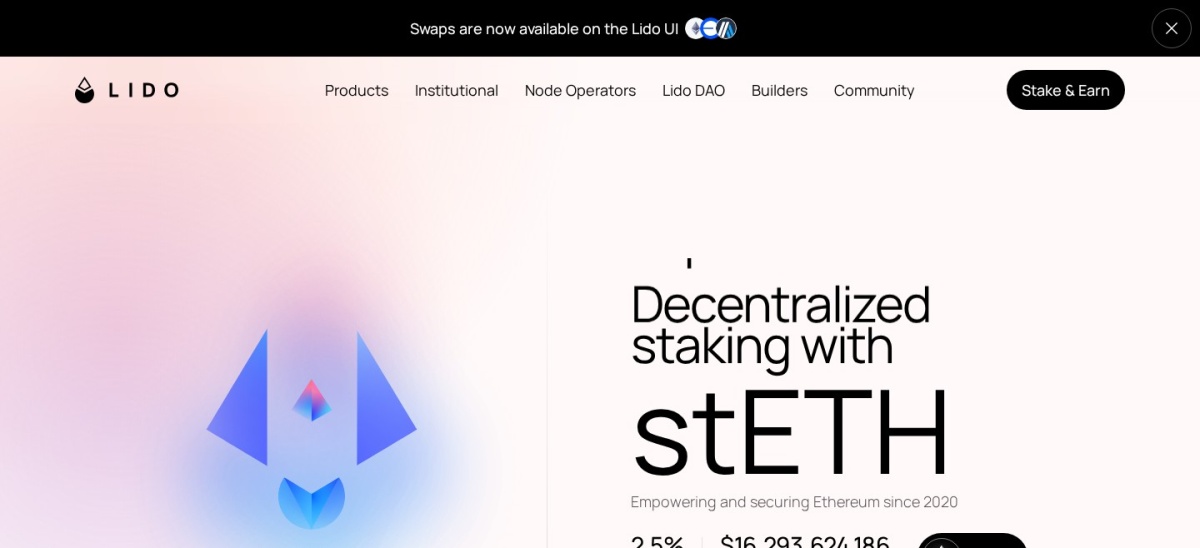
Lido charges 10% of staking rewards, the lowest fee in this list, with about 2.2% net ETH yield.
Coinbase takes 35% of rewards, the highest commission here, leaving about 1.6% net on ETH.
Kraken takes 26% to 30% of rewards and supports 23 or more stakeable assets.
Binance charges 9.95% to 39.95% of rewards depending on the token, with more than 100 stakeable assets.
Lido holds about $23.1 billion of staked ETH, the largest staking pool in this list.
How crypto staking works
Staking locks coins on a proof-of-stake network to help validate transactions, and the network pays rewards in return. A platform runs the validator for you and takes a commission, so the net yield is the network rate minus the commission.
Commission matters more than the headline yield. Coinbase takes 35% of rewards, so a 2.5% network rate leaves about 1.6% net, while Lido takes 10%, leaving about 2.2% net on the same rate. Compare net yield, not the network rate.
Liquid staking tokens such as stETH let you trade or use your staked ETH elsewhere, while locked staking keeps coins tied up for days or weeks. Lido issues stETH, which can be sold or used in DeFi at any time.
Staking is not risk-free. Coins can be slashed if a validator misbehaves, yields change with network conditions, and locked stakes cannot be sold during a price fall. Check the unbonding period before staking.
Lido is the largest liquid staking protocol, holding about $23.1 billion of staked ETH in October 2026. It charges 10% of rewards, the lowest fee here, leaving about 2.2% net on a 2.5% ETH network rate, and stETH can be sold or used in DeFi at any time.
The trade off is smart contract risk and a thin review base. Lido holds 5.0 out of 5 on Capterra from only 20 reviews, and stETH depends on smart contracts. It suits ETH holders who want the best net yield with no lock-up.
4/5on Trustpilot (23,362 reviews, checked Nov 2026)
Pricing35% of rewards/yr
Best for simple US staking
Fee35% of rewards
Net ETH yieldAbout 1.6%
Coins20+ stakeable
Lock-upVaries by coin
coinbase.com
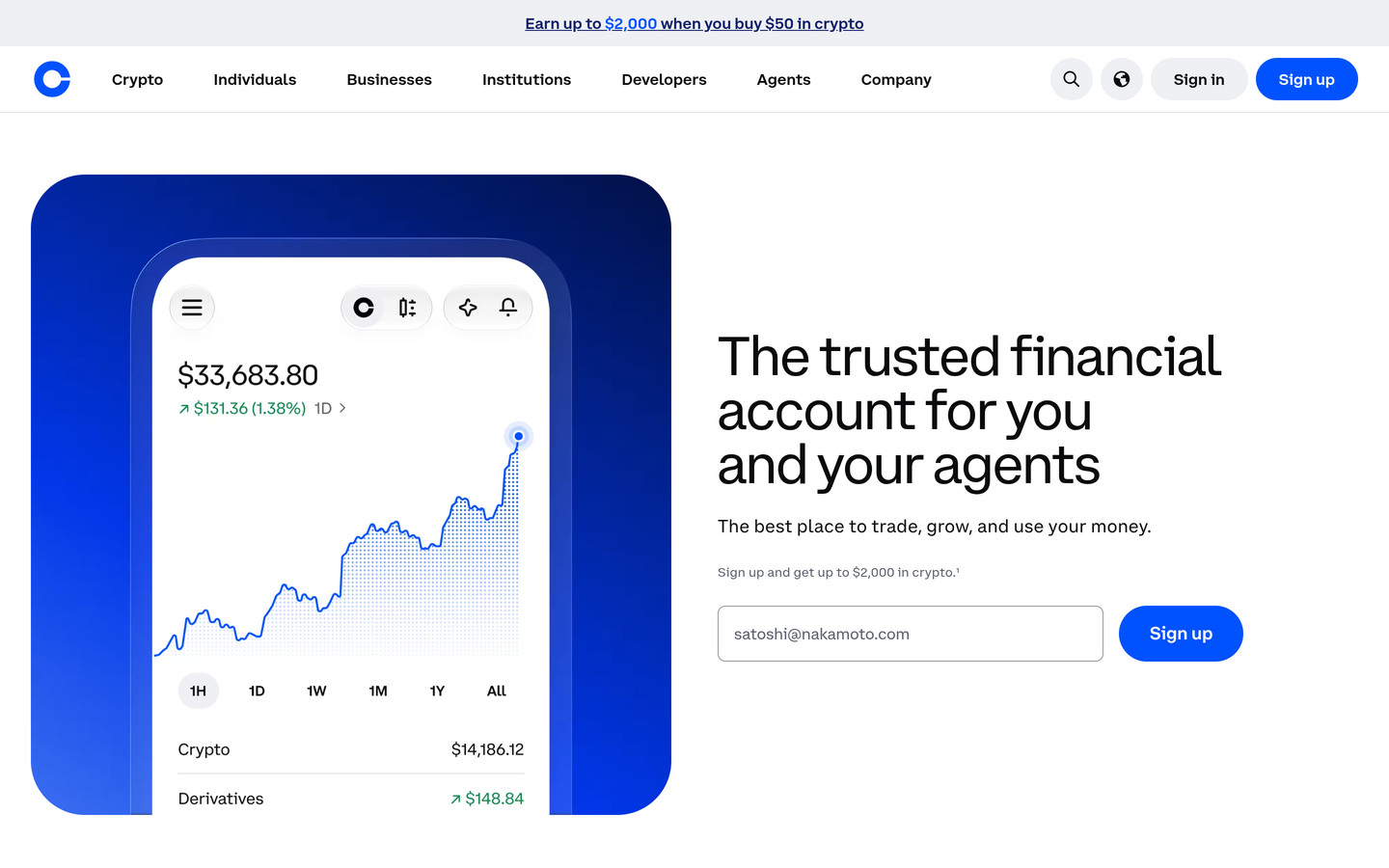
Coinbase homepage, captured Nov 2026.
Coinbase is a US-listed exchange that offers simple staking inside its account, with more than 20 stakeable coins and no separate app needed. ETH staking is available in most states, and rewards land automatically in the same account as spot trading.
The trade off is the highest commission here. Coinbase takes 35% of rewards, leaving about 1.6% net on a 2.5% ETH network rate, against Lido's 2.2%. It suits US users who value a regulated exchange over the best net yield.
3.1/5on Trustpilot (9,654 reviews, checked Nov 2026)
Pricing26% of rewards/yr
Best for wide coin choice
Fee26%–30% of rewards
Assets23+ stakeable
Bonded fee10%–26%
Lock-upVaries by asset
kraken.com
Kraken homepage, captured Nov 2026.
Kraken is a US exchange that supports 23 or more stakeable assets, more than any other exchange in this list except Binance, with commissions of 26% to 30% of rewards. Bonded staking, which locks coins for longer, cuts the fee to between 10% and 26% depending on the asset and balance.
The trade off is a high standard commission. Kraken takes 26% or more of rewards on flexible staking, against Lido's 10%, and its Trustpilot score is 3.1 out of 5. It suits traders who want many stakeable coins in one regulated account.
1.4/5on Trustpilot (6,000 reviews, checked Nov 2026)
Pricing10%–40% of rewards/yr
Best for most stakeable assets
Fee9.95%–39.95% of rewards
Assets100+ stakeable
OptionsLocked and flexible
Free accountYes
binance.com
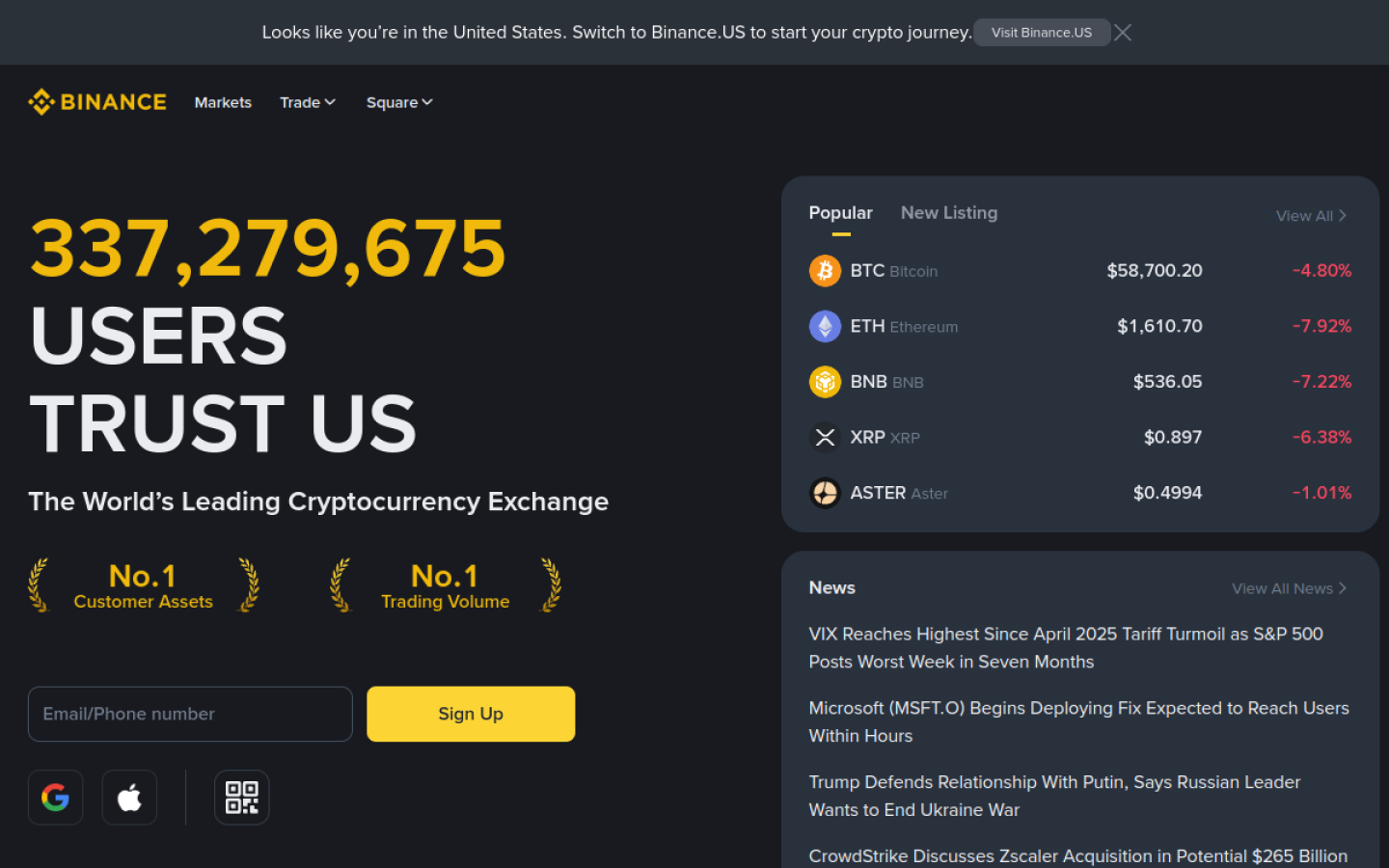
Binance homepage, captured Nov 2026.
Binance is the largest crypto exchange and supports more than 100 stakeable assets, the widest choice in this list, with commissions from 9.95% to 39.95% of rewards depending on the token. Both locked and flexible staking are available, and flexible stakes can be withdrawn at any time.
The trade off is a low Trustpilot score and a wide fee range. Binance scores 1.4 out of 5 from about 6,000 reviews, and the cheapest commission applies only to some tokens. It suits traders who already hold many coins on Binance.
2.1/5on Trustpilot (9,513 reviews, checked Nov 2026)
PricingCustom/yr
Best for app-first staking
FeeNot published
Coins20+ stakeable
CardCRO rewards
Free accountYes
crypto.com
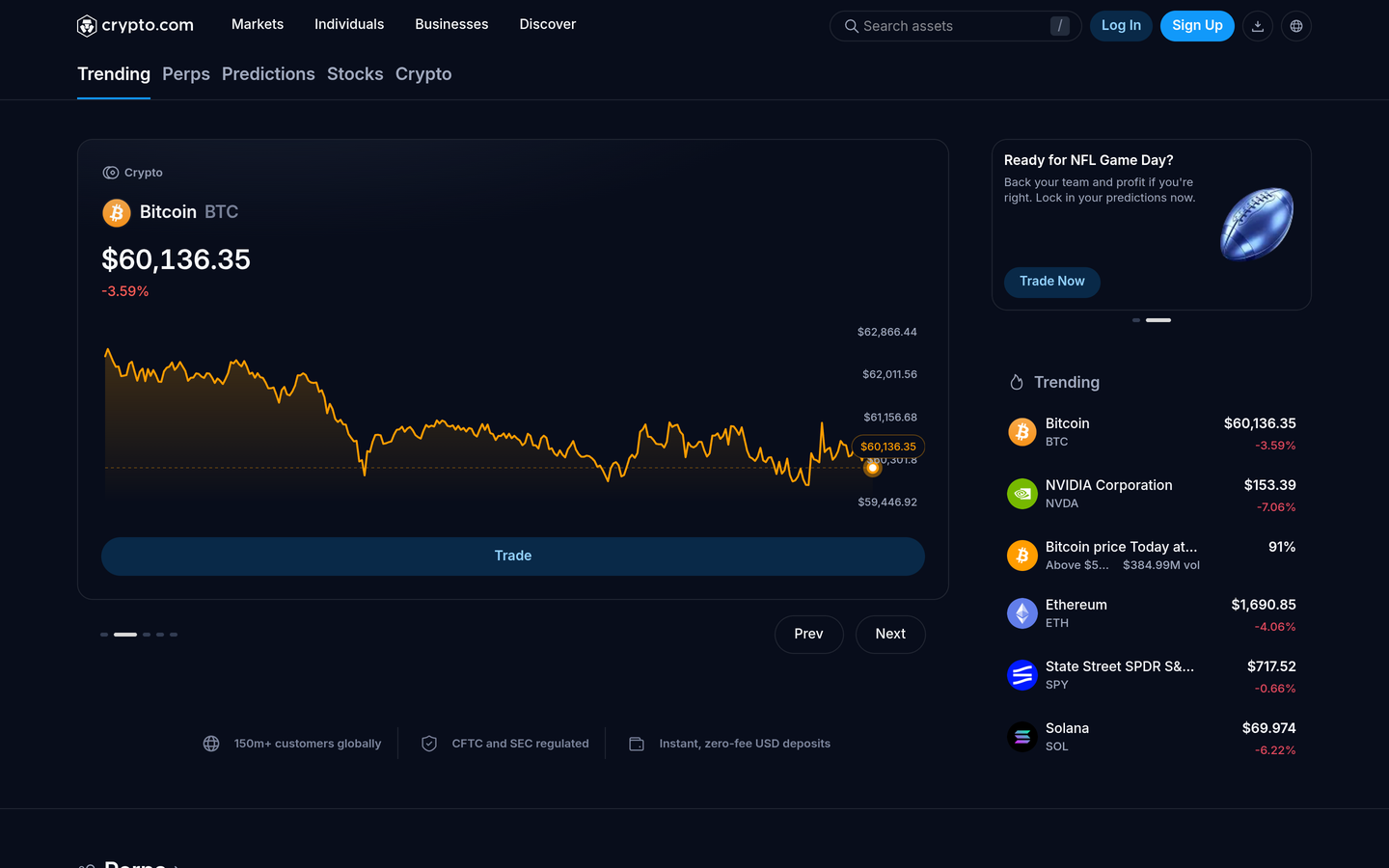
Crypto.com homepage, captured Nov 2026.
Crypto.com is an exchange that offers staking through its Earn products inside the same app as spot trading and the Visa card, with more than 20 stakeable coins. Rewards can be taken in CRO, and card holders can earn extra on spending.
The trade off is an unpublished commission. Crypto.com does not publish a staking fee, so the net yield cannot be compared with Lido's 10% or Coinbase's 35%, and Trustpilot scores it 2.1 out of 5. It suits existing app users who value one account for everything.
4.4/5on Trustpilot (18,867 reviews, checked Nov 2026)
PricingCustom/yr
Best for earning on staked coins
FeeNot published
Coins30+ earnable
Users7M+
Free accountYes
nexo.com
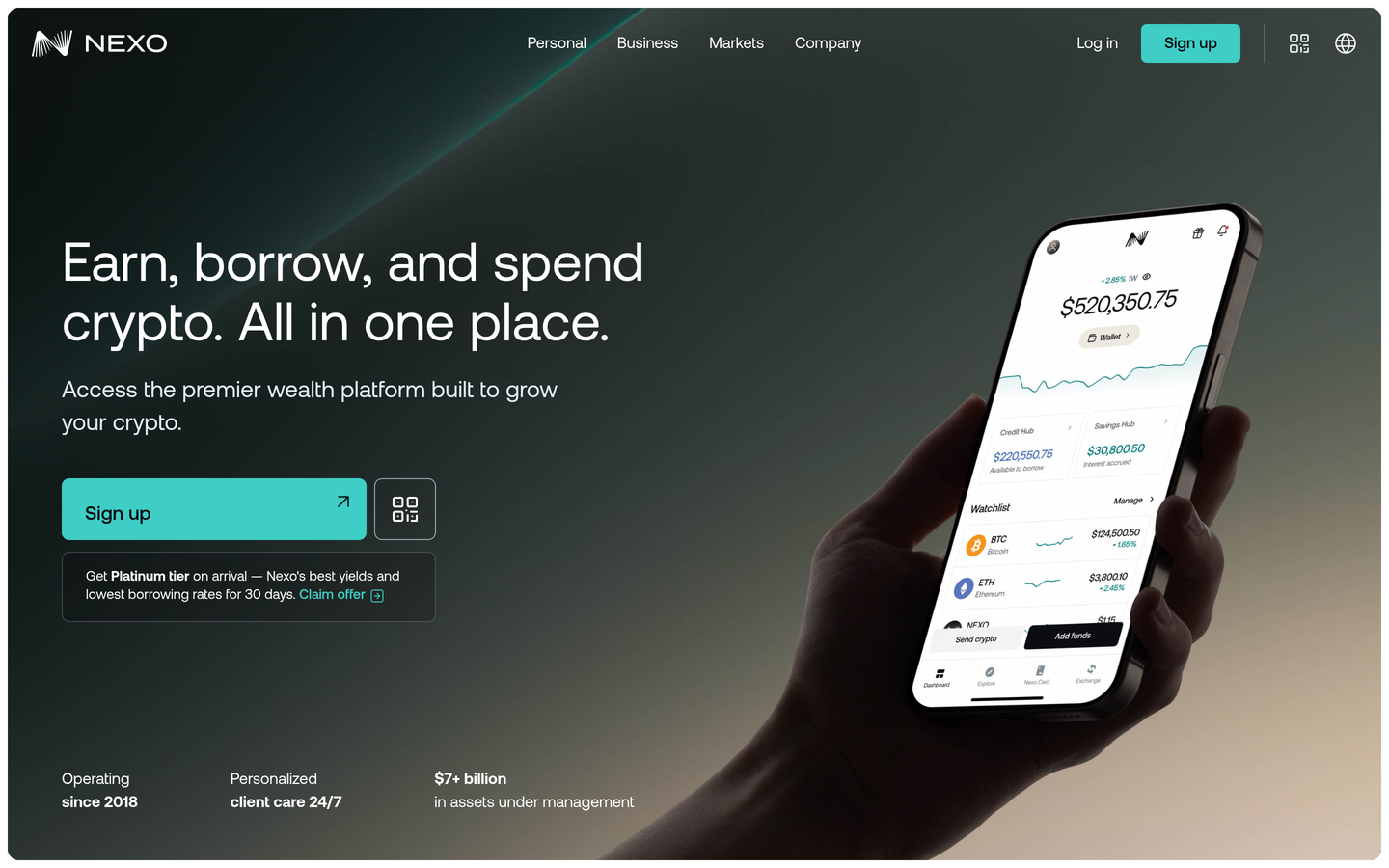
Nexo homepage, captured Nov 2026.
Nexo is a crypto lender that offers earning on more than 30 coins through its Earn product, inside the same account as its credit lines. Loyalty tiers raise yields, and rewards can be taken in NEXO tokens for a higher rate, with flexible terms on most coins.
The trade off is an unpublished staking commission. Nexo does not publish a fee for its Earn product, so the net yield cannot be compared with Lido or Coinbase, though its Trustpilot score is 4.4 out of 5. It suits Nexo users who want earning and borrowing in one account.
4.5/5on Trustpilot (27,749 reviews, checked Nov 2026)
PricingCustom/yr
Best Trustpilot score for staking
FeeNot published
Coins30+ stakeable
Reviews27,749
Free accountYes
uphold.com
Uphold homepage, captured Nov 2026.
Uphold is a multi-asset account that offers staking on more than 30 coins beside stocks, metals and currencies. It holds the highest Trustpilot score in this list at 4.5 out of 5 from 27,749 reviews, with weekly reward payouts.
The trade off is an unpublished commission. Uphold does not publish a staking fee, so the net yield cannot be compared with Lido's 10% or Coinbase's 35%. It suits users who want staking beside stocks and metals in one account.
1.4/5on Trustpilot (1,400 reviews, checked Nov 2026)
PricingCustom/yr
Best for regulated US staking
FeeNot published
CoinsETH, SOL, more
CustodyNYDFS trust
Free accountYes
gemini.com
Gemini homepage, captured Nov 2026.
Gemini is a New York trust-chartered exchange that offers staking on ETH, SOL and other coins, with institutional-grade custody. Staking sits beside spot trading and the Gemini credit card in the same account.
The trade off is an unpublished commission and a low Trustpilot score. Gemini does not publish a staking fee, and it scores 1.4 out of 5 from more than 1,400 reviews. It suits US traders who prioritise a regulated trust charter over the best net yield.
2.5/5on Trustpilot (1,794 reviews, checked Nov 2026)
PricingCustom/yr
Best for OKX Earn staking
FeeNot published
Coins30+ stakeable
ProductsEarn, DeFi, on-chain
Free accountYes
okx.com
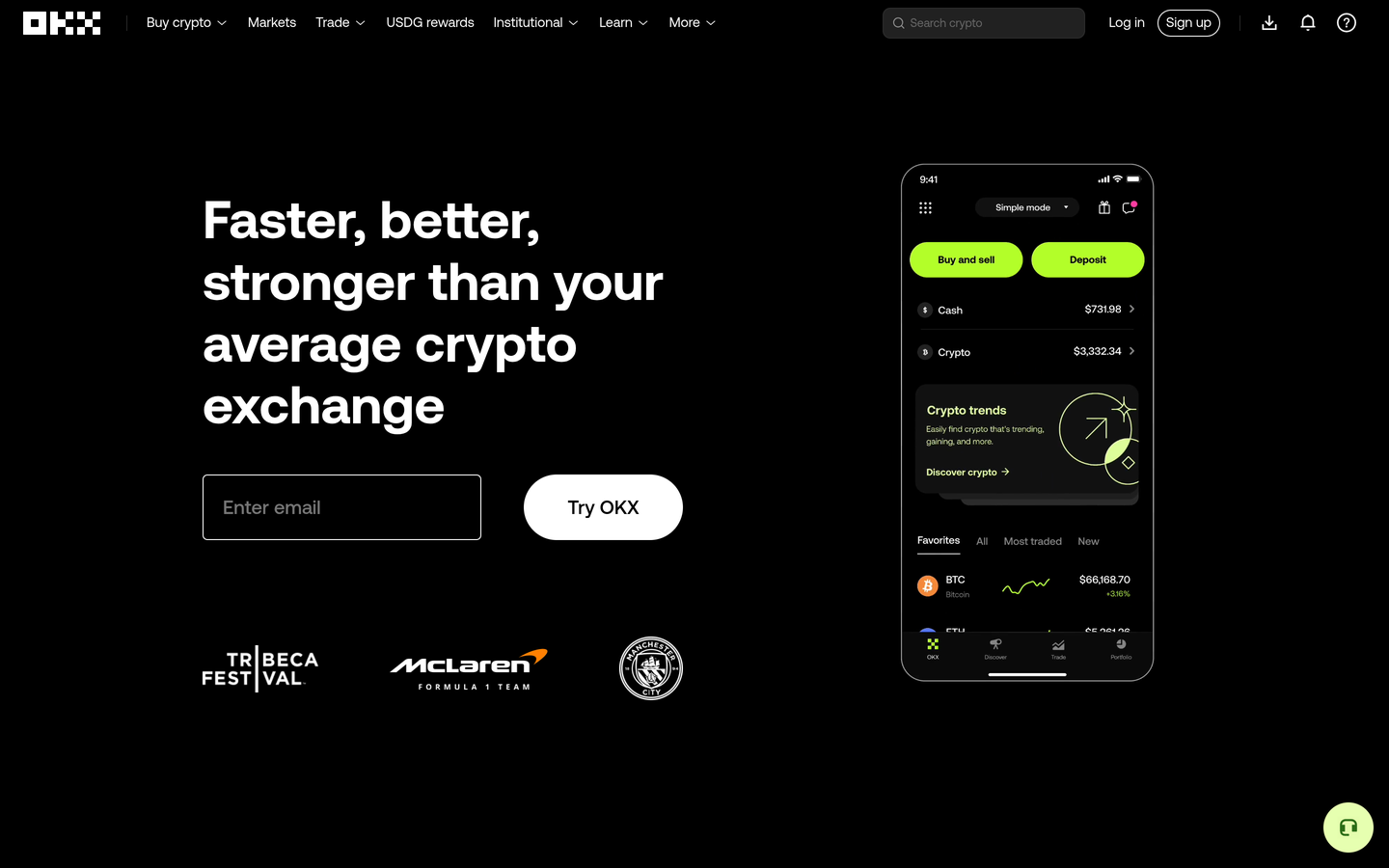
OKX homepage, captured Nov 2026.
OKX is a global exchange that runs staking through its Earn product, with more than 30 stakeable coins and on-chain and DeFi options beside simple staking. It sits inside the same account as spot, futures and options, so one balance covers every product.
The trade off is an unpublished commission. OKX does not publish a staking fee, so the net yield cannot be compared with Lido's 10%, and Trustpilot scores it 2.5 out of 5. It suits OKX users who want staking beside derivatives.
Network rate is what the blockchain pays, before any platform takes a cut. A 2.5% network rate on ETH sounds good until a 35% commission leaves 1.6% net, while a 10% commission leaves about 2.2% net on the same rate.
Commission is charged on rewards, not on the staked amount. A 35% commission does not take 35% of your coins; it takes 35% of the rewards earned. That still makes it the largest cost in staking.
Yields change with network conditions. More validators means lower rewards per validator, and ETH yields have fallen as staking has grown. Compare current net yields, not rates quoted months ago.
How we chose
We started from staking platforms with a live product, a published commission and a G2, Capterra or Trustpilot profile, then ranked them on net yield, coins supported and review score.
Commission and yield figures come from each platform's own pages or a November 2026 comparison of published rates, and ratings come from Trustpilot or Capterra on 25 November 2026.
We left out platforms without a verifiable rating, including Rocket Pool, whose Trustpilot score rests on one review. No vendor paid for a place, and we do not claim hands-on testing for this list.
How to choose a crypto staking platform
Compare the net yield, the lock-up and who holds your coins.
Compare the net yield, not the network rate. A 35% commission turns a 2.5% network rate into about 1.6% net, while a 10% commission leaves about 2.2% net. Ask for the net figure before staking.
Check the lock-up and unbonding period. Locked staking can tie coins up for days or weeks, while liquid staking tokens such as stETH can be sold at any time. Match the lock-up to how soon you might need the coins.
Check which coins you can stake. Kraken supports 23 or more assets and Binance more than 100, while Lido focuses on ETH and a few others. Stake where your coins already sit if the yield is close.
Check who holds your coins. Centralised exchanges hold your keys while you stake, while liquid staking tokens let you keep a tradeable token. Understand the custody risk before staking size.
FAQ
What is the best crypto staking platform?
Lido is the best crypto staking platform for ETH holders, charging a 10% fee on rewards with about 2.2% net annual yield and no lock-up. Coinbase suits US users who want simple staking, and Kraken suits traders who want many stakeable assets.
How much does Coinbase charge for staking?
Coinbase takes 35% of staking rewards as commission, the highest here. On a 2.5% ETH network rate that leaves about 1.6% net a year, while Lido's 10% commission leaves about 2.2% net on the same rate.
Is staking crypto safe?
Staking is not risk-free. Coins can be slashed if a validator misbehaves, yields change with network conditions, and locked stakes cannot be sold during a price fall. Choose a large, well-reviewed platform and stake only what you can leave locked.
What is the difference between staking and liquid staking?
Locked staking ties coins up for days or weeks while they earn rewards. Liquid staking, such as Lido's stETH, issues a tradeable token for staked ETH, so you can sell or use it in DeFi at any time while still earning rewards.
How much can I earn staking ETH?
ETH network yields run near 2.5% a year, and net yield depends on the platform's commission. Lido leaves about 2.2% net after its 10% fee, Coinbase leaves about 1.6% net after its 35% fee, and rates fall as more validators join.
Can I stake on Binance?
Yes. Binance supports more than 100 stakeable assets with commissions from 9.95% to 39.95% of rewards depending on the token. Locked and flexible options are available, and flexible staking lets you withdraw at any time.
SaaS SEO and WordPress specialist with about 8 years of experience. Rakib compares WordPress plugins, themes, hosting and software using public pricing, documentation and user reviews. See how we rank.