Best AI Tools for Research in 2026: 8 Tools Compared
WLWPLegible EditorsLast verified 22 Nov 2026How we rank8 min read
★ Short answer
Perplexity is the best AI tool for research, with fast cited answers and a Deep Research mode at $17 a month billed yearly. ChatGPT is the best all-rounder at $20 a month, while Consensus is the cheapest academic pick at $8.99 a month.
How we make this list: we compare pricing pages, product documentation and public user reviews, then re-check every price before each update. No product paid for a place. Disclosure.
Perplexity leads for cited web research at $17 a month billed yearly, rated 4.4 out of 5 on G2.
Consensus is the cheapest academic pick at $8.99 a month, with answers drawn from 200M+ peer-reviewed papers.
Elicit is the best systematic-review tool at $11 a user a month for academics, searching 138M+ papers.
Gemini Notebook is the cheapest source-grounded pick at $4.99 a month, answering only from your own documents.
What research needs from an AI tool
Research questions split into two kinds. Web questions need fast answers with citations. Academic questions need evidence from peer-reviewed papers, not general web text.
Perplexity, ChatGPT and Claude handle web research well, but their citations can be wrong, so every reference needs checking against the source.
Academic tools such as Consensus, Elicit and scite answer from papers and show how evidence stacks up. Consensus shows whether studies agree, while scite shows whether a paper has been supported or contradicted.
The cheapest stack is often free. Gemini Notebook answers from your own documents for $4.99 a month, while Consensus Premium is $8.99 a month for academic search.
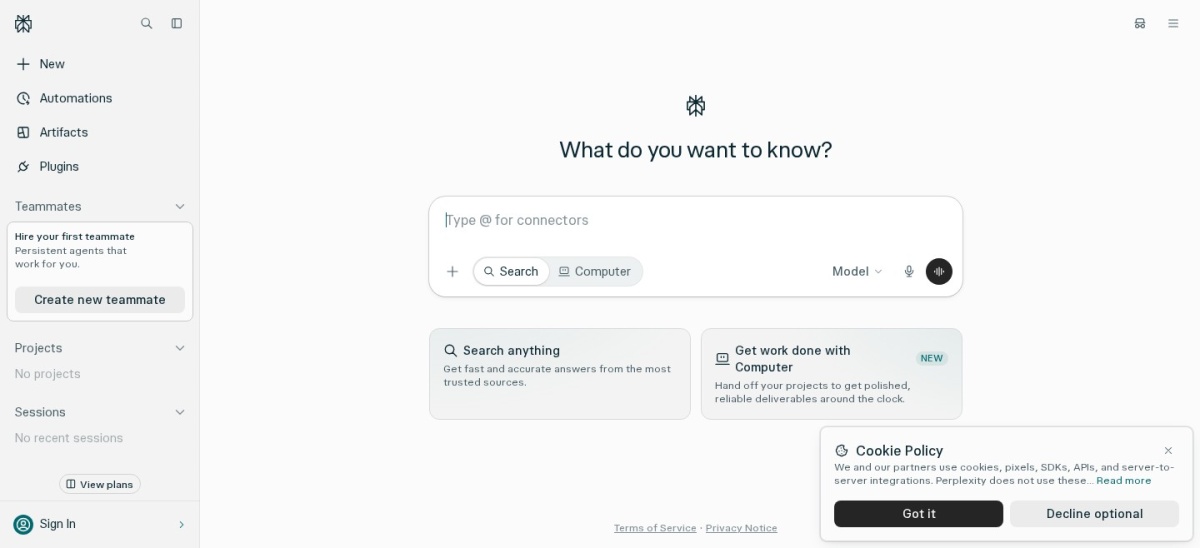
Perplexity is an answer engine with cited web answers and a Deep Research mode that runs multi-minute agentic reports. Pro at $17 a month billed yearly adds Deep Research, model selection across frontier models, file uploads and 400+ app connectors.
The trade off is citations can point to weak sources, and deep questions sometimes get shallow, confident answers. It suits anyone who wants fast cited answers plus deeper research in the same tool.
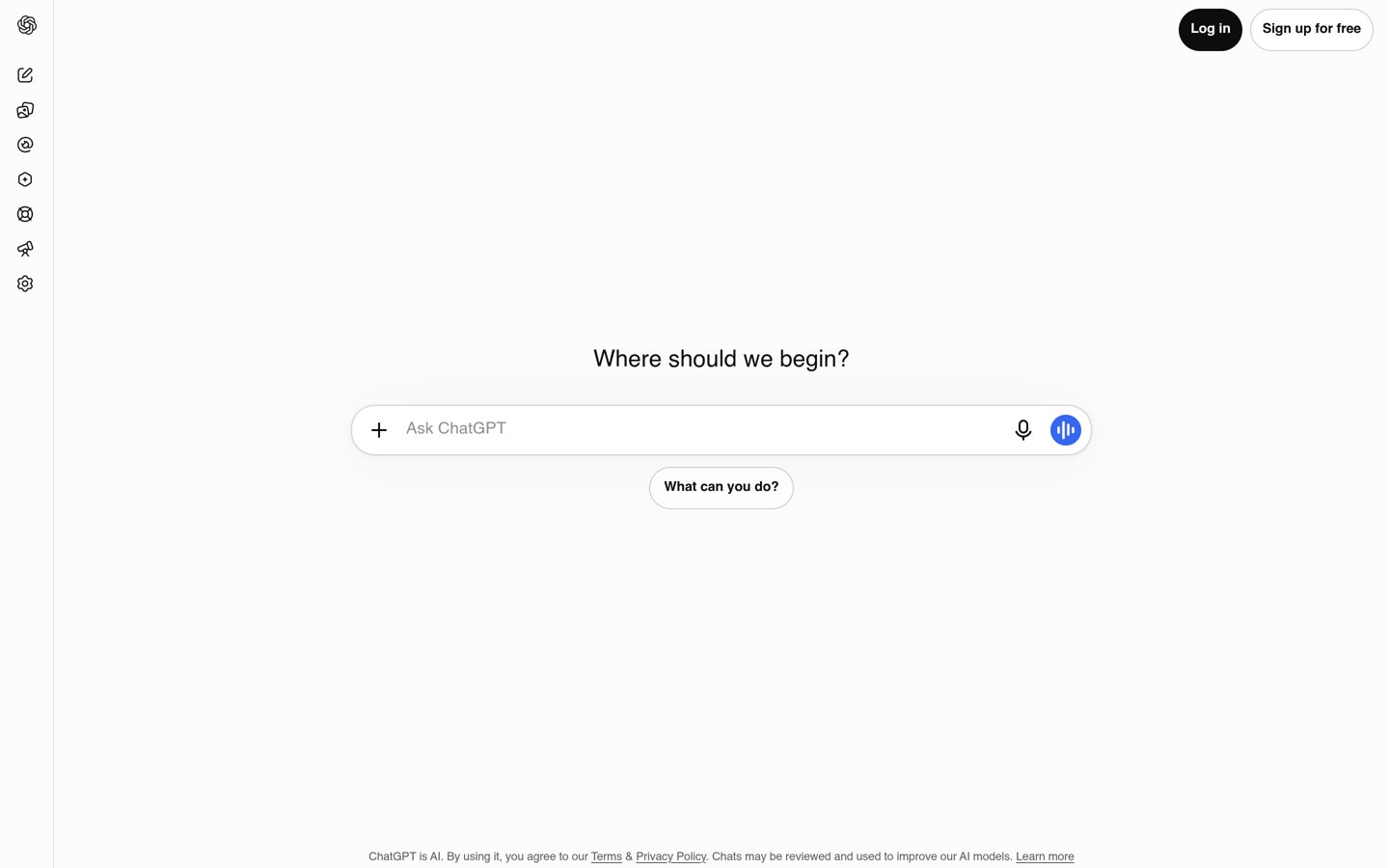
ChatGPT is a general-purpose AI assistant with Deep Research for long-form cited reports. Plus at $20 a month adds Deep Research mode, file and document analysis, data interpretation and writing assistance.
The trade off is citations can be incorrect or fabricated, so every reference needs verifying against the source. It suits researchers who want web research, documents, data and writing in one place.
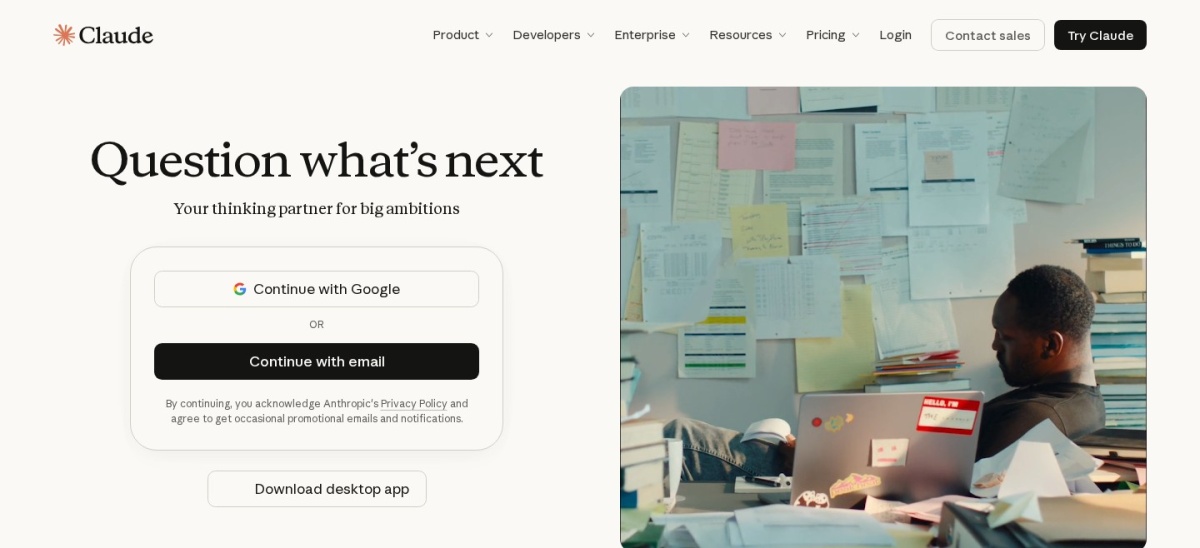
Claude is an AI assistant for research synthesis, long-document analysis and careful long-form writing. Pro at $17 a month billed yearly adds Research mode, long-context handling of entire PDFs and reports, and Projects.
The trade off is usage limits are strict, and its live web search depth does not match Perplexity. It suits researchers synthesising dense, technical material into clear writing.
Consensus is an AI search engine that answers research questions with evidence from peer-reviewed papers. Premium at $8.99 a month adds unlimited AI-powered searches, a Consensus Meter showing yes, no or mixed evidence, and Study Snapshots.
The trade off is Premium has no Deep Search, which needs the $15 a month Pro tier, and it covers published papers only. It suits anyone who wants answers drawn from peer-reviewed literature with citations.
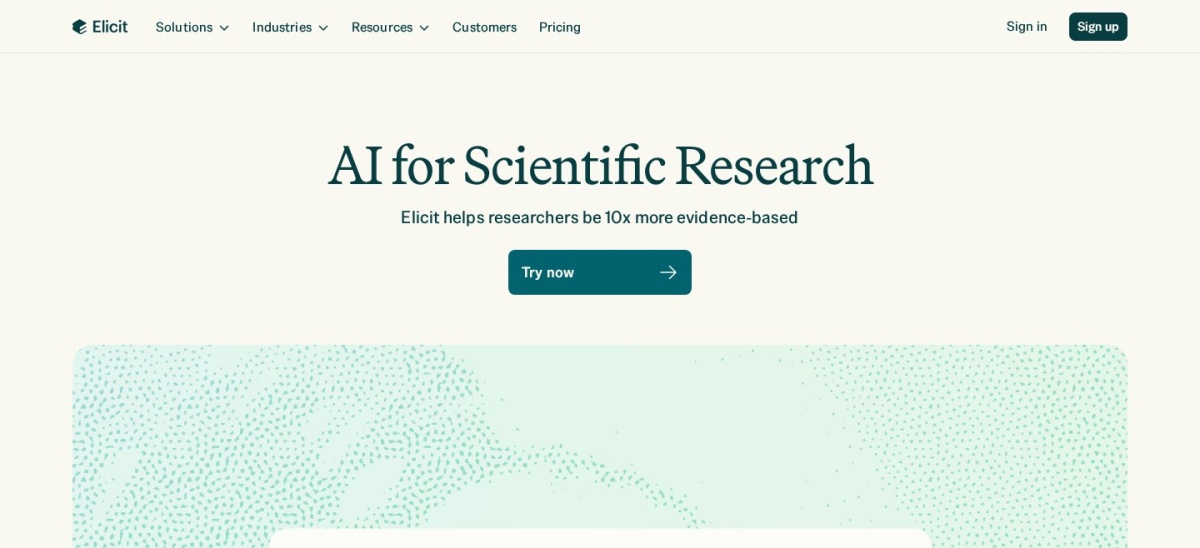
Elicit is an AI research assistant that searches academic literature, extracts structured evidence and builds systematic-review tables. Plus at $11 per user a month billed yearly for academics adds search across 138M+ papers, structured extraction tables and exports to RIS, CSV and PDF.
The trade off is Plus is academic pricing only, and industry users start at Pro at $49 a month billed yearly. It suits researchers running systematic reviews with structured evidence extraction.
scite is a citation-analysis tool that classifies how papers cite each other, as supporting, contrasting or mentioning. It covers Smart Citations over 1.6B+ citation statements, citation context for every citing paper, and reference checks and dashboards.
The trade off is its G2 review base is very small at 27 reviews, and it verifies citations rather than discovering or writing. It suits researchers who want to check whether a paper's findings have held up over time.
SciSpace is an AI research platform for reading, explaining and summarising academic PDFs, with literature search and writing support. Premium at $12 a month billed yearly adds an AI Copilot that explains equations and methods, literature search across 280M+ papers and data-table extraction.
The trade off is the best-value tools need the annual plan, and the money-back guarantee covers only the first 24 hours. It suits researchers who need to understand a dense paper they already have.
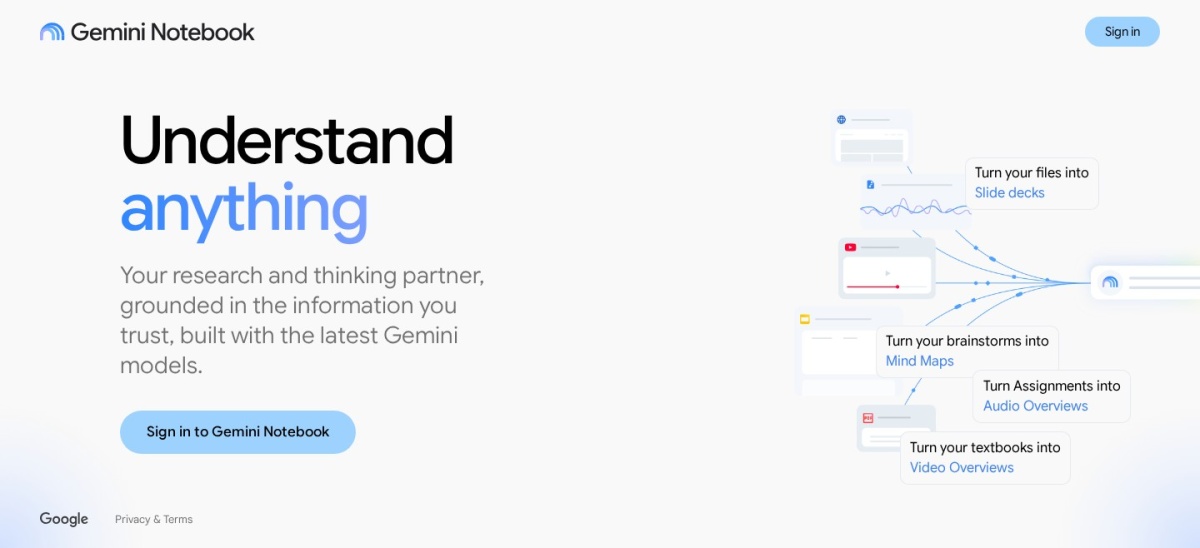
Gemini Notebook is a source-grounded research notebook, formerly NotebookLM, that answers questions and builds study aids only from documents you upload. Google AI Plus at $4.99 a month raises limits, and Pro at $19.99 a month adds 300 sources per notebook, Audio Overviews and Video Overviews.
The trade off is there is no standalone paid tier, since higher limits come only through Google AI subscriptions. It suits researchers who want answers grounded in their own sources, reducing hallucination risk.
A fast answer with a wrong citation is worse than a slow answer with a right one.
Perplexity and ChatGPT both cite sources, but both can cite weak or invented references.
Check the citation itself, not just the claim. Open the paper or page and confirm it says what the tool claims.
For academic work, use Consensus or scite to check whether the evidence actually supports the claim.
How we chose
We started from research-tool roundups and vendor sites, then kept tools with a real research use case: cited web answers, academic paper search, citation checking, or source-grounded synthesis.
Prices come from each vendor pricing page, checked on 22 November 2026. Ratings come from G2, Capterra or Trustpilot on the same day, where a rating was published. Where a vendor shows a sale, the list shows the regular price.
We left out tools with no published price or no public review record where a priced alternative existed. No vendor paid for a place, and this list is based on pricing, docs and reviews, not on using the tools ourselves.
How to choose an AI research tool
Start with the kind of question you ask most, then check whether the answers carry citations you can verify.
Name the question type first. Web questions, academic questions and document questions need different tools. Pick the one you ask most.
Check the citations. Open a sample citation and confirm it supports the claim. A tool that cites weak sources will cost you time later.
Start with the free tier. Most tools here have a free tier. Use it to test citation quality before paying.
Pair a finder with a checker. Use Perplexity or Elicit to find material, then Consensus or scite to check whether the evidence holds up.
FAQ
What is the best AI tool for research?
Perplexity is the best AI tool for research, with fast cited answers and a Deep Research mode at $17 a month billed yearly. ChatGPT is the best all-rounder at $20 a month, with Deep Research reports and document analysis.
Can AI do academic research?
Yes, with limits. Consensus and Elicit search peer-reviewed papers and cite them, while scite checks whether findings have held up. They help with discovery and synthesis, but they cannot replace reading the papers yourself.
Is Perplexity better than ChatGPT for research?
Perplexity is better for fast cited web answers, since every answer shows its sources. ChatGPT is better for long-form Deep Research reports, document analysis and writing. Many researchers use both, Perplexity for answers and ChatGPT for reports.
What is the cheapest AI research tool?
Gemini Notebook is the cheapest paid pick at $4.99 a month for higher limits, and Consensus Premium is $8.99 a month for academic search. Several tools also have free tiers for basic research.
Can I trust AI citations?
Not blindly. AI tools can cite weak sources or invent references, even when the answer sounds confident. Open each citation and confirm it supports the claim before you rely on it in your own work.
Which tool is best for systematic reviews?
Elicit is the best pick for systematic reviews, at $11 a user a month for academics. It searches 138M+ papers, screens up to 40,000 papers and builds structured evidence tables that export to reference managers.