WLWPLegible EditorsLast verified 24 Nov 2026How we rank11 min read
★ Short answer
Routific is the best courier app for most small fleets, with a free plan to 100 orders a month and a flat $150 plan for 1,000 orders with unlimited drivers. Pick Onfleet for high-volume dispatch and OptimoRoute for per-driver routing.
How we make this list: we compare pricing pages, product documentation and public user reviews, then re-check every price before each update. No product paid for a place. Disclosure.
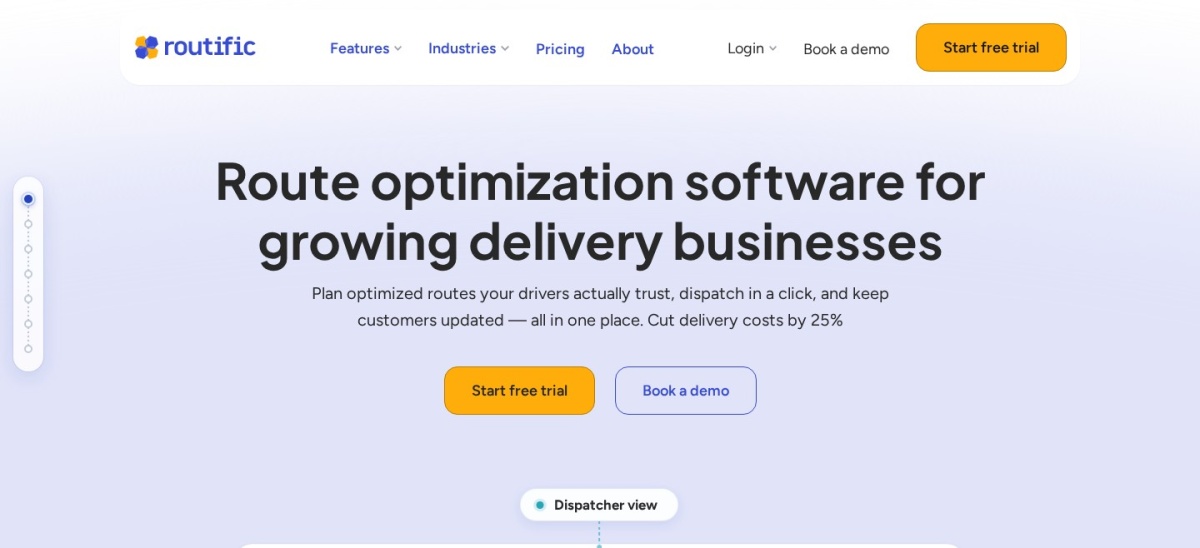
Routific is the easiest courier app to price, with a free plan to 100 orders a month and one flat $150 plan after that.
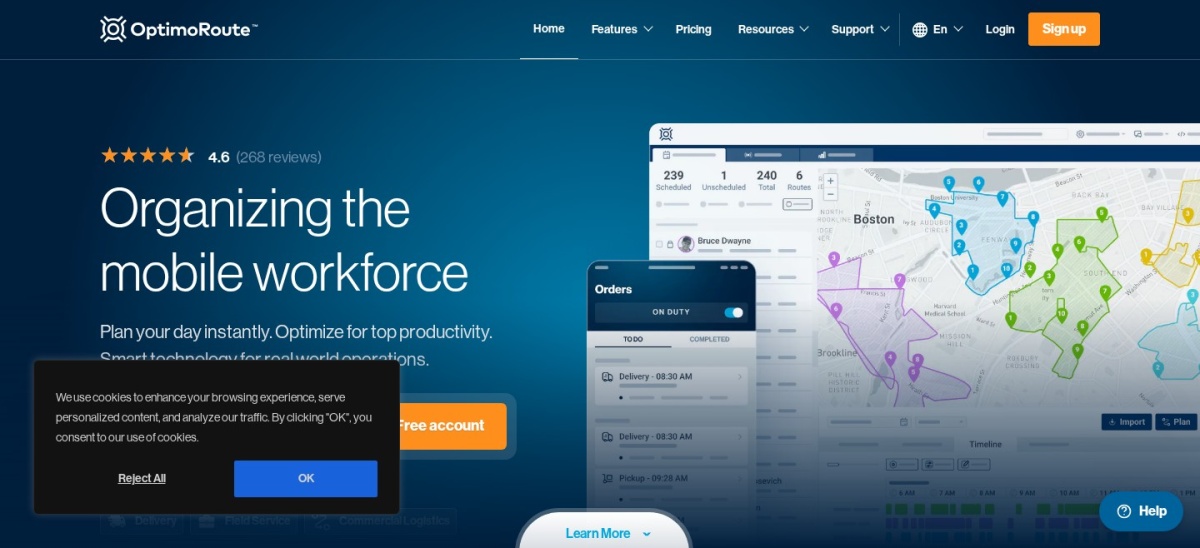
OptimoRoute costs $35.10 per driver per month billed annually, the cheapest per-driver price in this list.
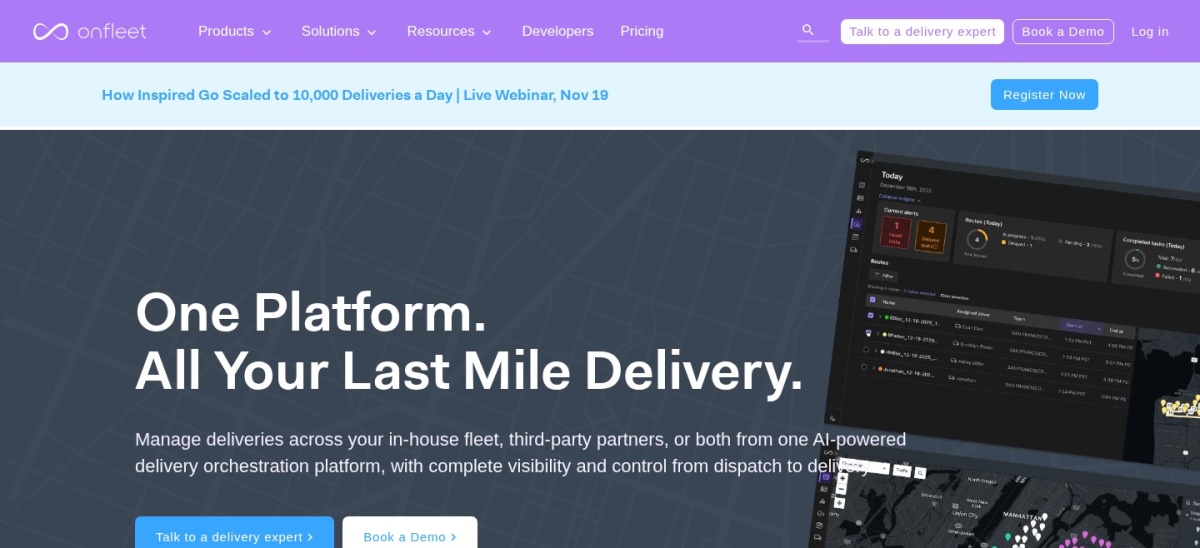
Onfleet starts at $619 a month for 2,500 tasks, so it only makes sense once you run thousands of deliveries monthly.
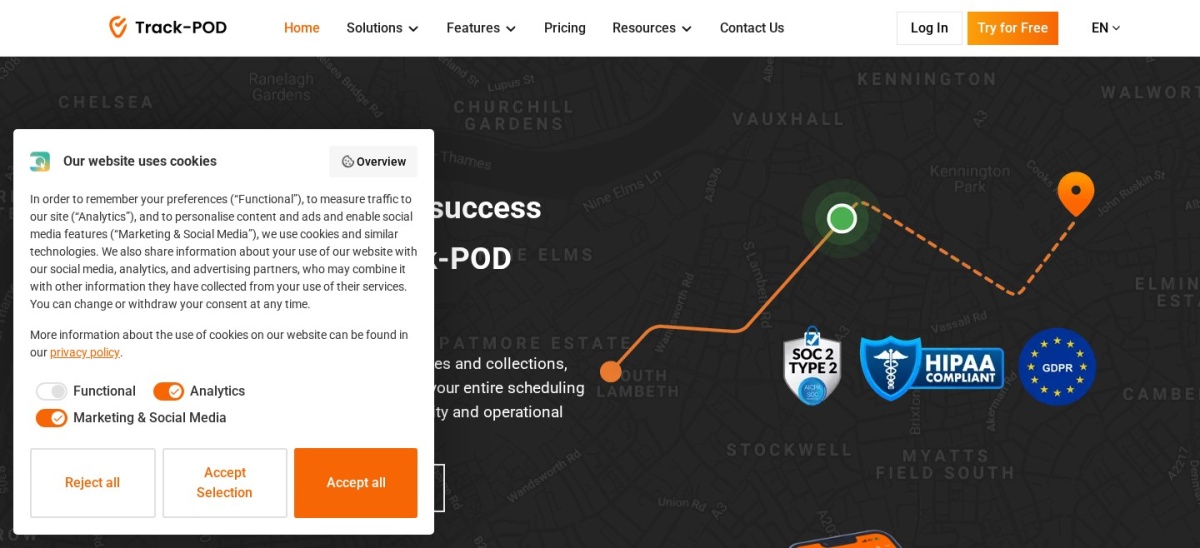
Track-POD costs $49 per driver per month billed annually and suits teams that live on proof of delivery.
Shipday is free to 300 orders a month, the most generous free tier here, with paid plans from $29 a month.
What a courier app should do
A courier app plans routes, dispatches drivers, tracks deliveries live and collects proof of delivery. The best tools cover the whole job from the morning route plan to the customer's signature at the door.
Pricing follows three models. Routific charges a flat monthly rate per order band, OptimoRoute and Upper charge per driver, and Spoke charges per stop delivered, so the cheapest tool depends on your fleet shape.
Proof of delivery is the feature that separates courier apps from simple route planners. Photo, signature and barcode capture, offline mode and customer notifications matter more than raw route optimisation once you run real deliveries.
Free tiers are genuinely useful here. Routific is free to 100 orders a month and Shipday to 300, so a small fleet can run for weeks before paying anything. Our guide to the best dispatch software covers the wider dispatch market.
Routific is a route optimisation platform for delivery businesses that want one flat price. The free plan covers up to 100 orders a month, and the paid plan costs $150 a month for 1,000 orders with unlimited drivers, live GPS tracking and proof of delivery.
The trade off is scale. One flat plan means no per-driver fees, but larger fleets outgrow the 1,000-order band and need a custom price. It suits small delivery businesses that want a simple price and fast route building.
OptimoRoute is a focused route planner priced per driver, with multi-day planning, driver schedules and analytics. Lite costs $35.10 per driver per month billed annually, or $39 monthly, and covers route optimisation, live tracking, the driver app and API access.
The trade off is the per-driver bill. A growing fleet pays for every driver, so a 20-driver team pays over $700 a month on Lite. It suits small delivery and field service teams with a stable driver count.
Onfleet is a last-mile delivery platform built for operations counting thousands of deliveries a month. Launch costs $619 a month for 2,500 tasks and includes basic route optimisation, proof of delivery, branded customer tracking and API access, with unlimited users.
The trade off is the entry price. At $619 a month Onfleet costs four times Routific, and advanced route optimisation waits for Scale at $1,349 a month. It suits high-volume operations that need routing, dispatch and tracking for many users.
Track-POD is a proof-of-delivery platform for courier teams that need airtight delivery records. It costs $49 per driver per month billed annually with a 3-driver minimum, and offers customisable ePOD templates, offline capture and recipient notifications.
The trade off is the minimum and the interface. Three drivers is the floor, and reviewers say the interface takes time to learn. It suits Shopify and WooCommerce stores that run their own drivers.
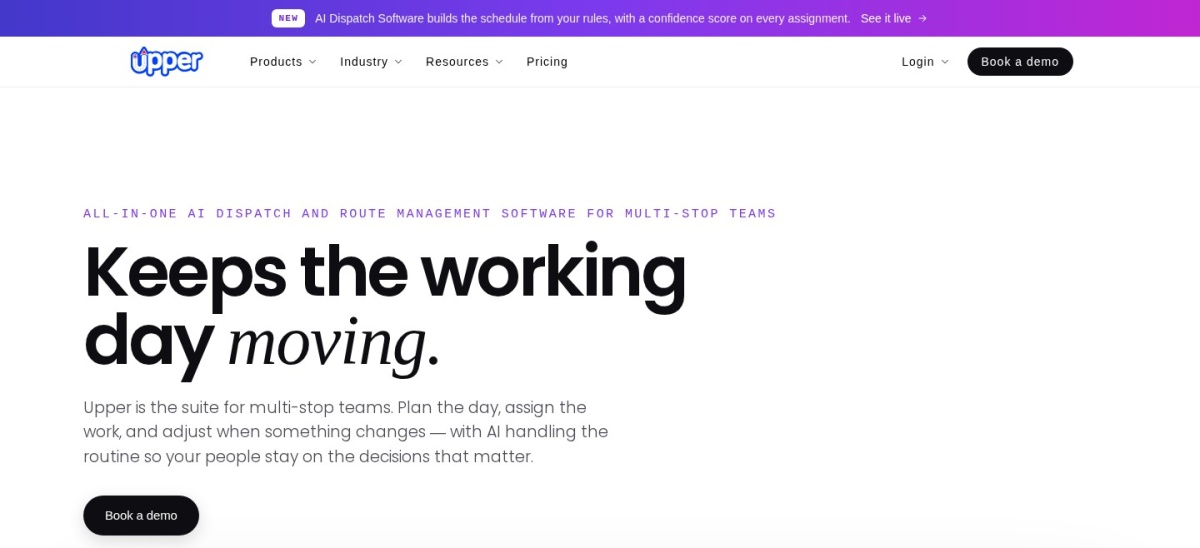
Upper is a route planner for small delivery teams that want unlimited stops for a flat per-user price. Starter costs $40 per user per month billed annually, with route optimisation, live tracking and proof of delivery, and no task caps or overage fees.
The trade off is the user floor and the thin review base. Starter needs a 3-user minimum, and its 4.8 G2 rating rests on only 11 reviews. It suits lightweight last-mile teams that plan routes fast each morning.
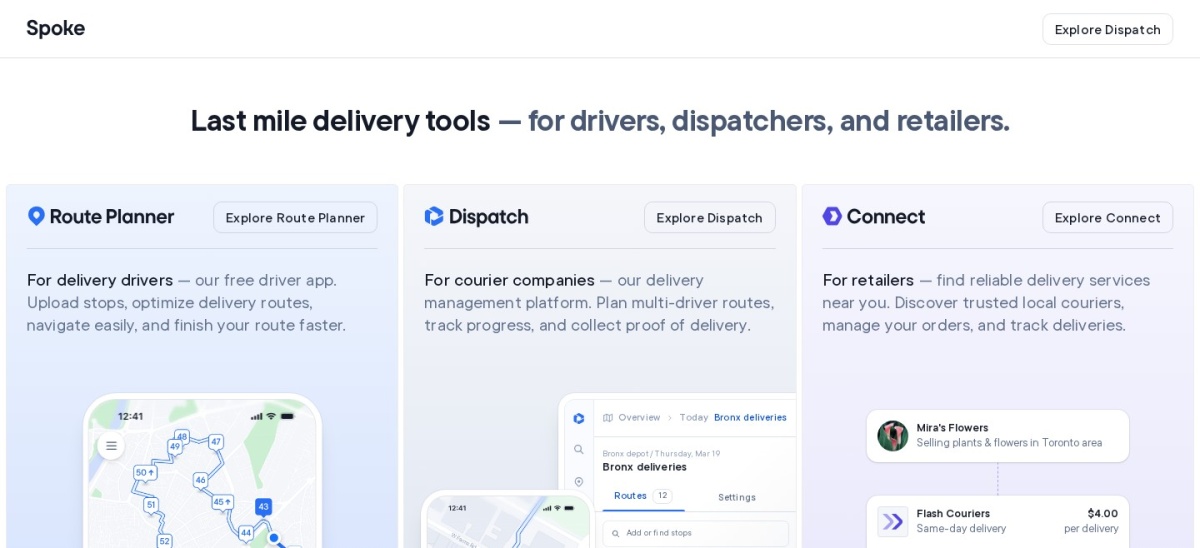
Spoke Dispatch is a courier platform that prices by stops delivered rather than by drivers. Formerly Circuit for Teams, its Starter plan Starter costs $125 a month for 1,000 stops, and the solo driver app is free for 10 stops per route.
The trade off is unpredictable billing. Seasonal surges cost more per stop, so a busy month can surprise a small team. It suits courier companies whose driver count changes from week to week.
What we like
Pay by stop, not by driver
Free solo app for individual couriers
Per-client proof of delivery and barcode custody
Watch out for
Stop-based billing can surge
Rebranded from Circuit, which confuses some buyers
Route4Me is a route optimisation platform for courier and field-service teams with complex routing rules. It adds territory management, geofencing audit trails, scan-to-load depot checks and dynamic re-routing for large operations.
The trade off is pricing transparency. Route4Me publishes no list price and sells by quote, so budgeting needs a sales conversation. It suits large courier operations with territories and complex constraints.
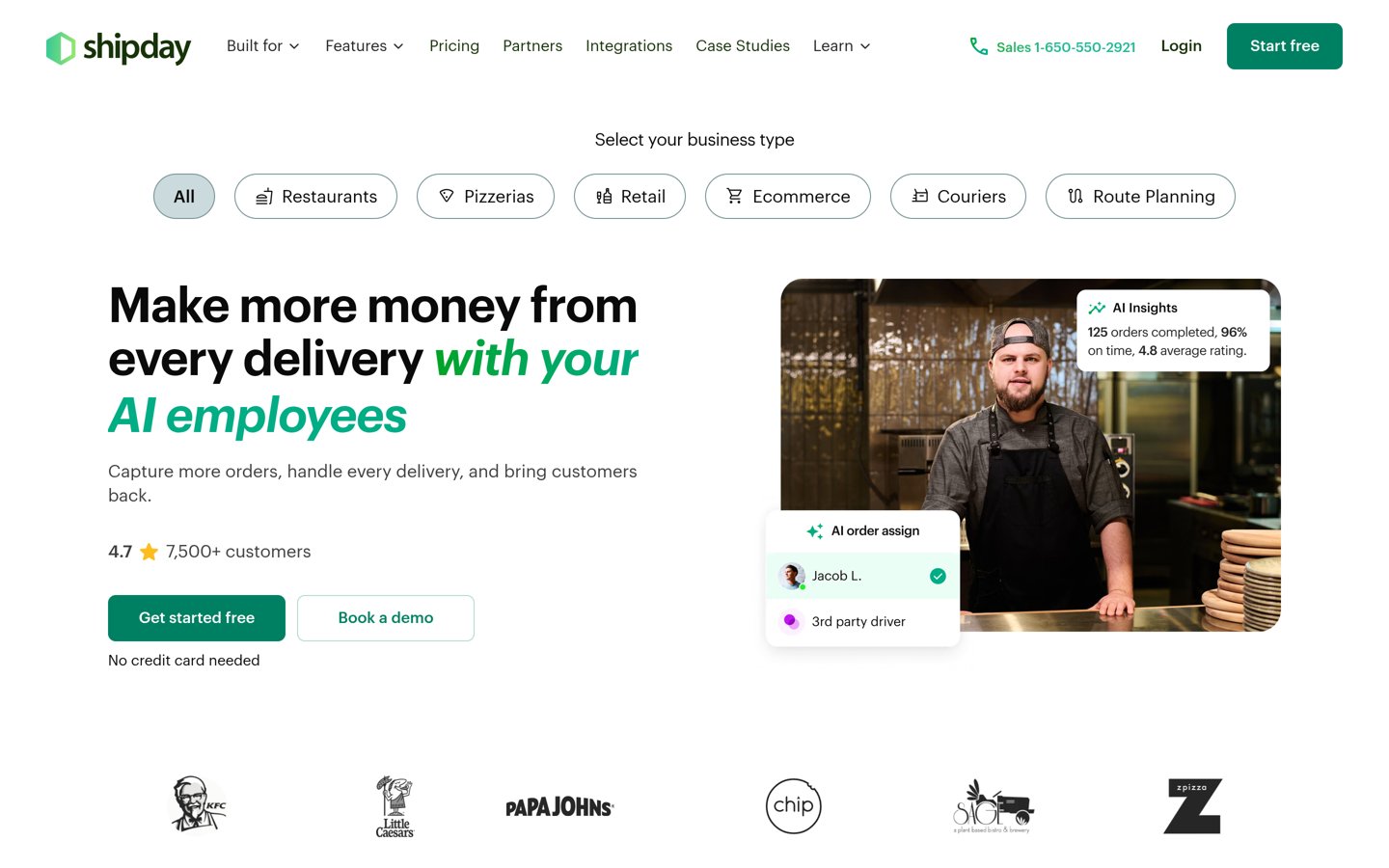
Shipday is a delivery platform for micro-fleets that mixes own drivers with gig overflow from DoorDash and Uber. It is free to 300 orders a month, with paid plans from $29 a month, and covers dispatch, tracking and proof of delivery.
The trade off is scale and review depth. Shipday suits small local operations, and its 4.7 Capterra rating rests on only 29 reviews. It suits restaurants and local shops running their own drivers plus gig overflow.
eLogii is an enterprise last-mile platform for operations needing deep customisation, multi-depot routing, rate cards for 3PLs and cash-on-delivery support. It handles complex delivery networks that simpler tools cannot model.
The trade off is the thin review base and the quote. eLogii has only 5 G2 reviews behind its 4.8 rating, and pricing is quoted with entry plans reported from $575 a month. It suits enterprise delivery operations with complex rules.
Flat pricing from Routific suits teams with a stable order count, since the bill does not move when you add drivers. The risk is outgrowing the order band and needing a custom price.
Per-driver pricing from OptimoRoute and Upper suits teams with a fixed driver roster, since the bill is predictable. The risk is paying for drivers on quiet weeks.
Per-stop pricing from Spoke suits teams whose driver count changes weekly, since seasonal staff cost nothing extra. The risk is a surge month producing a surprise bill.
How we chose
We started from the courier and last-mile delivery apps most often shortlisted by delivery businesses, then kept the nine with a real delivery product and a verifiable G2 or Capterra rating.
Prices come from each vendor's pricing page or published plan, checked on 24 November 2026. Ratings and review counts come from G2 or Capterra, as reported in October and November 2026 comparisons. Where a vendor sells by quote, the list says so instead of guessing a number.
We left out pure route planners without dispatch or proof of delivery, and tools without a verifiable rating. No vendor paid for a place, and we do not claim hands-on testing for this list.
How to choose a courier app
Start with your order volume and driver count, then match the pricing model.
Count orders and drivers for a typical month. Flat pricing suits stable order counts, per-driver suits fixed rosters, and per-stop suits changing driver counts.
Check proof of delivery depth. Photo, signature and barcode capture matter more than route speed once you handle customer disputes.
Test the driver app in the field. Offline capture, turn-by-turn navigation and battery use decide whether drivers actually use the tool.
Run the free tier on real routes. Routific and Shipday both offer free tiers, so run a week of real deliveries before paying.
FAQ
What is the best courier app?
Routific is the best pick for most small fleets, with a free plan to 100 orders a month and a flat $150 plan after that. Onfleet suits high-volume dispatch at $619 a month, and OptimoRoute suits per-driver routing from $35.10 a driver per month.
How much does a courier app cost?
Prices here run from free to $619 a month. Shipday is free to 300 orders a month, Routific costs $150 a month flat, OptimoRoute costs $35.10 per driver per month billed annually, and Onfleet starts at $619 a month for 2,500 tasks.
What is the difference between Routific and Onfleet?
Routific is a route optimiser with a flat $150 a month price and unlimited drivers, built for small fleets. Onfleet is a full last-mile platform with dispatch, tracking and proof of delivery from $619 a month, built for high-volume operations.
Do courier apps work offline?
The better ones do. Track-POD, Spoke and Onfleet all offer offline capture for proof of delivery, so drivers can collect signatures and photos in dead zones and sync later.
Can a courier app handle gig drivers?
Yes, on the right tool. Shipday mixes own drivers with gig overflow from DoorDash and Uber, while Spoke prices by stop so seasonal and subcontracted drivers cost nothing extra to add.
Which courier app has the best free plan?
Shipday has the most generous free tier here at 300 orders a month, followed by Routific at 100 orders a month. Both include proof of delivery, so a small fleet can run real deliveries for weeks before paying.