Google Drive is the best cloud storage app for most people, with 15 GB free and 100 GB at 1 dollar 99 a month, plus the best Docs collaboration. Dropbox has the best sync, while OneDrive is the best value for Office users.
How we make this list: we compare pricing pages, product documentation and public user reviews, then re-check every price before each update. No product paid for a place. Disclosure.
Google Drive is the best cloud storage app for most people, with 15 GB free and 100 GB at $1.99 a month.
Dropbox has the best sync at $9.99 a month billed yearly for 2 TB, but only 2 GB free.
OneDrive is the best value for Office users, with 1 TB plus desktop Office apps for $99.99 a year.
pCloud lifetime at $399 for 2 TB beats every subscription after about three years.
Proton Drive, Sync.com and MEGA are zero-knowledge, so the company cannot read your files.
What a cloud storage app has to do
Cloud storage apps differ less on price than on ecosystem. Google Drive, OneDrive and iCloud win when you already live in their apps, while Dropbox, pCloud and MEGA win as independent services that work the same everywhere.
The 2 TB price clusters tightly: Google Drive, OneDrive and iCloud all sit at $9.99 a month, while Dropbox Plus costs $9.99 billed annually. Over three years, pCloud lifetime at $399 for 2 TB beats every subscription.
Free tiers range from 2 GB on Dropbox to 20 GB on MEGA, and the free allowance is the real test for casual users. Most people fit in 100 to 200 GB once photos and backups are counted.
Privacy splits the list in two. Mainstream services hold the encryption keys and can access files under legal process, while zero-knowledge providers like Proton Drive, Sync.com and MEGA cannot.
List prices in each vendor's currency, checked Nov 2026
MEGAFREE€4.99
iCloud+FREE$12
Google DriveFREE$24
OneDriveFREE$24
Proton DriveFREE$48
pCloudFREE$50
BoxFREE$60
Sync.comFREE$96
DropboxFREE$120
The 9 best cloud storage apps
01
Google Drive
4.8/5on Capterra (28616 reviews, checked Nov 2026)
Paid from1.99/mo
Best cloud storage app overall
Free plan15 GB shared across Google
Cheapest planBasic, $1.99/mo
2 TB price$9.99 a month
CollaborationDocs, Sheets, Slides
drive.google.com
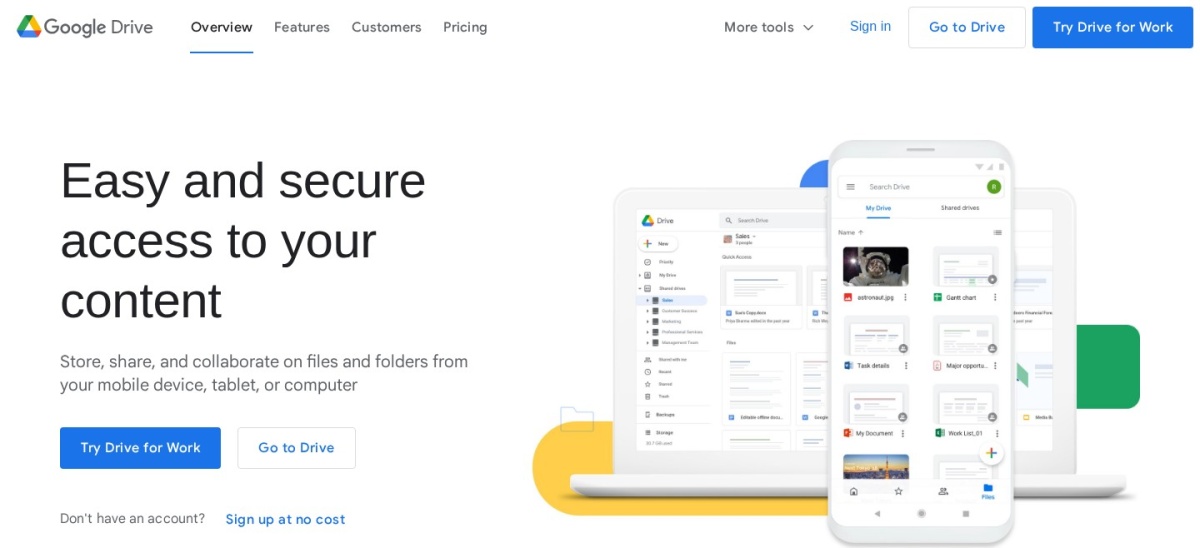
Google Drive homepage, captured Nov 2026.
Google Drive is a cloud storage service built into every Google account, with 15 GB free shared across Drive, Gmail and Photos, and paid plans from $1.99 a month for 100 GB. Docs, Sheets and Slides collaboration is the best in this list, and search finds text inside documents other services miss.
The trade off is the shared allowance. Gmail and Photos eat the same 15 GB, so heavy photo users hit the limit fast, and the desktop sync app uses more resources than Dropbox. It suits Google households that live in Gmail and Docs.
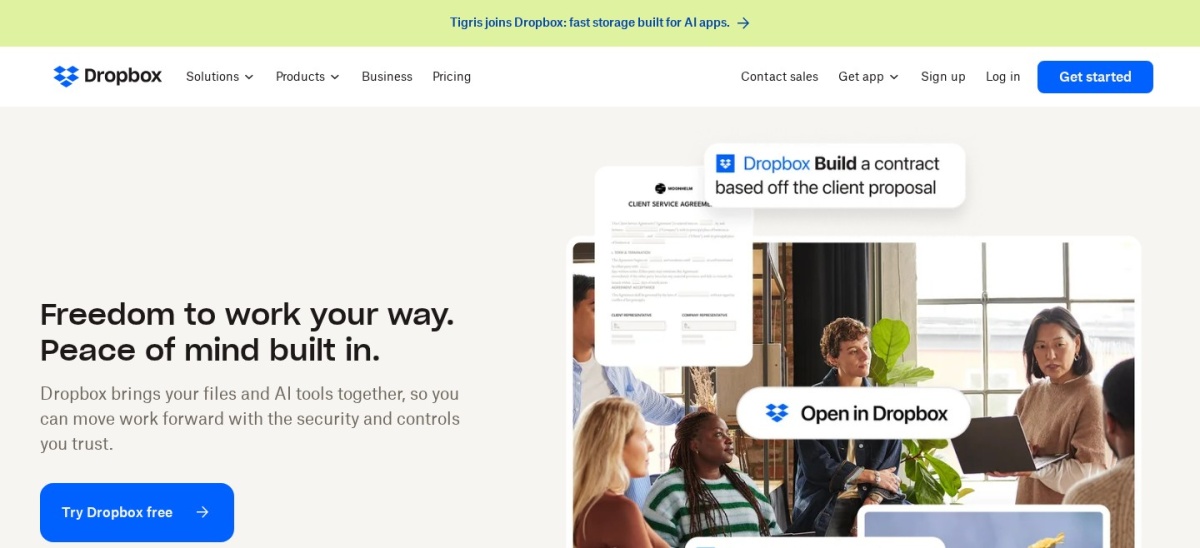
Dropbox is the original cloud sync service, still the fastest and most reliable at moving large files across devices, with block-level sync that uploads only changed parts of a file. Plus at $9.99 a month billed yearly covers 2 TB for one person, with transfer, PDF editing and signing included.
The trade off is the free tier and the privacy model. Free covers only 2 GB, and Dropbox holds the encryption keys, so it is not zero knowledge. It suits teams that move large files daily and need sync that simply works.
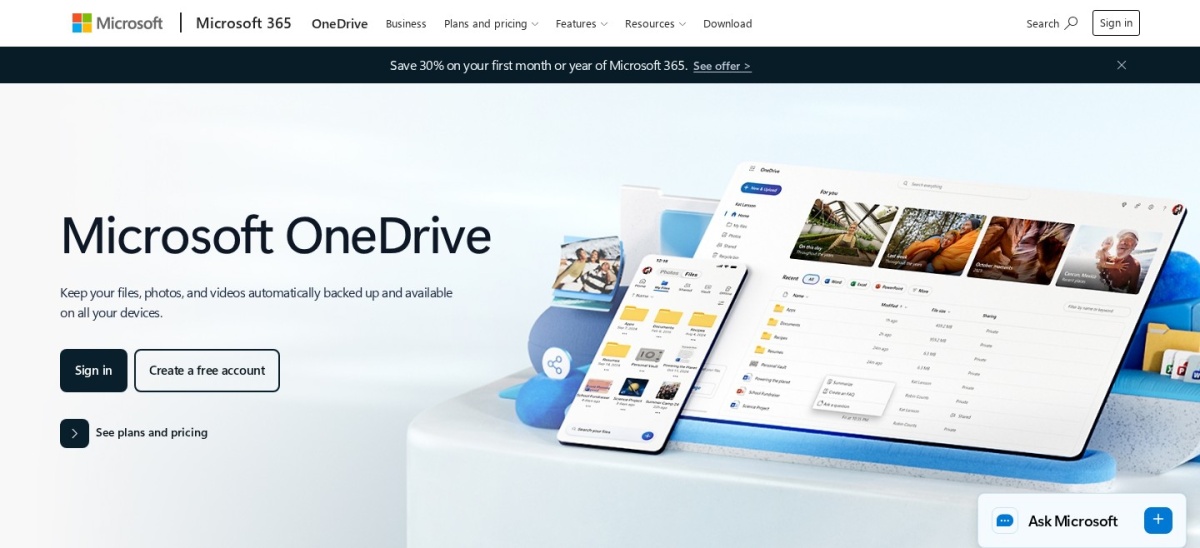
OneDrive is Microsoft's cloud storage, built into Windows with real-time co-editing in Word, Excel and PowerPoint, plus a Personal Vault and ransomware detection with file recovery. Basic at $1.99 a month covers 100 GB, and Microsoft 365 Personal bundles 1 TB with the desktop Office apps for $99.99 a year.
The trade off is the free tier and the keys. Free covers only 5 GB, and Microsoft holds the encryption keys, so it is not zero knowledge. It suits Windows and Office households that want storage and apps in one subscription.
iCloud+ is Apple's cloud storage, invisible across iPhone, iPad and Mac, with device backup, photo sync and app data moving without thought. Plans start at $0.99 a month for 50 GB, with 200 GB at $2.99 and 2 TB at $9.99, plus family sharing for up to six people.
The trade off is the thin rating base and the Windows experience. Its G2 score of 4.4 rests on only three reviews, and the free tier is just 5 GB. It suits Apple-only households that want backup to simply happen.
pCloud is a cloud storage service with the only mainstream lifetime option in this list: $199 once for 500 GB, or $399 for 2 TB, which beats subscriptions after about three years. The annual Premium plan costs $49.99 a year for 500 GB, and the free tier offers up to 10 GB.
The trade off is the encryption add-on. Zero-knowledge encryption costs extra on pCloud, unlike Proton or Sync where it is default, and the collaboration suite is smaller than Google or Microsoft. It suits buyers who would rather pay once than subscribe forever.
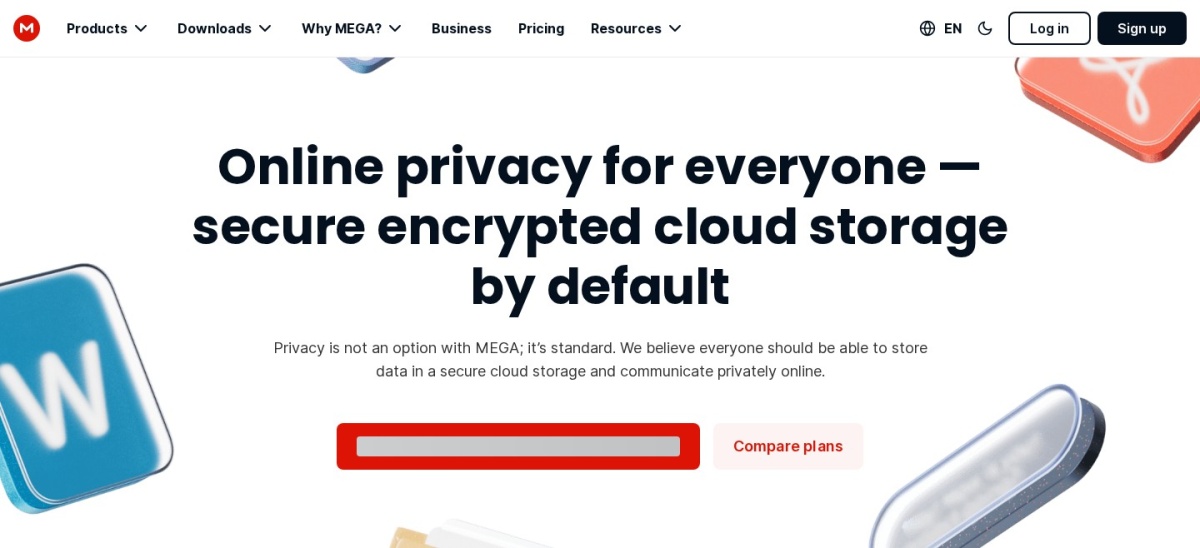
MEGA is an encrypted cloud storage service with the biggest free encrypted tier in this list at 20 GB, and end-to-end encryption by default on every file. Paid plans start at 4.99 euros a month for 400 GB, with 2 TB at 99.99 euros a year, which makes it one of the cheapest large storage options.
The trade off is the currency and the polish. Prices are charged in euros, so the dollar cost moves with exchange rates, and the interface and collaboration tools trail Dropbox and Google. It suits privacy-conscious users who want a large free tier.
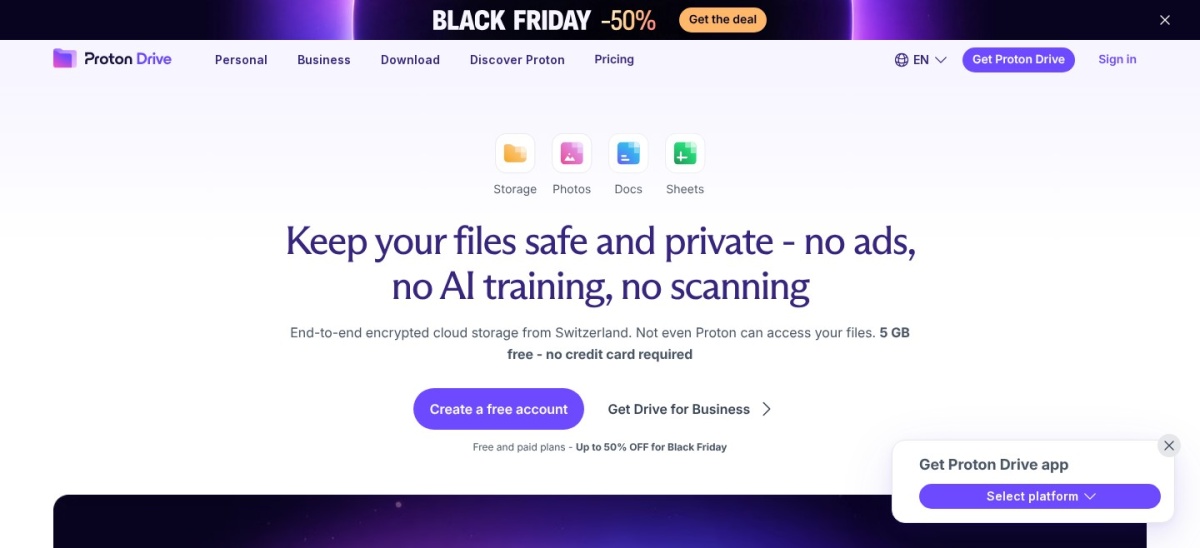
Proton Drive is the privacy pick from the makers of Proton Mail, with end-to-end, zero-access encryption covering files and folder names, and servers in Switzerland. Drive Plus at 200 GB costs $3.99 a month billed annually, and the free plan includes 5 GB plus an online document and spreadsheet editor.
The trade off is the free tier and the caps. Free covers only 5 GB, Linux users get a command-line tool rather than a full app, and storage caps trail Google and Dropbox at the top end. It suits users who treat privacy as the first requirement.
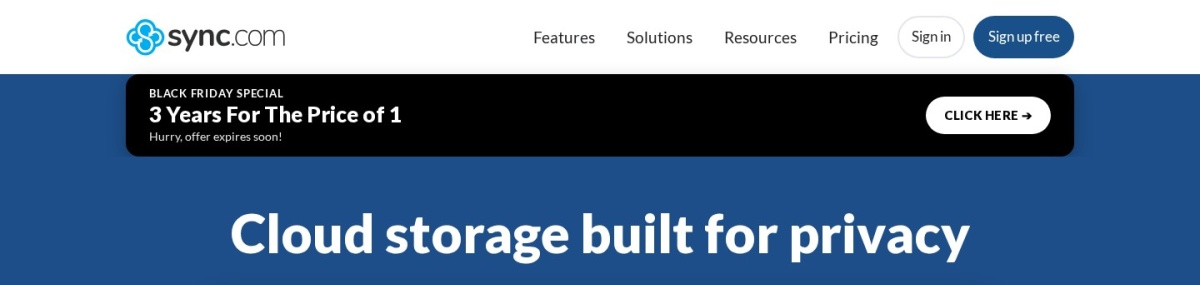
Sync.com is a cloud storage service for professionals who share files with clients under privacy rules, with zero-knowledge encryption by default and strong sharing controls. Teams 1TB costs $8 per user a month, with a 3-user minimum, and the free tier gives 5 GB.
The trade off is the team-only pricing and the speed. The pricing page now shows only Teams plans, and sync speed on very large files trails Dropbox. It suits solo professionals and small firms that need client sharing with real privacy.
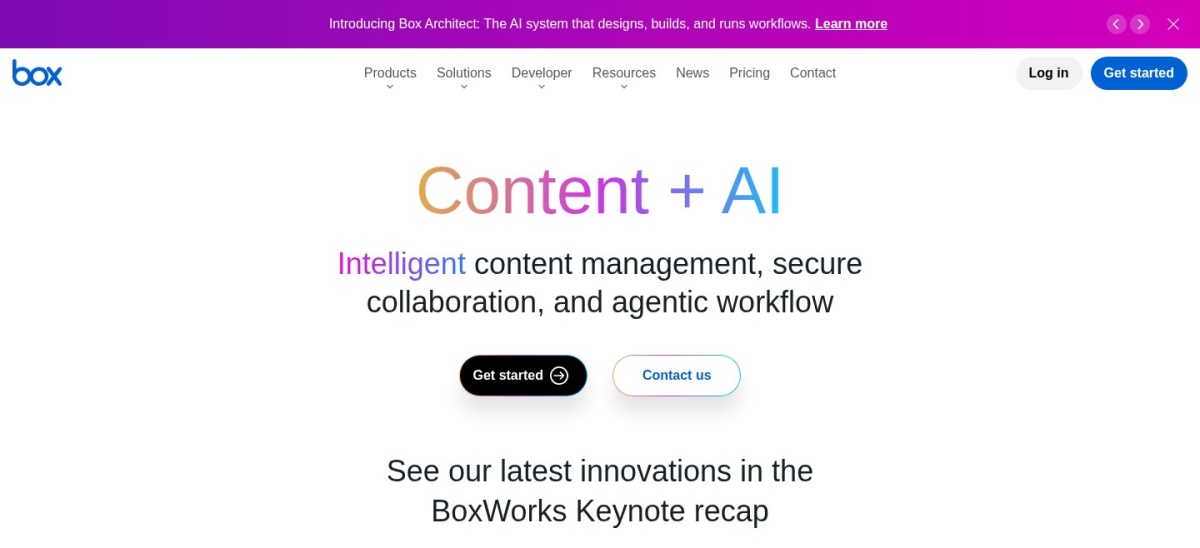
Box is a cloud content platform for regulated teams in healthcare, finance and government, with admin controls, compliance tracking and unlimited business storage on higher tiers. Starter costs $5 per user a month with a 3-user minimum, and the free plan covers 10 GB.
The trade off is the team minimum and the price at scale. The $5 headline needs three users, so the real starting bill is $15 a month, and business plans climb quickly. It suits teams that need compliance controls more than cheap personal storage.
What we like
Compliance tracking and admin controls
Unlimited storage on Business plans
Strong enterprise integrations
Watch out for
3-user minimum on business plans
Business plans climb quickly in price
Business adds unlimited storage at $15/user/moVisit box.com
Free tier vs 2 TB price
The free tier decides the winner for light users: Google Drive gives 15 GB, MEGA gives 20 GB encrypted, and Dropbox gives only 2 GB. Audit your actual usage before paying, since most casual users fit in 100 to 200 GB once photos and device backups are counted.
At 2 TB the prices converge. Google Drive, OneDrive and iCloud all charge $9.99 a month, Dropbox Plus costs $9.99 billed annually, and pCloud lifetime at $399 beats all of them after about three years.
Who holds your encryption keys
Mainstream services encrypt files in transit and at rest, but they hold the keys, so they can access files under legal process. That is fine for most files, but not for sensitive records.
Zero-knowledge providers like Proton Drive, Sync.com and MEGA generate and hold the keys on your device, so the company cannot read your files. Turn on two-factor authentication either way, and keep a second copy of irreplaceable files.
How we chose
We picked established cloud storage apps with a verifiable G2 or Capterra rating and a published review count, and we checked the top three prices on the vendor's own pricing page today. Every 2 TB price in this list comes from the vendor page or a published list checked this month.
We ranked ecosystem fit first, then the free tier, then the 2 TB price, then the privacy model. A high rating from a tiny review base, like iCloud at 4.4 from three G2 reviews, counts less than a lower rating from tens of thousands of reviews.
No vendor paid for a place, and we do not claim hands-on testing for this list. We compared published plans, ratings and review counts, and noted where a price or a rating rests on a second-hand source.
How to choose a cloud storage app
Start with your ecosystem, then check the free tier and the 2 TB price.
Start with your ecosystem Apple households save friction with iCloud, Google households with Drive, and Office households with OneDrive, and those savings are worth more than a dollar or two a month.
Audit your actual usage Most casual users fit in 100 to 200 GB once photos and backups are counted, while 4K video shooters need at least 1 TB, so measure before you buy.
Compare the 2 TB price Google Drive, OneDrive and iCloud all charge $9.99 a month for 2 TB, Dropbox Plus costs $9.99 billed annually, and pCloud lifetime at $399 beats them over three years.
Check the privacy model Pick a zero-knowledge provider like Proton Drive, Sync.com or MEGA for sensitive records, turn on two-factor authentication, and keep a second copy of irreplaceable files.
FAQ
What is the best cloud storage app?
Google Drive is the best cloud storage app for most people, with 15 GB free, 100 GB at $1.99 a month, and the best Docs collaboration. Dropbox has the best sync, while OneDrive is the best value for Office users.
How much is Google Drive?
Google One Basic costs $1.99 a month for 100 GB, with 2 TB at $9.99 a month. Every Google account includes 15 GB free, shared across Drive, Gmail and Photos.
What is the cheapest cloud storage for 2 TB?
Google Drive, OneDrive and iCloud all charge $9.99 a month for 2 TB, while Dropbox Plus costs $9.99 billed annually. Over three years, pCloud lifetime at $399 for 2 TB beats all subscriptions.
Which cloud storage is most private?
Proton Drive, Sync.com and MEGA are zero-knowledge providers, so the company cannot read your files. Proton Drive is the strongest mainstream option, with end-to-end encryption and servers in Switzerland.
Is pCloud lifetime really lifetime?
It means a one-time payment for the life of the account, not your lifetime in a legal sense, and terms can change. At $199 for 500 GB or $399 for 2 TB it beats subscriptions after about three years.
What happens if I stop paying for cloud storage?
Most services keep your files read-only for a grace period, then may delete data after extended nonpayment. Download or move files before cancelling, since grace periods vary by provider.
SaaS SEO and WordPress specialist with about 8 years of experience. Rakib compares WordPress plugins, themes, hosting and software using public pricing, documentation and user reviews. See how we rank.