Best API Documentation Management Software in 2026: 7 Tools Compared
WLWPLegible EditorsLast verified 24 Nov 2026How we rank9 min read
★ Short answer
Postman is the best API documentation management software overall, combining documentation, testing and collaboration in one platform for $9 a month. Apidog is the best modern alternative at $9 a month, while ReadMe is the best choice for public developer hubs.
How we make this list: we compare pricing pages, product documentation and public user reviews, then re-check every price before each update. No product paid for a place. Disclosure.
Postman leads overall, with docs, testing and collaboration in one platform for $9 a month.
Apidog is the best modern alternative, with the highest G2 rating here at 4.8 out of 5.
ReadMe is the best choice for public developer hubs, with a hosted portal and API explorer.
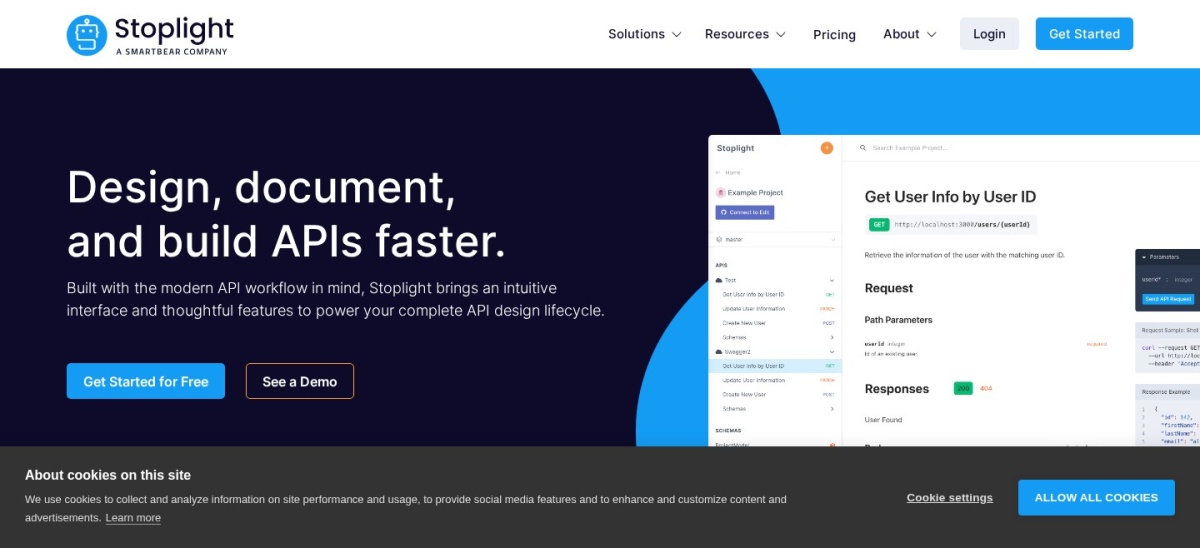
Stoplight is the best design-first pick, with visual design and mocking from one workspace.
Mintlify Pro at $450 a month is the most expensive tier here, for teams that want modern Markdown docs.
Design-first vs docs-first
API documentation software turns an OpenAPI or AsyncAPI spec into browsable docs, with try-it consoles, changelogs, versioning and developer onboarding. The best tools also cover API design and testing, so docs stay in sync with the API itself.
Two philosophies split the list. Postman, Apidog and Stoplight are design-first platforms where docs come from the API design workflow, while ReadMe, Mintlify and Redocly are docs-first tools that publish and host the documentation.
Pricing is per user or per seat across the whole list, so team cost grows with headcount. Postman Solo at $9 a month is the cheapest paid tier here, while Mintlify Pro at $450 a month is the most expensive.
Free plans are real in this category. Postman, Apidog, ReadMe, Stoplight and Mintlify all offer free tiers, so a solo developer or small team can publish docs without paying.
The 7 best API documentation management software tools
01
Postman
4.6/5on G2 (2,311 reviews, checked Nov 2026)
Paid from$9/mo/yr
Best overall API platform
Solo price$9 a month, annual
Free planYes
Docs fromCollections and OpenAPI
Free trialNo, free tier instead
postman.com
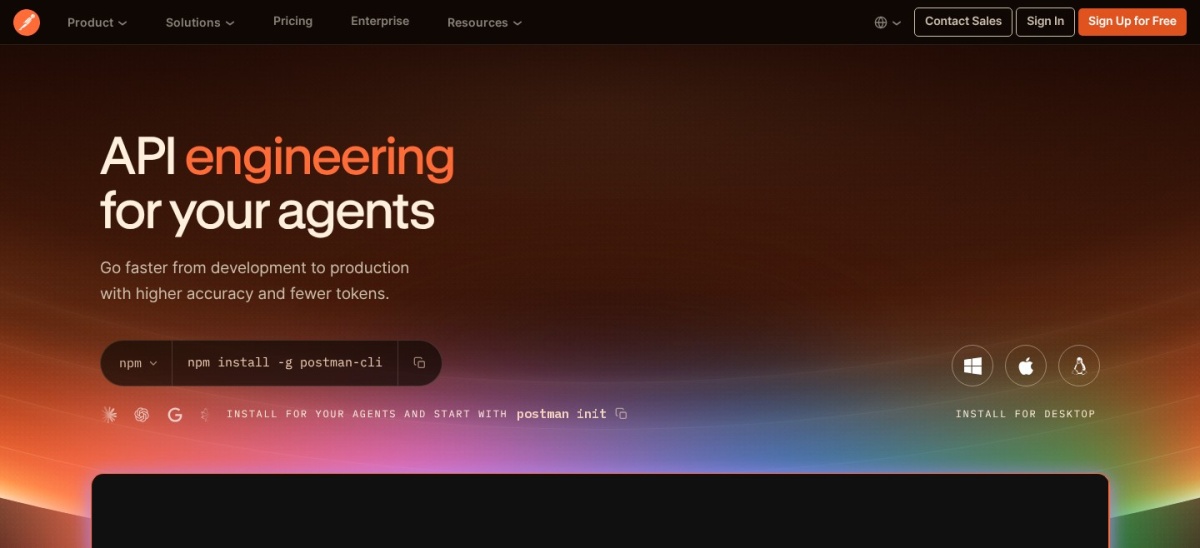
Postman homepage, captured Nov 2026.
Postman is the most widely used API platform in the world, and its documentation is a core part of it. Docs are generated from collections, with try-it consoles, versioning, changelogs and collaboration, and the free tier covers solo developers. The Solo plan costs $9 a month on annual billing.
The trade off is size. Postman is a full platform, so documentation is one feature among many, and teams that want a docs-only tool may prefer ReadMe. It suits teams that want one tool for design, testing and docs.
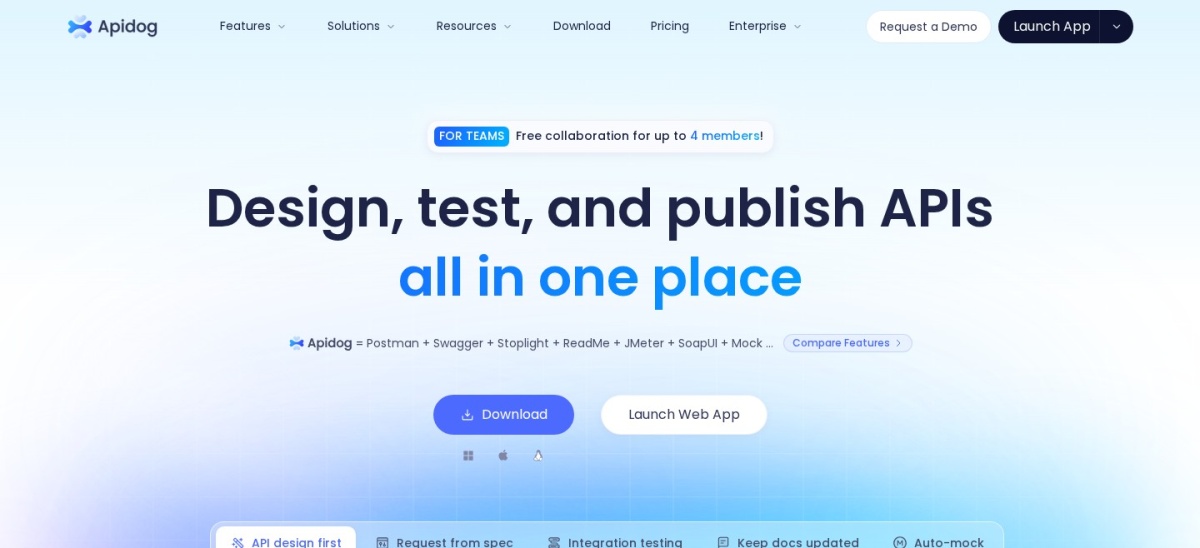
Apidog is an all-in-one API platform that combines design, testing, mocking and documentation in one workspace. It carries the highest G2 rating in this list, and it imports from Postman, OpenAPI and Swagger, so migration is straightforward. The Basic plan costs $9 a month.
The trade off is maturity. Apidog is newer than Postman or SwaggerHub, with a smaller community and fewer integrations. It suits teams that want a modern, all-in-one API platform at a low price.
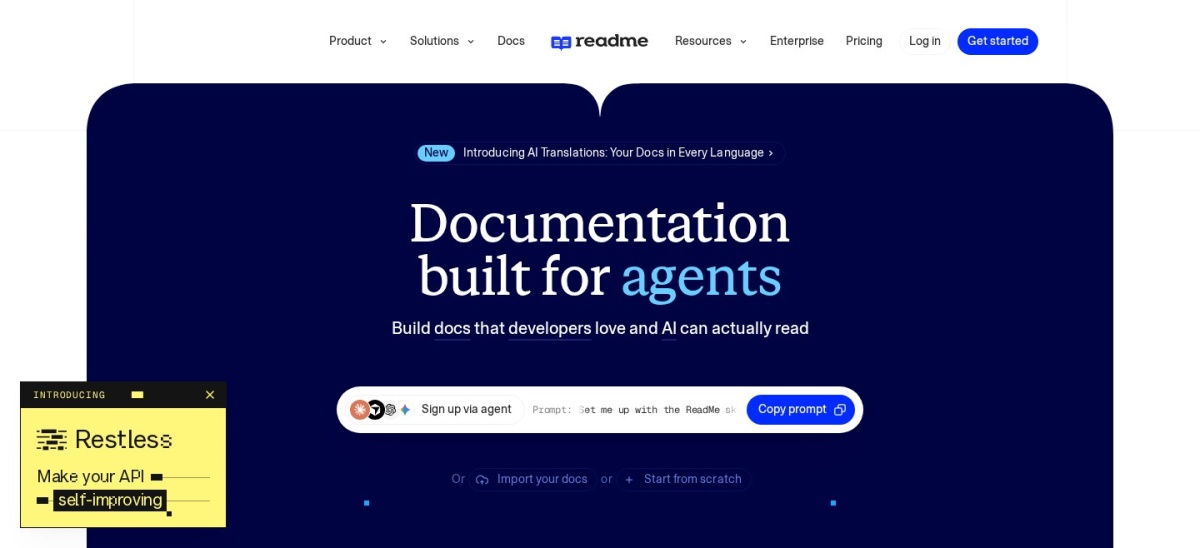
ReadMe is a docs-first platform that publishes a hosted developer portal with an API explorer, changelog, usage analytics and custom branding. It is the best choice for teams that want a public developer hub rather than an internal tool, and it is free for up to three projects.
The trade off is price. The Pro plan costs $250 a month on annual billing, which is steep for small teams, and ReadMe does not cover API design or testing. It suits teams that publish public APIs and want a polished developer hub.
Stoplight is a design-first API platform with visual API design, mocking and documentation from one workspace. It is the best pick for teams that iterate on the API design before they build, with a free tier for solo developers and a Basic plan at $56 a month.
The trade off is price and scope. The Basic plan costs more than Postman or Apidog, and Stoplight is narrower than the full platforms. It suits teams that design APIs first and document from the design.
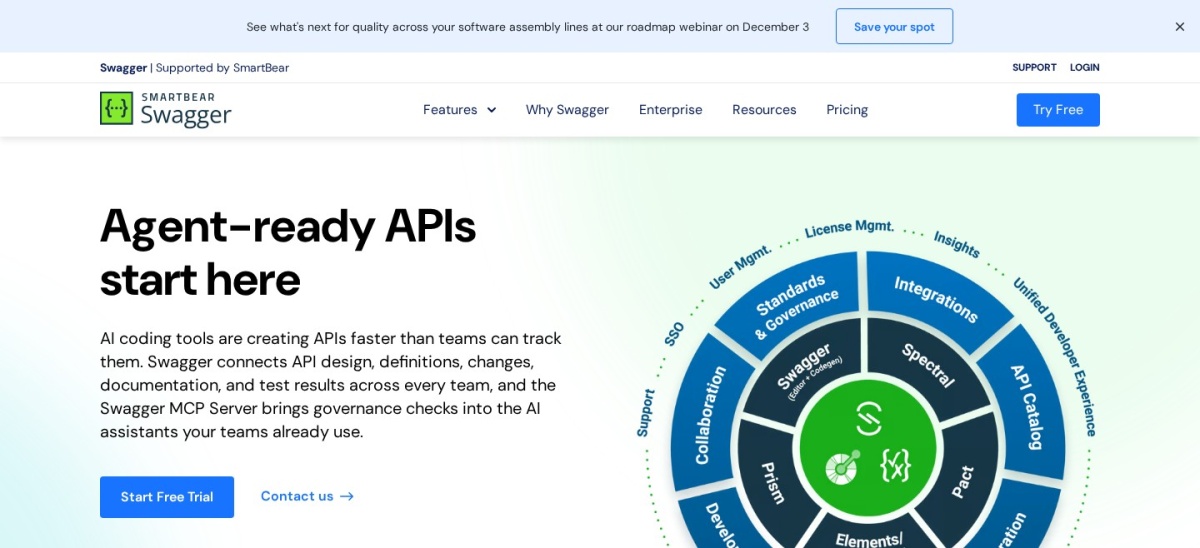
SwaggerHub is a design and documentation platform built around the OpenAPI spec, now part of SmartBear API Hub. It covers team design, governance and documentation in one workspace, with the Team plan at $75 a user a month on annual billing.
The trade off is cost. SwaggerHub is one of the most expensive tools here, and it is built for teams that already standardise on OpenAPI. It suits enterprises that want governance and design control around their APIs.
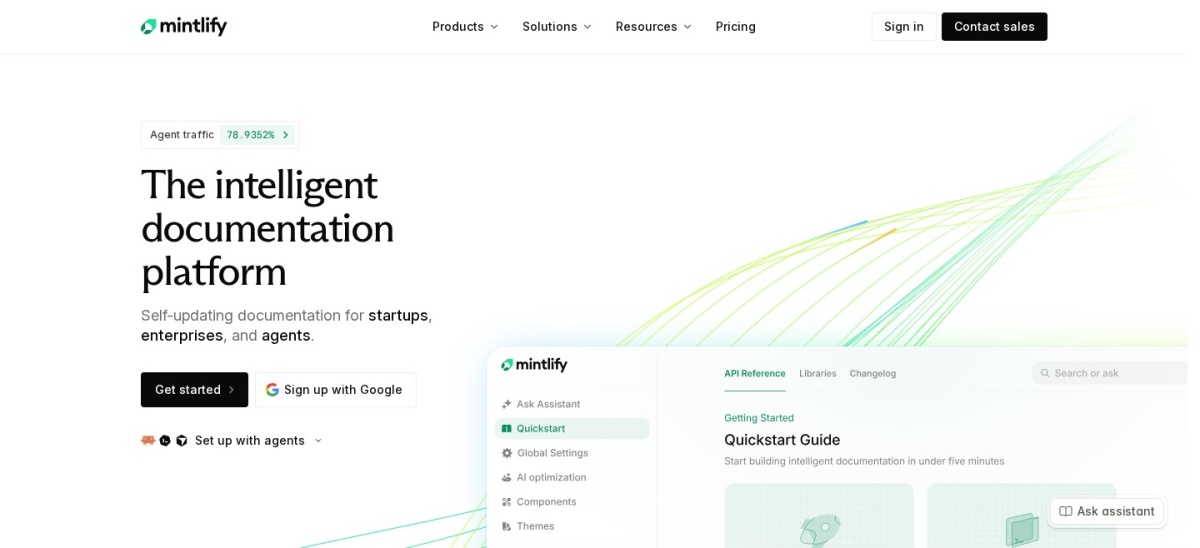
Mintlify is a docs-first platform that generates modern, beautiful documentation from Markdown and OpenAPI specs. It is the best choice for teams that want a polished docs site without a heavy platform, with AI-powered search, analytics and a free tier for small teams.
The trade off is price. The Pro plan costs $450 a month on annual billing, which is the most expensive tier in this list, and Mintlify does not cover API design or testing. It suits teams that want modern Markdown docs and can pay for them.
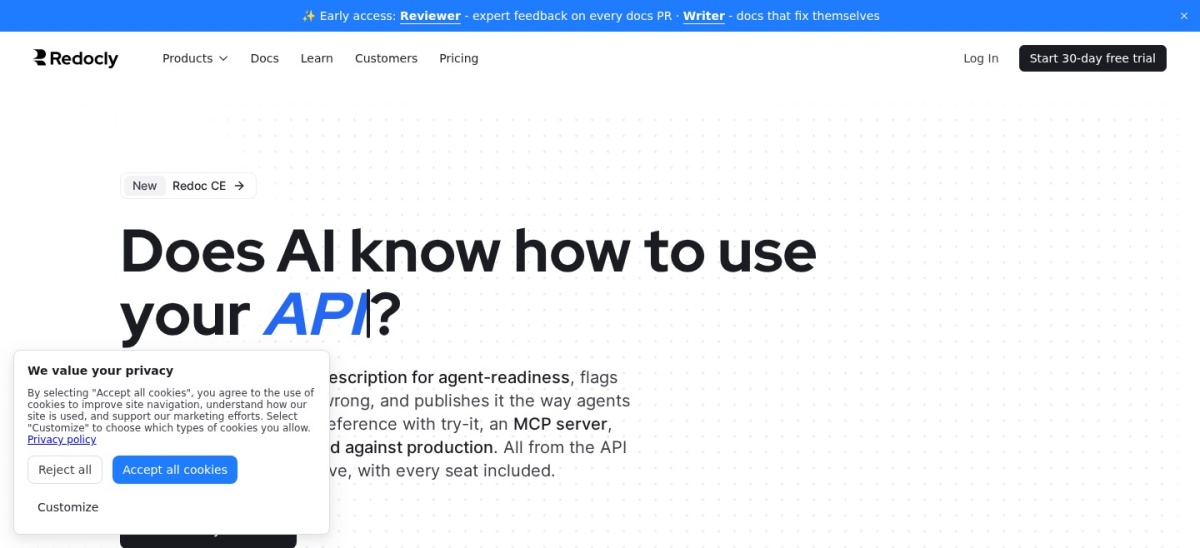
Redocly is the company behind Redoc, the widely used open-source OpenAPI renderer, and its hosted Realm platform builds on it with managed hosting, collaboration and governance. The open-source renderer is free to host yourself, and the hosted platform adds a docs MCP server, AI search and analytics.
The trade off is a thin rating and unclear pricing. Redocly scores 5.0 on G2 from a single review, and published prices conflict across sources, so check the pricing page before buying. It suits teams that want open-source roots with managed hosting.
Postman Solo and Apidog Basic both start at $9 a month, which is the cheapest paid tier in this list. Both include documentation, testing and collaboration for a single user.
Stoplight Basic at $56 a month and SwaggerHub Team at $75 a user a month cost far more, while Mintlify Pro at $450 a month is the most expensive tier here.
Free tiers exist on five of the seven tools, so a solo developer can publish docs without paying, and the paid tiers matter most for teams that need collaboration and versioning.
How we chose
We started from every established API documentation platform with a verifiable rating on G2, then kept the seven that cover design-first and docs-first approaches between them.
Prices come from each vendor's pricing page, checked on 24 November 2026, with the annual-billed figure shown where it is lower than monthly. Ratings come from G2 on the same day.
We left out newer or niche tools with no verifiable rating, including Bump.sh, Fern, Scalar, Theneo and Zuplo. No vendor paid for a place, and we do not claim hands-on testing for this list.
How to choose API documentation management software
Start with your spec format, then check whether docs or design comes first.
Confirm your spec format first. Most tools import OpenAPI, but AsyncAPI, GraphQL and SOAP support varies, so check your format before you shortlist.
Decide whether docs or design comes first. Design-first tools suit teams that iterate on the API, while docs-first tools suit teams that publish and host documentation.
Check the free tier before you pay. Five of the seven tools offer free tiers, so a solo developer or small team may not need a paid plan at all.
Price the whole team, not one seat. Most tools charge per user or per seat, so multiply the monthly figure by your team size before comparing.
FAQ
What is the best API documentation management software?
Postman is the best overall pick, combining documentation, testing and collaboration in one platform for $9 a month. Apidog is the best modern alternative, and ReadMe is the best choice for public developer hubs.
Which API docs tool is best for public developer portals?
ReadMe is the best choice for public developer hubs, with a hosted developer portal, API explorer, changelog and usage analytics. Mintlify is the best alternative for teams that want modern, Markdown-based docs.
Is there a free API documentation tool?
Yes. Postman, Apidog, ReadMe, Stoplight and Mintlify all offer free tiers, and the open-source Redoc renderer is free to host yourself. Paid tiers add collaboration, versioning and support.
What is the difference between SwaggerHub and Postman?
SwaggerHub is a design-first platform built around the OpenAPI spec, with team design and governance, while Postman is a full API platform covering design, testing, mocking and documentation in one place.
Which tool is best for API design and documentation together?
Stoplight is the best design-first pick, with visual API design, mocking and documentation from one workspace. Postman covers the same ground with a larger community and more integrations.
How much does API documentation software cost?
Paid tiers start at $9 a month for Postman Solo and Apidog Basic, and run to $450 a month for Mintlify Pro. Most tools also offer free tiers for solo developers and small teams.