Nutanix AHV is the best of the VMware by Broadcom alternatives, rated 4.5 out of 5 by 339 reviewers on G2, with the closest feature match to vSphere for large estates. Pick Proxmox VE for the lowest cost at $138 per socket a year, or Microsoft Hyper-V if your estate already runs Windows Server.
How we make this list: we compare pricing pages, product documentation and public user reviews, then re-check every price before each update. No product paid for a place. Disclosure.
Nutanix AHV is the closest enterprise match to vSphere, rated 4.5 out of 5 by 339 reviewers on G2, but it is quote-only.
Proxmox VE is the cheapest real exit: free to run, with a Community subscription at $138 per socket a year.
Broadcom ended perpetual VMware licences in December 2023, and a 72-core minimum per order was reported from April 2025.
Five of the nine tools publish no price at all, so shortlist on features first and request quotes in parallel.
SUSE Virtualization and OpenStack are the open-source exits for teams moving toward Kubernetes and private cloud.
How do you choose the best VMware by Broadcom alternatives?
Start with what Broadcom changed. Perpetual VMware licences ended in December 2023, subscriptions are now counted per physical core, and a 72-core minimum per order was reported from April 2025, so small estates feel the price rise first.
Start with the workload, not the price. A platform that cannot run your current VMs, storage and backup tools will cost more in migration work than any licence saving.
Published prices are the exception here. Only four of the nine tools in this list publish a price, so treat quote-only platforms as a sales process, not a line item, and request quotes in parallel.
Migration tooling decides the real cost. Nutanix Move, the Proxmox ESXi import wizard and SUSE Virtualization migration paths move VMs without rebuilding them, while platforms without a tool mean manual rebuilds.
Match the platform to your team's skills. If your team has only run virtual servers so far, our what is a VPS guide explains the layer these hypervisors sit under; Hyper-V fits Windows admins, Proxmox VE fits Linux teams, and SUSE Virtualization fits teams moving toward Kubernetes.
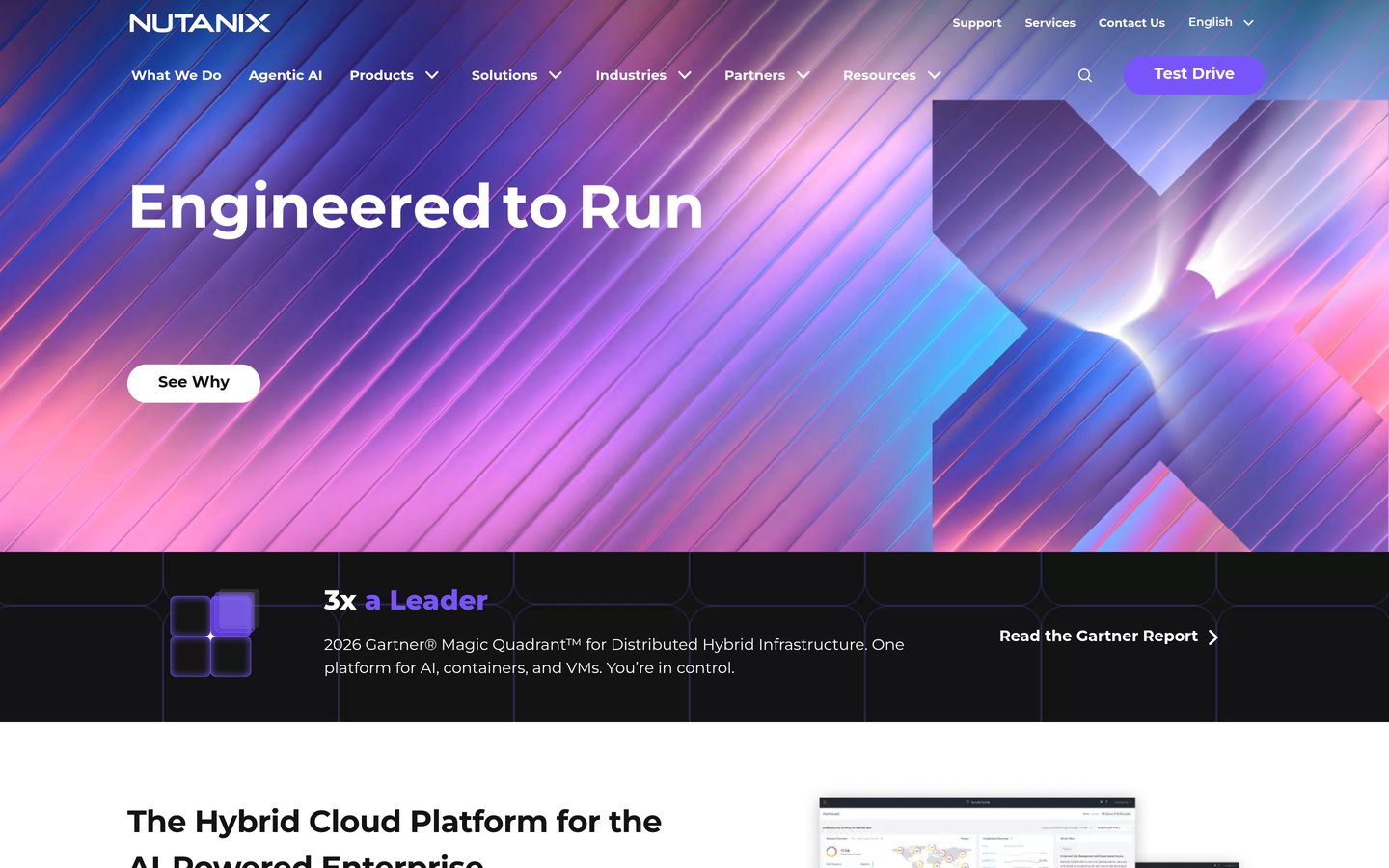
Nutanix AHV is the hypervisor inside Nutanix Cloud Infrastructure, and it is the closest enterprise match to vSphere in this list. AHV ships with the NCI software licence, managed from the Prism console, with built-in replication, microsegmentation and a free Move migration tool for VMware VMs.
The trade off is price. Nutanix publishes no list price for NCI, so every deployment is quoted per core through sales, and AHV cannot be bought on its own. It suits large estates leaving Broadcom pricing that want one supported HCI stack and are ready for an enterprise sales process.
What we like
Closest feature match to vSphere for large estates
Prism management plus built-in replication and microsegmentation
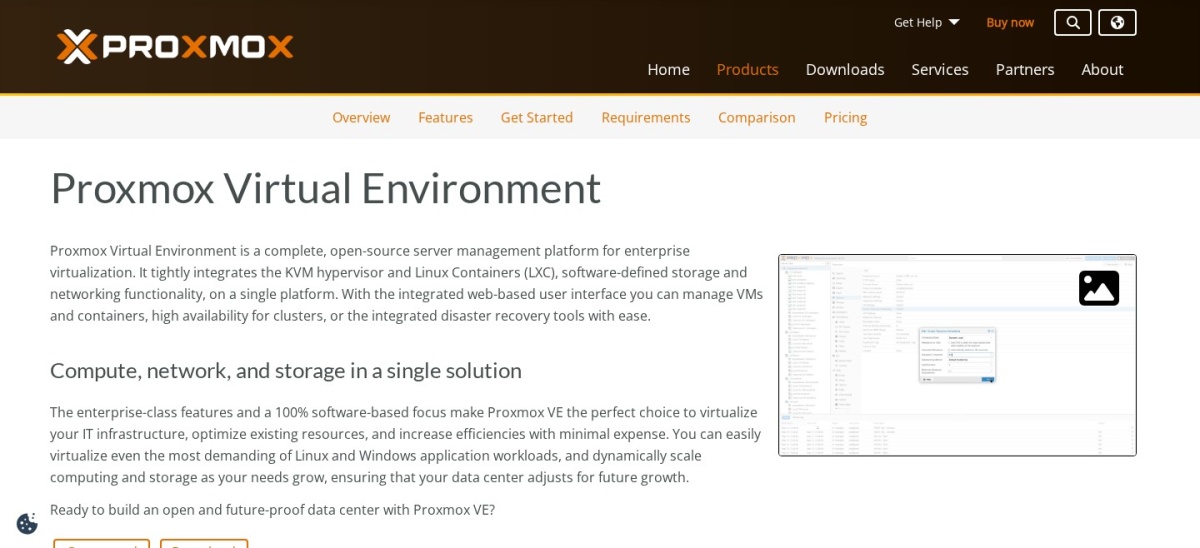
Proxmox VE is a free, open-source virtualization platform built on KVM and Linux containers, with all features included and no licence fee. Its built-in ESXi import wizard moves VMware VMs across, including a live import option that starts VMs while disk data is still fetched.
The trade off is support. The software costs nothing to run, but the cheapest Community subscription is $138 per occupied CPU socket a year, converted from the official €120, and there is no vendor support without one. It suits teams leaving Broadcom who have Linux skills and want the lowest possible exit cost.
What we like
Free to run with every feature included
Built-in ESXi import wizard with live import
Cheapest published support price in this list
Watch out for
No vendor support without a paid subscription
Smaller review base, 40 reviews on G2
Backup and storage need separate planning
Community subscription adds support and the enterprise repositoryVisit proxmox.com
03
Microsoft Hyper-V
4.4/5on G2 (18 reviews, checked Nov 2026)
Starts at$1,176/yr
Best for estates already running Windows Server
LicenceWindows Server 2025
Standard covers2 VMs + Hyper-V host
Datacenter$6,771, unlimited VMs
ManagementFailover Cluster Manager
microsoft.com
Microsoft Hyper-V homepage, captured Nov 2026.
Microsoft Hyper-V is the hypervisor built into Windows Server, so estates that already license Windows Server pay nothing extra for the hypervisor itself. Windows Server 2025 Standard lists at $1,176 per 16-core pack as a one-time licence, covering two VMs plus the Hyper-V host, while Datacenter at $6,771 covers unlimited VMs.
The trade off is that the $1,176 figure is a one-time licence, not a yearly price, and it only makes sense if you already run Windows. It suits Windows-centric shops leaving Broadcom that want to keep their existing licences, admins and backup tools.
What we like
No extra hypervisor cost on licensed Windows Server hosts
Live migration and failover clustering included
Familiar tooling for Windows admins
Watch out for
$1,176 is a one-time licence, shown here as a yearly figure
SC// HyperCore is a hyperconverged platform from Scale Computing that combines compute, storage and virtualization in one suite, with self-healing storage and clusters that start from a single node. The Standard tier is priced at $189 per core a year on a five-year term, with support included.
The trade off is the term. The $189 figure is the five-year term price from vendor-provided pricing on G2, and shorter terms cost more per core. It suits edge and branch sites leaving VMware that want a small, simple cluster without a storage specialist.
Azure Local, formerly Azure Stack HCI, is Microsoft's hybrid infrastructure platform, managed from the Azure Arc portal and running on validated hardware. The host fee is $10 per physical core a month, with the first 60 days free, and Azure Migrate moves VMware VMs across without in-guest agents.
The trade off is the meter. The $10 per core a month covers the host only, and Windows Server guest subscriptions cost extra unless Azure Hybrid Benefit applies. It suits Azure shops leaving Broadcom that want their on-prem hosts managed like cloud resources.
What we like
Only Microsoft HCI option with a published meter
Azure Migrate moves VMware VMs without agents
First 60 days of the host fee are free
Watch out for
Guest Windows Server licences cost extra
Needs validated hardware from the compatibility list
Sangfor aSV is the KVM-based hypervisor inside the Sangfor HCI platform, sold as a per-socket subscription through sales and partners. It bundles compute, storage and networking with a built-in firewall, and the G2 rating covers the wider Sangfor Cloud Platform rather than the hypervisor alone.
The trade off is price. Sangfor publishes no list price, so every deployment is quoted, and support comes only with a subscription. It suits estates leaving Broadcom that want one HCI vendor with security built in and are comfortable buying through a partner.
What we like
Joint highest rating in this list, 4.7 out of 5
Built-in firewall and security features
One vendor for compute, storage and networking
Watch out for
Quote-only pricing with no public list price
Rating covers the wider Cloud Platform, not aSV alone
Partner-led sales in most regions
Per-socket subscription quoted through sales or partnersVisit sangfor.com
07
XenServer
4.2/5on G2 (49 reviews, checked Nov 2026)
PricingQuote/quote
Best for Citrix shops and Xen estates
HypervisorXen Project based
LicensingPer populated socket
EditionsStandard and Premium
VersionXenServer 9
xenserver.com
XenServer homepage, captured Nov 2026.
XenServer is the Xen Project-based hypervisor from Citrix, with live migration, high availability and GPU pass-through across its Standard and Premium editions. Licensing is per populated socket, and Premium is now bundled with Citrix subscriptions rather than sold as a standalone product.
The trade off is price. XenServer publishes no standalone price, so the list shows Quote, and a third-party starting price of $1,850 a year was deliberately not used because it conflicts with the vendor's bundled model. It suits Citrix shops and existing Xen estates leaving VMware.
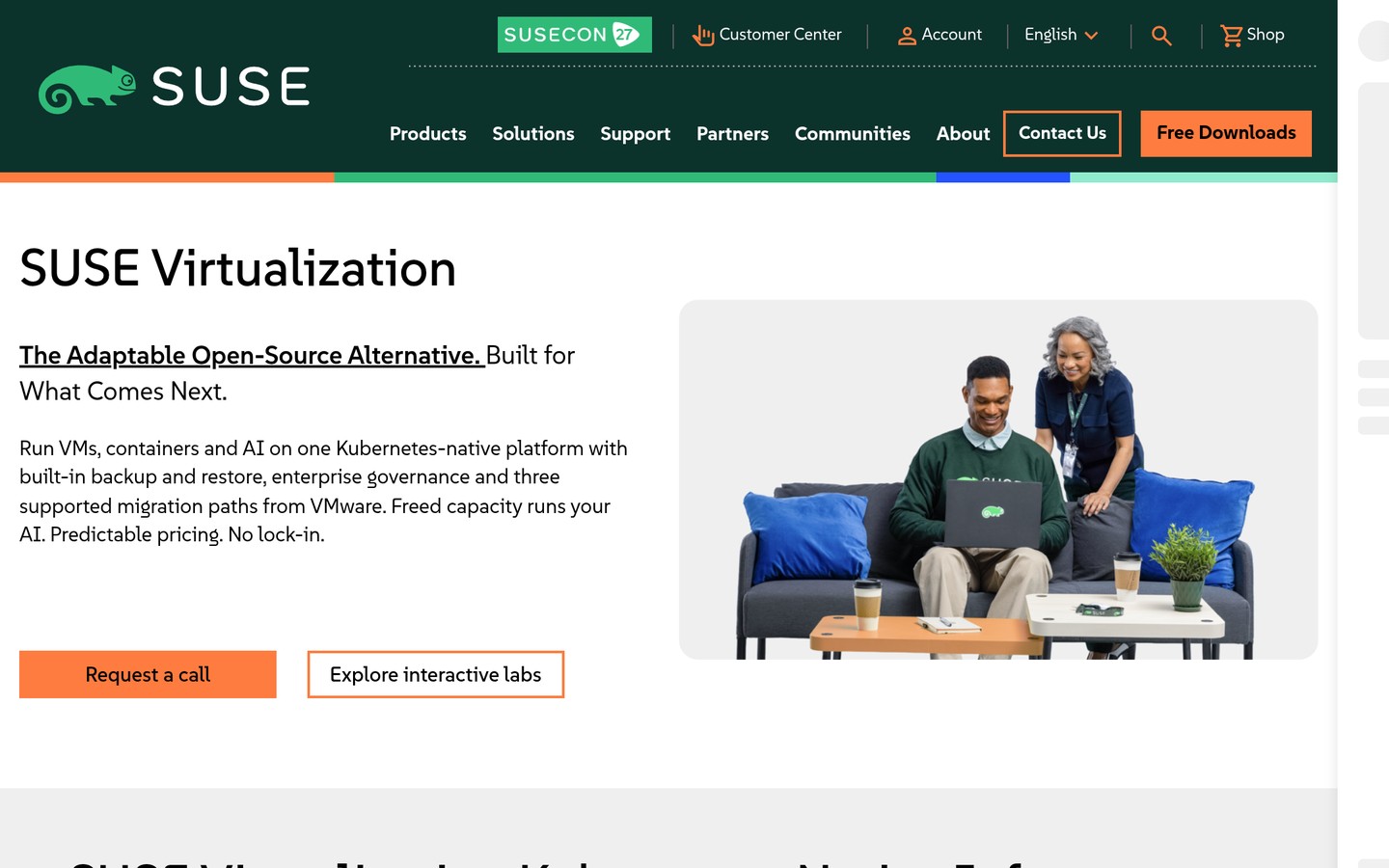
SUSE Virtualization, formerly Harvester, is an open-source hyperconverged platform built on Kubernetes that runs VMs and containers side by side on bare metal. It uses KVM through KubeVirt with Longhorn distributed storage, and the vendor page promises three supported migration paths from VMware.
The trade off is the learning curve. The software itself is free under an open-source licence, but production clusters need Kubernetes skills, three nodes for high availability, and a paid SUSE subscription for support. It suits teams leaving Broadcom that are already moving toward Kubernetes.
What we like
Free open-source software with no licence fee
VMs and containers on one Kubernetes platform
Three supported migration paths from VMware
Watch out for
Needs Kubernetes skills to run in production
Three nodes minimum for high availability
Paid support is a separate subscription
Paid SUSE subscription adds support and lifecycle servicesVisit suse.com
09
OpenStack
4.2/5on G2 (53 reviews, checked Nov 2026)
PriceFree
Best open-source private cloud at scale
PlatformOpen-source cloud
HypervisorKVM, default
SetupSelf-managed
SupportVendor or community
openstack.org
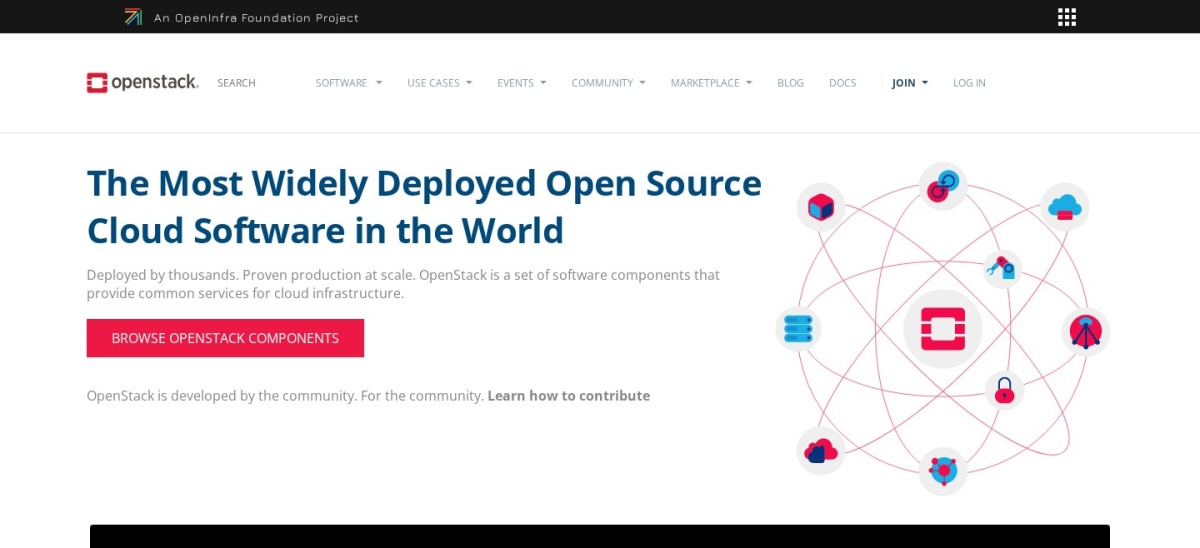
OpenStack homepage, captured Nov 2026.
OpenStack is a set of open-source software components for building private and hybrid clouds, running VMs on KVM with networking, storage and identity services under one control plane. It is free to use with no licence fee, and reviewers praise its flexibility and community support.
The trade off is effort. OpenStack is the most complex setup in this list, with reviewers flagging a difficult install and ongoing maintenance, and large deployments usually need a vendor distribution or a dedicated cloud team. It suits large organisations leaving Broadcom that want full control at scale.
Five tools in this list publish no price: Nutanix AHV, Sangfor aSV, XenServer, and the paid support behind the two free open-source platforms. That is normal in enterprise virtualization, where price depends on cores, nodes and support term.
Ask for quotes in parallel, with the same host count, core count and support level in every request, so the numbers come back comparable.
Use the published prices as anchors. Proxmox VE at $138 per socket a year and Azure Local at $10 per core a month give you a floor to judge any quote against.
Do not let a quote delay a trial. Every quote-only tool here offers a trial or test drive, so run your own VMs on two finalists before signing.
How we chose
We started from the platforms migration guides name most often as exits from VMware after Broadcom's licensing changes, then kept only those with a public rating on G2.
Prices come from each vendor's pricing page or G2 vendor-provided pricing, checked on 29 November 2026. Where a vendor shows no price, the list says Quote and the body explains what the quote covers.
We left out XCP-ng, which has no rating on G2, Capterra or TrustRadius, Red Hat OpenShift Virtualization, which has no G2 product rating, and Dell VxRail, which still runs VMware and so is not an exit from it. No vendor paid for a place, and we do not claim to have used these tools ourselves.
How to choose a VMware by Broadcom alternative
Start with your current estate, then narrow the list by skills, price and migration effort.
Count your VMs, hosts and cores. Every quote and every per-core or per-socket price depends on these numbers, so gather them before you talk to sales.
Check your backup and storage tools. A hypervisor that your backup software cannot protect will force a second migration, so confirm support first.
Run a trial with real workloads. Every tool here offers a trial or test drive. Move a copy of a real VM, not a blank one, and measure the result.
Price three years, not year one. Per-core subscriptions, one-time licences and quote-only deals diverge over three years, so compare the same term for each finalist.
FAQ
What are the best VMware by Broadcom alternatives in 2026?
Nutanix AHV is the best VMware by Broadcom alternative for large estates, rated 4.5 out of 5 by 339 reviewers on G2. Proxmox VE is the cheapest exit at $138 per socket a year, and Microsoft Hyper-V is the natural pick for Windows Server estates.
Why are people leaving VMware after the Broadcom acquisition?
Broadcom ended perpetual VMware licences in December 2023 and moved to per-core subscriptions, with a 72-core minimum per order reported from April 2025. Smaller estates saw the biggest price rises, which is why teams are comparing hypervisors that charge per socket, per host or nothing at all.
How much do VMware by Broadcom alternatives cost?
Prices range from free to quote-only. Proxmox VE costs $138 per socket a year, Azure Local costs $10 per core a month, and Hyper-V needs a $1,176 Windows Server licence. Nutanix AHV, Sangfor aSV and XenServer publish no price.
Is there a free VMware by Broadcom alternative?
Yes. Proxmox VE is free and open source with all features included, and SUSE Virtualization and OpenStack are free open-source platforms. All of them need your own hardware and skills, since free plans include no vendor support.
Which VMware alternative is best for small teams?
Proxmox VE is the best pick for small teams, because it is free to run and its cheapest support tier costs $138 per socket a year. Scale Computing HyperCore also suits small sites, with clusters that start from a single node.
Nutanix AHV vs Proxmox VE: which is better?
Nutanix AHV is better for large estates that want one supported HCI stack with migration tooling, while Proxmox VE is better for teams that want low cost and full features without per-core licensing. AHV is quote-only; Proxmox VE publishes its prices.
Can I migrate VMware VMs to these alternatives?
Yes, most of them include a migration tool. Nutanix Move, the Proxmox ESXi import wizard and SUSE Virtualization migration paths move VMware VMs across, while Hyper-V and Azure Local use Microsoft migration tools. Test the move on a copy first.
SaaS SEO and WordPress specialist with about 8 years of experience. Rakib compares WordPress plugins, themes, hosting and software using public pricing, documentation and user reviews. See how we rank.