Nutanix AHV is the best of the enterprise VMware alternatives, rated 4.5 out of 5 by 339 reviewers on G2, with the closest feature match to vSphere for large estates. Pick Proxmox VE for the lowest cost at $138 per socket a year, or Microsoft Hyper-V if your estate already runs Windows Server.
How we make this list: we compare pricing pages, product documentation and public user reviews, then re-check every price before each update. No product paid for a place. Disclosure.
Nutanix AHV is the closest enterprise match to vSphere, rated 4.5 out of 5 by 339 reviewers on G2, but it is quote-only.
Proxmox VE is the cheapest real exit: free to run, with a Community subscription at $138 per socket a year.
Hyper-V costs nothing extra on licensed Windows Server hosts; Standard lists at $1,176 per 16-core pack as a one-time licence.
Four of the nine tools publish no price at all, so shortlist on features first and request quotes in parallel.
Azure Local is the only Microsoft HCI option with a published meter: $10 per physical core per month.
How do you choose the best enterprise VMware alternative?
Start with the workload, not the price. A platform that cannot run your current VMs, storage and backup tools will cost more in migration work than any licence saving.
Published prices are the exception here. Only five of the nine tools in this list publish a price, so treat quote-only platforms as a sales process, not a line item, and request quotes in parallel.
Migration tooling decides the real cost. Nutanix Move, Proxmox ESXi import and VergeOS ioMigrate move VMs without rebuilding them, while platforms without a tool mean manual rebuilds.
Match the platform to your team's skills. If your team has only run virtual servers so far, our what is a VPS guide explains the layer these hypervisors sit under; Hyper-V fits Windows admins, Proxmox VE fits Linux teams, and Azure Local fits Azure shops.
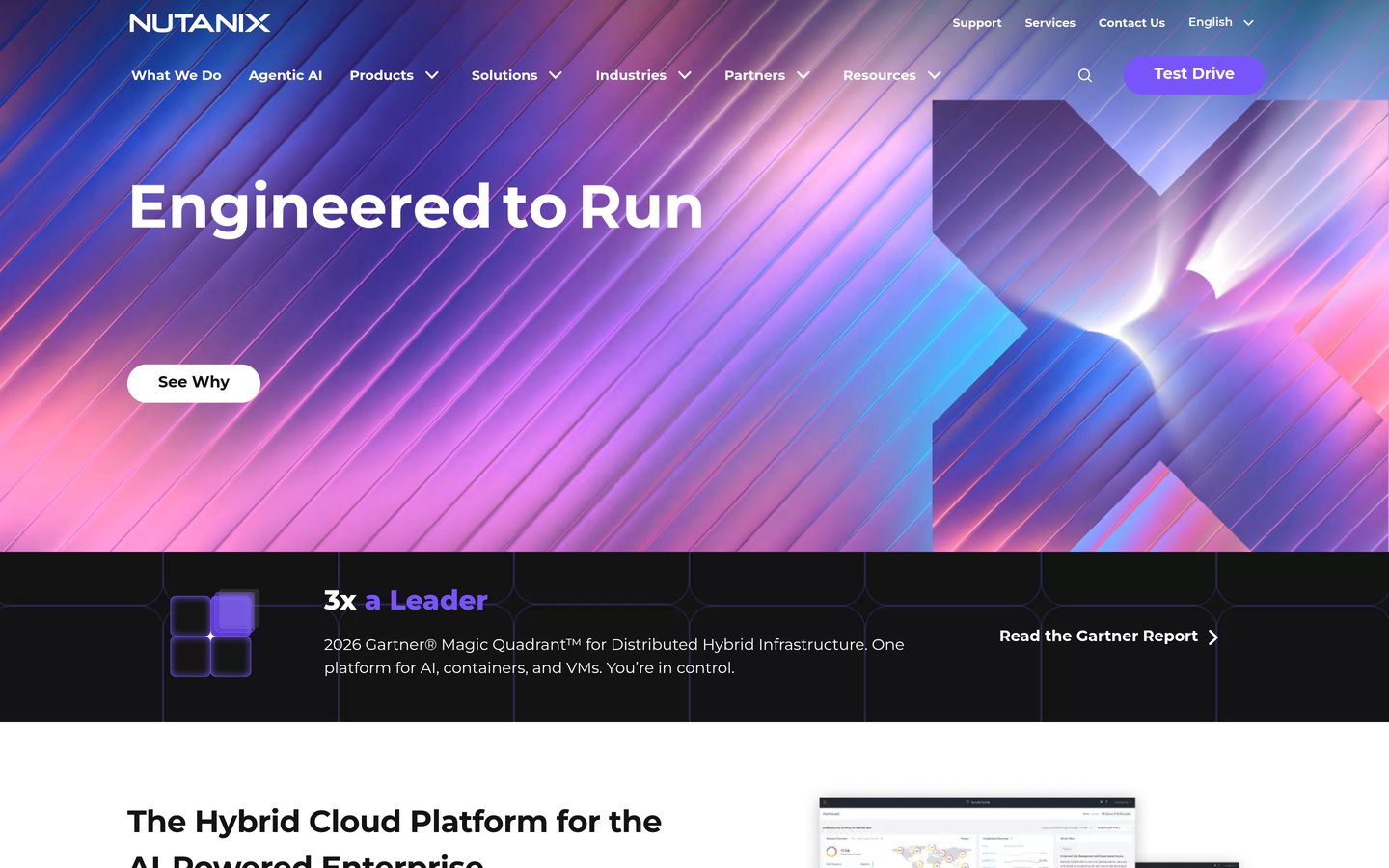
Nutanix AHV is the hypervisor inside Nutanix Cloud Infrastructure, and it is the closest enterprise match to vSphere in this list. AHV ships with the NCI software licence, managed from the Prism console, with built-in replication, microsegmentation and a free Move migration tool for VMware VMs.
The trade off is price. Nutanix publishes no list price for NCI, so every deployment is quoted per core through sales, and AHV cannot be bought on its own. It suits large estates that want one supported HCI stack and are ready for an enterprise sales process.
What we like
Closest feature match to vSphere for large estates
Prism management plus built-in replication and microsegmentation
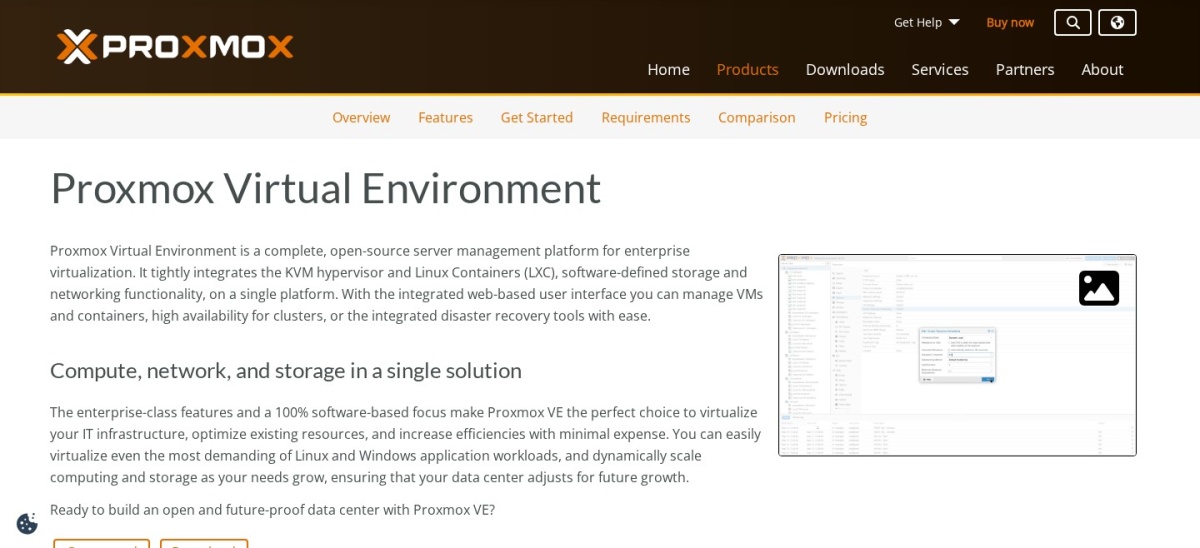
Proxmox VE is a free, open-source platform that runs VMs and Linux containers on one host or a cluster, with high availability, live migration, backup and Ceph storage built in. Every feature is included at every level, and the optional Community subscription lists at €120 per occupied CPU socket a year, about $138.
The trade off is support. The Community tier buys the tested enterprise repository but no support tickets, so production teams need Basic at €370 per socket a year for ticketed help. It suits teams with Linux skills that want full features without per-core licensing.
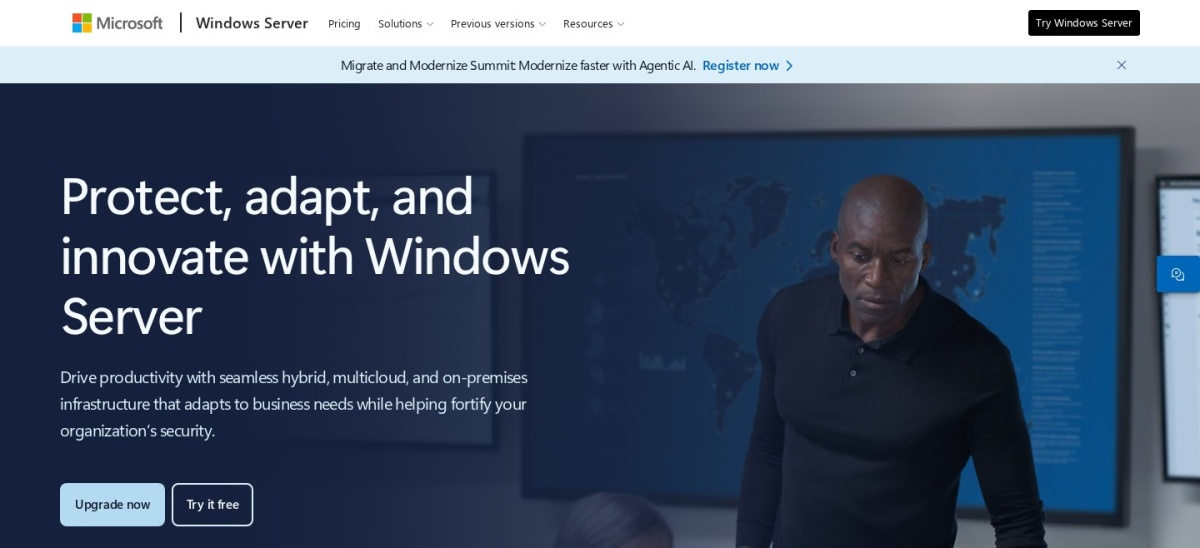
Microsoft Hyper-V is the hypervisor built into Windows Server, so estates that already license Windows Server get virtualization without a second platform. Standard edition lists at $1,176 per 16-core pack and covers two VMs plus the Hyper-V host, with live migration, replication and failover clustering included.
The trade off is the licence model. The $1,176 price is a one-time licence, not a yearly fee, and dense hosts need Datacenter at $6,771 per 16-core pack for unlimited VMs, plus client access licences. It suits Windows-first teams with existing Microsoft skills and licences.
What we like
No extra hypervisor cost on licensed Windows hosts
Live migration, replication and clustering included
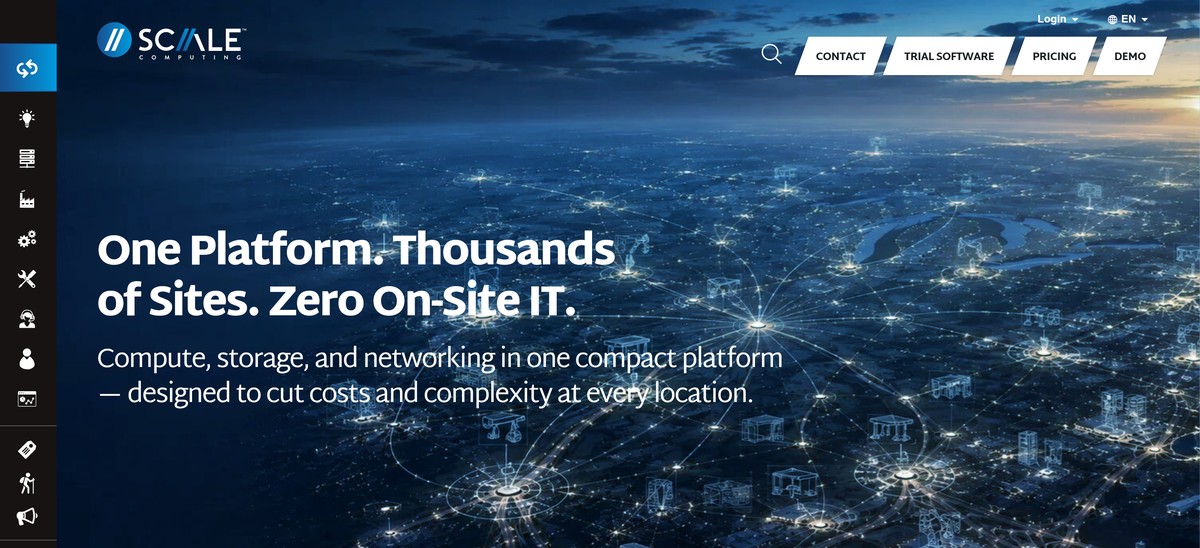
SC// HyperCore is Scale Computing's hyperconverged platform, combining compute, storage and virtualization in one system with self-healing storage and automatic failover. The Standard tier lists at $189 per core per year on a five-year term, and clusters can start from a single node.
The trade off is scale. HyperCore is built for edge, branch and mid-market sites, so very large estates may find fewer third-party integrations than Nutanix or VMware. It suits distributed sites that want one box per location with little on-site IT.
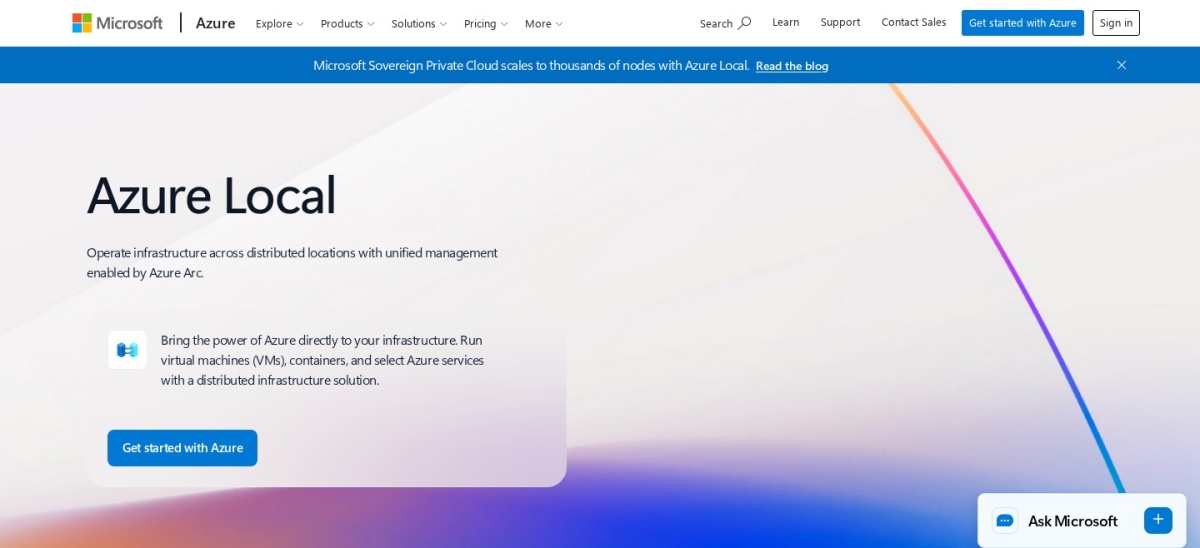
Azure Local is Microsoft's hyperconverged software for validated on-premises hardware, managed through the Azure portal with Azure Arc. It runs Hyper-V with Storage Spaces Direct, and the host fee is $10 per physical core per month, with the first 60 days free.
The trade off is the second meter. Windows Server guests need a separate subscription at $23.30 per core per month for unlimited guests, unless Azure Hybrid Benefit waives both fees. It suits estates already invested in Windows and Azure.
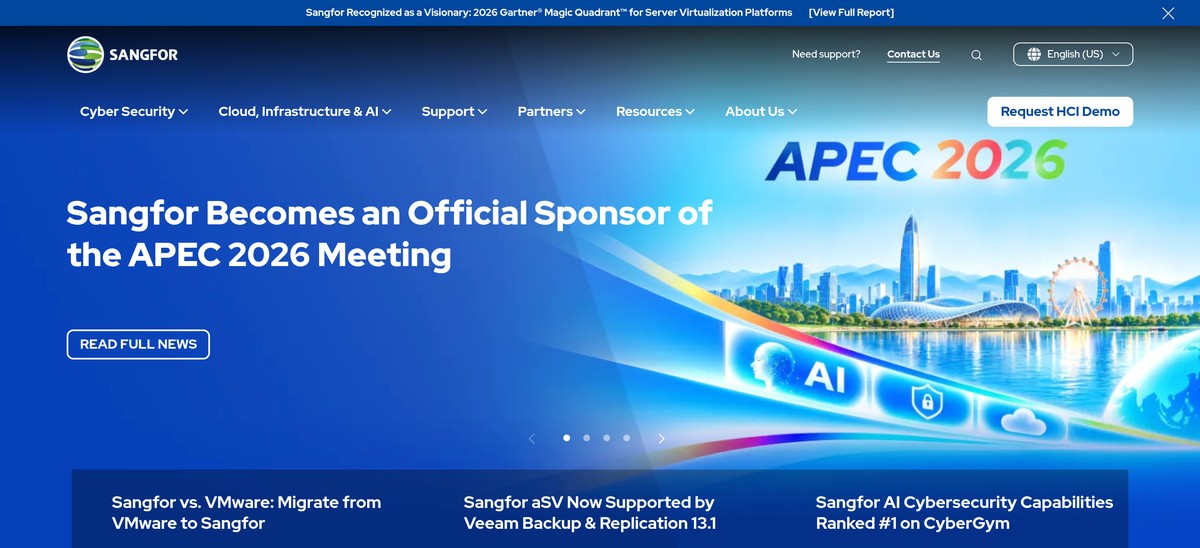
Sangfor aSV is the KVM-based hypervisor inside Sangfor HCI, which combines compute, storage and networking on one platform with built-in security. Gartner named Sangfor a Visionary in its 2026 Magic Quadrant for server virtualization, and reviewers rate the platform 4.7 out of 5 on G2.
The trade off is pricing and reach. Sangfor publishes no price, so every deployment is quoted per socket through sales or partners, and its partner network is thinner outside Asia-Pacific. It suits teams that want a full HCI stack at a lower quote than the big vendors.
XenServer is Citrix's server virtualization platform, built on the open-source Xen hypervisor with live migration, resource pooling and GPU pass-through. XenServer 9 is the current release, and Premium is now bundled with Citrix subscriptions such as Citrix for Private Cloud.
The trade off is pricing. Citrix publishes no standalone price for XenServer, so costs come from a Citrix subscription quote, and the platform is strongest inside Citrix estates. It suits teams already running Citrix DaaS or XenApp that want one vendor.
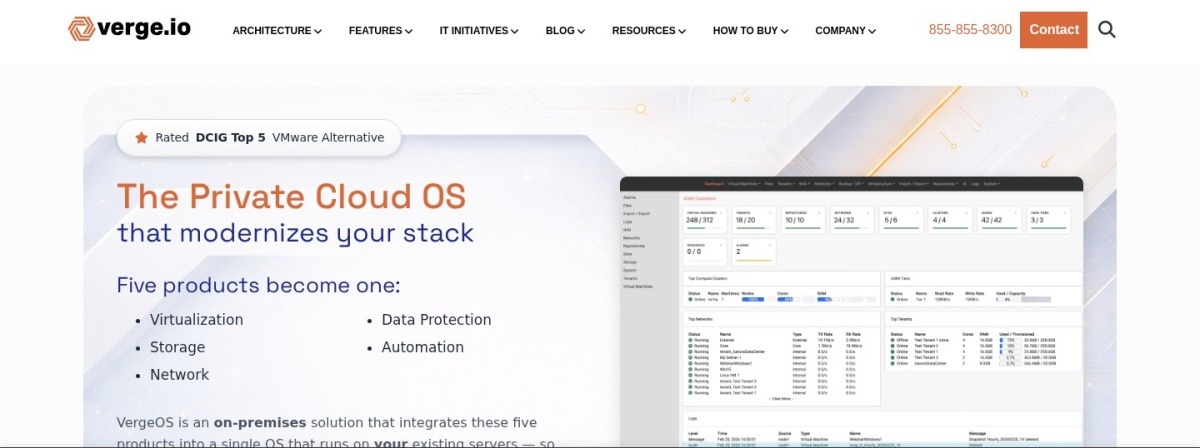
VergeOS is a private cloud operating system that merges compute, storage, networking, backup and disaster recovery into one code base. It is licensed per physical server rather than per core, and its ioMigrate tool moves VMware VMs across without downtime.
The trade off is size. VergeOS has only 4 reviews on G2, and VergeIO is a smaller vendor with fewer third-party integrations than Nutanix or Microsoft. It suits small and mid-market estates that want one licence to cover the whole stack.
What we like
Rated 4.8 out of 5 on G2, from 4 reviews
One per-node licence covers the whole stack
ioMigrate moves VMware VMs without downtime
Watch out for
Only 4 G2 reviews, so the rating is thin
Quote-only pricing with no public price list
Smaller vendor with fewer integrations
Production licence adds 24/7 support and backupVisit verge.io
09
Oracle VM VirtualBox
4.5/5on G2 (295 reviews, checked Nov 2026)
PriceFree
Best free option for labs and testing
TypeType 2 desktop hypervisor
LicenceGPLv2 base package
GuestsWindows, Linux, macOS
EnterpriseExtension Pack licence
virtualbox.org
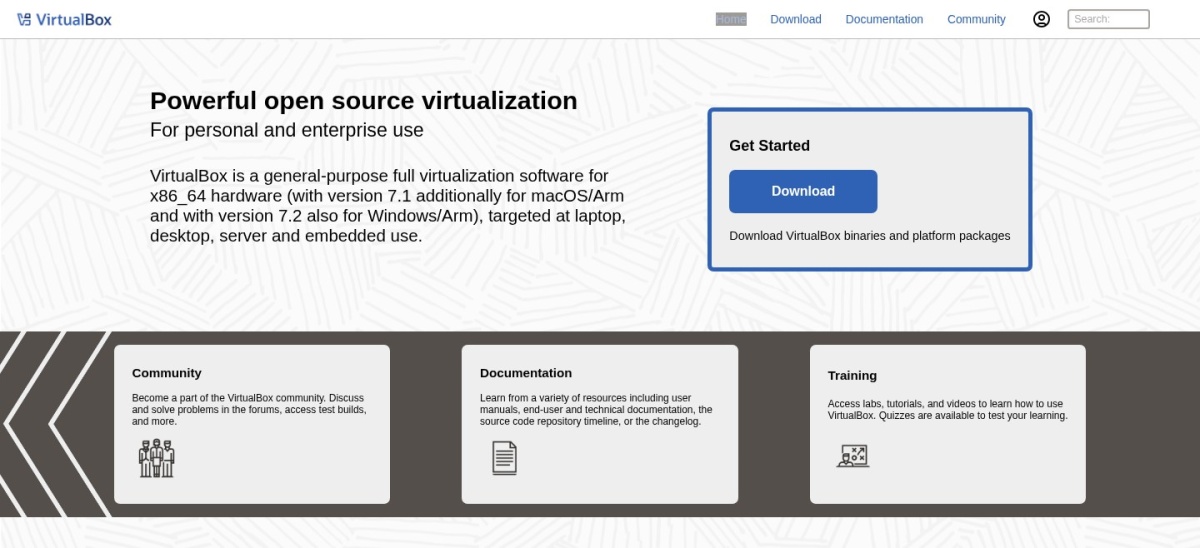
Oracle VM VirtualBox homepage, captured Nov 2026.
Oracle VM VirtualBox is a free, open-source hypervisor for desktops and laptops that runs Windows, Linux and macOS guests with snapshots, cloning and a command-line tool. Version 7.2 also supports Windows on Arm, and the base package is free for personal and enterprise use.
The trade off is scale. VirtualBox is a Type 2 hypervisor with no live migration, clustering or central management, so it fits labs and testing, not production clusters. Commercial use of the Extension Pack needs a paid Oracle licence at $50 per user plus $11 support.
What we like
Free base package for personal and business use
Runs on Windows, Linux and macOS hosts
Snapshots and cloning for quick lab rebuilds
Watch out for
No live migration or clustering
No central management for fleets
Extension Pack needs a paid licence for business use
Four tools in this list publish no price: Nutanix AHV, Sangfor aSV, XenServer and VergeOS. That is normal in enterprise virtualization, where price depends on cores, nodes and support term.
Ask for quotes in parallel, with the same host count, core count and support level in every request, so the numbers come back comparable.
Use the published prices as anchors. Proxmox VE at $138 per socket a year and Azure Local at $10 per core a month give you a floor to judge any quote against.
Do not let a quote delay a trial. Every quote-only tool here offers a trial or test drive, so run your own VMs on two finalists before signing.
How we chose
We started from the platforms Gartner and migration guides name most often as VMware exits, then kept only those with a public rating on G2.
Prices come from each vendor's pricing page or G2 vendor-provided pricing, checked on 29 November 2026. Where a vendor shows no price, the list says Quote and the body explains what the quote covers.
We left out XCP-ng, which has no rating on G2, Capterra or TrustRadius, and Red Hat OpenShift Virtualization, which has no G2 product rating. No vendor paid for a place, and we do not claim to have used these tools ourselves.
How to choose an enterprise VMware alternative
Start with your current estate, then narrow the list by skills, price and migration effort.
Count your VMs, hosts and cores. Every quote and every per-core or per-socket price depends on these numbers, so gather them before you talk to sales.
Check your backup and storage tools. A hypervisor that your backup software cannot protect will force a second migration, so confirm support first.
Run a trial with real workloads. Every tool here offers a trial or test drive. Move a copy of a real VM, not a blank one, and measure the result.
Price three years, not year one. Per-core subscriptions, one-time licences and quote-only deals diverge over three years, so compare the same term for each finalist.
FAQ
What are the best enterprise VMware alternatives?
Nutanix AHV is the best enterprise VMware alternative for large estates, rated 4.5 out of 5 by 339 reviewers on G2. Proxmox VE is the cheapest exit at $138 per socket a year, and Microsoft Hyper-V is the natural pick for Windows Server estates.
How much do enterprise VMware alternatives cost?
Prices range from free to quote-only. Proxmox VE costs $138 per socket a year, Azure Local costs $10 per core a month, and Hyper-V needs a $1,176 Windows Server licence. Nutanix AHV, Sangfor aSV, XenServer and VergeOS publish no price.
Is there a free enterprise VMware alternative?
Yes. Proxmox VE is free and open source with all features included, and Oracle VM VirtualBox is free for labs and testing. Both need your own hardware and skills, since free plans include no vendor support.
Which VMware alternative is best for small teams?
Proxmox VE is the best pick for small teams, because it is free to run and its cheapest support tier costs $138 per socket a year. Scale Computing HyperCore also suits small sites, with clusters that start from a single node.
Nutanix AHV vs Proxmox VE: which is better?
Nutanix AHV is better for large estates that want one supported HCI stack with migration tooling, while Proxmox VE is better for teams that want low cost and full features without per-core licensing. AHV is quote-only; Proxmox VE publishes its prices.
Can I migrate VMware VMs to these alternatives?
Yes, most of them include a migration tool. Nutanix Move, Proxmox ESXi import and VergeOS ioMigrate move VMware VMs across, while Hyper-V and Azure Local use Microsoft migration tools. Test the move on a copy first.
Do I need new hardware to leave VMware?
Usually not. Proxmox VE, Hyper-V, XenServer and VergeOS run on standard x86 servers you already own. Nutanix AHV and Azure Local need certified or validated hardware, so check the compatibility list before you buy.
SaaS SEO and WordPress specialist with about 8 years of experience. Rakib compares WordPress plugins, themes, hosting and software using public pricing, documentation and user reviews. See how we rank.