Twilio Segment is the top CDP software for B2B marketing and sales teams that want a published price, with a free plan for 1,000 monthly tracked users and Team from $120 a month. Hightouch suits warehouse-first teams, while Tealium fits enterprises that need real-time audiences and strict governance.
How we make this list: we compare pricing pages, product documentation and public user reviews, then re-check every price before each update. No product paid for a place. Disclosure.
Twilio Segment is the only CDP here with a published price: Team starts at $120 a month for 10,000 monthly tracked users.
Hightouch holds the highest G2 rating at 4.6 out of 5 and activates data straight from the warehouse.
Tealium, Treasure Data, Salesforce Data 360, Adobe, Simon Data, Amperity and mParticle are all quote-only.
B2B buyers should pick by stack: Salesforce for Salesforce shops, Adobe for Experience Cloud, Hightouch for warehouse teams.
Every CDP here except Segment and Hightouch has no free tier, so budget for a sales cycle and an annual contract.
How do you choose the top CDP software for B2B marketing and sales?
B2B buyers need account-level data, not just individual profiles. The right CDP models companies, buying groups and contacts together, so sales and marketing work from the same account view.
Start with the stack you already run. A Salesforce team gains most from Data 360, an Adobe team from Real-Time CDP, and a warehouse team from Hightouch, because each one is strongest inside its own ecosystem.
Then check the billing meter, because CDPs charge in different units. Segment bills monthly tracked users, Treasure Data bills profiles and events, and Salesforce bills consumption credits, so the same company can cost very different amounts on each.
Finally, weigh implementation time against control. Packaged CDPs like Segment and Tealium go live faster but charge for a second database, while warehouse-native tools need clean data first but avoid the copy.
The 9 best CDP software tools for B2B marketing and sales
01
Twilio Segment
4.5/5on G2 (567 reviews, checked Nov 2026)
Paid from$120/mo
Best CDP software for B2B marketing and sales overall
BillingMonthly tracked users
Free plan1,000 MTUs a month
Integrations700+
Entry paid planTeam, $120 a month
twilio.com
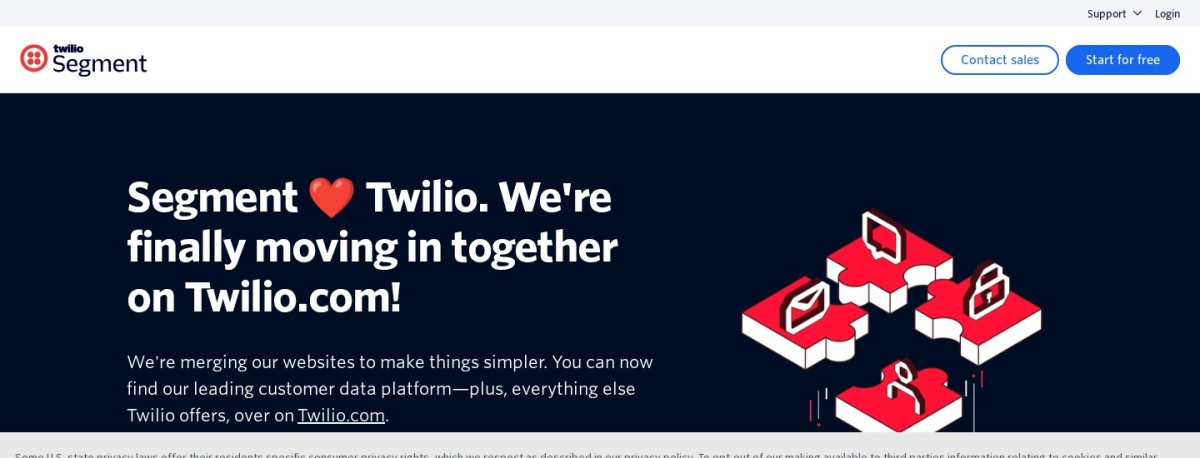
Twilio Segment homepage, captured Nov 2026.
Twilio Segment is a customer data platform that collects events once and routes unified profiles to more than 700 destinations, including Salesforce, HubSpot and ad platforms. The free plan covers 1,000 monthly tracked users, 2 sources, one warehouse destination and 500,000 Reverse ETL records a month, and more than 25,000 companies use the platform.
The trade off is the billing meter. Monthly tracked users include anonymous visitors, so costs rise with traffic rather than with customers, and the full CDP with unified profiles and audiences is sold by quote. It suits B2B teams that want a published starting price and a developer-friendly pipeline.
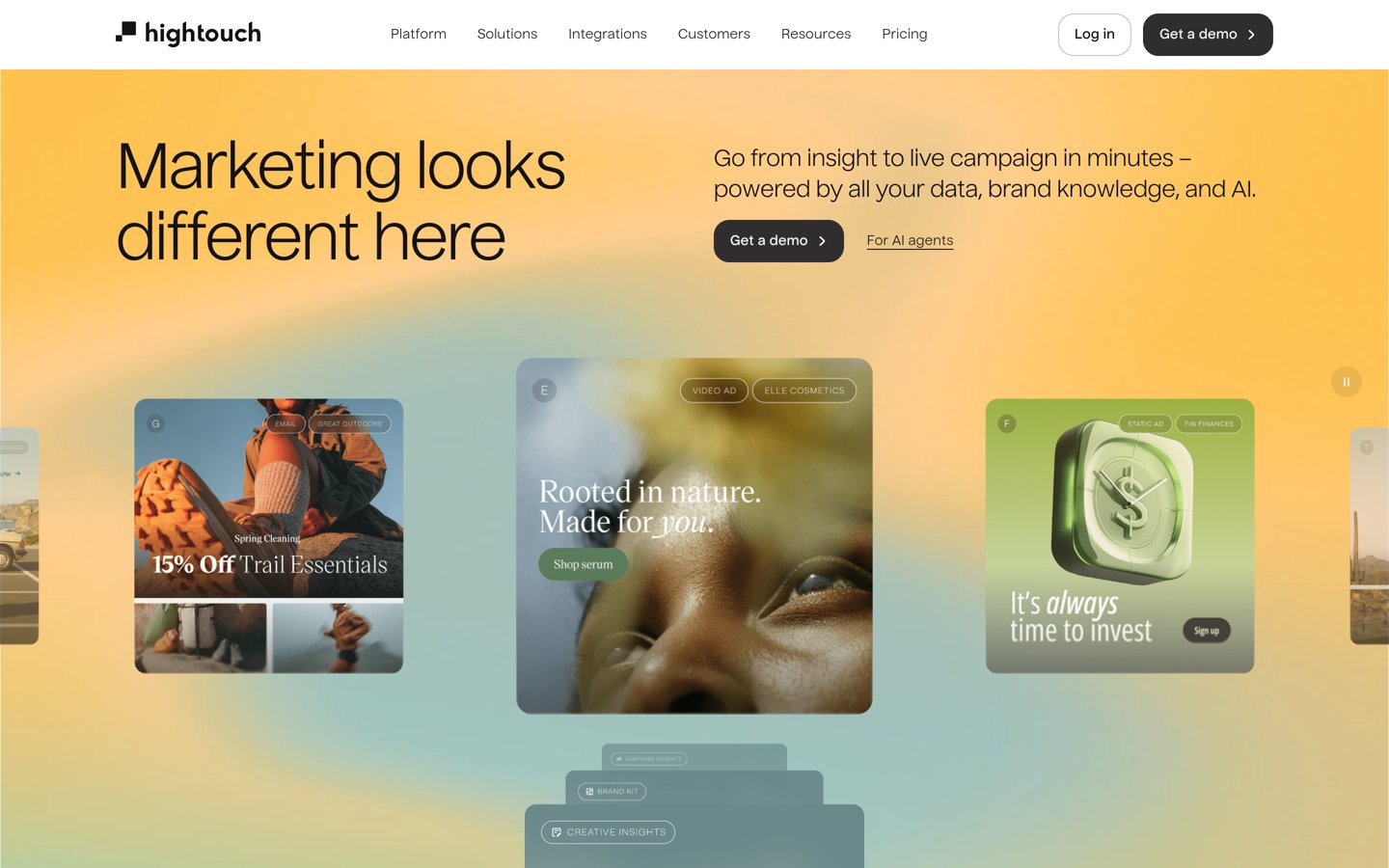
Hightouch is a warehouse-native CDP that activates audiences, traits and events straight from Snowflake, BigQuery or Databricks to more than 300 destinations, instead of copying customer data into another database. That makes it a natural fit for B2B teams whose warehouse is already the source of truth for accounts and deals.
The trade off is dependence on the warehouse. Hightouch is only as good as the data already in it, and paid pricing is quote-based with no published starting price. It suits data teams that want activation without another pipeline to maintain.
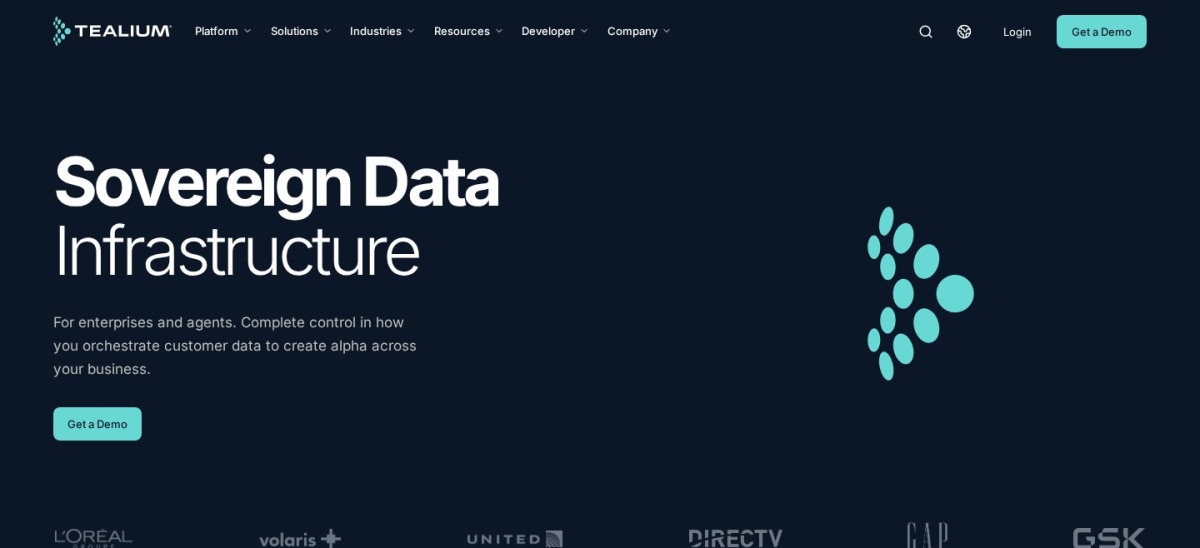
Tealium is an enterprise CDP built around its Customer Data Hub, pairing EventStream collection with AudienceStream segmentation to build unified profiles in real time. Its 1,300-plus integration catalog is the largest here, and its consent and governance controls suit regulated B2B sellers that must prove how data is used.
The trade off is complexity and opacity. Tealium publishes no prices, so every deal is a custom quote, and reviewers report a steep learning curve with implementations that take months. It suits large B2B teams with dedicated data staff and strict compliance needs.
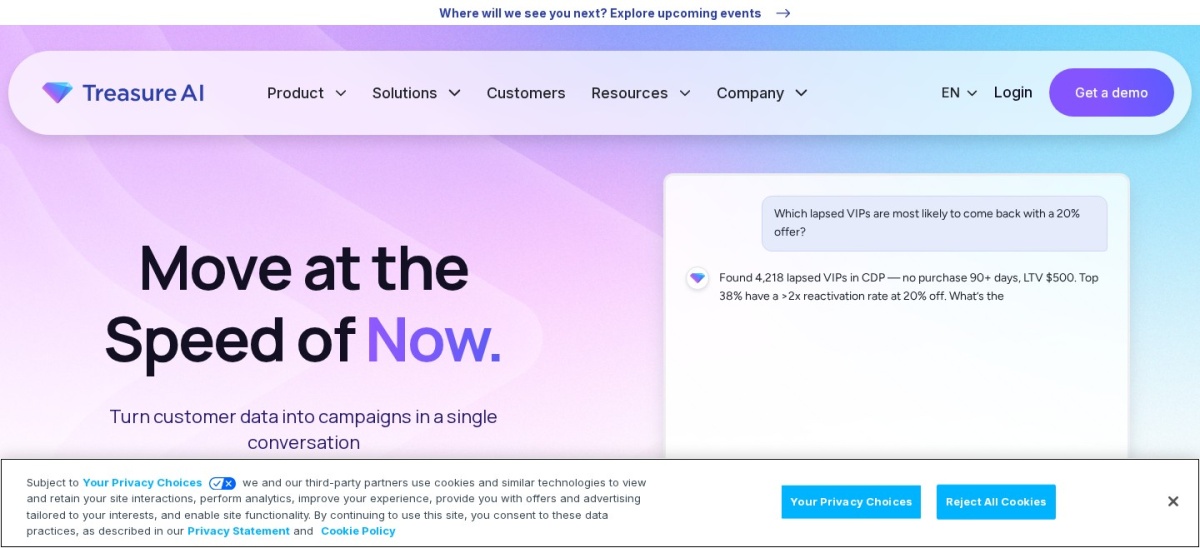
Treasure Data is an enterprise CDP, now branded Treasure AI, that unifies online and offline records into persistent profiles and powers segmentation, journeys and personalization at large volumes. Its annual subscription is priced on unified profiles and behavioral events rather than on compute, so costs follow customer data, not query volume.
The trade off is scale and skill. Pricing is quote-only with no published starting price, and advanced segmentation still needs SQL knowledge, so small teams will find it heavy. It suits large B2B sellers unifying many sources into one profile store.
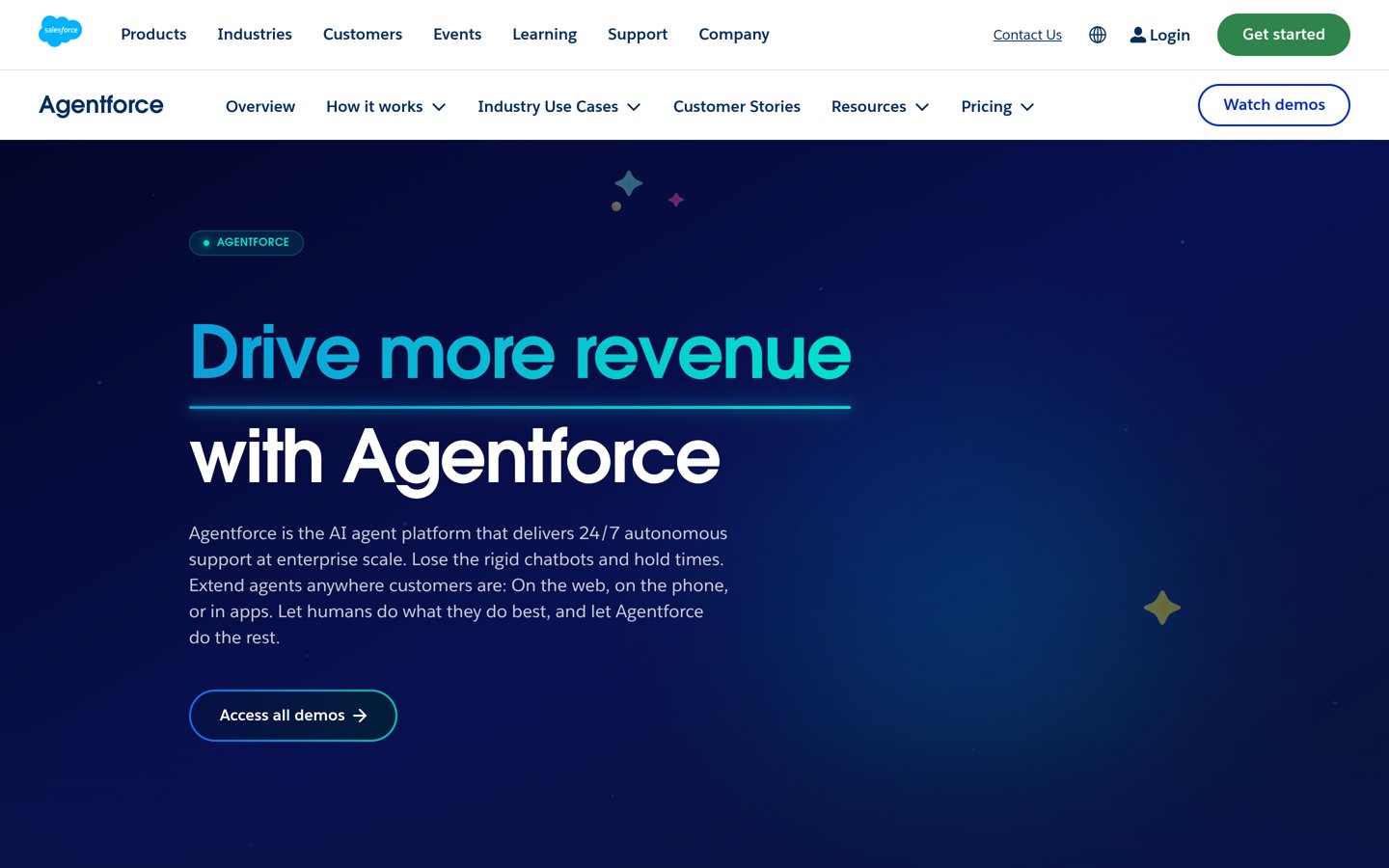
Salesforce Data 360 is the CRM-native CDP for B2B teams already running Salesforce, unifying customer data inside the platform and grounding Agentforce AI agents in that data. Zero Copy sharing pulls in warehouse data without moving it, and activation flows straight into Sales Cloud campaigns, journeys and service.
The trade off is the credit meter. Data 360 bills on consumption credits that reviewers call hard to predict, and most of its value sits inside Salesforce, so teams on other CRMs gain less. It suits B2B sellers already committed to the Salesforce stack.
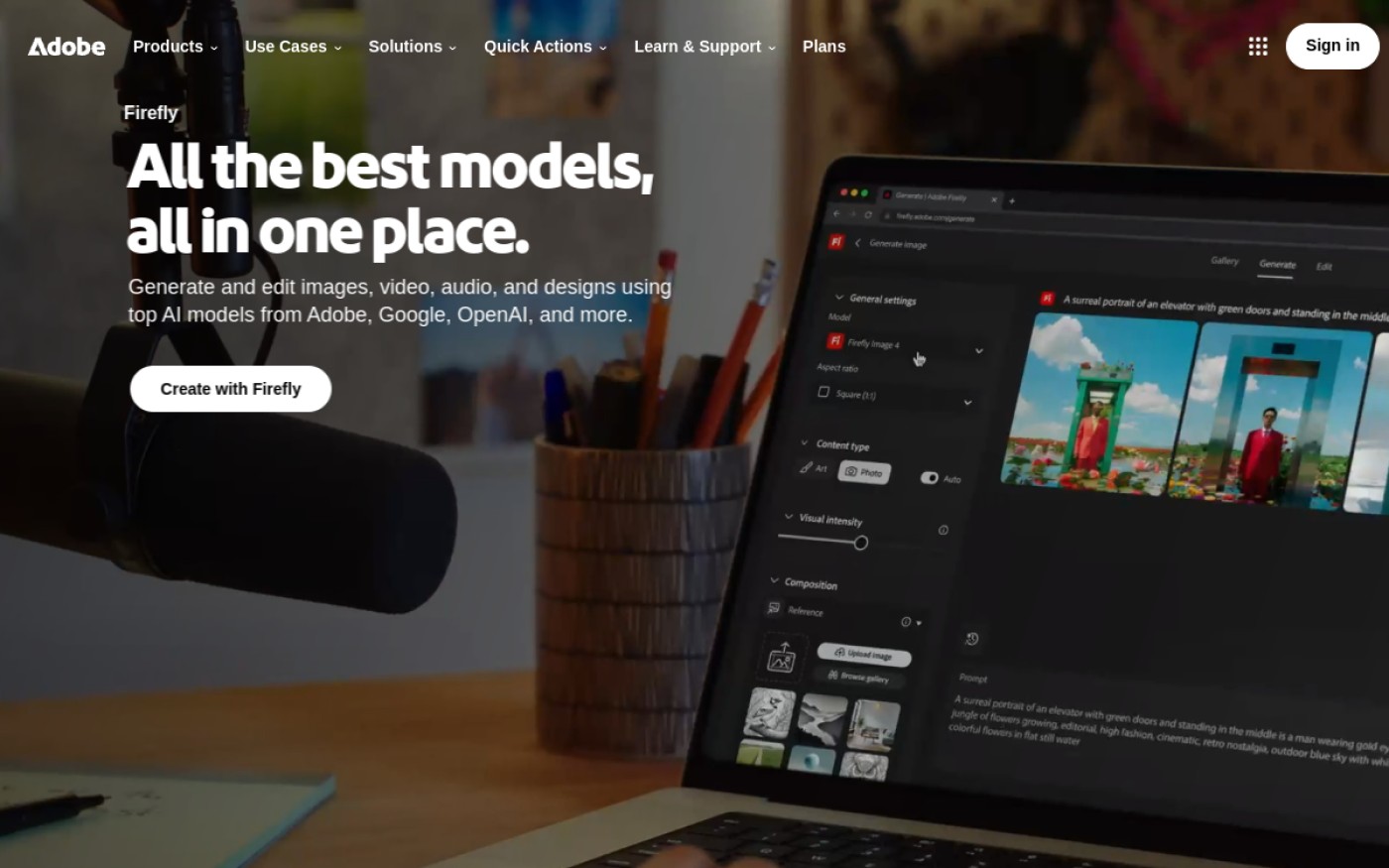
Adobe Real-Time CDP is the enterprise CDP inside Adobe Experience Platform, with native B2B account and buying-group modelling that most rivals bolt on later. It pairs unified profiles with deep governance controls, so marketing and sales can activate the same account view across Adobe Journey Optimizer, Target and Analytics.
The trade off is setup weight. Reviewers describe the XDM schema and identity setup as complex, pricing is quote-only, and it holds the lowest G2 score in this list. It suits Adobe-anchored B2B teams that already run Experience Cloud.
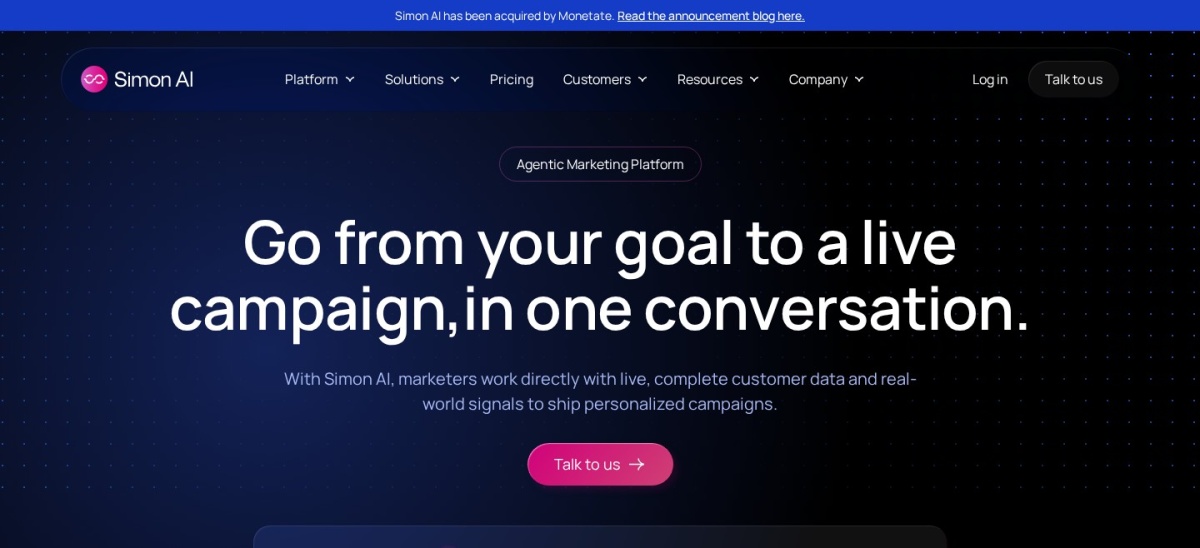
Simon Data is a marketer-led CDP, now Simon AI, that gives B2B marketers direct access to live customer data for segmentation, journeys and activation across email, SMS and paid media. Its segment builder is built for marketers rather than engineers, and reviewers praise its ease of use and responsive support.
The trade off is implementation time. G2 reviewers report an average of four months to implement, and pricing is quote-only, so budgeting starts with a sales conversation. It suits marketing teams that want to build audiences without waiting on the data team.
Amperity is a CDP built around identity resolution, fusing fragmented records from loyalty, ecommerce, in-store and online sources into a single customer view. Its Bridge shares governed profiles with Databricks and Snowflake without copying data, and more than 400 brands use it to clean up messy customer records.
The trade off is the weight of getting started. Reviewers flag multi-month implementations that need dedicated data engineering, and pricing is enterprise quote-only. It suits B2B sellers whose account records are split across many systems.
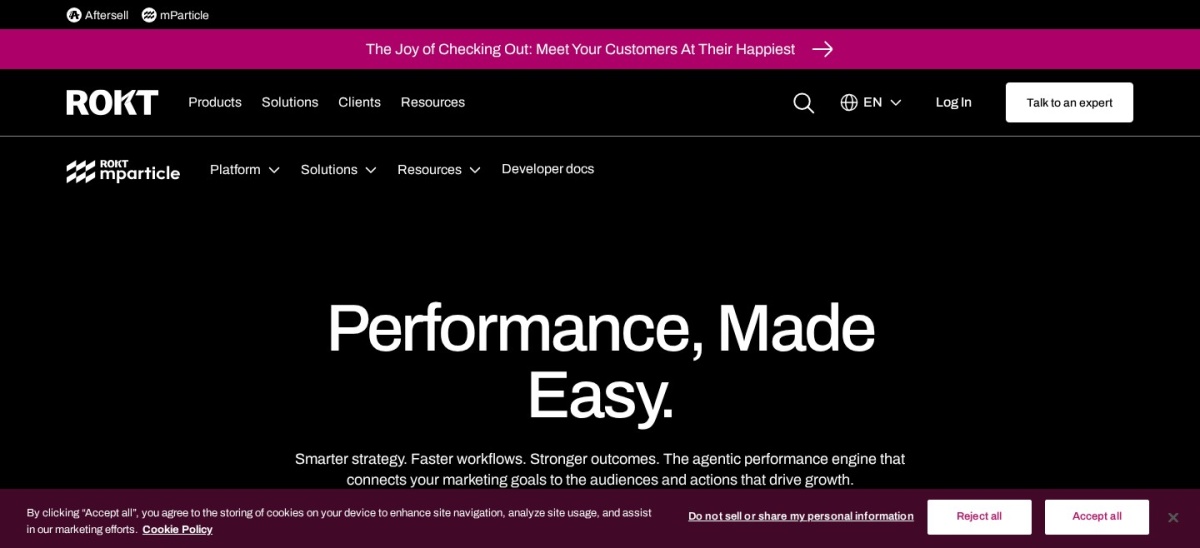
mParticle is a CDP built for mobile-heavy and multi-platform products, now part of Rokt, with strong data quality controls and cross-device identity resolution. It collects and validates events from apps, web and connected sources, then forwards clean profiles to marketing, sales and analytics tools in real time.
The trade off is fit. Its mobile-first design matters less for pure B2B sellers without an app, pricing is quote-only, and reviewers note marketer complexity at scale. It suits B2B teams whose buyers use a mobile product or portal.
B2C CDPs optimise for individual shoppers and fast campaign activation. B2B CDPs must also model accounts, buying groups and long sales cycles, which is why Salesforce and Adobe built account objects into their platforms.
Identity works differently too. B2B buyers share devices, use work emails and buy as a committee, so matching records across a buying group matters more than tracking one person across devices.
Pricing follows the same split. B2C tools often bill by visitors or events, while B2B platforms bill by profiles, accounts or credits, and almost all of them sell by quote once you pass the entry tier.
How we chose
We started from the CDPs most often shortlisted for B2B marketing and sales, then kept the nine with a verifiable G2 rating and a real B2B story, from account modelling to sales activation.
Prices and ratings were checked on 29 November 2026. Segment's $120 a month Team price comes from Twilio's own pricing page, and the other eight publish no list price, so we list them as custom quotes.
We left out CDPs with no verifiable rating and B2C-only tools with no account model. No vendor paid for a place, and we do not claim hands-on testing for this list.
How to choose CDP software for B2B marketing and sales
Start with your stack, then test the billing meter against your own volumes.
Map your stack first. If you run Salesforce, Adobe or a warehouse, shortlist the CDP built for it, because native fit beats feature lists.
Count your billable units. Ask each vendor what counts: tracked users, profiles, events or credits, then price your real volumes, not the demo ones.
Check the account model. Confirm the CDP models companies and buying groups, not just contacts, or sales and marketing will keep separate views.
Ask for implementation time. Packaged CDPs go live faster, while warehouse-native tools need clean data first, so plan the timeline before you sign.
FAQ
What is the top CDP software for B2B marketing and sales in 2026?
Twilio Segment is the top pick for most B2B teams, because it is the only CDP here with a published price, starting at $120 a month for 10,000 monthly tracked users. Hightouch is the best warehouse-native option, and Tealium leads on real-time activation.
How much does CDP software for B2B cost?
Only Twilio Segment publishes a price, from $120 a month for its Team plan, while Hightouch offers a free tier and quotes paid plans. The other seven CDPs here are quote-only, so expect an enterprise contract priced on profiles, events or credits.
Is there a free CDP for B2B marketing and sales?
Twilio Segment has a free plan for 1,000 monthly tracked users, and Hightouch offers a free tier for small volumes. The other tools here have no free plan, though Treasure Data offers a free proof of concept using your own data.
Which CDP is best for B2B teams on Salesforce?
Salesforce Data 360 is the best fit for Salesforce teams, because it unifies customer data inside Salesforce and grounds Agentforce agents in it. Hightouch is the main alternative, syncing warehouse data into Salesforce without a second database.
Twilio Segment vs Tealium: which is better for B2B?
Twilio Segment is better for teams that want a published price, a free plan and a developer-friendly pipeline with 700-plus integrations. Tealium is better for large enterprises that need real-time audiences with strict governance, but it is quote-only and takes months to implement.
Do B2B CDPs need a data warehouse?
Not always. Packaged CDPs like Segment, Tealium and Treasure Data store profiles themselves, so they work without a warehouse. Warehouse-native tools like Hightouch need one, but they avoid copying data into a second store.
SaaS SEO and WordPress specialist with about 8 years of experience. Rakib compares WordPress plugins, themes, hosting and software using public pricing, documentation and user reviews. See how we rank.