Codacy is the best of the SonarQube alternatives for most teams, with 49 languages, quality gates and a Team plan at $18 per developer a month. Snyk Code suits security-first teams at $25 a month, while Qodana is the cheapest paid option at $5 per contributor a month.
How we make this list: we compare pricing pages, product documentation and public user reviews, then re-check every price before each update. No product paid for a place. Disclosure.
Codacy covers the most ground as a direct replacement, with 49 languages, SAST, secrets detection and quality gates for $18 per developer a month.
Snyk Code adds developer security to the same list, with fix guidance in the pull request and a 4.5 out of 5 G2 rating from 136 reviews.
DeepSource claims a false-positive rate under 5% across 5,000-plus rules, so teams see fewer findings that are not worth acting on.
Qodana is the cheapest paid plan here at $5 per contributor a month, running the same 3,000-plus IntelliJ inspections as the IDE.
Semgrep is the strongest pick for custom security rules, with an open-source engine and a 4.6 out of 5 G2 rating from 56 reviews.
Paid plans in this list run from $60 a year for Qodana to $360 a year for Semgrep, and every tool has a free plan or free tier.
What should you look for in SonarQube alternatives?
A good SonarQube alternative should block risky merges, not just report problems after the fact. Quality gates, pull request comments and a clear pass or fail signal are what make a tool a replacement rather than a report.
Pricing is where the alternatives split most. Most charge per developer seat, from $5 to $30 a month, while CodeScene charges per active author in euros.
Language coverage decides fit before price does. Codacy covers 49 languages and Qodana covers more than 60, while narrower tools suit teams that work in one or two languages.
Security scanning is a separate job from code quality. Semgrep, Snyk Code and Codacy bundle SAST with quality checks, while AI reviewers such as CodeRabbit, Bito and Sourcery focus on pull request feedback and need a security tool beside them.
Free tiers are narrow by design. Most cover public repositories, individual developers or open-source projects, and private repositories with team features sit on the paid plan.
List prices in each vendor's currency, checked Nov 2026
QodanaFREE$60
BitoFREE$144
SourceryFREE$144
CodacyFREE$216
CodeSceneFREE€233
DeepSourceFREE$288
CodeRabbitFREE$288
Snyk CodeFREE$300
SemgrepFREE$360
The 9 best SonarQube alternatives
01
Codacy
4.6/5on G2 (31 reviews, checked Nov 2026)
Paid from$18/mo
Best SonarQube alternative overall
Languages49
Quality gatesYes
SAST and secretsYes
Paid planTeam, $18/dev/mo
codacy.com
Codacy homepage, captured Nov 2026.
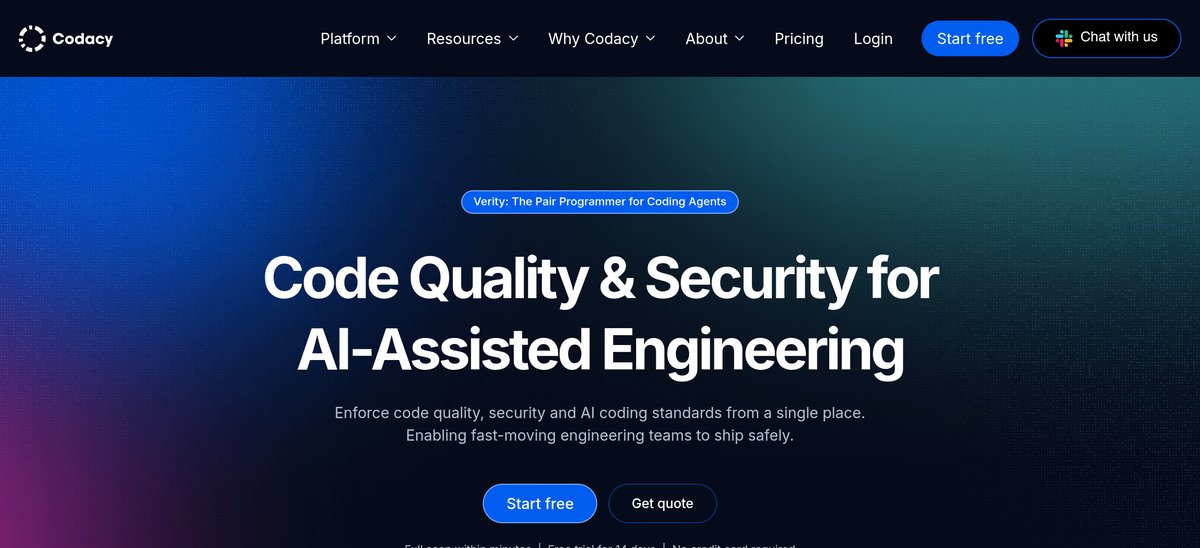
Codacy is a code quality and security platform that combines static analysis with an AI reviewer on every pull request. The free Developer tier covers the Guardrails IDE extension, while the Team plan adds the full cloud platform with SAST, SCA, secrets detection, coverage tracking and quality gates.
The trade off is the free tier. Real pull request review, coverage tracking and dashboards need the Team plan at $18 per developer a month billed annually, or $21 month to month. It suits teams that want quality and security checks in one dashboard.
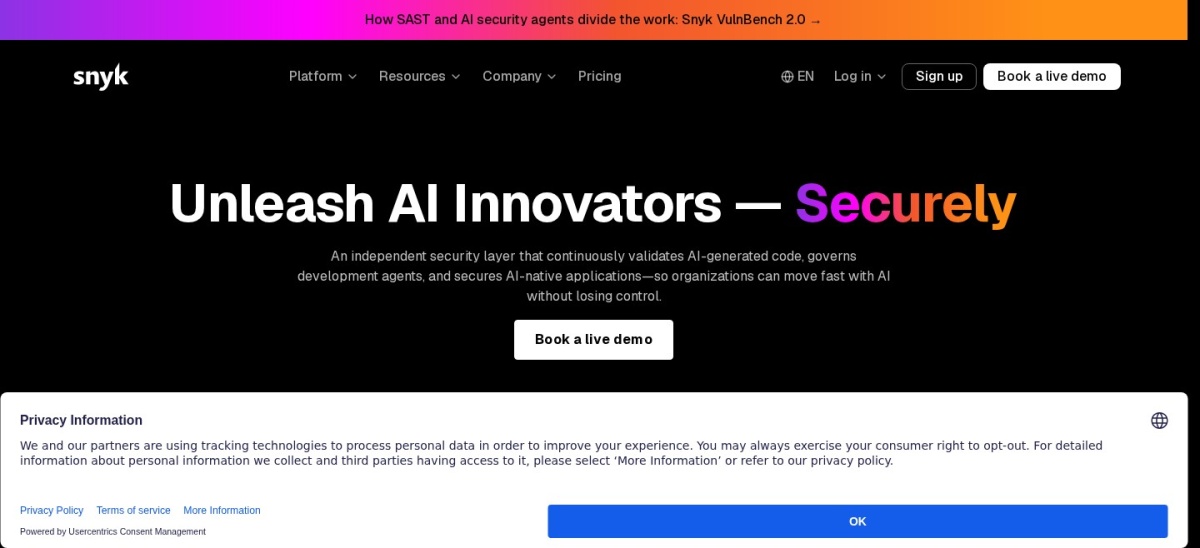
Snyk Code is the static analysis module inside the Snyk platform, built on the DeepCode engine. The free plan covers 5 projects with 100 Snyk Code tests a month, and Team raises that to 100 projects and 1,000 Code tests a month.
The trade off is the pricing page. Team costs $25 per developer a month, and Snyk's pricing page now leads with a credit-based Enterprise model, so confirm the Team tier is still sold before you buy. It suits teams that want clear fix guidance in the pull request.
What we like
Fix guidance in the pull request
Scans code, dependencies, containers and IaC
Free plan for small projects
Largest SAST review base in this list
Watch out for
Pricing page now leads with credit-based Enterprise
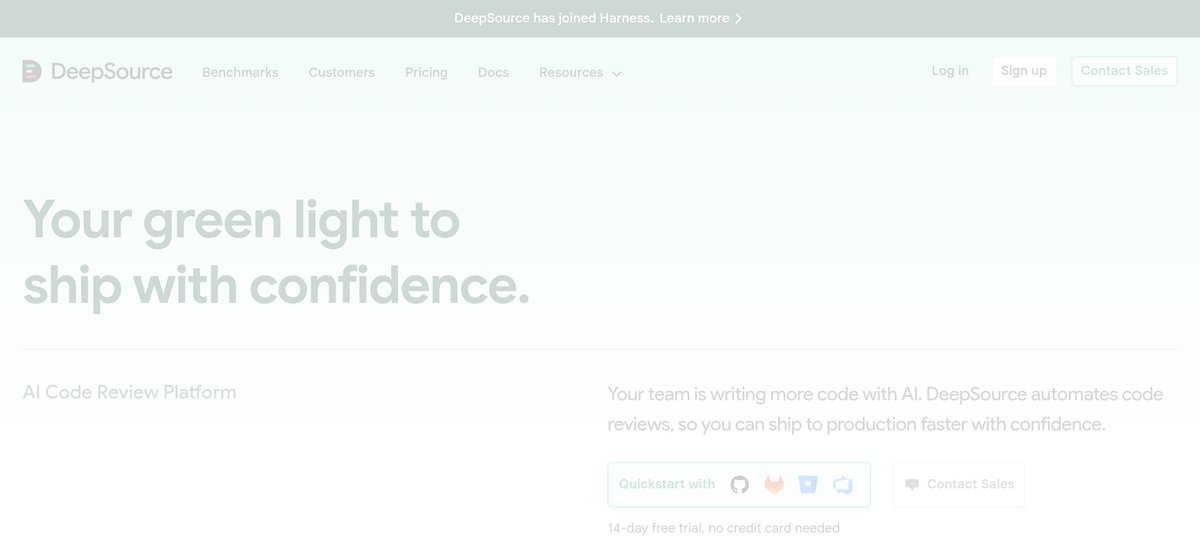
DeepSource is a code analysis platform that runs deterministic static analysis before its AI reviews a pull request, and claims a false-positive rate under 5%. The free tier covers public repositories and open-source projects, and the Team plan adds AI review, Autofix and security scanning across 16 languages.
The trade off is metering. Team costs $24 per user a month billed annually, and AI review draws on credits billed separately, so heavy AI use adds to the bill. It suits teams that want fewer, more precise findings.
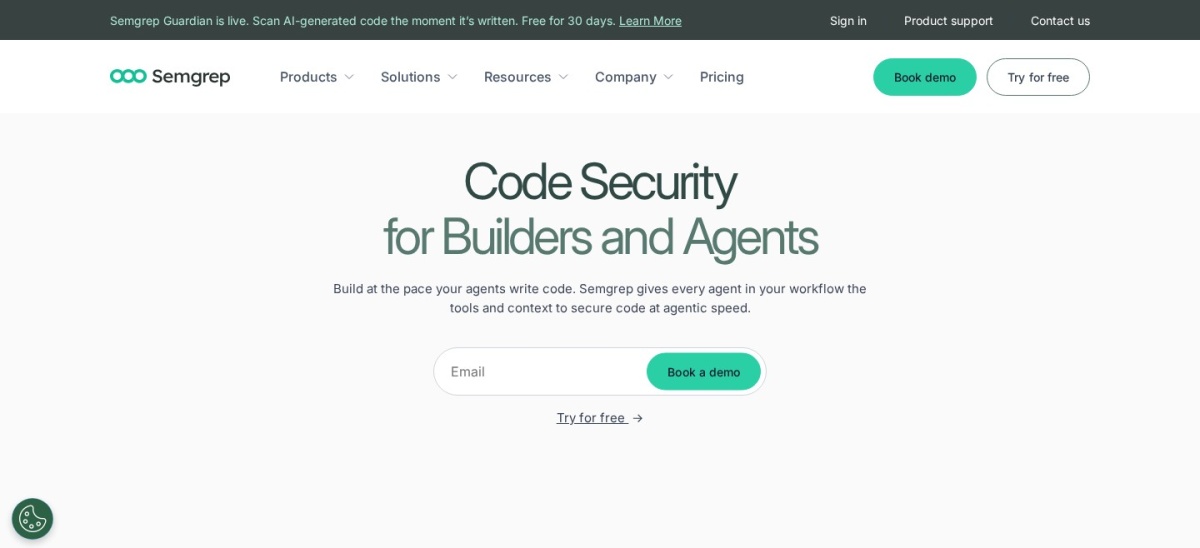
Semgrep is an open-source static analysis tool that finds bugs, enforces code standards and scans for security vulnerabilities with rules teams can write themselves. The free tier covers up to 10 contributors and 10 repositories, and paid plans add supply chain scanning, secrets detection and central rule management.
The trade off is price and setup. Paid plans start at $30 per contributor a month for the Code module, the highest starting price in this list, and complex custom rules take time to write well. It suits security-minded teams that want control over exactly what gets flagged.
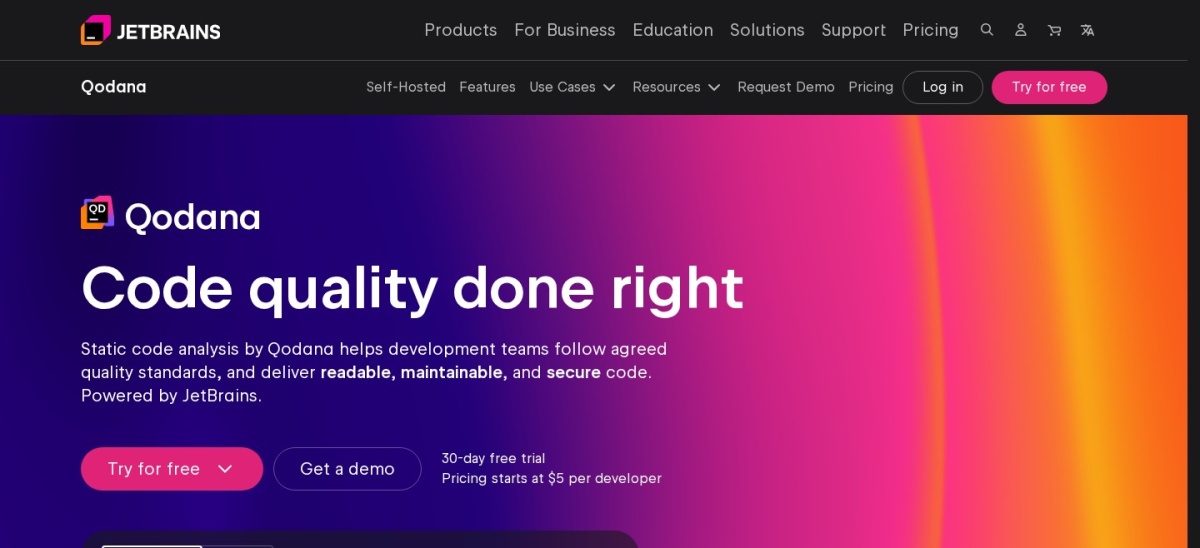
Qodana is JetBrains' code quality platform, and it runs the same 3,000-plus IntelliJ inspections in CI that developers see in their IDE. That means a finding in the pipeline matches what the IDE already showed, with no second rule set to keep in sync. The Community plan is free, and Ultimate costs $5 per active contributor a month billed annually.
The trade off is the ecosystem. Qodana fits best where developers already use JetBrains IDEs, and taint analysis, SSO and unlimited history need Ultimate Plus at $15 a month. It suits JetBrains shops that want the cheapest paid analysis in this list.
CodeScene is a behavioral code analysis platform that uses development history, team activity and code health metrics to surface high-risk areas of a codebase. The Community tier is free for open-source projects, and the Standard plan unlocks private repositories with hotspot analysis and pull request quality gates.
The trade off is that it complements rather than replaces rule-based analysis. Standard costs 18 euros per active author a month billed yearly, about $19.40, and teams that want rule checks still need a static analysis tool beside it. It suits teams deciding which files to fix first.
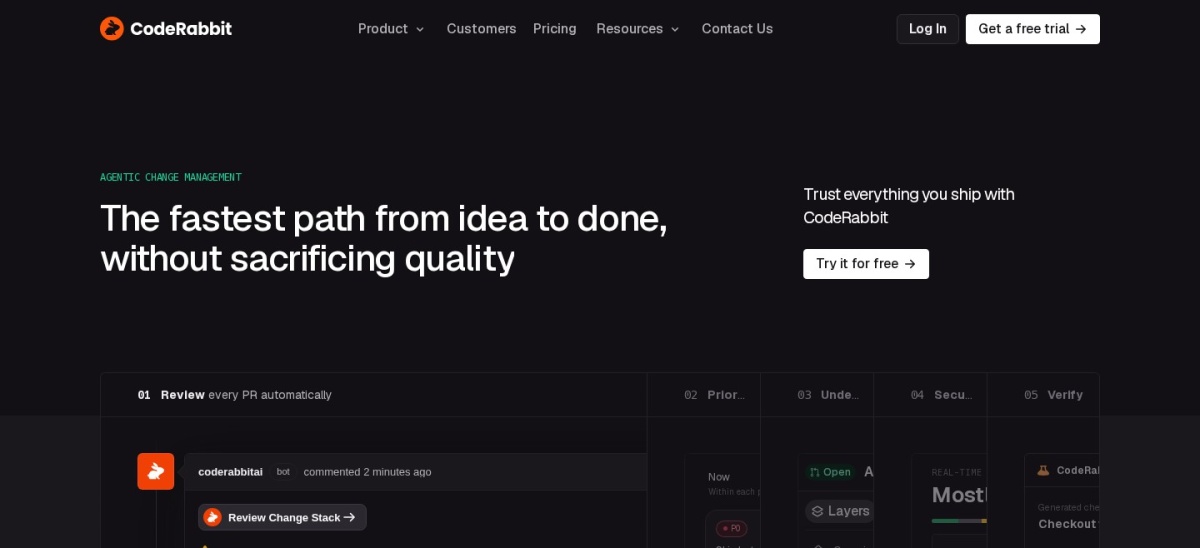
CodeRabbit is an AI reviewer that comments on every pull request with line-by-line feedback, summaries and diagrams. The free plan covers public repositories, and paid plans add one-click fixes, learnings from past reviews and Jira and Linear integrations.
The trade off is price and scope. Essentials costs $24 per developer a month billed annually, or $30 month to month, and security reviews need the Advanced plan. It suits teams of 10 to 50 developers that want a predictable per-seat bill with no cap on pull requests.
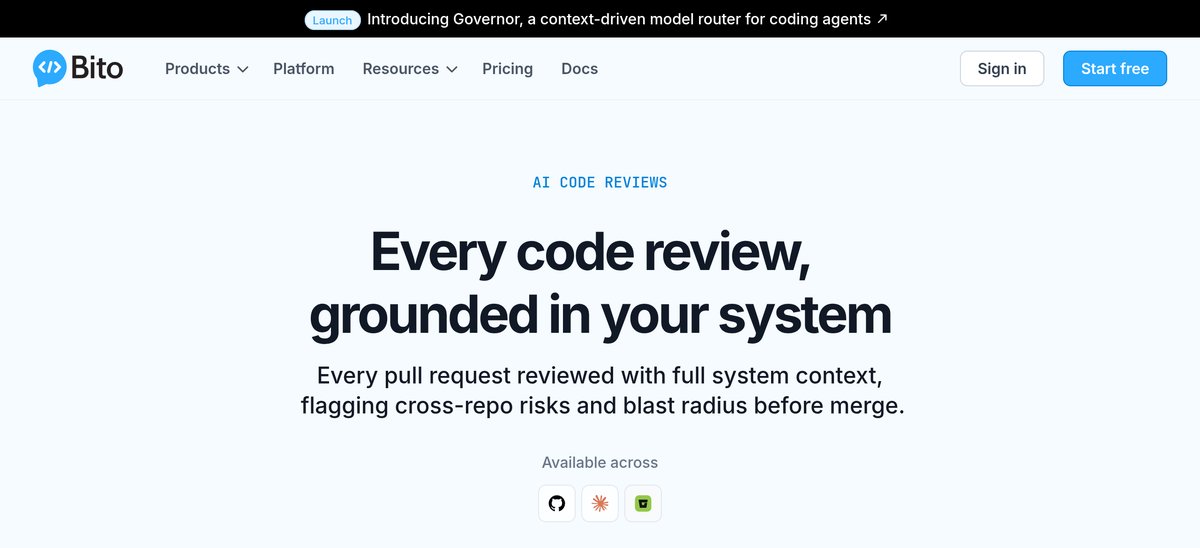
Bito is an AI code review agent that works across Git, the IDE and the command line, posting summaries and suggestions on pull requests. The free plan covers individuals, and the Team plan at $12 per seat a month billed annually adds AI review with a 5,000-line monthly allowance per seat.
The trade off is the line meter. Each seat includes 5,000 reviewed lines a month, and extra lines cost $5 per 1,000, so large pull requests raise the bill. It suits teams that want a low seat price and IDE review too.
What we like
Lowest seat price for team review
Works in the IDE as well as pull requests
Highest G2 rating in this list at 4.7
Covers GitHub, GitLab and Bitbucket
Watch out for
Line allowance caps each seat
Custom guidelines need Professional at $20
Only 16 G2 reviews
Professional adds custom guidelines and more linesVisit bito.ai
09
Sourcery
4.8/5on Capterra (16 reviews, checked Nov 2026)
Paid from$12/mo
Best budget AI reviewer
Languages30+
RefactoringDeep refactors on Pro
Free planPublic repos free
Paid planPro, $12/mo
sourcery.ai
Sourcery homepage, captured Nov 2026.
Sourcery is an AI reviewer for GitHub and GitLab that posts summaries, diagrams and line-by-line feedback on pull requests. The free Open Source plan covers public repositories, and Pro at $12 per developer a month billed annually adds private repositories and deep refactors across 30-plus languages.
The trade off is depth. Pro review limits are higher than the free tier but not published as a number, and security scanning and analytics wait for the Team plan at $24. It suits budget-conscious teams that want AI review on private repos at a low seat price.
Free tiers in this list cover public repositories, individual developers or open-source projects. They are useful for trying a tool, but they rarely cover private team repositories.
Paid plans mostly add private repositories, security scanning and team controls. Quality gates, coverage tracking and central rule management sit on the paid plan for most tools here.
If code quality gates protect a product that earns money, the first year of a paid plan often costs less than one bad release. Start with the cheapest plan that covers private repositories.
How we chose
We started from the code quality and static analysis tools most often named as SonarQube replacements, then kept the nine with a public G2 or Capterra rating and published pricing.
Prices and ratings in this file were checked on 29 November 2026 from each vendor's pricing page and G2 or Capterra listings. Where a vendor shows a sale, the list shows the regular price.
We left out tools with no public rating and tools with custom-only pricing, including Checkmarx and Veracode. No vendor paid for a place, and we do not claim to have used these tools ourselves.
How to choose a SonarQube alternative
Start with the job you are replacing, then match the billing model to your team.
Decide whether you need rules or review. If you need quality gates and deterministic checks, pick Codacy, Snyk Code, DeepSource, Semgrep or Qodana. If you need pull request feedback, add CodeRabbit, Bito or Sourcery.
Count languages before you count seats. Codacy covers 49 languages and Qodana covers more than 60, while narrower tools suit teams that work in one or two languages.
Check how the bill grows. Per-seat plans grow with the team and CodeScene grows per active author. Pick the unit that stays flat for your team.
Try the free tier on a real repository. Run the free tier on one private or public repository for a week and compare the findings with what SonarQube already flags before you pay.
FAQ
What is the best SonarQube alternative in 2026?
Codacy is the best SonarQube alternative for most teams. It covers 49 languages with SAST, secrets detection, coverage and quality gates, and the Team plan costs $18 per developer a month billed annually.
What is the cheapest SonarQube alternative?
Qodana is the cheapest paid option in this list at $5 per active contributor a month billed annually, or $60 a year. Bito and Sourcery tie next at $12 per seat a month.
Is there a free SonarQube alternative?
Yes. Codacy, DeepSource, Semgrep, Qodana, CodeScene, CodeRabbit, Bito and Sourcery all have a free plan or free tier, and Snyk Code has a free plan for small projects, but most free tiers cover public repositories, individuals or open-source projects only.
Which SonarQube alternative is best for security scanning?
Snyk Code is the best pick for security-first teams, with fix guidance in the pull request and a 4.5 out of 5 G2 rating from 136 reviews. Semgrep is the pick for teams that want to write their own custom security rules.
Codacy vs Snyk Code: which should I pick?
Pick Codacy for the broadest replacement, with 49 languages and quality, security and coverage in one dashboard. Pick Snyk Code if fix guidance and dependency, container and infrastructure checks matter more than quality gates.
Do I still need SonarQube if I use an AI code reviewer?
An AI reviewer does not replace SonarQube on its own. Tools such as CodeRabbit, Bito and Sourcery give pull request feedback, but deterministic quality gates and security rules still need a static analysis tool beside them.
SaaS SEO and WordPress specialist with about 8 years of experience. Rakib compares WordPress plugins, themes, hosting and software using public pricing, documentation and user reviews. See how we rank.