Torq is the best secops solution alternative for teams that want AI to triage alerts, rated highest in this list. Tines is the friendlier pick with a free plan, while Microsoft Sentinel suits teams already on Azure.
How we make this list: we compare pricing pages, product documentation and public user reviews, then re-check every price before each update. No product paid for a place. Disclosure.
Torq tops the list with a 4.8 G2 rating from 168 reviews and AI agents that triage alerts.
Tines is the only pick with a usable free plan: 3 live workflows and a one-time AI allowance.
Cortex XSOAR and Swimlane are the strongest pure SOAR picks, but both sell by quote only.
Microsoft Sentinel bills per gigabyte ingested, so costs rise with log volume rather than seats.
Every tool here except Tines needs a sales quote, so budget for a demo and a scoping call.
How do you pick the right secops solution alternative?
A secops solution alternative should cut manual triage first. The best tools in this list turn alerts into enriched cases automatically, so analysts start from evidence instead of raw logs.
Pricing is the hardest part to compare. Most enterprise SOAR platforms publish no price at all, so the real comparison is deployment effort, integration depth and how much automation you get before a quote.
AI triage is now the deciding feature. Torq, Tines and Swimlane all ship AI agents or assistants that draft investigations, while older platforms lean on hand-built playbooks.
Your SIEM matters more than the logo. Sentinel fits Azure shops, Splunk SOAR fits Splunk shops, and vendor-neutral tools such as Tines and Torq sit on top of whatever you already run.
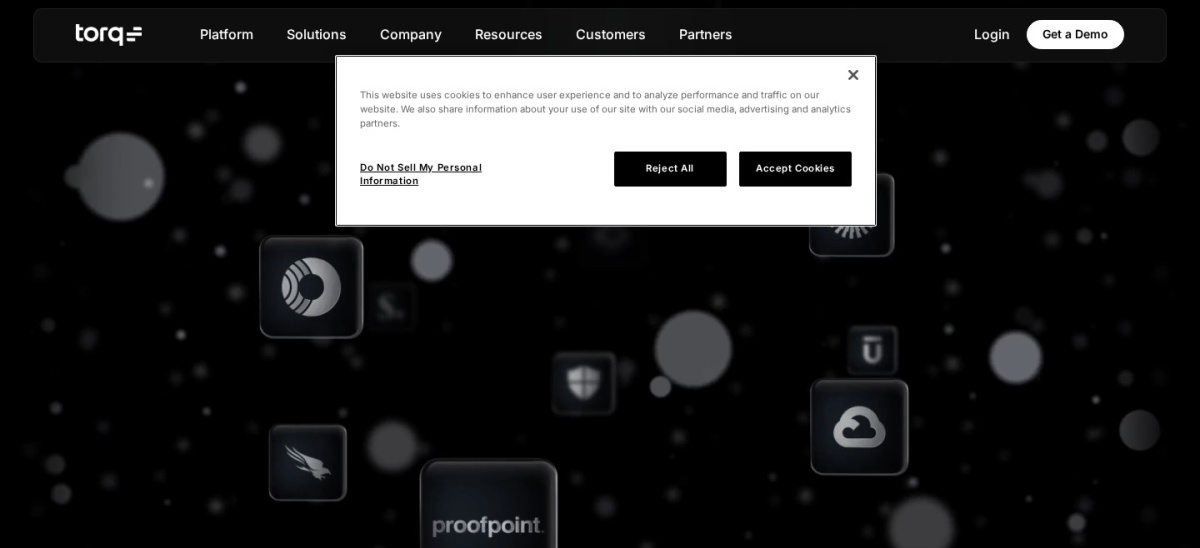
Torq is an AI SOC platform that uses agentic hyperautomation to triage alerts, investigate cases and run response workflows without fragile hand-written code. Reviewers on G2 rate it 4.8 out of 5 from 168 reviews, the highest score in this list, and praise its ease of use and integrations.
The trade off is pricing and onboarding. Torq publishes no price list and reviewers describe complex, quote-based pricing with a steep initial learning curve. It suits mid-market and enterprise SOCs that want AI to clear alert queues and can invest in setup.
What we like
Highest G2 rating in this list at 4.8
AI agents triage alerts without code
Strong reviewer scores for setup and support
1-month average implementation per G2
Watch out for
No public pricing, quote only
Steep learning curve for nested workflows
Debugging complex workflows can be slow
Paid plans add AI agents at scale and premium supportVisit torq.io
02
Tines
4.7/5on G2 (429 reviews, checked Nov 2026)
PricingCustom/yr
Best no-code automation with a free plan
Free planYes, 3 workflows
AI allowance$50 one-time
BuildersUnlimited users
Paid plansQuote-based
tines.com
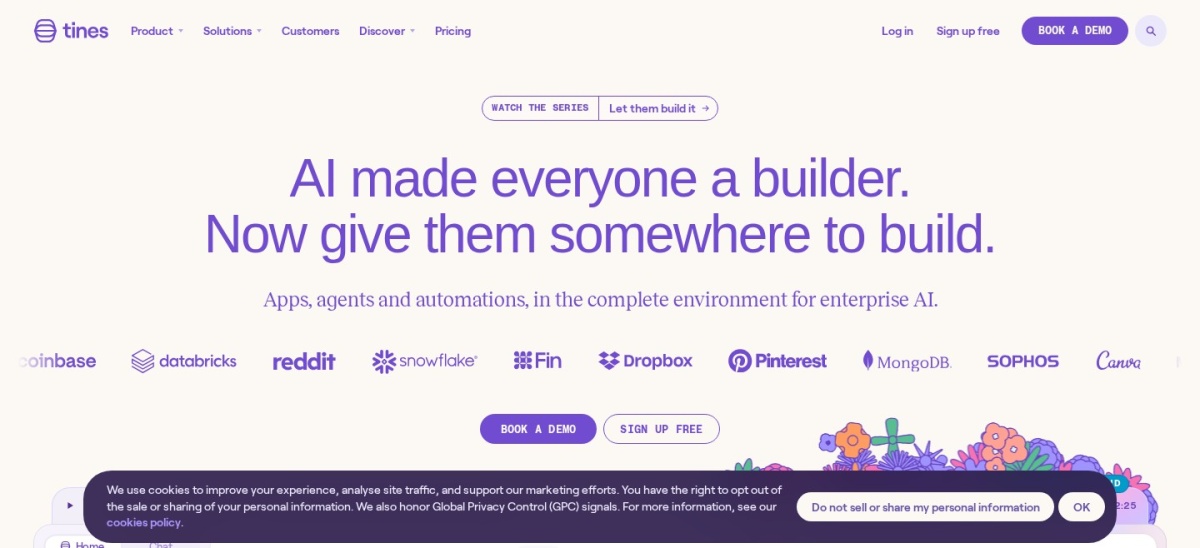
Tines homepage, captured Nov 2026.
Tines is a no-code workflow automation platform built for security teams, with a visual builder called Stories that turns alerts into automated triage, enrichment and response. Its free edition includes unlimited users and connectors, 3 live workflows and a one-time $50 AI allowance. G2 reviewers rate it 4.7 out of 5 from 429 reviews.
The trade off is paid pricing. Tines publishes no dollar price for its paid editions, and G2 reviewers describe enterprise pricing as steep. It suits teams that want to start free and grow into automation without writing code.
What we like
Only tool here with a real free plan
Easiest builder for non-developers
429 G2 reviews, the most in this list
Bring your own AI model on paid plans
Watch out for
No public price for paid editions
Free plan caps at 3 live workflows
Enterprise tiers can be costly for small teams
Paid editions add unlimited workflows and flexible deploymentVisit tines.com
03
Cortex XSOAR
4.6/5on G2 (29 reviews, checked Nov 2026)
PricingCustom/yr
Best enterprise SOAR for Palo Alto shops
DeploymentCloud or on-premises
AutomationPlaybook-driven
Case managementYes
Free planNo
paloaltonetworks.com
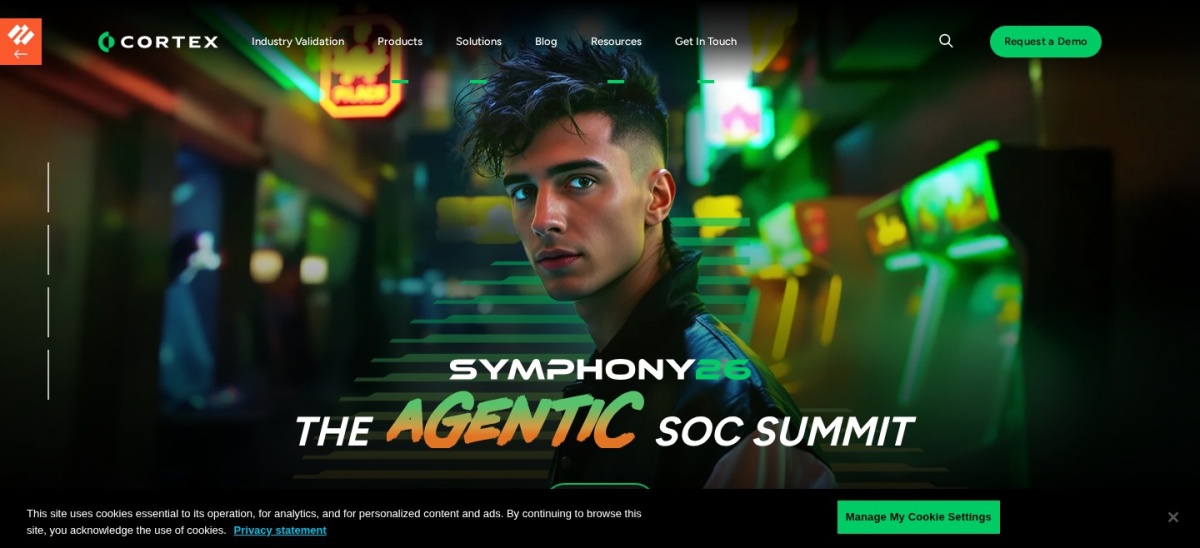
Cortex XSOAR homepage, captured Nov 2026.
Cortex XSOAR is Palo Alto Networks' security orchestration platform, built to automate incident response with visual playbooks that run on premises or in the cloud. It connects SIEM, EDR and ticketing tools into one case queue, and G2 reviewers rate it 4.6 out of 5 from 29 reviews.
The trade off is cost and setup. XSOAR is quote-only, reviewers call it costly, and G2 puts average implementation at 2 months. It suits large SOCs already invested in Palo Alto Networks that need deep, governed automation.
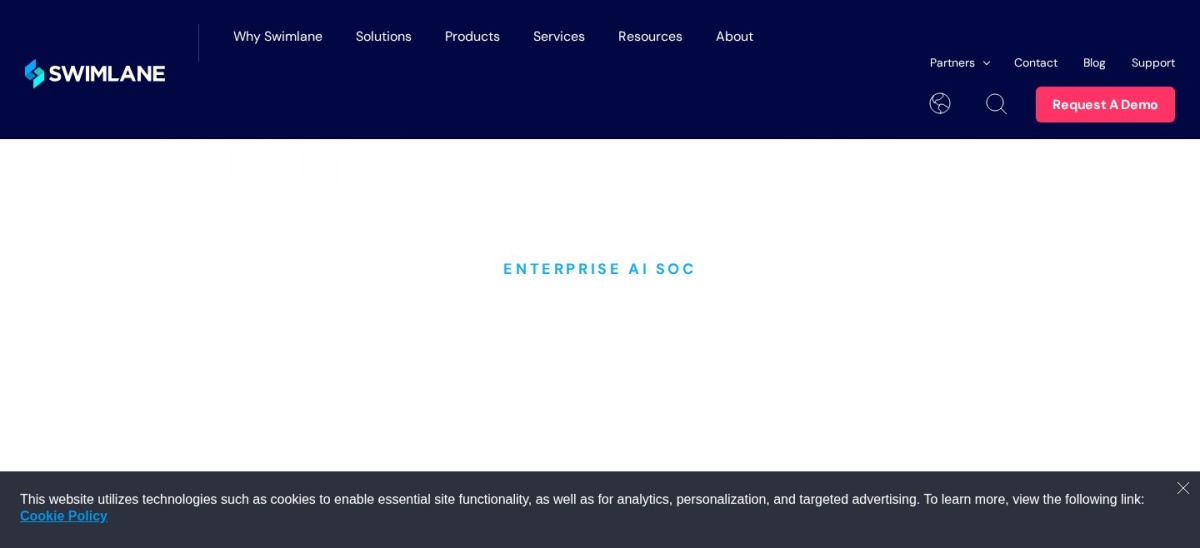
Swimlane is a low-code security automation platform that pairs visual playbooks with case management, dashboards and reporting for SOC and MSSP teams. Its Turbine platform bills by automated actions per day rather than per seat, and G2 reviewers rate it 4.5 out of 5 from 45 reviews.
The trade off is price clarity. Swimlane publishes tier names from Starter to Elite but no dollar figures, and reviewers call it pricey with a learning curve for advanced workflows. It suits teams that want case context and automation in one place.
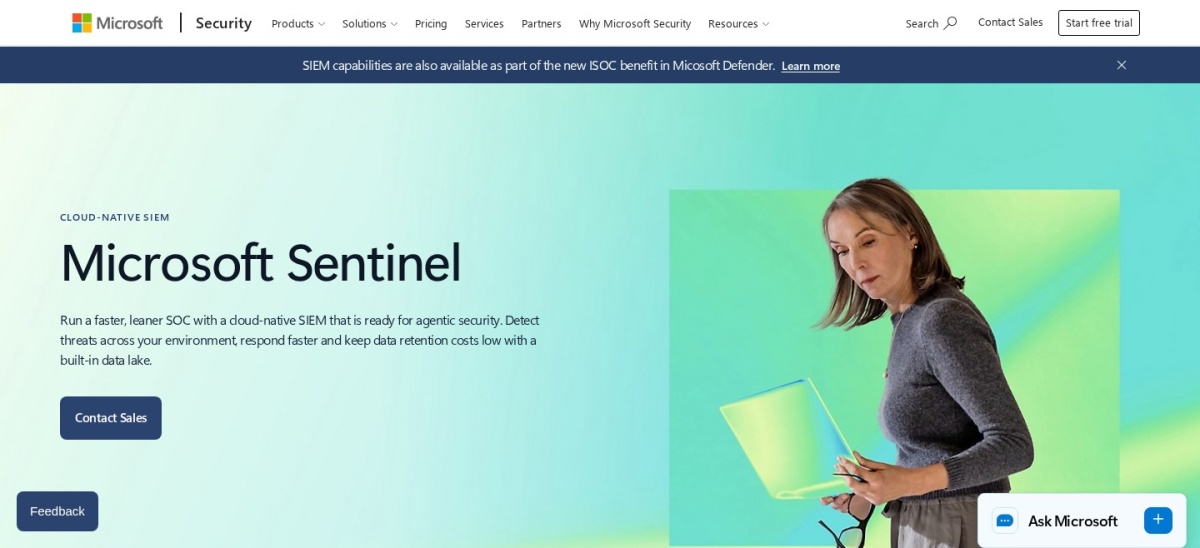
Microsoft Sentinel is a cloud-native SIEM with built-in SOAR, designed to detect threats across Azure, Microsoft 365 and hybrid environments from one workspace. Automation rules and playbooks respond to alerts without leaving the console, and G2 reviewers rate it 4.4 out of 5 from 299 reviews.
The trade off is cost predictability. Sentinel bills by data ingested, so heavy log volumes push the bill up, and reviewers flag the Kusto query learning curve. It suits teams already running Azure and Defender that want one security home.
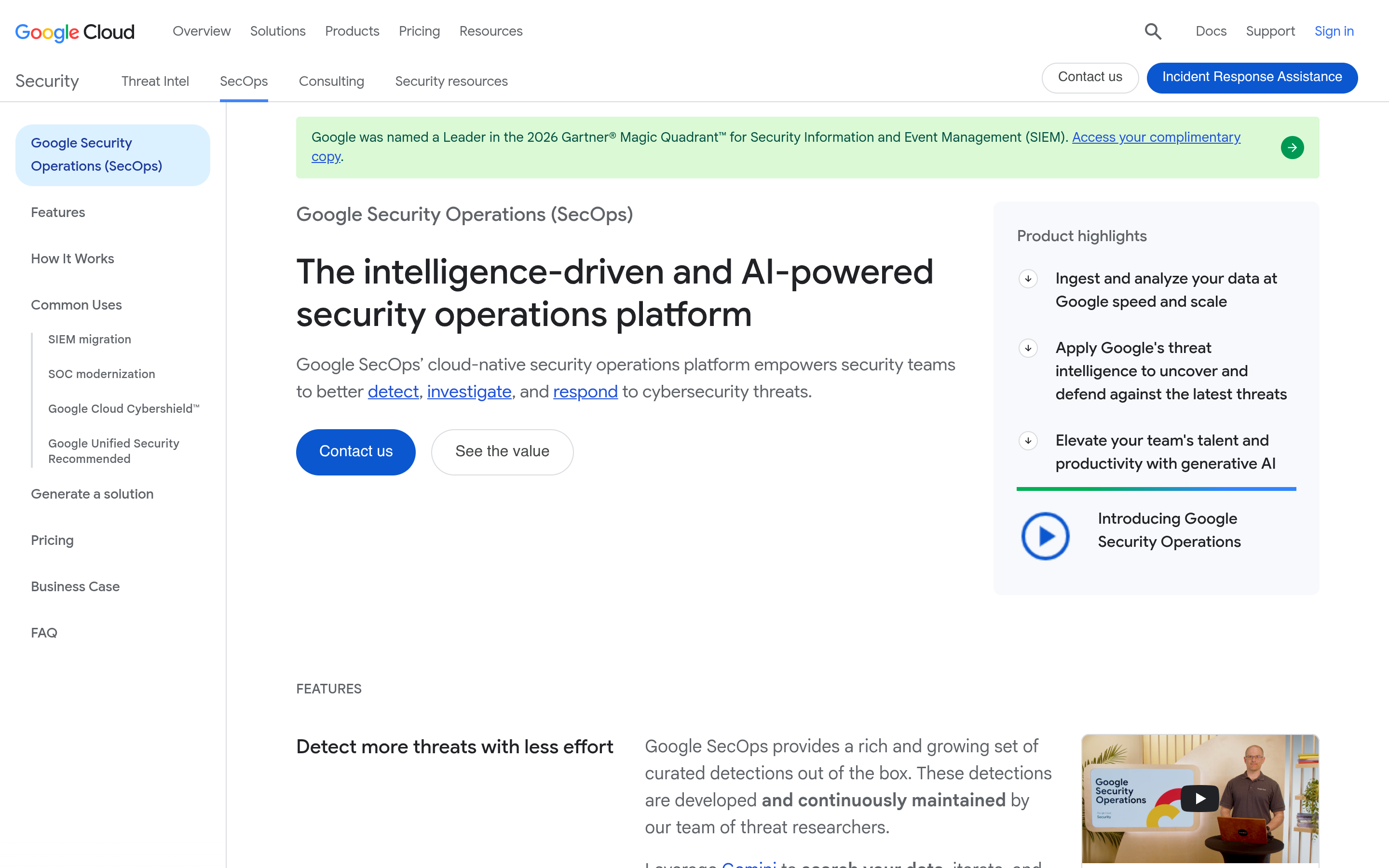
Google Security Operations homepage, captured Nov 2026.
Google Security Operations is a cloud security platform that combines a SIEM, SOAR playbooks and threat intelligence on Google infrastructure. Its SOAR came from the Siemplify acquisition, and Gemini helps draft playbooks and case summaries. G2 reviewers rate it 4.4 out of 5 from 103 reviews.
The trade off is price and ramp-up. Google publishes no price for its Standard, Enterprise or Enterprise Plus packages, and reviewers note a steep learning curve with slower support. It suits large teams that need fast search over huge log volumes.
ServiceNow Security Operations homepage, captured Nov 2026.
ServiceNow Security Operations is the security arm of the Now Platform, unifying incident response, vulnerability response and risk on one system of record. One ticket holds the whole story from detection to closure, and G2 lists 85 verified integrations. Reviewers rate it 4.4 out of 5 from 89 reviews.
The trade off is setup effort. G2 reviewers praise the integrations but call setup difficult, with playbooks that take time to build and licensing that limits options. It suits enterprises already running ServiceNow ITSM that want security on the same platform.
Splunk SOAR is the automation add-on to Splunk Enterprise Security, formerly known as Phantom before Splunk bought it in 2018. It runs playbooks against Splunk data to enrich, contain and close incidents, and G2 reviewers rate it 4.4 out of 5 from 41 reviews.
The trade off is cost at scale. Splunk prices by ingest volume, so the bill climbs as data grows, and reviewers call it expensive and complex to learn. It suits enterprises already standardized on Splunk that want automation beside their SIEM.
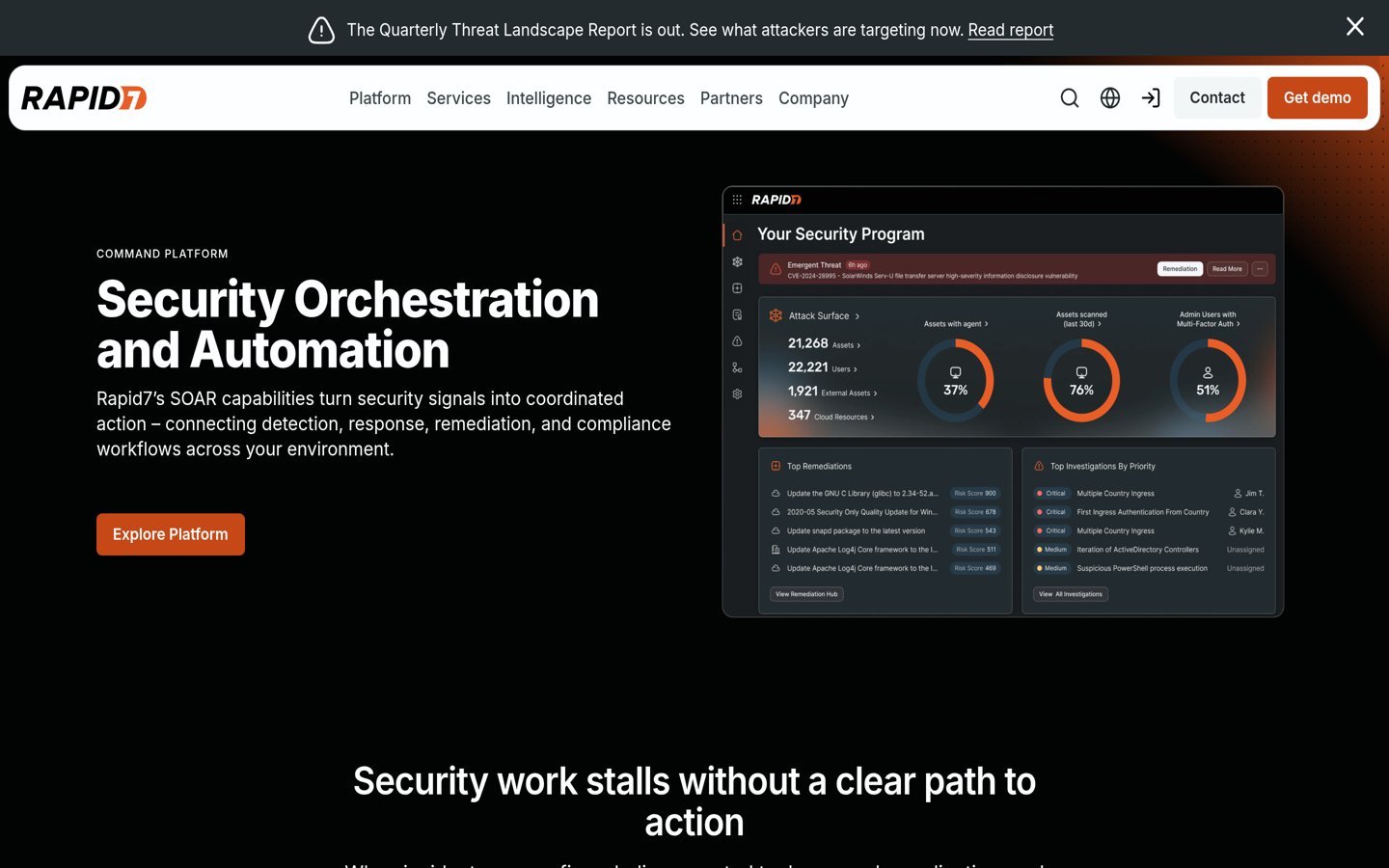
InsightConnect is Rapid7's SOAR platform for automating security workflows across the tools a team already runs. Its plugin library connects detection, ticketing and chat tools into orchestrated response, and it pairs closely with InsightIDR. G2 reviewers rate it 4.0 out of 5 from 5 reviews.
The trade off is polish and proof. Reviewers say building workflows from scratch is hard, plugins need manual updates, and only 5 G2 reviews back the rating. It suits Rapid7 customers that want automation inside a stack they already own.
Only Tines offers a real free plan here. The rest are enterprise platforms that start with a sales conversation.
Free means limits. Tines caps free users at 3 live workflows, so a working SOC will outgrow it and move to a paid edition.
Quote-only pricing is normal in this market. Ask each vendor for the same scope, users, daily actions and data volume, or the quotes will not compare.
How we chose
We started from the SOAR and security operations leaders on G2, then kept the nine with a published numeric rating and a live product page.
Prices come from each vendor's pricing page, checked on 30 November 2026. Eight of the nine publish no dollar price, so the list shows Custom and says so plainly; Sentinel bills per gigabyte ingested.
We left out tools with no aggregator rating at all. No vendor paid for a place, and we do not claim hands-on testing for this list.
How to choose a secops solution alternative
Start with the SIEM and EDR tools you already pay for, then pick automation that sits on top.
Map your alert flow first. Count daily alerts, who triages them and where time goes. The tool should cut that queue, not add another console.
Match the tool to your stack. Sentinel fits Azure shops, Splunk SOAR fits Splunk shops, and vendor-neutral tools such as Tines and Torq fit mixed stacks.
Ask for one scoped quote. Give every vendor the same users, daily actions and data volume, or the quotes will not compare.
Trial the builder before you buy. Build one real phishing triage flow in the trial and time it. If analysts cannot finish it, the tool will not stick.
FAQ
What is the best secops solution alternative in 2026?
Torq is the best secops solution alternative for most teams. It holds the highest G2 rating in this list at 4.8 from 168 reviews, with AI agents that triage alerts without hand-written code. Tines is the friendlier pick if you want to start free.
How much does a secops solution cost?
Most enterprise secops tools sell by quote, so there is no public price to compare. Tines publishes a free plan, Sentinel bills per gigabyte ingested, and the rest ask you to talk to sales. Expect five-figure annual contracts for mid-market teams.
Is there a free secops solution alternative?
Tines is the only tool in this list with a usable free plan. Its Community Edition includes unlimited users and connectors with 3 live workflows and a one-time AI allowance. The other eight tools offer trials or demos instead of a free tier.
Which is better, Torq or Tines?
Torq is the better pick for AI-led triage, with a 4.8 G2 rating and agentic automation that clears alert queues. Tines is better for teams that want a gentle start, with a no-code builder and a free plan. Large SOCs usually pick Torq, smaller teams usually pick Tines.
Do I need a SIEM before I buy a SOAR tool?
Yes, in most cases. SOAR tools automate the alerts your SIEM and EDR tools already produce, so buying one without detection leaves little to automate. Sentinel and Google Security Operations bundle both, which suits teams starting from scratch.
What is the easiest secops tool for a small team?
Tines is the easiest starting point for a small team. Its visual builder needs no code, the free plan covers early experiments, and 429 G2 reviews back the 4.7 rating. Swimlane and Torq are stronger but need more setup and budget.
SaaS SEO and WordPress specialist with about 8 years of experience. Rakib compares WordPress plugins, themes, hosting and software using public pricing, documentation and user reviews. See how we rank.