TeamSpeak is the best Discord alternative for gaming when voice quality matters most, with the lowest latency and servers you control. Telegram suits huge gaming communities, while Signal is the pick for small private groups that want encryption by default.
How we make this list: we compare pricing pages, product documentation and public user reviews, then re-check every price before each update. No product paid for a place. Disclosure.
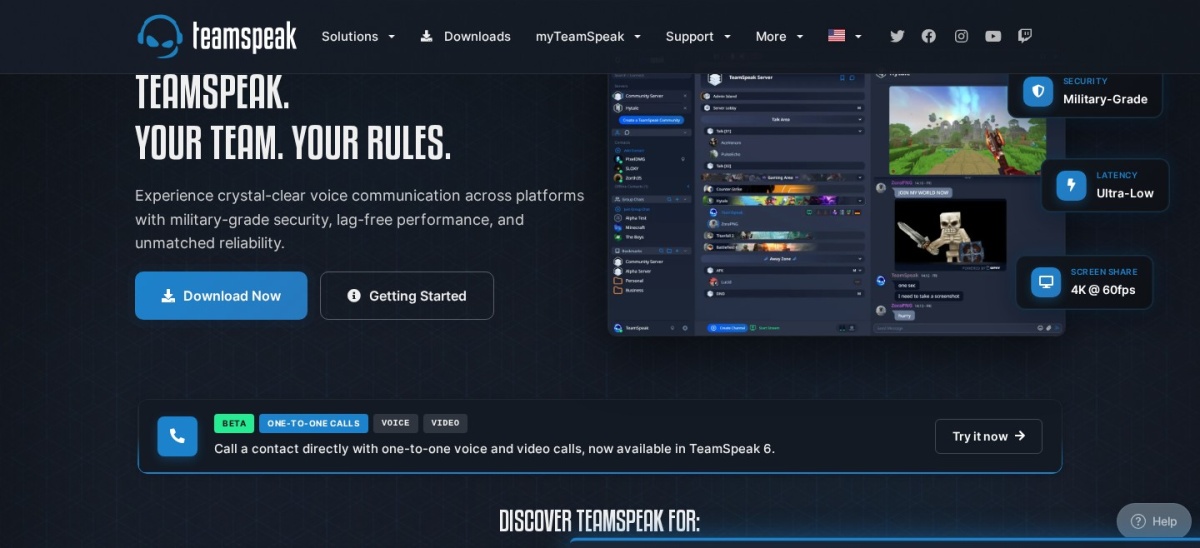
TeamSpeak is the voice-first pick, with hosted servers from $4.99 a month and a free server for up to 32 users.
Telegram is the best free option for huge communities, with groups up to 200,000 members and no history cap.
Signal is fully free and encrypted by default, but group calls cap at 50 people and there are no servers or bots.
Stoat, Mumble and Steam Chat have no G2, Capterra or Trustpilot listing, so they are not ranked here.
Guilded shut down on 19 December 2025 and Skype retired on 5 May 2025, so neither is an option any more.
How do you choose the best Discord alternatives for gaming?
Voice quality decides a gaming alternative, not the channel list. A tool can copy Discord's layout and still lose a match to lag, so latency and server control come first.
Free does not mean equal. TeamSpeak, Signal and Element are free in different ways: TeamSpeak charges for hosted servers, Signal has no paid tier at all, and Element is free to self-host with paid hosting on top. Our softphone software guide covers the same voice-first tools for business calls.
Community size changes the answer. A five-person squad fits Signal or TeamSpeak, a hundred-person guild needs servers and roles, and a public community of thousands needs Telegram's huge groups and broadcast channels.
Check what is still alive before you move. Guilded shut down in December 2025 and Skype retired in May 2025, and older lists still recommend both.
TeamSpeak is the veteran voice platform for competitive gaming, built around self-hosted or rented servers with granular permissions. Hosted servers start at $4.99 a month for 11 slots, and a free self-hosted server covers up to 32 users at once.
The trade off is the missing community layer. TeamSpeak has no Discord-style servers, forums or bots, and TeamSpeak 6, which adds communities and group chats, is still in beta. It suits competitive teams where voice latency matters more than text channels.
4.7/5on Capterra (6,440 reviews, checked Nov 2026)
Paid from$4.99/mo
Best for huge gaming communities
Entry planPremium, $4.99/mo
Group size200,000 members
File sharingUp to 2 GB free
Voice chatsYes, in groups
telegram.org
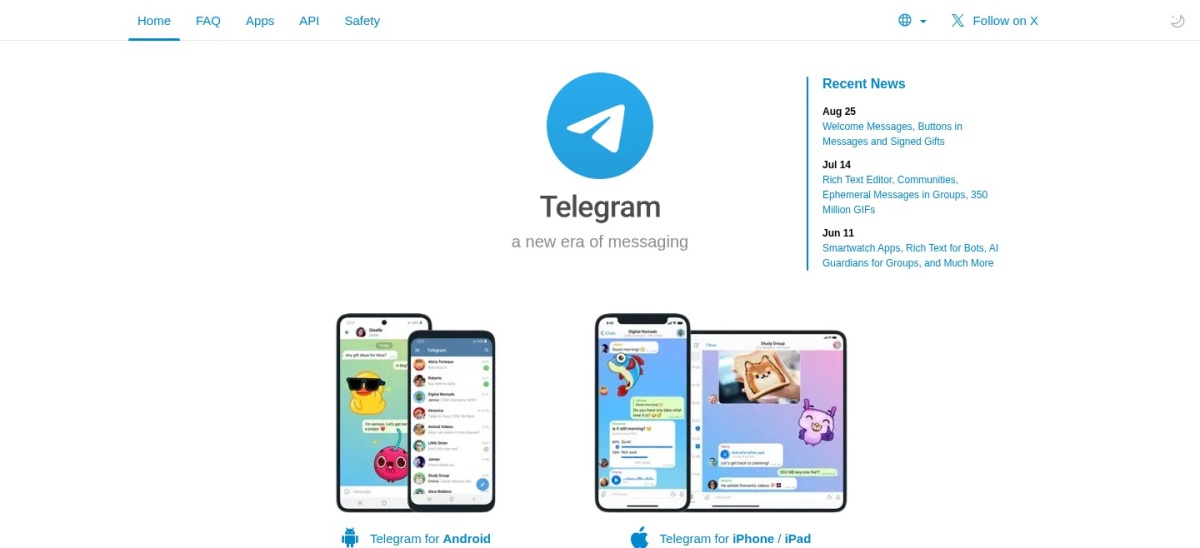
Telegram homepage, captured Nov 2026.
Telegram is a fast messaging app with groups of up to 200,000 members, channels for announcements and voice chats inside groups. It is free, with Premium at $4.99 a month adding faster downloads, 4 GB uploads and no ads in public channels.
The trade off is moderation and privacy. Default chats are not end-to-end encrypted, and public gaming groups attract scammers, so admins must moderate hard. It suits large public communities that need broadcast channels and huge groups.
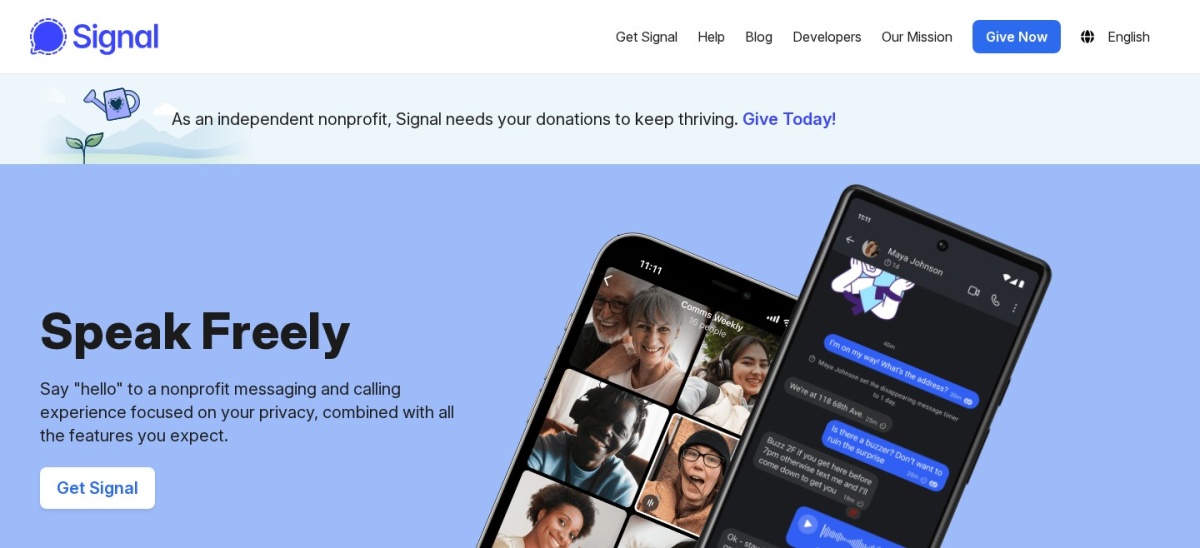
Signal is a free, open-source messaging app run by a non-profit, with end-to-end encryption on every message and call by default. Group calls cover up to 50 people, and there are no ads, no tracking and no paid plan at all.
The trade off is scale and features. Signal has no servers, roles or bots, and group calls cap at 50 people, so it cannot run a big public community. It suits small groups of friends who want private voice and chat.
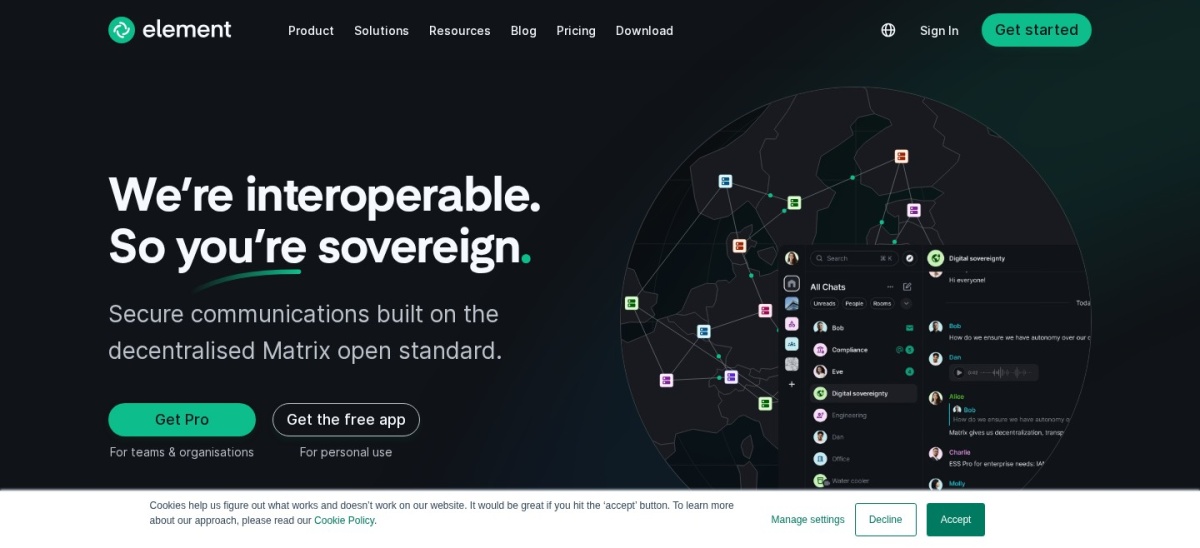
Element is the main app for Matrix, an open, federated chat network where anyone can run a server that still talks to the wider network. The app is free, rooms support voice and video calls, and private rooms are end-to-end encrypted by default.
The trade off is polish and setup. Reviewers call the desktop client clunky and heavy, and running your own server takes real admin work. It suits communities that want to own their data and federate with other servers.
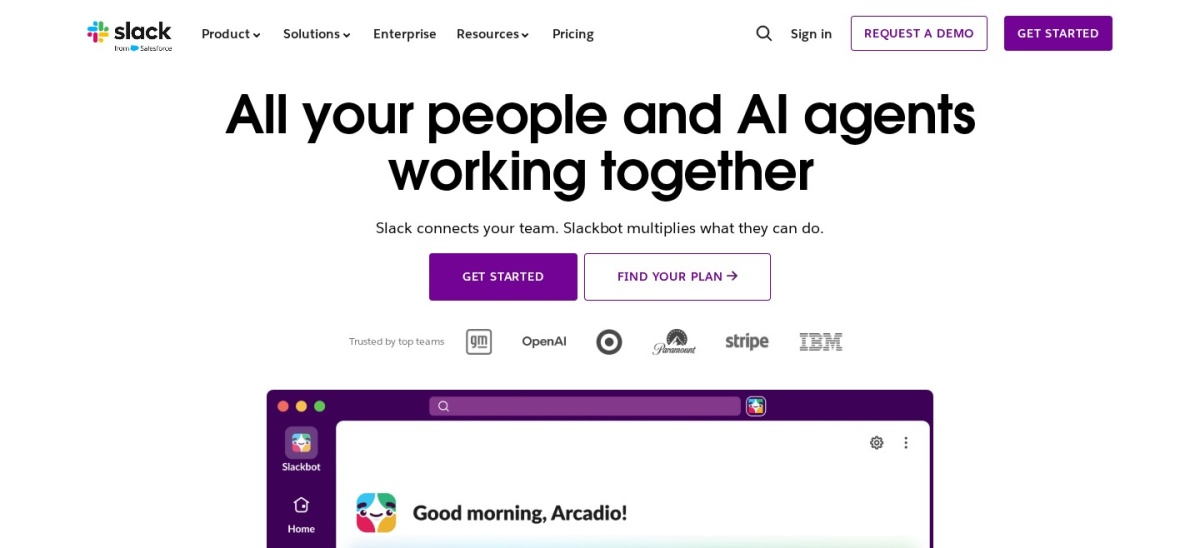
Slack is the best-known team chat app, built around channels, direct messages and huddles for quick voice calls. The free plan covers 90 days of history, and Pro costs $7.25 a user a month billed yearly, or $8.75 month to month.
The trade off is history and price. The free plan hides messages older than 90 days, and a gaming community pays per user, which adds up fast. It suits organised groups that already live in Slack for work.
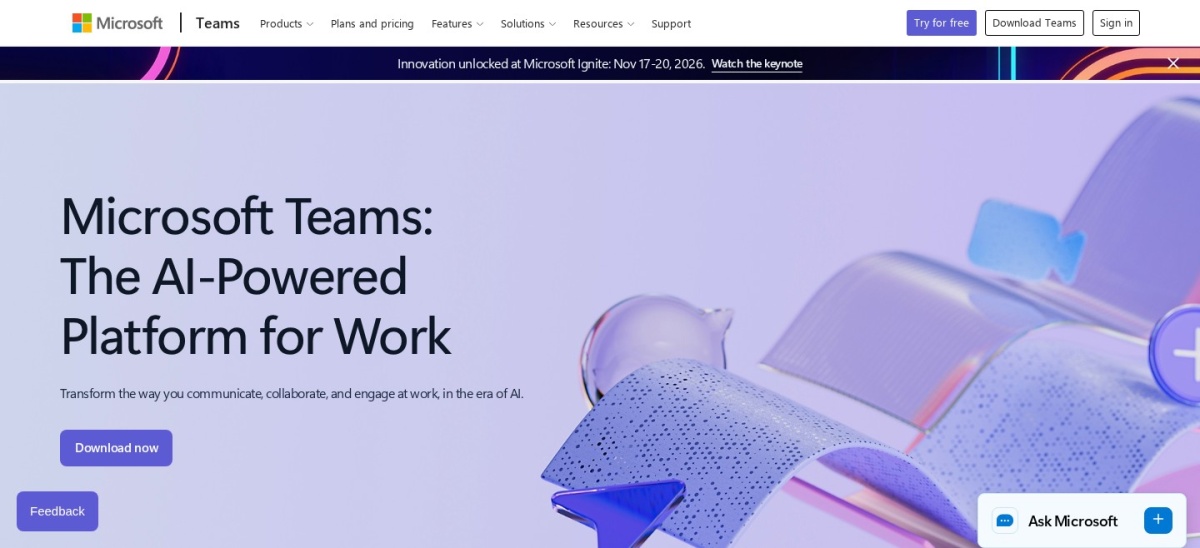
Microsoft Teams is Microsoft's chat and meeting app, bundled with Microsoft 365 and free for personal use. Teams Essentials costs $4 a user a month, and the free plan covers group meetings of up to 60 minutes with unlimited chat.
The trade off is weight. Teams is a heavy app built for work, and reviewers complain about performance and a complex interface. It suits gaming groups already paying for Microsoft 365.
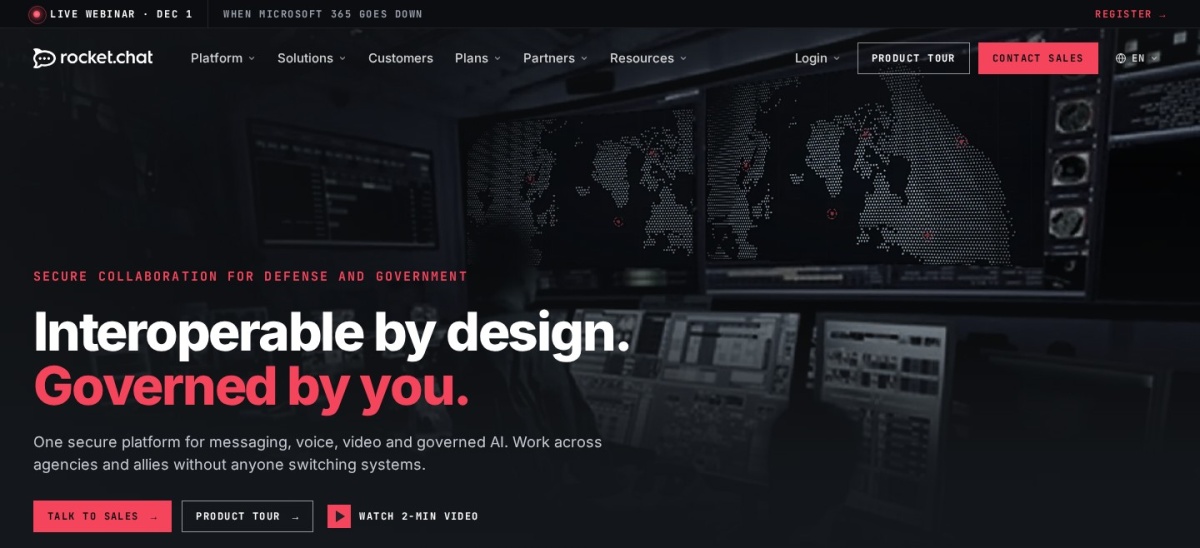
Rocket.Chat is an open-source team chat platform with a free Starter tier for up to 50 users and a self-hosted Community edition. It adds omnichannel messaging, so one inbox can cover chat, email and social messages.
The trade off is pricing clarity. Paid plans are quote-only, with directories reporting $7 to $8 a user a month, so you must ask sales for a firm figure. It suits teams that want open-source chat with support.
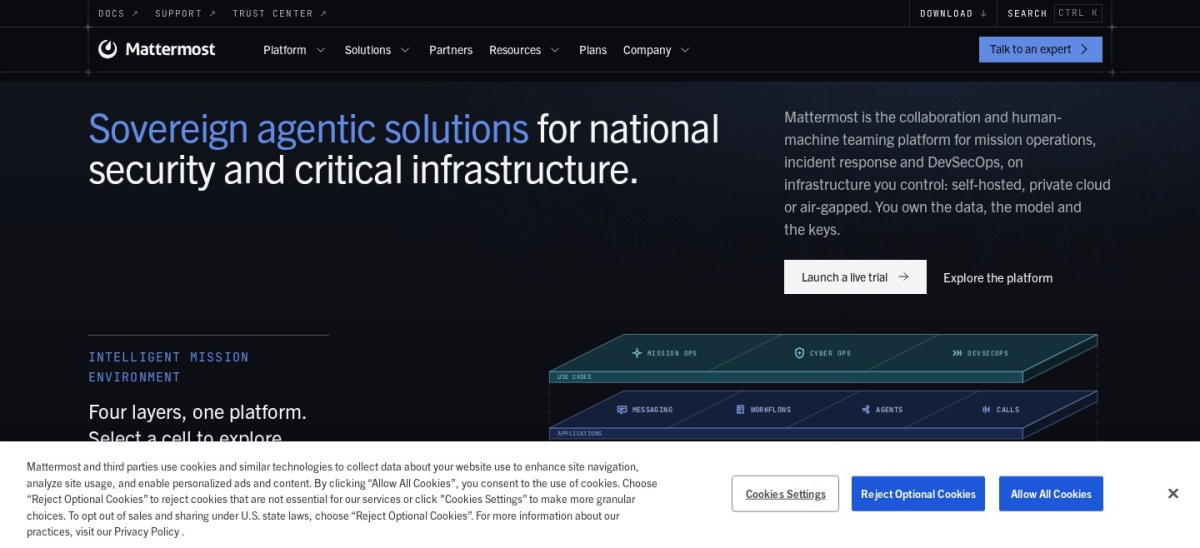
Mattermost is an open-source team chat platform built for developers and security-conscious teams, with self-hosting down to air-gapped networks. The free tier covers self-hosted use, and Professional costs $10 a user a month.
The trade off is gaming fit. Mattermost is built for work, with no game integrations or community discovery, and its interface is plain. It suits developer-heavy gaming groups that want to host everything themselves.
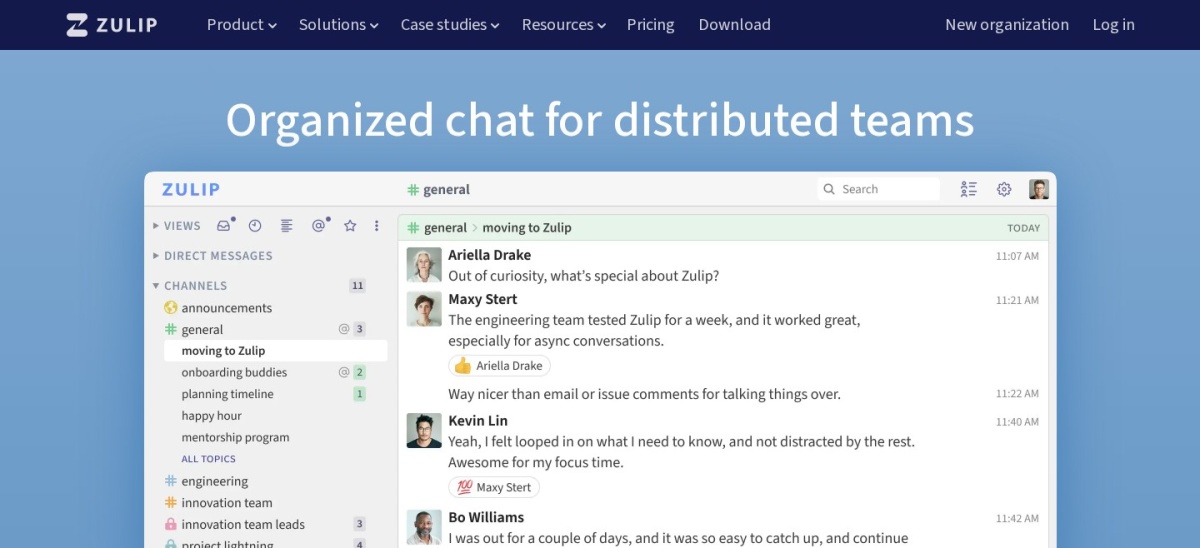
Zulip is a topic-based team chat app where every conversation is a thread, so long-running game discussions stay readable. Self-hosting is free and open source, Basic costs $3.50 a user a month, and Cloud Standard is $6.67.
The trade off is voice. Zulip has no built-in voice channels, so gaming groups pair it with TeamSpeak or a call app for live play. It suits communities that value readable, searchable discussion over live voice.
Stoat, the open-source app formerly called Revolt, is the closest Discord swap on paper: servers, channels, roles and voice in a familiar layout, free. It has no G2, Capterra or Trustpilot listing, so we could not give it a verified rating.
Mumble is the voice purist's answer to TeamSpeak: extremely low latency, positional audio and free self-hosting. It also has no listing on any of the three review sites, so it is not ranked here either.
Steam Chat is built into Steam, so PC gamers already have it, but it has no review listing of its own. If your whole group plays on Steam, it costs nothing to try before you move.
How we chose
We started from the tools gaming communities actually move to: voice-first servers, big group chats and self-hosted platforms. We kept only tools with a public G2 or Capterra rating and an active product in November 2026.
Prices come from the vendors' own pricing pages and November 2026 reads of them, checked on 29 November 2026. TeamSpeak's hosted price and Telegram Premium come from November 2026 pricing checks, because neither vendor shows the figure on a plain web page. Ratings come from G2 and Capterra on the same day.
We left out Stoat, Mumble and Steam Chat because none has a G2, Capterra or Trustpilot listing, and Guilded and Skype because both shut down. No vendor paid for a place, and we do not claim hands-on testing for this list.
How to choose a Discord alternative for gaming
Start with how your group actually plays, then match the tool to that pattern.
Count your group first. Five friends fit Signal or a free TeamSpeak server, while a public community needs Telegram's huge groups or Element's servers.
Test voice before you move everyone. Run one game night on the new tool and listen for lag, dropouts and how the permissions feel in a real match.
Check what you give up. Most alternatives lack Discord's bots, servers and game activity, so list the three features your group uses most and confirm each one.
Keep a backup channel. Keep your old Discord server read-only for a month after the move, so stragglers can still find you.
FAQ
What is the best Discord alternative for gaming in 2026?
TeamSpeak is the best Discord alternative for gaming when voice quality matters most, with the lowest latency and servers you control. Telegram suits huge communities, while Signal is the pick for small private groups.
Is there a free Discord alternative for gaming?
Yes. Signal is fully free, TeamSpeak offers a free server for up to 32 users, and Element, Rocket.Chat, Mattermost and Zulip are free to self-host. Telegram is also free, with an optional Premium plan at $4.99 a month.
What happened to Guilded?
Roblox closed Guilded on 19 December 2025 to focus on Roblox Communities. Guilded servers, voice channels and forums no longer work, so communities still listed on it need to move to TeamSpeak, Telegram or Element.
Which Discord alternative has the best voice quality?
TeamSpeak has the best voice quality here, with ultra-low latency codecs and servers you control. Mumble is the other voice purist pick, but it has no G2, Capterra or Trustpilot listing, so it is not ranked in this list.
Can I self-host a Discord alternative?
Yes. TeamSpeak, Element, Rocket.Chat, Mattermost and Zulip all offer free self-hosting, and Element federates with other Matrix servers. Self-hosting needs a server and admin time, so start with a hosted plan if your group is small.
What is the best Discord alternative for a large gaming community?
Telegram is the best pick for large gaming communities, with groups up to 200,000 members, broadcast channels and voice chats. Element suits communities that want their own server, and Slack works when the group is organised like a team.
SaaS SEO and WordPress specialist with about 8 years of experience. Rakib compares WordPress plugins, themes, hosting and software using public pricing, documentation and user reviews. See how we rank.