Runway leads the current best text to video AI tools March list with strong clips and a real editor from 12 dollars a month. Kling AI gives the longest clips for less, while HeyGen is the pick when a presenter or translation matters.
How we make this list: we compare pricing pages, product documentation and public user reviews, then re-check every price before each update. No product paid for a place. Disclosure.
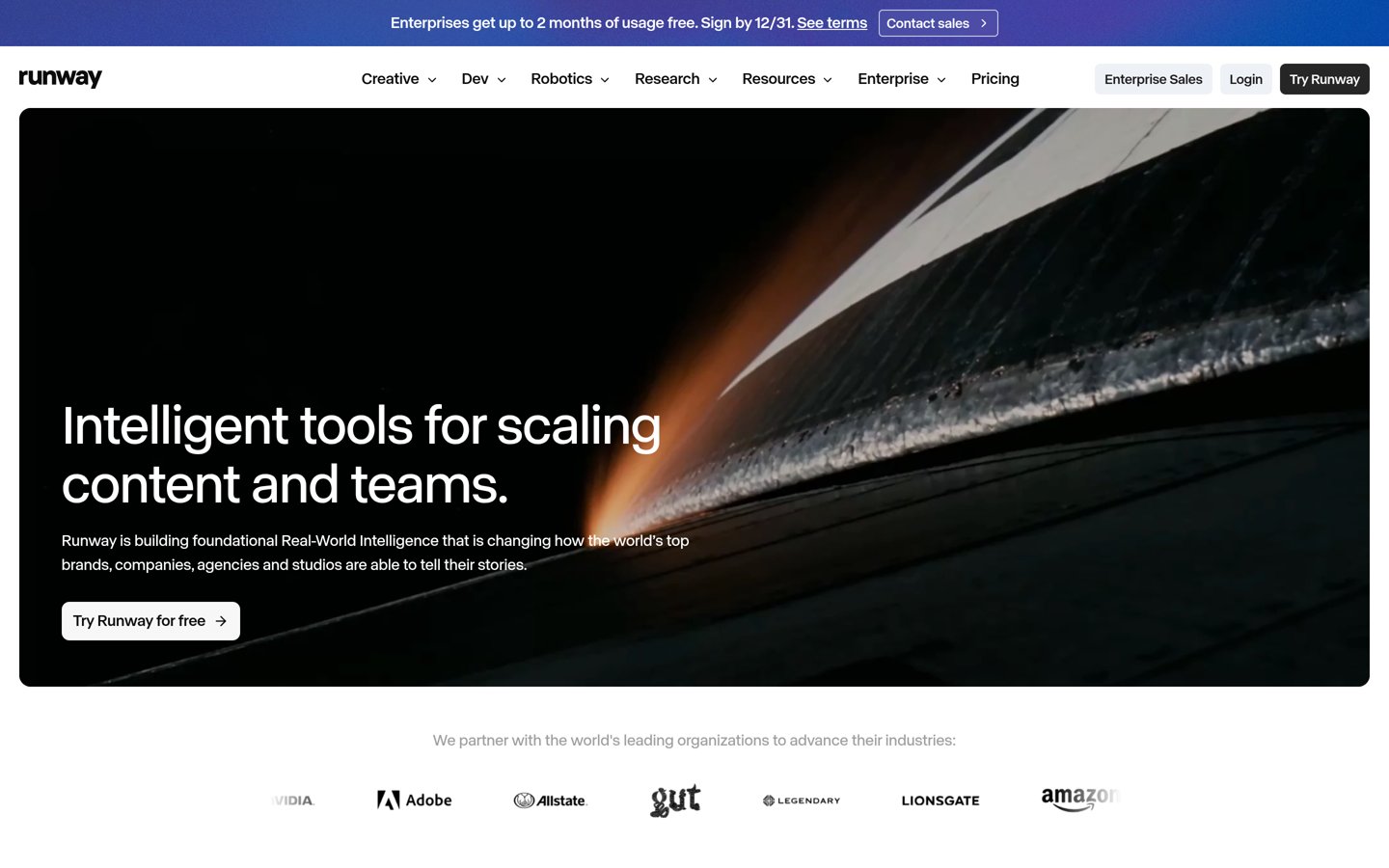
Runway leads on control: Gen-4.5 costs 12 credits a second, and Standard at 12 dollars a month buys 625 credits.
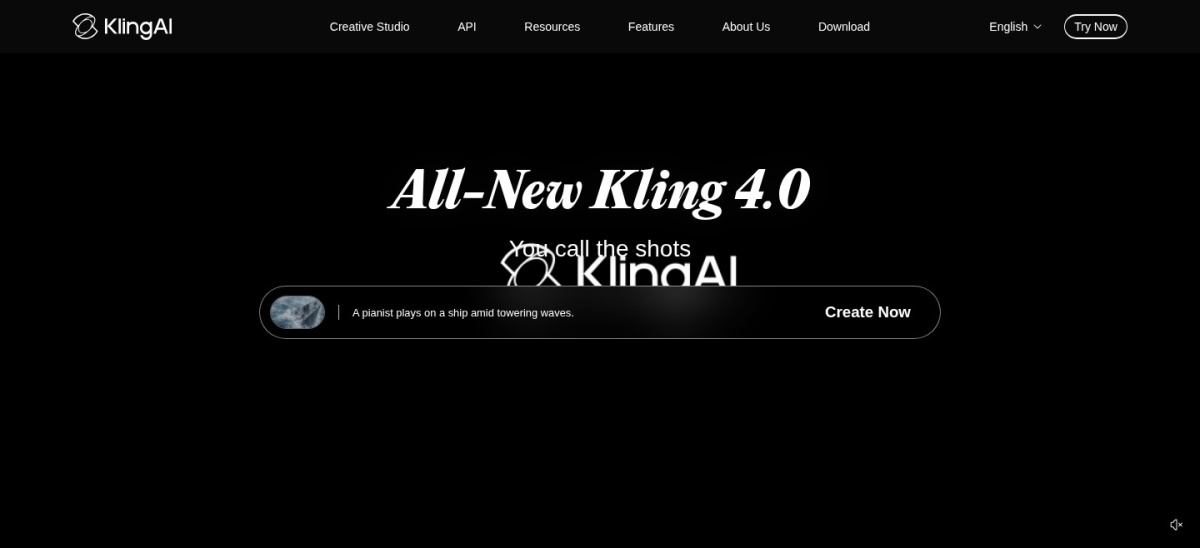
Kling AI makes the longest clips here, up to 30 seconds, from 10 dollars a month.
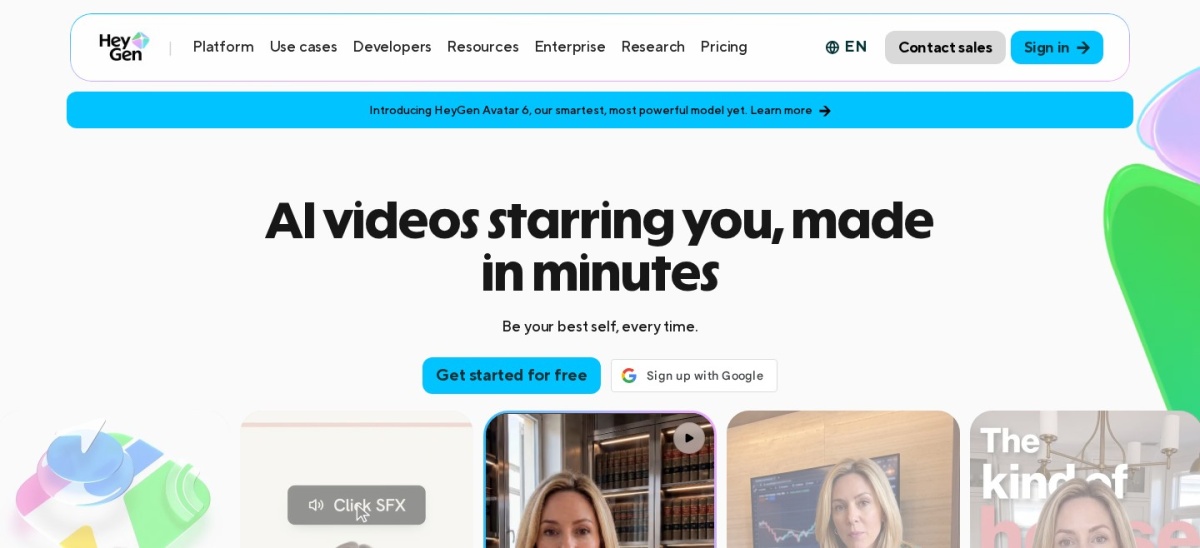
HeyGen holds the highest G2 rating at 4.8 out of 5, with avatars in 175 languages.
Pika is the cheapest paid plan at 10 dollars a month, but its Trustpilot score is low at 2.3.
Synthesia and Pictory cost more per minute, but they suit training and marketing teams.
How do you choose from the current best text to video AI tools in March 2026?
Clip length decides most purchases. Kling AI makes clips up to 30 seconds in one pass, while Runway and Pika cap most generations at 5 to 10 seconds.
Credit pricing is the hidden cost. Most tools sell monthly credits, and a 10-second clip can eat a day of allowance, so check the credits per second before you pay.
Avatars and presenters are a different job. HeyGen and Synthesia turn a script into a talking presenter, while Runway, Kling and Luma generate scenes with no presenter at all.
Ratings split sharply in this category. G2 scores run from 4.1 to 4.8, while Trustpilot scores for Pika and Luma sit near 2, mostly over billing and credits.
Runway is an AI video studio built around Gen-4.5, its text-to-video model, with a real timeline editor beside it. Standard costs 12 dollars a month billed yearly and gives 625 credits a month, enough for about 52 seconds of Gen-4.5 footage, with camera controls and 4K upscaling.
The trade off is credit burn. Longer clips consume credits fast, monthly credits do not roll over on Standard or Pro, and raw clip quality trails Kling on cinematic realism. It suits creators who want generation and editing in one tool.
Kling AI is Kuaishou's video generator, and its Kling 4.0 model turns a text prompt into a clip of up to 30 seconds with native audio. Standard costs 10 dollars a month for 660 credits, with 1080p output, watermark removal and commercial use, and the free plan gives daily credits.
The trade off is the thin review base. Kling holds 4.7 out of 5 on G2 but from only 5 reviews, and its Trustpilot score is low at 1.2. It suits creators who want the longest single shots for the lowest monthly price.
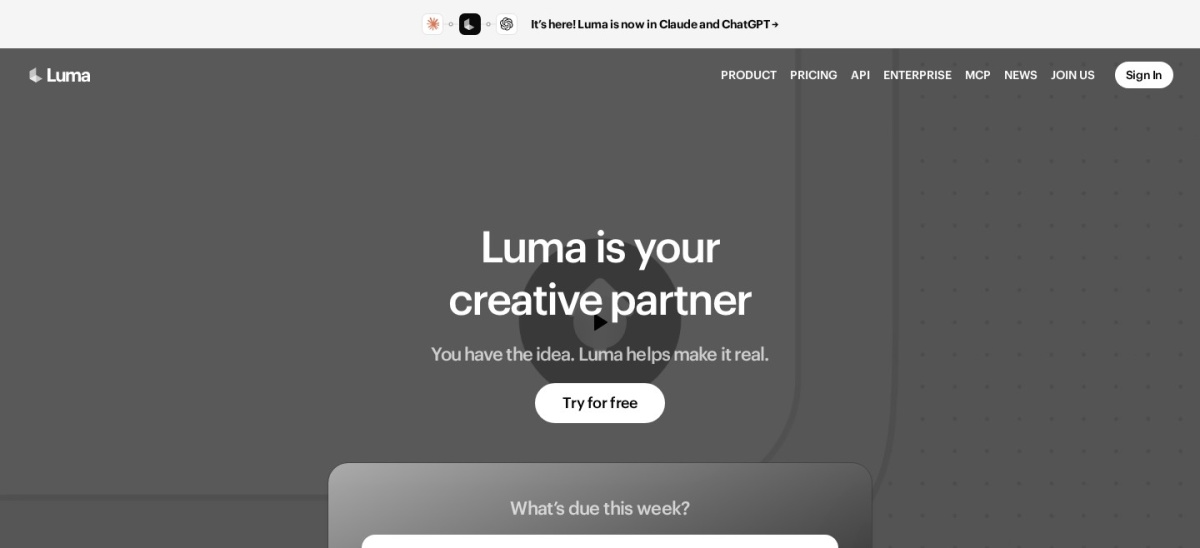
Luma Dream Machine is Luma's video generator, built around the Ray 3 model, with smooth natural motion and believable camera work. Plus costs 30 dollars a month and gives 10,000 credits, with clips up to 60 seconds and access to several video models in one subscription.
The trade off is price and reviews. Plus is the priciest start here, and its Trustpilot score is low at 1.4, mostly over billing. It suits filmmakers who want directed shots and HDR output across many models.
HeyGen is an avatar video platform that turns a script into a presenter video, with lip-synced translation in 175 languages and its own video model for B-roll. Creator costs 24 dollars a month billed yearly and gives 600 credits a month at 1080p, with 700 avatars included.
The trade off is that it is built for presenters first. Pure text-to-video scenes are a smaller part of the product, and the best video model features sit on higher plans. It suits teams that publish multilingual video with a consistent presenter.
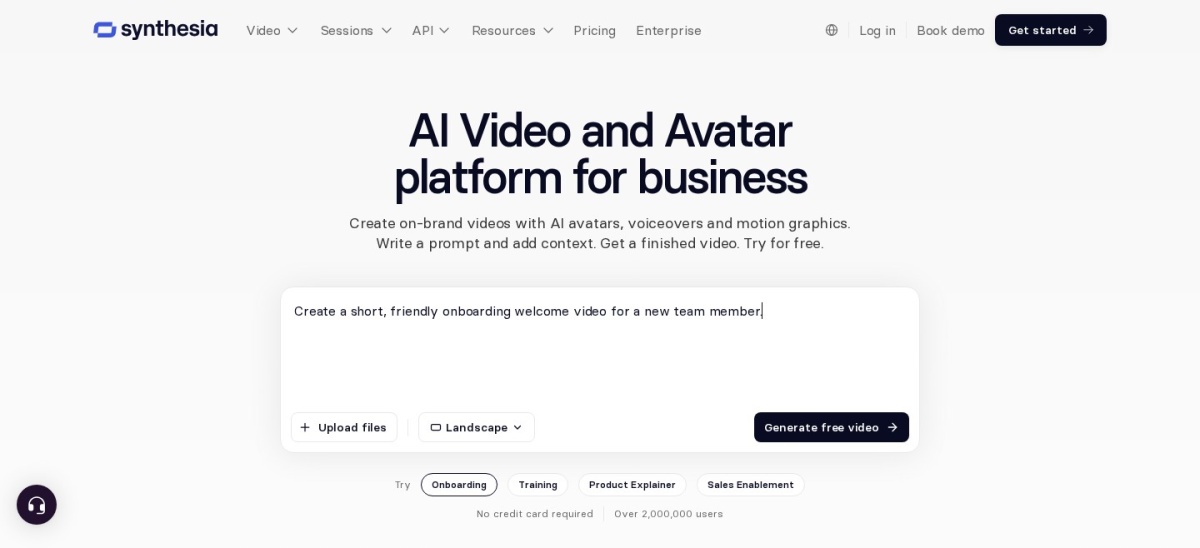
Synthesia is the avatar video platform that corporate training teams reach for first, turning a script into a polished presenter video. Starter costs 18 dollars a month billed yearly and covers 120 minutes of video a year with 125 avatars, templates and SCORM export on higher plans.
The trade off is the minute cap. Starter allows about 10 minutes a month, and one-click translation is reserved for Enterprise. It suits learning teams that need consistent, compliant training video at scale.
Adobe Firefly is Adobe's generative video tool, with text-to-video inside the Creative Cloud apps and access to Google Veo models. Standard costs 9.99 dollars a month and includes 2,000 generative credits, with commercial-safe training data as the main selling point.
The trade off is clip length and depth. Generations run a few seconds each, and the tool is thinner than Runway as a standalone video studio. It suits Adobe subscribers who want safe, licensed video inside apps they already pay for.
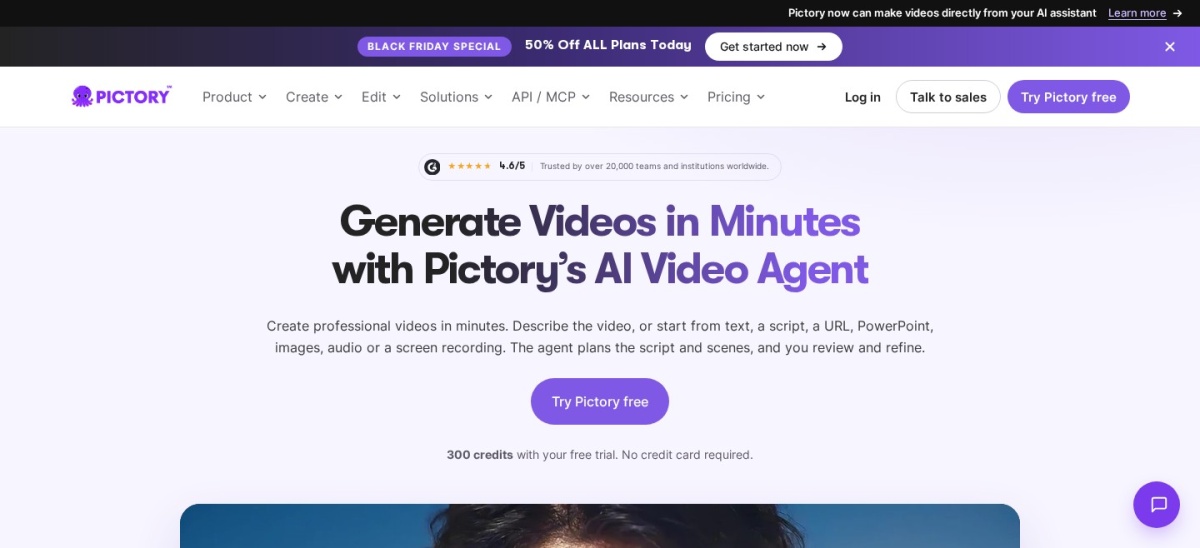
Pictory is a cloud video tool that turns scripts, blog posts and long recordings into captioned videos with stock footage, voiceovers and music. Starter costs 25 dollars a month on annual billing and covers 10 videos a month up to 10 minutes each, with a 3-video trial first.
The trade off is that it assembles video rather than generating it. Scenes come from stock footage, so the result looks templated next to Runway or Kling. It suits marketers who repurpose written content into video every week.
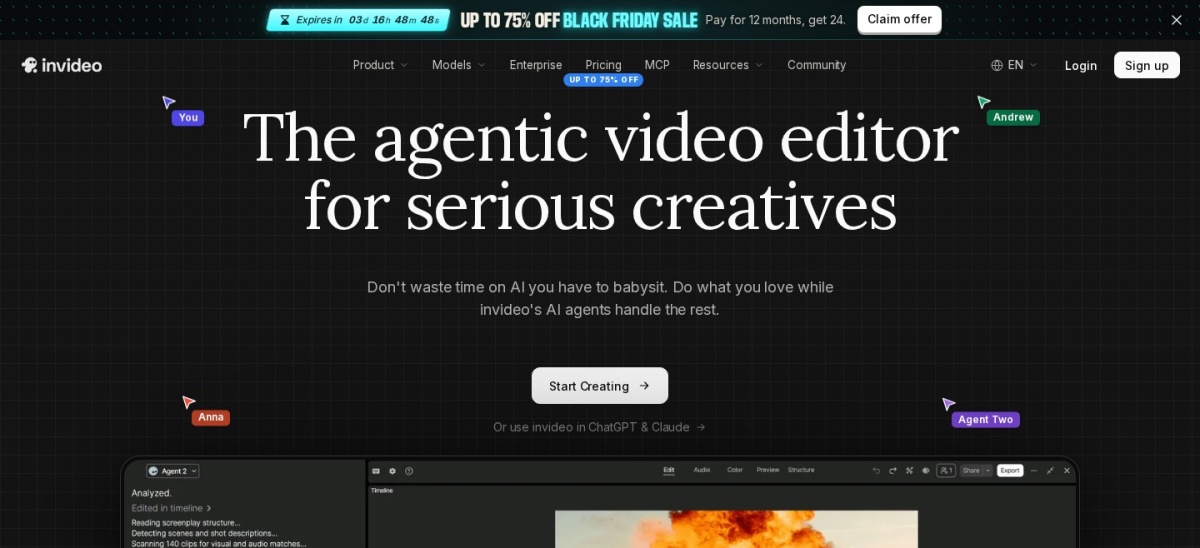
InVideo AI is a prompt-to-video tool that turns a text prompt into a finished video with stock footage, voiceover and captions. Plus costs 20 dollars a month on annual billing and covers 50 AI videos a month at 1080p, with voice cloning and access to Veo 3.1 inside the subscription.
The trade off is control. The first draft is automatic, and fine edits take work in the timeline editor. It suits creators who publish Shorts and Reels from text prompts several times a week.
Pika is a video, image and audio app that runs its own Pika 2.5 model beside Seedance, Kling 4.0 and MiniMax models in one place. Starter costs 10 dollars a month, or 8 dollars billed yearly, with a free plan that carries no watermark and several models to try.
The trade off is trust. Pika holds 2.3 out of 5 on Trustpilot from 81 reviews, mostly over billing and credits, and clips are short. It suits social creators who want many models cheaply and can live with short clips.
Most tools sell monthly credits, not minutes. A 10-second clip can cost 50 to 120 credits, so a 625-credit plan buys roughly 50 seconds of Runway footage.
Unused credits usually expire at month end. Runway, Kling and Pika do not roll credits over on entry plans, so buy the plan that matches a normal month.
Avatar tools price by minutes instead. Synthesia Starter covers 120 minutes a year, so a training team should count finished minutes, not clips.
How we chose
We started from the text-to-video tools with the most G2, Capterra or Trustpilot reviews, then kept the nine with a verifiable rating and a published price.
Prices come from each vendor's pricing page, checked on 29 November 2026. Ratings and review counts come from G2 or Trustpilot on the same day. Where a vendor shows a sale, the list shows the regular price.
We left out tools with no public rating or no published price. No vendor paid for a place, and we do not claim hands-on testing for this list.
How to choose a text-to-video AI tool
Start with the clip you need to make, then match the tool to that job.
Decide the clip length first. Kling makes 30-second clips in one pass, while Runway and Pika cap most generations at 5 to 10 seconds.
Count the credits, not the dollars. A cheap plan with few credits costs more per finished minute than a pricier plan with a big allowance.
Pick avatars or scenes. HeyGen and Synthesia present a script with a face, while Runway, Kling and Luma generate scenes with no presenter.
Read the billing reviews. Trustpilot scores are low across this category, so check cancellation and credit expiry terms before you subscribe.
FAQ
Which are the current best text to video AI tools in March 2026?
Runway leads the current best text to video AI tools in March 2026, with Gen-4.5 clips and a real editor from 12 dollars a month. Kling AI gives the longest clips for less, and HeyGen leads on avatars and translation.
How much does a text-to-video AI tool cost?
Entry plans here run from 8 to 30 dollars a month on annual billing. Pika and Firefly are the cheapest paid starts, Runway costs 12 dollars, and Luma Plus is the priciest at 30 dollars a month.
Can I use text-to-video AI tools for free?
Yes, most tools here have a free plan or trial. Runway gives 125 one-time credits, Kling gives daily credits, and Pika has a free plan with no watermark. Free outputs are usually watermarked or capped in length.
What is the best text-to-video tool for beginners?
Pika is the easiest cheap start, with several models in one app and no watermark on the free plan. Runway suits beginners who want an editor beside generation, while Kling suits those who want long clips without learning a timeline.
Runway or Kling: which is better?
Runway is better when you want generation plus a real editor, camera controls and 4K upscaling in one tool. Kling is better when clip length matters most, with 30-second clips and native audio from 10 dollars a month.
Do text-to-video tools allow commercial use?
Yes, paid plans in this list allow commercial use, usually once the watermark is removed. Free plans are often non-commercial, so check the licence on each plan before publishing client work.
SaaS SEO and WordPress specialist with about 8 years of experience. Rakib compares WordPress plugins, themes, hosting and software using public pricing, documentation and user reviews. See how we rank.