Google Workspace is the best of the Box alternatives, with Drive storage from 7 dollars a user a month and a top G2 rating from more than 48,000 reviewers. Microsoft 365 suits teams that live in Office apps, while Dropbox fits teams that want the simplest sync.
How we make this list: we compare pricing pages, product documentation and public user reviews, then re-check every price before each update. No product paid for a place. Disclosure.
Google Workspace is the cheapest big-name Box alternative, with Drive storage from 7 dollars a user a month.
Microsoft 365 pairs 1 TB of OneDrive with Office apps for 6 dollars a user a month.
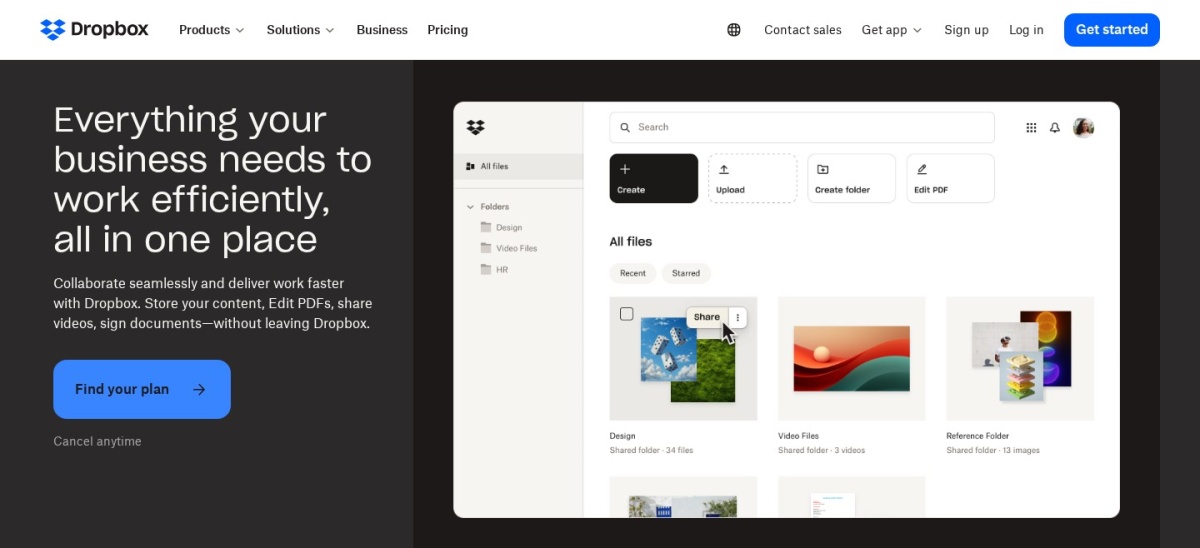
Dropbox Standard costs 15 dollars a user a month, with the simplest sync in this list.
Tresorit and Sync are the only zero-knowledge options here, from 23 dollars and 20 cents and 8 dollars a user a month.
pCloud Business is the cheapest paid plan at 7 dollars and 99 cents a user a month, but its rating rests on Capterra, not G2.
How do you choose among the Box alternatives?
Box is a solid business cloud drive, but its cheapest business plan starts at 15 dollars a user a month. Teams that mainly need storage and simple sharing can pay far less elsewhere.
Storage per user is the deciding number. Google Workspace gives 30 GB pooled per user at 7 dollars, Microsoft 365 gives 1 TB of OneDrive at 6 dollars, and Dropbox Standard gives 5 TB pooled at 15 dollars a user a month.
Privacy splits the list. Tresorit and Sync encrypt files end to end with zero-knowledge keys, while Google, Microsoft and Dropbox can access files for legal and abuse requests.
Start with your apps. Teams already on Gmail and Docs fit Google Workspace, Office teams fit Microsoft 365, and teams that just want a shared drive can pick Dropbox or Egnyte and be done.
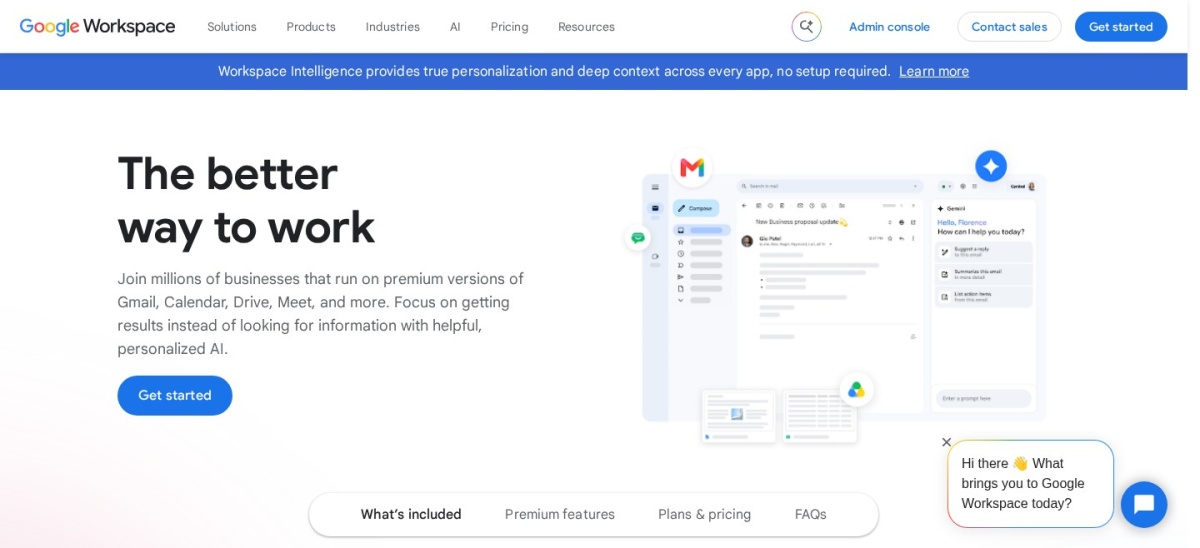
Google Workspace is Google's business suite, with Gmail, Drive, Docs, Sheets, Meet and Calendar in one login. Business Starter costs $7 a user a month on an annual plan and gives 30 GB of pooled Drive storage per user, 100-participant video meetings and a 14-day free trial.
The trade off is storage and privacy. Starter gives far less storage than Microsoft 365 or Dropbox, and Google holds the encryption keys, so files are not zero-knowledge. It suits teams already on Gmail that want Drive, Docs and Meet in one cheap subscription.
What we like
Cheapest big-name Box alternative at $7 a user a month
Gmail, Drive, Docs and Meet in one login
Largest G2 review base in this list at 48,277 reviews
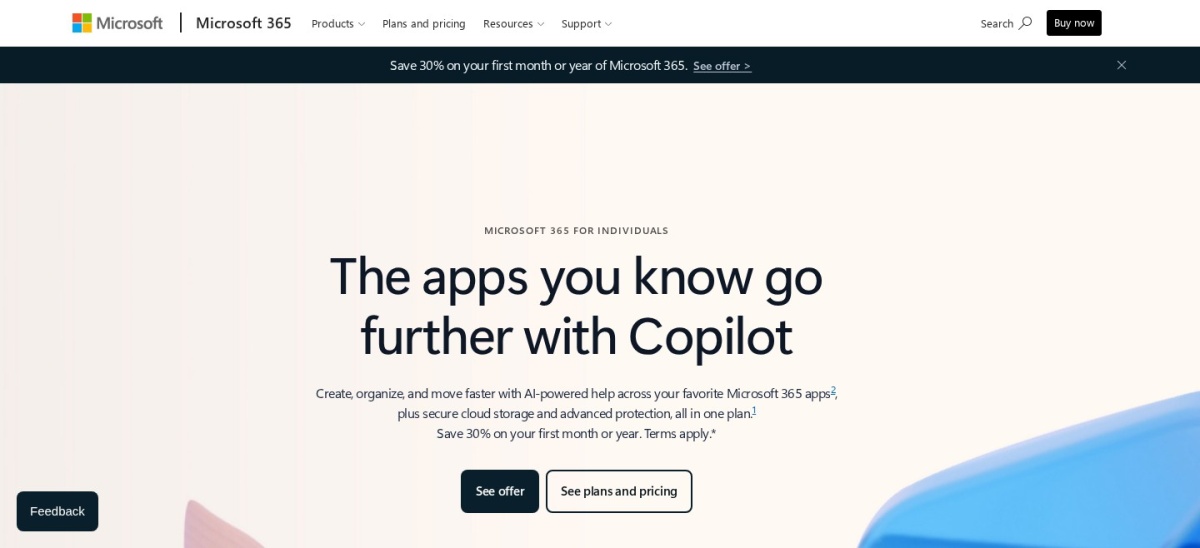
Microsoft 365 is Microsoft's business suite, with OneDrive, Exchange email, Teams, SharePoint and web and mobile Office apps. Business Basic costs $6 a user a month on an annual plan and gives 1 TB of OneDrive storage per user, plus web versions of Word, Excel and PowerPoint.
The trade off is desktop apps and admin effort. Business Basic has web and mobile Office only, desktop apps need Standard at $12.50 a user a month, and the admin center takes time to learn. It suits Office teams that want 1 TB of storage per user for $6 a month.
Dropbox Business is cloud storage and file sharing for teams, with best-in-class block sync, shared folders and file requests. The Standard plan costs $15 a user a month when billed annually, with 5 TB of pooled storage, 180-day version history and a free 2 GB plan for single users.
The trade off is price and privacy. Standard costs more per user than Google Workspace or Microsoft 365, Advanced needs 3 seats at $24 a user a month, and Dropbox holds the encryption keys. It suits teams that want the simplest, fastest sync and do not need zero-knowledge encryption.
4.5/5on G2 (Not published reviews, checked Nov 2026)
Starts at$23.20/user/mo
Best for teams that need zero-knowledge privacy
Storage1 TB per user (Business)
Free planNo, trial only
EncryptionZero-knowledge, end-to-end
Paid planBusiness, $23.20/user/mo
tresorit.com
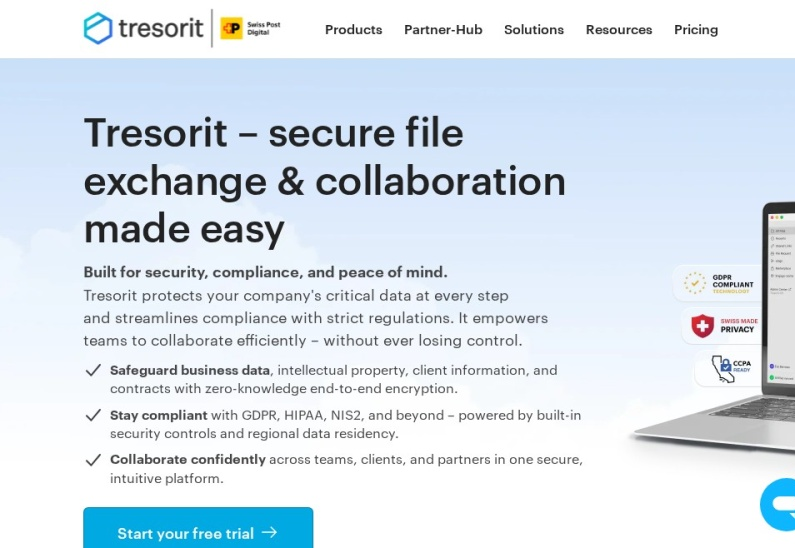
Tresorit homepage, captured Nov 2026.
Tresorit is zero-knowledge cloud storage for businesses that handle sensitive files, with end-to-end encryption on every file. The Business plan costs $23.20 a user a month on an annual plan, with 1 TB of storage per user, a 3-user minimum and room-based sharing with e-signatures.
The trade off is price and review depth. Tresorit is the most expensive tool in this list, its G2 review count is not published on the listing we checked, and the interface is plainer than Dropbox. It suits law firms, clinics and finance teams that need zero-knowledge privacy above all.
What we like
Zero-knowledge, end-to-end encryption
Highest G2 rating in this list at 4.5 out of 5
Rooms with e-signatures for client work
Swiss data residency and compliance tools
Watch out for
Most expensive in this list at $23.20 a user a month
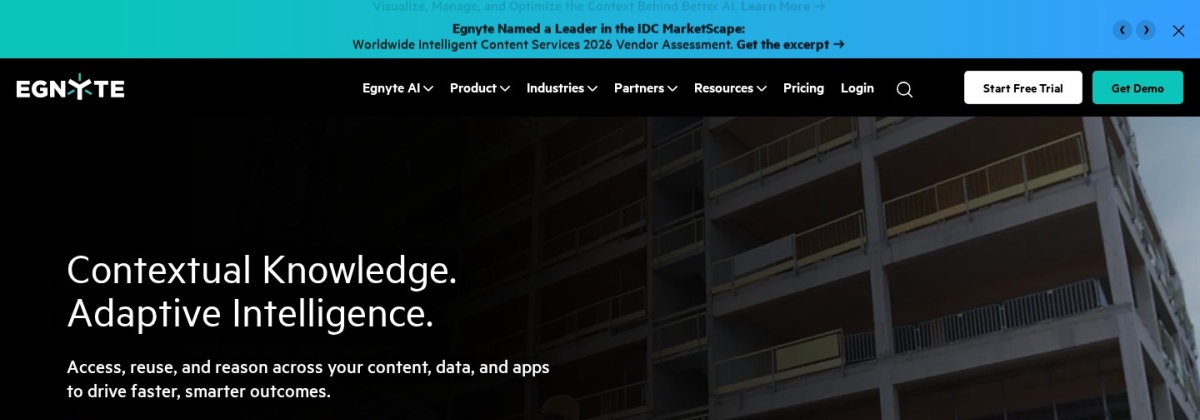
Egnyte is cloud and hybrid file storage for small and mid-size teams, with governance, audit logs and ransomware protection built in. The Team plan costs $10 a user a month on an annual plan for 1 to 10 users, with 1 TB of storage per user and a free trial.
The trade off is the seat cap and the interface. Team covers only 1 to 10 users, larger teams must move to Business at $22 a user a month, and reviewers call the interface dated. It suits regulated teams that want hybrid storage with strong governance.
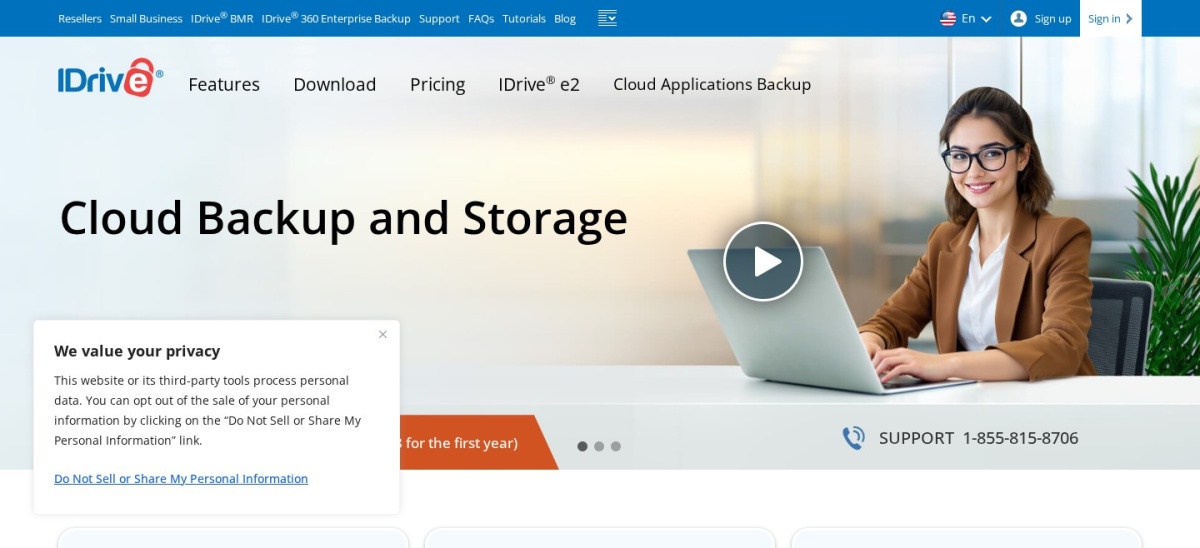
IDrive Team is backup-first cloud storage for small teams, with continuous backup, snapshots and versioning for every device. The Team plan costs $9.99 a month for 5 users and 5 TB of storage, with a free Basic plan and apps for Windows, Mac, Linux, iOS and Android.
The trade off is sharing depth. IDrive is built for backup first, so its shared-drive and collaboration features are thinner than Box or Dropbox, and the $6.99 first-year price rises to $9.99 a month after year one. It suits small teams that want backup and storage in one cheap plan.
What we like
Backup and storage in one cheap plan
Continuous backup with snapshots
Free Basic plan exists
Rated 4.4 out of 5 from 2,025 G2 reviews
Watch out for
Sharing features are thinner than Box or Dropbox
First-year price rises from $6.99 to $9.99 a month
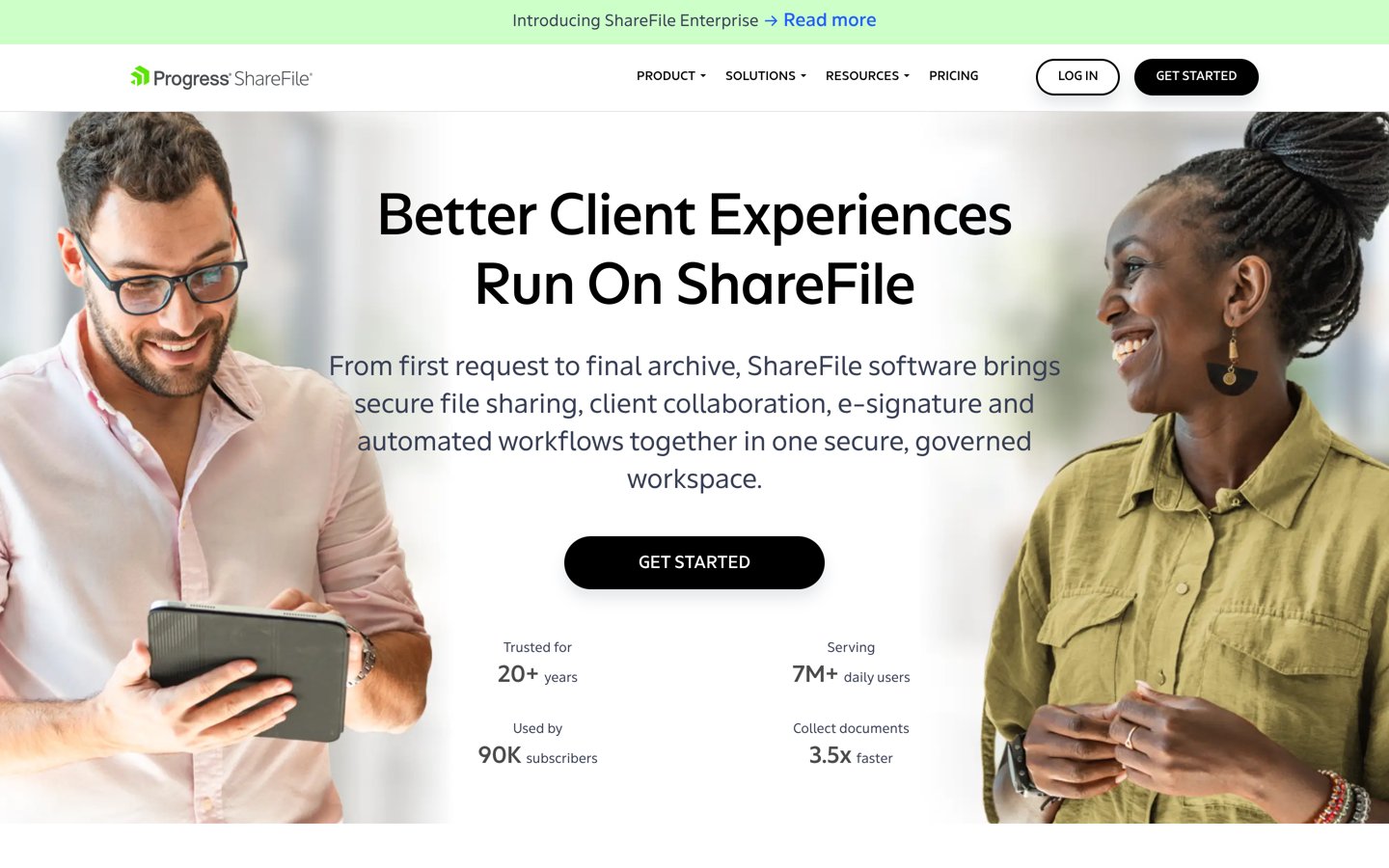
ShareFile is secure file sharing from Progress, built for firms that send large files to clients. The Advanced plan costs $16.50 a user a month on an annual plan, with unlimited storage, a 3-user minimum, client portals and e-signatures included.
The trade off is rating and price. ShareFile is rated 4.2 out of 5 on G2, the lowest in this list, and Advanced costs more than Dropbox Standard while offering a narrower feature set. It suits accounting, legal and finance firms that share files with clients every day.
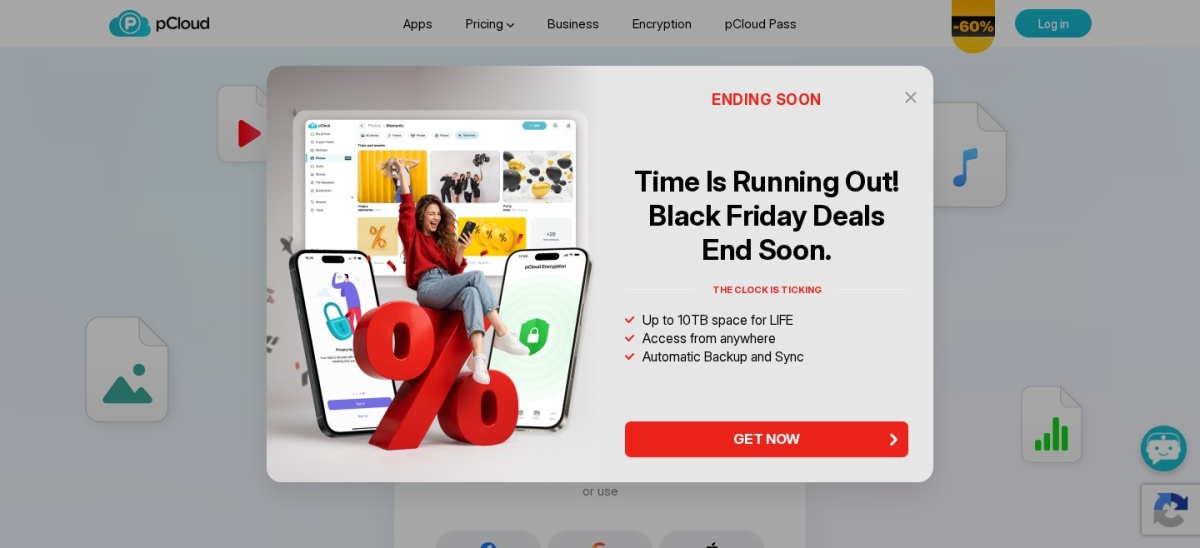
pCloud Business is cloud storage for small teams, with file sharing, versioning and optional client-side encryption. The Business plan costs $7.99 a user a month, with 1 TB of storage per user, a 30-day trial and a lifetime plan for single users.
The trade off is review depth. pCloud Business is rated 4.5 out of 5 on Capterra from 180 reviews, a thinner base than the G2 ratings in this list, and the Crypto add-on costs extra. It suits small teams that want cheap storage with a lifetime option.
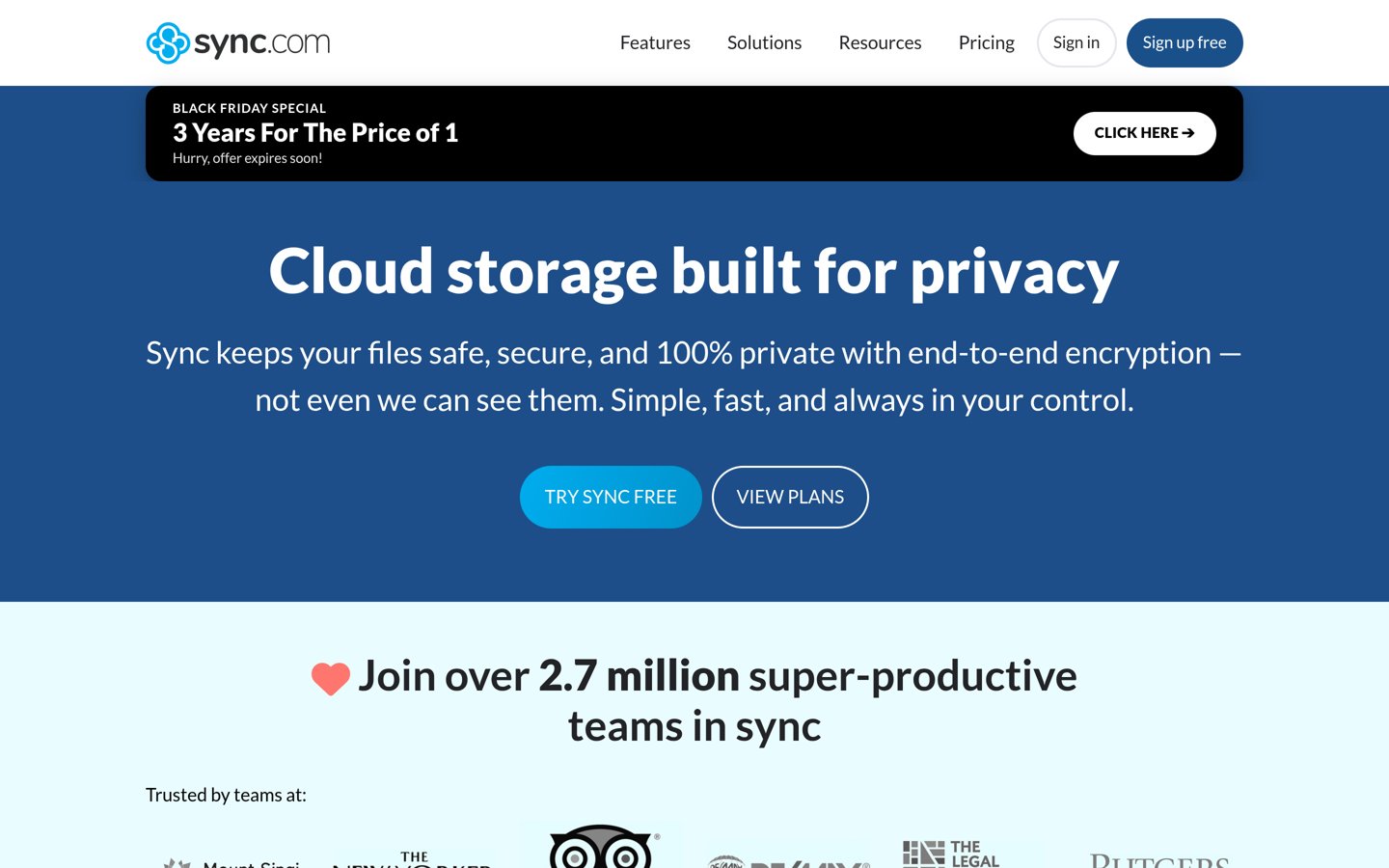
Sync.com is private cloud storage with end-to-end encryption on every file, so not even Sync can read your data. The Teams 1TB plan costs $8 a user a month, with a 3-user minimum, 1 TB per user, a free 5 GB plan and a 30-day money-back guarantee.
The trade off is review depth and speed. Sync holds a 4.3 out of 5 G2 rating from only 56 reviews, and reviewers say large uploads are slower than Dropbox. It suits small teams that want zero-knowledge privacy for $8 a user a month.
What we like
Zero-knowledge, end-to-end encryption
Free 5 GB plan for single users
Cheap at $8 a user a month
30-day money-back guarantee
Watch out for
Only 56 G2 reviews, a thin base
Large uploads are slower than Dropbox
3-user minimum on Teams plans
Teams Pro adds unlimited storage at $15 a user a monthVisit sync.com
What storage per user really means
Box and its rivals quote storage in different ways. Some give a pool for the whole team, some give a fixed amount per user, and some cap the total no matter how many seats you buy.
Google Workspace Business Starter pools 30 GB per user, so a 10-person team gets 300 GB shared. Microsoft 365 Business Basic gives each user 1 TB of OneDrive, which is far more per person.
Dropbox Standard starts at 5 TB pooled for the team, while Egnyte Team gives 1 TB per user. Read the plan page, not the headline, before you compare storage.
How we chose
We started from the cloud storage tools teams actually evaluate when they leave Box, then kept the nine with a public G2 or Capterra rating and a published price. Storage per user, sync quality, privacy and price per user decided the order.
Prices come from each vendor pricing page or its G2 pricing listing, checked on 29 November 2026. Google Workspace, Microsoft 365 and Dropbox pages render prices with JavaScript, so their figures rest on vendor-page reads from November 2026; Dropbox Standard at 15 dollars a user a month is an annual rate, not the 19 dollars and 20 cents promo figure shown today. Ratings and review counts come from G2 or Capterra on the same day.
We left out tools with no verifiable rating and backup-only products with no shared-drive features. No vendor paid for a place, and we do not claim hands-on testing for this list.
How to choose a Box alternative for your team
Start with storage per user, then check the apps your team already uses.
Count your storage per user. Google Workspace gives 30 GB pooled per user at 7 dollars, Microsoft 365 gives 1 TB at 6 dollars, and Dropbox Standard gives 5 TB pooled at 15 dollars. Pick a plan that covers your heaviest user, not the average.
Check the minimum seat count. Dropbox Advanced needs 3 seats, ShareFile needs 3 users and Sync Teams needs 3 users. Small teams should confirm the minimum before they compare headline prices.
Decide how private you need to be. Tresorit and Sync use zero-knowledge encryption, so even the vendor cannot read your files. Google, Microsoft and Dropbox encrypt in transit and at rest but hold the keys.
Test sync with real folders. Import a shared folder with large files and watch the sync speed on a slow connection. If files conflict or stall, the tool will frustrate your team every day.
FAQ
What are the best Box alternatives in 2026?
Google Workspace is the best Box alternative, because Drive storage starts at 7 dollars a user a month and it is rated 4.6 out of 5 on G2. Microsoft 365 is the best pick for Office users, and Dropbox is the simplest sync option for small teams.
Is there a free alternative to Box?
Yes. Google Drive gives 15 GB free, Dropbox gives 2 GB free, Sync gives 5 GB free, and IDrive has a free Basic plan. Free plans suit single users, but teams that need admin controls and more storage should budget for a paid plan.
How much does Dropbox Business cost per user?
Dropbox Standard costs 15 dollars a user a month when billed annually, and Advanced costs 24 dollars a user a month. A 3-month free promotion runs to 1 December 2026, which makes the displayed Advanced price look like 19 dollars and 20 cents a user a month.
Google Workspace vs Microsoft 365: which replaces Box better?
Google Workspace replaces Box better for teams that want Drive storage with Docs, Sheets and Gmail in one login, from 7 dollars a user a month. Microsoft 365 is better for teams that live in Word, Excel and Outlook, with 1 TB of OneDrive storage from 6 dollars a user a month.
Which Box alternative is the most private?
Tresorit and Sync are the most private Box alternatives, because both encrypt files end to end and neither can read your data. Tresorit costs 23 dollars and 20 cents a user a month, while Sync costs 8 dollars a user a month and offers a free 5 GB plan.
What should a team look for when leaving Box?
Look for enough pooled storage per user, admin controls, SSO and audit logs, then check sync speed and the apps your team already uses. Ask whether the vendor offers a free trial, and confirm that shared folders and permissions move across before you commit.
SaaS SEO and WordPress specialist with about 8 years of experience. Rakib compares WordPress plugins, themes, hosting and software using public pricing, documentation and user reviews. See how we rank.