The best website platform for SEO is the self-hosted WordPress software, with full control over structure, speed and plugins at no software cost. The hosted version suits SEO without server work, while Ghost suits fast content sites and Webflow suits design-led sites that need clean code.
How we make this list: we compare pricing pages, product documentation and public user reviews, then re-check every price before each update. No product paid for a place. Disclosure.
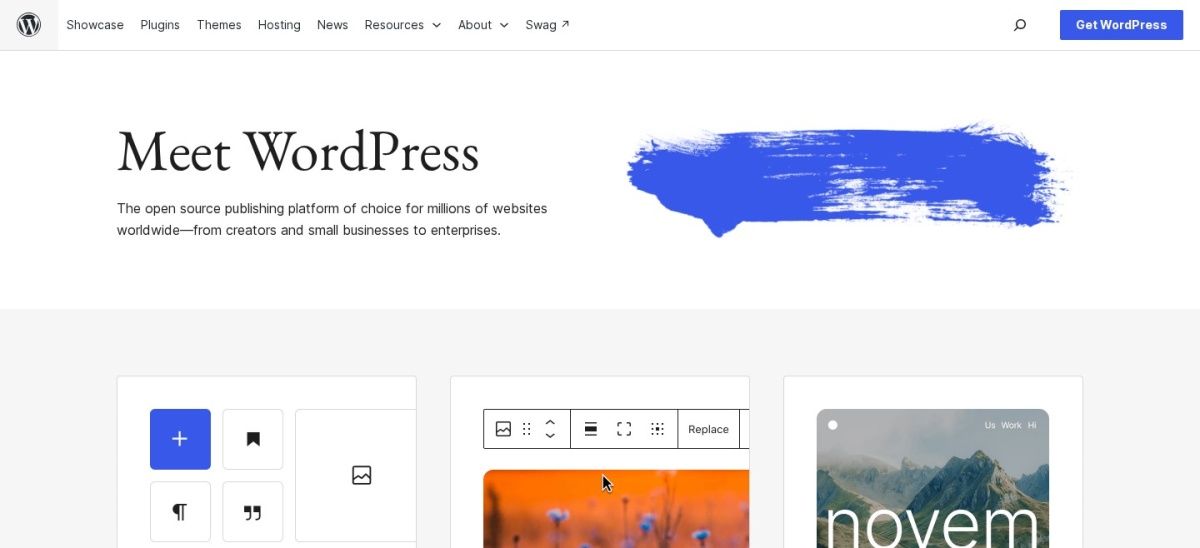
WordPress.org is the best platform for SEO, with full control and free software, backed by a 4.4 G2 rating from 9,546 reviews.
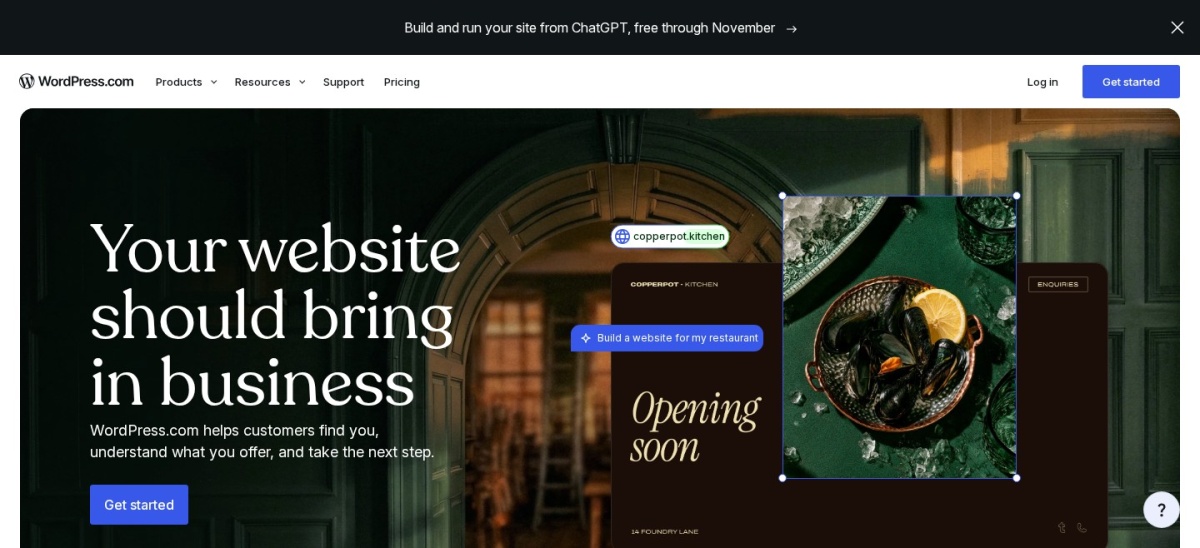
WordPress.com is the easiest hosted SEO start at $4 a month, with strong plugins on higher plans.
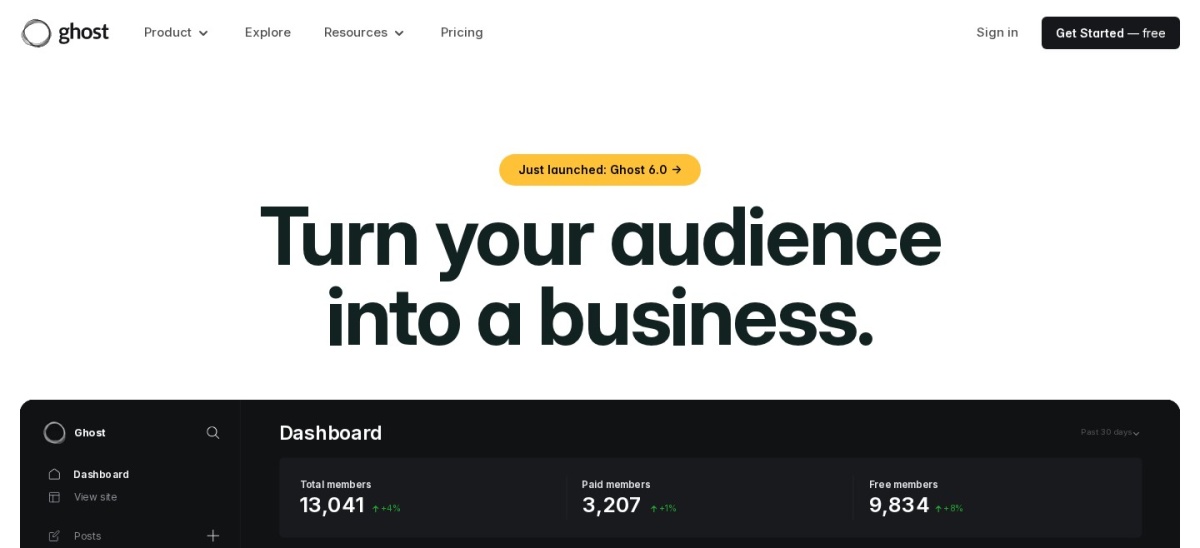
Ghost is the fastest content platform here, with clean code and SEO built in from $18 a month.
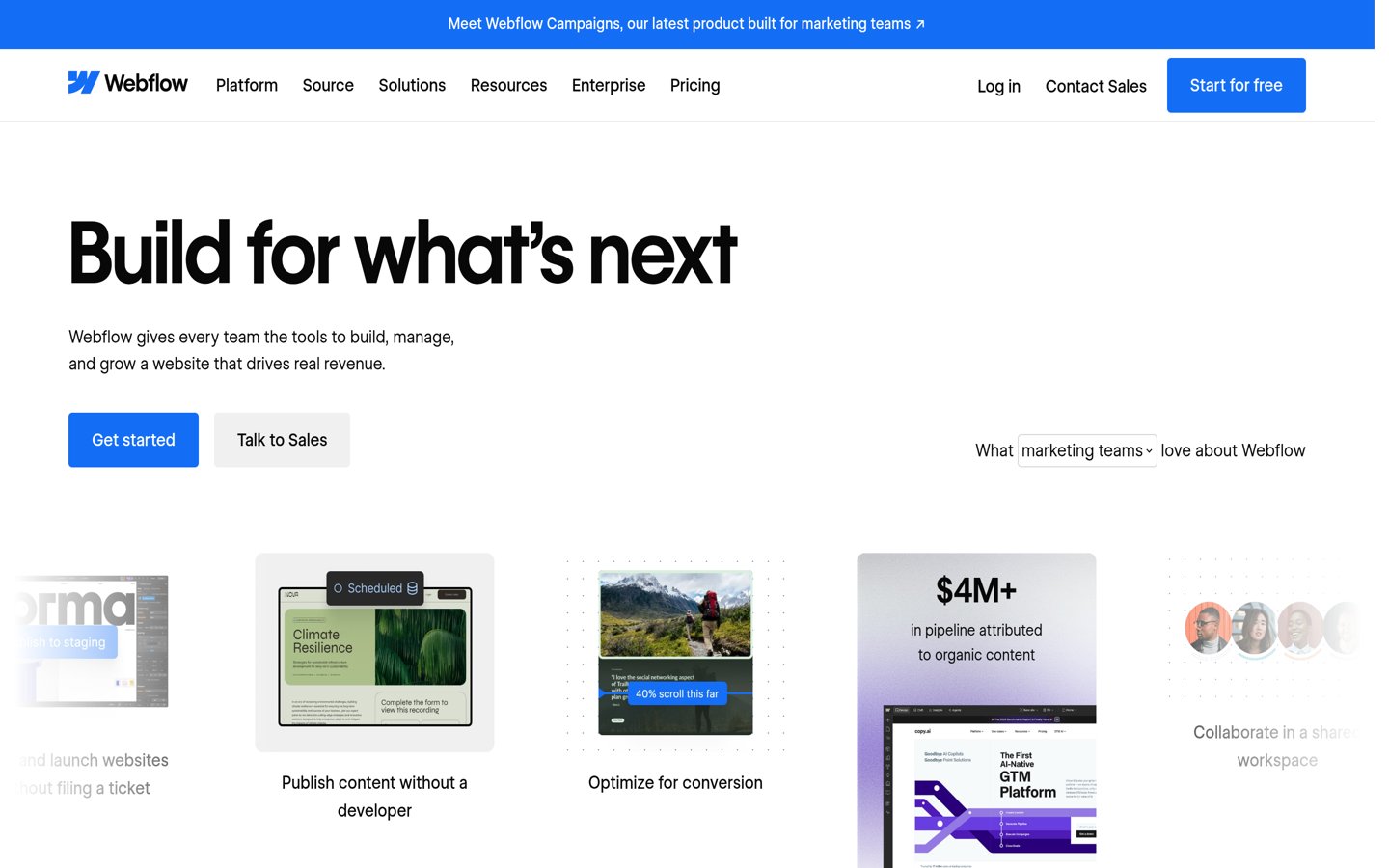
Webflow suits design-led SEO sites, with clean code and full redirect control from $25 a month.
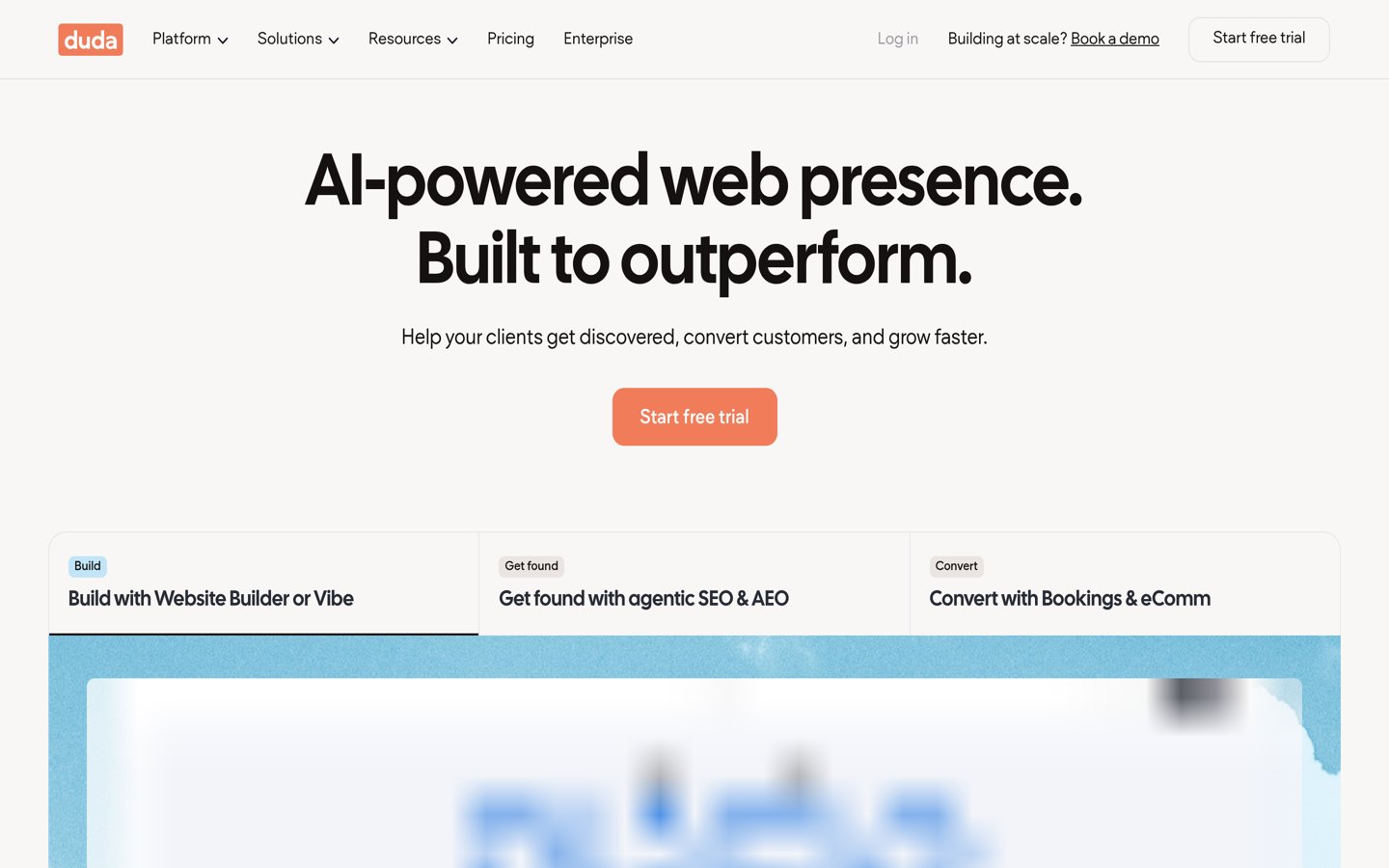
Duda is the best-rated builder here at 4.6 on G2, with agency tools and fast sites from $19 a month.
What makes a platform good for SEO
SEO starts with the platform. The best platform for SEO gives you control over titles, meta descriptions, URLs, sitemaps and speed, without locking those basics behind a higher plan.
Ownership and speed matter most. Our guide on choosing accounting software shows why checking what you actually control matters before you commit, and the same logic applies to a website platform.
AI search changed the game. Search engines now answer questions directly, so clean structure, fast pages and original content matter more than keyword tricks.
Start with the free tier. WordPress.org is free software, and most hosted platforms offer a free plan or trial, so test the SEO settings before you pay.
WordPress.org is the free, open-source software behind 43 percent of the web, and it scores 4.4 out of 5 on G2 from 9,546 reviews. You control every theme, plugin and setting, including SEO plugins such as Yoast and Rank Math, redirects and site speed.
The trade off is work. You pay for hosting, handle updates and security, and fix problems yourself or hire help. It suits anyone serious about SEO who wants full ownership and no platform limits.
WordPress.com is the hosted version of WordPress, with a free plan, strong SEO and thousands of themes and plugins. It scores 4.4 out of 5 on G2 from 2,717 reviews, and the Personal plan costs $4 a month billed annually.
The trade off is control. The free and Personal plans limit plugins and themes, so full SEO control needs a higher plan or self-hosted WordPress.org. It suits bloggers and small sites that want solid SEO without managing a server.
Ghost is a clean, fast publishing platform with SEO built in: clean URLs, meta controls, sitemaps and structured data come standard. It scores 4.0 out of 5 on G2 from 40 reviews, and its Starter plan costs $18 a month billed annually.
The trade off is scope. Ghost is a publishing platform, not a general website builder, so shops and complex sites need another tool. It suits content sites and blogs that want speed and clean SEO without plugins.
Webflow is a visual website builder with clean code, fast hosting and full control over titles, meta descriptions and redirects. It scores 4.4 out of 5 on G2 from 995 reviews, and its CMS plan costs $25 a month billed annually.
The trade off is learning curve and cost. Webflow is more complex than Wix or Squarespace, and SEO-friendly blogging needs the CMS plan rather than the cheaper Basic plan. It suits designers and teams that want a polished site with strong SEO controls.
Duda is an agency-focused website builder with client management, reusable templates, white-labelling and fast sites. It scores 4.6 out of 5 on G2 from 789 reviews, the highest rating here, and its Basic plan costs $19 a month.
The trade off is focus. Duda is built for agencies managing many sites, so solo bloggers may find it more than they need. It suits agencies and teams that want fast, well-ranked sites at scale.
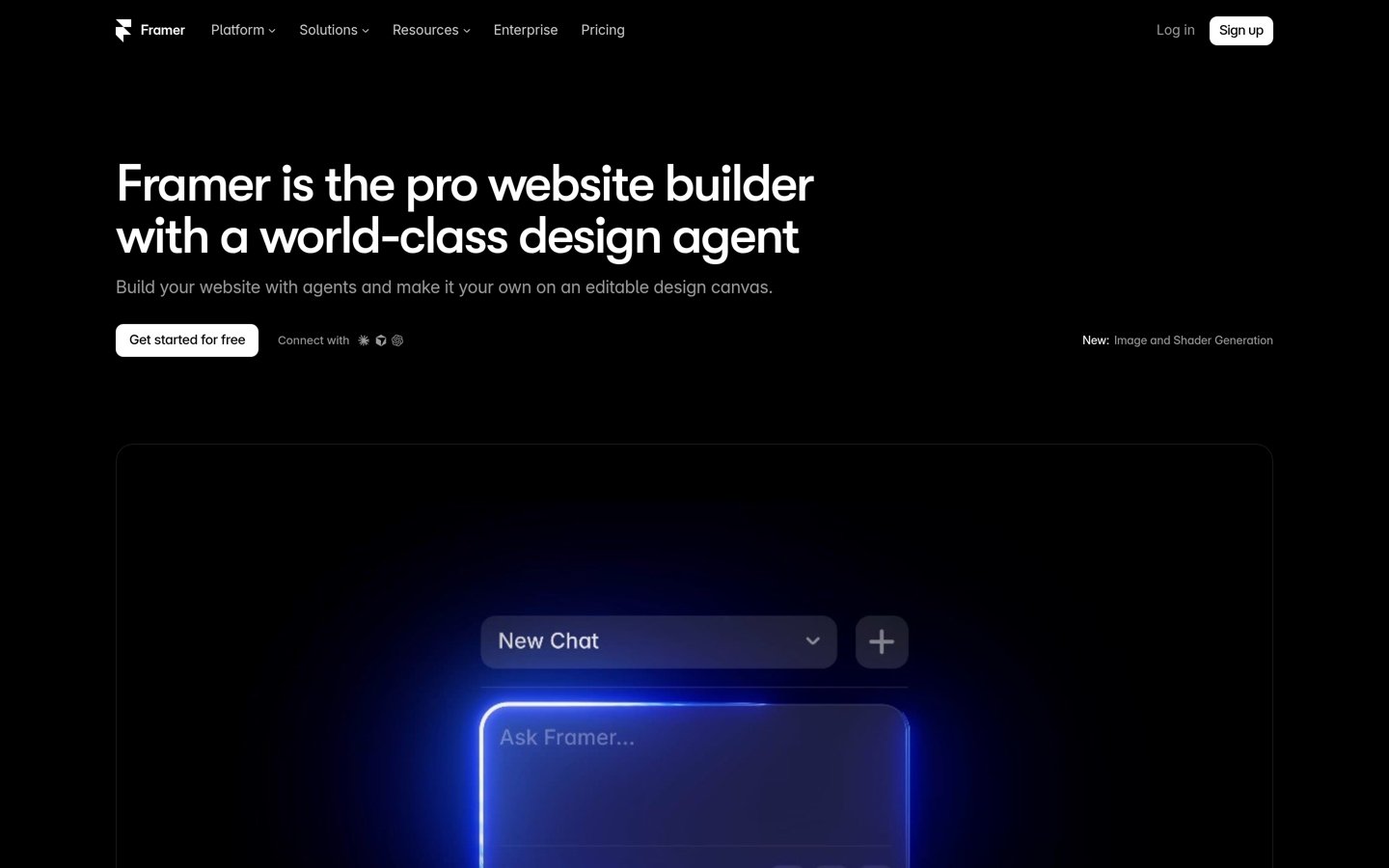
Framer is a no-code website builder known for ease of use, rapid implementation and smooth animations. It scores 4.5 out of 5 on G2 from 162 reviews, and its Basic plan costs $10 a month.
The trade off is scale. Pricing adds up quickly for agencies and multi-site use, and there is no code export. It suits designers and startups that want a fast, beautiful site with solid SEO basics.
HubSpot is a CRM and marketing platform with a website builder that ties SEO, content and customer data together. It scores 4.5 out of 5 on G2 from 2,207 reviews, and its CMS starts at $20 per seat a month.
The trade off is cost and complexity. HubSpot is a full marketing suite, so a simple site pays for features it may never use. It suits businesses that want SEO, CRM and marketing in one platform.
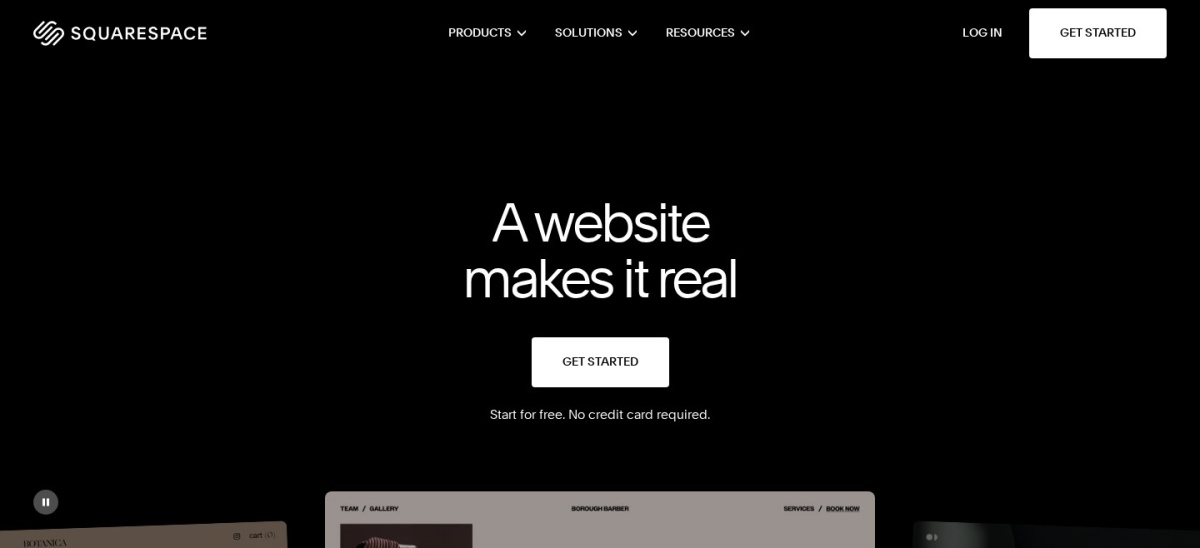
Squarespace is the website builder for design-led sites, with polished templates that look finished from day one. It scores 4.4 out of 5 on G2 from 1,133 reviews, and its Basic plan costs $19 a month billed annually.
The trade off is flexibility. Squarespace has fewer plugins than WordPress and less SEO depth for advanced work, so heavy customization is harder. It suits creative businesses that want a beautiful, fast site with solid SEO basics.
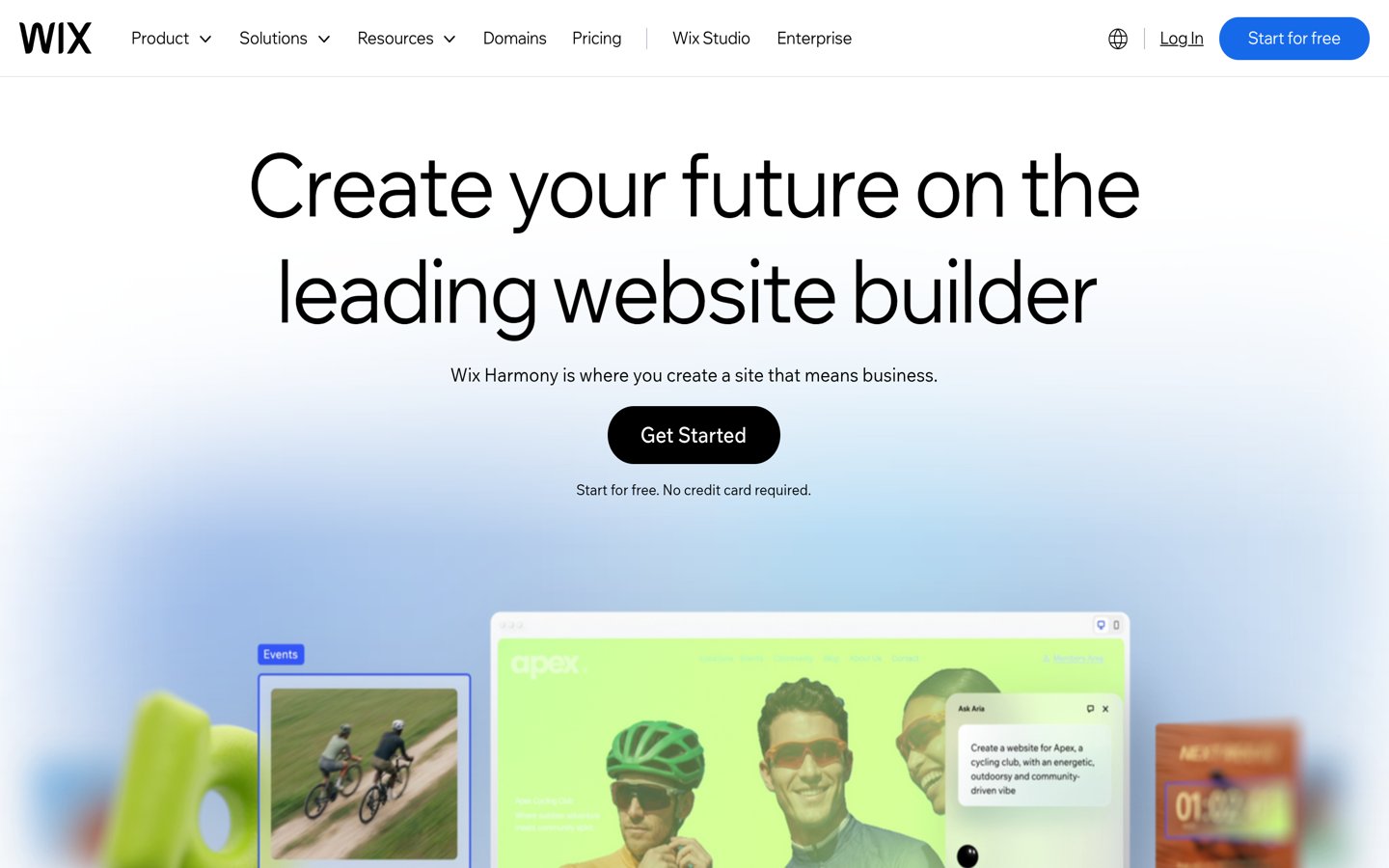
Wix is the easiest website builder to start on, with a drag-and-drop editor, hundreds of templates and built-in SEO tools. It scores 4.2 out of 5 on G2 from 1,889 reviews, and its Light plan costs $17 a month billed annually.
The trade off is control. Wix offers less SEO depth than WordPress or Webflow for advanced work, and moving away later is hard. It suits beginners who want a site live today with solid SEO basics.
Check the SEO basics on the plan you will buy. Custom domains, editable titles and meta descriptions, clean URLs and an automatic sitemap should all be included.
Test the speed. A platform that ships slow templates or heavy code will cost you rankings no matter how good the content is.
Make sure you can leave. Export your content and redirects before you commit, because moving a site later is painful on closed platforms.
Plan for AI search. Structured data, clear headings and direct answers help search engines cite your pages in AI answers.
How we chose
We started from the most established website platform for seo tools with public ratings on G2, Capterra or Trustpilot, then kept those with a clear price and a real user base.
Prices come from each vendor's pricing page, checked on 25 November 2026. Ratings come from the review source named on each tool, checked the same day. Where a vendor shows a sale, the list shows the regular price.
We left out tools with no verifiable public rating or no published price. No vendor paid for a place, and we do not claim hands-on testing for this list.
How to choose a website platform for SEO
Pick the platform that gives you the SEO controls you will actually use.
List the SEO controls you need. Titles, meta descriptions, clean URLs, sitemaps, redirects and speed should all be editable on your plan.
Test the free tier first. Build a few pages, check the speed and confirm the SEO settings work before you pay.
Check speed on a real page. Run a speed test on a published page, not a demo, because slow templates cost rankings.
Confirm you can export and leave. Make sure you can export content and set up redirects if you move platforms later.
FAQ
What is the best website platform for SEO?
WordPress.org is the best website platform for SEO, with full control over structure, speed, plugins and redirects at no software cost. It scores 4.4 out of 5 on G2 from 9,546 reviews.
Is WordPress.com or WordPress.org better for SEO?
WordPress.org is better for SEO because you control every plugin, theme and setting, including SEO plugins such as Yoast and Rank Math. WordPress.com is easier to run but limits plugins on cheaper plans.
Is Webflow good for SEO?
Yes. Webflow scores 4.4 out of 5 on G2 from 995 reviews, with clean code, fast hosting and full control over titles, meta descriptions and redirects. The CMS plan costs $25 a month billed annually.
Is Wix good for SEO?
Wix has improved a lot and scores 4.2 out of 5 on G2 from 1,889 reviews, with built-in SEO tools and a free plan. It still offers less control than WordPress or Webflow for advanced SEO work.
What is the cheapest website platform for SEO?
WordPress.org is free software, though you pay for hosting. WordPress.com starts at $4 a month, Framer at $10 a month and Wix at $17 a month, all billed annually.
Does Squarespace rank well on Google?
Yes, for most sites. Squarespace scores 4.4 out of 5 on G2 from 1,133 reviews, with clean templates, fast hosting and built-in SEO settings. It offers less plugin depth than WordPress for advanced work.
SaaS SEO and WordPress specialist with about 8 years of experience. Rakib compares WordPress plugins, themes, hosting and software using public pricing, documentation and user reviews. See how we rank.