Techpacker is the best tech pack software for most fashion brands, offering reusable specification cards, version tracking and PDF exports, with a 4.5/5 Capterra rating from 28 reviews. Choose Browzwear for 3D garment development or ApparelMagic for connecting technical specifications with inventory and manufacturing.
How we make this list: we compare pricing pages, product documentation and public user reviews, then re-check every price before each update. No product paid for a place. Disclosure.
Techpacker combines dedicated tech pack creation with factory collaboration and earns 4.5/5 from 28 Capterra reviews.
Browzwear starts at $750 per year and has a 4.8/5 G2 rating from 56 reviews.
ApparelMagic includes advanced PLM and 3 user accounts from $337 per month, billed annually.
Delogue offers unlimited supplier accounts on its Essential plan at €145 per user per month with annual billing.
4 of the 7 platforms publish starting prices, while 3 require individual quotes.
Uphance and ApparelMagic both earn 4.9/5 from 23 Capterra reviews each.
What to look for in tech pack software
A tech pack communicates the technical requirements of a garment to its manufacturer. It typically contains technical sketches, measurement tables, construction instructions, material specifications and labeling requirements.
Look for reusable bills of materials (BOMs) and points of measurement. These features reduce repetitive data entry when creating new styles, sizes and seasonal collections.
Version control matters when designers and factories exchange sample revisions. A shared specification record helps prevent manufacturers from working from outdated measurements or construction notes.
Dedicated tech pack builders work well for independent designers. Larger brands may benefit from product lifecycle management (PLM) software that connects specifications with sourcing, costing, approvals and production.
List prices in each vendor's currency, checked Nov 2026
UphanceCustom
Centric PLMCustom
Bamboo RoseCustom
Browzwear$750
Techpacker$840
Delogue€1,910
ApparelMagic$4,044
The 7 best tech pack software tools
01
Techpacker
4.5/5on Capterra (28 reviews, checked Nov 2026)
Starts at$840/yr
Best for dedicated tech pack creation
Entry planTechpack Builder
Document exportPDF
Version trackingIncluded
Free trial7 days
techpacker.com
Techpacker homepage, captured Nov 2026.
Techpacker is a dedicated apparel specification platform that organizes technical details into reusable visual cards. Its Techpack Builder plan includes image editing, factory collaboration, revision tracking and PDF generation, with a 7-day free trial.
The trade off is that advanced grading, material libraries and production reporting require higher PLM plans. The regular Builder price is $840 per user per year, with a discounted annual billing offer of $420 displayed. It suits independent designers and growing fashion labels.
What we like
Designed specifically for tech packs
Reusable specification cards
Factory collaboration workspace
PDF exports and revision tracking
Watch out for
Advanced grading requires an upgrade
Subscription costs increase with users
No permanent free plan
PLM upgrades add grading rules, material libraries and production reports.Visit techpacker.com
02
Browzwear
4.8/5on G2 (56 reviews, checked Nov 2026)
Starts at$750/yr
Best for 3D garment design and specifications
Entry planFreelancer
Licensed users1
Design environmentVStitcher
Entry supportCommunity
browzwear.com
Browzwear homepage, captured Nov 2026.
Browzwear is a digital apparel development platform that connects garment patterns, fabric simulation and technical specifications. Its Freelancer subscription provides access to VStitcher for 1 named user, allowing designers to develop virtual garments and prepare technical information.
The trade off is the learning curve associated with garment simulation and the limitations of the entry subscription. Freelancer costs $750 per year, while FreelancerPlus expands technical documentation and collaboration capabilities. It suits designers who want to reduce dependence on physical prototypes.
What we like
Realistic garment simulation
Digital pattern development
Technical documentation capabilities
Established fashion design ecosystem
Watch out for
Requires garment design knowledge
Entry plan has limited collaboration
More complex than a document builder
FreelancerPlus expands guest collaboration and development features.Visit browzwear.com
03
ApparelMagic
4.9/5on Capterra (23 reviews, checked Nov 2026)
Starts at$337/mo
Best for integrated tech packs and ERP
Entry planProfessional
Included users3
Included integrations3
Included warehouses3
apparelmagic.com
ApparelMagic homepage, captured Nov 2026.
ApparelMagic is an apparel ERP and PLM platform that connects technical specifications with manufacturing, inventory and sales. Its Professional plan includes 3 users, 3 integrations, advanced PLM, manufacturing management and accounting features.
The trade off is the higher subscription cost and broader setup requirements. Professional starts at $337 per month when paid annually, making it less economical for designers who only need specification documents. It suits established apparel businesses managing development and commercial operations together.
Delogue is a fashion PLM platform that organizes product specifications, sample development, supplier communication and costing. Its Essential subscription includes tech pack management, reporting, product data API access and unlimited supplier accounts, with a 4.4/5 rating from 28 Capterra reviews.
The trade off is the per-user subscription cost for internal employees. Essential starts at €145 per user per month with annual billing, while more advanced development features require higher plans. It suits growing fashion teams coordinating product revisions with multiple factories.
What we like
Unlimited supplier accounts
Integrated sample management
Centralized product specifications
Product data API included
Watch out for
Relatively high per-user price
Advanced development features require upgrades
Requires structured product data
Higher plans expand grading, development and traceability capabilities.Visit delogue.com
05
Uphance
4.9/5on Capterra (23 reviews, checked Nov 2026)
PricingCustom pricing
Best for connecting specifications with production
Tech pack generationIncluded in PLM
Development stages4 by default
Specification sharingEmail and share links
Revision managementVersion history
uphance.com
Uphance homepage, captured Nov 2026.
Uphance is an apparel operations platform that connects product development with inventory, wholesale and manufacturing workflows. Its PLM documentation describes 4 default development stages, alongside annotated sketches, measurement templates, specification exports and revision management.
The trade off is that Uphance uses custom pricing based on operational requirements, integrations and business volume. Its broader feature set also requires more configuration than a standalone document builder. It suits apparel brands coordinating product development with wholesale and fulfillment.
What we like
Customizable measurement templates
Tech pack sharing through email and links
Product development stage tracking
Connected production and inventory workflows
Watch out for
No public subscription price
Requires operational configuration
Excessive features for occasional tech packs
Paid configurations connect product specifications with broader apparel operations.Visit uphance.com
06
Centric PLM
4.3/5on G2 (54 reviews, checked Nov 2026)
PricingCustom pricing
Best for enterprise fashion development
Product specificationsSupported
Material managementSupported
Design integrationAdobe Illustrator
DeploymentEnterprise configuration
centricsoftware.com
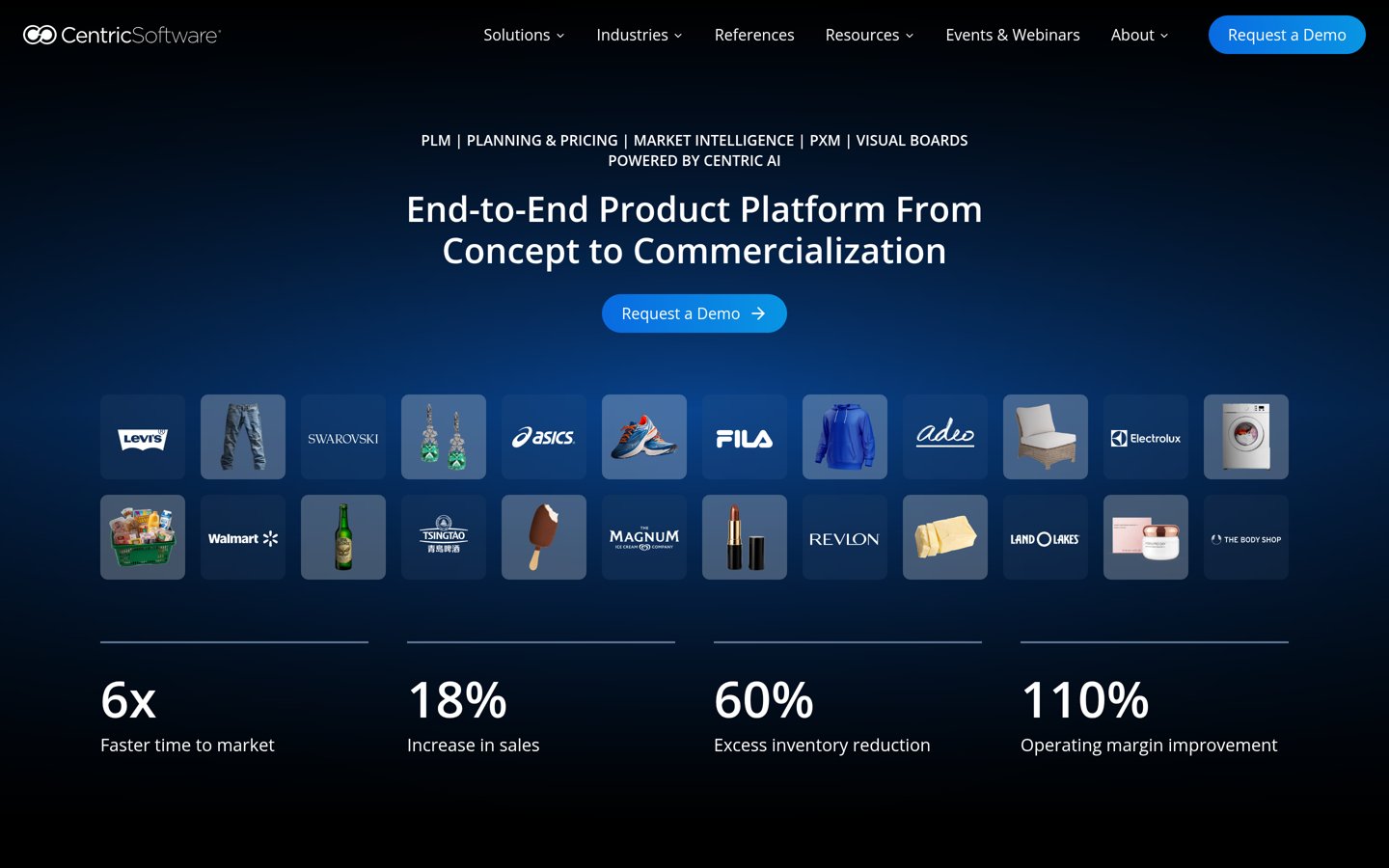
Centric PLM homepage, captured Nov 2026.
Centric PLM is an enterprise product lifecycle management platform covering product specifications, material libraries, sourcing and development approvals. It connects technical design workflows with merchandising and supplier management and earns 4.3/5 from 54 G2 reviews.
The trade off is custom pricing and the implementation effort required to configure enterprise development workflows. Buyers should request an itemized proposal covering software, integrations and onboarding. It suits larger fashion businesses managing extensive collections across departments and suppliers.
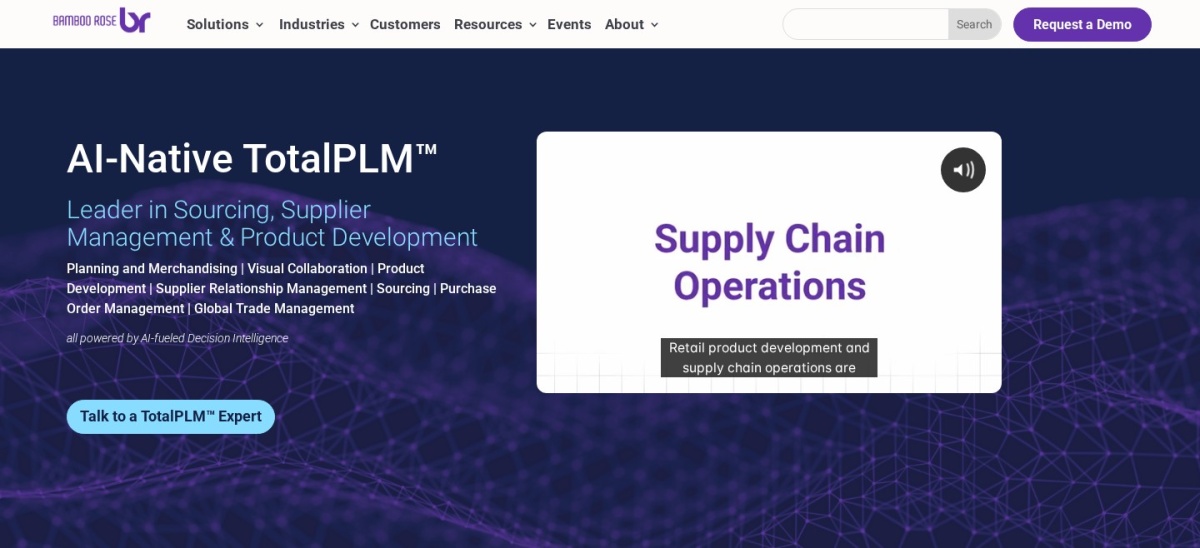
Bamboo Rose is a retail product development and supply chain platform that connects garment specifications with sourcing, materials and supplier workflows. Its TotalPLM platform supports reusable product information, measurement specifications and sample management, with a 4.2/5 Capterra rating from 68 reviews.
The trade off is custom pricing and a broader implementation scope than dedicated tech pack software. Its Capterra review history also includes feedback from the acquired Backbone product. It suits retailers and apparel companies that need coordinated technical development and supplier management.
What we like
Connected development and sourcing workflows
Reusable artwork and material libraries
Detailed bills of materials
Sample and supplier management
Watch out for
No public subscription price
Enterprise-oriented configuration
Review history includes legacy product feedback
TotalPLM connects technical development with retail sourcing and supply chain operations.Visit bamboorose.com
Tech pack software vs full fashion PLM
Dedicated tech pack software focuses on preparing manufacturing instructions. Designers can organize sketches, measurements, materials and construction notes without implementing a complete apparel management system.
Fashion PLM extends this process into sample reviews, supplier communications, costing, approvals and collection management. It becomes more useful as product development involves additional departments.
ERP-connected products go further by linking approved technical specifications with purchasing, manufacturing, stock and sales. Choose this approach when product data must remain consistent across development and commercial operations.
What should a garment tech pack include?
Include front and back technical sketches, construction details, stitch instructions, fabric specifications, trims and branding requirements. Clear annotations help manufacturers understand details that are difficult to communicate through measurements alone.
Add a measurement chart with tolerances, grading instructions, material quantities, colorways and packaging requirements. Maintain revision dates and approval records so suppliers know which specifications are current.
How we chose
We selected established apparel specification, fashion design and product lifecycle management platforms that support technical garment development. We prioritized reusable product data, manufacturer communication, specification accuracy and transparent subscription terms.
Official vendor pages and public G2 and Capterra ratings were checked on 27 Nov 2026. Annual costs exclude implementation and optional services. Delogue's annual cost is converted to USD using the latest available ECB reference rate of 1.0975 USD per euro. Custom pricing entries use zero as a chart placeholder, not a free subscription price.
We excluded products with insufficient public review histories, unverified pricing arrangements or limited relevance to technical garment development. Demo-only enterprise products were included where official product pages establish their capabilities and no public subscription price is available. No vendor paid for a place, and we do not claim testing for this list.
How to choose the best tech pack software
Compare your product development requirements, factory relationships and annual software budget before choosing a platform.
Identify your development workflow. Choose a dedicated tech pack builder for specification documents, a 3D design platform for virtual sampling or a fashion PLM system for broader product development.
Check manufacturer access. Confirm that factories can receive specifications, review updates and provide feedback without purchasing unnecessary software licenses.
Evaluate measurement and material management. Look for reusable measurement templates, grading capabilities, bills of materials and revision histories that match the complexity of your garments.
Calculate the complete annual cost. Include internal users, supplier access, onboarding, integrations and higher-tier features. Request a written proposal when the vendor does not publish subscription prices.
FAQ
What is the best tech pack software?
Techpacker is our top overall choice because it focuses on reusable garment specifications, version management and manufacturer collaboration. Browzwear is better for 3D garment development, while ApparelMagic suits businesses connecting technical specifications with manufacturing and inventory.
How much does tech pack software cost?
Published annual prices include $750 for Browzwear Freelancer and $840 at Techpacker's undiscounted Builder price. ApparelMagic starts at $337 per month when paid annually. Enterprise fashion PLM platforms generally require a custom quote.
Can I create a tech pack using Excel?
Yes. Excel can organize measurement tables, material lists, costs and manufacturing instructions. However, dedicated tech pack software provides better revision management, reusable product records and supplier collaboration when your collection grows or requires frequent changes.
Is tech pack software the same as fashion PLM?
No. Tech pack software primarily creates and maintains manufacturing specifications. Fashion PLM manages a broader product development process that can include technical documents, sample approvals, materials, costing, sourcing, development schedules and supplier communication.
What information should every apparel tech pack contain?
An apparel tech pack should contain technical sketches, measurement tables, tolerances, fabric and trim specifications, construction instructions, colorways, labeling and packaging details. Include revision information and approval records to prevent manufacturers from using outdated specifications.
Which tech pack software is best for small clothing brands?
Techpacker is a practical starting point for small clothing brands because it focuses on technical documents rather than full enterprise operations. Browzwear is worth considering when virtual garment sampling and pattern development are central to the business.
Does tech pack software replace physical garment samples?
Not completely. Digital specifications and garment simulations can reduce unnecessary sampling, but physical samples remain important for evaluating fabric behavior, stitching quality, fit, construction and manufacturing consistency before approving a production run.
SaaS SEO and WordPress specialist with about 8 years of experience. Rakib compares WordPress plugins, themes, hosting and software using public pricing, documentation and user reviews. See how we rank.