Todoist is the best productivity app for most people, with a free plan, fast natural-language task capture and more than 800 G2 reviews. Notion suits people who want notes, docs and tasks in one workspace, while TickTick is the best value paid option at under 36 dollars a year.
How we make this list: we compare pricing pages, product documentation and public user reviews, then re-check every price before each update. No product paid for a place. Disclosure.
Todoist is the best all-round pick: fast capture, a useful free plan and Pro at 60 dollars a year.
Notion is the best all-in-one workspace, combining notes, docs and tasks for 120 dollars per user a year on Plus.
TickTick is the best value paid app: tasks, habits and a calendar for 35.99 dollars a year.
Microsoft To Do is the best completely free option, and it syncs with Outlook and Microsoft 365.
Things 3 is the only one-time purchase here at 49.99 dollars for Mac, but it works only on Apple devices.
What to look for in a productivity app
Most productivity apps promise the same thing: fewer forgotten tasks and a calmer day. The difference is how much structure they add, and what they charge for it.
A simple to-do app suits most people. It should capture a task in seconds, show today clearly and remind you at the right time.
All-in-one workspaces suit people who also keep notes and docs. They take longer to set up, so pick one only if you will use the extra features. Our guide on project management software compares the team options in this space.
Price matters more than features after the basics. The cheapest paid plan in this list is free, and the most expensive is 131.88 dollars per user a year, so check what each plan actually unlocks before paying.
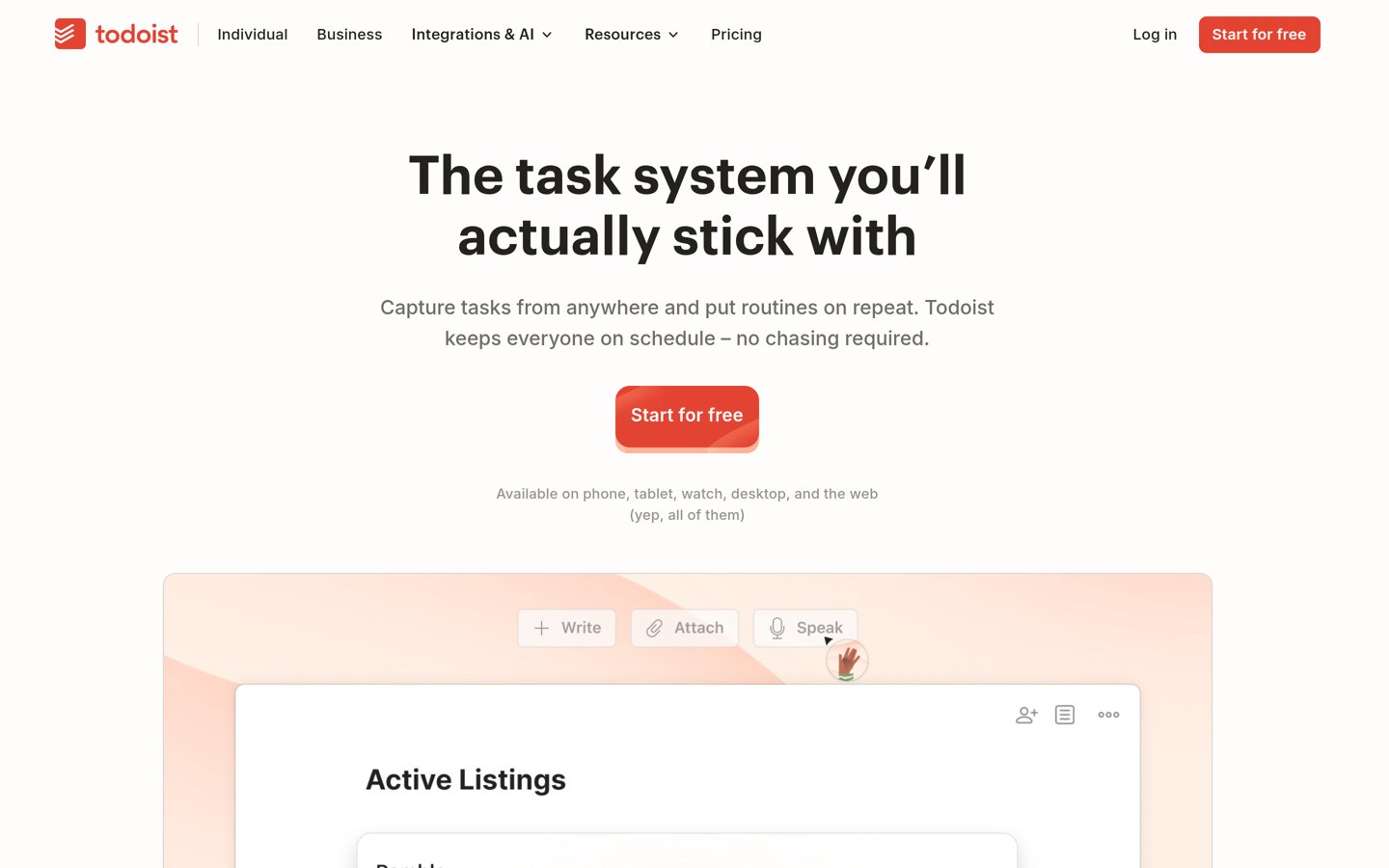
Todoist is a task manager built around fast capture and simple lists. The free Beginner plan covers 5 personal projects, reminders, list and board layouts, and 3 filter views. Pro lifts the cap to 300 personal projects and adds calendar and table layouts, task durations, custom reminders, 150 filter views and full reporting history.
The trade off is that the best views and reminders sit behind Pro at 60 dollars a year, and the free plan caps projects at 5. It suits individuals who want one fast list for work and life, and small teams can step up to Business at 96 dollars per user a year.
Notion is an all-in-one workspace that combines notes, docs, wikis and databases in one place. The free plan covers notes and docs for individuals, with 10 guests and basic page analytics. Plus adds unlimited file uploads up to 5 GB, 30-day page history, 100 guests and charts, and Business adds advanced permissions and automations.
The trade off is setup time. Notion starts as a blank page, so building a task system takes longer than opening a ready-made to-do app, and Plus costs 120 dollars per user a year. It suits people who want notes, projects and a wiki in one workspace.
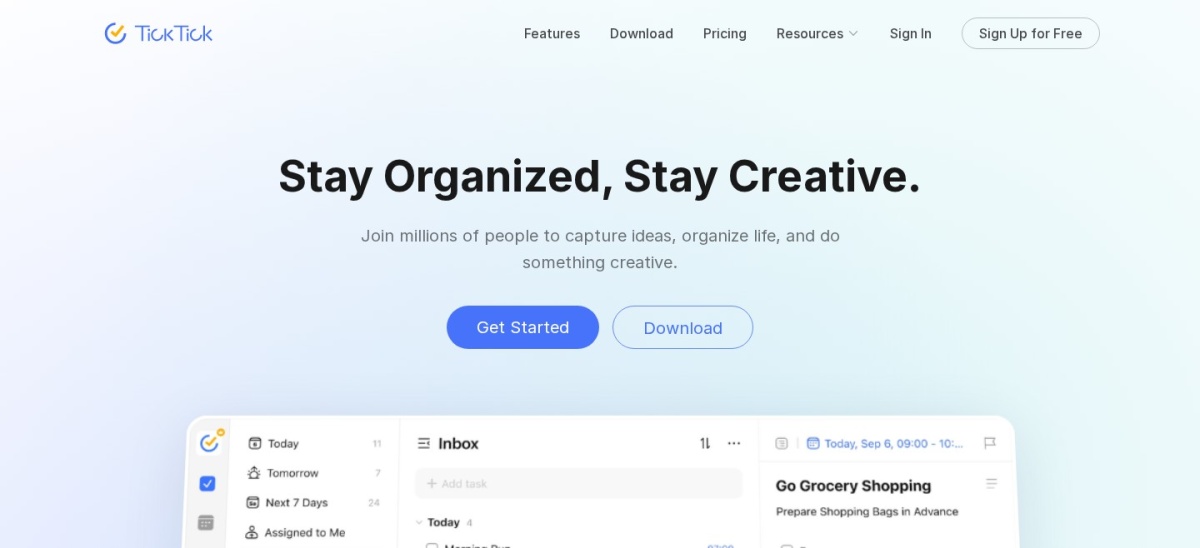
TickTick is a task manager with a built-in calendar, habit tracker and Pomodoro timer. The free plan covers lists, reminders, calendar views and habit tracking on every platform. Premium adds calendar subscriptions, custom smart lists, full habit statistics and larger file uploads.
The trade off is that Premium costs 35.99 dollars a year and the free plan limits list sizes and reminder options. It suits people who want tasks, habits and a calendar in one app without paying for a full project platform.
4.7/5on Capterra (1,166 reviews, checked Nov 2026)
Paid from$59.88/yr
Best daily planner
Free planYes
Paid planPremium, $59.88/yr
CalendarBuilt-in integration
Moment plannerDaily planning view
any.do
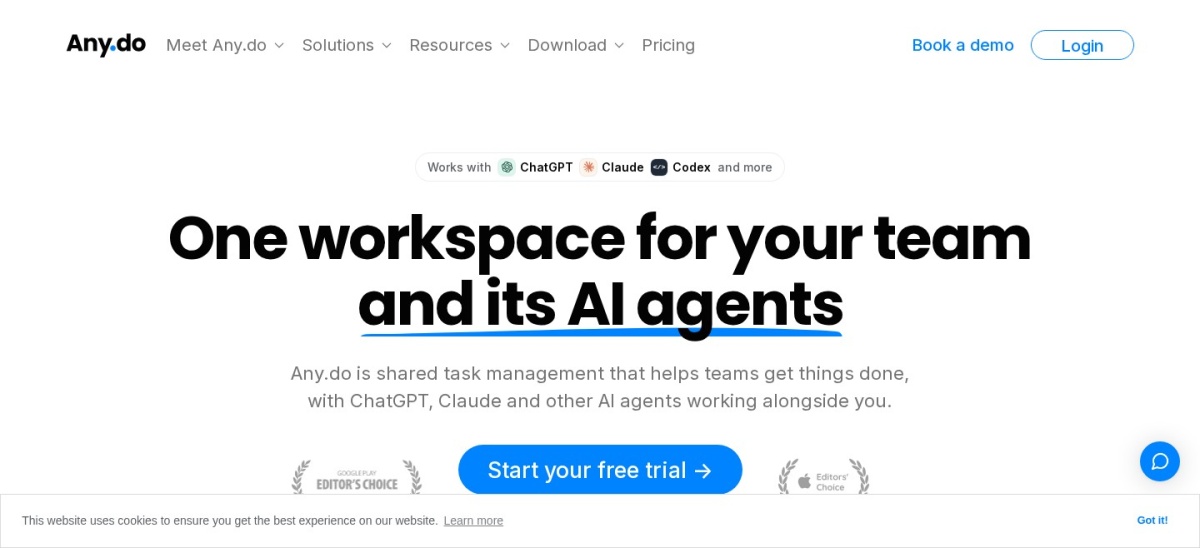
Any.do homepage, captured Nov 2026.
Any.do is a daily planner that pairs a task list with a calendar and a Moment planning view. The free plan covers unlimited tasks and lists, calendar integration, shared lists and voice capture. Premium adds advanced recurring and location reminders, Focus Mode, color tags and WhatsApp reminders.
The trade off is price. Premium costs 59.88 dollars a year, which is more than TickTick for a similar set of features, and the free plan is basic. It suits people who plan each day around a calendar and want tasks and events in one view.
What we like
Tasks and calendar in one view
Daily Moment planning view
WhatsApp reminders on Premium
Watch out for
Premium costs more than TickTick
Free plan is basic
Premium adds location reminders and Focus ModeVisit any.do
05
ClickUp
4.6/5on G2 (15,376 reviews, checked Nov 2026)
Paid from$108/yr
Best for small teams
Free planYes, Free Forever
Paid planCore, $108/yr
Storage60 MB free, unlimited on Core
Automations1,000 a month on Core
clickup.com
ClickUp homepage, captured Nov 2026.
ClickUp is a work platform that combines tasks, docs, goals, whiteboards and time tracking in one workspace. The Free Forever plan covers unlimited tasks and members with 60 MB of storage. Core adds unlimited storage, Gantt charts, custom fields, native time tracking and 1,000 automation actions a month.
The trade off is complexity. ClickUp packs in so many views and settings that setup takes longer than a simple to-do app, and Core costs 108 dollars per user a year. It suits small teams that want tasks, docs and goals in one place.
Asana is a work management platform for tracking tasks, projects and team goals. The free Personal plan covers unlimited tasks and projects for up to 2 users. Starter adds timeline and Gantt views, reporting dashboards, unlimited automations, forms and custom templates.
The trade off is price and limits. Starter costs 131.88 dollars per user a year with a 2-seat minimum, and time tracking sits on the Advanced plan. It suits teams that run structured projects with timelines, owners and reporting.
What we like
Clear timelines and project tracking
Unlimited automations on Starter
Strong reporting dashboards
Watch out for
Starter has a 2-seat minimum
Time tracking needs Advanced
Advanced adds portfolios, goals and time trackingVisit asana.com
07
Things 3
4.4/5on G2 (29 reviews, checked Nov 2026)
Starts at$49.99 (one-time)
Best one-time purchase
Free planNo, 15-day Mac trial
Paid planMac, $49.99 one-time
PlatformsApple only
SyncThings Cloud, free
culturedcode.com
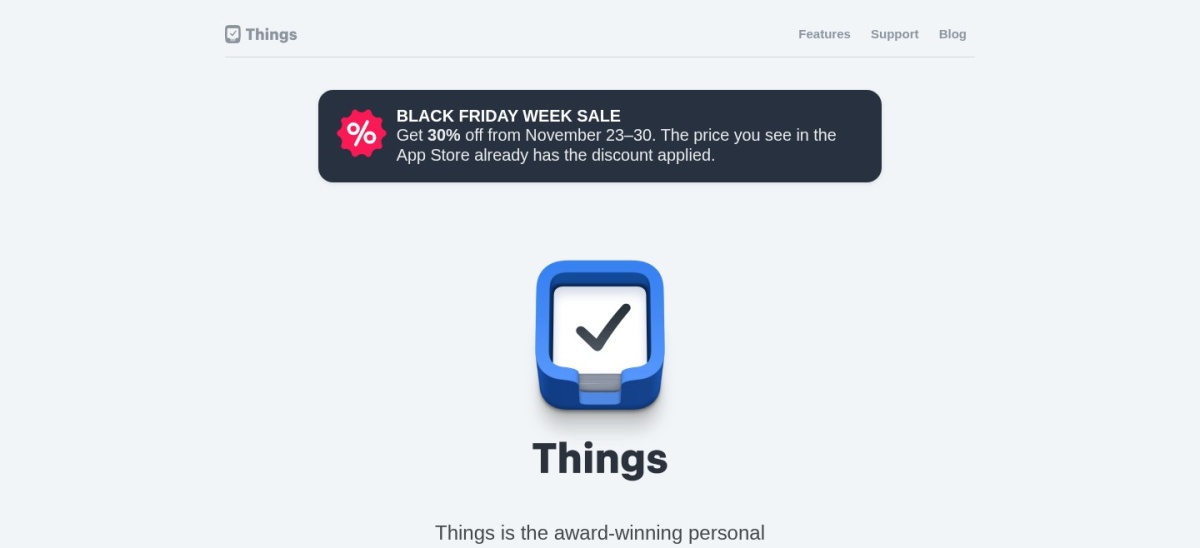
Things 3 homepage, captured Nov 2026.
Things 3 is a task manager for Apple devices, built around a clean Today view and areas for each part of life. There is no free plan, but the Mac app has a 15-day trial. It covers headings, tags, deadlines, recurring tasks and a This Evening list for the day ahead.
The trade off is platform lock-in. Things 3 runs only on Mac, iPhone, iPad and Apple Watch, with no web or Windows version, and each platform is bought separately. It suits Apple users who want a calm, beautiful list and never want a subscription.
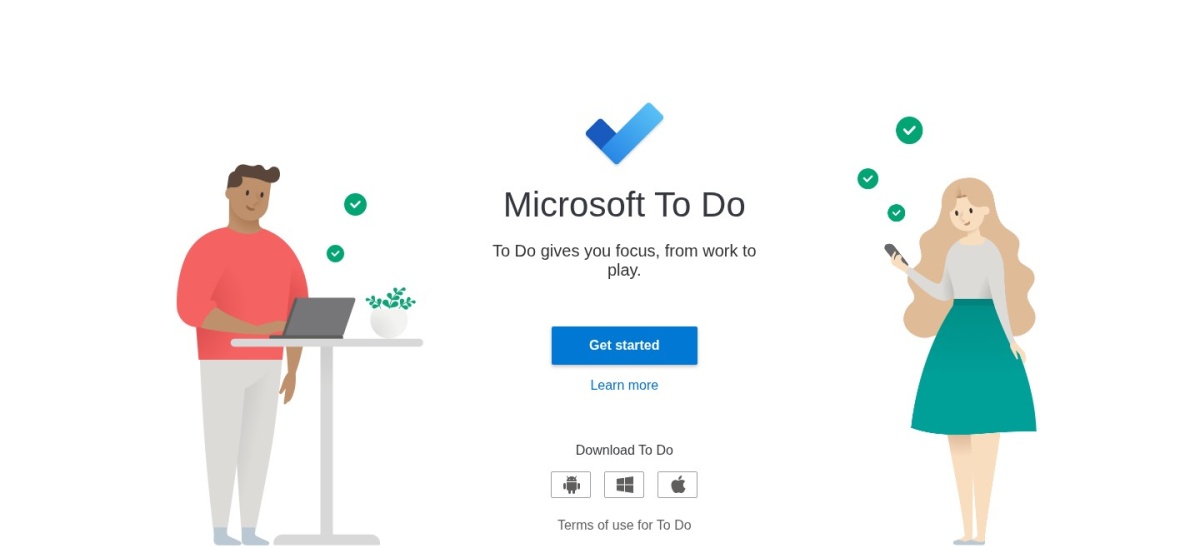
Microsoft To Do is a free task app that syncs lists with Outlook and Microsoft 365. It covers lists, due dates, reminders, shared lists and file attachments up to 25 MB. The My Day view puts a fresh plan at the top of each morning.
The trade off is depth. To Do has no project timelines, no time tracking and fewer views than paid rivals, and shared lists stopped taking new members in late 2026. It suits Microsoft 365 users who want a simple, free list.
Evernote is a note-taking app built for capturing and finding information fast. The free plan covers 50 notes, 1 notebook, 1 GB of storage and sync on 1 device. Starter lifts the limits to 1,000 notes, 20 notebooks, 5 GB of storage and sync on 3 devices, with AI search and editing.
The trade off is value. Starter costs 99 dollars a year while the free plan is capped at 50 notes, and Notion Plus costs little more for a wider workspace. It suits people with years of clipped articles and scanned documents who need strong search.
We started from the most-used task and productivity apps with public ratings on G2 or Capterra, then kept 9 with a useful free plan or a clear paid tier.
Prices come from each vendor's pricing page, checked on 25 November 2026. Ratings and review counts come from G2 or Capterra on the same day. Where a vendor shows a sale, the list shows the regular price.
We left out apps with no public rating and apps that only sell to large teams. No vendor paid for a place, and we do not claim hands-on testing for this list.
How to choose a productivity app
Start with how you actually plan your day, then match the app to that habit.
Decide how much structure you need. A simple list suits most people. Pick a workspace only if you also manage notes, docs and projects in one place.
Try the free plan first. Use it for a full week of real tasks before paying. If capture feels slow or today is hard to read, try another app.
Check what the paid plan unlocks. Reminders, calendar views and history are often paid features. Compare the cheapest paid plan, not the headline price.
Make sure it runs on your devices. Some apps are Apple-only or web-only. Pick one with apps for every device you use each day.
FAQ
What is the best productivity app?
Todoist is the best productivity app for most people. Its free plan covers everyday lists, Pro adds calendar layouts and reminders at 60 dollars a year, and it is rated 4.5 out of 5 on G2 from more than 800 reviews.
Is there a completely free productivity app?
Yes. Microsoft To Do is free with a Microsoft account and covers lists, due dates, reminders and shared lists. Todoist, Notion, TickTick and Any.do also have free plans, but each caps projects, blocks or reminders until you pay.
Is Notion or Todoist better for productivity?
Todoist is better for pure task lists: faster capture, clearer today views and a cheaper Pro plan. Notion is better if you also want notes, docs and databases in one workspace, but it takes longer to set up and Plus costs 120 dollars per user a year.
What is the cheapest paid productivity app?
TickTick Premium is the cheapest paid plan in this list at 35.99 dollars a year, covering calendar subscriptions, smart lists and habit statistics. Things 3 costs 49.99 dollars once for the Mac app, with no yearly fee, but it works only on Apple devices.
Do I need a paid productivity app?
Most people do not. Free plans cover lists, reminders and basic views, and Microsoft To Do is free in full. Pay only if you need calendar layouts, unlimited projects, advanced reminders or a full history of completed tasks.
Which productivity app is best for teams?
ClickUp and Asana are the strongest team picks here. ClickUp Core costs 108 dollars per user a year and adds docs, goals and time tracking, while Asana Starter costs 131.88 dollars per user a year and adds timelines, dashboards and unlimited automations.
SaaS SEO and WordPress specialist with about 8 years of experience. Rakib compares WordPress plugins, themes, hosting and software using public pricing, documentation and user reviews. See how we rank.