Guideflow is the best product demo software for most revenue teams, with six demo formats and a perfect G2 rating. Storylane suits fast no-code demo creation, while Navattic fits website demos that let buyers try the product alone.
How we make this list: we compare pricing pages, product documentation and public user reviews, then re-check every price before each update. No product paid for a place. Disclosure.
Guideflow holds a perfect 5.0 G2 rating from 141 reviews and covers six demo formats in one workspace.
Storylane Starter costs $40 per user a month billed annually, with a free plan and HTML demo capture from Growth.
Supademo is the cheapest paid start at $38 per creator a month, built for guided how-to demos and onboarding.
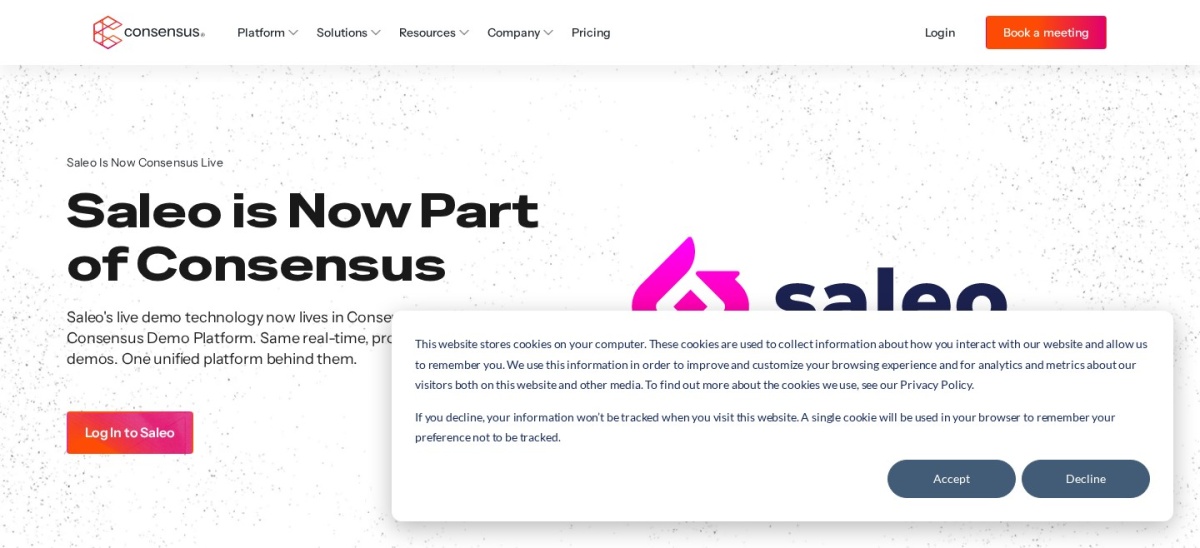
Consensus and Saleo now sit inside one company after Consensus acquired Saleo in June 2026.
Navattic and Saleo quote every deal, so budget for a sales conversation.
What product demo software should cover
Product demo software lets prospects try a product without a sales call. The best tools build clickable, self-guided walkthroughs that run on a website, in an email or inside a deal room.
Formats split the market. Screenshot demos are fast to build, HTML demos clone the real product, video demos qualify buyers at scale, and live demos inject real data into the product itself.
Pricing splits the same way. Self-serve tools start from $32 to $40 per user a month, while enterprise platforms such as Walnut, Consensus and Demoboost start at $375 to $600 a month or quote every deal.
Analytics decide whether a demo program lasts. Look for per-viewer engagement, CRM reporting and the ability to see which features a buyer actually touched.
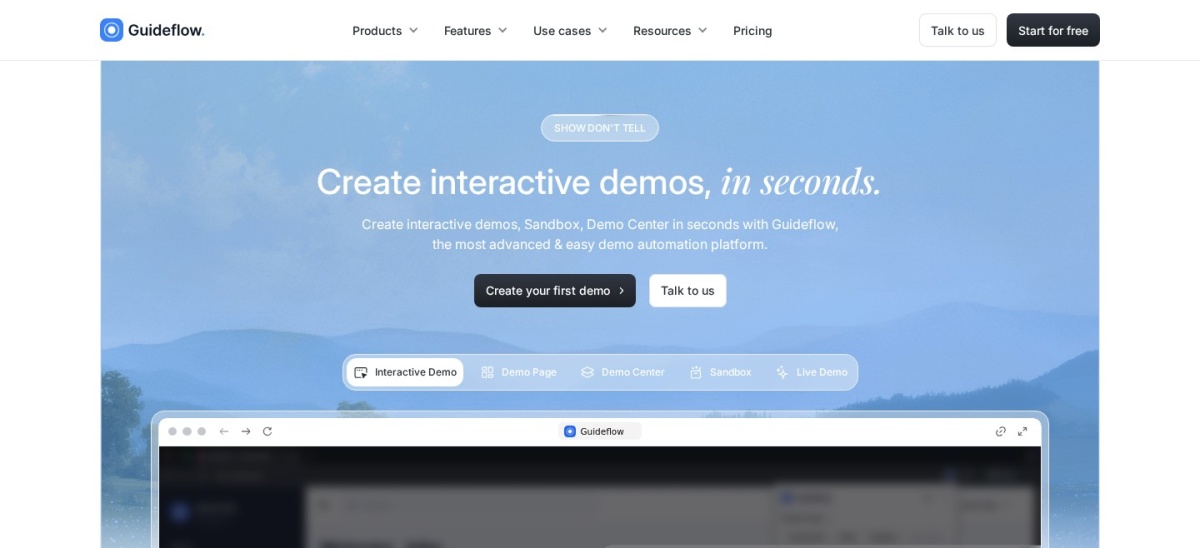
Guideflow is an AI-powered demo automation platform for teams whose demo needs do not stay in one place. Interactive demos, demo pages, demo centers, sandboxes, live demos and mobile demos all run from one workspace, with buyer engagement analytics attached to each. Solo costs $35 per user a month billed annually.
The trade off is price at scale. Growth costs $499 a month and Advanced $1,499 a month, so a team that outgrows Solo pays far more. It suits revenue teams that need more than one demo format.
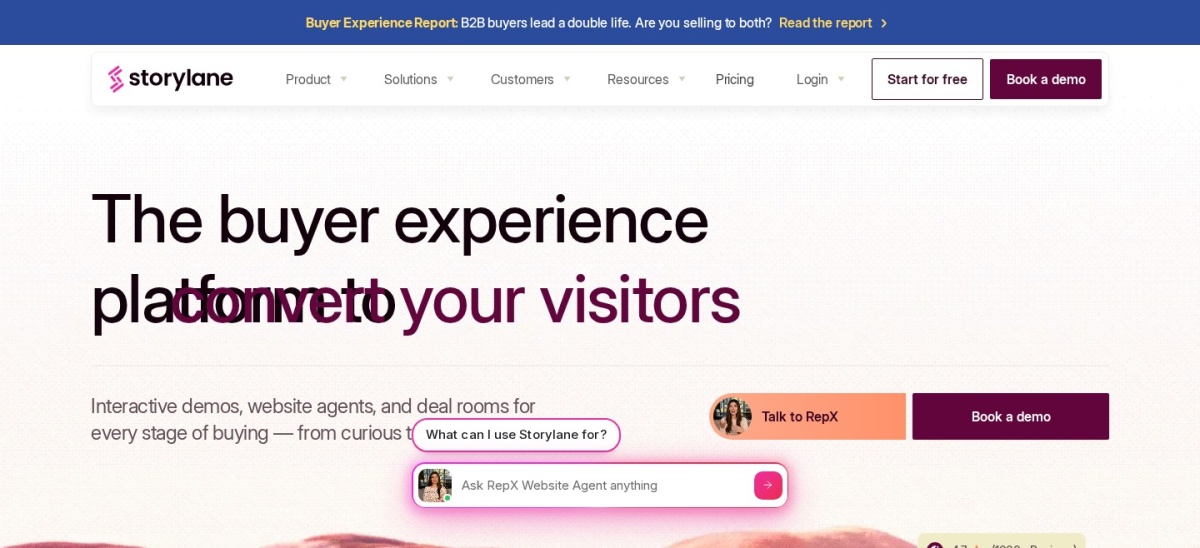
Storylane is a no-code interactive demo platform for sales, presales and marketing teams on one platform. It builds screenshot, video and HTML demos plus Hubs and presenter mode, and its AI tools generate demos from a product URL. Starter costs $40 per user a month billed annually, with a free plan for one demo.
The trade off is HTML pricing. HTML capture starts at Growth at $500 a month billed annually, and sandbox demos are Enterprise-only. It suits marketers who want fast demos without engineering help.
What we like
Largest review base in this list at 1,461 G2 reviews
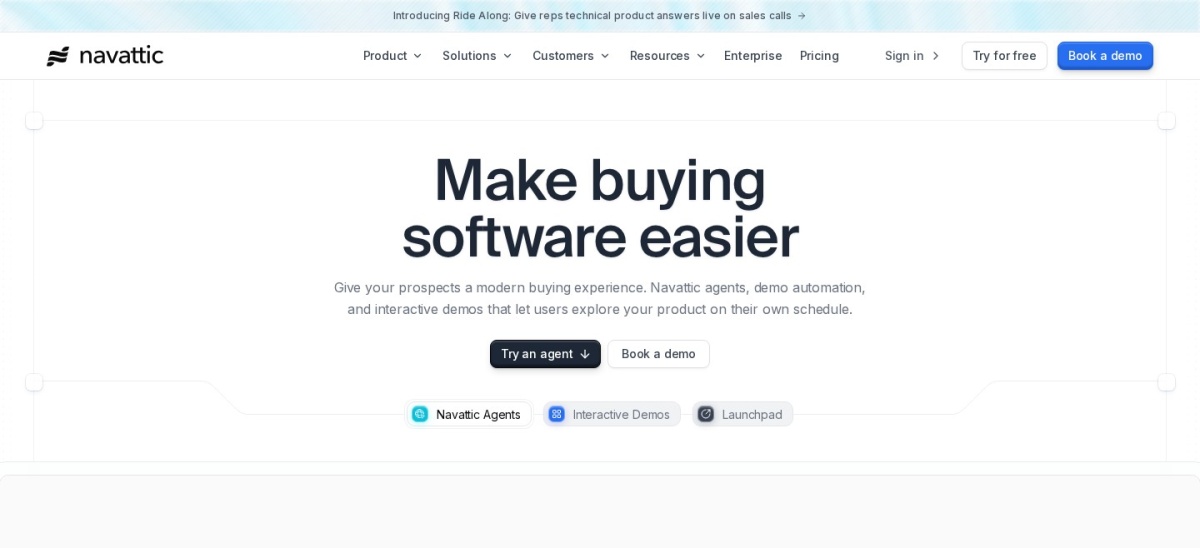
Navattic is a no-code interactive demo platform aimed at self-serve website experiences, with mature HTML capture and an AI Copilot that generates and edits demos from a product URL or existing content. Its free Starter plan covers one demo, while Base and Growth are billed annually with pricing on request.
The trade off is price transparency. Paid plan prices are not public, so budgeting needs a sales conversation. It suits PLG teams that want visitors to try the product before talking to sales.
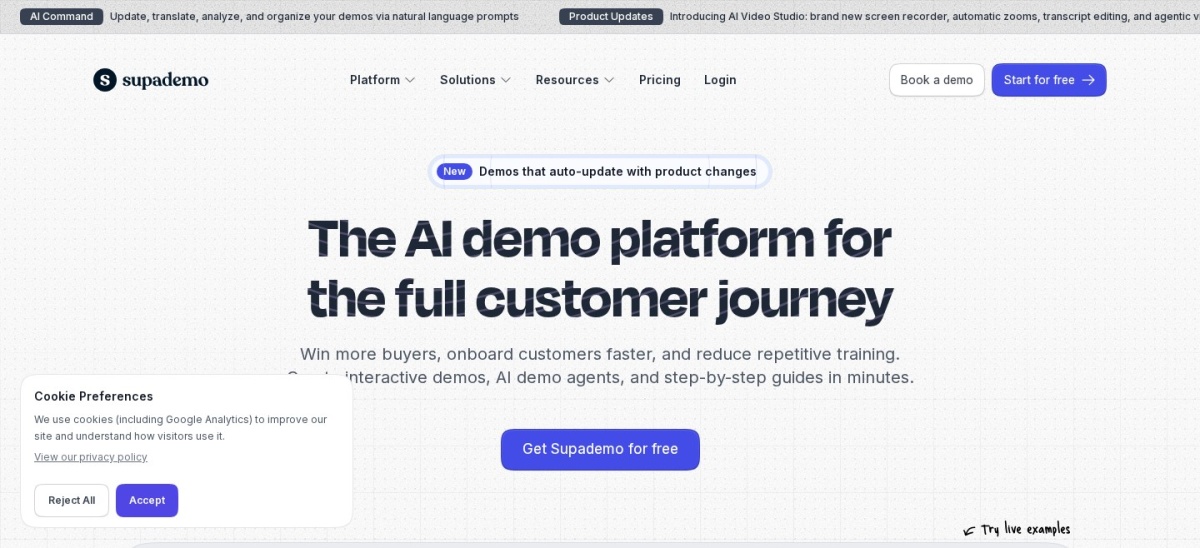
Supademo is an AI-native platform for interactive demos, sandbox demos, screen recordings, SOPs and AI demo agents. Its guided, scrollable demos suit onboarding, support and product documentation, and the free plan covers five demos. Scale costs $38 per creator a month, the cheapest paid start in this list.
The trade off is depth. HTML demos need the Business plan from $199 a month billed annually, and sandbox demos sit on Growth and Enterprise. It suits teams that explain workflows step by step.
Consensus is a video-led demo platform: a buyer selects the product areas that matter, the platform assembles a personalised video sequence, and it reports who watched, for how long, and which features they engaged with. Starter costs $600 a month for five users billed annually.
The trade off is cost and creation friction. Reviewers cite cumbersome demo creation, and the Saleo platform and AI Demo Agent are priced only inside enterprise contracts. It suits enterprise presales teams qualifying buyers at scale.
Saleo is a live demo platform that lets sales engineers run demos in the native product, editing data in real time and controlling every screen without a staging environment. Its data injection and conversational demo agent suit enterprise deals where the demo must show the buyer's own data. Pricing is custom, by module.
The trade off is scope and price. Saleo is built around live, rep-led demos first, and it now sits inside Consensus after the June 2026 acquisition, so a shortlist with both is narrower than it looks. It suits presales teams running live enterprise demos.
What we like
Highest G2 rating in this list after Guideflow
Real-time data injection into the live app
No staging environment needed
AI demo agent for live calls
Watch out for
Custom pricing, no published price
Built for live demos, not self-serve tours
Now part of Consensus, not independent
Custom modules cover live demos and the AI agentVisit saleo.io
07
Arcade
4.7/5on G2 (103 reviews, checked Nov 2026)
Paid from$32/user/mo
Best for polished visual storytelling
Free planYes, 3 demos
Entry paid planPro, $32/user/mo
Demo formatsInteractive, HTML
G2 rating4.7/5, 103 reviews
arcade.software
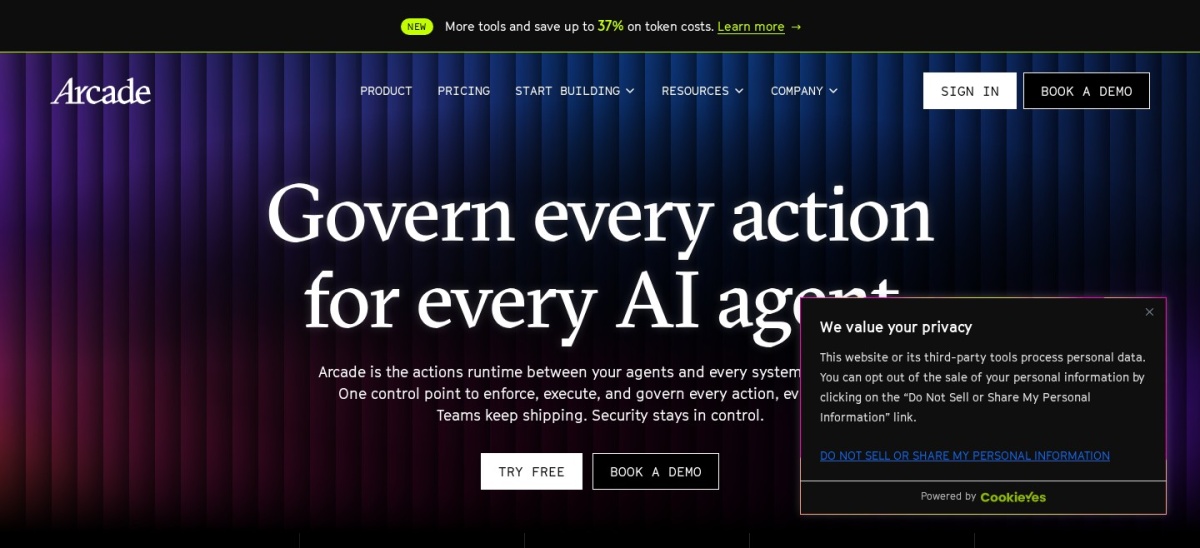
Arcade homepage, captured Nov 2026.
Arcade is a visual demo platform that makes polished, social-style product demos that share well on social and embed cleanly on landing pages. The free plan covers three published demos and 200 AI credits, Pro costs $32 per user a month, and Growth adds HTML capture. It holds a 4.7 out of 5 G2 rating from 103 reviews.
The trade off is depth. HTML capture needs the Growth plan, and Arcade is lighter on enterprise governance than Navattic or Demoboost. It suits marketing teams making quick, visual demos.
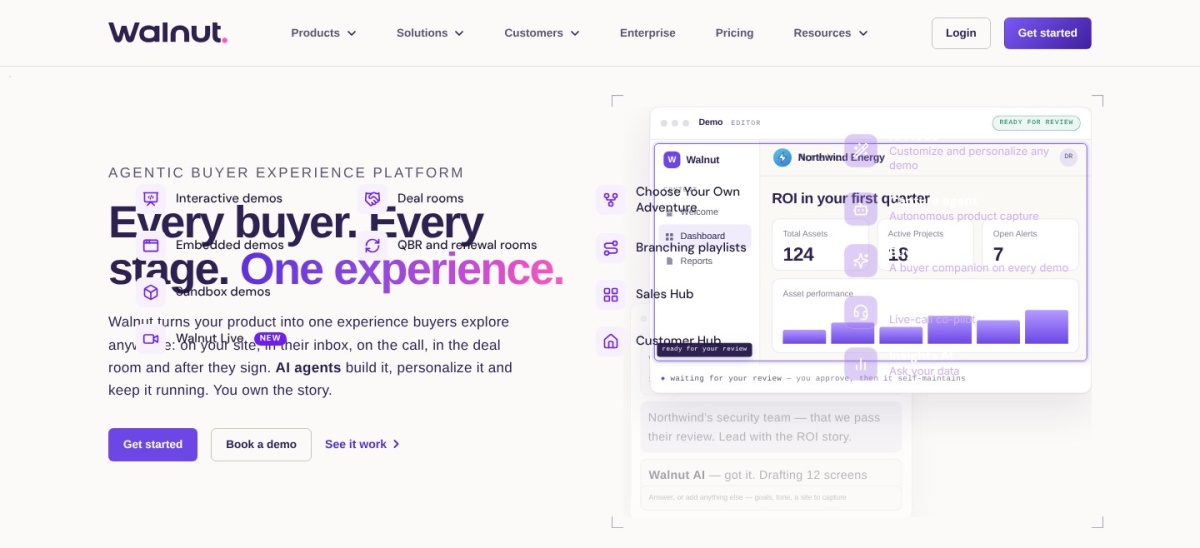
Walnut is a sales-led demo platform built for presales teams that personalise every demo to the deal. In-demo data editing and an AI mode that drafts demos from a brief let reps tailor each walkthrough, and Ignite costs $575 a month billed annually.
The trade off is the price floor. There is no self-serve free plan, and Accelerate costs $1,550 a month, so Walnut only fits teams with real presales volume. It suits sales-led orgs personalising demos per deal.
Demoboost is a multi-format demo platform for enterprise teams that need governance as the demo library grows. It covers HTML, screenshot, video, sandbox and mobile demos with intent analytics, versioning and multi-region libraries, and Start Up costs $375 a month billed annually.
The trade off is the entry bar. There is no self-serve free trial, and Essentials costs $600 a month, so small teams should start elsewhere. It suits large, multi-region demo libraries.
Screenshot demos are the fastest to build and the easiest to keep current, but they cannot show live data. Storylane, Supademo and Arcade all start here.
HTML demos clone the product in the browser, so buyers click through real screens. Navattic and Storylane Growth lead here, with AI tools that generate demos from a product URL.
Video demos qualify buyers before a call, and Consensus built its business on them. Live demos go further, injecting real data into the product, which is Saleo's job.
How we chose
We started from the demo automation tools that top G2's category grid and the shortlists revenue teams actually compare, then kept the nine with a verifiable G2 rating and a distinct demo format.
Prices come from each vendor's pricing page or the vendor's own published rates, checked on 26 November 2026. Ratings come from G2 on the same day. Where a vendor shows a sale, the list shows the regular price.
We left out tools with no verifiable rating and no published format. No vendor paid for a place, and we do not claim hands-on testing for this list.
How to choose product demo software
Start with where the demo will live, then match the format to the buyer.
Decide where buyers will see the demo. Website demos need HTML capture and embedding, while sales-led demos need presenter mode and per-deal personalization.
Match the format to the job. Screenshot demos suit onboarding and support, HTML demos suit self-serve trials, and live demos suit enterprise sales calls.
Check what the entry plan leaves out. HTML capture starts at Storylane Growth and Supademo Business, and sandbox demos sit on enterprise tiers almost everywhere.
Test the analytics before you commit. Build one demo, share it with a real prospect, and check that you can see who viewed it and which steps they finished.
FAQ
What is the best product demo software?
Guideflow is the strongest all-round pick, with six demo formats in one workspace and a 5.0 out of 5 G2 rating from 141 reviews. Storylane is the best fast no-code option, and Navattic leads for website demos that buyers explore alone.
What is interactive demo software?
Interactive demo software builds clickable, self-guided product walkthroughs that prospects explore on their own, with no sales call needed. Buyers click through screens, watch short videos or follow a guided tour, and the vendor sees which steps they finished.
How much does product demo software cost?
Self-serve tools start from $32 to $40 per user a month billed annually, with free plans at Guideflow, Storylane, Supademo, Navattic and Arcade. Enterprise platforms start at $375 to $600 a month, and Navattic, Saleo and Reprise quote every deal.
Do I need HTML demos or are screenshot demos enough?
Screenshot demos are enough for onboarding, support and simple tours, and they are far faster to build. HTML demos suit self-serve buyers who want to click through the real product, but they cost more and need a higher tier.
What is the difference between Consensus and Saleo?
Consensus builds interactive video demos that qualify buyers before a sales call, while Saleo injects real data into live product demos for sales engineers. Consensus acquired Saleo in June 2026, so the two now sit inside one company.
Can product demo software replace live sales demos?
It replaces the first demo, not the last one. Interactive demos qualify buyers and answer common questions, so the live call focuses on the buyer's specific needs instead of a generic walkthrough.
SaaS SEO and WordPress specialist with about 8 years of experience. Rakib compares WordPress plugins, themes, hosting and software using public pricing, documentation and user reviews. See how we rank.