Clay is the best platform for growth engineering teams, with waterfall enrichment across more than 100 data providers and Launch at 185 dollars a month. Apollo suits outbound in one tool, while Mutiny leads for website personalisation.
How we make this list: we compare pricing pages, product documentation and public user reviews, then re-check every price before each update. No product paid for a place. Disclosure.
Clay Launch costs $185 a month and chains more than 100 data providers in waterfall enrichment.
Apollo Basic costs $49 a month and pairs a 240 million contact database with sequences and a dialer.
Mutiny Business costs $50 a month and personalises website content for target accounts.
ZoomInfo and Cognism are quote-based enterprise plays, with ZoomInfo holding more than 8,000 G2 reviews.
HubSpot Marketing Hub starts at $20 a month and brings the largest G2 review base here at more than 16,000 reviews.
What growth engineering platforms should cover
Growth engineering in go-to-market means building the data and automation layer behind revenue: enrichment, routing, scoring, sequencing and measurement, all wired together with code and workflows rather than manual lists.
Enrichment is the foundation. A platform should take a thin lead record and return verified emails, phones, firmographics and intent signals, ideally from more than one provider so a miss on the first source does not end the chain.
Orchestration is where Clay and Apollo differ from point tools. Clay lets engineers chain providers and AI steps in tables, while Apollo, HubSpot and ZoomInfo bundle the workflow inside a single suite. Our guide on best CRM software compares the CRM side of the same stack.
Pricing splits hard here. Self-serve tools publish prices from $20 to $185 a month, while ZoomInfo, Cognism and Demandbase sell by quote with annual contracts, so budget for a sales conversation on those.
The 9 best platforms for growth engineering in GTM
01
Clay
4.6/5on G2 (235 reviews, checked Nov 2026)
Paid from$185/mo
Best platform for growth engineering in GTM overall
Free planYes, limited credits
Entry paid planLaunch, $185/mo
Data providers100+ in waterfalls
CRM syncSalesforce and HubSpot
clay.com
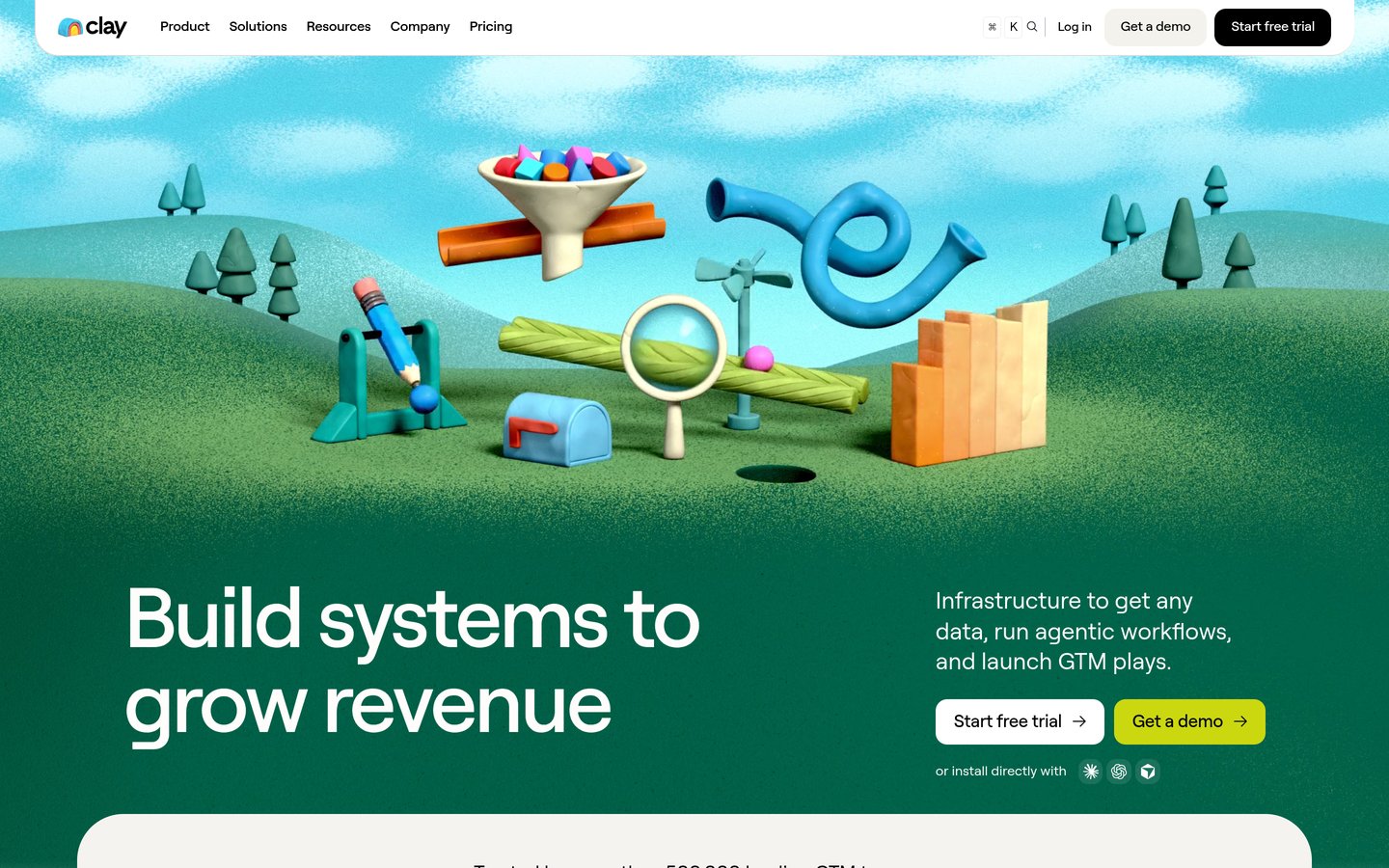
Clay homepage, captured Nov 2026.
Clay is a GTM orchestration layer that chains more than 100 data providers in waterfall enrichment, so a second provider runs when the first comes up empty. Launch starts at $185 a month with 2,500 data credits and 15,000 actions, and the free plan covers small tests.
The trade off is price and learning curve. Launch at $185 a month is steep for a solo operator, and building good waterfalls takes real RevOps skill. It suits GTM engineers who want full control over enrichment and outreach workflows.
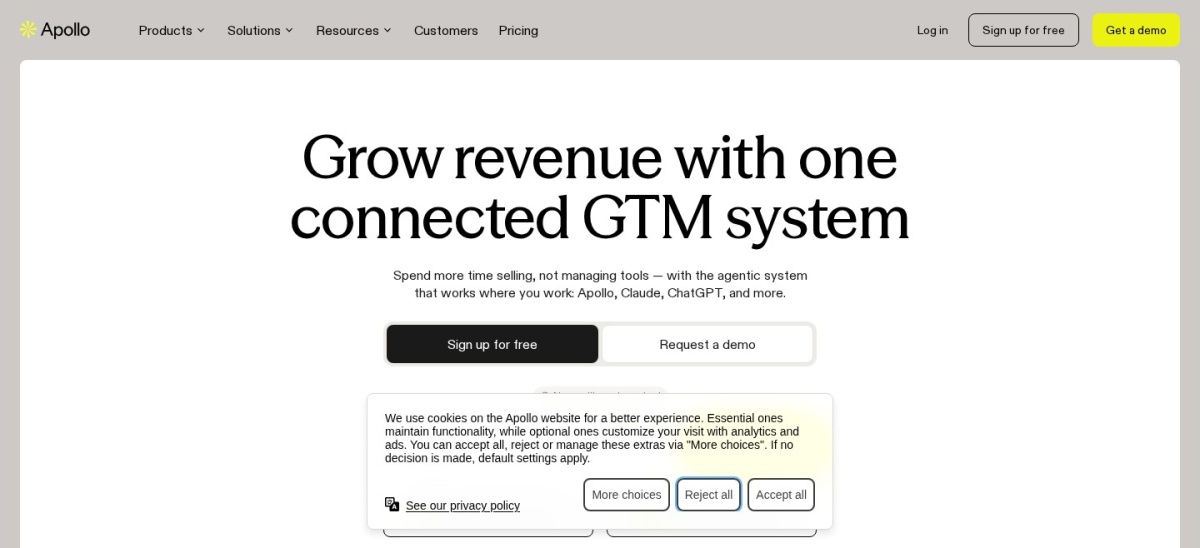
Apollo is an AI sales platform that unifies data, intelligence and execution in one workspace. Its database covers more than 240 million contacts and 30 million companies, with enrichment, sequences, a dialer and deal management, and Basic starts at $49 a user a month billed annually.
The trade off is that the cheapest plan is per seat, so a five-person team pays about $245 a month, and advanced AI features sit on higher tiers. It suits SMB and mid-market teams that want prospecting and outbound in one licence.
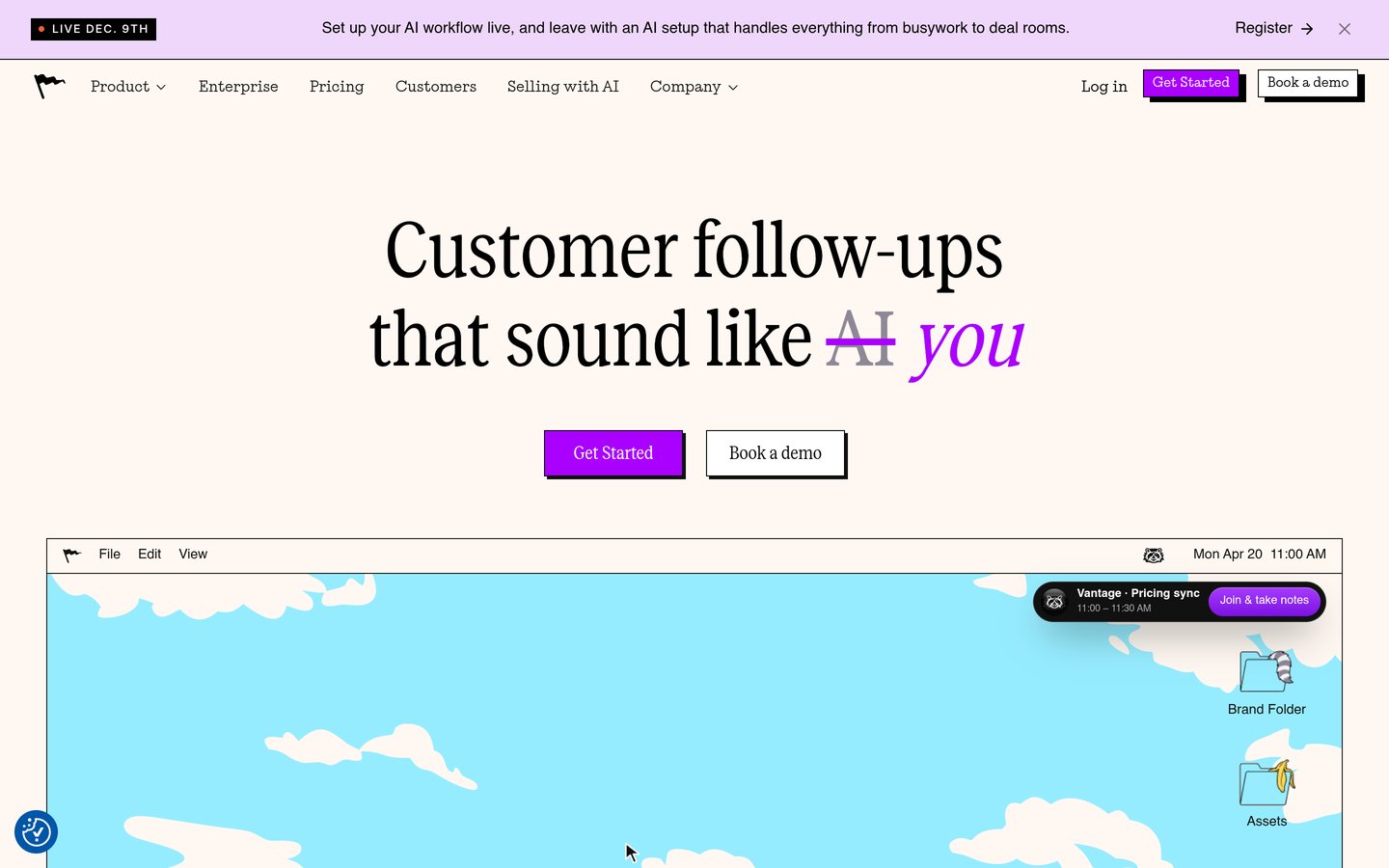
Mutiny is a personalisation and AI agent platform for B2B teams that turns website traffic into pipeline. The free plan covers basic personalisation, Business costs $50 a month, and the platform adds AI agents that draft customer-facing content and run seller workflows.
The trade off is the small G2 review base of 32 reviews, and serious account-based programmes need Enterprise from $40,000 a year. It suits teams that already drive target-account traffic and want the site to convert it.
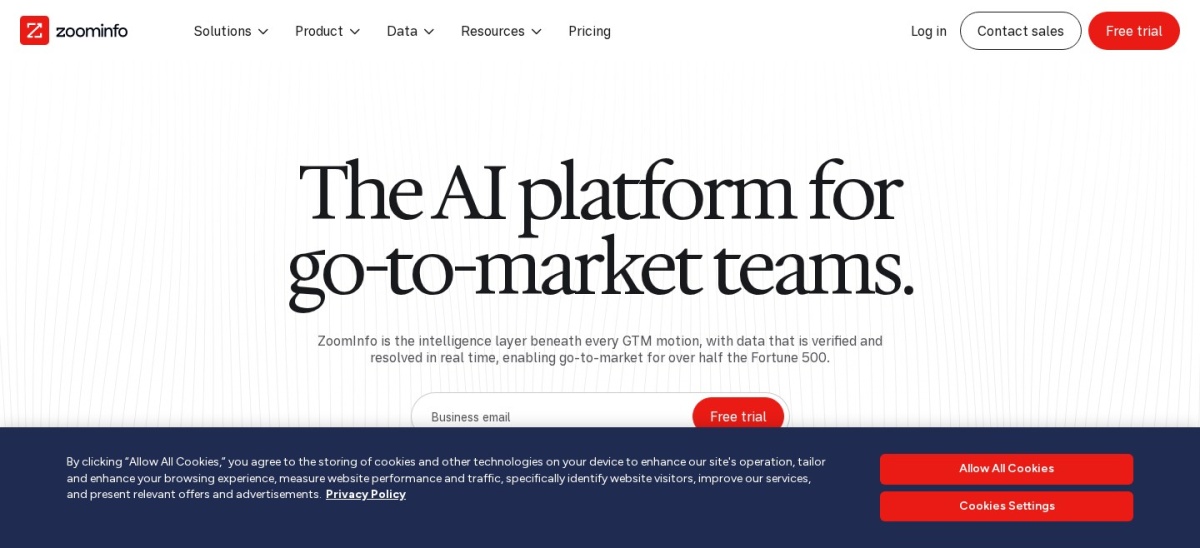
ZoomInfo is an enterprise GTM platform built on verified B2B data, intent signals and AI agents. It combines the data foundation, agent teams and a workspace in one system, and it holds the second-largest G2 review base here at more than 8,000 reviews.
The trade off is pricing. ZoomInfo sells by quote with consumption-based credits, so small teams cannot budget from a published price. It suits mid-market and enterprise GTM teams that want verified data and agents in one platform.
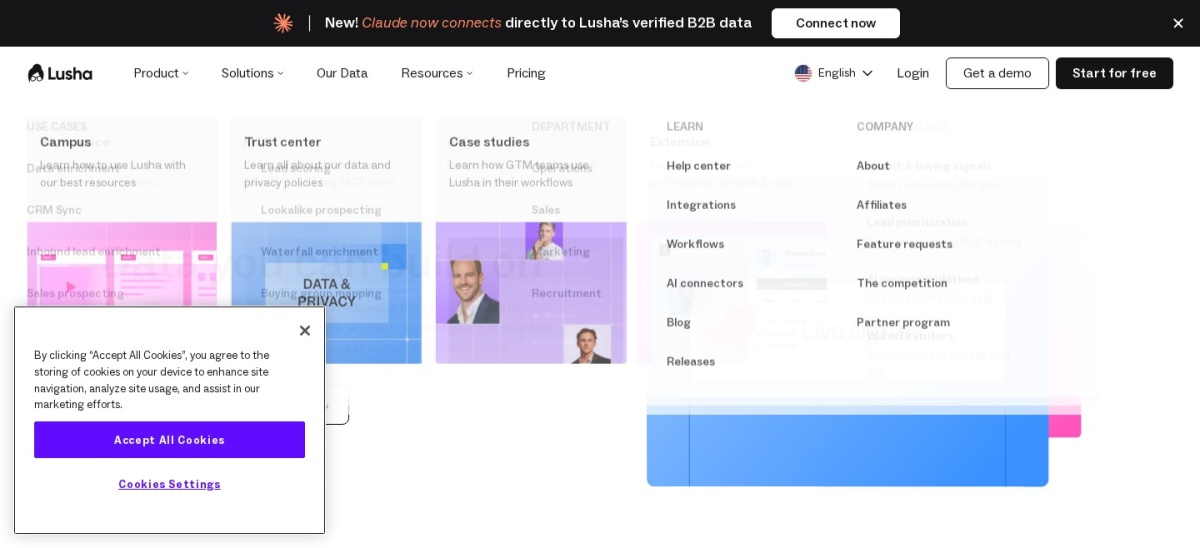
Lusha is a B2B contact data platform for reps who need quick verified lookups. Its Chrome extension finds emails and phone numbers on LinkedIn and company sites, and the Pro plan starts at $49.90 a month billed yearly.
The trade off is that Lusha is a lookup tool, not a full GTM platform, so enrichment, sequencing and routing need other tools. It suits individual reps and small teams that want fast contact data without a platform commitment.
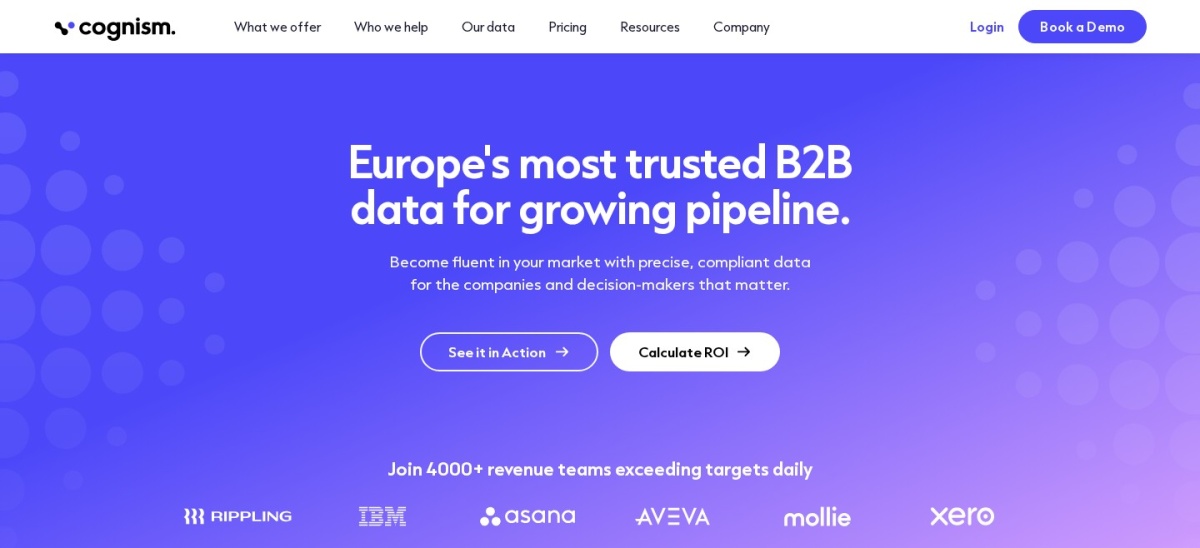
Cognism is a B2B data platform for teams selling into Europe, with phone-verified mobile numbers and a compliance-first approach to European data. It holds a 4.5 G2 rating from 1,385 reviews and recently added an MCP server for agent workflows.
The trade off is quote-only pricing with annual contracts, so small teams cannot start self-serve. It suits EMEA-focused GTM teams that need compliant phone data and are willing to pay enterprise prices.
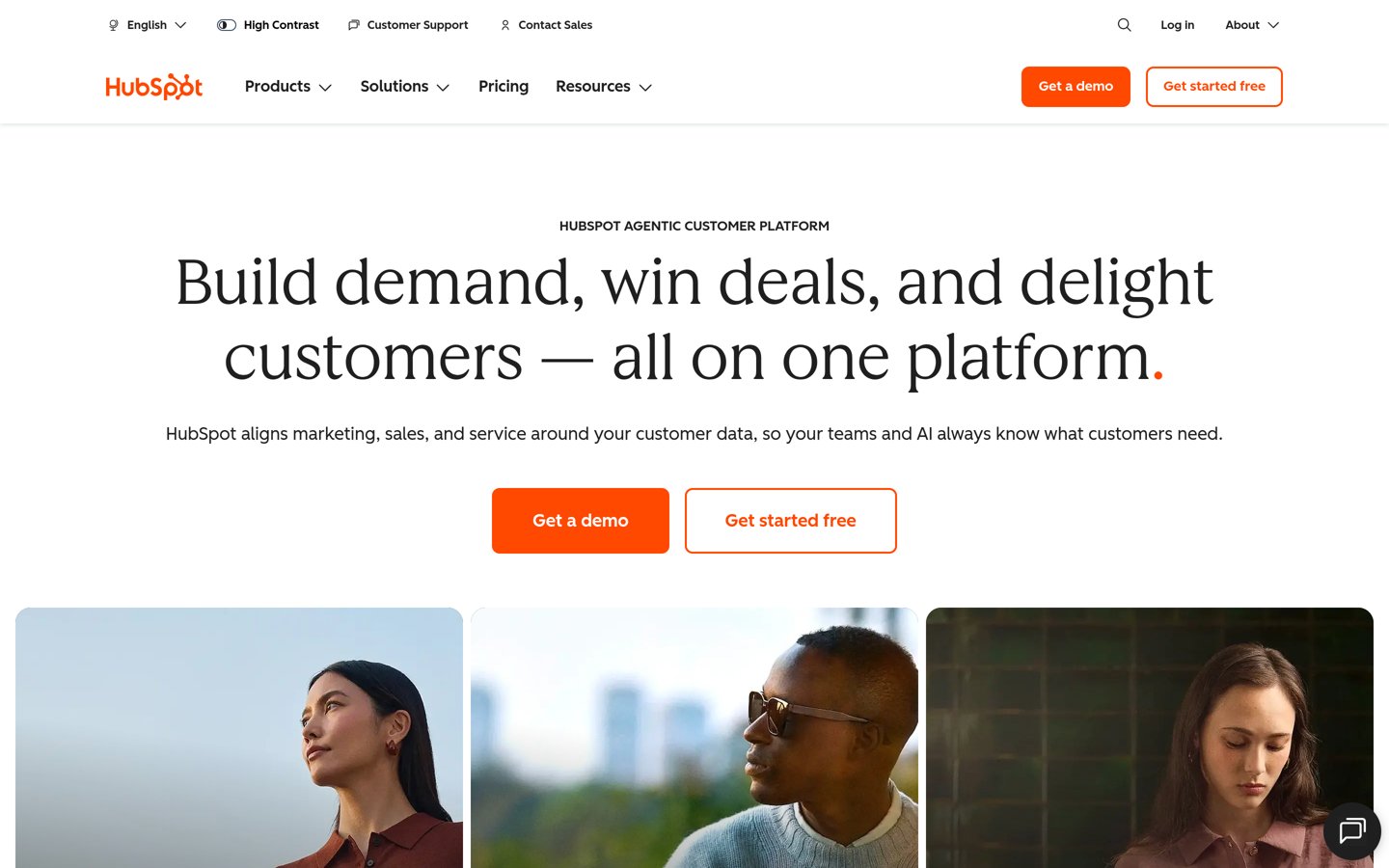
HubSpot is a CRM platform with marketing, sales and service hubs plus Breeze Intelligence enrichment, the former Clearbit, built in. The free CRM covers contacts and deals, Starter costs $20 a month, and it holds the largest G2 review base in this list at more than 16,000 reviews.
The trade off is that serious enrichment, automation and reporting sit on Professional and Enterprise tiers that cost far more than Starter. It suits teams that want their GTM workflows inside the CRM they already use.
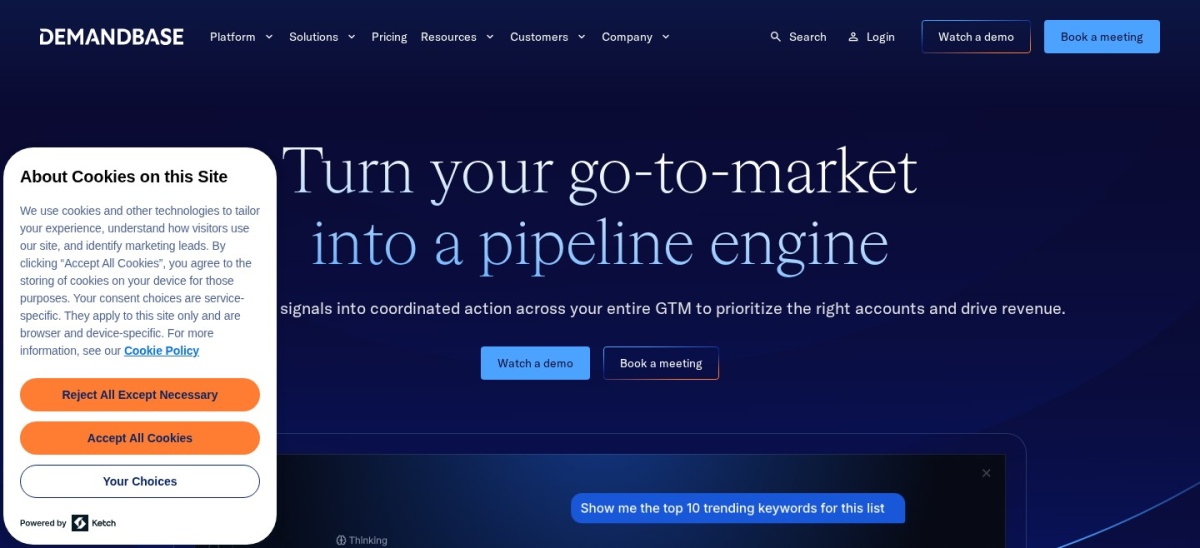
Demandbase is an account-based GTM platform that combines account intelligence, intent, advertising and sales orchestration. It holds a 4.4 G2 rating from 2,024 reviews and targets B2B teams running coordinated campaigns against named accounts.
The trade off is quote-only pricing with annual contracts, and the platform is built for account-based programmes, not for high-volume outbound. It suits enterprise teams with a defined target-account list and a coordinated sales and marketing motion.
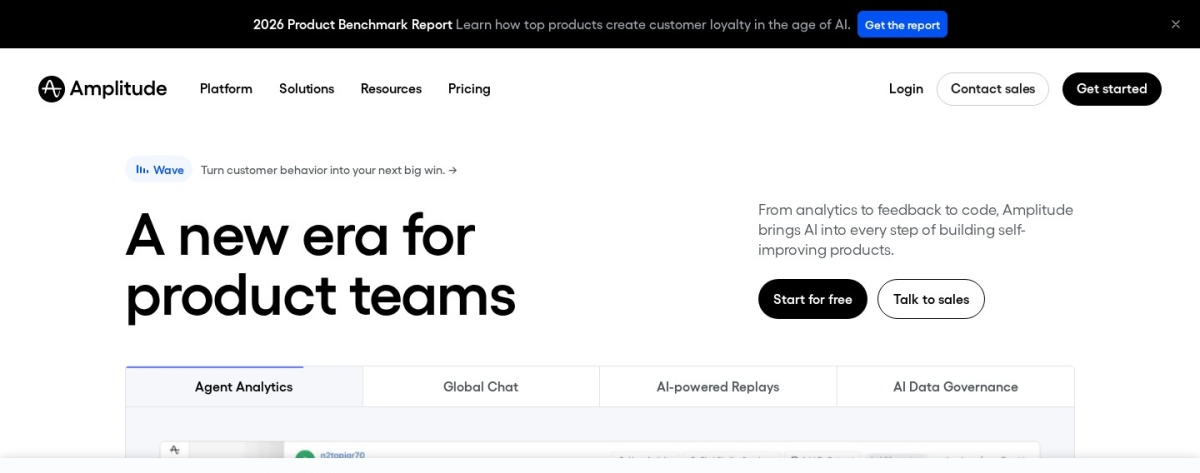
Amplitude is a product analytics platform that shows how users move through funnels, retention and feature adoption. The free Starter plan covers 2 million events, and the Plus plan is usage-based, so small teams can start without a contract.
The trade off is that Amplitude measures product behaviour rather than prospecting or enrichment, so it complements a GTM stack instead of replacing one. It suits growth teams that need funnel and retention data beside their CRM.
Clay is the build route. Engineers chain providers, AI steps and CRM sync in tables they control, which fits teams with RevOps skill and unusual data needs.
Apollo, HubSpot and ZoomInfo are the buy route. The workflow arrives pre-built, which fits teams that want one vendor, one contract and one support line.
Most growth teams end up with both: a bundled suite for the core motion and Clay for the enrichment and routing jobs the suite cannot do.
How we chose
We started from the GTM platforms most often named by growth engineers and RevOps teams, then kept the nine with published pricing or a clear quote model and a public rating on G2.
Prices come from each vendor's pricing page or recent vendor guides checked in November 2026, with regular prices shown and promotional discounts excluded. Ratings and review counts come from G2 on the same day.
We left out tools with no verifiable rating on G2, Capterra or Trustpilot. No vendor paid for a place, and we do not claim hands-on testing for this list.
How to choose a growth engineering platform
Start with your data gap, then check whether the price is published or quoted.
Name the data gap first. Missing emails need enrichment, missing pipeline needs outbound, and missing measurement needs analytics, so pick the tool built for the gap.
Check the pricing model. Self-serve tools publish prices from $20 to $185 a month, while ZoomInfo, Cognism and Demandbase sell by quote with annual contracts.
Test enrichment on your own list. Run a sample of real target accounts through a trial and check match rates before committing to a contract.
Confirm the CRM sync. Enrichment that never reaches the CRM is wasted, so check the Salesforce or HubSpot sync before you buy.
FAQ
What is the best platform for growth engineering in GTM?
Clay is the best pick for teams building their own enrichment workflows, with waterfall enrichment across more than 100 providers. Apollo suits outbound in one tool, while Mutiny leads for website personalisation.
Is Clay or Apollo better for GTM?
Clay is better for custom enrichment and orchestration, since engineers chain providers and AI steps in tables. Apollo is better for outbound in one licence, with a 240 million contact database, sequences and a dialer.
How much does Clay cost?
Clay Launch costs $185 a month and Growth costs $495 a month, with a free plan for small tests. Annual billing saves 10 percent, and Enterprise is custom priced.
What is Mutiny used for?
Mutiny personalises website content for target accounts and runs AI agents for customer-facing content and seller workflows. The free plan covers basic personalisation, and Business costs $50 a month.
Do ZoomInfo and Cognism publish prices?
No. Both sell by quote with annual contracts and consumption-based credits. Small teams should shortlist Apollo, Clay, Lusha or HubSpot, which all publish starting prices.
Can HubSpot replace Clay for enrichment?
Partly. HubSpot Breeze Intelligence enriches contacts inside the CRM, which suits teams already on HubSpot. Clay suits teams that need waterfall enrichment across many providers and custom orchestration.
SaaS SEO and WordPress specialist with about 8 years of experience. Rakib compares WordPress plugins, themes, hosting and software using public pricing, documentation and user reviews. See how we rank.