Appsmith is the best open source low code platform for developer-built internal tools, since its Apache licensed core is free to self-host and Business costs 15 dollars per user a month. ToolJet leads on AI-assisted building, while Budibase is the simplest all-in-one.
How we make this list: we compare pricing pages, product documentation and public user reviews, then re-check every price before each update. No product paid for a place. Disclosure.
Appsmith is Apache licensed and free to self-host, with Business at 15 dollars per user per month.
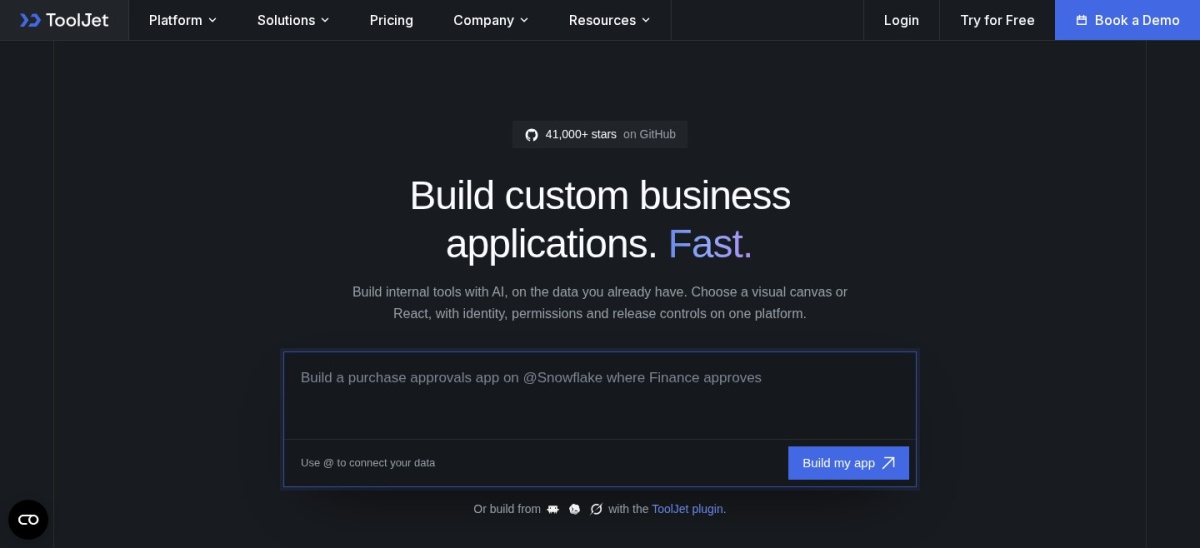
ToolJet is AGPL licensed with AI app generation, from 29 dollars per builder per month.
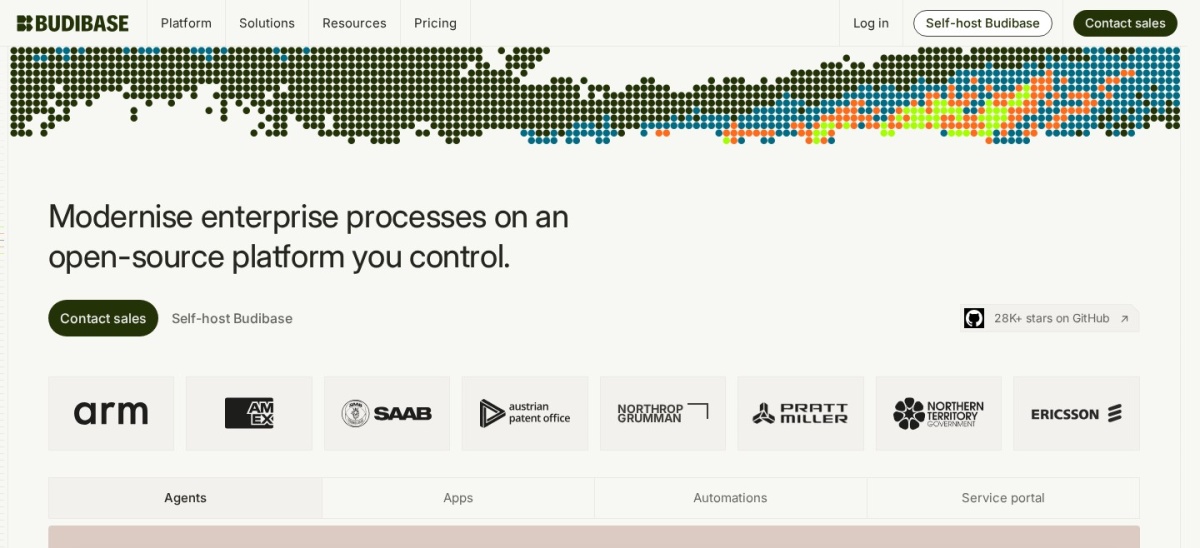
Budibase is GPL licensed with a built-in database, and Cloud Pro starts at 19 dollars a month.
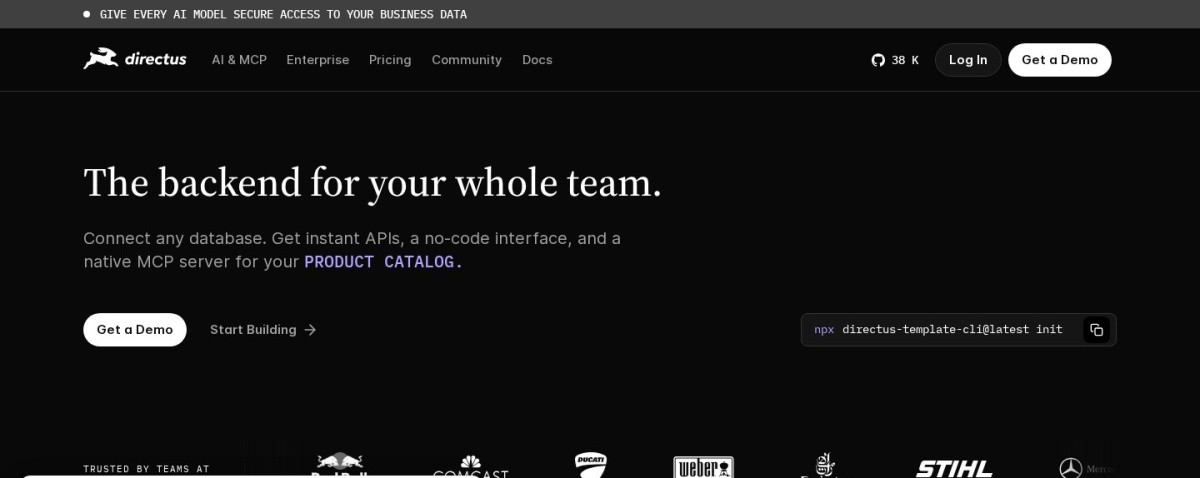
Directus holds the highest G2 rating here at 4.8 from 53 reviews, with a free self-hosted tier.
Every tool here has a free self-hosted edition, so piloting costs nothing but server time.
What an open source low code platform should cover
The licence is the first filter. Apache and MIT licences let you self-host and modify freely, while AGPL and GPL licences add conditions on sharing changes, so read the licence before you build on it.
Self-hosting is the point for most buyers. A free community edition means the tool runs on your servers with your data, and paid cloud tiers exist for teams that prefer managed hosting.
Builder experience splits the field. Appsmith suits developers who write queries, ToolJet generates drafts from plain English, and Budibase suits teams that want a database built in.
Pricing is usually per builder, not per user. ToolJet charges for the people who build, Appsmith charges per user on Business, and Directus cloud starts at 99 dollars a month. Our guide to internal tool builders compares the same platforms with hosted rivals.
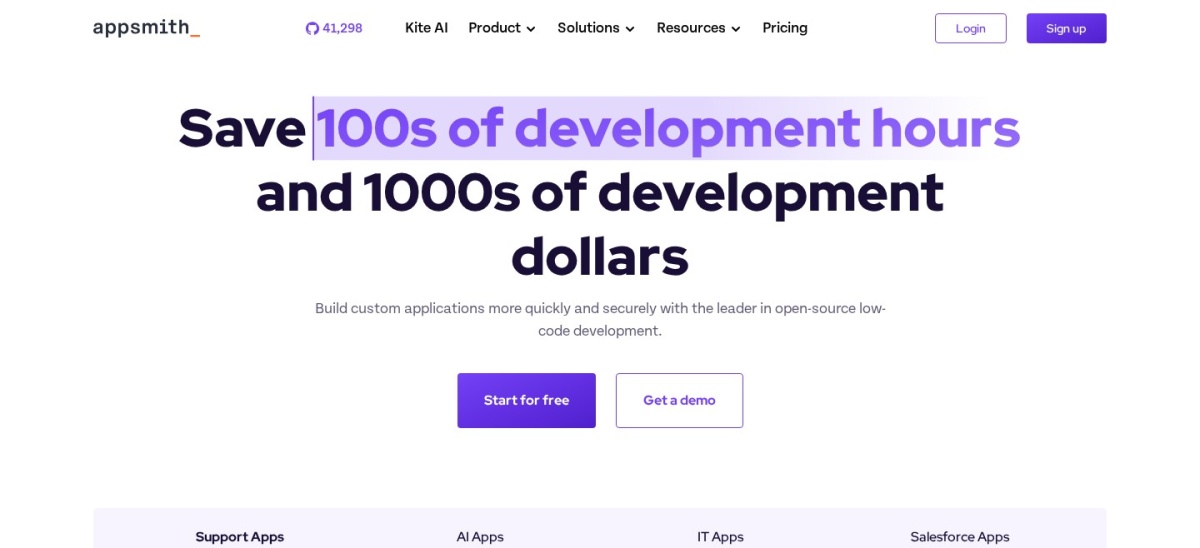
Appsmith is the most mature open source low-code platform for building internal tools like admin panels, dashboards and approval flows. Its Apache 2.0 core is free to self-host, Business costs $15 per user per month, and it holds a 4.6 rating on G2 from 67 reviews.
The trade off is it is developer-first, so non-technical builders face a steeper learning curve than on Budibase or ToolJet. It suits engineering teams that want open source internal tools they can self-host.
ToolJet is the fastest-moving option here. Describe the internal tool you need in plain English, and ToolJet AI generates a working draft with real components bound to real queries. The free plan covers 2 builders, 50 end users and 10 apps, and Basic costs $29 per builder per month.
The trade off is the AGPL licence adds sharing conditions, and paid pricing has moved several times, so check the live page before budgeting. It suits teams that want AI to draft the first version.
Budibase is the most self-contained option here. The built-in database means you design data tables and build the app in one place without standing up Postgres first, and the automation engine handles approvals, routing and notifications. Cloud Pro starts at $19 a month.
The trade off is cloud pricing has changed, with other sources listing Cloud from $299 a month for larger teams, so confirm the tier that fits your size. It suits teams that want one tool for data, apps and automations.
Directus is an open data platform that puts an admin app and auto-generated REST, GraphQL and real-time APIs on top of a SQL database you own, with some of the most granular permissions in this field. It holds the highest G2 rating in this list at 4.8 from 53 reviews, and self-hosting is free within caps.
The trade off is the free tier caps at 3 seats and 25 collections, and the next cloud plan is reported at $499 a month in some sources, so the jump is steep. It suits teams whose data already lives in SQL.
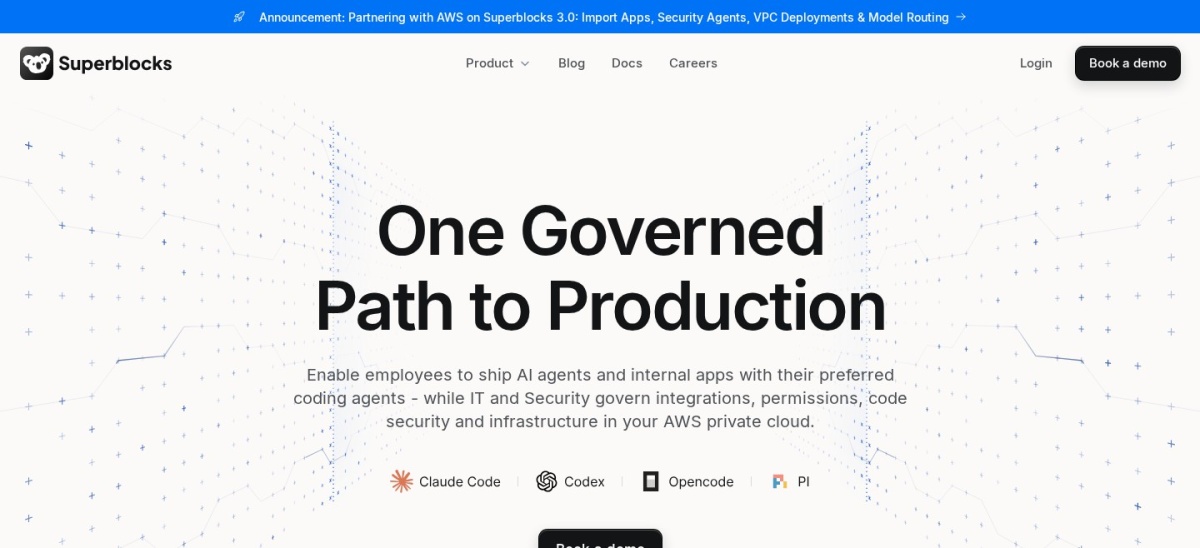
Superblocks is a low-code platform for internal apps, workflows and agents, with a visual editor, AI generation and code where you need it. It holds a 4.7 rating on G2 from 190 reviews, the largest review base in this list, and it is built for enterprise compliance.
The trade off is pricing is not published in the sources we checked, so buyers must ask for a quote, and it is open core rather than fully open source. It suits larger teams that need AI building with governance.
NocoDB is an open source platform that turns existing Postgres, MySQL and other databases into spreadsheet interfaces, so teams get an Airtable-style UI without migrating data. The community edition self-hosts for free, Cloud Plus costs $12 per seat per month, and it carries a 4.6 rating across 90 ratings.
The trade off is the 90-rating figure is a synthesis across review platforms rather than a single G2 count, and automations are basic beside dedicated workflow tools. It suits teams that want a spreadsheet front end for a real database.
4.5/5on G2 (Not published reviews, checked Nov 2026)
Paid from$99/mo
Best open source headless CMS builder
LicenceMIT
Self-hostFree, community edition
CloudFrom $99/mo
G2 rating4.5 on G2
strapi.io
Strapi homepage, captured Nov 2026.
Strapi is an open source headless CMS that lets teams define content types and get APIs without writing backend code, which makes it a low-code back end for apps and sites. The community edition self-hosts for free under the MIT licence, and Cloud plans start at $99 a month.
The trade off is the G2 review count is not published in the sources we checked, and it is a CMS first, so app-building features are thinner than Appsmith or ToolJet. It suits teams that need content APIs fast.
Apache and MIT licences are the most permissive. You can self-host, modify and use the software commercially with few conditions attached.
AGPL and GPL licences add a sharing condition. If you modify the code and offer it as a service, you may need to share your changes, so legal should read the licence first.
Open core is different from open source. The core is free, but some features sit behind a paid tier, which is the model Superblocks follows.
Self-hosting is free in licence terms, but not free in practice. You still pay for servers, backups, upgrades and the time to run them.
How we chose
We started from the low-code platforms with a genuine open source edition, then kept those with a verifiable G2 rating and a published price or a clear quote model.
Prices come from vendor pricing pages and pricing trackers, checked on 26 November 2026. Ratings and review counts come from G2 on the same day. Where sources disagree on a price, the list notes both figures.
We left out tools with no verifiable rating on G2, Capterra or Trustpilot, and hosted-only tools with no open source edition. No vendor paid for a place, and we do not claim hands-on testing for this list.
How to choose an open source low code platform
Start with the licence and who will build, then check what self-hosting really costs you.
Read the licence first. Apache and MIT are the most permissive, while AGPL and GPL add sharing conditions that legal should review.
Decide who builds. Developers suit Appsmith, non-technical teams suit Budibase, and AI-first teams suit ToolJet.
Price the self-hosted route. The software is free, but servers, backups and upgrades are not, so compare that total with the cloud tier.
Check the pricing page live. Several vendors here changed prices in 2026, so confirm the current tier before you commit.
FAQ
What is the best open source low code platform?
Appsmith is the best pick for developer-built internal tools, since its Apache licensed core is free to self-host and Business costs 15 dollars per user a month. ToolJet leads on AI-assisted building, while Budibase is the simplest all-in-one.
Is Appsmith really free?
Yes, to self-host. The Apache licensed community edition is free with unlimited users, while Appsmith Cloud Business costs 15 dollars per user per month and adds workflows, roles and audit logs.
What is the cheapest open source low code platform?
All of them are free to self-host. For managed cloud, Budibase Pro starts at 19 dollars a month, while NocoDB Cloud Plus costs 12 dollars per seat per month.
Is ToolJet or Budibase better?
ToolJet is better for AI-generated internal tools and developer workflows, while Budibase is better for teams that want a built-in database and the simplest all-in-one setup.
Can I self-host Directus for free?
Yes, within caps. The free self-hosted tier covers 3 seats, 25 collections and 5 flows, while the next cloud plan is reported at 499 dollars a month in some sources.
Is Retool open source?
No. Retool is a hosted low-code platform with a free tier, but its code is not open source, so it does not belong in this list even though it is a strong internal tool builder.
SaaS SEO and WordPress specialist with about 8 years of experience. Rakib compares WordPress plugins, themes, hosting and software using public pricing, documentation and user reviews. See how we rank.