AppSheet is the best no-code platform for business apps, with a free plan and paid plans from five dollars per user a month. Glide suits simple apps from 25 dollars a month, while Bubble is best for complex web apps with real logic.
How we make this list: we compare pricing pages, product documentation and public user reviews, then re-check every price before each update. No product paid for a place. Disclosure.
AppSheet starts at $5 per user a month and is the cheapest paid pick here, with a free plan.
Glide turns spreadsheets into apps from $25 a month and is rated 4.7 out of 5 on G2.
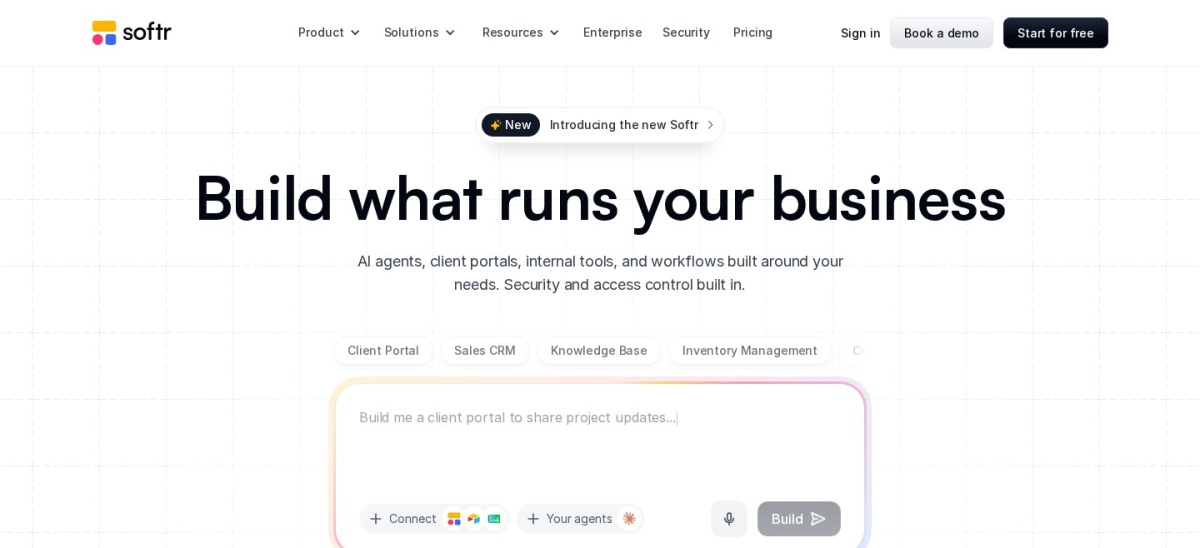
Softr builds portals and directories from Airtable from $19 a month.
Bubble is the most powerful pick for complex web apps, from $29 a month with a free plan.
Webflow at $15 a month is the best no-code pick for websites, with strong design tools.
What no-code platforms do
No-code platforms let people build apps and websites without writing code, using visual builders, templates and drag-and-drop tools instead.
They split into three jobs. Glide, Softr and AppSheet build internal business apps, Bubble builds complex web apps, and Webflow builds websites.
The trade-off is control. No-code is faster than coding, but complex logic, custom databases and scale still need developers or a platform like Bubble or Retool.
Pricing is mostly per user or per month. AppSheet at $5 per user a month is cheapest, while Adalo at $36 a month and Bubble at $29 a month cost more.
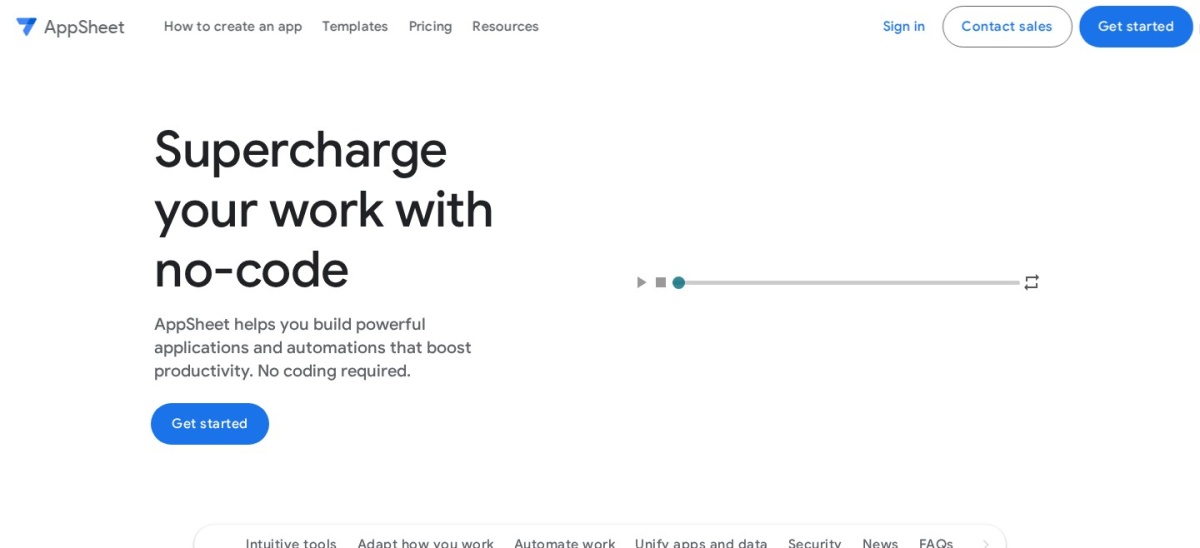
AppSheet is a no-code platform from Google that turns spreadsheets and databases into mobile and desktop business apps, with automation bots and workflows. Its Starter plan costs $5 per user a month, and it is rated 4.8 out of 5 on G2 from 405 reviews, with a free plan for up to 10 users.
The trade off is design. AppSheet builds functional business apps fast, but its apps look plain next to Glide or Webflow. It suits teams that need internal tools, forms and workflows quickly.
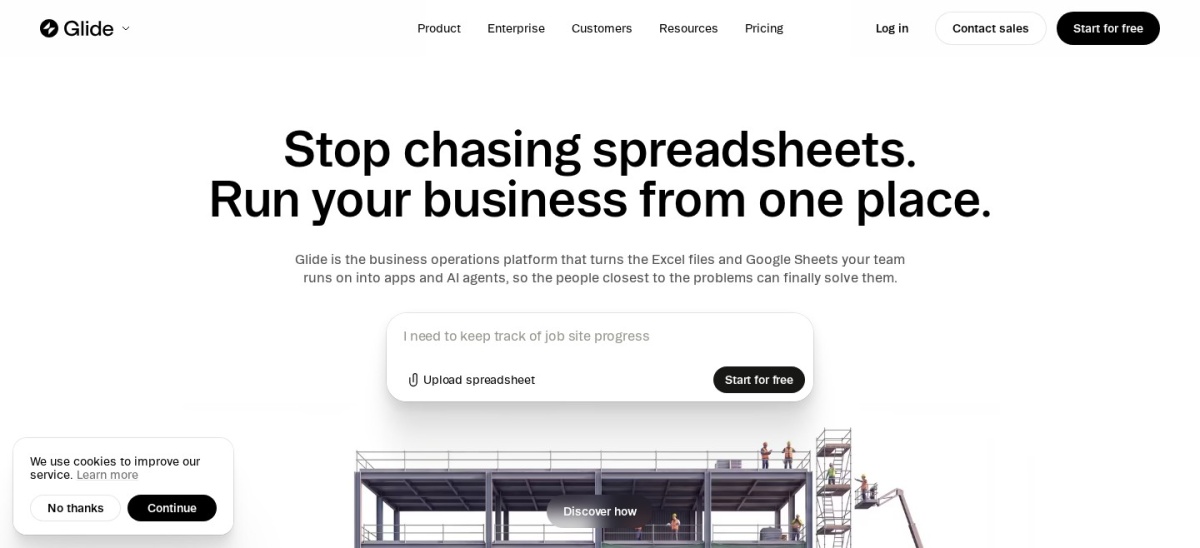
Glide is a no-code platform that turns spreadsheets into polished mobile and web apps, with AI app generation and data from Sheets, Airtable and SQL. Its Maker plan costs $25 a month, and it is rated 4.7 out of 5 on G2 from 796 reviews, with a free plan to start.
The trade off is depth. Glide is best for simple apps and directories, and complex logic needs another tool. It suits teams that want a good-looking app from a spreadsheet in days.
Softr is a no-code platform that builds client portals, directories and internal tools from Airtable, Sheets or SQL, with member logins and permissions built in. Its Basic plan costs $19 a month, and it is rated 4.7 out of 5 on G2 from 737 reviews, with a free plan to start.
The trade off is data dependence. Softr works best with Airtable, and teams without it need to set that up first. It suits teams that want a portal or directory with logins fast.
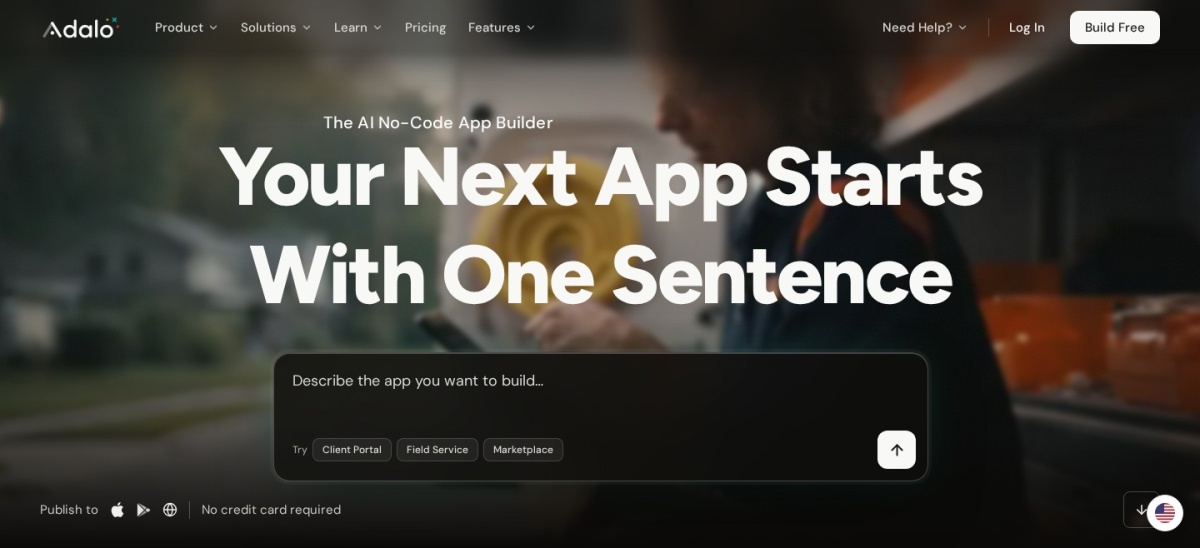
Adalo is a no-code platform for building native mobile apps for iOS and Android, with a visual builder, built-in database and publishing to the App Store and Google Play. Its Starter plan costs $36 a month, and it is rated 4.7 out of 5 on Capterra from 64 reviews, with a free plan to start.
The trade off is price and review depth. At $36 a month it is the most expensive simple app builder here, and its rating rests on only 64 reviews. It suits teams that need a real native app, not just a web app.
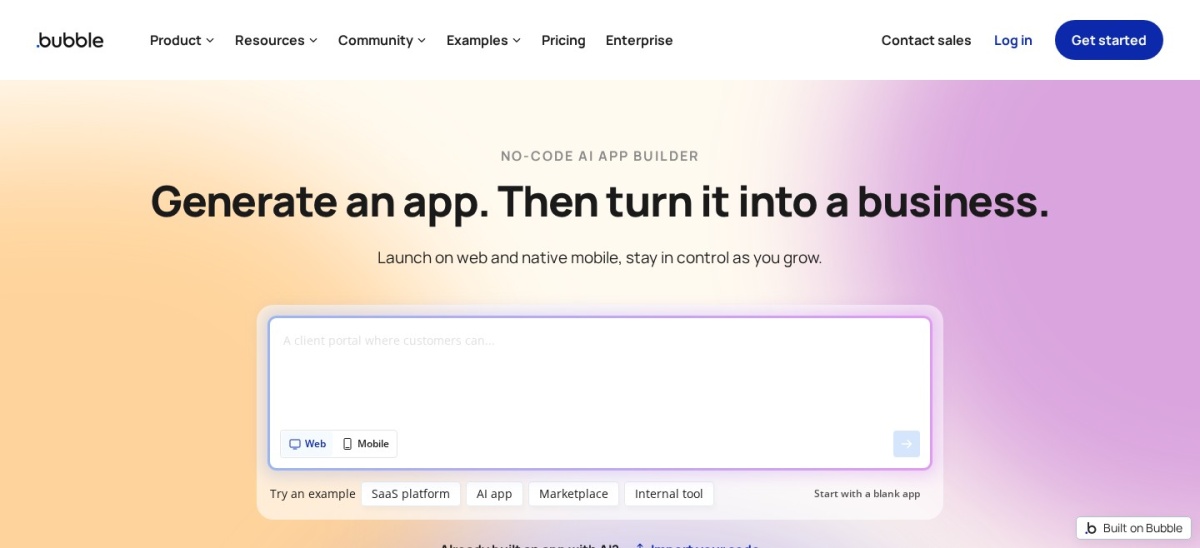
Bubble is the most powerful no-code platform for complex web apps, with visual workflows, a built-in database and a large plugin marketplace. Its Starter plan costs $29 a month, and it is rated 4.4 out of 5 on G2 from 166 reviews, with a free plan to learn on.
The trade off is the learning curve. Bubble is powerful but takes weeks to learn, and its apps run on Bubble hosting. It suits founders and teams building real products without code.
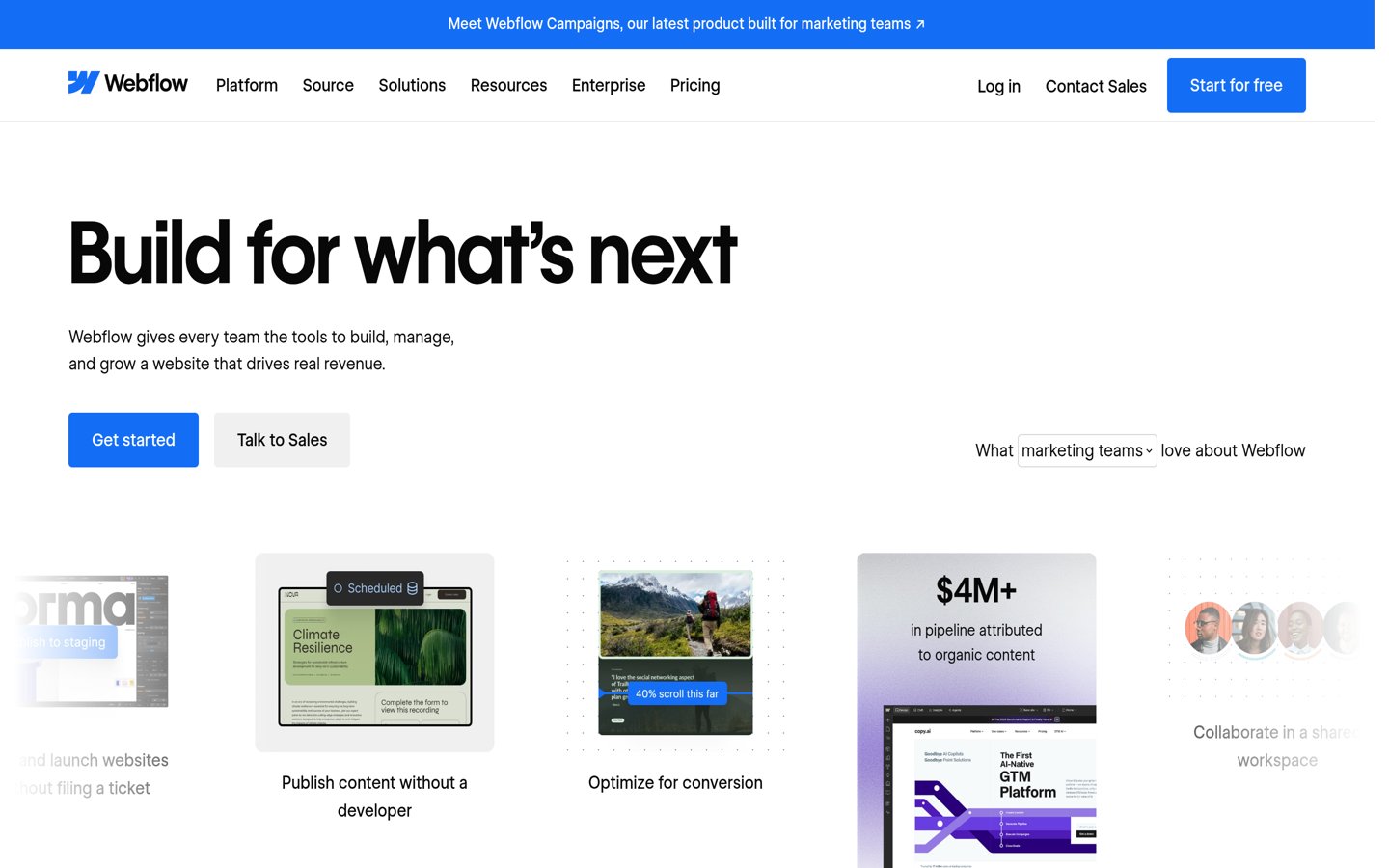
Webflow is a no-code platform for building designer websites with a visual designer, CMS and hosting included. Its Basic plan costs $15 a month, and it is rated 4.4 out of 5 on G2 from 995 reviews, with a free plan on a Webflow subdomain.
The trade off is scope. Webflow builds websites, not apps, so teams needing logins or complex logic need another tool. It suits designers and marketers who want a polished site without code.
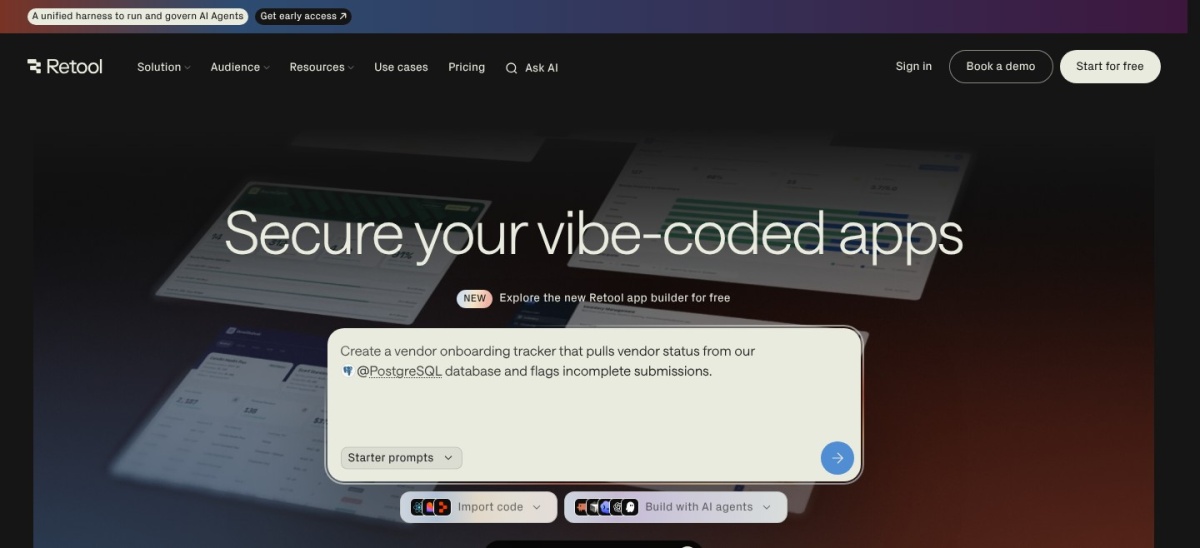
Retool is a low-code platform for building internal tools, dashboards and admin panels from SQL, APIs and spreadsheets, with more than 50 drag-and-drop components. Its Team plan costs $10 per user a month, and it is rated 4.6 out of 5 on G2 from 359 reviews, with a free plan to start.
The trade off is technical depth. Retool is low-code rather than no-code, so teams need some SQL or API knowledge. It suits engineering and ops teams that build internal tools fast.
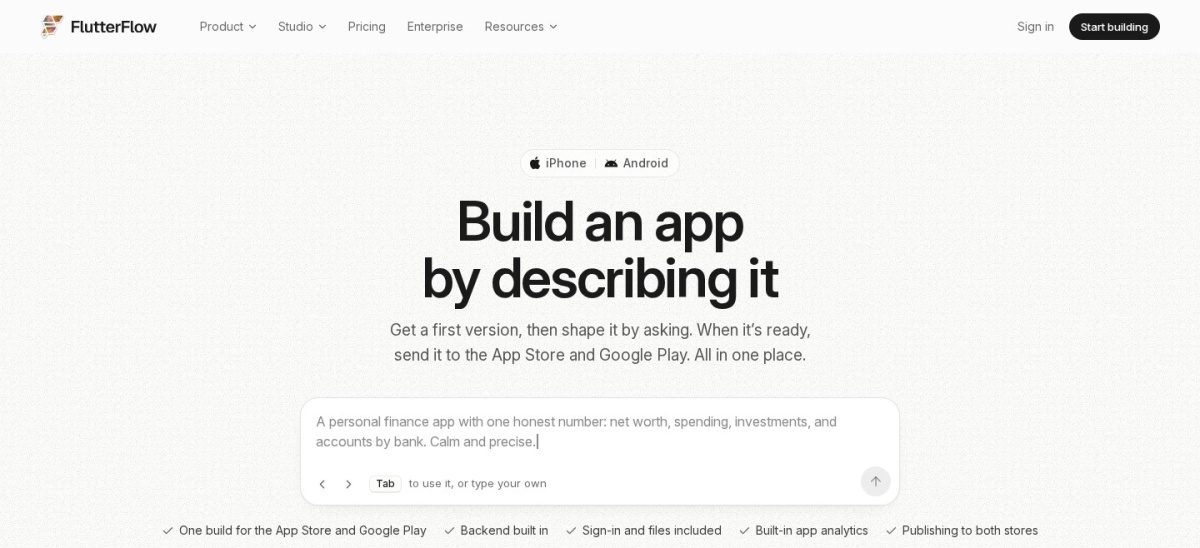
FlutterFlow is a no-code platform for building cross-platform apps for iOS, Android and web from one project, with Firebase built in and the option to export Flutter code. Its Standard plan costs $29 a month, and it is rated 4.5 out of 5 on G2 from 30 reviews, with a free plan to start.
The trade off is the thin review base. Its 4.5 rating rests on only 30 G2 reviews, and it is built on Flutter, so teams need that ecosystem. It suits teams that want one app on every platform.
No-code tools like Glide and Softr need no programming at all. Low-code tools like Retool expect some SQL or API knowledge, but build faster than coding from scratch.
Bubble sits in the middle: no code is needed, but real logic takes time to learn. FlutterFlow exports code, so developers can take over later.
Pick no-code for speed and low-code for control. If your app needs custom logic or heavy data work, low-code is the better bet.
How we chose
We started from the no-code platforms with the largest G2 and Capterra review bases, then kept the eight that cover apps, websites and internal tools.
Prices come from each vendor pricing page, checked on 26 November 2026. AppSheet at $5 per user a month and Glide at $25 a month were confirmed in November 2026 checks. Ratings come from G2 or Capterra on the same day.
We left out website-only builders with no app tools and enterprise-only platforms. No vendor paid for a place, and we do not claim hands-on testing for this list.
How to choose a no-code platform
Start with what you want to build, then match the platform to that product.
Define the product first. A directory fits Glide or Softr, a complex web app fits Bubble, and a website fits Webflow.
Check the data source. Confirm the platform connects to your data, whether that is Sheets, Airtable, SQL or an API.
Trial with a real build. Build a small version of your real app in the free plan before paying.
Plan for scale. Check row limits, user limits and hosting costs before committing to a platform.
FAQ
What is the best no-code platform?
AppSheet is the best no-code platform for business apps, with a free plan and paid plans from $5 per user a month. It is rated 4.8 out of 5 on G2 from 405 reviews, the highest rating in this list.
What is the easiest no-code platform for beginners?
Glide is the easiest pick for beginners, turning a spreadsheet into a polished app in days from $25 a month. Softr is close behind for portals and directories from $19 a month.
Can I build a real app without code?
Yes. Bubble builds full web apps with logic and databases from $29 a month, and Adalo builds native mobile apps from $36 a month. Complex products still take weeks to learn and build.
Is Webflow a no-code platform?
Yes, for websites. Webflow builds designer websites with a visual designer and CMS from $15 a month, but it does not build apps with logins or complex logic.
How much does a no-code platform cost?
Prices run from $5 per user a month on AppSheet to $36 a month on Adalo, with most tools offering free plans. Bubble and FlutterFlow both start at $29 a month for full apps.
Can I export my app from a no-code platform?
It depends. FlutterFlow exports real Flutter code, while Bubble apps run on Bubble hosting and cannot be exported. Check export options before committing to a platform.
SaaS SEO and WordPress specialist with about 8 years of experience. Rakib compares WordPress plugins, themes, hosting and software using public pricing, documentation and user reviews. See how we rank.