Best WordPress Alternatives in 2026 (Free and Paid): 9 Tools Compared
WLWPLegible EditorsLast verified 22 Nov 2026How we test12 min read
★ Short answer
Wix is the best WordPress alternative for most sites, with a free plan, a drag-and-drop editor and a 4.2 out of 5 G2 rating from 1,889 reviews. Pick Squarespace for design-led sites, Shopify if selling is the main job, and Ghost for publishing and newsletters.
How we make this list: we compare pricing pages, product documentation and public user reviews, then re-check every price before each update. No product paid for a place. Disclosure.
Wix is the strongest all-round pick: a free plan, paid plans from $17 a month, and a 4.2 out of 5 G2 rating.
Squarespace has the best-looking templates but no free plan, while Webflow's $15 plan has no CMS for a blog.
Shopify is the clear pick for selling, at $29 a month billed yearly, with card fees of 2.9% + 30c per order.
Joomla is free and powerful, but you pay for hosting and need more technical skill, while WordPress.com is the cheapest hosted plan at $4 a month in year one.
Ghost is the best pick for publishing and newsletters, at $9 a month billed yearly, with no fee on subscriptions.
What to look for in a WordPress alternative
WordPress is free software, but it is not a finished website. You arrange hosting, updates, security and backups yourself, and most sites add plugins for forms, SEO and selling.
Hosted alternatives bundle all of that into one monthly price. You lose some control and you cannot move the site as freely, but there is nothing to update or patch.
Free and open-source alternatives keep the control. Joomla costs nothing for the software, but you still pay for hosting, and our guide on choosing WordPress hosting explains what good hosting should include.
Price is not the whole story. Check what the cheapest paid plan leaves out: a blog, a custom domain, selling, or a free plan at all.
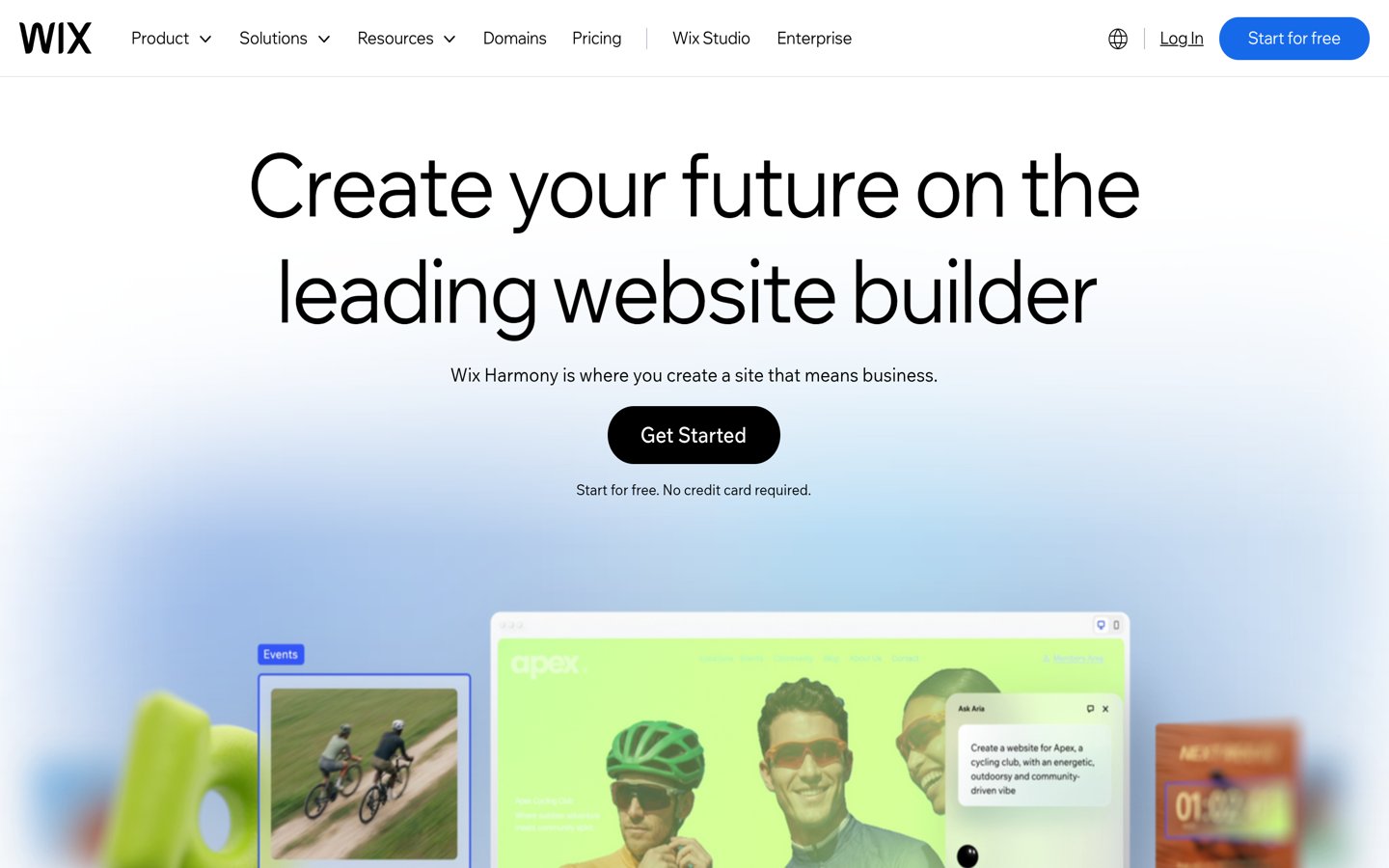
Wix is a hosted website builder with a drag-and-drop editor, hundreds of templates and built-in tools for bookings, blogging and selling. The free plan lets you build and publish on a Wix subdomain with Wix ads, and Wix says more than 300 million users have registered on the platform.
The trade off is that selling needs a higher plan. Light costs $17 a month billed yearly and covers a custom domain and 2 GB of storage, but you cannot accept payments until Core at $29 a month. It suits small businesses and bloggers who want one place for a site, a blog and a store.
What we like
Free plan to start, with no card needed
Drag-and-drop editor with hundreds of templates
Bookings, blog and store tools in one place
Watch out for
No payments on the cheapest paid plan
You cannot switch templates after you build
Core adds selling, more storage and no Wix adsVisit wix.com
02
Squarespace
4.4/5on G2 (1,136 reviews, checked Nov 2026)
Starts at$19/mo
Best for design-led sites
Free planNo, 14-day trial
Cheapest paid planBasic, $19/mo
Contributors on Basic2
Store fee on Basic2% per sale
squarespace.com
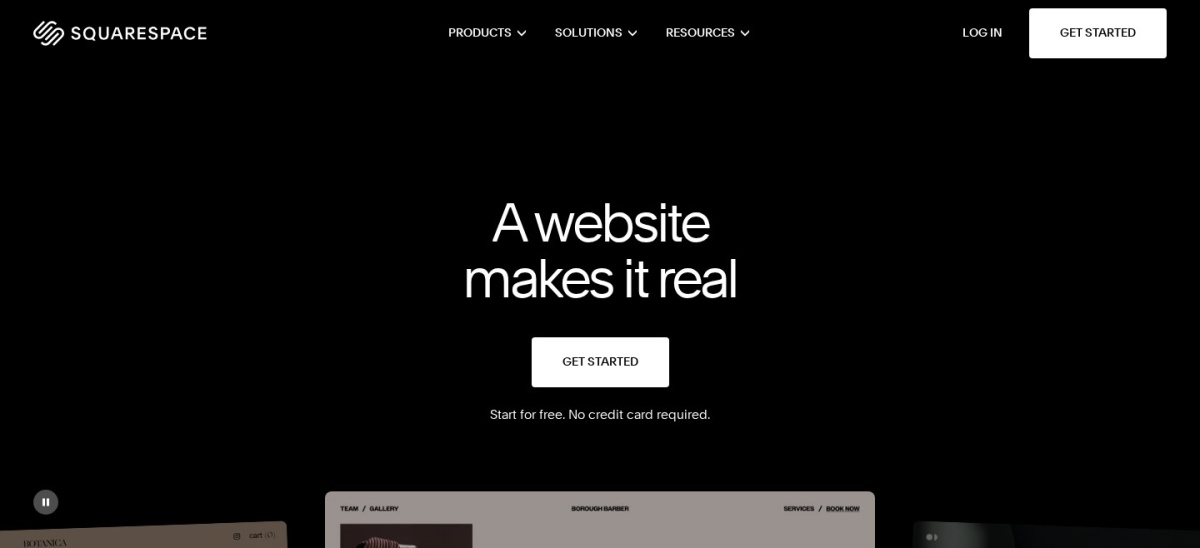
Squarespace homepage, captured Nov 2026.
Squarespace is a hosted builder known for polished templates designed in-house, with blogging, email marketing and selling built in. Basic costs $19 a month billed yearly and includes a free custom domain for the first year, SEO tools and basic analytics.
The trade off is the lack of a free plan. Every site starts with a 14-day trial, and Basic adds a 2% fee on store sales on top of card processing, so selling costs more until you reach Core at $29 a month. It suits portfolios, photographers and brands where the look of the site matters most.
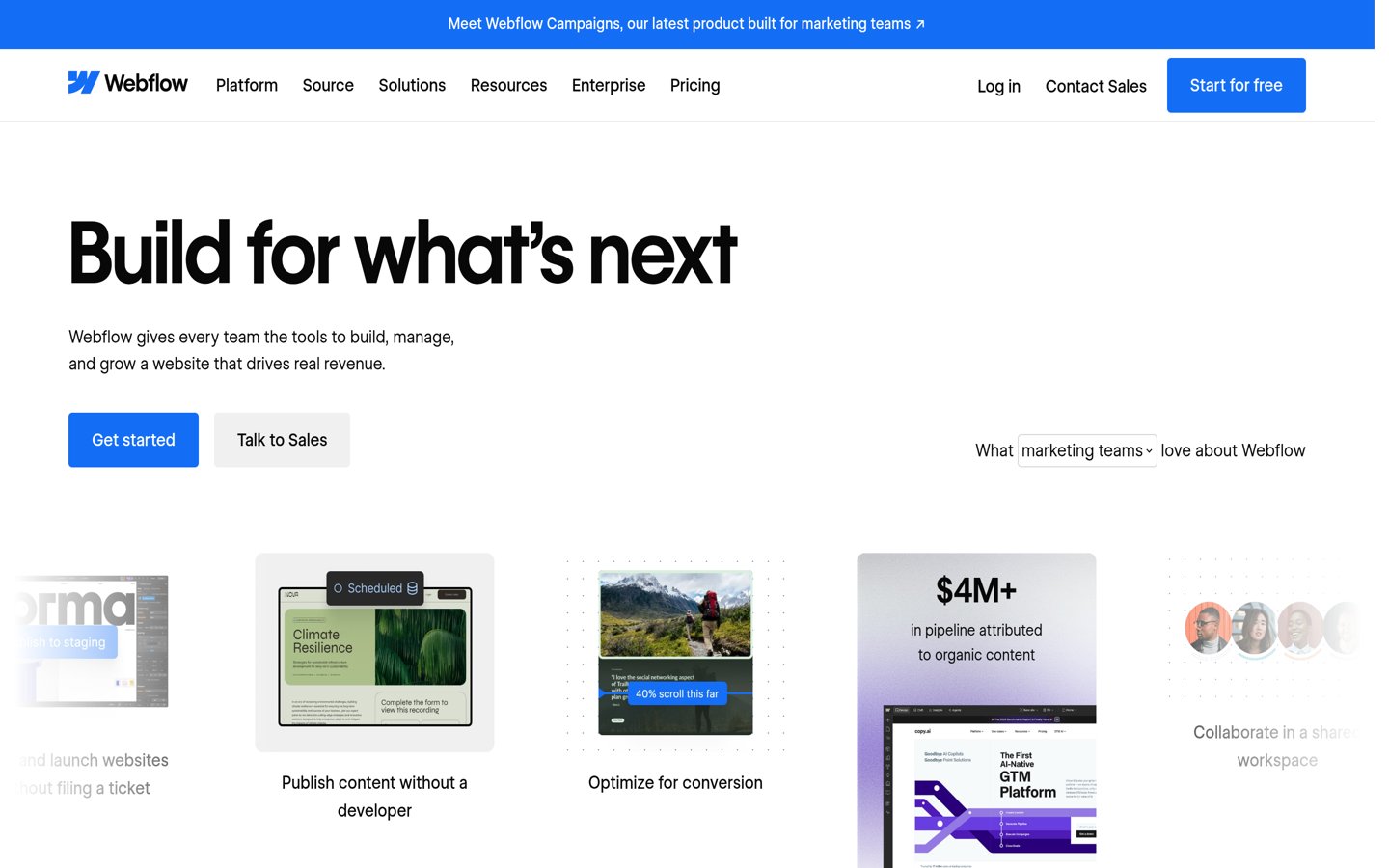
Webflow is a visual builder that gives designers control close to hand-written CSS, without writing code. The free Starter plan lets you build on a webflow.io subdomain, and Basic at $15 a month billed yearly adds a custom domain, 300 static pages and 10 GB of bandwidth.
The trade off is that Basic has no CMS. A blog or any collection-driven content needs Premium at $25 a month billed yearly, which adds 20,000 CMS items, so the real entry price for a blog is higher. It suits designers and marketing teams who want pixel-level control over a marketing site.
Shopify is a hosted store platform with checkout, payments, shipping tools and thousands of apps in its app store. Basic costs $29 a month billed yearly and includes unlimited products, a full online store, discount codes and basic reports, with a 3-day free trial first.
The trade off is the monthly cost plus fees on every order. Card payments cost 2.9% plus 30c on Basic, and using a payment provider other than Shopify Payments adds a 2% fee. It suits any business where selling is the main job, not a side page.
What we like
Most complete store tools in this list
Unlimited products on every plan
Largest app and theme choice for stores
Watch out for
No free plan, and the cheapest plan is $29 a month
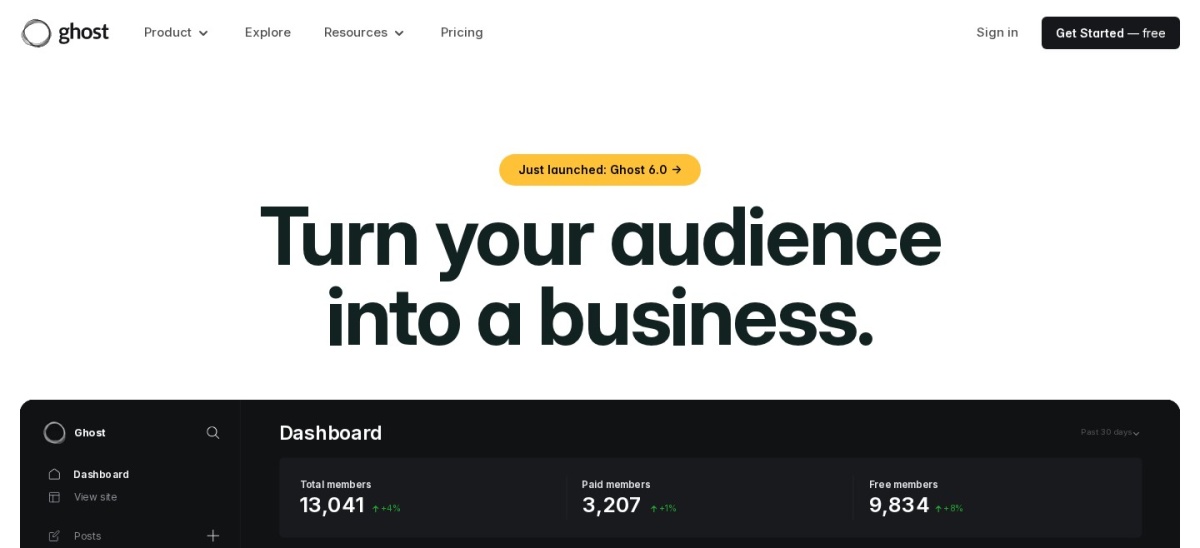
Ghost is an open-source publishing platform built for blogs, newsletters and paid memberships, with no plugins needed for any of them. The software is free to self-host, and Ghost(Pro) Starter costs $9 a month billed yearly for managed hosting with 500 members, SSL and a CDN.
The trade off is that Starter is limited. It allows 500 members and one staff user, only official themes, and Ghost branding on emails, so a growing publication moves to Creator at $25 a month. It suits writers and publishers who want a fast blog with paid subscriptions built in.
What we like
Newsletters and paid memberships built in
Takes no fee on subscription revenue
Fast, clean editor focused on writing
Watch out for
Starter caps members at 500
Not a general website builder, so pages and stores are limited
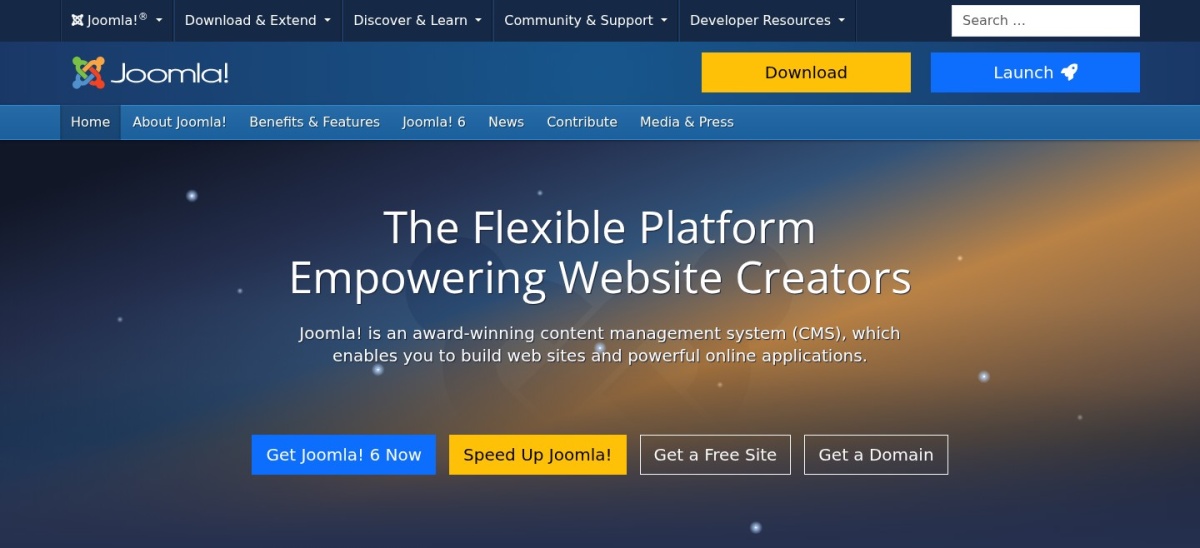
Joomla is a free, open-source content management system that runs blogs, business sites and community sites, with built-in multilingual content, user groups and access control. The software costs nothing, and thousands of extensions add shops, forums and booking, but you still pay for hosting and a domain.
The trade off is skill and upkeep. Joomla needs more setup than a hosted builder, and you handle updates, security and backups yourself, so budget for hosting and help if you are not technical. It suits developers and teams who want a free CMS with more structure than a simple blog.
What we like
Free software with no monthly platform fee
Built-in multilingual and user permissions
Thousands of extensions for shops and forums
Watch out for
You arrange hosting, updates and security
Smaller community than WordPress, so help is harder to find
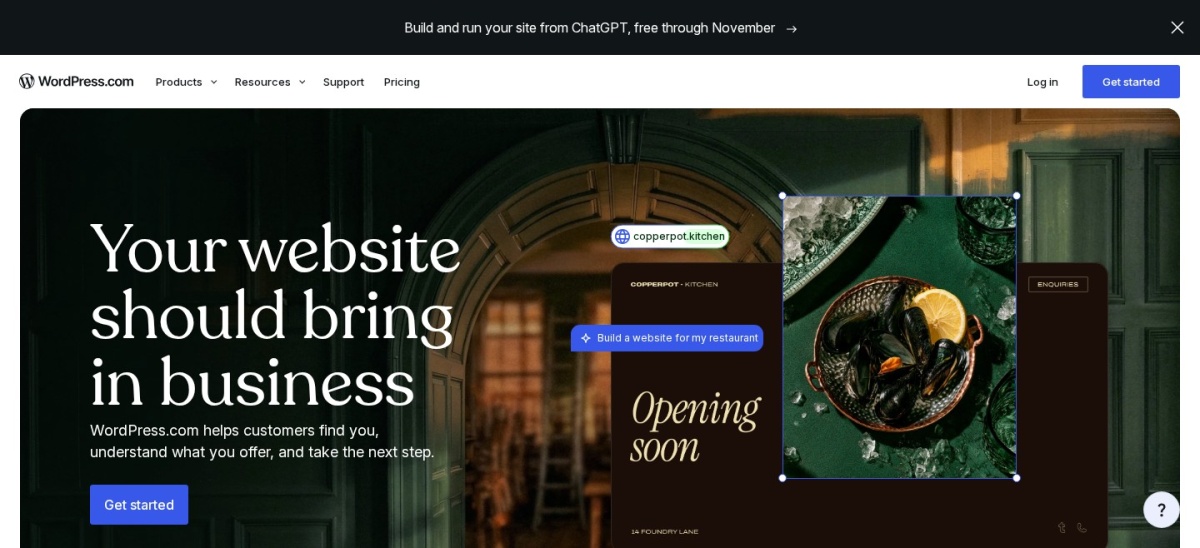
WordPress.com is the hosted version of WordPress, run by Automattic, with hosting, security and backups handled for you. The free plan gives you a wordpress.com subdomain and 1 GB of storage, and Personal costs $4 a month in the first year for a custom domain, 6 GB of storage and no ads.
The trade off is that the low price rises at renewal. Personal renews at $5 a month, and paid subscriptions carry an 8% fee on Personal before Stripe's fee, so selling costs more than on Ghost. It suits bloggers who want WordPress itself without running a server.
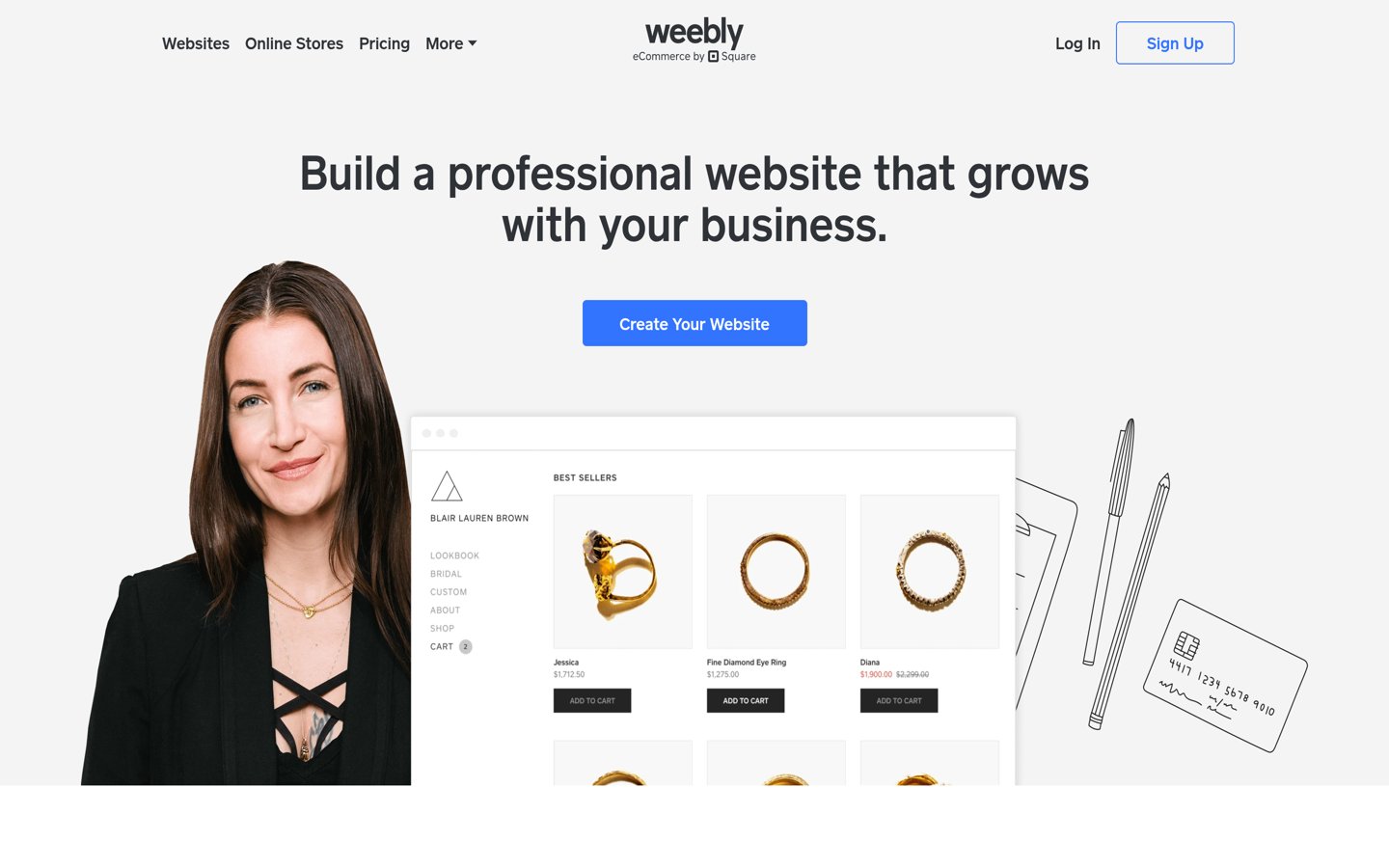
Weebly is a simple drag-and-drop builder owned by Square, with a free plan, built-in selling through Square payments and free SSL on every plan. Personal costs $13 a month billed yearly and connects a custom domain, and Weebly says more than 50 million sites have been created on the platform.
The trade off is that Weebly is winding down in some countries. Square is ending Weebly services in 67 named countries during 2026, though the United States, Canada, the United Kingdom and Australia are not named, so check before you pay. It suits beginners who want the simplest free start.
What we like
Simplest builder in this list
Free plan with selling through Square
Unmetered storage on paid plans
Watch out for
Winding down in 67 countries during 2026
Fewer templates and features than Wix
Professional removes Square branding and adds a free domainVisit weebly.com
09
Duda
4.6/5on G2 (790 reviews, checked Nov 2026)
Starts at$19/mo
Best for agencies and client sites
Free planNo, 14-day trial
Cheapest paid planBasic, $19/mo
Published sites on Basic1
AI credits on Basic150 a month
duda.co
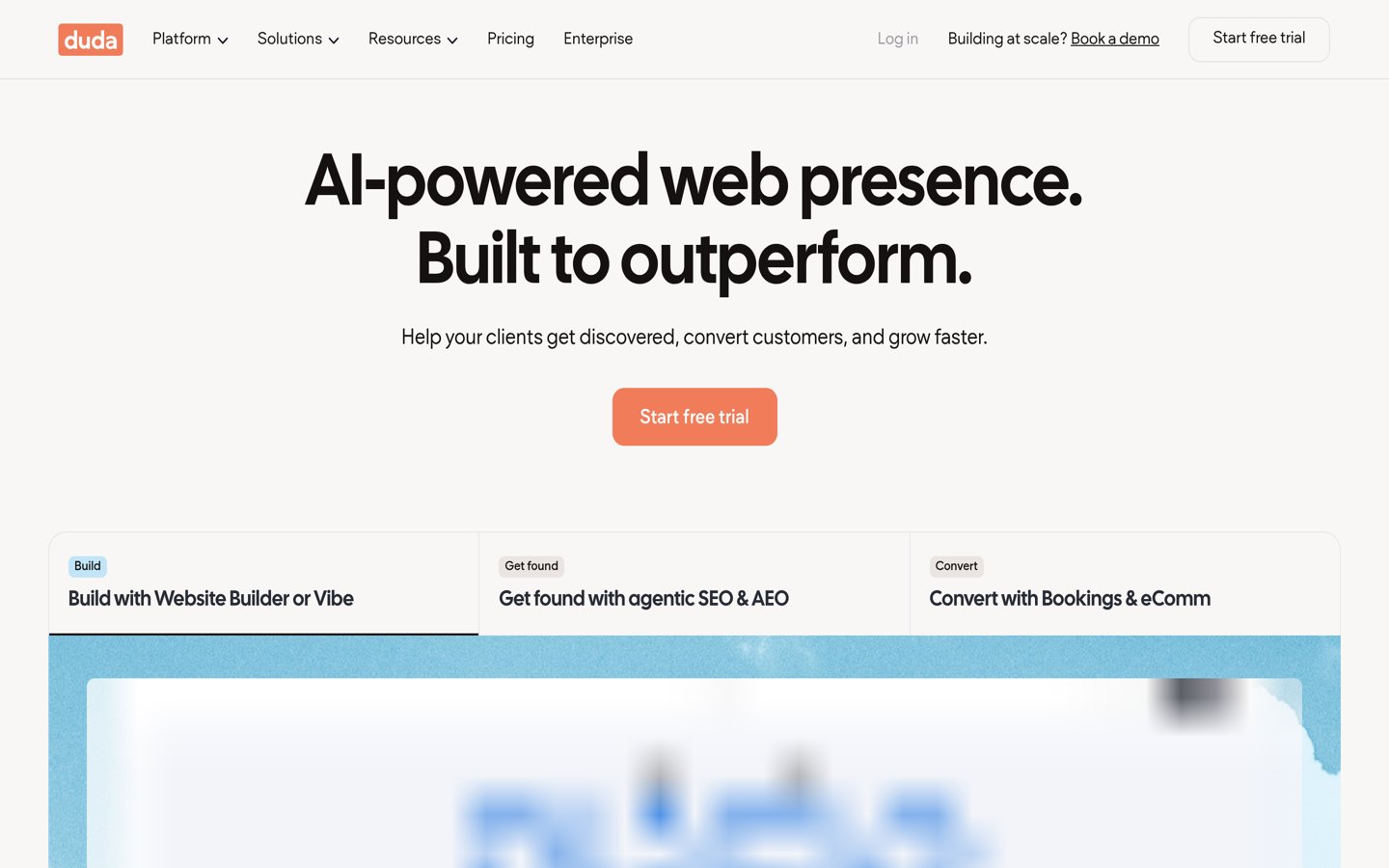
Duda homepage, captured Nov 2026.
Duda is a website builder made for agencies and web professionals who build sites for clients, with client management, team seats and white-label tools on higher plans. Basic costs $19 a month billed yearly for one published site, with 150 AI credits a month and hosting on AWS.
The trade off is that Basic is a solo plan. It has no team seats, no client accounts and no custom templates, and each extra site costs $19 a month or $171 a year. It suits agencies that want one dashboard for many client sites and are ready to pay per site.
What we like
Built for managing many client sites
White-label tools on higher plans
Highest G2 rating in this list at 4.6 out of 5
Watch out for
No free plan, only a 14-day trial
Basic covers one site, and extras cost $19 a month each
Free plans cover the basics well. Wix, Webflow, Ghost, Joomla, WordPress.com and Weebly all let you publish without paying, though the free version usually shows the platform's branding.
Paid plans mostly add a custom domain, more storage and the removal of branding. Wix Light, Weebly Personal and Webflow Basic all start with the domain.
Selling is where the price jumps. Shopify starts at $29 a month, and Wix and Squarespace charge more for plans that accept payments, so a store costs more than a brochure site.
For a site that earns money, one paid plan often costs less than the time lost fixing a problem the free version cannot solve.
Common mistakes when switching from WordPress
Moving content by hand is the most common mistake. Export your posts and pages first, and check that images, links and redirects survive the move before you cancel hosting.
Paying for features your new platform already covers is the second. Most hosted builders include SSL, backups and security, so do not buy them twice.
Ignoring the renewal price is the third. Shopify's trial and Ghost's Starter both rise with use, so budget for year two, not the first month.
How we chose
We started from the most-used alternatives to WordPress: hosted builders, store platforms, publishing tools and the free open-source CMS that still runs large sites.
Prices come from each vendor's pricing page, checked on 22 November 2026. Ratings and review counts come from G2 on the same day, and site counts come from the vendors' own claims or usage trackers. Where a vendor shows a sale, the list shows the regular price.
We left out tools with no verifiable price or rating. No vendor paid for a place, and we do not claim hands-on testing for this list.
How to choose a WordPress alternative
Start with the job your site does, then check the free version or trial before you pay.
List what your site must do. A blog needs Ghost or Webflow Premium, a store needs Shopify, and a brochure site fits Wix or Squarespace.
Try the free plan or trial first. Wix, Webflow, Joomla, WordPress.com and Weebly all have free plans, and the rest offer trials of 3 to 14 days.
Check what the cheapest paid plan leaves out. Webflow Basic has no blog, Wix Light takes no payments, and Ghost Starter caps members at 500.
Plan the move before you cancel hosting. Export your content, map old URLs to new ones, and keep the WordPress site live until the new one is checked. See how to back up WordPress first.
FAQ
What is the best WordPress alternative?
Wix is the best overall pick for most sites. It has a free plan, a drag-and-drop editor and hundreds of templates, and it is rated 4.2 out of 5 on G2 from 1,889 reviews. Paid plans start at $17 a month billed yearly.
Is there a free WordPress alternative?
Yes. Joomla is a free open-source system, and Wix, Webflow and Weebly have free hosted plans, while Ghost is free to self-host. Free plans usually show the platform's branding and use a subdomain, so a custom domain needs a paid plan.
Which WordPress alternative is best for blogging?
Ghost is the best pick for blogging and newsletters, with memberships and paid subscriptions built in and no fee on subscription revenue. Webflow Premium and Squarespace also blog well, but Ghost is the only tool here built around publishing first.
Which WordPress alternative is best for an online store?
Shopify is the best pick for selling, with unlimited products, checkout, shipping tools and thousands of apps on its $29-a-month Basic plan. Wix and Squarespace also sell, but their cheapest paid plans take no payments or add a fee per sale.
Can I move my WordPress content to another platform?
Usually, yes, but the move is rarely one click. Most builders import posts and pages from WordPress, while themes, plugins and custom features do not carry over, so expect to rebuild the design and check every link after the move.
Do I still need hosting with a WordPress alternative?
It depends on the tool. Wix, Squarespace, Webflow, Shopify, Ghost(Pro), Weebly, Duda and WordPress.com include hosting in the monthly price. Joomla does not, so you buy hosting and a domain separately and handle updates yourself.