Best Ecommerce Platform for SEO in 2026: 7 Tools Compared
WLWPLegible EditorsLast verified 23 Nov 2026How we rank8 min read
★ Short answer
WooCommerce is the best ecommerce platform for seo pick for most buyers, rated 4.4/5 on G2 from 1,283 reviews, with paid plans from $0/yr. Pick Shopify for a cheaper start and BigCommerce for the most control.
How we make this list: we compare pricing pages, product documentation and public user reviews, then re-check every price before each update. No product paid for a place. Disclosure.
WooCommerce leads for SEO: free core, full control of URLs, schema and content on WordPress, rated 4.4/5 on G2.
Shopify and BigCommerce both start at $29 a month billed yearly, with speed and structured data built in.
BigCommerce has the strongest built-in SEO tools of the hosted platforms, with less need for paid apps.
Wix and Squarespace cover SEO basics well for small stores, but large catalogs need more control.
PrestaShop is free at the core with strong URL control, but its hosted plan is priced in euros.
What to look for in ecommerce platform for seo
SEO for ecommerce is mostly technical: clean URLs, fast pages, structured data, sitemaps and content that answers buyer questions. The platform decides how much of that you control.
WooCommerce gives the most control, because WordPress lets you edit URLs, schema and content without limits. Hosted platforms trade some control for speed and simplicity. Our guide on best SEO tools covers the tools to measure results.
Site speed is a ranking factor and a sales factor. Hosted platforms handle speed for you, while self-hosted stores need good hosting and caching.
Content matters as much as product pages. A platform with a strong blog helps a store rank for the questions buyers ask before they buy.
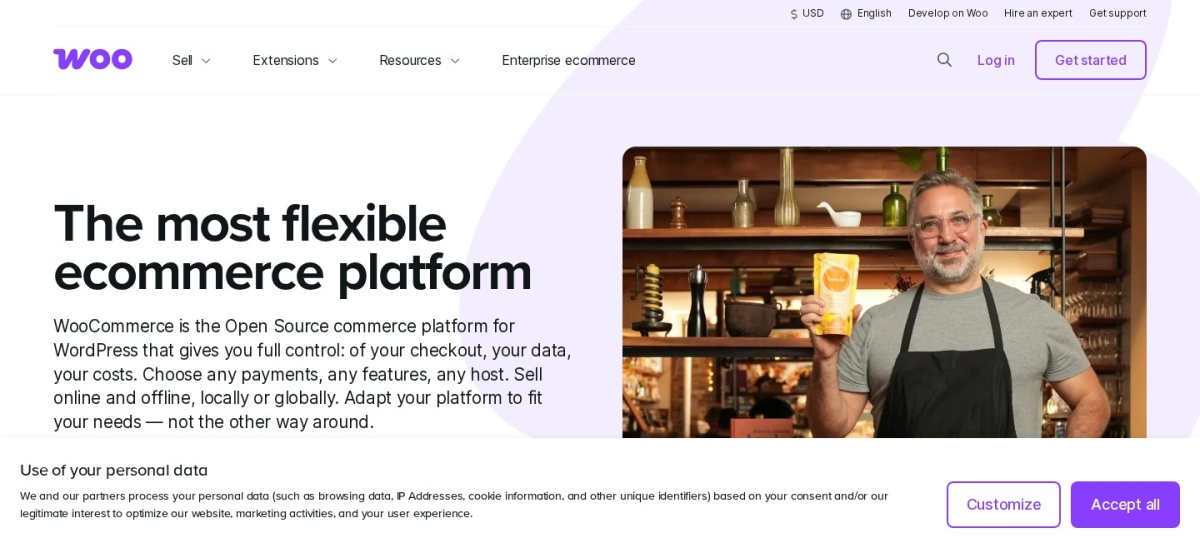
WooCommerce is a free, open-source plugin that turns a WordPress site into a store. The core software costs nothing and adds unlimited products, coupons, tax settings and payment options, while hosting, a domain and extensions are paid separately. For SEO, it gives full control of URLs, schema, sitemaps and content on WordPress.
The trade off is upkeep. Updates, backups, security and speed are the store owner's job, and paid extensions add up. It suits sellers who already run WordPress and want full control of their data and checkout.
Shopify is a hosted commerce platform that runs the store, checkout, payments and hosting in one place. The Basic plan costs $29 a month billed yearly and includes unlimited products, discount codes, abandoned cart recovery and 24/7 support. For SEO, its speed, structured data and app ecosystem cover most ranking needs out of the box.
The trade off is cost creep. Paid apps add up fast, and sales through a third-party gateway carry a 2% fee on Basic. It suits sellers who want a store live quickly without managing hosting or updates.
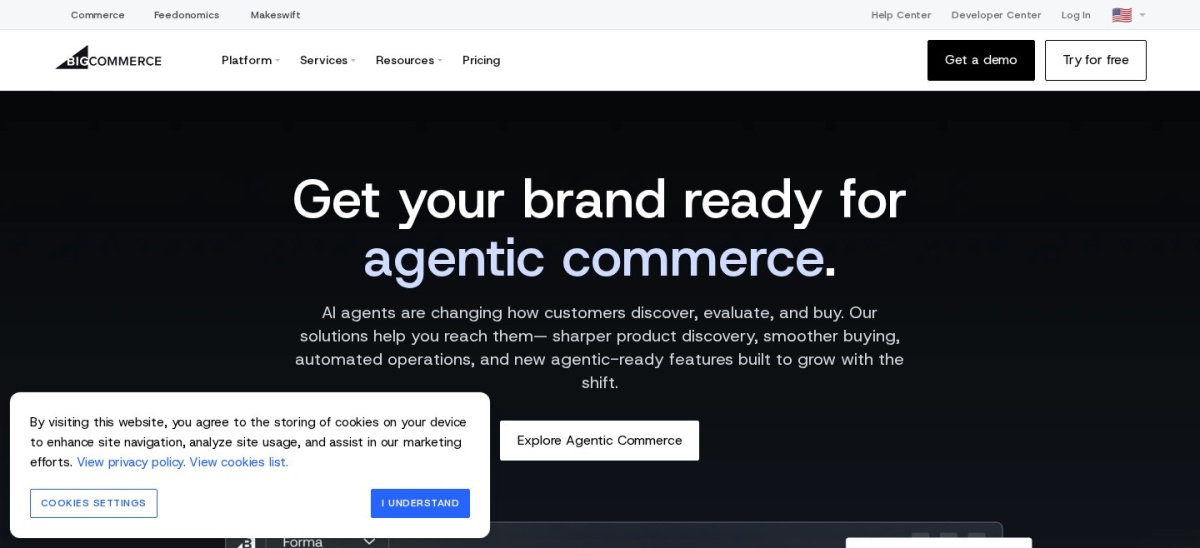
BigCommerce is a hosted platform built for larger catalogs and B2B selling, with no platform transaction fee on its embedded payment providers. The Core plan costs $29 a month billed yearly and includes unlimited products, unlimited staff accounts and multi-currency selling. For SEO, it includes built-in tools for URLs, metadata and sitemaps without extra apps.
The trade off is the sales cap. Core covers up to $30,000 in trailing 12-month sales, then the store moves up a tier. It suits sellers who outgrow simple builders and need B2B tools without replatforming.
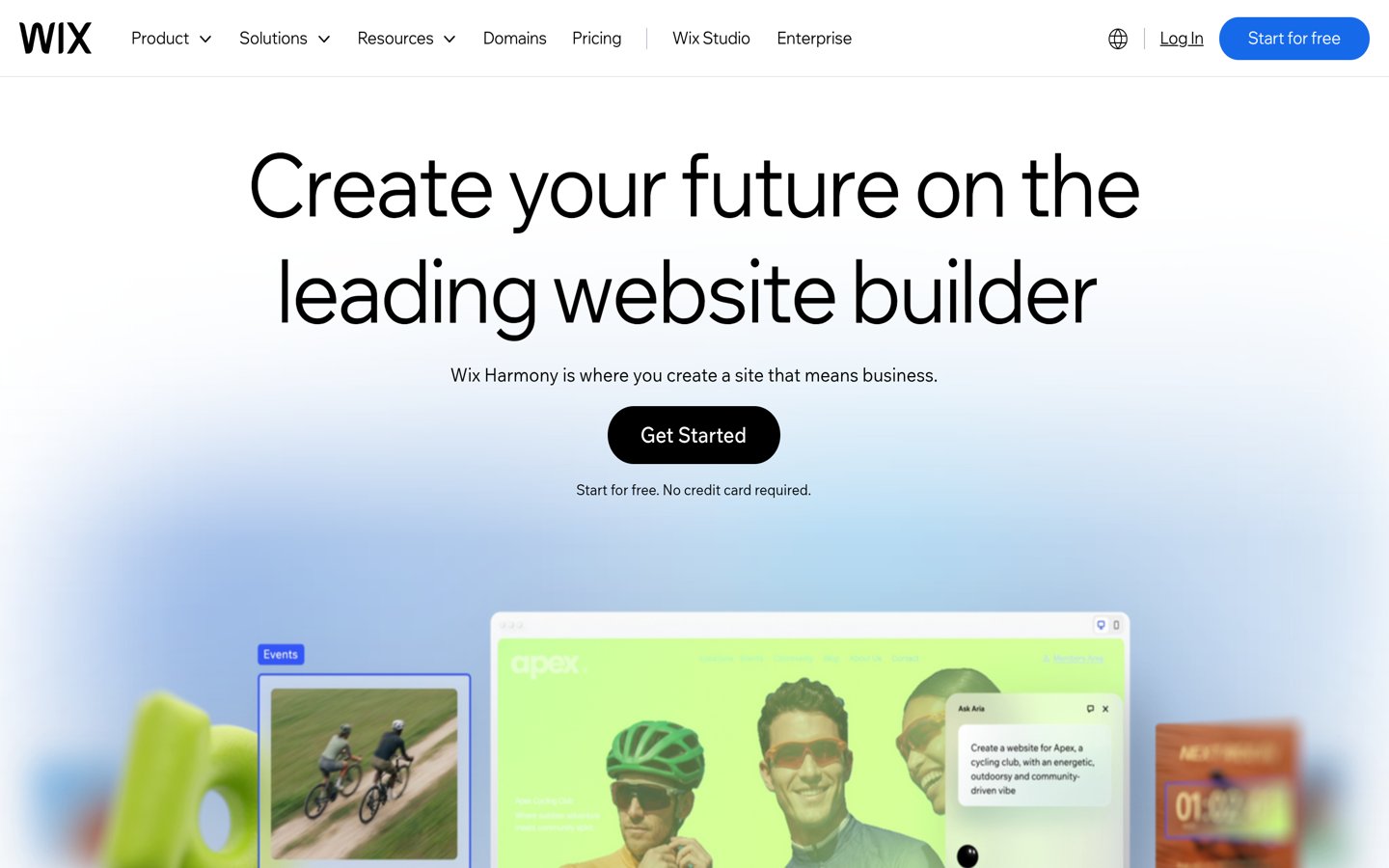
Wix is a drag-and-drop website builder with a store built in, so the site and the shop share one editor. The Core plan costs $29 a month billed yearly and is the first plan that accepts payments. For SEO, its built-in SEO setup checklist and tools cover the basics for small stores.
The trade off is depth. It is not built for very large catalogs or complex B2B pricing, and moving a store off Wix later is hard. It suits small stores that want design control without code.
Squarespace is a design-led website builder with commerce built in, known for polished templates and a clean checkout. The Commerce Basic plan costs $28 a month billed yearly with no platform transaction fee. For SEO, its clean templates and built-in tools suit content-led stores with small catalogs.
The trade off is scale. It suits small catalogs and design-led brands, but large inventories and complex shipping rules fit other platforms better. It suits creators and small brands whose site is part of the brand.
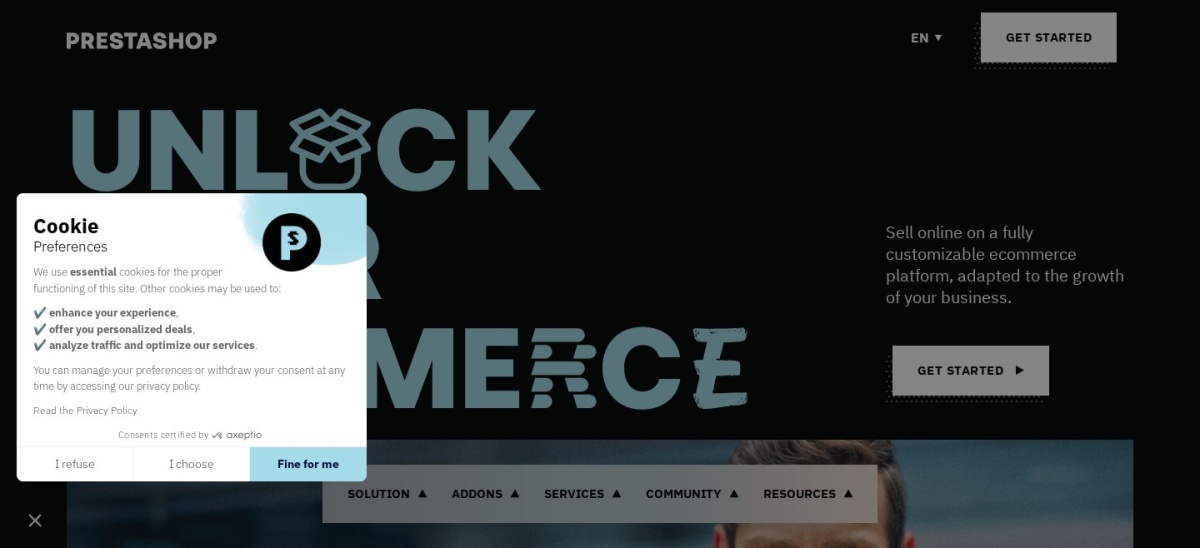
PrestaShop is a free, open-source ecommerce system with its own storefront, admin and order tools. The Classic download costs nothing, and a hosted plan starts at 24 euros a month excluding VAT billed yearly. For SEO, it offers strong URL control and a marketplace of SEO modules for larger catalogs.
The trade off is that hosting, themes and paid modules are separate costs, and the hosted price is in euros, not dollars. It suits sellers who want to own their code and run a dedicated store system.
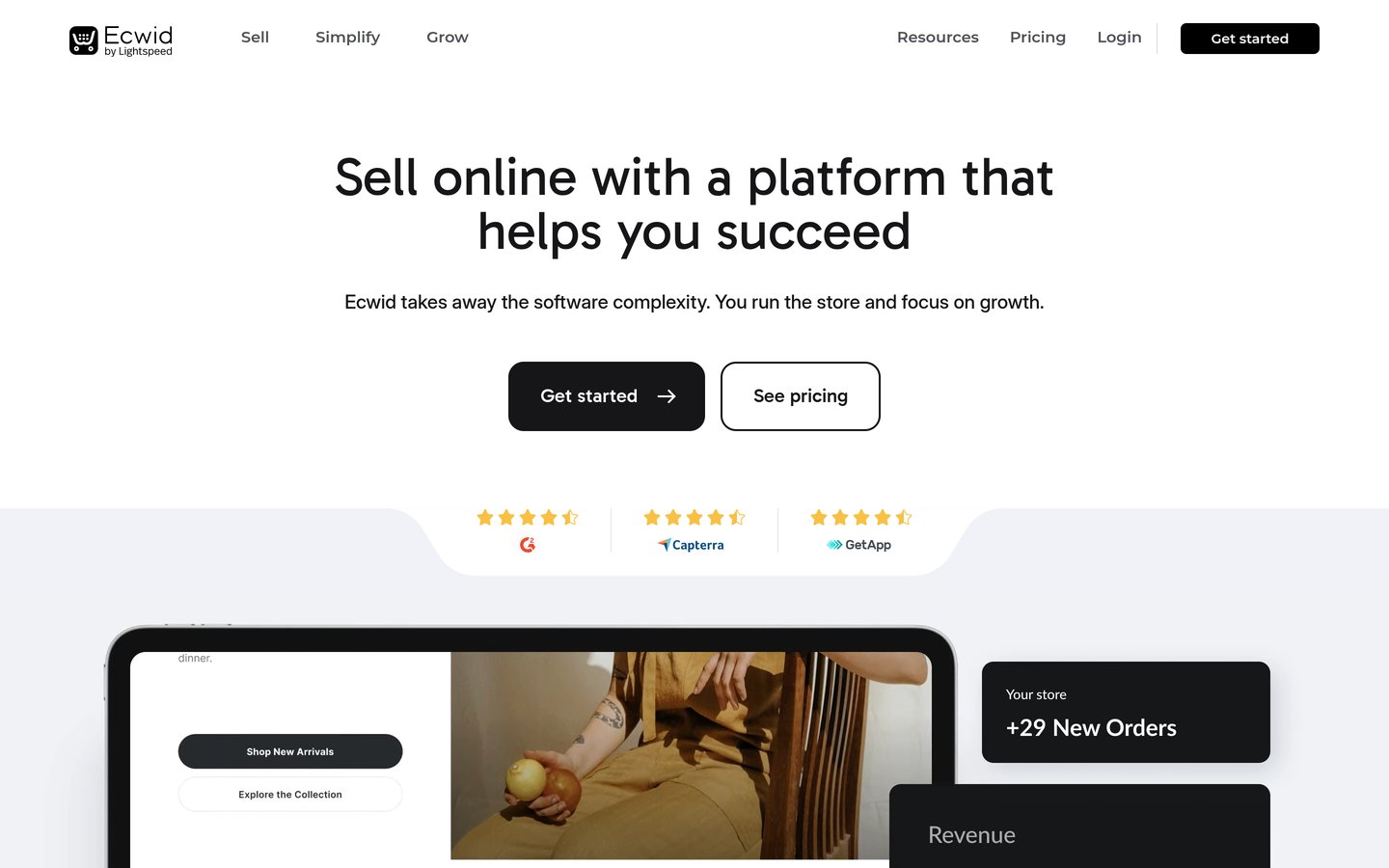
Ecwid by Lightspeed adds a store to an existing website or social page instead of replacing it. The free plan covers 5 products, and the Venture plan costs $25 a month with 100 products and no platform transaction fee. For SEO, it adds selling to a site whose content and rankings already exist, without a rebuild.
The trade off is that it is an add-on, not a full website builder. Sellers who need a standalone site must pair it with one. It suits sellers with a site already who want to start selling fast.
Check URL control first. Can you edit product and category URLs, or does the platform lock them?
Confirm structured data. Product schema helps search results show prices, ratings and stock.
Test page speed on mobile. Slow product pages lose rankings and sales at the same time.
Look for a real blog. Content that answers buyer questions brings in traffic that product pages cannot.
How we chose
We started from the established ecommerce platforms and shipping tools with a verifiable G2 rating and a published price, then kept those that fit best ecommerce platform for seo.
Prices come from each vendor's pricing page, checked on 23 November 2026. Ratings and review counts come from G2 on the same day. Where a vendor shows a sale, the list shows the regular price.
We left out tools with no verifiable rating or no published price. No vendor paid for a place, and we do not claim hands-on testing for this list.
How to choose ecommerce platform for seo
Start with what you sell and how much you ship, then match the tool to that shape.
Check URL and schema control. You need editable URLs, metadata and product schema, or SEO work hits a ceiling.
Test speed on mobile. Run the platform's demo store through a speed test before you commit to it.
Plan content, not just products. A blog that answers buyer questions brings traffic that product pages cannot reach.
Measure after launch. Track rankings, clicks and sales in search tools, and fix the pages that underperform.
FAQ
What is the best ecommerce platform for SEO?
WooCommerce is the strongest pick for SEO. It is free at the core, runs on WordPress, and gives full control of URLs, schema, sitemaps and content, with a 4.4/5 G2 rating from 1,283 reviews.
Is Shopify good for SEO?
Yes. Shopify is fast, adds structured data automatically and has SEO apps for the gaps. Basic costs $29 a month billed yearly, and it suits stores that want SEO without managing hosting.
Which hosted platform has the best built-in SEO?
BigCommerce has the strongest built-in SEO tools of the hosted platforms, covering URLs, metadata and sitemaps without extra apps. Core costs $29 a month billed yearly.
Is Wix good for ecommerce SEO?
Wix covers SEO basics well for small stores, with a setup checklist and built-in tools. Large catalogs and advanced SEO work fit WooCommerce or BigCommerce better.
Does site speed affect ecommerce SEO?
Yes. Speed is a ranking factor and a sales factor, especially on mobile. Hosted platforms handle speed for you, while WooCommerce needs good hosting and caching.
Can I move my store later without losing SEO?
Moving is possible but risky. Redirects must map every old URL to a new one, and some platforms make that harder than others, so pick with the long term in mind.