Best Digital Twin Software in 2026: 9 Tools Compared
WLWPLegible EditorsLast verified 23 Nov 2026How we rank13 min read
★ Short answer
Siemens Xcelerator is the best digital twin software for most manufacturers, covering product, production and performance twins in one platform, rated 4.3 out of 5 from 4,281 G2 reviews. Pick Azure Digital Twins for the cheapest metered start at $1 per million messages, and GE Vernova APM for energy and heavy-industry assets.
How we make this list: we compare pricing pages, product documentation and public user reviews, then re-check every price before each update. No product paid for a place. Disclosure.
Siemens Xcelerator leads for manufacturers, covering product, production and performance twins with 4.3 out of 5 from 4,281 G2 reviews.
Azure Digital Twins is the only tool here with published pricing: $1 per million messages, with no upfront cost or licence to buy.
GE Vernova APM has the highest G2 rating here at 4.4 out of 5, built for energy, power and heavy-industry assets.
Seven of the nine tools sell by quote only, so budget time for a sales call and a scoped pilot before you compare costs.
Bentley iTwin is the only infrastructure-native twin, with BIM, GIS and reality capture in one platform and a free Community tier.
What digital twin software should cover
A digital twin is a live virtual copy of a physical thing, fed by real data. A 3D model alone is not a twin: the twin updates as sensors report, so engineers can test a change, predict a failure or replay a fault before touching the real asset.
The tools in this list fall into three shapes. Engineering twins such as Siemens, Ansys and Dassault start from physics and simulation. Operations twins such as ThingWorx, Azure and GE Vernova start from live sensor data. Visual twins such as Omniverse and Matterport start from the 3D scene itself.
Price is almost never published. Seven of the nine tools here sell by quote, sized by project, so the price ladder below shows Custom for most of them. Azure is the exception, with metered rates you can read today, and Matterport and Bentley publish entry prices. The notes spell out where a figure could not be confirmed.
If your twin is mainly a building or a site, our guide to the best CAD software covers the design tools that feed it, while this list covers the live twin platforms.
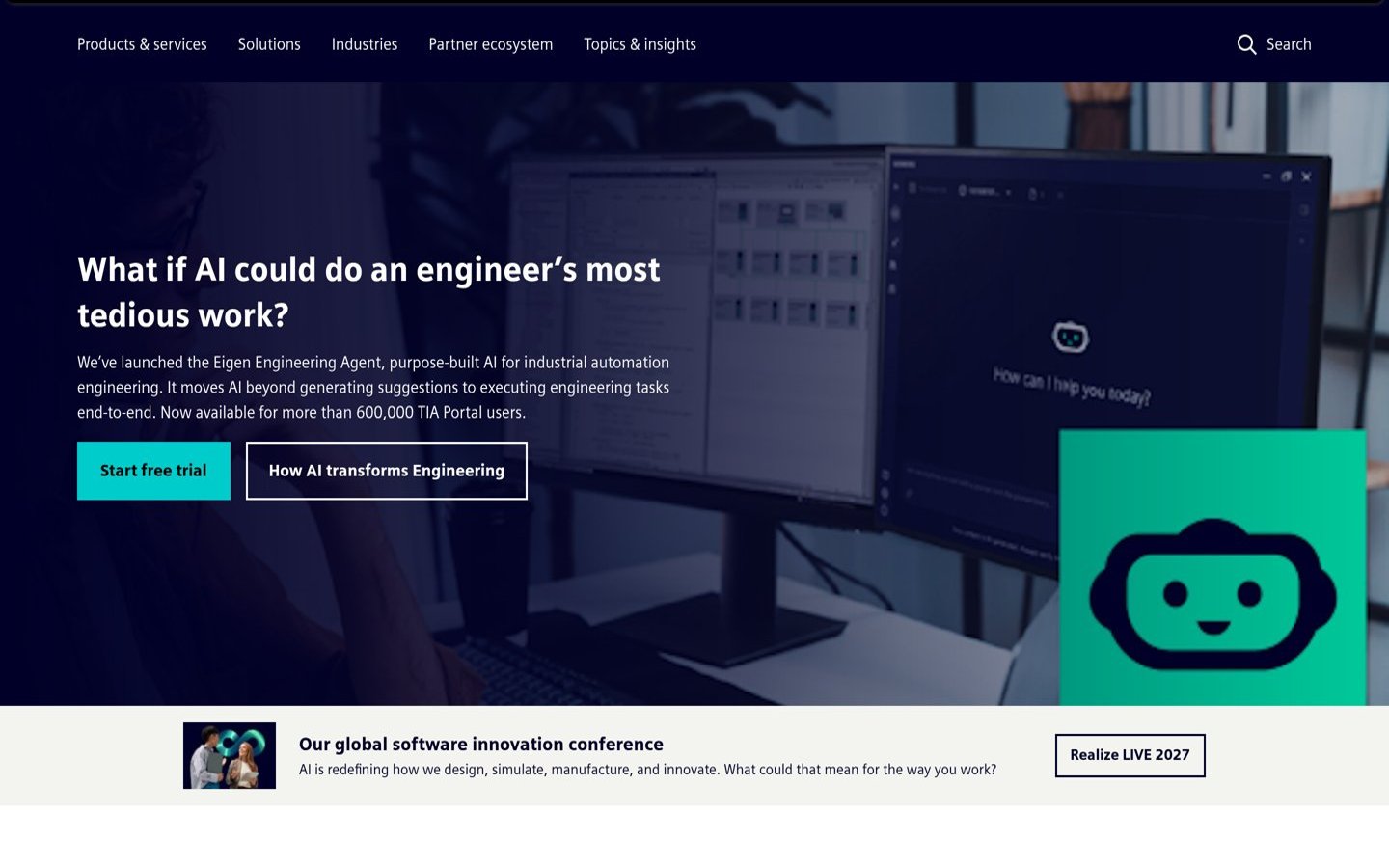
Siemens Xcelerator is the broadest digital twin platform in this list, covering product, production and performance twins in one industrial stack. It connects Teamcenter PLM, Simcenter simulation and Tecnomatix manufacturing in a single digital thread, and Siemens launched Digital Twin Composer at CES 2026 to build photorealistic plant twins on NVIDIA Omniverse libraries.
The trade off is lock-in and opacity. Xcelerator sells by quote only, with subscription or pay-as-you-go pricing that depends on the solution, and free trials typically run three months. It suits large manufacturers in automotive, aerospace, electronics and industrial machinery that want one stack from design to operations.
What we like
Broadest lifecycle coverage in this list
Largest G2 review base here, 4,281 reviews
G2 Spring 2026 Leader status
Watch out for
No published price, quote only
Deep ecosystem lock-in across the Xcelerator stack
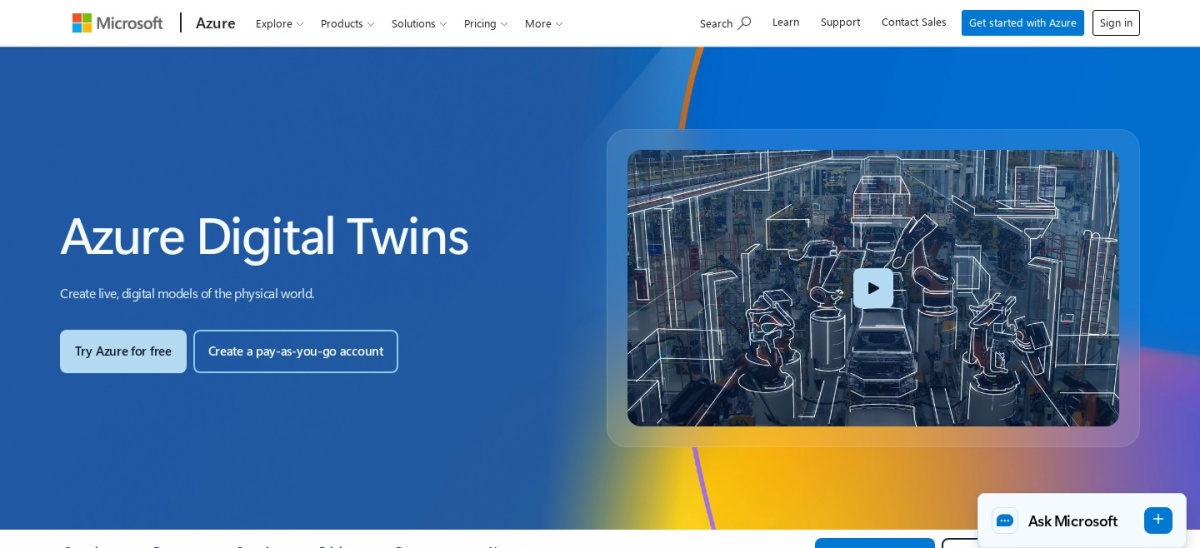
Azure Digital Twins is a managed Azure service that models buildings, factories or grids as live twin graphs using the open DTDL modelling language. It links each twin to live telemetry from IoT Hub, routes events to Azure analytics and AI, and queries the graph to find which rooms are overheating or which machines share a failing part.
The trade off is that it is plumbing, not a finished twin. There are no built-in dashboards or simulation, the bill is hard to predict across three separate meters, and the twin graph lives only in Azure. It suits cloud teams that already run on Azure and want to build a custom twin.
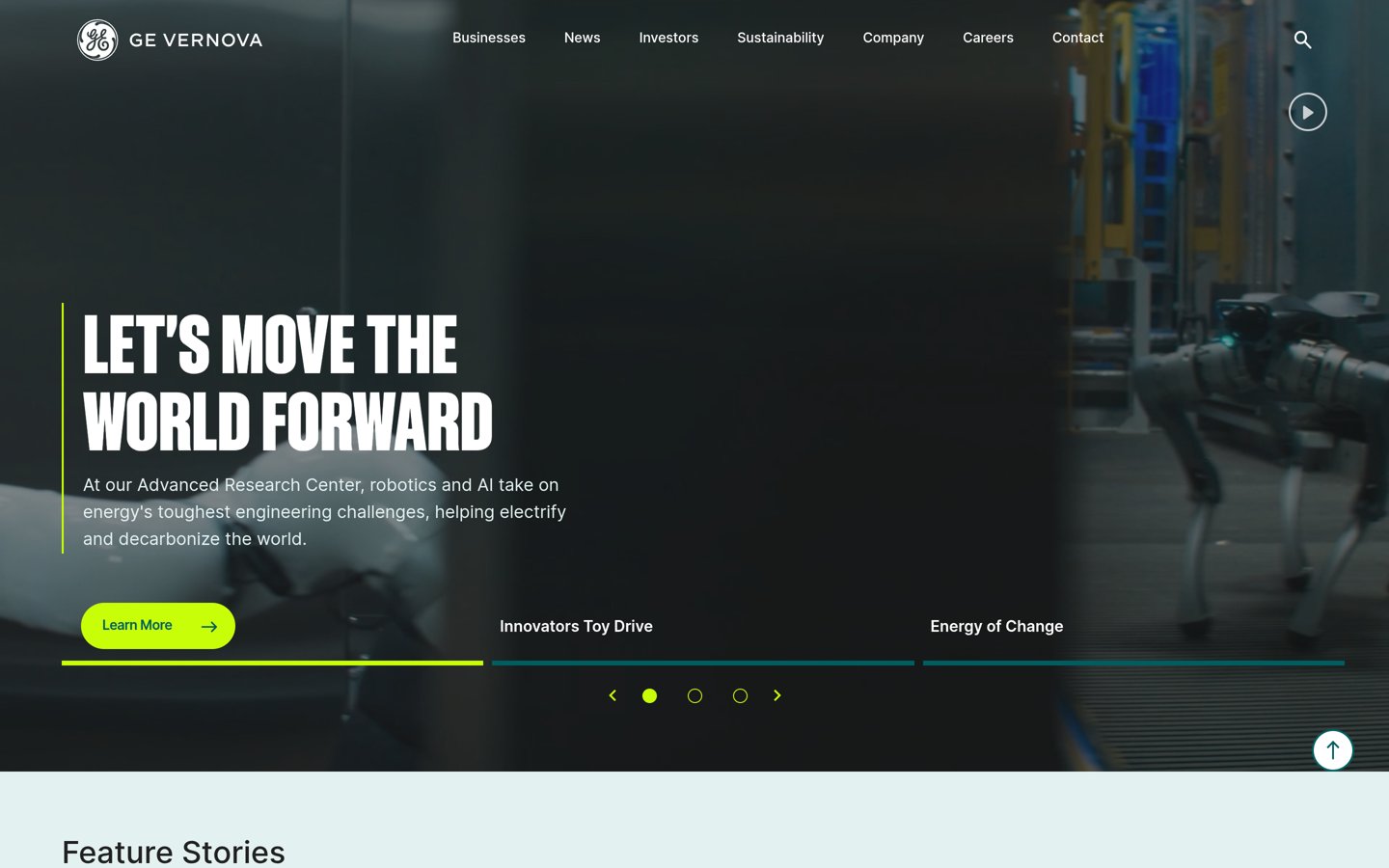
GE Vernova APM is an asset performance platform built for energy, power generation, oil and gas, utilities and heavy industry. It combines SmartSignal AI monitoring with physics-informed models and more than 350 pre-built industrial asset twins, and it is recognised across all six categories of the 2025 Gartner Market Guide for asset performance management.
The trade off is narrow fit and thin reviews. It holds 4.4 out of 5 on G2 but from only 63 reviews, and it publishes no price, so evaluation runs through GE Vernova sales. It suits operators of turbines, grids and large rotating equipment that need fleet-level predictive maintenance.
NVIDIA Omniverse is the visual simulation layer of this list, built on the OpenUSD scene standard and RTX GPUs. It renders photorealistic factory, warehouse and robotics twins that teams can walk through, test and rehearse in, and Siemens now builds its Digital Twin Composer scenes on Omniverse libraries.
The trade off is that it is a simulation platform, not an operations twin. Omniverse sells by quote for Enterprise, needs RTX hardware or cloud GPUs, and has only 17 G2 reviews behind its 4.6 rating. It suits teams that need to see and rehearse a facility before it is built.
Ansys Twin Builder turns high-fidelity simulation into real-time digital twins. It builds reduced-order physics models that run at operational speed, covers multiple engineering domains in one system model, and corrects the model with live sensor data through Hybrid Analytics for predictive maintenance.
The trade off is expertise and price opacity. Twin Builder needs simulation engineers to build and maintain the models, Ansys is now a wholly owned subsidiary of Synopsys, and no price is published. It suits engineering teams in aerospace, automotive and energy that need physics accuracy, not just sensor dashboards.
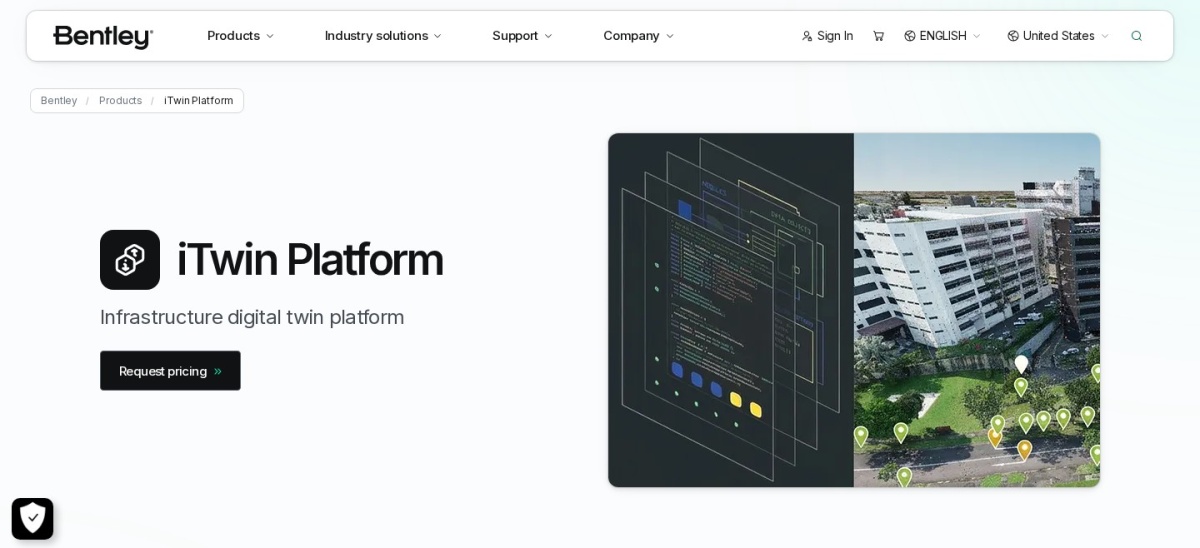
Bentley iTwin Platform homepage, captured Nov 2026.
Bentley iTwin Platform is the only infrastructure-native twin in this list. It fuses BIM, GIS and reality-capture data into one geospatial twin for roads, rail, utilities and large built environments, with 4D and 5D lifecycle views and an open-source iTwin.js library for building custom twin apps.
The trade off is the credit model. Paid subscriptions are sold in monthly iTwin credits that do not roll over, and the platform is built for infrastructure, not factory floors. It suits infrastructure owners and engineering firms twinning long-life civil assets.
What we like
Only infrastructure-native twin here
BIM, GIS and reality capture in one twin
Free Community tier and open-source library
Watch out for
Paid plans use monthly credits that do not roll over
PTC ThingWorx is the industrial IoT workhorse of this list. It connects more than 500 industrial device types out of the box, from PLCs and sensors to SCADA systems, and its low-code Composer turns those live streams into twin applications with built-in machine learning for predictive maintenance alerts.
The trade off is the lowest G2 score here and no price transparency. ThingWorx holds 3.9 out of 5 from 33 G2 reviews, with reviewers citing high cost and a steep learning curve, and PTC sold ThingWorx and Kepware to TPG in March 2026, spinning them into a new company, Velotic. It suits manufacturers that need the broadest device connectivity.
Dassault 3DEXPERIENCE homepage, captured Nov 2026.
Dassault 3DEXPERIENCE is a unified platform for product lifecycle and digital twins, used heavily in automotive, aerospace and life sciences. It ties CAD, simulation, manufacturing and data management into one environment, so the twin stays linked to the design data it came from.
The trade off is licensing complexity. 3DEXPERIENCE sells by role with named-user or token-based licensing, prices are quoted, and the platform is famously deep and slow to implement. It suits large engineering organisations that already run Dassault tools and want one PLM-led twin.
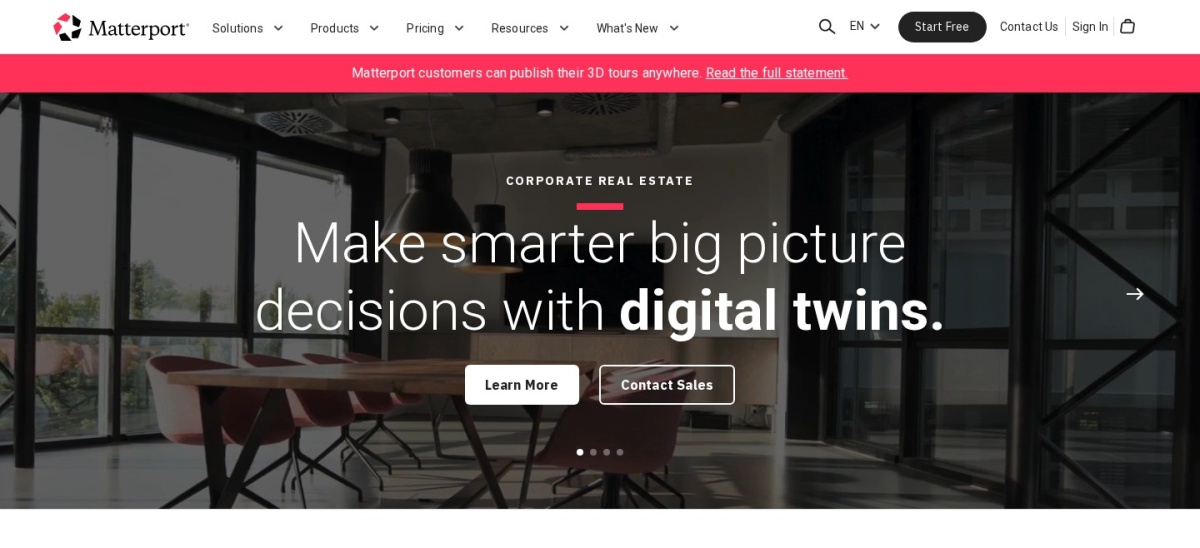
Matterport turns a real space into a 3D digital twin you can walk through from a link. A scan becomes a cloud-processed model with dollhouse, floor-plan and measurement views, MatterTags and schematic floor plans, and its Cortex AI layer adds auto-processing, Defurnish and auto-written listing descriptions.
The trade off is hosting and plan churn. The Professional plan lists at $90 a month for 10 active spaces billed annually, but Matterport restructured its plans in November 2026 and the current page shows $245 a month for 50 spaces, so confirm before you buy. It suits real estate, facilities and construction teams documenting real buildings.
What we like
Fastest way to twin a real building
Free plan with one space and phone capture
Open API and SDK with Autodesk and Procore partners
Free vs paid: what you can try without a sales call
Almost nothing here has a free plan. Bentley iTwin offers a free Community tier for learning and development, and Matterport has a free plan with one space.
Azure Digital Twins has no licence to buy: a free Azure account lets you start, and you pay $1 per million messages after that. Siemens and Ansys offer free trials, typically around three months.
The rest run through sales. Expect a discovery call, a scoped pilot and a quote sized by assets, users or data volume before you see a number.
How we chose
We started from the digital twin platforms with verifiable ratings on G2 or Capterra and real deployments in manufacturing, energy or infrastructure, then kept nine with a published or clearly quote-only price.
Prices come from each vendor's pricing page, checked on 23 November 2026. Ratings come from G2 or Capterra on the same day, using the source with the most reviews for each tool. Azure's metered rates were read on Microsoft's own pricing page. Seven tools publish no price at all, so they show Custom rather than a guessed figure.
We left out platforms with no verifiable rating on G2, Capterra or Trustpilot. No vendor paid for a place, and we do not claim hands-on testing for this list.
How to choose digital twin software
Start with the twin type you need, then check whether you can price it without a sales call.
Name the twin type first. Physics twins need Siemens or Ansys, sensor-driven operations twins need ThingWorx, Azure or GE Vernova, and visual twins need Omniverse or Matterport. The wrong type is the expensive mistake.
Check whether you can price it. Only Azure publishes metered rates. For the rest, ask for a written quote scoped to your asset count and data volume before you compare.
Try the free tier where one exists. Bentley iTwin has a free Community tier, Matterport a free plan, and Azure starts on a free account. Use those to test the modelling language before a pilot.
Plan for the ecosystem, not just the twin. Siemens locks you into Xcelerator, Azure into Azure, and Dassault into 3DEXPERIENCE. Check the integrations your plant already runs before you commit.
FAQ
What is the best digital twin software?
Siemens Xcelerator is the best overall pick for manufacturers. It covers product, production and performance twins in one platform, from Teamcenter PLM to Simcenter simulation, and holds 4.3 out of 5 from 4,281 G2 reviews, the largest review base here.
How much does digital twin software cost?
Most platforms quote by project, so there is no list price. Azure Digital Twins is the exception: $1 per million messages, $2.50 per million operations and $0.50 per million query units, with no upfront cost. Matterport starts at $90 a month, and Bentley iTwin has a free Community tier.
Can I try digital twin software for free?
Partly. Bentley iTwin has a free Community tier, Matterport has a free plan with one space, and Azure Digital Twins starts on a free Azure account with metered billing. Siemens and Ansys offer free trials, usually around three months.
What is the difference between Siemens and Ansys digital twins?
Siemens covers the whole lifecycle, from design and simulation to manufacturing and operations in one platform. Ansys Twin Builder is narrower and deeper: it turns high-fidelity physics simulation into real-time twins for predictive maintenance on individual assets.
Do I need NVIDIA Omniverse for a digital twin?
Only if visual simulation is the point. Omniverse builds physically accurate OpenUSD scenes for factory and robotics simulation, and Siemens now uses its libraries in Digital Twin Composer. For sensor-driven operations twins, Azure or ThingWorx fit better.
Which digital twin tool is best for infrastructure?
Bentley iTwin Platform is the only purpose-built infrastructure twin here. It fuses BIM, GIS and reality-capture data for roads, rail, utilities and large built environments, with an open-source iTwin.js library and a free Community tier.