GitGuardian is the best DevSecOps tool for most teams, catching leaked secrets in code and CI before they reach production, backed by 310 G2 reviews. Pick Wiz for cloud security and Semgrep for fast code scanning.
How we make this list: we compare pricing pages, product documentation and public user reviews, then re-check every price before each update. No product paid for a place. Disclosure.
GitGuardian is the highest-rated tool in this list at 4.8 out of 5 on G2, and its free tier covers individual developers.
Wiz is the best cloud security platform here, rated 4.7 out of 5 on G2 from 942 reviews, but pricing is quote-only.
Semgrep Team at $35 per contributor a month is the fastest code scanner in this list, with a free tier for up to 10 contributors.
Snyk Team at $25 per contributing developer a month and SonarQube Cloud Team from $34 a month are the cheapest paid cloud options here.
Checkmarx and Veracode are enterprise tools with prices starting around $40,000 and $15,000 a year, so budget a sales conversation.
What DevSecOps tools do
DevSecOps tools put security checks inside the development pipeline, so a leaked secret, a vulnerable dependency or a misconfigured cloud resource is caught before it reaches production. They scan code, containers, dependencies and cloud infrastructure automatically.
Secrets detection is the fastest win. GitGuardian scans repositories and CI pipelines for API keys, passwords and tokens, because a single leaked credential is the most common way attackers get in.
Cloud security is a separate discipline. Wiz and Aqua Security scan your cloud accounts, containers and Kubernetes clusters for misconfigurations and vulnerabilities that code scanners never see.
Teams already running project management software should check integration first. Most tools here connect to GitHub, GitLab and Slack, so security alerts land where developers already work.
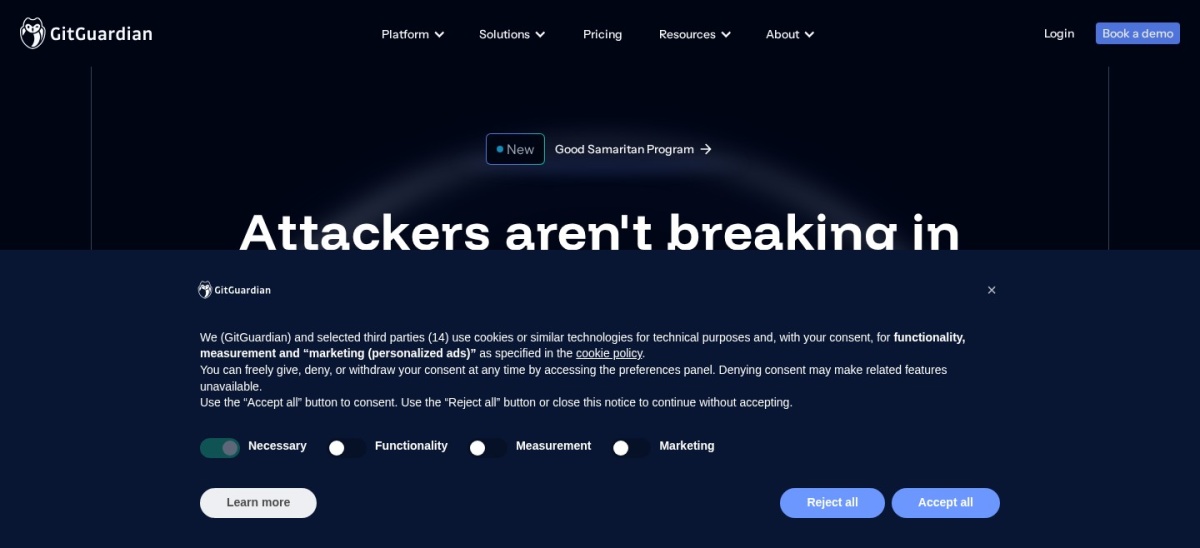
GitGuardian is a secrets detection platform that scans repositories, pull requests and CI pipelines for leaked API keys, passwords and tokens, then alerts the team before the secret reaches production. The free tier covers individual developers, and paid plans are priced by quote.
The trade off is scope. GitGuardian is the best at secrets, but it does not scan dependencies or cloud infrastructure, so teams pair it with Snyk or Wiz for full coverage. It suits every team that writes code, because a leaked secret is the fastest way to a breach.
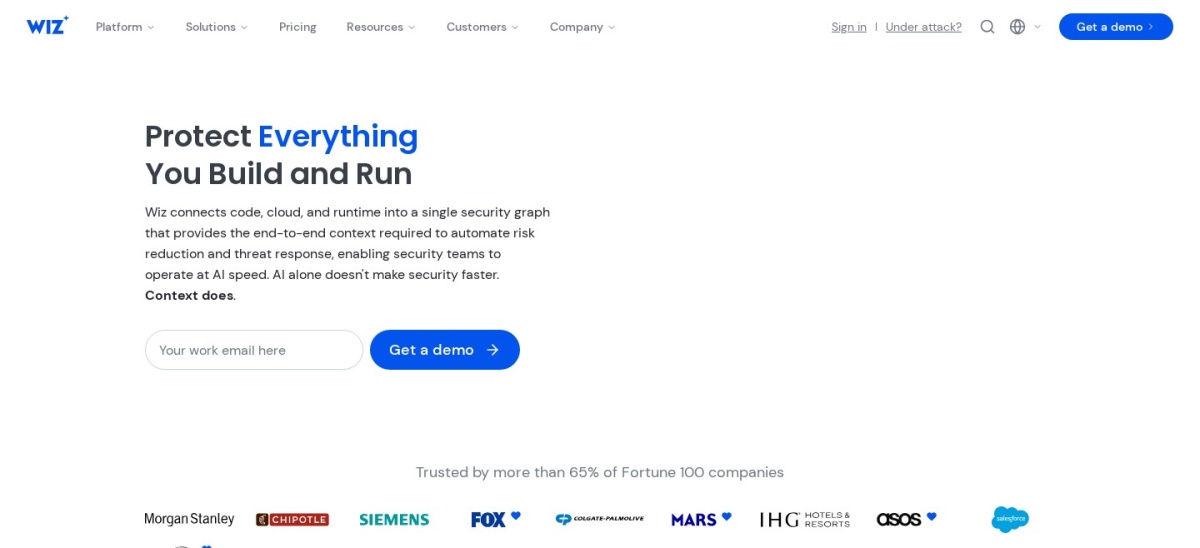
Wiz is a cloud security platform that connects to AWS, Azure and Google Cloud without agents and maps every resource, vulnerability and misconfiguration in one graph. It finds the attack paths that matter, rather than listing thousands of low-priority findings, and it is rated 4.7 out of 5 on G2 from 942 reviews.
The trade off is price and audience. Wiz is priced by quote for enterprises, with no published starting price and no free tier, so small teams should look at Semgrep or Snyk first. It suits cloud-heavy organisations that need one view of their whole cloud estate.
What we like
Agentless scanning across all major clouds
Attack-path analysis cuts through alert noise
Rated 4.7 out of 5 on G2 from 942 reviews
Watch out for
Quote-only enterprise pricing
No free tier
Overkill for teams without cloud infrastructure
Pricing is based on cloud resources scannedVisit wiz.io
03
Semgrep
4.6/5on G2 (56 reviews, checked Nov 2026)
Paid from$35/mo
Best fast code scanning
Free planYes, up to 10 contributors
Languages30+ languages
SpeedFast, runs in CI in minutes
Paid planTeam, $35/contributor/mo
semgrep.dev
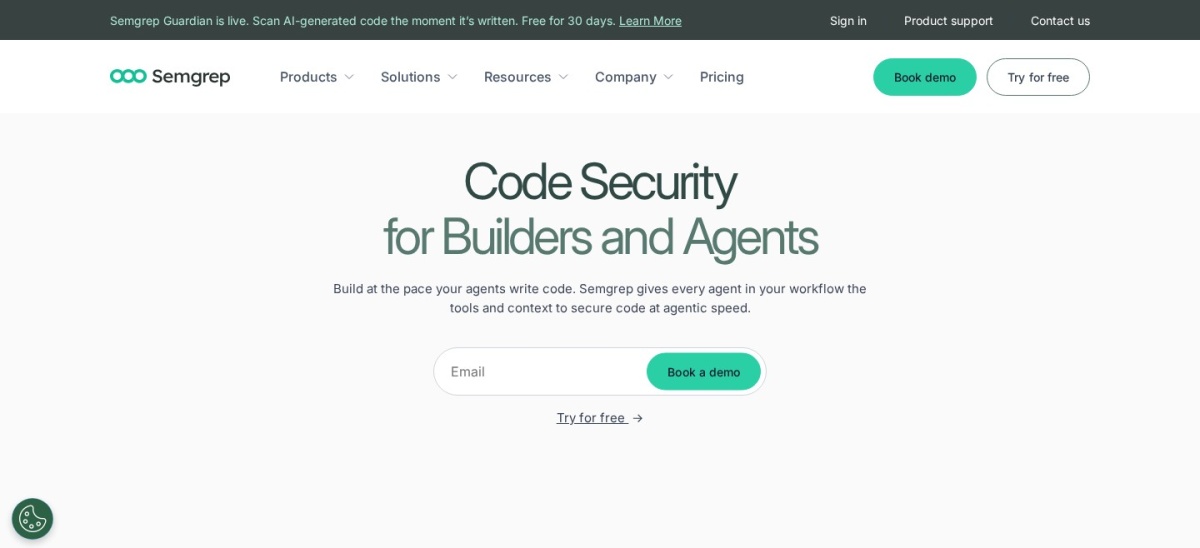
Semgrep homepage, captured Nov 2026.
Semgrep is a static analysis tool that scans code for security vulnerabilities and bad patterns across more than 30 languages, running fast enough to sit in every pull request. The free tier covers up to 10 contributors, and Team costs $35 per contributor a month according to a comparison dated October 2026.
The trade off is the price read. Another comparison dated the same month quoted $30 per contributor, so confirm the current figure on Semgrep's pricing page before budgeting. It suits teams that want fast, readable rules they can customise themselves.
What we like
Fastest scans in this list
Readable rules you can write yourself
Rated 4.6 out of 5 on G2 from 56 reviews
Watch out for
Price reads conflict between $30 and $35 per contributor
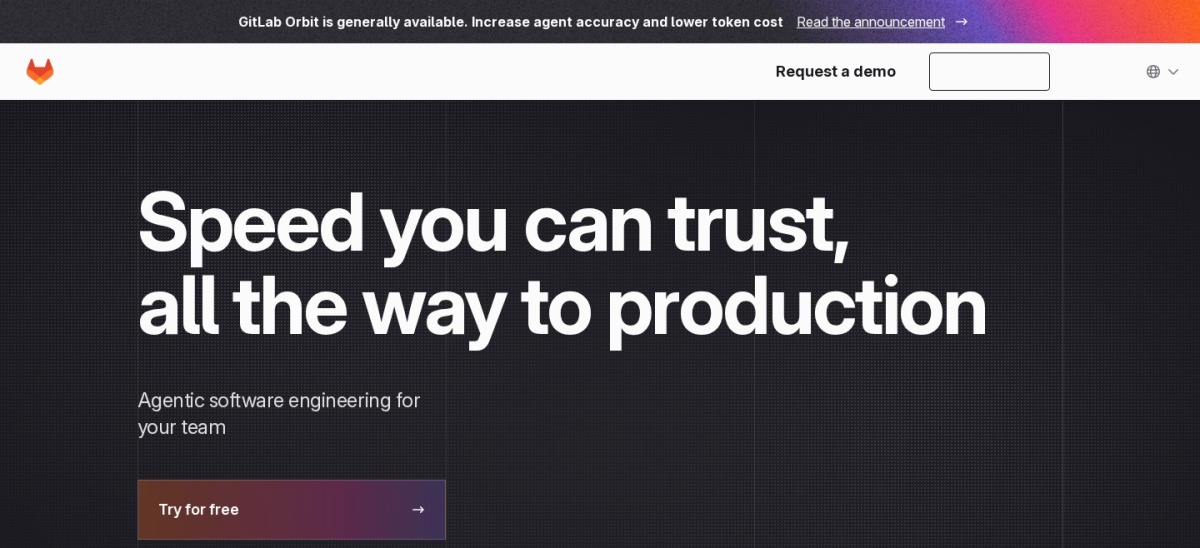
GitLab is an all-in-one DevOps platform with security scanning built into the pipeline, including SAST, secret detection, dependency scanning and container scanning. Premium costs $29 per user a month, and the free plan covers 5 users with basic security features.
The trade off is depth. GitLab's built-in scanning is convenient, but dedicated tools such as Snyk and Semgrep offer deeper rules and more languages, so security-focused teams often add one of them. It suits teams already on GitLab who want security without another vendor.
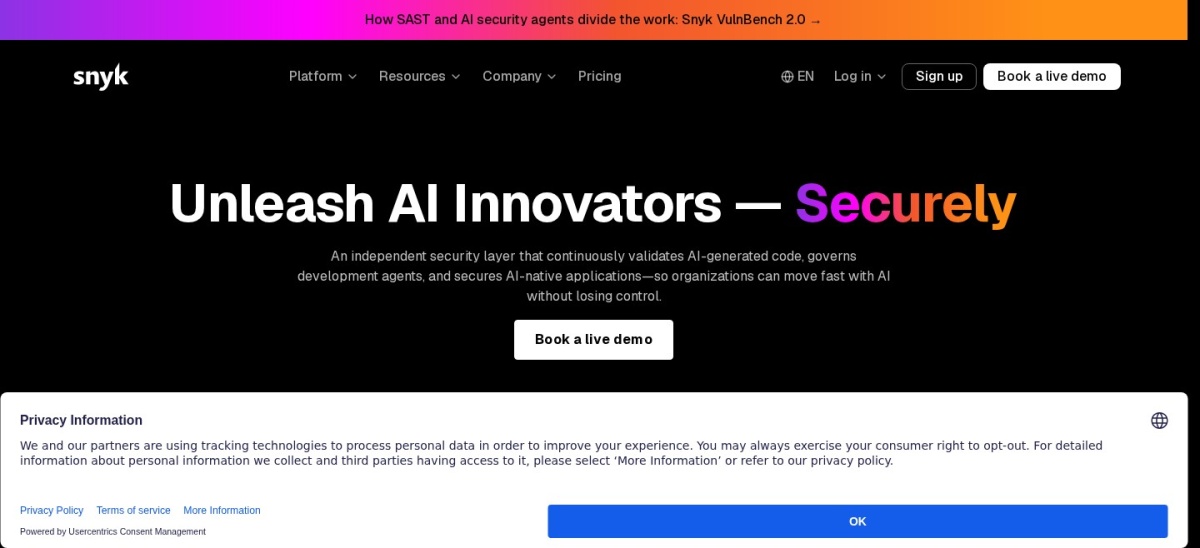
Snyk is a developer security platform that scans open-source dependencies, code, containers and infrastructure as code for vulnerabilities, then suggests fixes inside the pull request. The free tier covers limited scans, and Team costs $25 per contributing developer a month.
The trade off is per-contributor billing. Only developers who commit code count as contributors, which keeps the bill lower than per-seat pricing, but a large team still adds up quickly. It suits teams that want security findings fixed in the pull request, not in a separate dashboard.
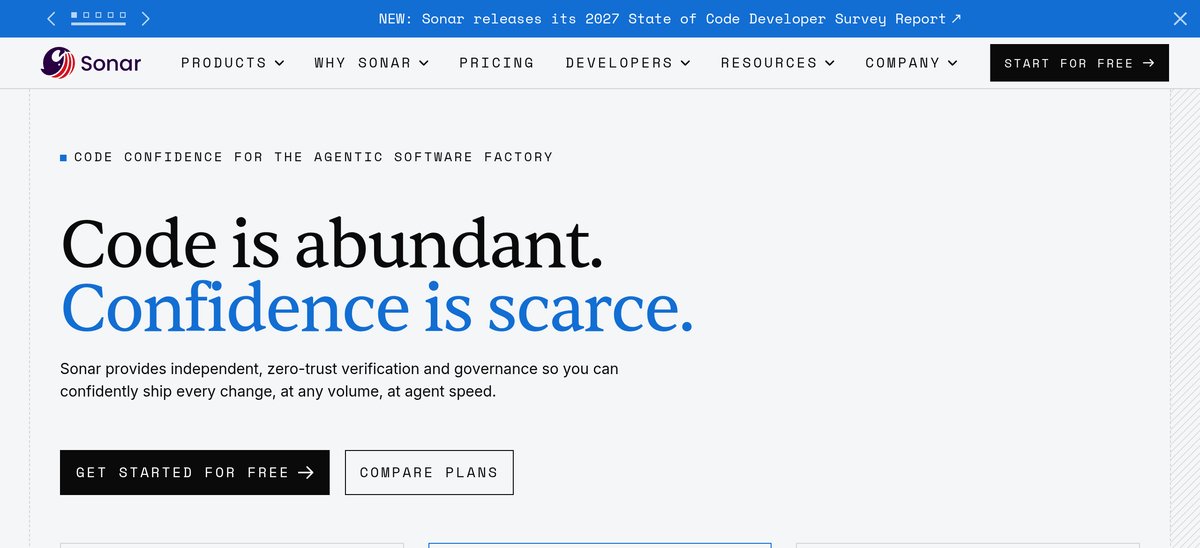
SonarQube is a code quality and security platform that scans code for bugs, vulnerabilities, code smells and test coverage across more than 30 languages. Community Build is free and self-hosted, and SonarQube Cloud Team starts from $34 a month according to a comparison dated October 2026.
The trade off is setup. The self-hosted edition needs a server and database, while the cloud edition is simpler but billed by lines of code, so large codebases cost more. It suits teams that want code quality and security in one report.
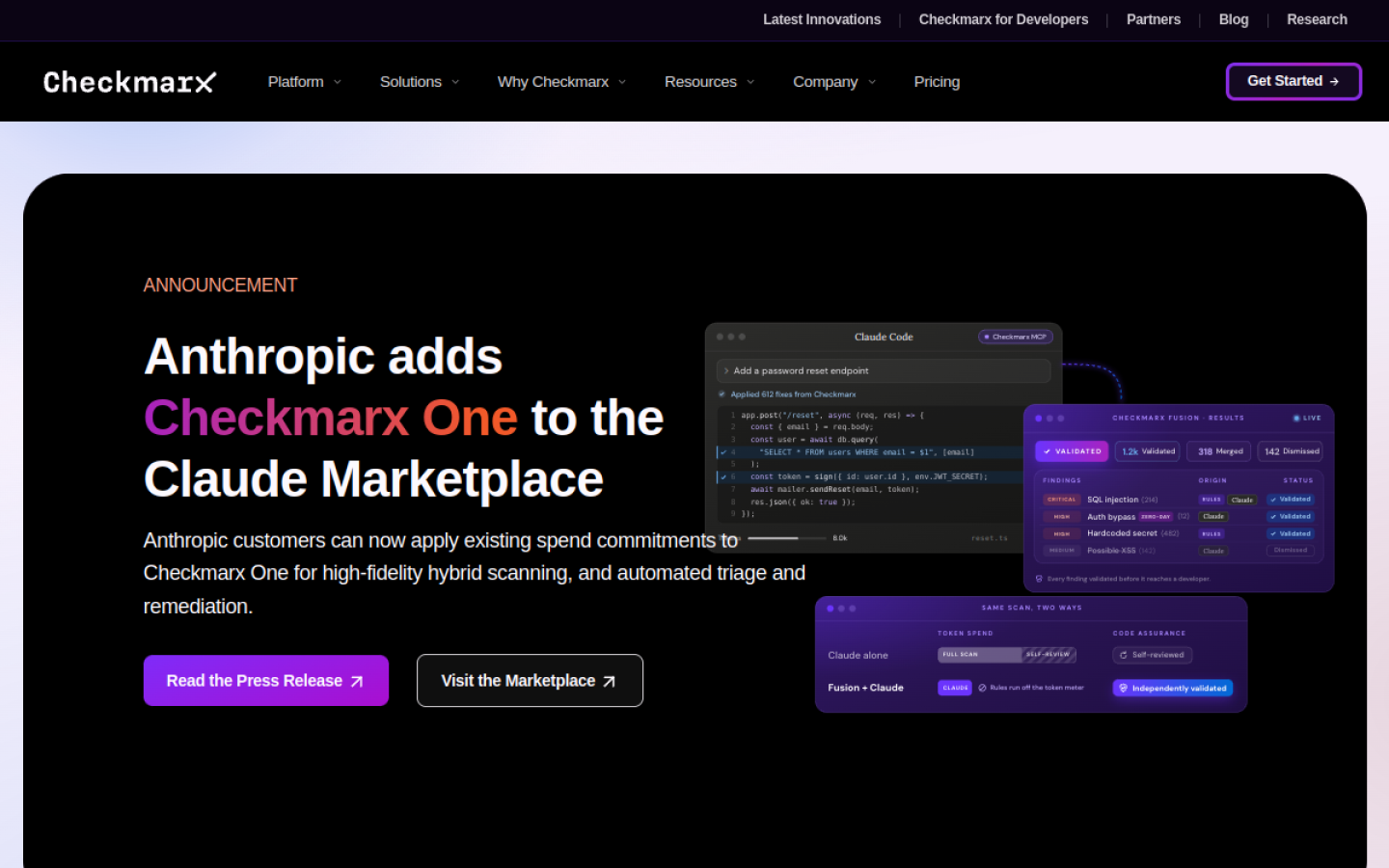
Checkmarx is an enterprise application security testing platform with deep SAST across more than 30 languages, plus API security, open-source scanning and infrastructure scanning. Pricing starts at around $40,000 a year according to a comparison dated October 2026, and sales quotes the exact figure.
The trade off is price and complexity. Checkmarx is built for large enterprises with dedicated security teams, and its setup and tuning take time. It suits regulated industries and enterprises that need the deepest static analysis available.
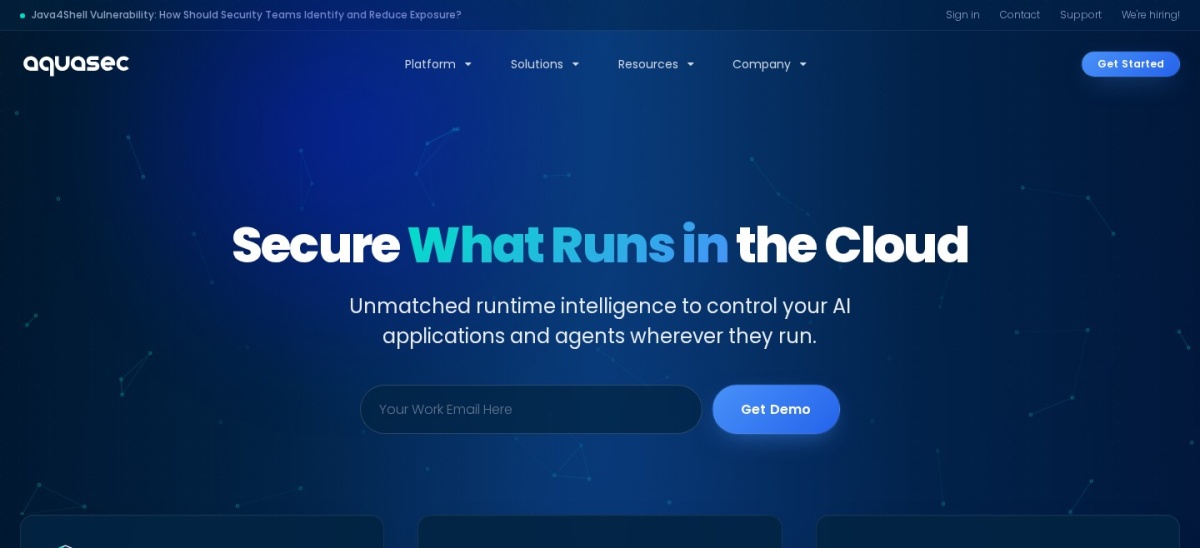
Aqua Security is a cloud-native application protection platform that secures containers and Kubernetes from build to runtime, with image scanning, admission control and drift detection. Its open-source tools are free, but the platform itself is priced by quote.
The trade off is audience. Aqua is built for teams running containers in production at scale, and smaller teams will find its depth unnecessary. It suits platform teams that need runtime protection, not just build-time scanning.
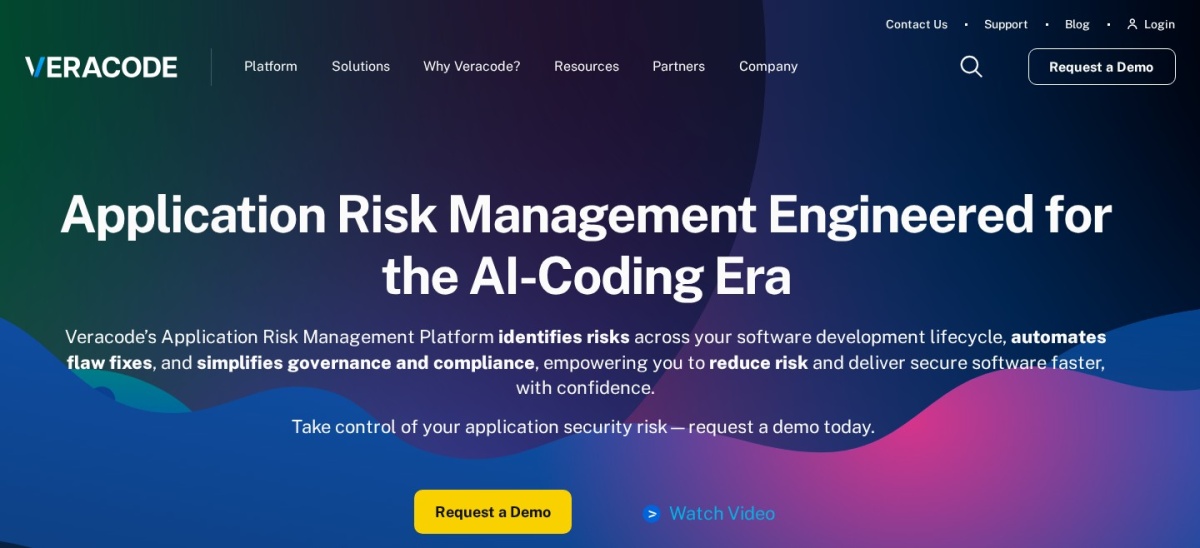
Veracode is an application security platform covering static and dynamic testing, software composition analysis and penetration testing, with compliance reporting for standards such as PCI and SOC 2. Pricing starts at around $15,000 a year according to a comparison dated October 2026.
The trade off is the rating. Veracode has the lowest G2 rating in this list at 3.8 out of 5 from 26 reviews, and reviewers cite a dated interface and slow scans. It suits compliance-driven teams that need audit-ready reports.
A leaked secret and a vulnerable dependency are different risks. A secret gives an attacker a key to your systems, while a vulnerability gives them a way in, and both need scanning.
Start with secrets. GitGuardian finds leaked keys in minutes, and rotating a leaked credential is the fastest security win a team can make.
Then scan dependencies. Snyk and Checkmarx find vulnerable libraries, and most fixes are a version bump in a pull request.
Finally, scan the cloud. Wiz and Aqua find misconfigured resources that code scanners never see, which is where the biggest breaches usually start.
How we chose
We started from the DevSecOps tools with the most G2 reviews and the widest adoption, then kept the nine with a real free tier, trial or published price and a verifiable rating. Every tool here has a G2 or Capterra rating with a review count.
Prices come from each vendor's pricing page, checked on 25 November 2026. Several vendor pages render with JavaScript or hide pricing behind sales, so where a figure could not be read from the page itself we used dated comparisons quoting the vendor page and flagged them in the notes. GitGuardian, Wiz and Aqua are quote-only per their vendors. Ratings and review counts come from G2 or Capterra on the same day.
We left out tools with no verifiable G2 or Capterra rating, including Codacy, DeepSource, Trivy, OWASP ZAP, Checkov and Gitleaks. No vendor paid for a place, and we do not claim hands-on testing for this list.
How to choose a DevSecOps tool
Start with the risk that scares you most, then match the tool to your stack and budget.
Start with secrets detection. A leaked API key is the fastest way to a breach. Add GitGuardian first, then expand to code and cloud scanning.
Check what your platform already includes. GitLab Premium includes SAST and secret detection, so teams on GitLab may not need a separate scanner.
Test the scanner on a real repository. Run it on your biggest repo and check the findings. If most findings are false positives, the tool will be ignored within a month.
Price the whole stack. Add secrets, code and cloud scanning together. A free secrets scanner plus a paid code scanner is often cheaper than one enterprise platform.
FAQ
What is the best DevSecOps tool?
GitGuardian is the best DevSecOps tool for most teams. It catches leaked secrets in code and CI before they reach production, and it is rated 4.8 out of 5 on G2 from 310 reviews.
What is the difference between SAST and DAST?
SAST scans source code without running it, while DAST tests a running application. Semgrep, Snyk and Checkmarx are SAST tools, and Veracode covers both static and dynamic testing.
Is there a free DevSecOps tool?
Yes. GitGuardian, Semgrep, Snyk, GitLab and SonarQube all offer free tiers or free editions, and Trivy and OWASP ZAP are free and open source. Paid plans start from $25 a month.
How much does Snyk cost?
Snyk Team costs $25 per contributing developer a month, and the free tier covers limited scans. Only developers who commit code count as contributors, which keeps the bill lower than per-seat pricing.
Which DevSecOps tool is best for cloud security?
Wiz is the best cloud security platform in this list. It scans AWS, Azure and Google Cloud without agents and is rated 4.7 out of 5 on G2 from 942 reviews, but pricing is quote-only.
Do I need a DevSecOps tool if I use GitLab?
GitLab Premium includes SAST, secret detection and dependency scanning, so many teams do not need a separate scanner. Add Snyk or Semgrep only if you need deeper rules or more languages.
SaaS SEO and WordPress specialist with about 8 years of experience. Rakib compares WordPress plugins, themes, hosting and software using public pricing, documentation and user reviews. See how we rank.