RudderStack is the best customer data platform for data teams, with the highest G2 score here and warehouse-native architecture. Segment suits teams who want the largest integration catalogue, while Bloomreach suits marketers who want a CDP with commerce built in.
How we make this list: we compare pricing pages, product documentation and public user reviews, then re-check every price before each update. No product paid for a place. Disclosure.
RudderStack scores 4.7 out of 5 on G2 from 52 reviews, the highest here.
Bloomreach scores 4.6 out of 5 from 842 reviews, the most reviews in this list.
Segment lists more than 25,000 companies using its platform, the largest install base here.
No CDP in this list publishes a price; Segment's own pricing page shows custom volume pricing only.
Tealium serves more than 850 enterprise customers, while Hightouch lists a $350 a month starting price in secondary roundups that its own page does not confirm.
What makes a good customer data platform
A CDP collects customer data from every source, unifies it into one profile per customer, and sends it to the tools that need it. It replaces point-to-point integrations with one hub that every team can trust.
Identity resolution is the core feature. A good CDP matches the same person across web, mobile, email and CRM, even when the identifiers differ, and keeps the profile up to date in real time. Segment, RudderStack and Hightouch all score well here.
Warehouse-native CDPs work differently. RudderStack and Hightouch build profiles inside your own data warehouse instead of copying data into a vendor database, which suits teams who already run Snowflake or BigQuery.
Pricing is rarely published. No CDP in this list lists a price on its own pricing page, and vendors quote by monthly tracked users or events. Budget for an annual contract and ask what counts as a billable event.
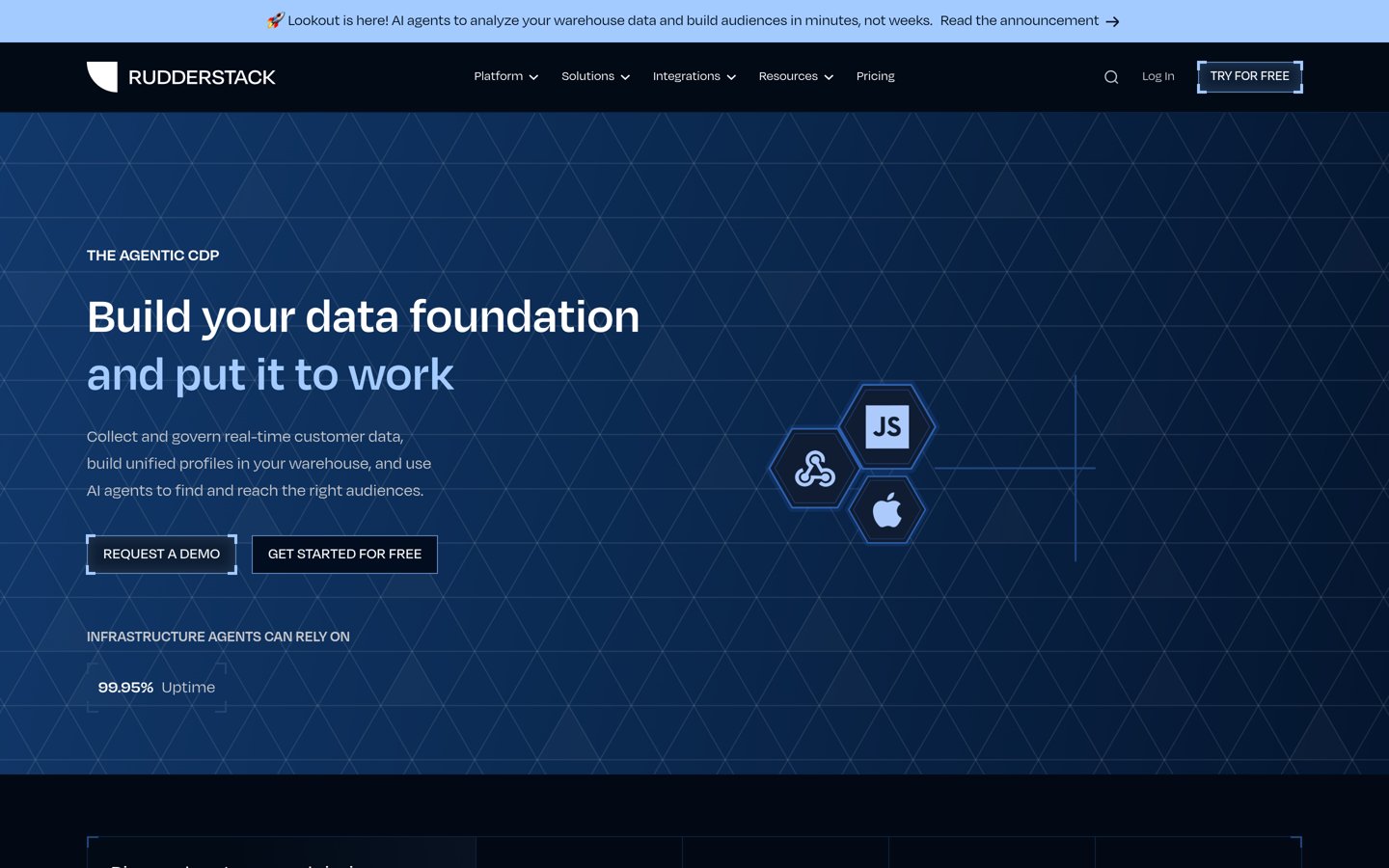
RudderStack is a warehouse-native CDP that builds customer profiles inside your own data warehouse instead of copying data elsewhere. It scores 4.7 out of 5 on G2 from 52 reviews, the highest here, and its core is open source.
The trade off is a small review base and a warehouse requirement. Only 52 G2 reviews support the 4.7 score, and you need Snowflake or BigQuery to use it well. It suits data teams who want control over their customer data.
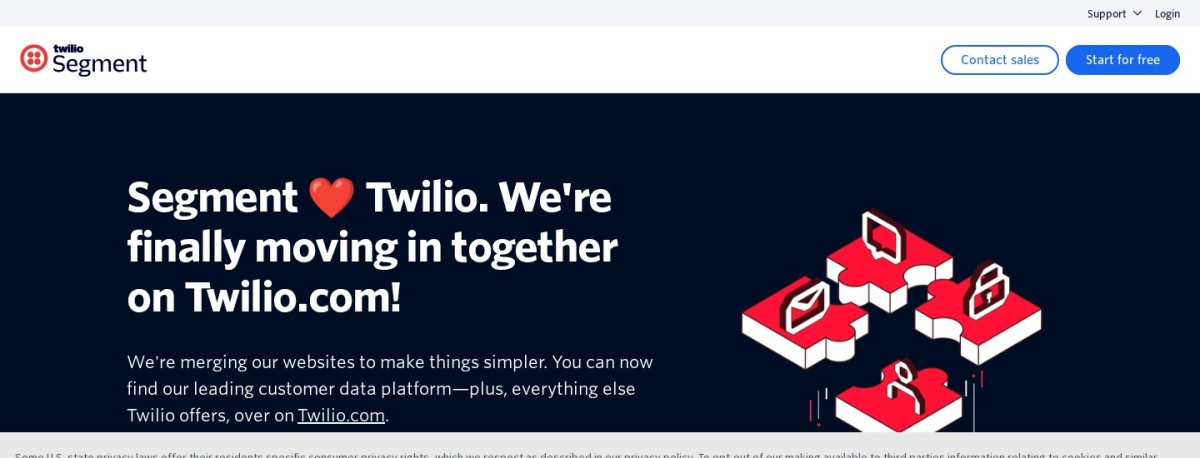
Segment is the most widely used CDP in this list, with more than 25,000 companies on its platform and 450 or more integrations. It scores 4.5 out of 5 on G2 from 567 reviews and is now part of Twilio, which adds messaging and data tools.
The trade off is price and a second data store. Segment does not publish a price, and its pricing page shows custom volume pricing only. It suits teams who want the largest integration catalogue and a proven platform.
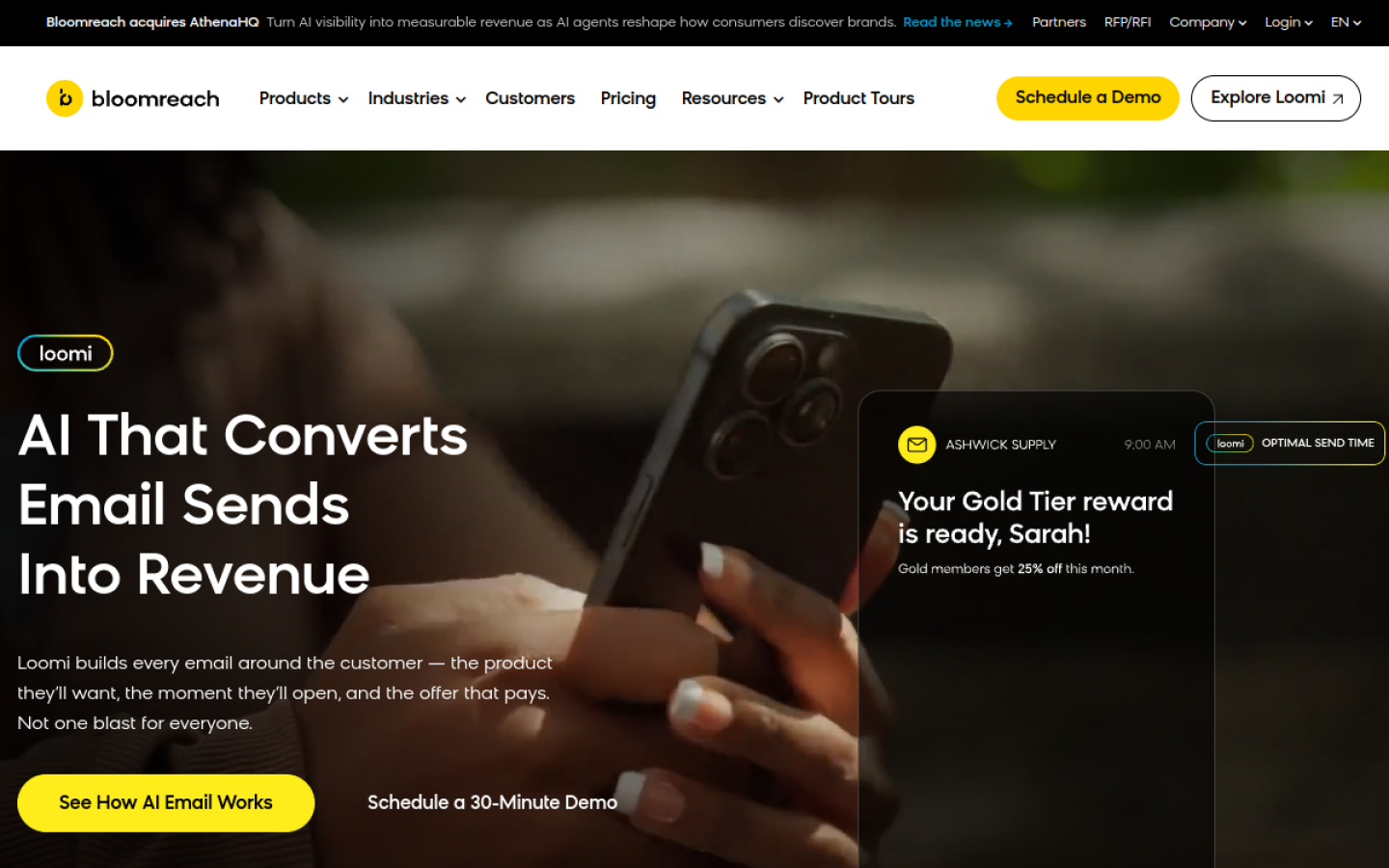
Bloomreach is a commerce platform with a CDP built in, so marketers get unified customer profiles beside search, content and email. It scores 4.6 out of 5 on G2 from 842 reviews, the most reviews in this list.
The trade off is commerce focus. Bloomreach suits retailers and brands more than B2B SaaS, and it does not publish a price. It suits marketers who want a CDP with commerce tools in the same platform.
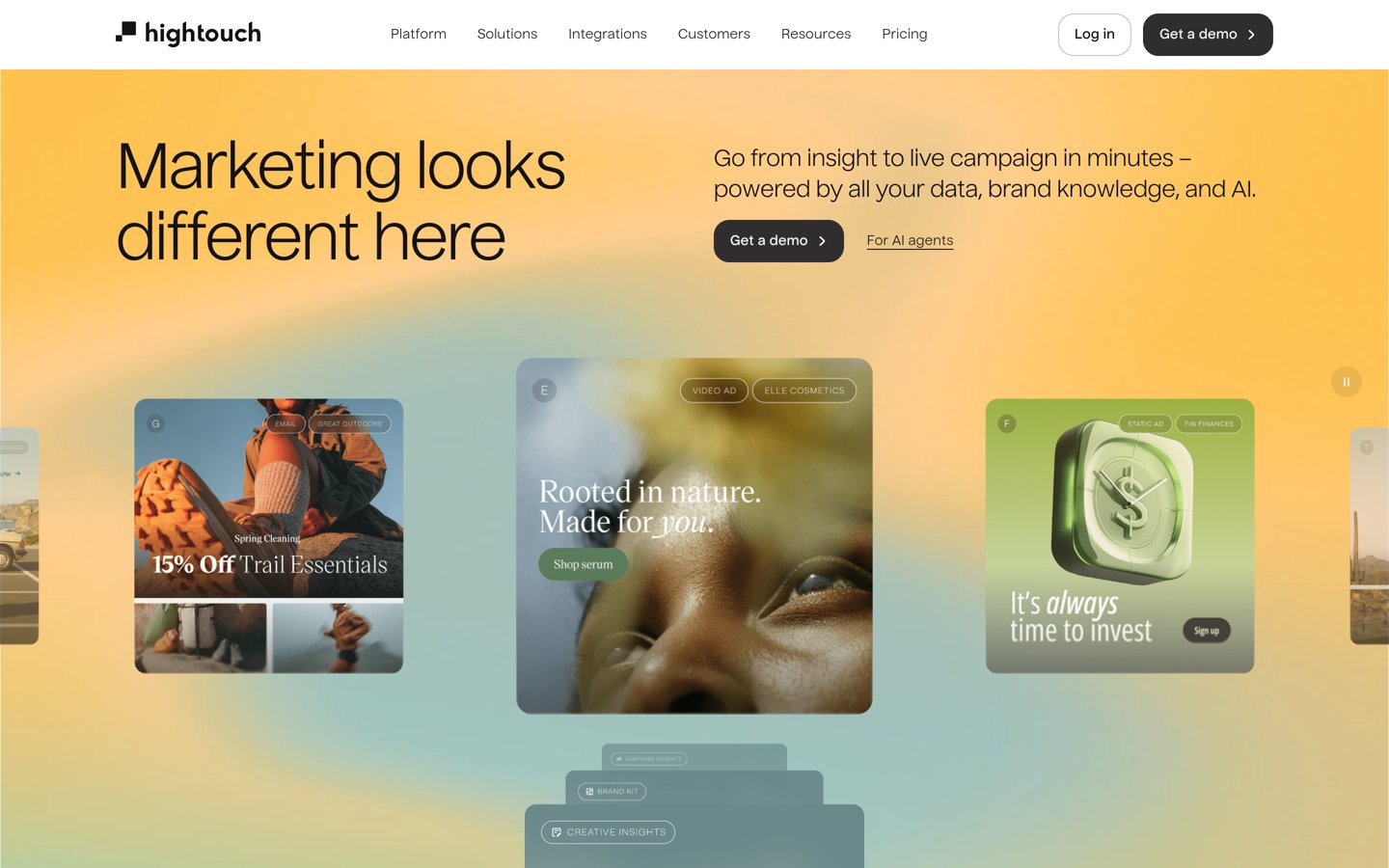
Hightouch is a warehouse-native CDP and reverse ETL tool that syncs customer data from your warehouse to more than 200 destinations. It scores 4.6 out of 5 on G2 from 421 reviews and suits teams who already run Snowflake or BigQuery.
The trade off is price. Hightouch does not publish a price, and a $350 a month starting figure in secondary roundups is not confirmed on its own page. It suits data teams who want warehouse-native sync without a second data store.
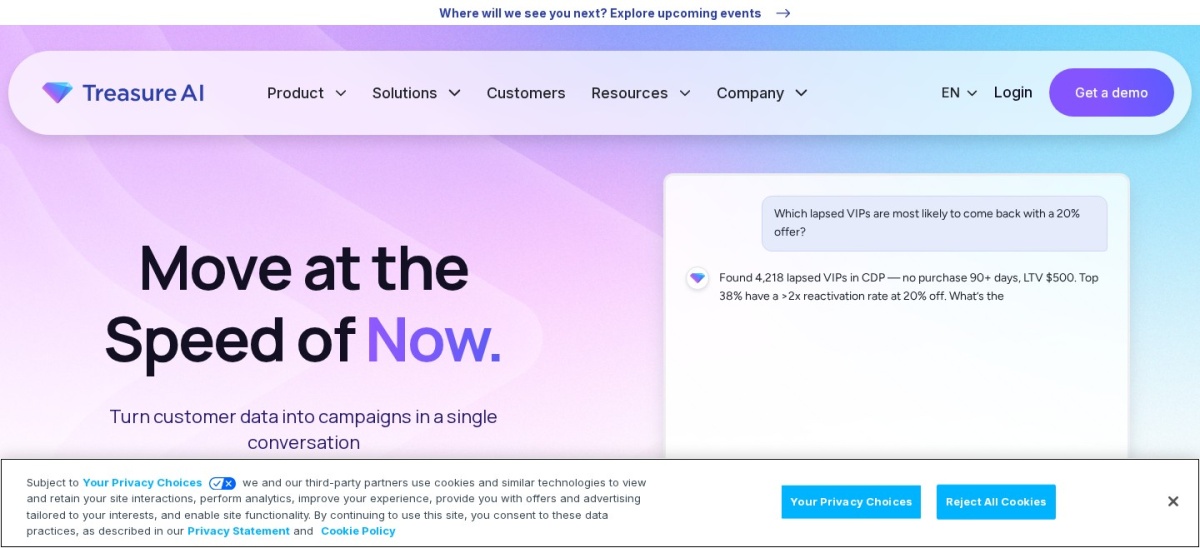
Treasure Data is an enterprise CDP built for huge data volumes, handling trillions of events for large brands. It scores 4.5 out of 5 on G2 from 165 reviews and is known for strong identity resolution and real-time profiles.
The trade off is enterprise focus and no published price. Treasure Data suits large brands with big data volumes, not small teams. It suits enterprises who need a CDP that scales to trillions of events.
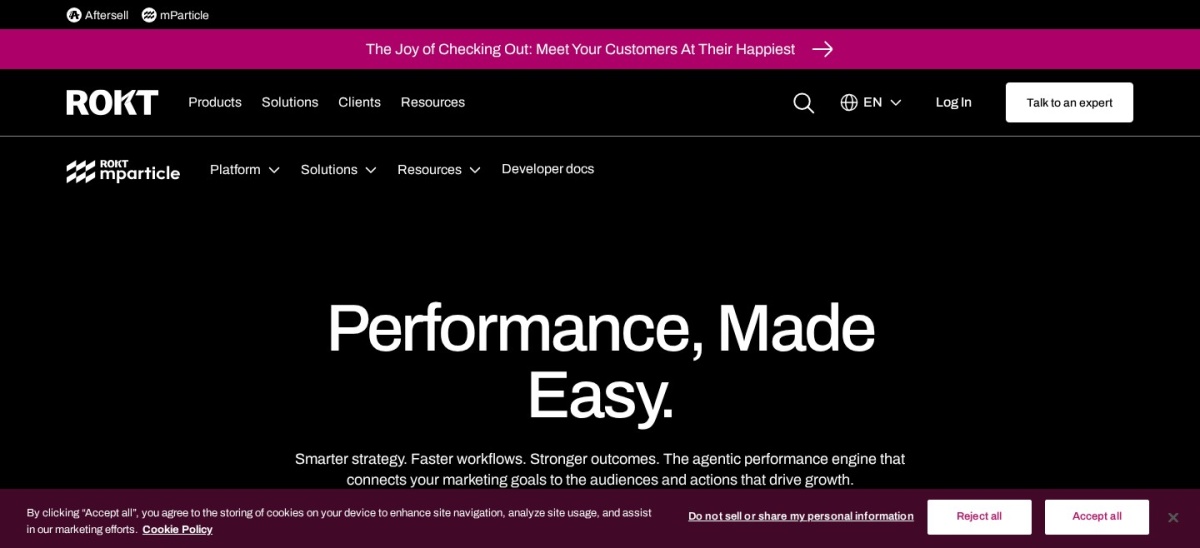
mParticle is a CDP built for mobile-first teams, with strong SDKs for iOS, Android and web that capture events at the source. It scores 4.4 out of 5 on G2 from 175 reviews and is known for clean mobile data collection.
The trade off is a lower G2 score than Segment or RudderStack, and no published price. It suits mobile-first teams who want clean event data from apps into every marketing tool.
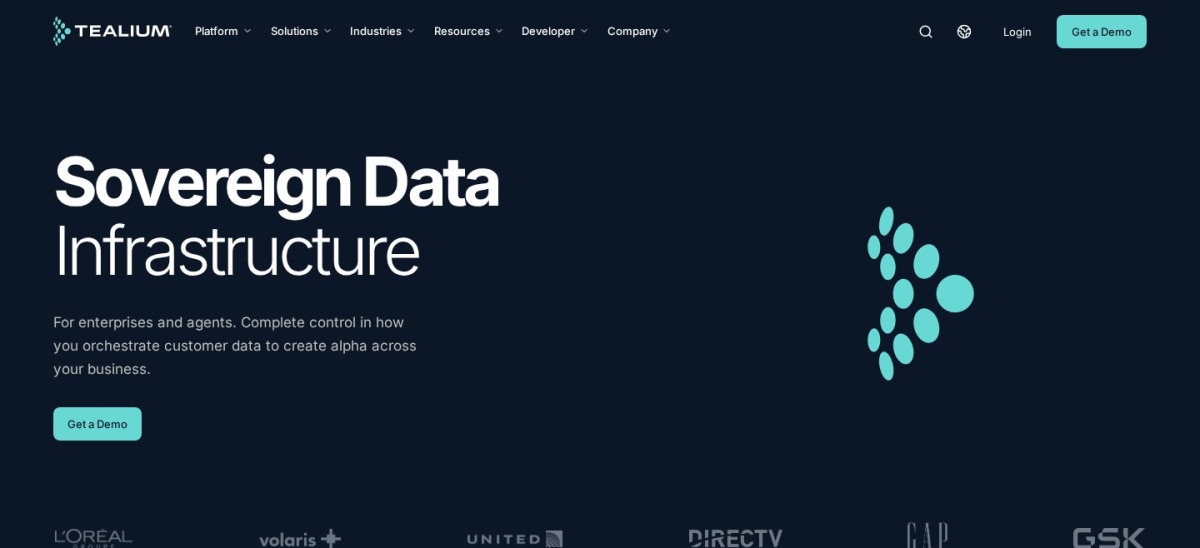
Tealium is a CDP with tag management built in, so teams can manage web tags and customer profiles in one platform. It scores 4.3 out of 5 on G2 from 479 reviews and serves more than 850 enterprise customers.
The trade off is the lowest G2 score here and no published price. It suits enterprises who want tag management and a CDP in one platform, with a long track record in the space.
Amperity is a CDP focused on AI-powered identity resolution, using patented matching to unify customer profiles across sources. It scores 4.4 out of 5 on G2 from 53 reviews and is known for strong retail and hospitality use.
The trade off is a small review base and no published price. Only 53 G2 reviews support the 4.4 score, and a $500,000 a year starting price listed on G2 is not confirmed by the vendor. It suits retailers who want AI identity matching.
ActionIQ is a composable CDP that lets enterprises build customer profiles from their own warehouse and data stack. It scores 4.1 out of 5 on G2 from 45 reviews and suits large brands who want a flexible, composable architecture.
The trade off is the lowest G2 score here and a small review base. Only 45 reviews support the 4.1 score, and it does not publish a price. It suits enterprises who want a composable CDP on their own stack.
A warehouse-native CDP builds customer profiles inside your own data warehouse, such as Snowflake or BigQuery, instead of copying data into a vendor database. RudderStack and Hightouch work this way, which means your data stays where it already lives.
The benefit is control and cost. There is no second copy of the data to pay for, and your team can query profiles with the SQL they already know. The trade-off is that you need a warehouse in the first place.
Packaged CDPs suit teams without a warehouse. Segment, Tealium and mParticle store profiles in their own systems, which means faster setup but a second data store to manage and pay for.
How we chose
We started from customer data platforms with a live product, a G2 profile and at least 40 reviews, then ranked them on G2 score, review count, identity resolution and integrations.
Ratings and review counts come from G2 on 25 November 2026, and prices come from vendor pricing pages where published. Where a vendor does not publish a price, we say so instead of guessing.
We left out platforms without a verifiable G2 rating. No vendor paid for a place, and we do not claim hands-on testing for this list.
How to choose a customer data platform
Match the CDP to your warehouse, your data sources and your team.
Decide warehouse-native or packaged. RudderStack and Hightouch build profiles inside your warehouse, while Segment, Tealium and mParticle store profiles themselves. Choose warehouse-native if you already run Snowflake or BigQuery.
List the sources and destinations you need. Check the CDP connects to your website, mobile app, CRM and ad platforms. Segment lists the widest catalogue; RudderStack covers the most warehouse destinations.
Test identity resolution on your own data. A demo profile is meaningless. Run a trial with your own data and check that the same person matches across web, mobile and email without duplicates.
Get the price in writing. No CDP here publishes a price. Ask every vendor what counts as a billable event or tracked user, and get the annual cost for your volume before signing.
FAQ
What is the best customer data platform?
RudderStack is the best customer data platform for data teams, with a 4.7 G2 score from 52 reviews and warehouse-native architecture. Segment suits teams who want the largest integration catalogue, and Bloomreach suits marketers who want commerce built in.
What does CDP stand for?
CDP stands for customer data platform. It collects customer data from every source, unifies it into one profile per customer, and sends it to the tools that need it, such as email, ads and analytics.
What is a warehouse-native CDP?
A warehouse-native CDP builds customer profiles inside your own data warehouse, such as Snowflake or BigQuery, instead of copying data into a vendor database. RudderStack and Hightouch work this way, which keeps data where it already lives.
How much does a CDP cost?
No CDP in this list publishes a price. Vendors quote by monthly tracked users or events, and Segment's own pricing page shows custom volume pricing only. Ask for a written quote at your volume before signing.
Is Segment or RudderStack better?
RudderStack scores higher on G2 at 4.7 from 52 reviews against Segment's 4.5 from 567 reviews, and it is warehouse-native. Segment has the largest integration catalogue and more than 25,000 companies using it. Data teams usually prefer RudderStack; marketing teams usually prefer Segment.
What is the difference between a CDP and a CRM?
A CDP unifies customer data from every source into one profile and sends it to other tools, while a CRM manages sales relationships and deals. A CDP feeds the CRM with clean, unified profiles, and the two work together.
SaaS SEO and WordPress specialist with about 8 years of experience. Rakib compares WordPress plugins, themes, hosting and software using public pricing, documentation and user reviews. See how we rank.