Wiz is the best CSPM tool for most teams, with the most G2 reviews here, agentless scanning and fast remediation. Orca Security suits teams who want deep cloud context, while Microsoft Defender for Cloud suits Azure-heavy shops.
How we make this list: we compare pricing pages, product documentation and public user reviews, then re-check every price before each update. No product paid for a place. Disclosure.
Wiz scores 4.7 out of 5 on G2 from 932 reviews, the most reviews in this list.
Orca Security also scores 4.7 out of 5, from 315 reviews, with agentless side scanning.
Microsoft Defender for Cloud costs $4.91 per server a month, the only per-unit price here.
Prisma Cloud was renamed Cortex Cloud in February 2025 after Palo Alto's platform shift.
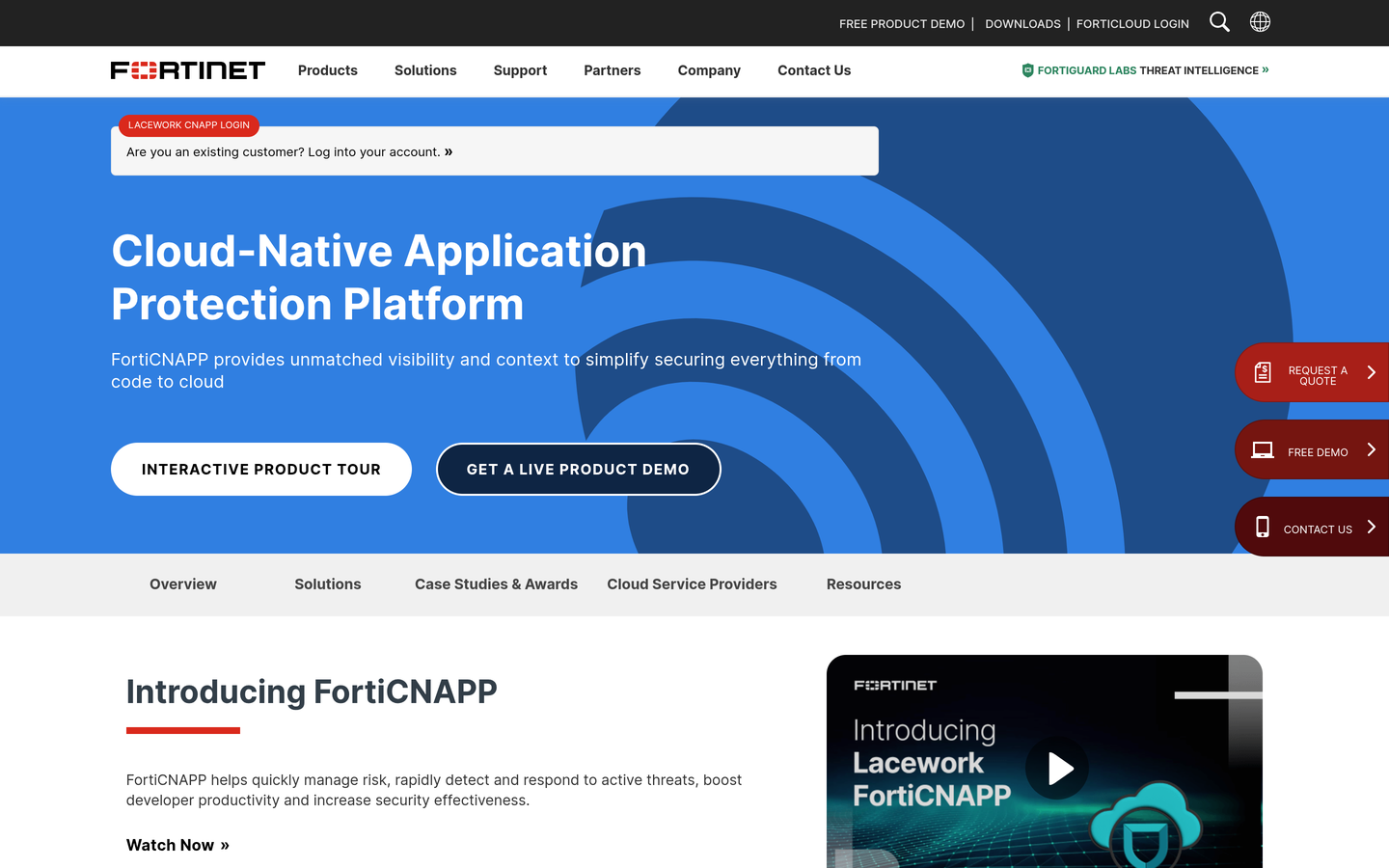
Lacework is now FortiCNAPP after Fortinet bought the company in August 2024.
What makes a good CSPM tool
A CSPM tool scans cloud accounts for misconfigurations, exposed storage, weak identities and compliance gaps, then ranks the risks that matter. It covers AWS, Azure and Google Cloud, and the best tools map every finding to a fix.
Agentless scanning is the key difference. Wiz, Orca and Sysdig scan cloud accounts without installing agents on every server, which means faster deployment and no agent maintenance. Agent-based tools go deeper on a single host but take longer to roll out.
Context decides which findings matter. A public storage bucket with no sensitive data is a lower risk than a private bucket that is reachable from the internet, and the best tools score risk by attack path, not just by rule count.
Pricing is rarely published. Vendors quote by cloud spend or asset count, and reported medians run from about $85,000 to $159,000 a year for the big names. Budget for an annual contract and ask what counts as a billable asset.
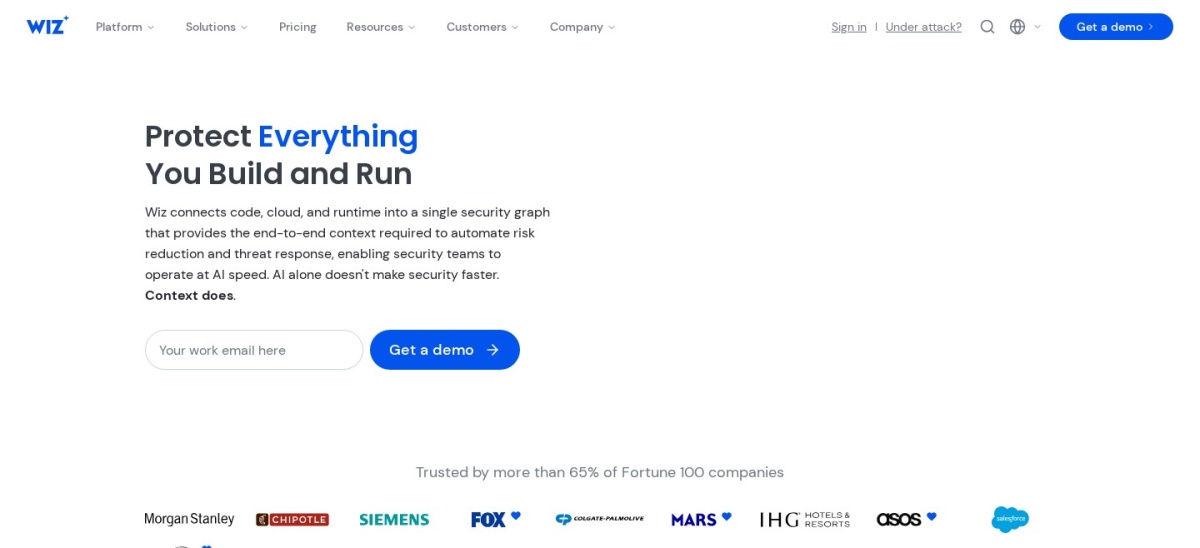
Wiz is the leading CSPM tool by adoption, with a 4.7 G2 score from 932 reviews and agentless scanning across AWS, Azure and Google Cloud. It maps findings to attack paths, so teams fix the risks that matter first, and it deploys in hours without agents.
The trade off is price. Wiz does not publish a price, and reported medians run near $159,000 a year, which puts it beyond small teams. It suits mid-size and large teams who want the fastest deployment and the broadest cloud coverage.
Orca Security is a CSPM tool known for deep cloud context, with agentless side scanning that reads snapshots without touching live workloads. It scores 4.7 out of 5 on G2 from 315 reviews and maps findings to attack paths across AWS, Azure and Google Cloud.
The trade off is price and scale. Orca does not publish a price, with reported medians near $97,500 a year, and it has fewer reviews than Wiz. It suits teams who want deep context on every finding before they fix it.
Sysdig is a cloud security platform that combines CSPM with runtime security, scanning cloud configuration agentlessly and watching live workloads for threats. It scores 4.7 out of 5 on G2 from 118 reviews and is known for strong container and Kubernetes coverage.
The trade off is a smaller review base and a reported median near $85,000 a year. It suits teams who run containers and Kubernetes and want posture and runtime security in one platform.
Microsoft Defender for Cloud homepage, captured Nov 2026.
Microsoft Defender for Cloud is the native security posture tool for Azure, with coverage for AWS and Google Cloud too. It scores 4.4 out of 5 on G2 from 462 reviews and costs $4.91 per server a month, the only per-unit price in this list.
The trade off is Azure focus. Defender for Cloud works best inside Azure and is less deep on AWS and Google Cloud than Wiz or Orca. It suits Azure-heavy teams who want native integration and a published price.
4.6/5on G2 (Not published reviews, checked Nov 2026)
PricingCustom/yr
Best for vulnerability-led CSPM
G2 rating4.6
ScanningAgentless and agent
CloudsAWS, Azure, GCP
StrengthVulnerability data
tenable.com
Tenable Cloud Security homepage, captured Nov 2026.
Tenable Cloud Security is a cloud posture tool that brings Tenable's vulnerability expertise to the cloud, with deep scanning across AWS, Azure and Google Cloud. It scores 4.6 out of 5 on G2 and is known for strong vulnerability data and compliance reporting.
The trade off is a missing review count and no published price. G2 lists the 4.6 rating without a review count in the sources used, so the score rests on a thinner base. It suits teams who already use Tenable for vulnerability management.
Lacework is a cloud security platform that Fortinet bought in August 2024 and renamed FortiCNAPP. It scores 4.4 out of 5 on G2 from 382 reviews and covers AWS, Azure and Google Cloud with agentless and agent-based scanning.
The trade off is the rename and a 2025 review count. Buyers should confirm the FortiCNAPP roadmap and pricing, since the Lacework brand is going away. It suits Fortinet customers who want cloud security inside the Fortinet stack.
Check Point CloudGuard homepage, captured Nov 2026.
Check Point CloudGuard is the cloud security arm of Check Point, with posture management, workload protection and network security in one platform. It scores 4.4 out of 5 on G2 from 123 reviews and suits teams who already run Check Point firewalls.
The trade off is a small review base and no published price. Only 123 G2 reviews support the 4.4 score, and the review count comes from a 2025 listing. It suits Check Point customers who want cloud security in the same stack.
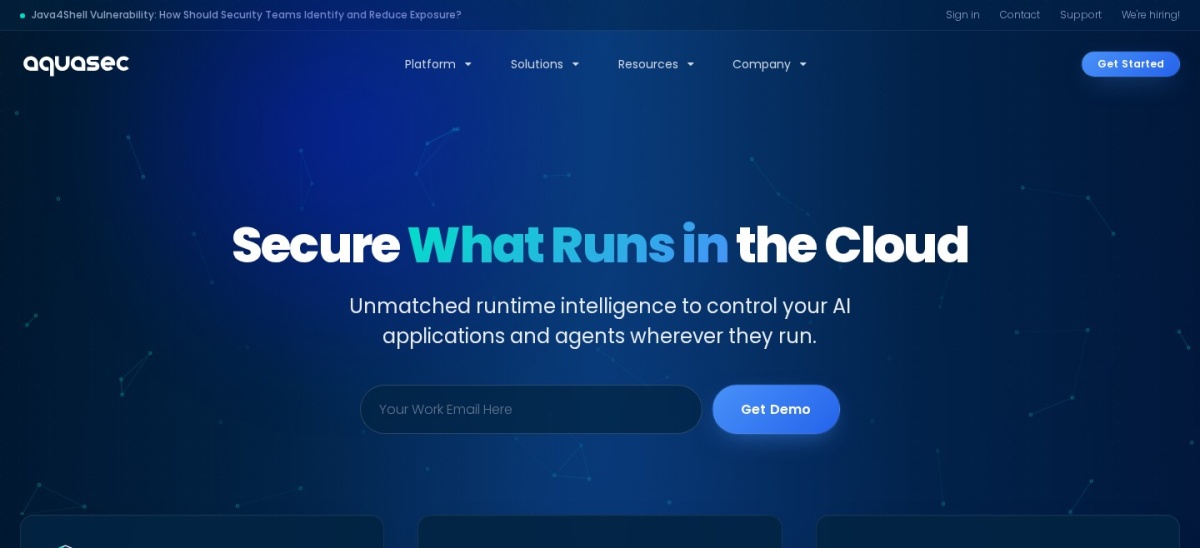
Aqua Security is a cloud security platform with deep container and Kubernetes expertise, plus posture management across AWS, Azure and Google Cloud. It scores 4.2 out of 5 on G2 from 57 reviews and is known for strong runtime protection.
The trade off is the lowest G2 score here and a small review base. Only 57 reviews support the 4.2 score, and the count comes from a 2025 listing. It suits container-first teams who want posture and runtime security together.
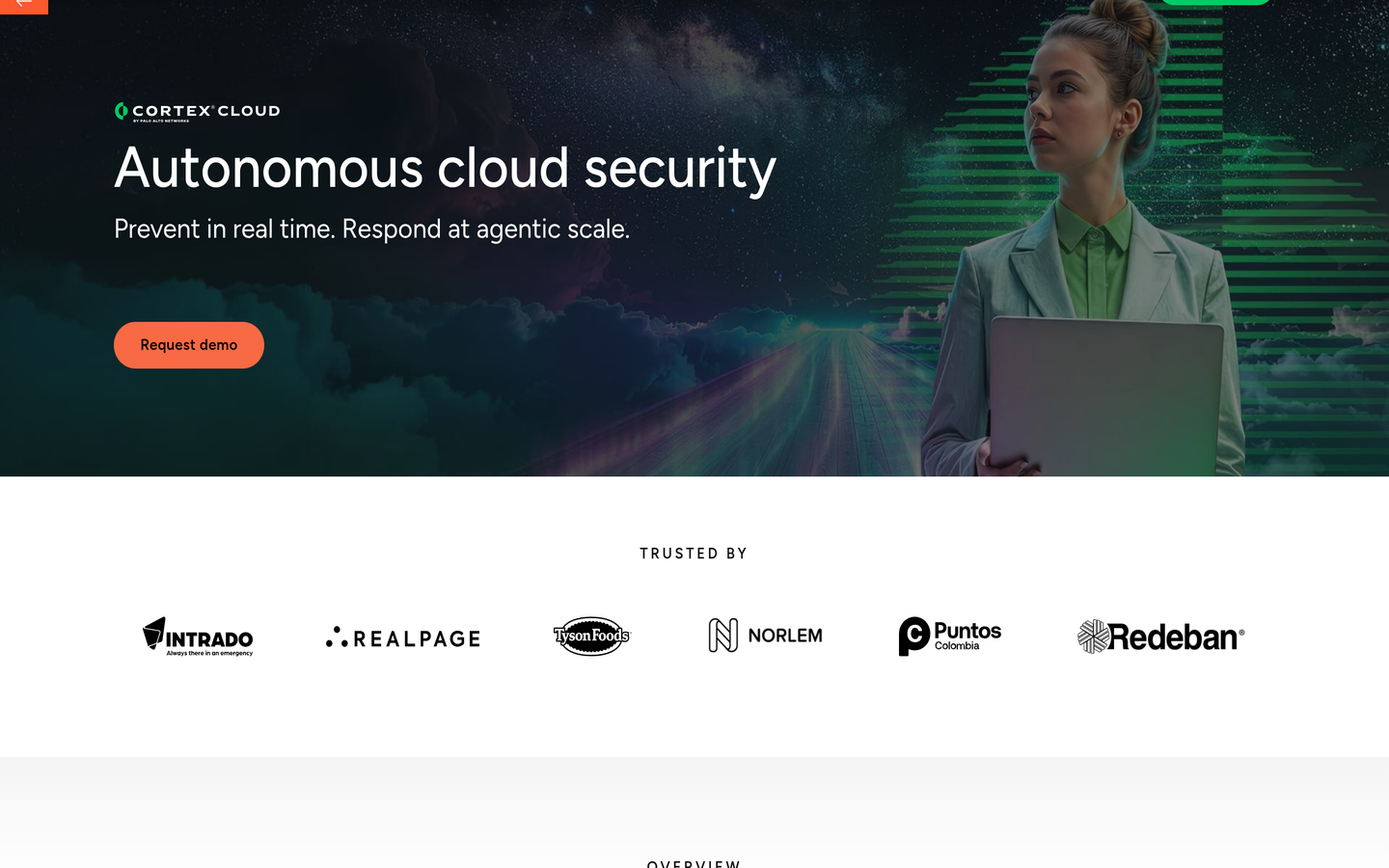
Prisma Cloud is Palo Alto Networks' cloud security platform, renamed Cortex Cloud in February 2025, with posture management, workload protection and code security in one suite. It scores 4.1 out of 5 on G2 from 128 reviews.
The trade off is the lowest G2 score here and the rename. Buyers should confirm the Cortex Cloud roadmap and pricing, since the Prisma Cloud brand is going away. It suits Palo Alto customers who want cloud security in the same stack.
Agentless scanning reads cloud APIs and snapshots instead of installing software on every server. Wiz and Orca built their platforms this way, which means deployment takes hours instead of weeks and there is no agent to patch.
The trade-off is depth. Agentless scans see configuration and snapshots, while agents see live processes and memory. Most teams start agentless and add runtime agents only where they need deeper visibility.
Check what your tool can see. Ask whether it covers AWS, Azure and Google Cloud, whether it scans containers and serverless, and whether it maps findings to attack paths instead of listing every misconfiguration.
How we chose
We started from CSPM tools with a live product, a G2 profile and at least 50 reviews, then ranked them on G2 score, review count, cloud coverage and remediation.
Ratings and review counts come from G2 on 25 November 2026, and prices come from vendor pricing pages where published. Where a vendor does not publish a price, we say so instead of guessing.
We left out tools without a verifiable G2 rating. No vendor paid for a place, and we do not claim hands-on testing for this list.
How to choose a CSPM tool
Match the tool to your clouds, your team size and how you fix findings.
List the clouds and services you run. Check the tool covers AWS, Azure and Google Cloud, plus containers and serverless. Wiz and Orca cover the widest range; Defender for Cloud suits Azure-heavy shops.
Test agentless deployment on one account. Agentless tools deploy in hours. Run a trial on a single account and check how long the first full scan takes and how many findings are real risks.
Check remediation, not just findings. A long list of misconfigurations is useless without fixes. Look for one-click remediation, pull-request fixes and ticketing integrations that your team will actually use.
Get the price in writing. Only Defender for Cloud publishes a per-unit price, at $4.91 per server a month. Ask every vendor what counts as a billable asset and what the annual contract costs.
FAQ
What is the best CSPM tool?
Wiz is the best CSPM tool for most teams, with a 4.7 G2 score from 932 reviews, agentless scanning and fast remediation. Orca Security suits teams who want deep cloud context, and Microsoft Defender for Cloud suits Azure-heavy shops.
What does CSPM stand for?
CSPM stands for cloud security posture management. It is software that scans cloud accounts for misconfigurations, exposed storage, weak identities and compliance gaps, then ranks the risks and helps fix them.
Is Wiz or Orca better for CSPM?
Both score 4.7 out of 5 on G2, with Wiz holding 932 reviews against Orca's 315. Wiz has broader market adoption, while Orca is known for deep cloud context and side scanning. Trial both on one account and compare real findings.
How much does a CSPM tool cost?
Only Microsoft Defender for Cloud publishes a per-unit price, at $4.91 per server a month. Other vendors quote by cloud spend or asset count, with reported medians from about $85,000 to $159,000 a year for Wiz, Orca and Sysdig.
What is the difference between CSPM and CNAPP?
CSPM scans cloud configuration for misconfigurations and compliance gaps, while CNAPP adds runtime protection, workload scanning and identity security in one platform. Most CSPM vendors now sell CNAPP suites, including Wiz, Orca and Prisma Cloud, now Cortex Cloud.
Do I need agents for CSPM?
No. Wiz, Orca and Sysdig scan cloud accounts without agents, using APIs and snapshots, which means deployment in hours. Agents add deeper runtime visibility but take longer to roll out and need patching.
SaaS SEO and WordPress specialist with about 8 years of experience. Rakib compares WordPress plugins, themes, hosting and software using public pricing, documentation and user reviews. See how we rank.