Best Content Analytics Software in 2026: 7 Tools Compared
WLWPLegible EditorsLast verified 22 Nov 2026How we rank11 min read
★ Short answer
Contentsquare is the best content analytics software overall for understanding how visitors interact with published content, with a free plan covering 200,000 monthly sessions. Mouseflow is a strong alternative for session recordings and engagement analysis, while BuzzSumo is better for researching which articles and topics earn social engagement.
How we make this list: we compare pricing pages, product documentation and public user reviews, then re-check every price before each update. No product paid for a place. Disclosure.
Contentsquare offers a free plan covering 200,000 monthly sessions, with paid Growth access starting at $39/month on annual billing.
Mouseflow earns 4.6/5 from 695 G2 reviews and offers a free allowance of 500 sessions, with Essential from $25/month annually.
BuzzSumo analyzes content engagement across an index of billions of articles, with paid access starting at $199/month billed annually.
Plerdy earns 4.7/5 from 323 G2 reviews and combines heatmaps, SEO audits and conversion tracking.
Crazy Egg starts at $29/month billed annually, including 5,000 tracked pageviews and 50 recordings per month.
ContentStudio supports 5 social accounts on its Standard plan and earns 4.6/5 from 355 G2 reviews.
What content analytics software should measure
Content analytics software helps marketers understand what happens after an article, landing page or social post goes live. Useful metrics include traffic sources, engagement, conversions, audience behavior and the performance of individual pieces of content.
Different platforms answer different questions. Behavior analytics tools show where people click, scroll or abandon a page. Content research tools measure social engagement and trending topics. SEO platforms track keyword visibility and competitive search performance.
For editorial teams, engagement quality often matters more than raw pageviews. A page attracting visitors but generating few meaningful interactions may need better structure, clearer calls to action or a stronger connection to reader intent.
Before buying, check whether the software measures your own website, competitor content or both. Also compare tracking limits, data retention, integrations and the ability to connect content performance with business outcomes.
Contentsquare is a digital experience analytics platform that helps teams understand how visitors engage with articles, landing pages and website journeys. Its free Experience Analytics plan covers 200,000 monthly sessions and includes session replays, heatmaps, funnels, basic surveys and error monitoring.
The trade off is that advanced journey analysis, longer data access and AI summaries require paid access. Growth starts at $39 per month with annual billing, compared with the displayed $49 monthly price. It suits publishers and marketing teams that need visual evidence of how readers interact with their content.
What we like
Generous free session allowance
Session recordings, heatmaps and funnels included
Visual insights help identify content friction
Growth adds journey analysis and AI summaries
Watch out for
Advanced attribution requires higher plans
Free data history is limited
Enterprise-level capabilities use custom pricing
Growth adds journey analysis, longer data access and AI-generated insights.Visit contentsquare.com
02
Mouseflow
4.6/5on G2 (695 reviews, checked Nov 2026)
Paid from$25/mo
Best for understanding reader behavior
Free sessions500/month
Essential sessions5,000/month
Websites1 on Essential
Essential data history3 months
mouseflow.com
Mouseflow homepage, captured Nov 2026.
Mouseflow is a behavior analytics platform for identifying how readers interact with web pages. Its free plan includes 500 sessions, session replays, click and scroll heatmaps, friction detection and one month of data history. These features help publishers identify confusing navigation and sections readers overlook.
The trade off is that advanced surveys, additional heatmap types and longer data retention require higher tiers. Essential costs $25 per month billed annually and includes 5,000 sessions plus access to Ask Mina AI. It suits bloggers and marketing teams that want practical visitor-behavior insights without an enterprise analytics budget.
What we like
Free plan with recordings and heatmaps
Automatic friction detection
Entry plan includes Ask Mina AI
Useful for diagnosing landing-page engagement
Watch out for
Free plan has a small session allowance
Feedback surveys require Advanced
Form analytics are reserved for higher plans
Essential adds more sessions, AI questions and longer data history.Visit mouseflow.com
03
BuzzSumo
4.5/5on G2 (107 reviews, checked Nov 2026)
Starts at$199/mo
Best for content research and social engagement
Entry planContent Creation
Users1
SearchesUnlimited
Content alerts2
buzzsumo.com
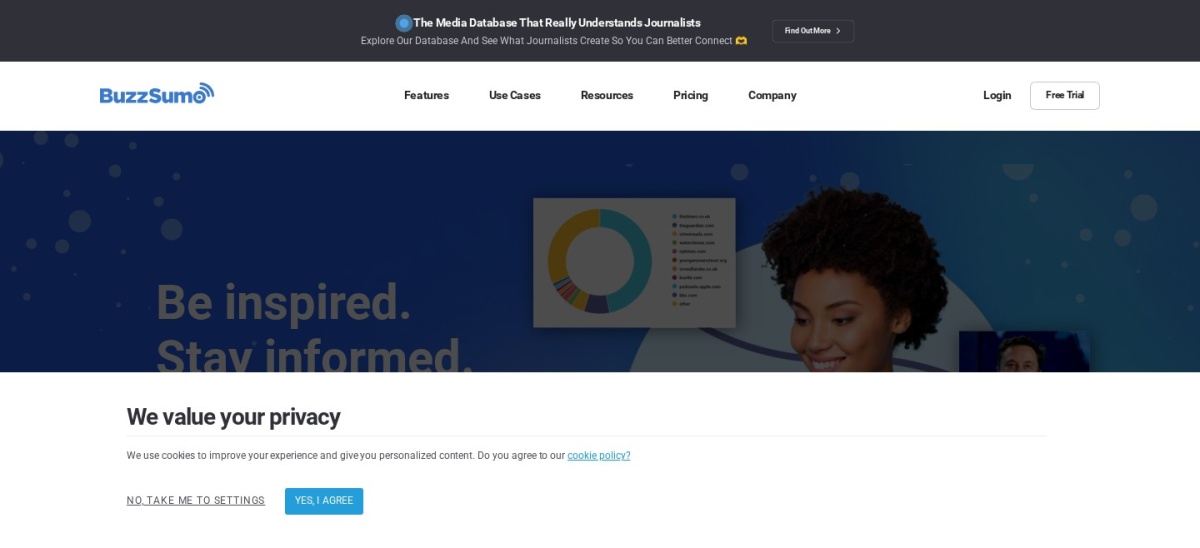
BuzzSumo homepage, captured Nov 2026.
BuzzSumo is a content research and analytics platform for discovering which articles and topics attract online engagement. Its Content Creation plan includes one user, unlimited searches and two alerts. Content Analyzer, Trending Feeds and Question Analyzer help marketers research successful articles, emerging topics and audience questions.
The trade off is that BuzzSumo focuses on external content research rather than tracking detailed visitor behavior on your website. Content Creation costs $199 per month billed annually, with monthly billing priced higher. It suits editorial strategists, content marketers and digital PR teams that need competitive content insights.
What we like
Content engagement analysis across topics and domains
Unlimited searches on the entry plan
Trending feeds support editorial planning
Question research helps identify audience interests
Watch out for
Expensive for individual bloggers
Entry plan includes only one user
Does not replace first-party website analytics
PR & Comms adds more users and expanded monitoring capabilities.Visit buzzsumo.com
04
Semrush
4.4/5on G2 (4,323 reviews, checked Nov 2026)
Paid from$139/mo
Best for SEO content performance and competitors
Entry planSEO
Tracked websites5
Tracked keywords500
Annual billing$117.33/mo
semrush.com
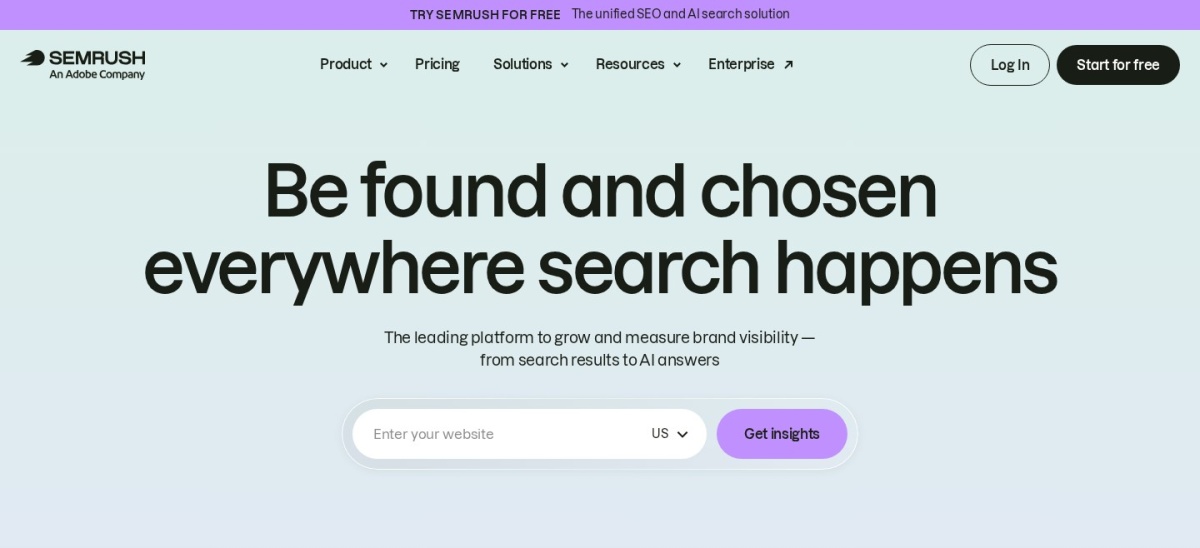
Semrush homepage, captured Nov 2026.
Semrush is a search marketing analytics platform that helps teams measure organic visibility and research competing content. Its entry SEO plan supports monitoring 5 websites and tracking 500 keywords daily, with keyword research, competitor analysis, position tracking, site audits and AI search reporting.
The trade off is that Semrush measures search visibility more directly than reader engagement, and advanced content optimization requires additional capabilities. The regular monthly SEO price is $139, while annual billing lowers it to $117.33 per month. It suits SEO professionals and content teams focused on organic discovery and competitive visibility.
What we like
Keyword ranking and competitive visibility analysis
Site audits help identify technical problems
AI search visibility features included
Broad SEO research capabilities
Watch out for
Higher subscription cost
Not a dedicated reader-behavior analytics platform
Advanced content features require expanded plans
Starter adds broader SEO and AI visibility capabilities.Visit semrush.com
05
Plerdy
4.7/5on G2 (323 reviews, checked Nov 2026)
Paid from$32/mo
Best for combining content engagement and SEO checks
Entry planStartup
Heatmap allowance500 daily
Video sessions5,000
SEO audit allowance10,000
plerdy.com
Plerdy homepage, captured Nov 2026.
Plerdy is a website analytics platform combining heatmaps, session recordings, SEO checks, conversion tracking and testing. Its free plan includes allowances for heatmaps, recordings and SEO audits. Startup expands capacity to 500 daily heatmap views, 5,000 video sessions and a 10,000-page SEO audit allowance.
The trade off is that Plerdy combines several functions, so teams wanting advanced reporting in one discipline may need a specialized tool. Startup lists a regular $32 monthly price, reduced to $21 per month with annual billing. It suits website owners who want to connect content engagement, SEO health and conversion behavior.
What we like
Free plan available
Combines SEO and behavioral analytics
Heatmaps and session recordings included
A/B testing and conversion tracking available
Watch out for
Multiple feature allowances to monitor
Free plan restricts analyzed pages
Advanced reporting may require additional tools
Startup increases heatmap, recording, SEO audit and conversion allowances.Visit plerdy.com
06
Crazy Egg
4.2/5on G2 (128 reviews, checked Nov 2026)
Starts at$29/mo
Best for improving landing-page content
Entry planStarter
Tracked pageviews5,000/month
Heatmap reports5
Session recordings50/month
crazyegg.com
Crazy Egg homepage, captured Nov 2026.
Crazy Egg is a visual website analytics platform that shows where visitors click, scroll and interact with page content. Its Starter plan includes 5,000 tracked pageviews monthly, 5 heatmap reports, 50 recordings, unlimited website domains and unlimited team members. Funnel reports, conversion tracking and surveys are also included.
The trade off is that entry-level tracking limits are relatively small for high-traffic content websites. Starter costs $29 per month billed annually, with a 30-day trial available. It suits marketers who want to improve article layouts, landing pages and calls to action using visual visitor data.
What we like
Heatmaps make engagement patterns easier to interpret
Plus increases tracking to 150,000 monthly pageviews and 1,000 recordings.Visit crazyegg.com
07
ContentStudio
4.6/5on G2 (355 reviews, checked Nov 2026)
Starts at$29/mo
Best for social media content analytics
Entry planStandard
Social accounts5
Users1
Workspaces1
contentstudio.io
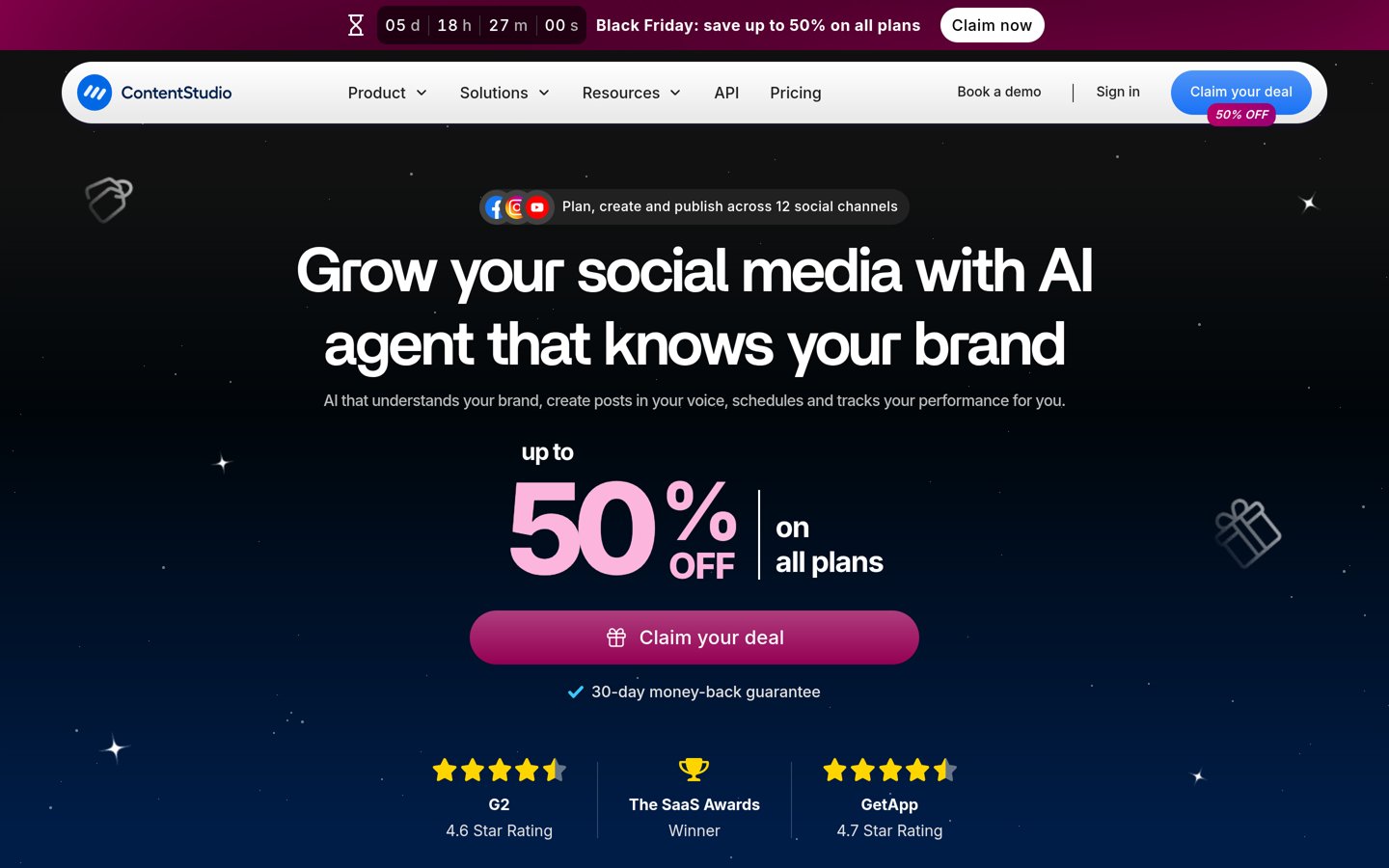
ContentStudio homepage, captured Nov 2026.
ContentStudio is a social media and content marketing platform for discovering, publishing and analyzing posts. Its Standard plan includes 5 social accounts, unlimited posting, one workspace and one user. The wider platform offers social analytics, competitor benchmarking, content discovery and scheduling.
The trade off is that ContentStudio focuses mainly on social publishing and engagement rather than detailed website visitor analysis. Standard has a regular monthly price of $29, with annual billing advertised at $19 per month. It suits social media managers and content teams that want performance reporting alongside their publishing calendar.
What we like
Combines content scheduling with social analytics
Competitor benchmarking capabilities
Content discovery supports topic research
Multiple social accounts in the entry plan
Watch out for
Not a replacement for website analytics
Entry plan supports one user
Advanced reporting requires higher subscriptions
Higher plans expand accounts, collaboration and reporting capabilities.Visit contentstudio.io
Which content performance metrics matter most?
Traffic shows whether content attracts visitors, but it does not explain whether readers find it useful. Pair traffic data with engagement signals, scroll behavior, meaningful clicks and conversions to build a clearer performance picture.
Search visibility helps identify articles that attract organic discovery. Rankings, search impressions and landing-page performance reveal where a content strategy is gaining or losing visibility.
Behavioral metrics explain what happens once visitors arrive. Heatmaps, session recordings and funnel reports can expose weak navigation, confusing layouts and calls to action that users overlook.
For commercial content, connect engagement with measurable outcomes. Newsletter sign-ups, qualified leads and purchases often provide better evidence of business value than pageviews alone.
Behavior analytics vs SEO analytics vs social analytics
Behavior analytics tools such as Contentsquare, Mouseflow and Crazy Egg focus on interactions within your website. They help explain where visitors click, how far they scroll and where they abandon journeys.
SEO analytics tools such as Semrush examine how content performs in search results. They are useful for monitoring rankings, researching competitors and identifying search optimization opportunities.
BuzzSumo and ContentStudio address different parts of social content performance. BuzzSumo focuses on research and engagement across published content, while ContentStudio connects social analytics with content management and scheduling.
These categories overlap, but they are not interchangeable. Choose based on the decisions your team needs to make, not simply the number of dashboards or features offered.
How we chose
We selected established content analytics platforms covering website engagement, reader behavior, search visibility, social performance and competitive content research. The shortlist was informed by product documentation, vendor pricing pages and publicly available G2 reviews. Products were ranked by practical relevance to content teams rather than review scores alone.
Pricing, feature limits and public ratings were reviewed using official vendor pages and G2 listings, with 22 Nov 2026 as the editorial reference date. Monthly prices are converted into annual costs for comparison. Where vendors advertise annual-billing discounts alongside higher regular monthly prices, both are distinguished in the product descriptions.
We excluded platforms without accessible public entry pricing and products lacking sufficient public reviews. We also left out analytics products whose primary purpose was unrelated to content performance, along with tools that only publish custom enterprise quotes. No vendor paid for a place, and we do not claim testing for this list.
How to choose content analytics software
Identify the content decisions you need to improve, then compare the tracking methods, reporting depth and subscription limits of each platform.
Define your main content performance goal. Choose behavior analytics when you need to understand what readers do on your website. Prioritize SEO reporting for organic search performance and social analytics for published social campaigns. Different goals require different measurement methods.
Check what the platform actually tracks. Review whether the software collects first-party website interactions, search ranking data or third-party content engagement. Confirm that the reports cover the channels, events and outcomes your team needs to measure.
Compare tracking limits and data retention. Look at monthly sessions, pageviews, recorded visits, supported websites and reporting history. A low-priced plan may be sufficient for a smaller site but restrictive for a publication with substantial traffic.
Connect insights to measurable improvements. Choose software that helps turn reporting into decisions. Useful capabilities include landing-page comparisons, conversion funnels, search visibility monitoring and competitor benchmarks. Establish a reporting routine and review whether changes improve meaningful outcomes.
FAQ
What is the best content analytics software overall?
Contentsquare is the top overall choice for analyzing how visitors interact with website content. Its free plan includes 200,000 monthly sessions, session recordings, heatmaps and funnels. Teams focused specifically on social engagement or search rankings may find BuzzSumo or Semrush more suitable.
What is content analytics software?
Content analytics software measures how published articles, landing pages, videos or social posts perform. Depending on the platform, it can track visitors, engagement, scroll behavior, traffic sources, keyword visibility and conversions. These insights help marketers improve content strategy and prioritize updates.
Is there free content analytics software?
Yes. Contentsquare offers a free Experience Analytics plan covering 200,000 monthly sessions. Mouseflow includes 500 free sessions, and Plerdy provides a free tier with limits on heatmaps, recordings and SEO audits. These options are useful for smaller websites before investing in paid analytics.
What is the difference between content analytics and Google Analytics?
Google Analytics primarily measures website and app activity through events, traffic reports and conversions. Specialized content analytics software may add detailed reader behavior, social engagement research, competitive content insights or editorial workflows. Many teams use specialized platforms alongside general website analytics.
Which content analytics tool is best for SEO?
Semrush is a suitable choice for content teams prioritizing organic search performance. Its entry SEO plan supports monitoring five websites and tracking 500 keywords daily. It also provides keyword research, competitive visibility and technical audits that help inform content optimization.
Which platform is best for measuring reader engagement?
Contentsquare and Mouseflow are strong choices for reader engagement analysis. Their heatmaps and session recordings help explain which parts of a page attract attention and where visitors encounter problems. Mouseflow is particularly approachable for smaller websites because it includes a permanent free tier.
Can content analytics software improve conversion rates?
Content analytics can reveal issues that affect conversions, such as confusing layouts, weak calls to action or pages that fail to guide visitors toward the next step. Tools such as Crazy Egg and Plerdy provide visual interaction data and conversion-related reporting. Improvements still require careful implementation and measurement.
Which tool is best for competitor content analysis?
BuzzSumo is useful for researching articles, trending topics and social engagement across competing publishers. Semrush is better suited to researching competitor keyword visibility and organic search opportunities. The right platform depends on whether social engagement or search performance drives your content strategy.
How much does content analytics software cost?
Entry pricing varies considerably. Mouseflow Essential starts at $25 per month with annual billing, Crazy Egg Starter lists $29 per month billed annually, and Contentsquare Growth starts at $39 per month annually. Specialized research platforms such as BuzzSumo cost considerably more, so compare features and allowances before subscribing.