Best Competitive Analysis Tools in 2026: 8 Tools Compared
WLWPLegible EditorsLast verified 22 Nov 2026How we rank13 min read
★ Short answer
Semrush is the best competitive analysis tool overall, with competitor keyword research, website monitoring and 500 daily tracked keywords on its $117.33/month annual SEO plan. Ahrefs is better for backlink research, while SpyFu offers more affordable competitor PPC intelligence starting at $33/month billed annually.
How we make this list: we compare pricing pages, product documentation and public user reviews, then re-check every price before each update. No product paid for a place. Disclosure.
Semrush leads overall with SEO competitor research, website monitoring and 500 daily tracked keywords from $117.33/month billed annually.
Ahrefs Starter costs $29/month and includes 200 monthly credits, 50 tracked keywords and one unverified project.
SpyFu Basic costs $33/month billed annually and includes 5,000 weekly tracked keyword rankings and 10,000 export rows.
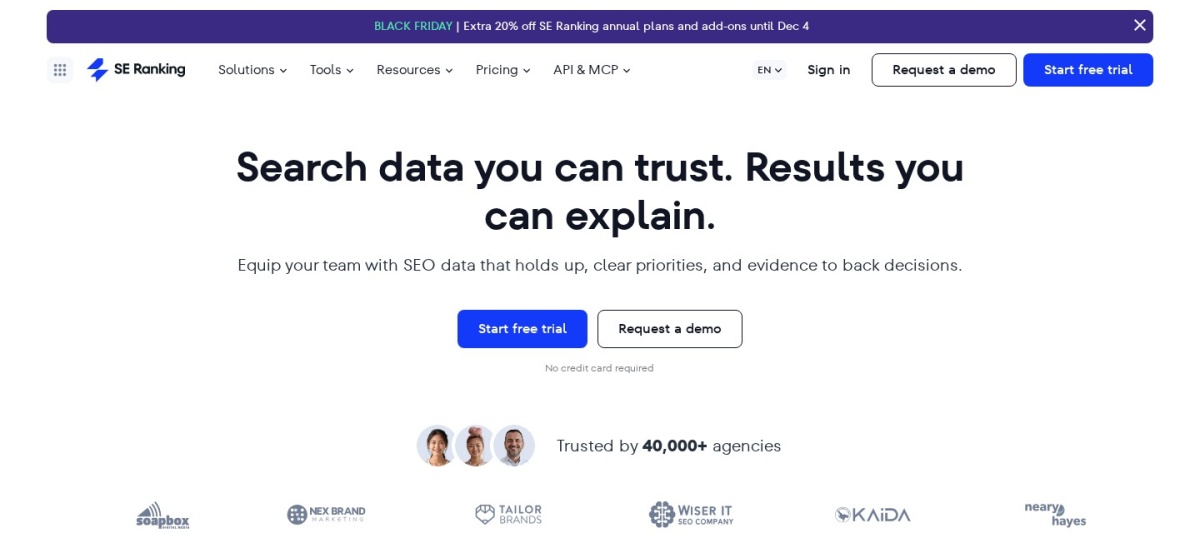
SE Ranking earns 4.8/5 from 1,495 G2 reviews and includes 10 projects and 2,000 daily tracked keywords on Core.
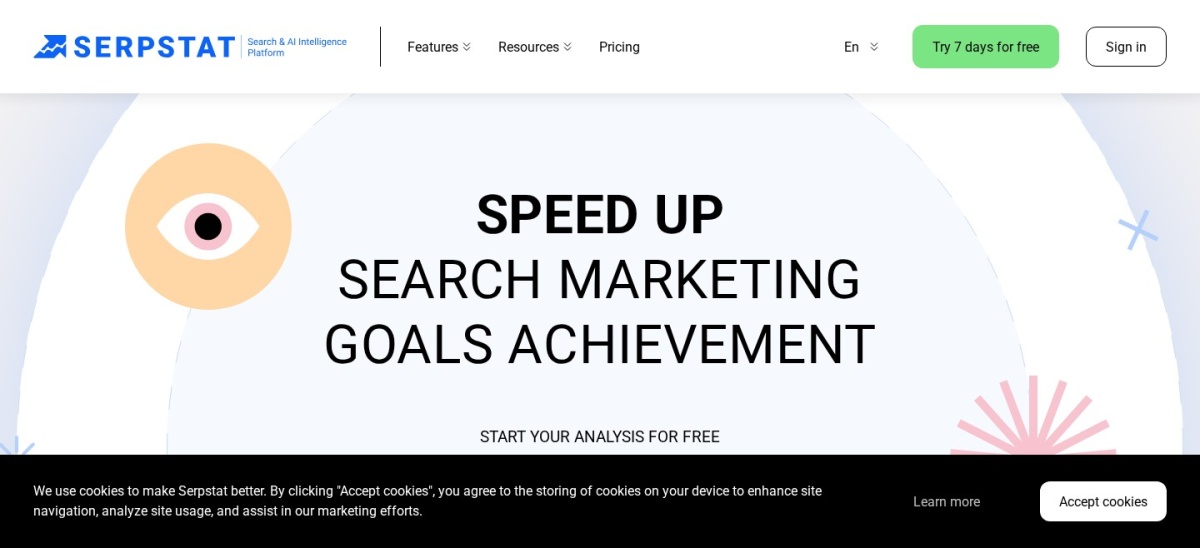
Serpstat Individual starts at $50/month billed annually with 100 daily research searches and five projects.
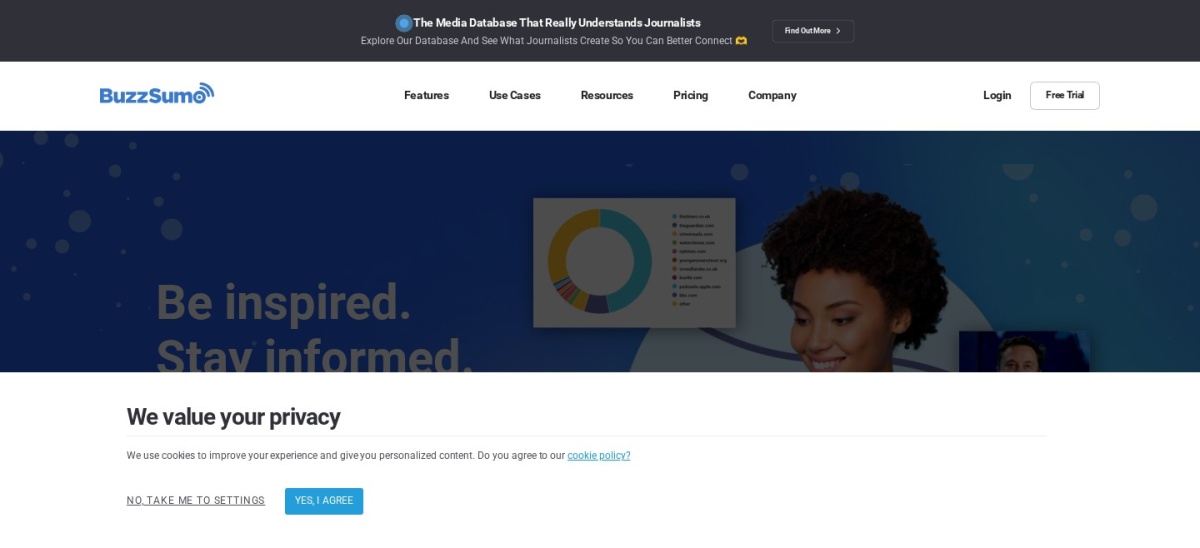
BuzzSumo specializes in content competition and engagement research, starting at $199/month billed annually.
What to look for in competitive analysis software
Competitive analysis software helps marketers understand how other businesses attract visitors, rank in search results, acquire backlinks, advertise and publish content. The goal is to identify opportunities and weaknesses rather than copy another company's strategy.
Start by deciding which competitors matter. Direct business competitors sell similar products, while search competitors may simply rank for the keywords you want. A useful platform should help identify both.
SEO teams benefit from keyword-gap analysis, backlink comparisons, ranking history and domain-level traffic estimates. Paid advertising teams need competitor ad examples, paid keywords and historical PPC information.
Content teams should prioritize topic discovery, competitor content performance and engagement trends. Broad SEO platforms can provide some of these insights, but specialist content research tools offer a different perspective.
Remember that competitor traffic and keyword estimates are modeled data, not direct access to another company's analytics. Compare patterns across multiple reports, and validate important findings before making major marketing decisions.
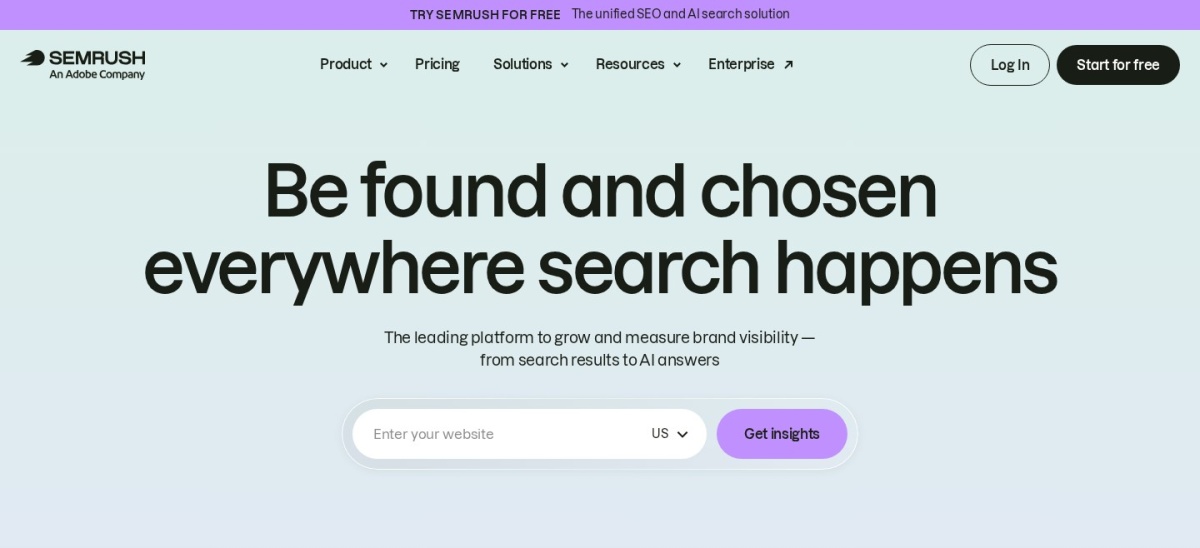
Semrush is a marketing research platform combining competitor keyword analysis, organic search intelligence, paid search research and website monitoring. Its entry SEO plan includes five monitored websites, 500 daily tracked keywords, keyword research, basic competitor analysis, position tracking and site audits. A limited free account offers one demo project and 10 reports per day.
The trade off is the $117.33/month annual subscription, with deeper competitive insights and historical data requiring more expensive plans or separate toolkits. The SEO + AI Search Starter plan costs $165.17/month billed annually. It suits agencies and marketing teams that want competitor research integrated with ongoing SEO operations.
What we like
Combines keyword, organic and paid search research
Competitor insights alongside rank tracking
Established research and reporting ecosystem
Includes technical website audits
Supports monitoring search and AI visibility
Watch out for
Higher starting cost than budget alternatives
Advanced competitor intelligence may require upgrades
Specialist traffic intelligence uses separate offerings
Feature selection can feel complex for beginners
Paid SEO adds monitored projects, keyword tracking and competitor researchVisit semrush.com
02
Ahrefs
4.5/5on G2 (725 reviews, checked Nov 2026)
Paid from$29/mo
Best for competitor backlink research
Starter credits200 per month
Tracked keywords50 on Starter
Unverified projects1 on Starter
Paid planStarter, $29/mo
ahrefs.com
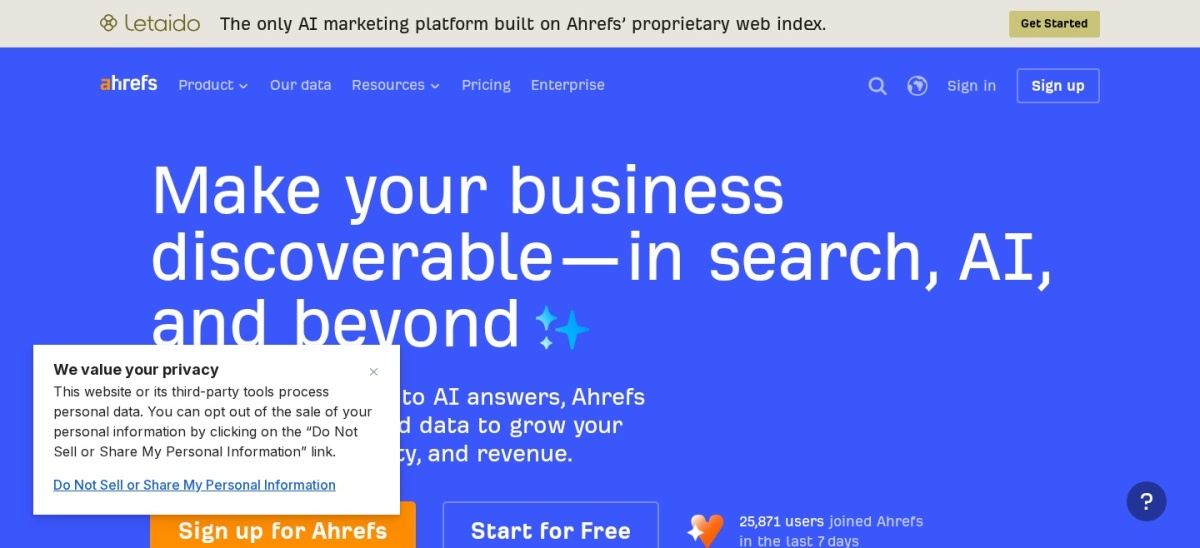
Ahrefs homepage, captured Nov 2026.
Ahrefs is an SEO research platform specializing in competitor backlinks, organic keywords, top-performing pages and ranking opportunities. Starter costs $29/month and provides Site Explorer, Keywords Explorer, Site Audit and Rank Tracker, with 200 monthly credits, 50 tracked keywords, one unverified project and one month of historical data.
The trade off is that Starter has tight reporting limits, including 250 rows per report and no data exports. Lite costs $129/month and expands research capacity, historical data and keyword tracking. It suits marketers who prioritize competitor link profiles and organic search opportunities over general market intelligence.
What we like
Detailed competitor backlink analysis
Site Explorer highlights competitor pages
Keyword and backlink gap research
Affordable limited Starter subscription
Useful for link building and content planning
Watch out for
Starter limits research to 200 monthly credits
No exports on Starter
Lite is substantially more expensive
Less focused on social content and market demographics
Lite adds 1,000 credits, 750 tracked keywords and six months of historyVisit ahrefs.com
03
SpyFu
4.6/5on G2 (521 reviews, checked Nov 2026)
Paid from$33/mo
Best for competitor PPC intelligence
Tracked rankings5,000 weekly
Search results10,000 rows
Data exports10,000 rows
Paid planBasic, $33/mo annually
spyfu.com
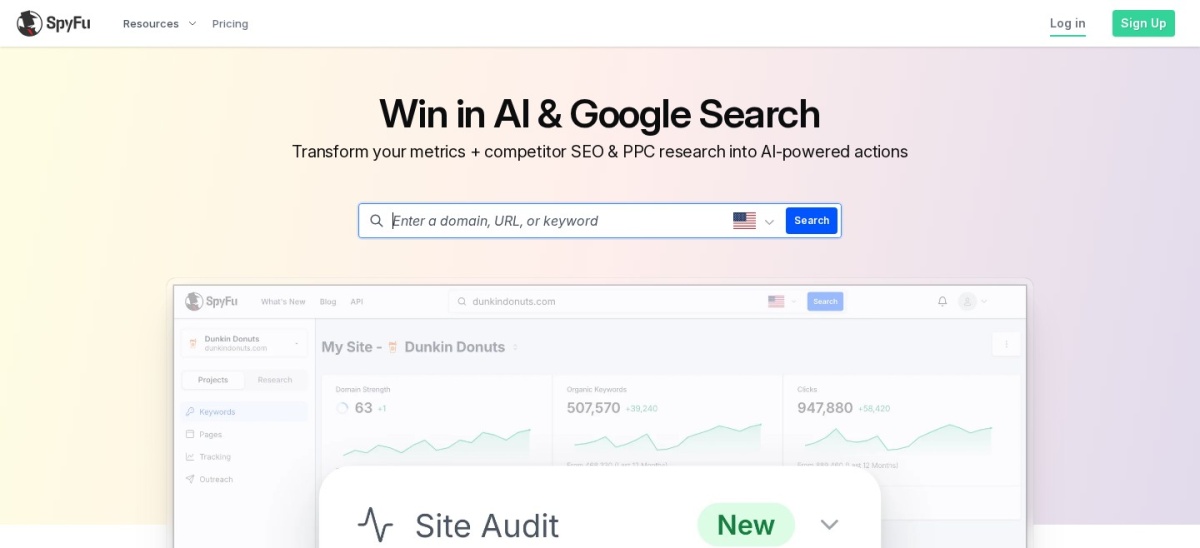
SpyFu homepage, captured Nov 2026.
SpyFu is a competitor intelligence platform focused on paid search strategies, organic rankings and historical keyword research. Basic includes 10,000-row search results, 10,000 export rows, 100 domain overview PDFs, 250 sales leads and domain contacts, and 5,000 weekly tracked keyword rankings. A limited free account allows basic searching.
The trade off is that Basic restricts exports and reporting, while Professional costs $58/month billed annually for unlimited search results and exports. Its traffic and spending estimates should be treated as directional indicators. It suits PPC specialists and smaller agencies researching competitors' advertising strategies.
What we like
Dedicated competitor paid search intelligence
Historical keyword and advertising insights
Affordable annual subscription
Generous tracked keyword allowance
Includes domain contacts and lead information
Watch out for
Competitor spending figures are estimates
Basic restricts export volume
Less comprehensive for technical SEO audits
Unlimited exports require Professional
Professional adds unlimited exports, branded reports and API callsVisit spyfu.com
04
SE Ranking
4.8/5on G2 (1,495 reviews, checked Nov 2026)
Starts at$103.20/mo
Best for agencies tracking multiple competitors
Projects10 on Core
Tracked keywords2,000 daily
Website audits250,000 pages/mo
Paid planCore, $103.20/mo annually
seranking.com
SE Ranking homepage, captured Nov 2026.
SE Ranking is an SEO and competitive intelligence platform combining keyword research, competitor domain analysis, backlink research and ranking monitoring. Core includes 10 projects, one manager seat, 2,000 daily tracked keywords, 250,000 monthly audit pages and 25,000 API credits, alongside AI visibility monitoring and integrations.
The trade off is the $103.20/month annual subscription, with more projects, historical data and collaboration features requiring Growth at $223.20/month billed annually. Its advertised Black Friday checkout discount is separate from these regular prices. It suits agencies managing competitive research across multiple client websites.
What we like
High daily keyword tracking allowance
Competitor and backlink research included
Technical SEO and AI visibility tools
API and MCP access on Core
Strong G2 rating with substantial review volume
Watch out for
Core includes only one manager seat
Agency branding tools cost extra
Advanced historical data requires Growth
Entry price is higher than basic SEO tools
Growth adds 30 projects, three manager seats and expanded historical dataVisit seranking.com
05
Serpstat
4.6/5on G2 (466 reviews, checked Nov 2026)
Starts at$50/mo
Best affordable all-in-one competitor research
Projects5 on Individual
Daily searches100
Position checks10,000
Paid planIndividual, $50/mo annually
serpstat.com
Serpstat homepage, captured Nov 2026.
Serpstat is an SEO and competitor research platform offering domain analysis, keyword research, backlink comparisons, rank tracking and technical audits. Individual includes five projects, 100 daily searches, 10,000 keyword position checks, 30,000 audit pages and 50,000 export rows. Its research tools cover competing domains and organic or paid keyword opportunities.
The trade off is the Individual plan's lower search and project limits, plus no team collaboration or included AI visibility monitoring. Individual costs $50/month billed annually, while Team costs $100/month billed annually. It suits freelancers and small marketing teams wanting competitor research without a premium subscription.
What we like
Keyword and domain competitor research
Backlink analysis included
Affordable annual pricing
Includes position tracking and site audits
Supports organic and paid keyword research
Watch out for
Individual limits daily searches
Team collaboration requires an upgrade
AI visibility monitoring starts on Team
API access is excluded from Individual
Team adds collaboration, API access and AI visibility monitoringVisit serpstat.com
06
BuzzSumo
4.5/5on G2 (107 reviews, checked Nov 2026)
Starts at$199/mo
Best for competitor content and engagement analysis
Users1 on Content Creation
SearchesUnlimited
ResearchContent engagement
Paid planContent Creation, $199/mo annually
buzzsumo.com
BuzzSumo homepage, captured Nov 2026.
BuzzSumo is a content research and monitoring platform for understanding which competitor articles, topics and online conversations attract engagement. Content Creation includes one user, unlimited searches and access to content discovery, trend research and engagement analysis. Its Content Analyzer draws from an archive containing more than eight billion pieces of content.
The trade off is a $199/month annual subscription, which is expensive if competitor content research is only an occasional task. PR & Comms costs $299/month billed annually and expands media-focused capabilities. It suits content strategists, publishers and marketing agencies researching audience interests and competing content.
What we like
Researches competitor content engagement
Identifies popular topics and articles
Unlimited searches on the entry plan
Useful for content and PR planning
Provides historical content research
Watch out for
Higher starting price than SEO research tools
Not a complete technical SEO platform
Entry plan includes one user
Advanced media research requires upgrades
PR & Comms adds media research and expanded monitoring capabilitiesVisit buzzsumo.com
07
Moz Pro
4.3/5on G2 (608 reviews, checked Nov 2026)
Starts at$49/mo
Best for competitor authority comparisons
Starter websites1
Authority metricsDA and PA
ResearchKeywords and links
Paid planStarter, $49/mo
moz.com
Moz Pro homepage, captured Nov 2026.
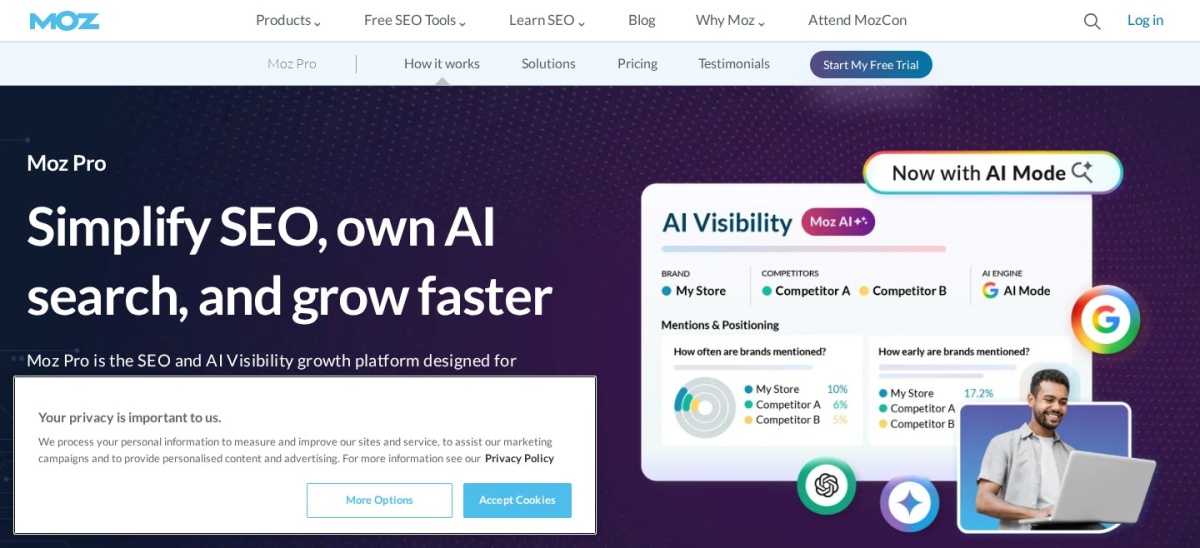
Moz Pro is an SEO platform offering competitive keyword research, backlink analysis, Domain Authority comparisons and search ranking insights. Its $49/month Starter plan is designed for individuals managing one website, with access to core SEO research tools. Moz also offers limited free keyword, link and browser-extension tools.
The trade off is that Starter focuses on basic website management rather than extensive agency reporting. Standard costs $99/month and provides broader campaign capabilities and research limits. It suits small businesses comparing competitor domain authority, backlink profiles and keyword opportunities.
What we like
Recognizable Domain Authority and Page Authority metrics
Competitor keyword and backlink research
Affordable Starter subscription
MozBar supports browser-based research
Educational resources for SEO beginners
Watch out for
Starter is designed for one website
Higher research capacity requires an upgrade
Less focused on PPC intelligence
Authority scores are proprietary estimates
Standard expands campaign management and research capacityVisit moz.com
08
Ubersuggest
4.2/5on G2 (160 reviews, checked Nov 2026)
Paid from$29/mo
Best for beginners researching SEO competitors
Projects1 on Individual
Tracked competitors5
Daily reports150
Paid planIndividual, $29/mo
ubersuggest.com
Ubersuggest homepage, captured Nov 2026.
Ubersuggest is an SEO research platform offering competitor domain overviews, keyword discovery, top-page analysis, backlinks and ranking tracking. Individual includes one project, five tracked competitors, 150 daily reports, 125 tracked keywords, 1,000 weekly audit pages and up to 2,000 keyword suggestions per search.
The trade off is its smaller research limits, with Individual priced at $29/month and larger plans available for additional projects. Historical data, advanced reporting and deeper competitor analysis are less extensive than specialist enterprise platforms. It suits beginners and small businesses conducting routine competitor SEO research.
SEO, PPC and content competitor analysis explained
SEO competitor analysis identifies websites ranking for valuable keywords, the pages attracting search traffic and the backlinks supporting those rankings. Semrush, Ahrefs, SE Ranking, Serpstat and Moz Pro offer relevant research tools.
PPC competitor analysis looks at paid keywords, advertising copy, competing advertisers and estimated campaign activity. SpyFu is particularly relevant for this use case, while Semrush and Serpstat provide complementary paid search insights.
Content competitor analysis examines which subjects and formats earn attention. BuzzSumo emphasizes popular articles, engagement and online conversations, making it useful for editorial planning and content marketing.
Many businesses need several types of research. Start with the channel responsible for most customer acquisition, then expand to other channels when additional data will influence actual decisions.
How reliable are competitor traffic and keyword estimates?
Competitive analysis platforms generally cannot access another company's private analytics, advertising accounts or sales data. Instead, they estimate performance using keyword rankings, search demand, observed advertising activity and proprietary datasets.
Traffic estimates can differ substantially between platforms. Keyword databases, geographic coverage, update schedules and estimation methods all affect the results.
Use estimated metrics to compare relative scale and identify trends rather than assuming they represent exact visitor counts or advertising expenditure.
For important decisions, combine competitor research with your own Google Search Console data, conversion measurements, customer interviews and direct observations of competing websites.
How we chose
We shortlisted established competitive analysis products with meaningful capabilities across SEO, paid search, backlinks, ranking intelligence and content research. The ranking prioritizes practical competitive research coverage, publicly documented features, recognizable products and meaningful review histories.
Official vendor pricing pages and G2 review listings were consulted for the 22 Nov 2026 editorial snapshot. Annual prices are calculated from the published annual billing rate where selected, or from the regular monthly subscription multiplied by 12. Promotional checkout discounts are excluded.
We excluded products without verifiable flat paid-plan pricing, insufficient public review coverage or meaningful competitor analysis capabilities. Custom-quote-only platforms and services relying exclusively on per-unit usage charges were not included. No vendor paid for a place, and we do not claim testing for this list.
How to choose the best competitive analysis tool
Identify your main competitors and acquisition channels before comparing subscriptions. Follow these steps to find a platform that answers useful business questions without adding unnecessary research costs.
Define your competitive research goal. Decide whether you need SEO keyword gaps, backlink comparisons, advertising intelligence, content performance or several channels together. This determines whether a specialist product or general marketing platform makes more sense.
Compare actual research limits. Check projects, tracked keywords, report rows, exports, historical data and user seats. Entry plans can be inexpensive but restrictive when you research many domains or manage multiple clients.
Evaluate data coverage and context. Review the platform's keyword database, backlink information, advertising history and reporting options. Treat estimated competitor metrics as directional and validate critical conclusions against additional evidence.
Calculate annual costs before subscribing. Compare regular subscription prices, required upgrades and reporting add-ons. Choose the lowest-cost plan that covers your recurring workload, rather than purchasing features your team will rarely use.
FAQ
What is the best competitive analysis tool in 2026?
Semrush is our overall recommendation because it combines competitor keyword research, organic search insights, website monitoring and ranking data within a broader marketing platform. Ahrefs is particularly useful for backlink analysis, while SpyFu specializes in competitor paid search research at a lower subscription price.
Which competitive analysis tool is best for SEO?
Semrush and Ahrefs are strong options for researching organic competitors. Semrush combines keyword analysis and ongoing SEO management, while Ahrefs emphasizes backlinks, organic keywords and competing pages. SE Ranking and Serpstat are alternatives when project management and subscription costs matter.
What is the cheapest paid competitive analysis tool?
Ahrefs Starter and Ubersuggest Individual both have regular entry subscriptions of $29/month, equivalent to $348 over 12 months. SpyFu Basic costs $33/month when billed annually. These plans differ significantly in research limits, so compare the included capabilities before choosing based on price.
Can I analyze competitors for free?
Yes. Semrush offers a limited free account, SpyFu provides free searching, Ubersuggest offers restricted access and Ahrefs has free tools for eligible website research. Free access is useful for initial investigation, although detailed reports, historical comparisons and exports commonly require payment.
Which tool is best for analyzing competitor backlinks?
Ahrefs is a strong choice because Site Explorer provides competitor backlink information, linking domains and related organic search data. Semrush, Moz Pro, SE Ranking and Serpstat also offer backlink research. Compare index coverage and export limitations before choosing a platform for regular link-building work.
Which competitive analysis tool is best for Google Ads?
SpyFu is particularly relevant for researching competitor paid search keywords and advertising history. Its Basic plan costs $33/month billed annually and includes substantial keyword tracking and export allowances. Semrush is another option when paid search analysis must connect with organic SEO research.
Can competitive analysis tools show exact competitor traffic?
Generally, no. Competitor traffic numbers are estimates based on search rankings, keyword demand, observed behavior and proprietary models. Results can differ across tools. Use them to compare competitors and identify opportunities, rather than treating estimates as verified analytics or exact visitor counts.
Is Semrush better than Ahrefs for competitor analysis?
Semrush is better suited to marketers needing integrated competitor research, SEO management and paid search insights. Ahrefs is especially useful for examining competitor backlinks and organic search opportunities. Ahrefs Starter is cheaper, but its research limits are considerably smaller than those of the main paid plans.
How often should businesses conduct competitor analysis?
Review major competitor changes regularly, particularly when rankings, advertising activity or content strategies influence revenue. Monthly monitoring works as a practical starting point for many teams, while faster-moving campaigns may justify weekly checks. A deeper quarterly review can identify strategic shifts and emerging competitors.