Best Color Grading Software in 2026: 7 Tools Compared
WLWPLegible EditorsLast verified 22 Nov 2026How we rank10 min read
★ Short answer
DaVinci Resolve is the best color grading software overall, offering free professional color correction tools and a $295 one-time Studio upgrade. Adobe Premiere suits video editors who want grading within their editing workflow, while Final Cut Pro is a good alternative for Mac users.
How we make this list: we compare pricing pages, product documentation and public user reviews, then re-check every price before each update. No product paid for a place. Disclosure.
DaVinci Resolve earns 4.8/5 from 273 Capterra reviews and offers a $295 one-time Studio upgrade.
Adobe Premiere starts at $22.99 per month with integrated color grading and video editing.
Final Cut Pro costs $129 per year through Apple Creator Studio or $299.99 as a standalone purchase.
Filmora has a 4.5/5 Capterra rating from 736 reviews and offers accessible color adjustment tools.
Lightroom costs $119.88 per year and is our preferred choice for batch photo color grading.
PowerDirector 365 has a regular annual subscription price of $79.99 and includes LUTs and video effects.
What good color grading software should include
Color grading changes the appearance and mood of footage or photographs through adjustments to color, contrast and tonal balance. Unlike basic color correction, grading focuses on creating a deliberate visual style.
Professional video grading software should include color wheels, curves, selective adjustments and visual monitoring tools. Waveforms and vectorscopes help editors evaluate exposure and color information beyond what their displays show.
Look for support for LUTs, or lookup tables, if you regularly work with camera profiles or predefined cinematic looks. Color management is particularly important when combining footage from different cameras.
Photographers have different requirements. RAW image processing, selective masks, reusable presets and synchronized adjustments across multiple photographs may matter more than video scopes or motion tracking.
Consider your computer's graphics capabilities, preferred editing workflow and delivery formats before choosing software. Advanced grading tools can require more processing resources than basic photo or video editors.
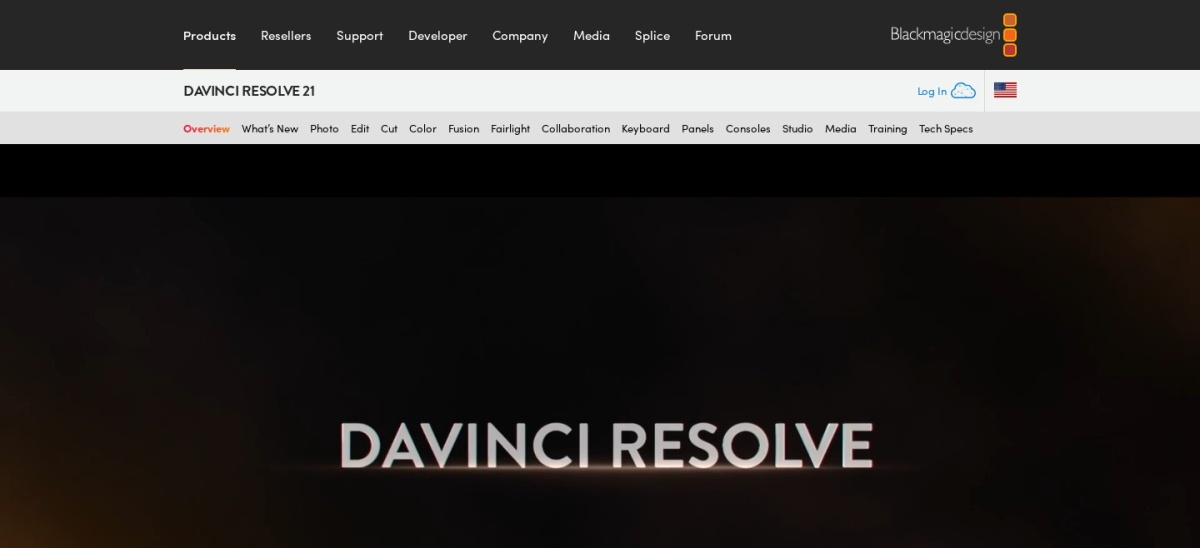
DaVinci Resolve is a professional post-production platform that combines editing, color grading, visual effects and audio production. Resolve 21 offers a free version with detailed color controls, node-based adjustments and visual monitoring tools, alongside a dedicated photographic workflow.
The trade off is its learning curve and the processing requirements of complex grading projects. Studio costs $295 as a one-time purchase and adds advanced HDR grading, additional effects and AI-assisted features. It suits filmmakers, professional colorists and serious independent creators.
What we like
Professional grading tools in the free version
Flexible node-based adjustment workflow
Integrated video editing and audio production
Detailed selective color controls
One-time purchase option for Studio
Watch out for
Steeper learning curve than beginner editors
Advanced workflows benefit from capable graphics hardware
Best for integrated video editing and color grading
Grading workflowTimeline and Color Mode
MonitoringVideo scopes
Operating systemsWindows and macOS
Entry planPremiere single app
adobe.com
Adobe Premiere homepage, captured Nov 2026.
Adobe Premiere is a video editing application with integrated tools for correcting footage and creating consistent visual styles. Its single-app subscription starts at $22.99 per month with an annual commitment, including desktop editing, color adjustment tools and video scopes.
The trade off is recurring subscription spending and changes to established grading workflows. Premiere 27.0 introduces changes that retire the older Lumetri panel in favor of Color Mode, while the regular subscription remains $22.99 per month. It suits editors and production teams already using Adobe applications.
What we like
Color grading within the video editing workflow
Visual scopes for monitoring exposure and color
Support for LUT-based workflows
Integration with other Adobe applications
Suitable for professional video production
Watch out for
No permanent free desktop plan
Annual commitment for the quoted monthly price
Existing users may need to learn updated color workflows
The single-app subscription includes Premiere editing and grading features.Visit adobe.com
03
Final Cut Pro
4.7/5on Capterra (144 reviews, checked Nov 2026)
Starts at$129/yr
Best for Mac-based video color grading
Grading controlsColor wheels and curves
LUT supportYes
Operating systemmacOS
Entry planApple Creator Studio
apple.com
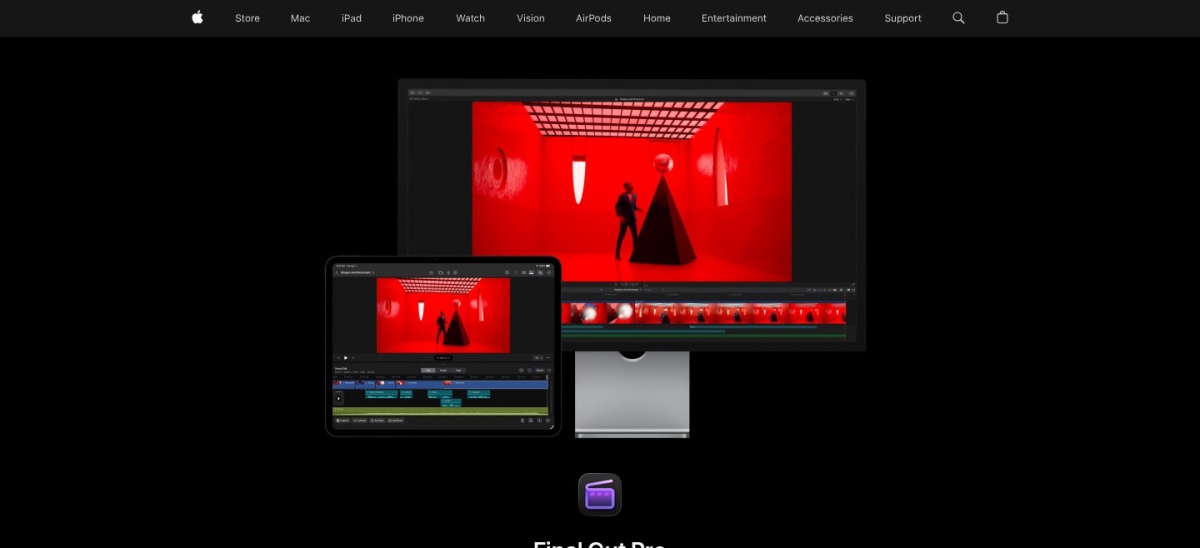
Final Cut Pro homepage, captured Nov 2026.
Final Cut Pro is a professional video editing application with built-in tools for adjusting color, exposure and contrast. It is available through Apple Creator Studio for $129 per year, allowing editors to combine timeline editing and color adjustments within the same project.
The trade off is platform availability because the desktop application is exclusive to Mac. Users who prefer ownership over subscriptions can purchase the standalone application for $299.99, while Creator Studio costs $129 annually. It suits Mac-based creators who want integrated editing and grading.
What we like
Integrated color grading and video editing
Color wheels and selective adjustments
Support for custom LUTs
Subscription and standalone purchase options
Designed for Apple hardware
Watch out for
Desktop application unavailable on Windows and Linux
Not a dedicated node-based grading application
Standalone purchase excludes some subscriber benefits
Apple Creator Studio includes Final Cut Pro and additional creative applications.Visit apple.com
04
Lightroom
4.7/5on Capterra (393 reviews, checked Nov 2026)
Starts at$119.88/yr
Best for batch photo color grading
Grading controlsColor wheels, curves and mixer
RAW editingYes
Batch adjustmentsPresets and synchronized settings
Entry planLightroom annual subscription
adobe.com
Lightroom homepage, captured Nov 2026.
Lightroom is a photography editing application for RAW processing, color correction and consistent styling across image collections. Its annual subscription costs $119.88 when prepaid and includes photo organization, selective masking, color grading controls and reusable editing presets.
The trade off is that Lightroom's photographic workflow does not replace a professional video grading timeline. The $119.88 annual subscription is also an ongoing expense, although limited free mobile functionality is available. It suits photographers editing weddings, portraits, travel photographs and product collections.
What we like
Non-destructive photographic adjustments
Reusable color grading presets
Selective masks for targeted corrections
Consistent editing across image collections
Integrated photo organization
Watch out for
No professional video grading timeline
Full desktop functionality requires a subscription
Limited layer-based compositing
The paid Lightroom plan includes full photographic editing and organization.Visit adobe.com
05
Filmora
4.5/5on Capterra (736 reviews, checked Nov 2026)
Paid from$59.99/yr
Best for beginner-friendly video color grading
Grading controlsHSL, curves and color wheels
LUT supportYes
Free exportWatermarked
Entry planBasic annual subscription
wondershare.com
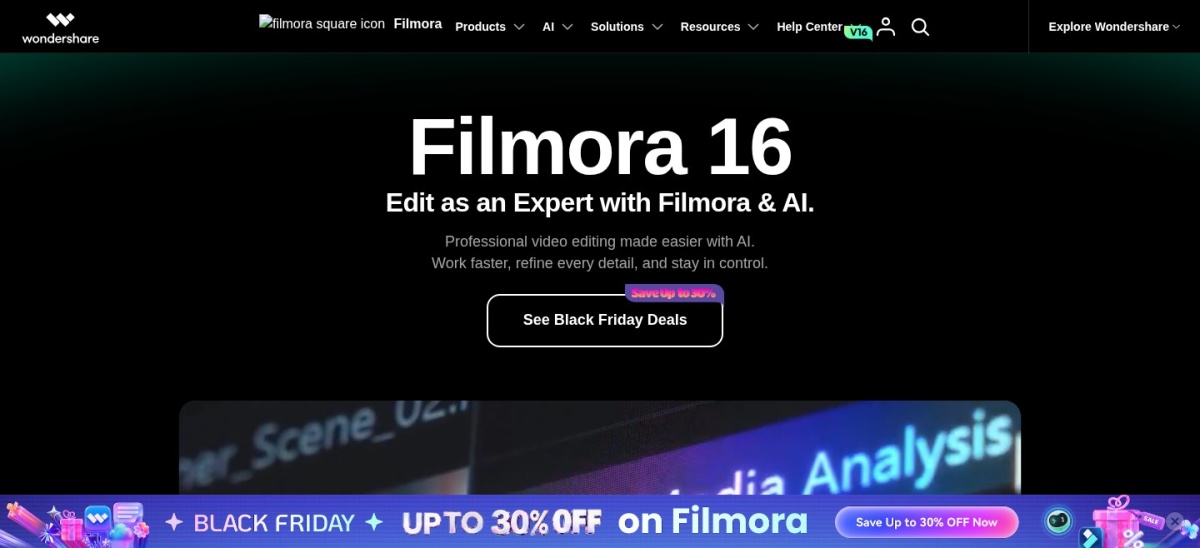
Filmora homepage, captured Nov 2026.
Filmora is a video editor that combines accessible editing controls with color correction, creative LUTs, curves and color wheels. Its Basic subscription has a regular price of $59.99 per year and includes watermark-free exports, 4K output and software updates.
The trade off is less control over complex grading pipelines than dedicated professional applications provide. Basic is advertised at a discounted $49.99 per year against its $59.99 regular price, and optional creative asset subscriptions can add costs. It suits independent creators and beginners producing videos without complicated grading requirements.
What we like
Accessible interface for beginner editors
Color wheels and selective color adjustments
Built-in creative LUT support
Integrated video editing and export
Affordable regular subscription price
Watch out for
Free exports contain watermarks
Less suited to complex professional color pipelines
Optional creative assets may require another subscription
Basic removes export watermarks and includes ongoing software updates.Visit wondershare.com
06
PowerDirector
4.3/5on Capterra (122 reviews, checked Nov 2026)
Paid from$79.99/yr
Best for affordable video editing and creative looks
Grading workflowTimeline-based adjustments
Creative assetsEffects, LUTs and stickers
Cloud storage50 GB with 365
Entry planPowerDirector 365
cyberlink.com
PowerDirector homepage, captured Nov 2026.
PowerDirector is a video editing application for creators who want to combine color correction with transitions, effects and other production tools. Its 365 subscription regularly costs $79.99 per year and includes more than 3,300 combined video effects, LUTs and stickers, plus ongoing feature updates.
The trade off is that the workflow prioritizes general video production rather than specialized professional grading. The official pricing page advertises a temporary $54.99 annual offer against the $79.99 regular price. It suits independent creators and small marketing teams that need affordable editing and color styling.
What we like
Integrated editing and color adjustments
Extensive collection of creative assets
LUT-based visual styling
Regular subscriber feature updates
Affordable annual subscription
Watch out for
Advanced professional grading workflows are less flexible
4.7/5on Capterra (9,706 reviews, checked Nov 2026)
Starts at$19.99/mo
Best for detailed photographic color manipulation
Grading workflowAdjustment layers and masks
Color controlsCurves, levels and color balance
RAW processingAdobe Camera Raw
Entry planCreative Cloud Photography
adobe.com
Photoshop homepage, captured Nov 2026.
Photoshop is an image editing application that supports detailed photographic color manipulation through adjustment layers, masks, curves and Adobe Camera Raw. Its Photography subscription starts at $19.99 per month with an annual commitment, combining Photoshop with Lightroom for complementary photo editing workflows.
The trade off is that detailed layer-based adjustments can require more manual work than grading photographs through synchronized Lightroom presets. The Photography subscription costs $239.88 annually when billed monthly, and Photoshop is not intended for full video grading workflows. It suits retouchers, commercial photographers and digital artists.
What we like
Detailed adjustment layers and masking
Selective color changes
Flexible non-destructive editing workflows
Integrated RAW image processing
Photography subscription includes Lightroom
Watch out for
Ongoing subscription expense
Complex interface for inexperienced editors
Not designed for professional video grading
The Photography plan combines Photoshop and Lightroom in one subscription.Visit adobe.com
What is the difference between color correction and color grading?
Color correction addresses technical image problems. Editors adjust exposure, white balance, contrast and inconsistent colors to create a balanced starting point before applying a creative treatment.
Color grading creates a deliberate visual appearance. It can introduce warmer highlights, cooler shadows, muted saturation or other stylistic choices that support the emotional tone of a photograph or video.
Correct footage before applying a creative grade. Applying a cinematic LUT to poorly exposed footage or inaccurate white balance can exaggerate existing problems instead of fixing them.
DaVinci Resolve and Adobe Premiere support both workflows for video projects. Lightroom and Photoshop provide comparable adjustment options for still photography, although their interfaces and processing workflows differ.
Node-based vs. layer-based color grading
Node-based grading organizes adjustments into connected processing stages. Each node can perform a particular task, such as balancing exposure, isolating skin tones or applying a creative look. DaVinci Resolve uses this approach to organize complex grades.
Layer-based editing places adjustments above the original image or other editing layers. Photoshop uses adjustment layers and masks to control where color changes appear while preserving the underlying image.
Neither approach is automatically better for every project. Node-based workflows are particularly useful for complex video grades, while layer-based editing is familiar to photographers and digital artists who frequently combine color adjustments with retouching.
How we chose
We selected established video editing, color grading and photographic editing applications with relevant color adjustment capabilities. We considered professional grading workflows, accessibility for beginners, pricing models, supported platforms and suitability for different creative projects.
The guide uses 22 Nov 2026 as its publication and verification label. Official vendor pricing and independent Capterra review pages were accessed on 24 Nov 2026. Prices reflect regular advertised subscriptions or one-time licenses rather than temporary discounts, and annual costs are calculated from the applicable billing terms.
We excluded applications without sufficiently verifiable public prices, established independent review histories or relevant color adjustment capabilities. Rankings reflect practical suitability for color grading rather than customer ratings alone. No vendor paid for a place, and we do not claim testing for this list.
How to choose color grading software
Choose software based on your media type, required color controls, editing experience and long-term software budget.
Decide whether you primarily grade video or photographs. Video editors should prioritize timeline compatibility, color management, scopes and shot matching. Photographers should look for RAW processing, selective masks, reusable presets and efficient editing across image collections.
Identify the color controls your projects require. Check for color wheels, curves, selective hue adjustments, masking and LUT compatibility. Advanced video productions may also require HDR grading, camera profile management and tracking features for moving subjects.
Check hardware and operating system compatibility. Review the application's current system requirements and supported media formats. Complex video grading, noise reduction and high-resolution RAW processing may require more graphics memory and processing resources than basic editing.
Compare regular subscription and ownership costs. Evaluate annual subscriptions against one-time purchases and any additional feature charges. DaVinci Resolve Studio costs $295 once, while Final Cut Pro offers both a $129 annual bundle and a $299.99 standalone purchase.
FAQ
What is the best color grading software in 2026?
DaVinci Resolve is our top overall choice because it combines professional color grading controls, node-based workflows and integrated video editing. Its free edition covers many grading requirements, while the Studio upgrade costs $295 as a one-time purchase.
What is the best free color grading software?
DaVinci Resolve is the strongest free option in this comparison. It includes professional color correction, creative adjustments and node-based processing without requiring a paid subscription. Some advanced HDR, AI and effects functionality is reserved for the Studio edition.
Which color grading software is best for beginners?
Filmora is a suitable starting point for beginners because it combines familiar video editing controls with color wheels, curves and creative LUTs. Its interface is less specialized than DaVinci Resolve, making basic color adjustments more accessible.
What is the best color grading software for photography?
Lightroom is our preferred photography option because it combines RAW editing, selective masks, color grading controls and synchronized adjustments across photo collections. Photoshop is better suited to detailed layer-based color manipulation and projects requiring extensive image retouching.
Is DaVinci Resolve better than Adobe Premiere for color grading?
DaVinci Resolve is generally the better fit for specialized grading projects because of its node-based workflow and dedicated color tools. Adobe Premiere is a practical alternative for editors who prefer to complete their video editing and color adjustments within Adobe's production ecosystem.
Do I need LUTs for professional color grading?
No. LUTs can provide a starting point for technical color transformations or creative styles, but professional grading also requires exposure correction, contrast adjustments and selective color decisions. Learning manual controls helps you adapt grades to different lighting and camera conditions.
Can I use Photoshop for color grading?
Yes. Photoshop supports photographic color grading through adjustment layers, curves, color balance, selective adjustments and Adobe Camera Raw. It is particularly useful when color changes must be applied to specific image areas alongside detailed retouching or compositing.
How much does professional color grading software cost?
Prices depend on the application and licensing model. DaVinci Resolve Studio costs $295 once, Adobe Premiere starts at $22.99 per month with an annual commitment, and Final Cut Pro is available through a $129 annual subscription or standalone purchase.
Do I need a calibrated monitor for color grading?
A calibrated monitor is recommended when accurate color reproduction matters, especially for commercial photography, professional video delivery and print production. Calibration helps reduce display-related inconsistencies, while video scopes and color management tools provide additional references during editing.