WLWPLegible EditorsLast verified 24 Nov 2026How we rank11 min read
★ Short answer
Eventbrite is the best box office software for most organizers, with self-service ticketing, a huge discovery marketplace and no cost for free events. TicketSpice is the cheapest paid option at a flat fee per ticket, while Ticketmaster suits large venues and tours.
How we make this list: we compare pricing pages, product documentation and public user reviews, then re-check every price before each update. No product paid for a place. Disclosure.
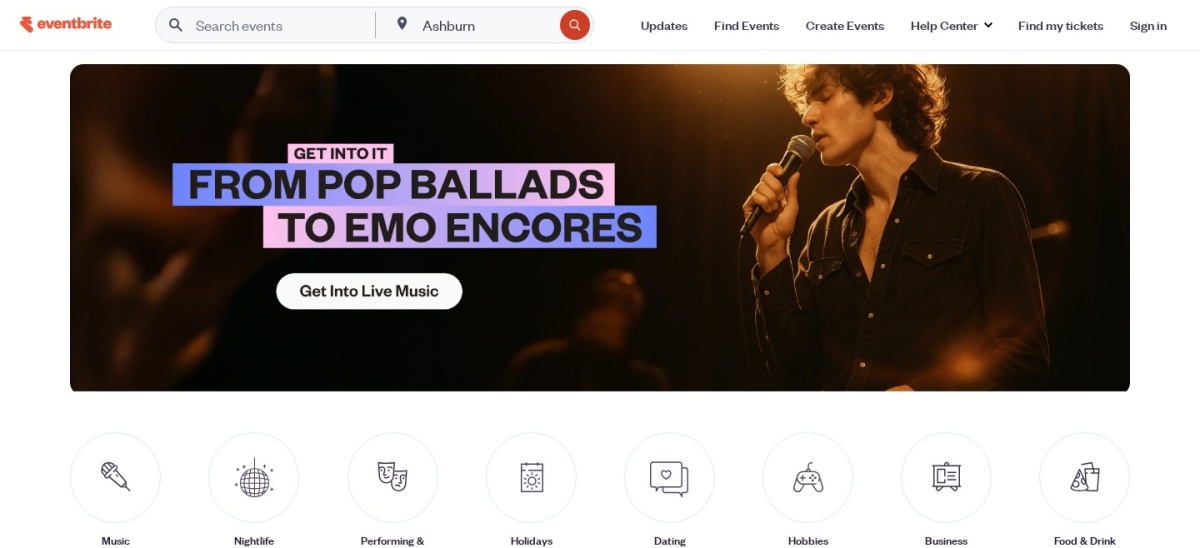
Eventbrite is the best box office software for most organizers: self-service ticketing, a huge discovery marketplace and no cost for free events.
TicketSpice is the cost leader at a flat $0.99 per paid ticket, with no setup fees, no monthly fees and no contracts.
Ticketmaster and SeatGeek are the primary ticketing giants with their own marketplaces, built for sports, concerts and large venues, and Tixr serves festivals and high-demand on-sales.
Tessitura and Spektrix combine box office ticketing with fundraising, CRM and marketing for arts organizations.
Box office pricing is mostly per ticket or custom, so model the all-in cost, platform fee, payment processing and any fees passed to buyers, before signing.
What box office software should cover
Box office software sells tickets and runs the door: online sales, reserved seating, scanning at entry, refunds and reports. For most organizers it is also the CRM, the marketing database and the donor pipeline, so the platform you pick shapes every event you run.
Pricing models split three ways: per-ticket fees like Eventbrite at 3.7 percent plus $1.79 per ticket, flat fees like TicketSpice at $0.99 per paid ticket, and custom enterprise contracts like Ticketmaster and Tixr, where fees are negotiated and not published.
Venue fit decides the shortlist. Large venues and tours go to Ticketmaster or SeatGeek, college athletics to Paciolan, arts nonprofits to Tessitura or Spektrix, and self-service and small events to Eventbrite, TicketSpice or Ticket Tailor.
Before signing, confirm who owns the customer data. Owning your audience list means you can market future events directly instead of paying the platform to reach your own buyers again. Our guide to the best event management software covers the wider event stack these tools sit in.
Eventbrite is the world's largest self-service ticketing platform: anyone can publish an event, sell tickets and promote it to the platform's discovery audience of millions. It was acquired and taken private by Bending Spoons in 2026 and continues to operate as a subsidiary.
The trade off is fees and brand. Paid tickets carry a 3.7 percent plus $1.79 service fee per ticket plus 2.9 percent payment processing per order, and the marketplace brand dilutes your own. It suits organizers who want to start selling in minutes and reach buyers they would not find alone.
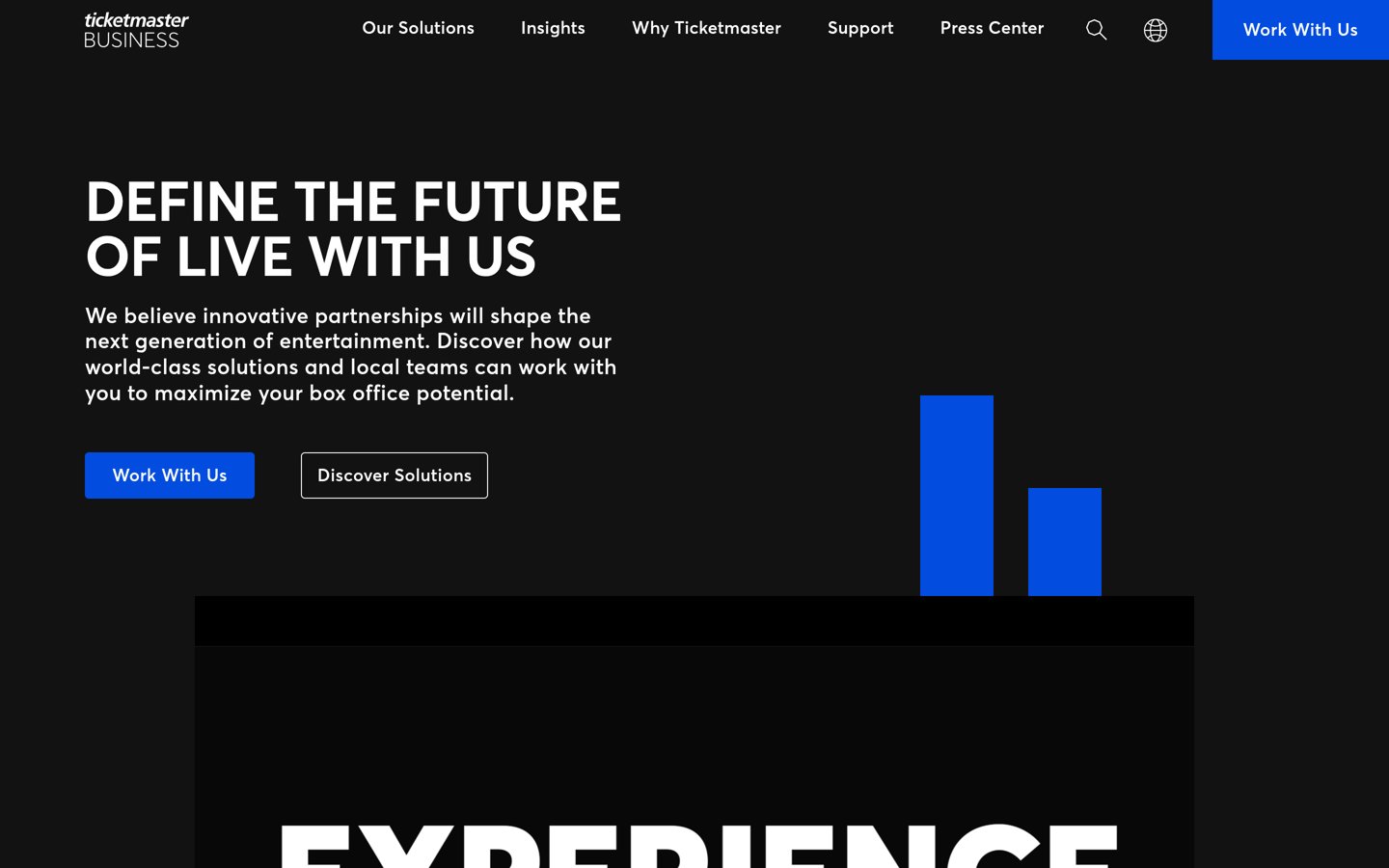
Ticketmaster is the global leader in live event ticketing, a Live Nation Entertainment subsidiary selling tickets for concerts, sports, arts and family events in dozens of countries. Venues get primary ticketing plus resale, marketing and analytics in one ecosystem, with mobile tickets whose barcodes refresh to cut counterfeits.
The trade off is cost and control. You get unmatched demand generation and fraud prevention, but service fees are high and contract terms favor the platform, and smaller organizers get less attention. Ask for references from venues your size before signing.
TicketSpice is the cost leader: a flat $0.99 per paid ticket, no setup fees, no monthly fees, no contracts. You keep 100 percent of any convenience fees you set, and over 50,000 organizations use it, from small concerts to the Albuquerque International Balloon Fiesta.
The trade off is enterprise depth. The platform is a full end-to-end solution with a drag-and-drop page builder, reserved seating, timed entry, box office app, ticket scanning, CRM, email drips and text messaging, but it has fewer enterprise features and a smaller brand than the giants.
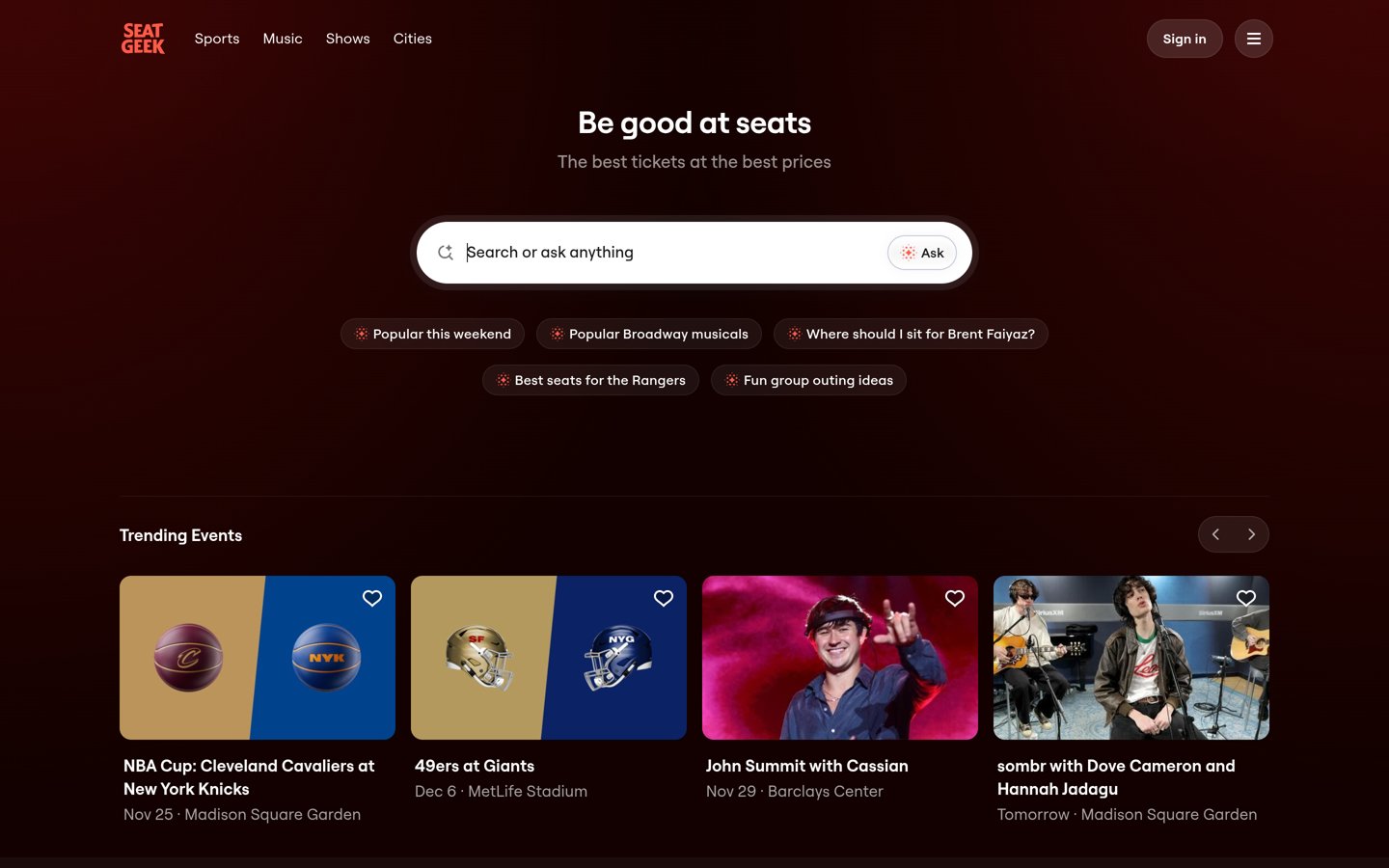
SeatGeek is a box office platform that combines a consumer marketplace with open-ecosystem enterprise ticketing software, and its box office clients include the Dallas Cowboys, Cleveland Cavaliers, Florida Panthers, most English Premier League clubs and Broadway's Jujamcyn Theaters. Fan-facing features like Deal Score ticket ratings and Rally event-day tools differentiate it.
The trade off is maturity and evidence. It is a newer enterprise player than Ticketmaster, and its G2 rating of 3.7 rests on only 10 reviews. The open ecosystem pitch is that teams keep control of their data and fan relationships while getting modern ticketing technology.
What we like
Modern box office plus marketplace
Major sports clients
Deal Score and fan-first features
Open ecosystem keeps data with the team
Watch out for
G2 rating rests on only 10 reviews
Newer enterprise player than Ticketmaster
Fees on resale
Pricing is custom; integrated with Paciolan for college athleticsVisit seatgeek.com
05
Spektrix
4.5/5on Capterra (37 reviews, checked Nov 2026)
PricingSee website/yr
Best for performing arts
Clients825
RegionsUK, Ireland, US, CA, AU, NZ
B CorpCertified
Pay modelNot until you sell
spektrix.com
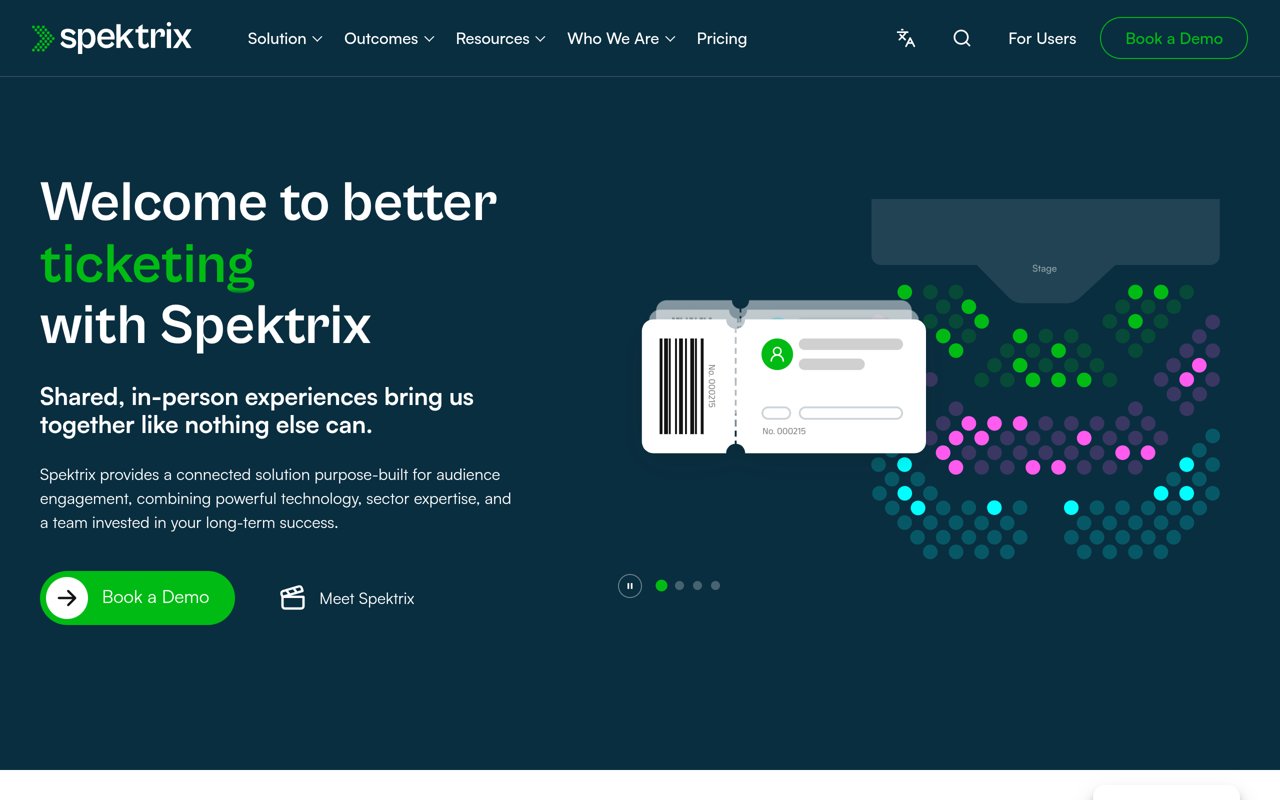
Spektrix homepage, captured Nov 2026.
Spektrix is a box office, ticketing and CRM platform purpose-built for performing arts, culture and in-person events, with 825 clients across the UK, Ireland, US, Canada, Australia and New Zealand. A standout commercial term: you do not pay until you start selling tickets.
The trade off is focus. It is arts-focused, not for sports, and onboarding is consultative rather than self-service. As a certified B Corporation it commits to the sector's long-term health, and arts organizations comparing Tessitura should put Spektrix on the shortlist.
What we like
Purpose-built for audience engagement
No charge until you sell tickets
Certified B Corp
Ticketing, marketing, fundraising and CRM unified
Watch out for
Arts-focused, not for sports
Onboarding is consultative
Pricing is not published
Pricing is revenue-share style; ask for a demo with subscription workflowsVisit spektrix.com
06
Tessitura
3.8/5on G2 (80 reviews, checked Nov 2026)
PricingCustom/yr
Best unified arts platform
Organizations800+
Countries10
ModelMember-owned nonprofit
Support24/7
tessitura.com
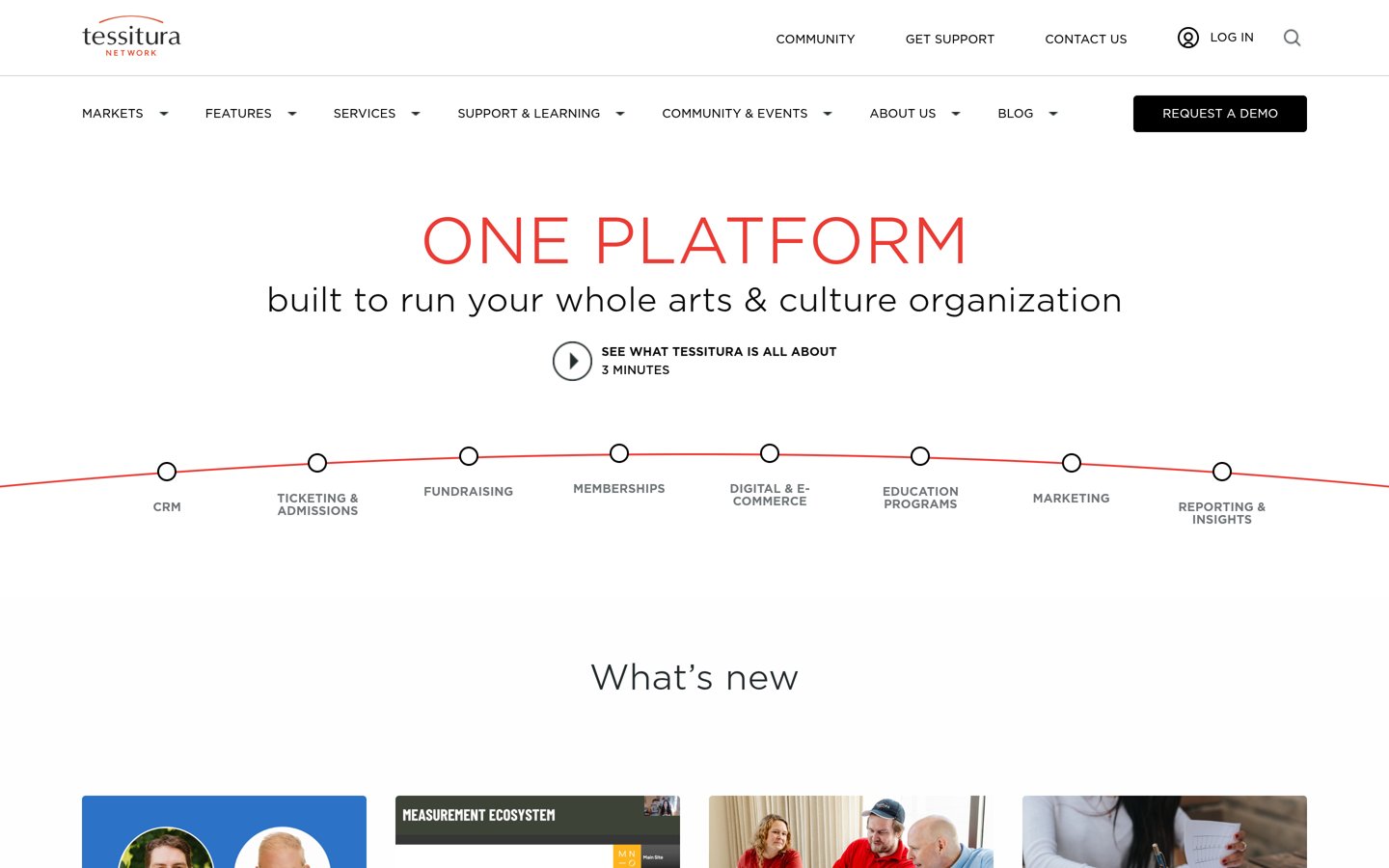
Tessitura homepage, captured Nov 2026.
Tessitura is a nonprofit technology company owned and governed by its member organizations, serving more than 800 arts and cultural organizations in ten countries. One unified database runs ticketing, fundraising, membership, marketing and CRM, which is the core pitch: no integrations to break between the box office and the donor file.
The trade off is the project. It runs on a member licensing model, and implementation is a project, not a signup, so budget for implementation and training, not just licenses. Its G2 rating of 3.8 from 80 reviews is the second-lowest here after SeatGeek.
What we like
Fully unified ticketing, CRM, fundraising
Member-owned nonprofit
800-plus arts organizations
Timed admission and contactless scanning
Watch out for
Member licensing model
Implementation is a project, not a signup
G2 rating of 3.8 is low for this list
Pricing is custom member licensing; implementation is a projectVisit tessitura.com
07
Tixr
4.8/5on G2 (5 reviews, checked Nov 2026)
PricingCustom/yr
Best for festivals and high-demand on-sales
Partners700+
Countries60
Sales/yr$1B+
Founded2013
tixr.com
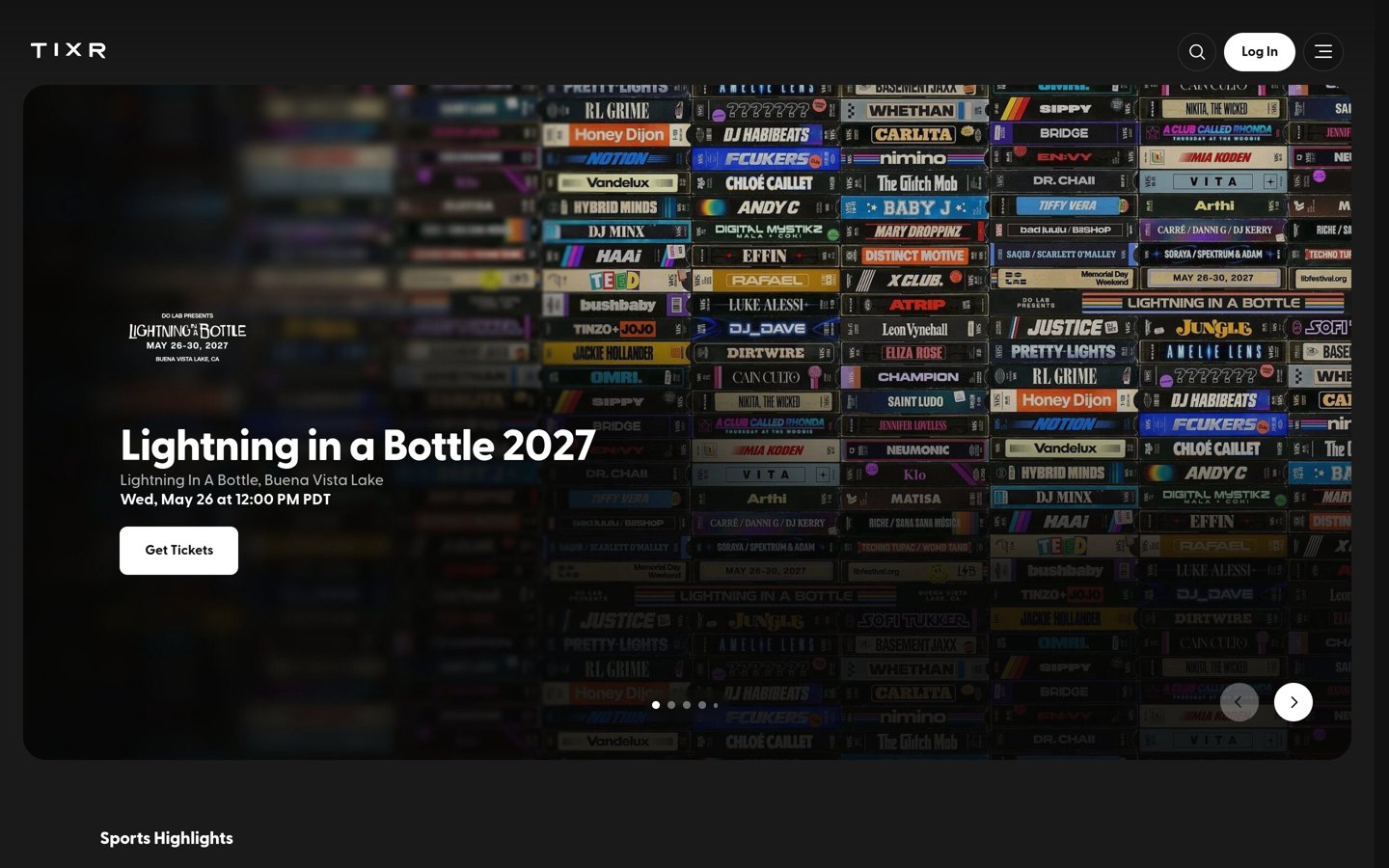
Tixr homepage, captured Nov 2026.
Tixr is a modern ticketing and commerce platform for live events, built around a polished, unified buyer experience. Founded in 2013, it processes more than $1 billion in annual ticket sales for over 700 partners across 60 countries, and it built its name on the hardest problem in ticketing: selling out.
The trade off is access and price. You must apply and be accepted to sell on Tixr, and pricing is not public, so it suits established, brand-focused festivals, conventions and high-volume promoters rather than a first-time organizer who needs a page live today.
What we like
Tiered releases, waitlists and payment plans
Polished mobile-first buyer experience
Highest G2 rating here at 4.8, tied with TicketSpice
High-touch support, 9.8 G2 support score
Watch out for
G2 rating rests on only 5 reviews
Application-only, not self-service
Pricing is not public
Pricing is custom; apply to sell, not open signupVisit tixr.com
08
Ticket Tailor
4.8/5on G2 (198 reviews, checked Nov 2026)
PriceFree
Best low-cost self-service
Pay as you go$0.75/ticket
Prepaid creditsFrom $0.28/ticket
Free ticketsFree to 5,000/yr
Monthly feeNone
tickettailor.com
Ticket Tailor homepage, captured Nov 2026.
Ticket Tailor is a low-cost self-service ticketing platform with no monthly fee and no percentage cut: you pay a flat fee only on paid tickets. Free tickets cost nothing up to 5,000 a year, your first five paid sales are free, and you connect your own Stripe, PayPal or Square account to take money.
The trade off is scale and polish. The credit system can seem confusing at first, costs add up for low-priced tickets on pay-as-you-go, and there is no built-in discovery marketplace like Eventbrite. It suits small organizers, nonprofits and independent events that want the lowest possible fees without a subscription.
What we like
No monthly fee or percentage cut
Flat $0.75 per paid ticket, $0.28 prepaid
Free tickets free up to 5,000 a year
Highest G2 rating here at 4.8, tied with TicketSpice
Watch out for
Credit system can seem confusing at first
Costs add up for low-priced tickets
No built-in discovery marketplace
Pay upfront $0.28/ticket with prepaid credits; vendor page prices in GBPVisit tickettailor.com
Reducing fees without losing service
Service fees are the biggest complaint in ticketing, and they hit both buyers and organizers. Before signing, model the all-in cost: the platform fee, payment processing, and any fees passed to buyers.
Flat-fee tools like TicketSpice often win for mid-size events, while percentage models can cost less for low-ticket-price events. Eventbrite's 3.7 percent plus $1.79 per ticket plus 2.9 percent processing is the number to beat when you compare.
Some independent platforms let you negotiate terms, which the marketplace giants rarely allow. Also confirm who owns the customer data, since owning your audience list means you can market future events directly.
Free events cost nothing on Eventbrite, and Spektrix charges nothing until you start selling tickets, so a small organizer can test either platform before committing to fees.
How we chose
We started from the ten box office platforms in the rankite comparison, then kept the eight with a verifiable G2, Capterra or Trustpilot rating checked on 24 November 2026.
Prices come from vendor pricing pages opened the same day: Eventbrite at 3.7 percent plus $1.79 per ticket plus 2.9 percent processing, TicketSpice at $0.99 per paid ticket, and Ticket Tailor at $0.75 per paid ticket on pay-as-you-go and $0.28 with prepaid credits (G2 vendor-provided USD pricing; the vendor page prices in GBP). Ticketmaster, SeatGeek, Tessitura and Tixr do not publish prices, so they show Custom; Spektrix shows See website.
We left out Loopyah and Paciolan because neither has a verifiable G2 or Capterra rating. Etix was dropped after its screenshot failed on every route (lx shot, Microlink, thum.io) and replaced with Ticket Tailor, and AXS was dropped after its site bot-blocked every screenshot route (lx shot twice, Microlink on two domains, thum.io) and replaced with Tixr. No vendor paid for a place, and we do not claim hands-on testing for this list.
How to choose box office software
Start with your venue type, then compare the all-in fee on a real ticket price.
Match the platform to your venue type. Large venues and tours go to Ticketmaster or SeatGeek; arts nonprofits to Tessitura or Spektrix; festivals and high-demand on-sales to Tixr; self-service to Eventbrite, TicketSpice or Ticket Tailor.
Model the all-in cost on a real ticket price. Add the platform fee, payment processing and any fees passed to buyers, then compare flat-fee and percentage models at your price point.
Confirm who owns the customer data. Owning your audience list means you can market future events directly instead of paying the platform to reach your own buyers again.
Ask for references from venues your size. Enterprise platforms serve arenas well and small organizers badly, so talk to a venue like yours before signing.
FAQ
What is the best box office software?
Eventbrite is the best box office software for most organizers, with self-service ticketing, a huge discovery marketplace and no cost for free events. TicketSpice is the cheapest paid option at a flat fee per ticket.
What is box office software?
Box office software sells tickets and runs the door: online sales, reserved seating, scanning at entry, refunds and reports. For most organizers it is also the CRM, the marketing database and the donor pipeline.
How much does box office software cost?
Eventbrite charges 3.7 percent plus $1.79 per paid ticket plus 2.9 percent payment processing, and TicketSpice charges a flat $0.99 per paid ticket. Ticketmaster, SeatGeek, Tessitura and Tixr do not publish prices and negotiate custom contracts.
Is Eventbrite free?
Yes, for free events. You can publish unlimited free events at no cost, with no ticketing platform fees. Paid events carry a 3.7 percent plus $1.79 service fee per ticket plus 2.9 percent payment processing per order.
What is the cheapest box office software?
TicketSpice is the cheapest paid option here at a flat $0.99 per paid ticket, with no setup fees, no monthly fees and no contracts. Eventbrite is free for free events but costs more per paid ticket.
Which box office software is best for arts nonprofits?
Tessitura and Spektrix are built for arts nonprofits, combining box office ticketing with fundraising, CRM and marketing. Tessitura is member-owned with one unified database; Spektrix charges nothing until you start selling tickets.