Duolingo is the best app to learn German for most people, with a full free course and the highest user count in this list. Pick Babbel for clearer grammar teaching, Busuu for corrections from native speakers, and italki when you want live lessons with a real tutor.
How we make this list: we compare pricing pages, product documentation and public user reviews, then re-check every price before each update. No product paid for a place. Disclosure.
Duolingo gives the most for free: a full German course, speech checks and daily goals at no cost.
Babbel is the strongest choice for grammar, with expert-built lessons and a 4.4 Trustpilot rating from 33,492 reviews.
Busuu adds corrections from native speakers, which no other free plan in this list offers.
Memrise is cheapest per year at $61.99 and focuses on vocabulary through native-speaker video.
Pimsleur is the dearest at $19.95 a month, and Mondly is the lowest rated at 2.4 out of 5 on Trustpilot.
What a good German app should cover
German rewards daily practice more than long weekend sessions. A good app gives you short lessons, speech checks and a way to review words before they fade.
Free plans differ a lot. Some cover a full course, like Duolingo, while others stop after a first lesson. Check what the free plan really includes before you compare prices.
Speaking matters most for German, because word order and cases only stick when you say them. Apps with speech recognition, chatbots or live tutors help here more than flashcard apps.
If you outgrow apps, a structured course helps. Our guide to online course platforms compares longer courses with teachers and set curriculums.
Prices in this list come from app store listings and vendor pages checked on 25 November 2026. Where a vendor hides its price, we say so instead of guessing.
List prices in each vendor's currency, checked Nov 2026
italkiPay per lesson
MondlyFREE€47.99
MemriseFREE$62
BusuuFREE$70
DuolingoFREE$84
Babbel$90
Rosetta$110
Pimsleur$239
The 8 best apps to learn German
01
Duolingo
4.5/5on G2 (145 reviews, checked Nov 2026)
Paid from$83.99/yr
Best app to learn German overall
German courseFull A1 to B2 course
Free planYes, with ads
Speaking practiceYes, with speech checks
Paid planSuper, $83.99/yr
duolingo.com
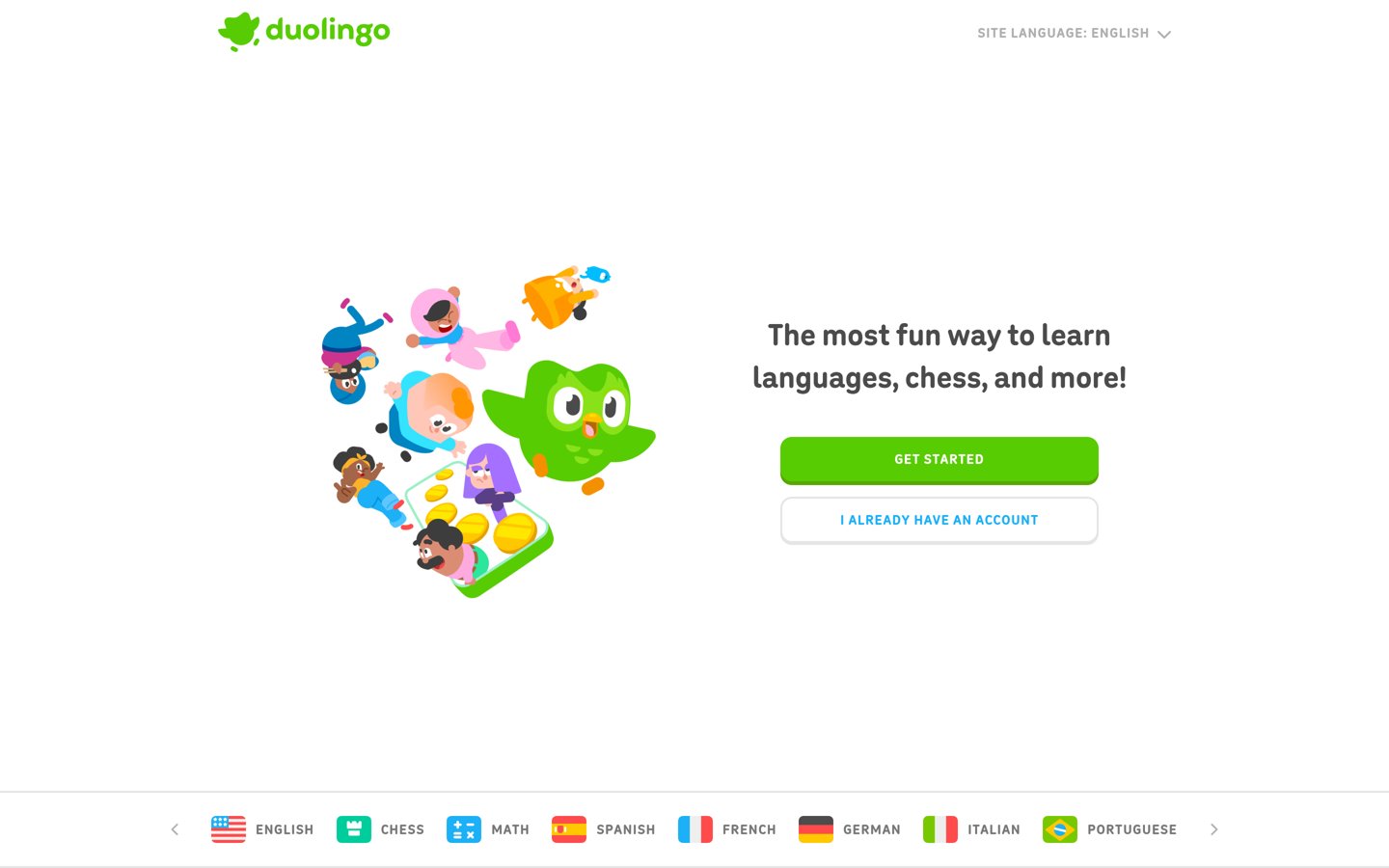
Duolingo homepage, captured Nov 2026.
Duolingo is the most popular way to learn German on a phone, with short game-like lessons that cover vocabulary, grammar, listening and speaking. The free version covers the full German course from A1 to B2, with streaks, leagues and daily goals that keep practice going. It works on the web and on phones, and it syncs progress between them.
The trade off is depth. Grammar explanations stay light, and free users lose progress energy and see ads, so serious learners often add a tutor or a grammar book. Super costs $83.99 a year and removes ads and energy limits. It suits beginners and casual learners who want a free daily habit.
What we like
Full German course free, with no paywall on core lessons
Speech checks and listening practice in every lesson
4.4/5on Trustpilot (33,492 reviews, checked Nov 2026)
Starts at$89.99/yr
Best for structured German grammar
German courseA1 to B2, plus review
Live classesBabbel Live, extra cost
Speech recognitionYes, in lessons
Paid plan1 language, $89.99/yr
babbel.com
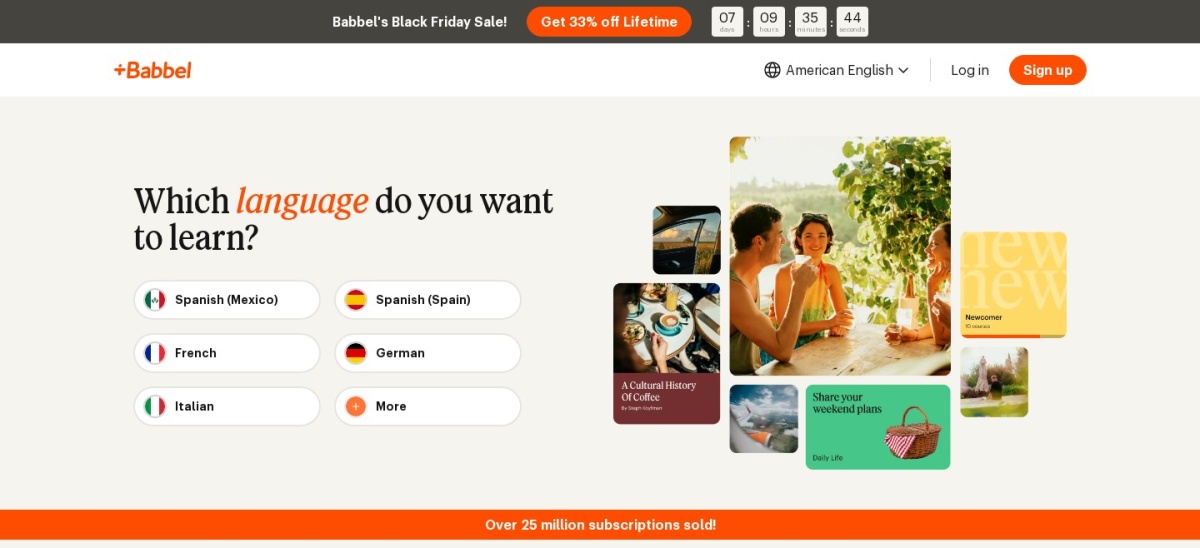
Babbel homepage, captured Nov 2026.
Babbel is a subscription app built by more than 200 language experts, with German courses that teach grammar in context instead of through drills. Lessons run about 10 to 15 minutes and cover real-life dialogues, pronunciation with speech recognition, podcasts and review sessions. The app tracks progress and repeats words before they fade.
The trade off is price and scope. There is no free plan beyond a first lesson, and live group classes cost extra on top of the $89.99 yearly plan. The German course stops at upper-intermediate level, so advanced learners need other material. It suits learners who want clear grammar and a set path.
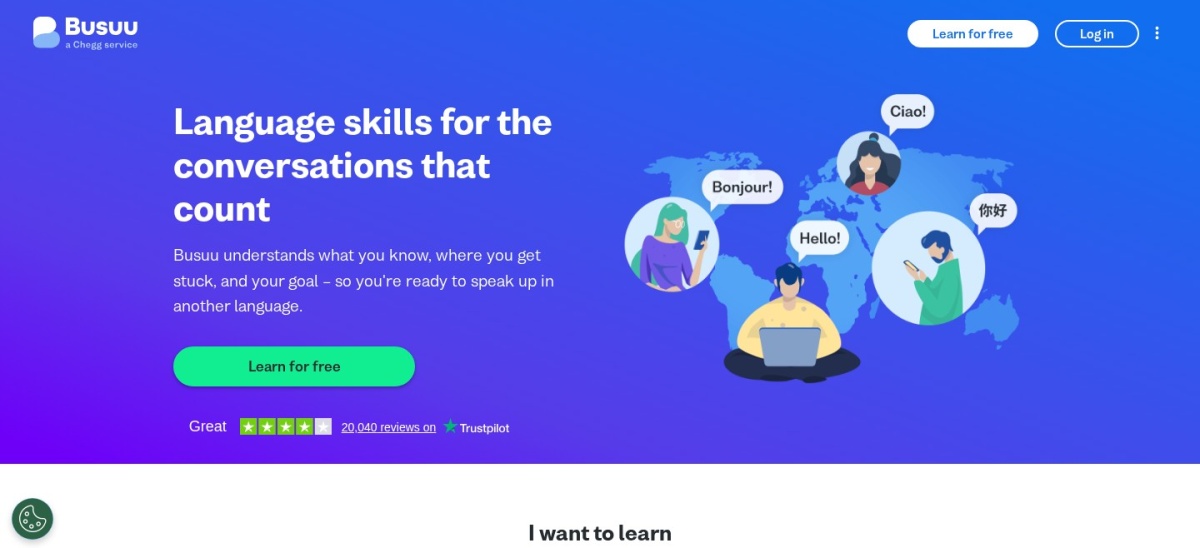
Busuu is a language app that pairs short lessons with corrections from native German speakers in its community. The free plan covers basic lessons, while Premium adds a personal study plan, offline mode, grammar review and official certificates. Courses run from beginner to upper-intermediate level.
The trade off is that the best parts sit behind Premium, and the annual price on the App Store lists several older plans, so the $70 yearly figure is the cheapest current option we found. Free users miss the study plan and certificates. It suits learners who want real feedback on their writing and speaking.
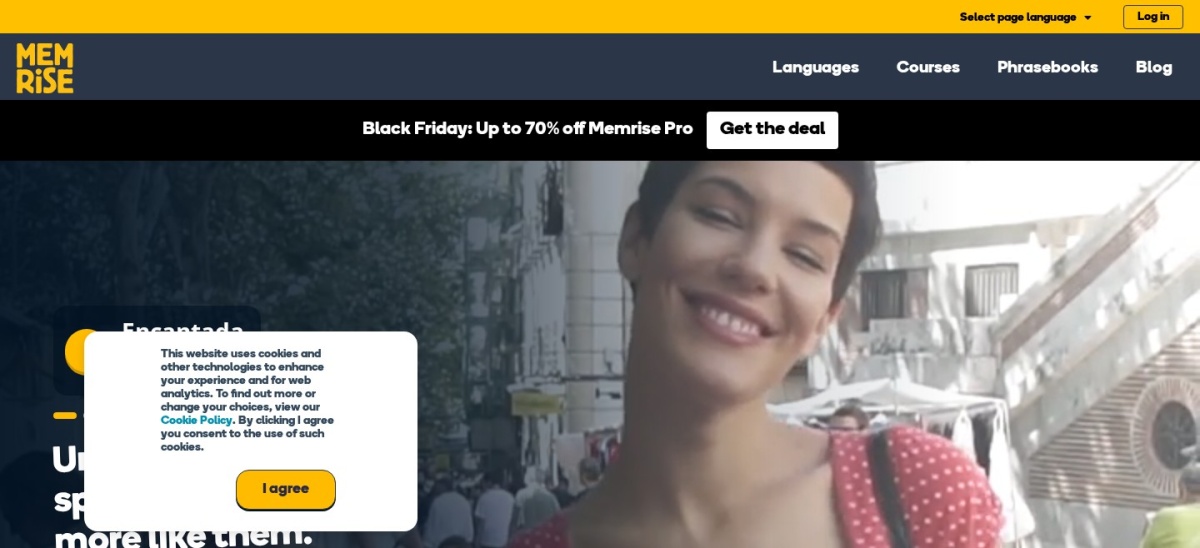
Memrise is a vocabulary-first app that teaches German through short videos of native speakers using words in real situations. The free plan covers core lessons, while Pro unlocks all videos, unlimited speaking practice with AI buddies and an ad-free app. Memrise says it serves more than 80 million learners.
The trade off is structure. Memrise focuses on words and phrases rather than full grammar, so learners who want rules and verb tables need a second resource. Pro costs $61.99 a year, and the monthly plan is far dearer at $24.99. It suits learners who want to build a big German vocabulary fast.
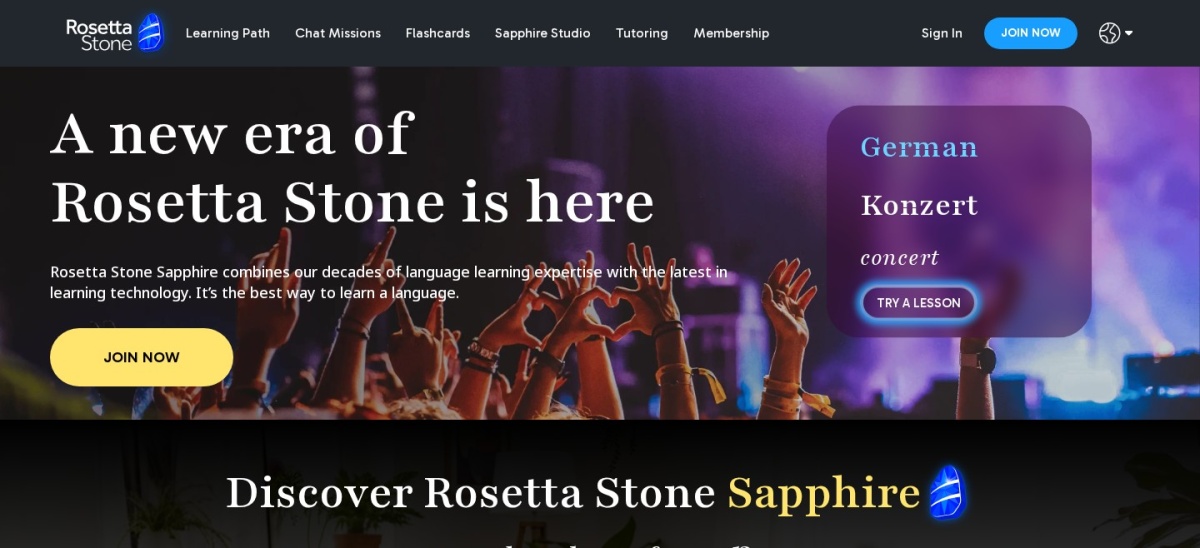
Rosetta Stone is the long-running immersion app for German, teaching through pictures, audio and speech instead of translation. Its method builds listening and speaking from day one, with speech recognition that checks pronunciation and downloadable lessons for offline study. Live tutoring sessions add real conversation.
The trade off is cost and grammar. There is no free plan, the yearly plan costs $109.99, and grammar rules are never spelled out, which frustrates some learners. Lifetime access costs more up front. It suits patient learners who like learning by ear and picture rather than by rules.
4.3/5on Trustpilot (254 reviews, checked Nov 2026)
Starts at$19.95/mo
Best for speaking German from day one
German courseAudio-first, 5 levels
Lesson length30 minutes a day
AI speaking coachYes, Conversation Coach
Paid planPremium, $19.95/mo
pimsleur.com
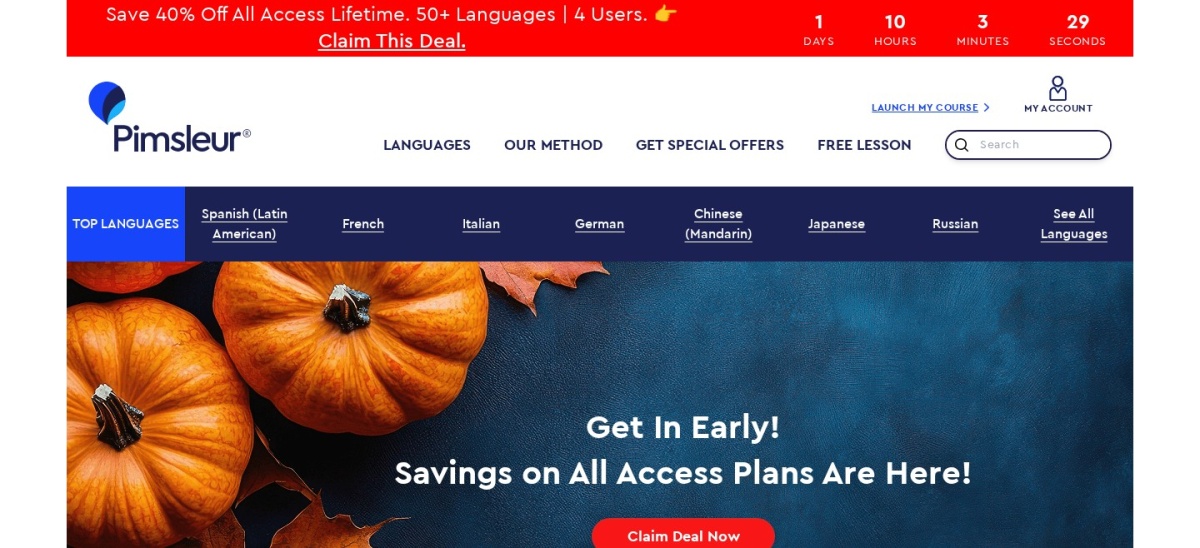
Pimsleur homepage, captured Nov 2026.
Pimsleur is an audio-first German course built on 30-minute speaking lessons that ask you to listen, recall and answer out loud. The method uses spaced repetition to lock in phrases, and the app adds flashcards, reading lessons and an AI conversation coach. Courses cover 50-plus languages.
The trade off is price and reading. Premium costs $19.95 a month, which makes it the dearest option here over a year, and reading and writing get less attention than speaking. It suits commuters and drivers who want to speak German without staring at a screen.
4.4/5on Trustpilot (15,124 reviews, checked Nov 2026)
PricingPay per lesson/lesson
Best for live German lessons with a tutor
German tutors30,000-plus teachers on italki
Lesson format1-on-1 video, 30 to 90 min
SubscriptionNone, pay as you go
Price modelTeachers set own rates
italki.com
italki homepage, captured Nov 2026.
italki is a marketplace where you book one-to-one German lessons with native tutors and professional teachers. You pick a teacher by price, rating and video intro, then meet by video call for 30, 45, 60 or 90 minutes. italki says it has more than 5 million students and 30,000 teachers.
The trade off is that there is no set course or subscription. Teachers set their own rates, lesson packages expire after six months, and quality varies from tutor to tutor, so you need to try a few. It suits learners who want real conversation with a person, not an app.
2.4/5on Trustpilot (787 reviews, checked Nov 2026)
Pricing€47.99/yr
Best budget German app with AR extras
German course41 languages, daily lessons
Conversation botYes, chatbot practice
VR lessonsYes, Mondly VR
Paid planPremium, €47.99/yr
mondly.com
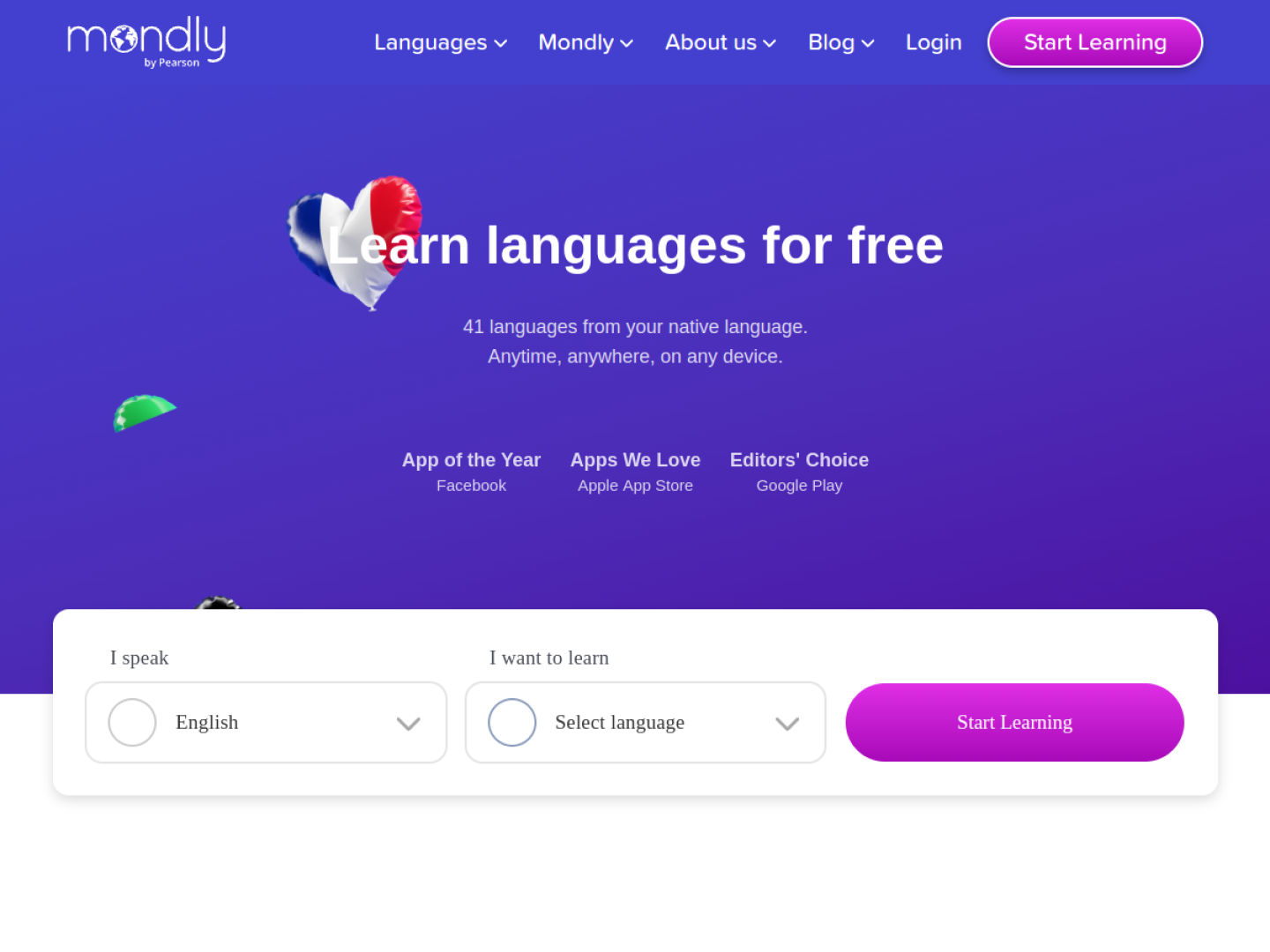
Mondly homepage, captured Nov 2026.
Mondly is a low-cost German app from Pearson with short daily lessons, a chatbot for conversation practice and optional VR lessons. The free version covers daily lessons and basic phrases, while Premium unlocks all 41 languages, grammar lessons and offline mode. It holds more than a million ratings on its homepage.
The trade off is trust. Mondly scores only 2.4 out of 5 on Trustpilot, where reviewers complain about trial charges and refunds, and the yearly price we found is in euros, not dollars. It suits bargain hunters who pay by card carefully and watch the renewal date.
Free plans cover the basics well. Duolingo gives a full course for free, while Busuu, Memrise and Mondly give useful free lessons with limits.
Paid plans mostly remove ads and limits. You get offline mode, full videos, study plans and certificates, plus faster progress through review tools.
The dearest paid plan here is Pimsleur at $19.95 a month, while Memrise costs $61.99 a year. A yearly plan always beats paying month by month.
If you pay, set a calendar reminder before the renewal date. Trials and yearly plans renew on their own, and refunds can be slow.
How we chose
We started from the most widely used German learning apps, then kept those with a verifiable rating on G2 or Trustpilot and a price we could check on an app store listing or a vendor page. Apps with no verifiable rating were left out.
Prices and ratings were checked on 25 November 2026. Ratings come from G2 or Trustpilot, and prices come from Apple App Store listings, which show the same subscription prices as the vendors. Where a vendor page showed no price, we say so in the notes.
We left out Lingoda because its pricing page shows no figures and no yearly price could be confirmed. No vendor paid for a place, and we do not claim hands-on testing for this list.
How to choose an app to learn German
Match the app to your goal, your budget and how much speaking you want.
Start with your goal. Travel needs phrases fast, while an exam needs grammar and writing. Pick the app that matches the goal, not the one with the most downloads.
Try the free plan first. Use the free lessons for a week before paying. If the teaching style bores you on day three, it will not work on day thirty.
Check the yearly price, not the monthly one. Monthly plans cost far more over a year. Compare yearly prices in the ladder above before you subscribe.
Add speaking practice early. Book a tutor on italki or use Busuu corrections once a week. Speaking is the skill apps teach worst, so do not leave it until later.
FAQ
What is the best app to learn German?
Duolingo is the best app to learn German for most people. Its free version covers the full course from beginner to upper-intermediate level, with speech checks, streaks and daily goals. It is rated 4.5 out of 5 on G2, and Super costs $83.99 a year if you want no ads.
Is Duolingo enough to learn German?
Duolingo builds vocabulary and basic grammar well, but it does not teach deep grammar or real conversation. Most learners pair it with a tutor on italki, a grammar book, or German media once they pass the basics. Treat it as a daily habit, not a full course.
Which German app is best for speaking?
Pimsleur is best for speaking from day one, because every lesson makes you answer out loud. italki is best for real conversation, since you talk with a native tutor. Busuu sits between the two, with written corrections from native speakers.
Can I learn German for free?
Yes. Duolingo, Busuu, Memrise and Mondly all have free plans that cover real lessons. Duolingo gives the most for free, with a full course and no paywall on core lessons. Free plans show ads or limit features, and paid plans remove those limits.
How much does Babbel cost?
Babbel costs $89.99 for a one-year plan covering one language, or $17.99 for a single month. A 12-month plan for all languages costs $107.99 on the App Store. Live group classes cost extra on top of the subscription.
Is Mondly worth it?
Mondly is cheap, with an annual plan listed at 47.99 euros, and it covers 41 languages with daily lessons and a chatbot. But it scores only 2.4 out of 5 on Trustpilot, where reviewers report trial and refund problems. Check the renewal terms before you pay.
SaaS SEO and WordPress specialist with about 8 years of experience. Rakib compares WordPress plugins, themes, hosting and software using public pricing, documentation and user reviews. See how we rank.