Best AI Grading Tools for Teachers in 2026: 8 Tools Compared
WLWPLegible EditorsLast verified 22 Nov 2026How we rank11 min read
★ Short answer
CoGrader is the best AI grading tool for most teachers: its free plan grades 150 submissions a month against your rubric, and it is rated 4.6 out of 5 on G2. Pick EssayGrader for bulk essay grading and Gradescope for large STEM exams.
How we make this list: we compare pricing pages, product documentation and public user reviews, then re-check every price before each update. No product paid for a place. Disclosure.
CoGrader leads with 150 free submissions a month and a 4.6 out of 5 G2 rating from 65 reviews.
EssayGrader has the largest rubric library here, with 800+ standards-aligned rubrics and 100 free essays a month.
GradingPal grades the widest mix of work, from essays and art to quizzes, video and audio.
Gradescope and Turnitin Feedback Studio are quote-only institutional tools with no published individual price.
Every tool here leaves the final grade with the teacher, so budget for review time as well as the subscription.
What to look for in an AI grader
AI graders draft scores and feedback against a rubric you set, then you review and adjust before students see anything. The teacher stays responsible for every mark, so a tool that hides its reasoning or locks you out of editing is a poor fit.
Free limits matter more than headline prices. CoGrader gives 150 submissions a month free, EssayGrader 100 essays and GradingPal 50 submissions, so a teacher with one or two classes may never pay. Check the cap against your real marking load before comparing paid plans.
Subject fit decides the shortlist. Essay tools such as CoGrader and EssayGrader suit English and humanities, while Gradescope is built for fixed-template exams and problem sets. Our best AI plugins for WordPress list covers a different kind of AI tool, for site owners rather than teachers.
Accuracy claims need care. CoGrader publishes a validation study against Texas STAAR raters, while most rivals publish no independent accuracy evidence at all. Treat every AI score as a draft and spot-check a sample of each batch yourself.
Pricing is mostly per teacher per month. The cheapest paid plans run from $8.33 a month for MagicSchool Plus to $15 a month for CoGrader or GPTZero, all billed annually. Gradescope, Feedback Studio and Wayground's rubric grading are sold to schools by quote, so ask for a written price before budgeting.
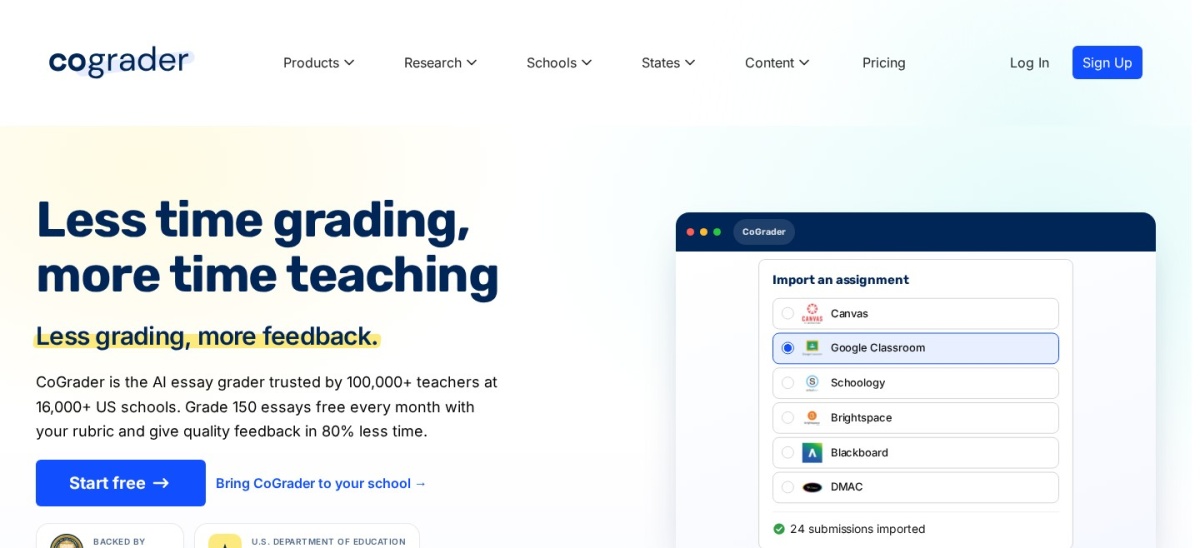
CoGrader is an AI grader that scores essays and open-ended work against a rubric you set, then drafts criterion-level feedback for every student. The free Starter plan covers 150 submissions a month, including handwritten work from scans or photos, and connects to Google Classroom. It is used by more than 100,000 teachers at 16,000 schools.
The trade off is volume and integrations. The Individual plan costs $15 a month billed annually for 350 submissions a month, and Canvas and Schoology sync need a school or district plan. It suits English and humanities teachers who grade essays every week and want the teacher to approve every score.
What we like
Largest free allowance in this list at 150 submissions a month
Reads handwritten work from scans and photos
Only grader here with a published validation study
Google Classroom on the free plan
Watch out for
Canvas and Schoology sync need a school plan
350-submission cap on the Individual plan
Individual adds 350 submissions a month, grammar checks and detectionVisit cograder.com
02
EssayGrader
4.6/5on Trustpilot (69 reviews, checked Nov 2026)
Paid from$14.99/mo
Best for bulk essay grading
Free essays100/month
Rubric library800+ standards-aligned
Paid planPro, $14.99/mo annual
LMSGoogle Classroom, Canvas, Schoology
essaygrader.ai
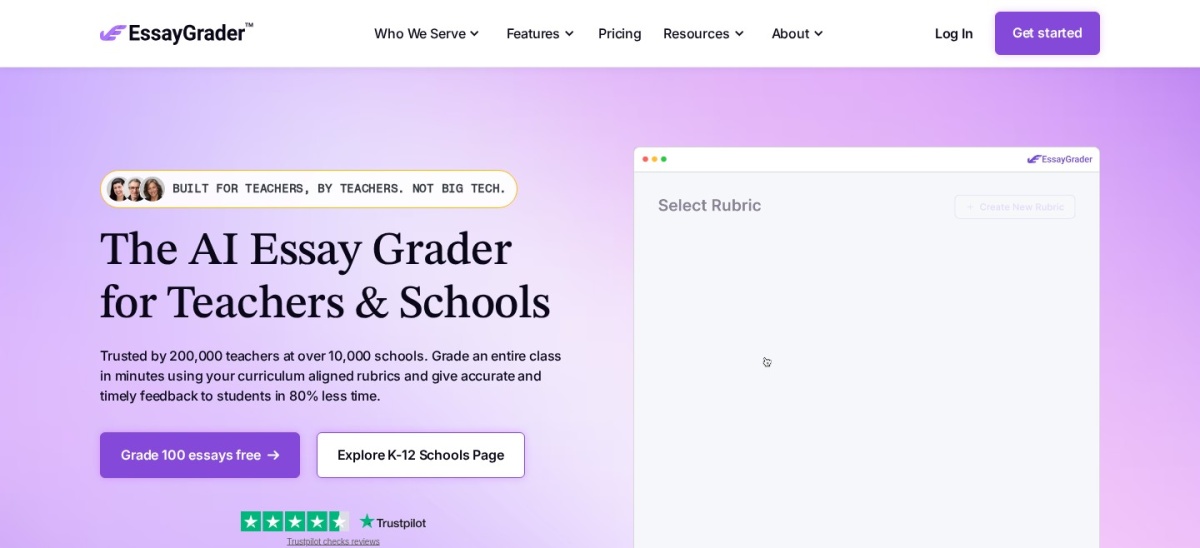
EssayGrader homepage, captured Nov 2026.
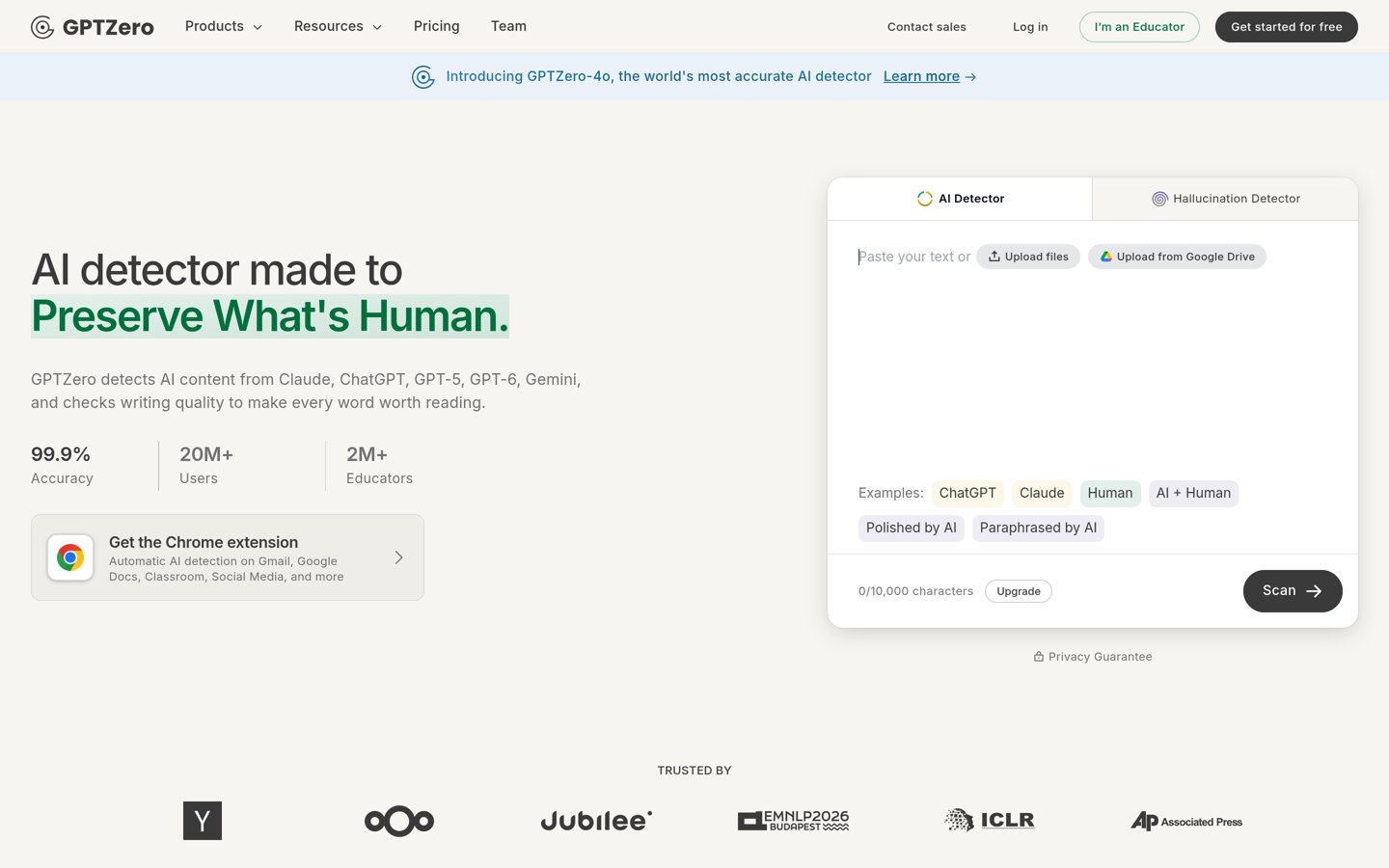
EssayGrader is a browser-based grader built for teachers who mark whole class sets of essays. The free Basic plan grades 100 essays a month, each up to 1,000 words, against your own rubric or one from its library of more than 800 standards-aligned rubrics. Grades pass back to Google Classroom, Canvas and Schoology.
The trade off is the paid tiers. Pro costs $14.99 a month billed annually for 350 essays a month, and AI-writing and plagiarism checks only run on Pro and Premium. It suits teachers with heavy essay loads who want a large rubric library and fast bulk grading.
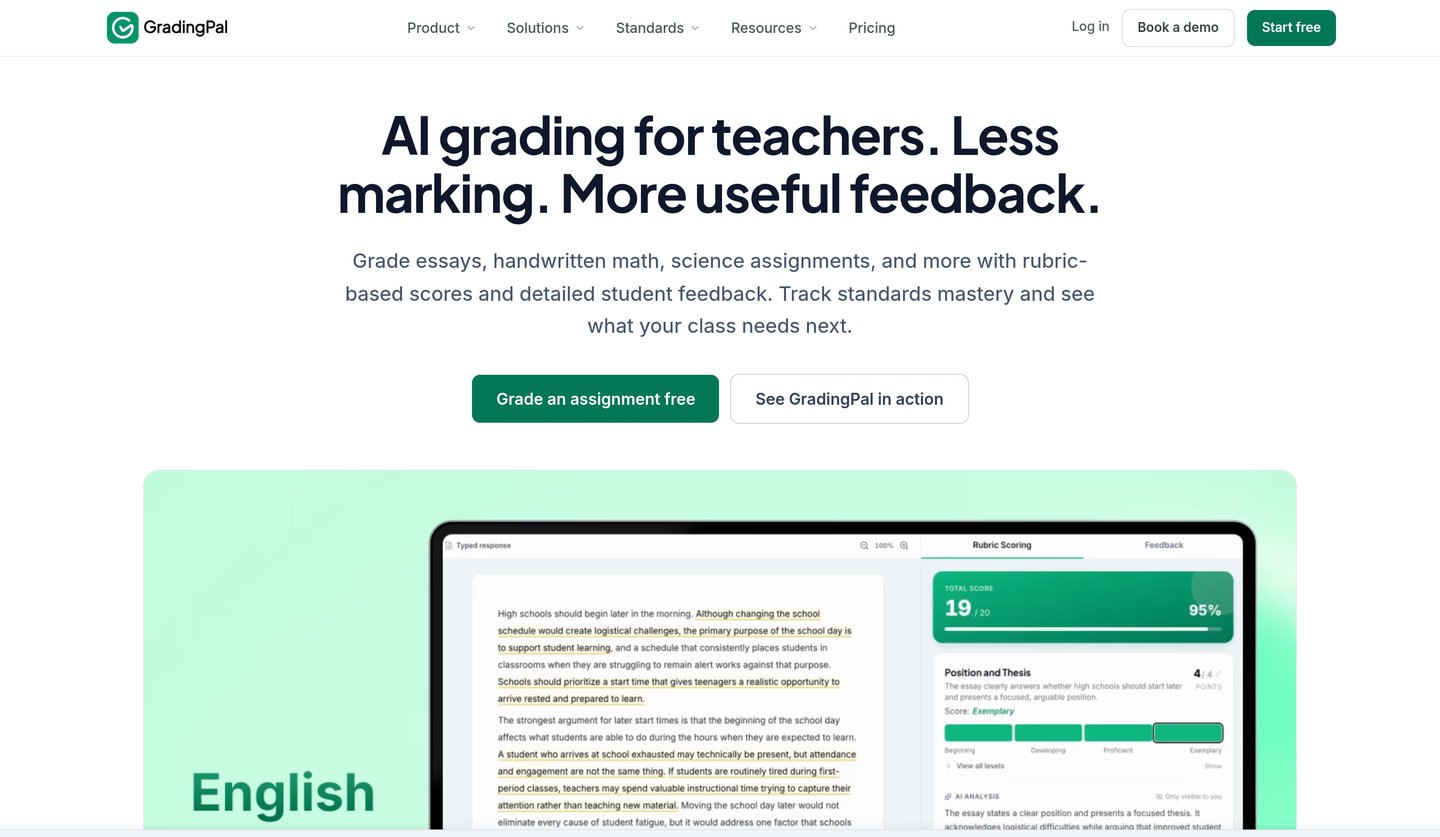
GradingPal is an AI grading platform for K-12 teachers that scores writing, presentations, art, quizzes and exams against a rubric. The free plan covers 50 submissions a month with handwritten support, six feedback styles and Google Classroom integration. It grades the widest mix of assignment types in this list.
The trade off is the cap and the add-ons. Lite costs $14 a month billed annually for 250 submissions a month, but quizzes, exams and worksheets need an add-on or the $26 a month Pro plan. It suits teachers who grade varied work and want one tool for every subject.
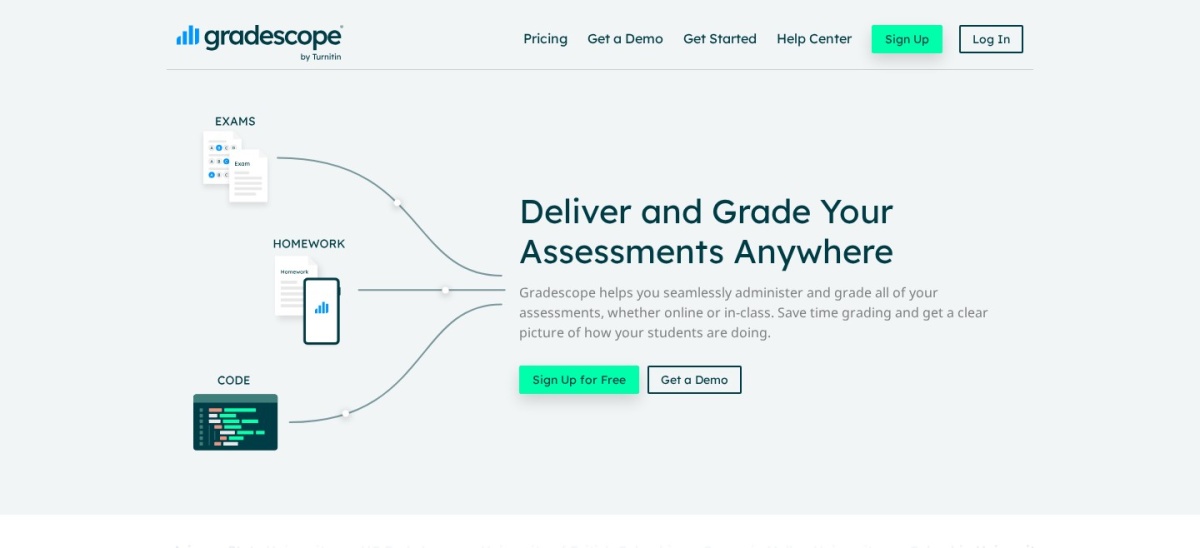
Gradescope is Turnitin's assessment platform for exams, problem sets, bubble sheets and code. Its AI groups similar answers together so you grade one response and apply the score across the group, with a human assigning every point. A free Basic plan covers individual instructors.
The trade off is access and price. AI answer grouping, advanced analytics and LMS sync need an Institutional licence, which is priced by quote through Turnitin sales. It suits university and high-school STEM teachers grading large classes with fixed-template assessments.
What we like
Answer grouping cuts repeat grading on large classes
MagicSchool AI is a toolkit of more than 80 teacher tools, including lesson plans, rubrics, quizzes and a Class Writing Feedback tool that reviews student writing in batches against your rubric. The free plan covers the core tools, and more than 7 million educators use the platform.
The trade off is focus. Plus costs $8.33 a month billed annually for unlimited generations, output history and the 50+ student tools, but grading is one feature among many, not the product's core. It suits teachers who want one login for planning, feedback and admin tasks.
What we like
80+ teacher tools in one login
Cheapest paid plan here at $8.33 a month
Class Writing Feedback reviews work in batches
Watch out for
Grading is one feature among many
Most teachers use only one or two of the 80+ tools
GPTZero is best known as an AI detector, and its AI Grader scores student writing against a rubric while flagging text that looks AI-generated. The free plan covers 10,000 words a month, and the paid plans add batch uploads, reports and LMS integrations. It is used by more than 10 million teachers and students.
The trade off is that detection comes first. The grader is a newer addition, and its AI detection has drawn false-positive complaints in G2 reviews. It suits teachers who need integrity checks and grading in one place and will review every flagged passage.
What we like
Grading and AI detection in one place
Free plan covers 10,000 words a month
Highest review count here at 101 G2 reviews
Watch out for
Detection has drawn false-positive complaints
Grader is newer than its detector
Paid plans add batch uploads, reports and LMS integrationsVisit gptzero.me
07
Turnitin Feedback Studio
4.3/5on G2 (125 reviews, checked Nov 2026)
PricingCustom/yr
Best for feedback with integrity checks
Free planNo free plan
Paid planInstitutional, by quote
Similarity checkYes, Turnitin database
LMSGoogle Classroom add-on
turnitin.com
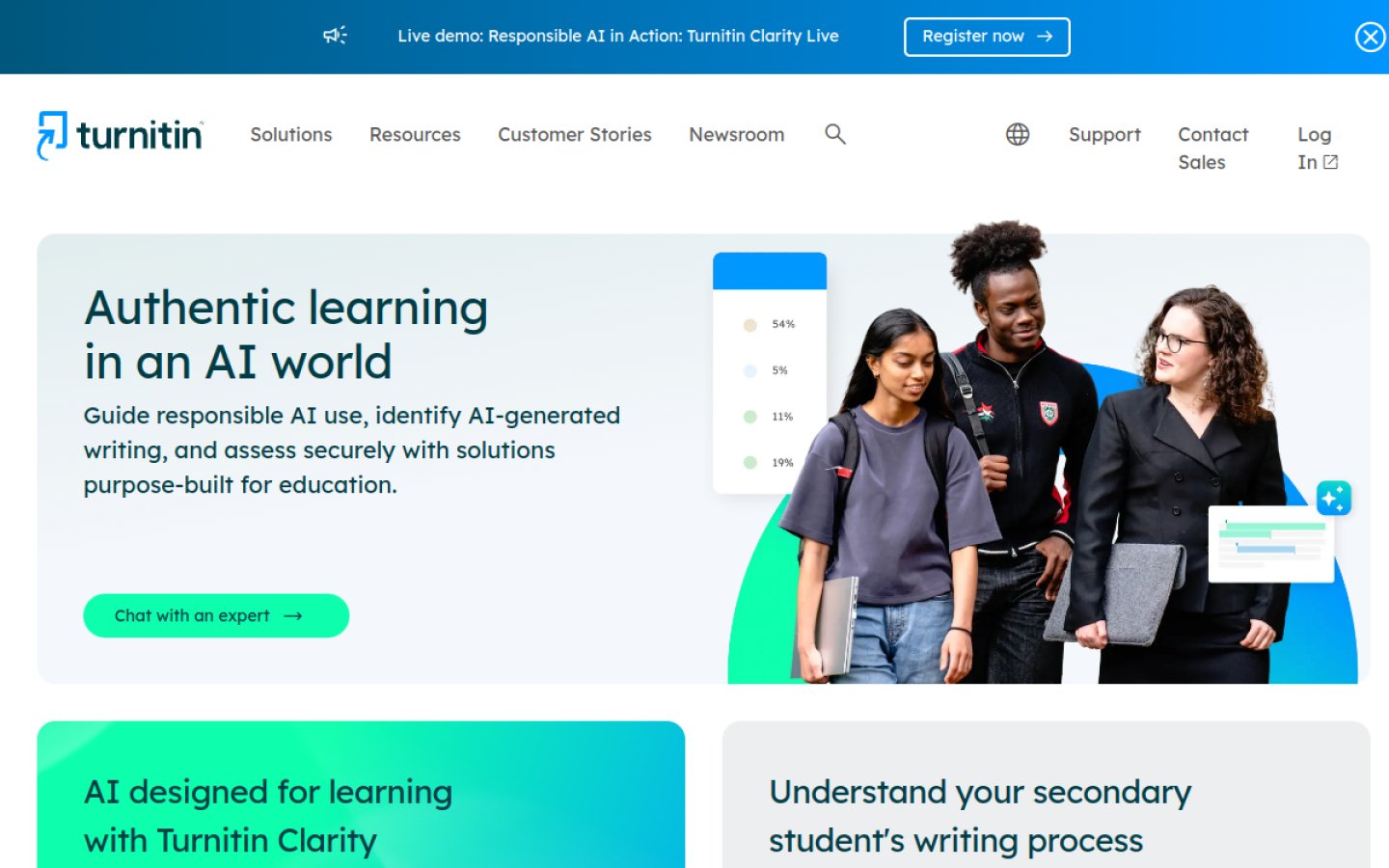
Turnitin Feedback Studio homepage, captured Nov 2026.
Turnitin Feedback Studio is the long-established home for marking student writing with similarity checking built in. Teachers leave comments, marks and rubric scores on each submission, and the similarity report checks work against Turnitin's database. It is rated 4.3 out of 5 on G2 from 125 reviews.
The trade off is that it is an institutional buy. There is no free plan and no published individual price, so a school or district negotiates a licence with Turnitin. It suits schools that already use Turnitin and want feedback, grading and originality checks in one workflow.
What we like
Similarity checking against Turnitin's database
Most reviewed institutional tool here at 125 G2 reviews
Rubrics, comments and marks in one place
Watch out for
No free plan and no published price
AI detection has documented false-positive problems
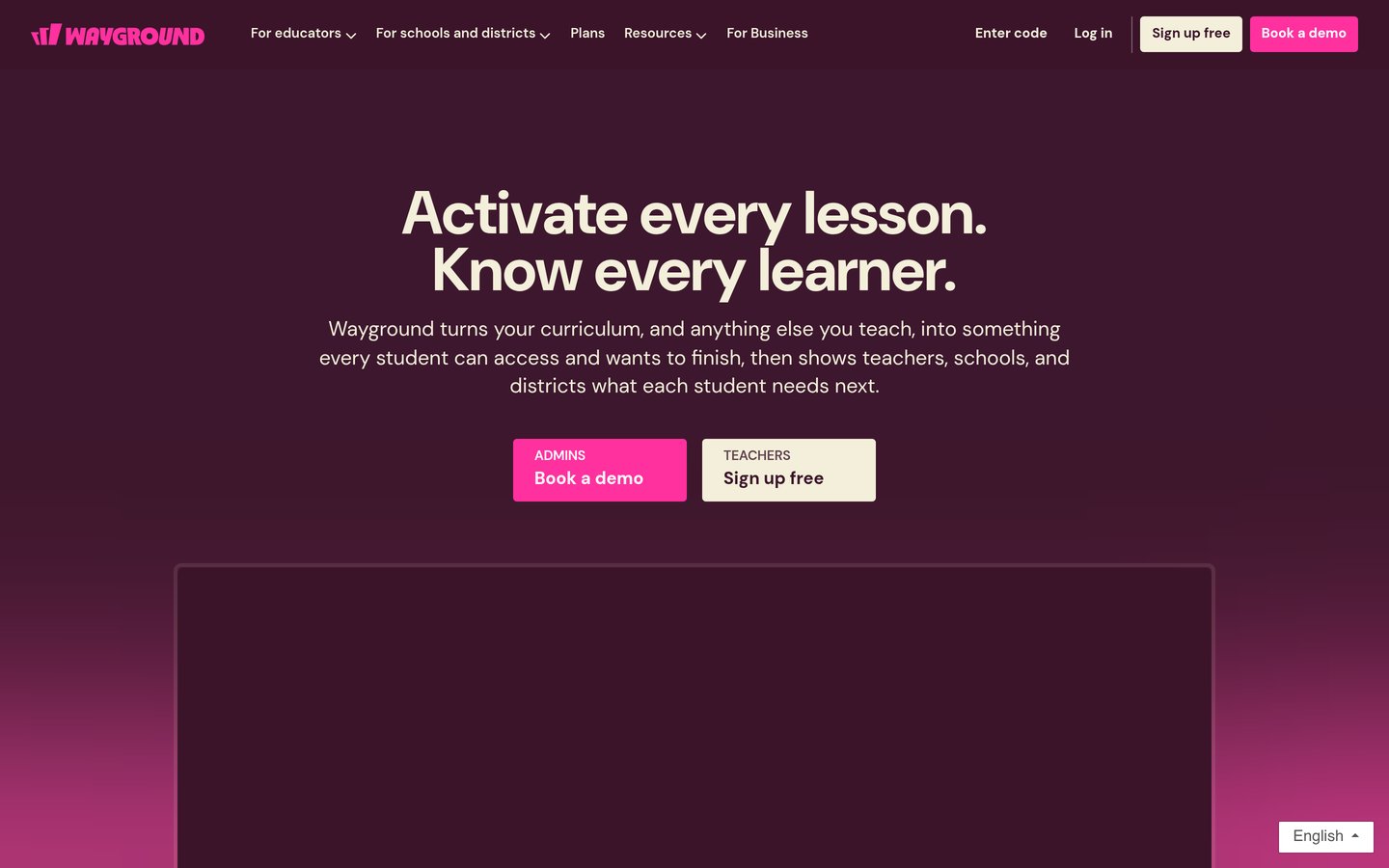
Wayground is a quiz and assessment platform, formerly Quizizz, where students answer live or as homework and most question types mark themselves. Its help centre says automatic grading reaches open-ended questions and audio responses, and the free Basic plan covers 100 students per session.
The trade off is rubric grading. Grading open-ended answers against a custom rubric needs a school or district licence, which is priced by quote, and there is no published individual paid plan. It suits teachers who run graded quizzes and practice, not long-form essays.
What we like
Highest G2 rating here at 4.9 from 255 reviews
Free plan includes autograding and AI answer explanations
Free plans cover real marking. CoGrader's 150 submissions a month and EssayGrader's 100 essays a month handle a full class set for many teachers.
Paid plans buy volume and extras. Higher caps, plagiarism and AI detection, class dashboards and Canvas or Schoology sync sit behind the paywall on most tools.
Quote-only tools have no free tier for individuals in practice. Gradescope's free Basic plan exists for individual instructors, but its AI answer grouping needs an institutional licence, and Feedback Studio is sold to institutions only.
Start on a free plan with real student work before paying. Grade one full assignment, check how much editing the feedback needs, and only then compare paid caps.
How we chose
We started from the AI graders teachers ask about most in 2026, then kept the eight with a verifiable rating on G2 or Trustpilot and a published free plan or price.
Prices come from each vendor's pricing page, checked on 22 November 2026. Ratings and review counts come from G2 and Trustpilot on the same day. Where a vendor shows a sale or a monthly price, the list shows the regular annual price.
We left out tools with no public rating on G2, Capterra or Trustpilot, including Brisk Teaching and Class Companion, and tools whose paid price could not be confirmed. No vendor paid for a place, and we do not claim hands-on testing for this list.
How to choose an AI grading tool
Start with your subject and your marking load, then check the free limit before you look at prices.
Match the tool to your subject. Essays and humanities work suits CoGrader or EssayGrader, while fixed-template exams and problem sets suit Gradescope.
Count your monthly marking load. Add up submissions across all your classes. If the total fits inside 150 a month, CoGrader's free plan may be enough.
Check the LMS connection. Google Classroom works on most free plans, but Canvas and Schoology sync often needs a school plan, so confirm it before you commit.
Grade one real assignment first. Run a full class set through the free plan, edit the feedback, and see how much of the draft you keep before paying for a higher cap.
FAQ
What is the best AI grading tool for teachers?
CoGrader is the best pick for most teachers. Its free plan grades 150 submissions a month against your rubric, it reads handwritten work, and it is rated 4.6 out of 5 on G2 from 65 reviews. EssayGrader is the better choice if you grade essays in bulk.
Are AI grading tools free for teachers?
Most are. CoGrader, EssayGrader, GradingPal, MagicSchool, GPTZero and Wayground all have free plans, with monthly limits from 50 submissions to 150. Gradescope has a free Basic plan for instructors, while Turnitin Feedback Studio has no free plan.
Can AI graders mark handwritten work?
Some can. CoGrader reads handwritten essays from scans or photos on its free plan, and GradingPal and EssayGrader also handle scanned handwritten work. Gradescope is built for scanned paper exams. Always check a messy sample before relying on it for a whole class.
Do AI graders work with Google Classroom?
Yes, most do. Google Classroom integration is on the free plan for CoGrader, GradingPal and EssayGrader, and Wayground and Feedback Studio also connect to it. Canvas and Schoology sync often needs a school plan, so confirm that before you commit.
How accurate is AI grading?
It varies, and no tool here has independent proof of accuracy. CoGrader publishes its own validation study against Texas STAAR raters, with scores within one point in 98.3% of 1,764 responses. Treat every AI score as a draft and review a sample of each batch yourself.
Which AI grading tool is best for maths and science?
Gradescope is the best fit for maths and science. It handles problem sets, fixed-template exams, bubble sheets and code, and groups similar answers so you grade each group once. Essay graders such as CoGrader are built for writing, not worked maths.
Can one AI grader serve a whole school?
Yes, but the price is usually a quote. CoGrader, GradingPal, Gradescope and Feedback Studio all sell school and district plans with shared rubrics, admin controls and training. Ask for a written quote that covers every teacher who will grade, not just a pilot group.