Google Analytics is the best tool for website visitor tracking for most sites, because it is free and shows who visits, where they come from and what they do. Hotjar leads for seeing how visitors behave, while Leadfeeder is the pick for identifying the companies behind the visits, which matters most for B2B teams.
How we make this list: we compare pricing pages, product documentation and public user reviews, then re-check every price before each update. No product paid for a place. Disclosure.
Google Analytics leads for most sites, free with no limits on data or users.
Microsoft Clarity is free forever with unlimited recordings and heatmaps.
Hotjar combines heatmaps, recordings and surveys, with Growth at $49 a month.
Matomo is the privacy-first pick, free when self-hosted and $29 a month on Cloud.
Plausible is the cheapest paid tool at $9 a month, but it has only 7 G2 reviews.
Leadfeeder is the only tool here that names the companies visiting your site.
Which tool is best for website visitor tracking for a small site?
Visitor tracking splits into two jobs. Analytics tools count visits and traffic sources, while behaviour tools record what visitors actually do on the page.
Free tools are genuinely good here. Google Analytics and Microsoft Clarity cost nothing, and Hotjar and Matomo both have free plans worth starting with.
Privacy changes the choice. Cookie-based tools need consent banners in Europe, while Matomo, Fathom and Plausible track without cookies.
B2B sites need a different tool. Only Leadfeeder names the companies visiting your site, which is what sales teams actually want from tracking.
List prices in each vendor's currency, checked Nov 2026
GAFree
ClarityFree
LeadfeederFREE€79
Plausible$108
Fathom$180
MatomoFREE$348
MouseflowFREE$372
Lucky OrangeFREE$384
HotjarFREE$588
MixpanelFREE$1,200
The 10 best tools for website visitor tracking
01
Google Analytics
4.5/5on G2 (6,878 reviews, checked Nov 2026)
PriceFree
Best website visitor tracking tool overall
Free planFree, unlimited
Paid planAnalytics 360, quote only
DataReal-time and historical
PrivacyGDPR controls built in
google.com
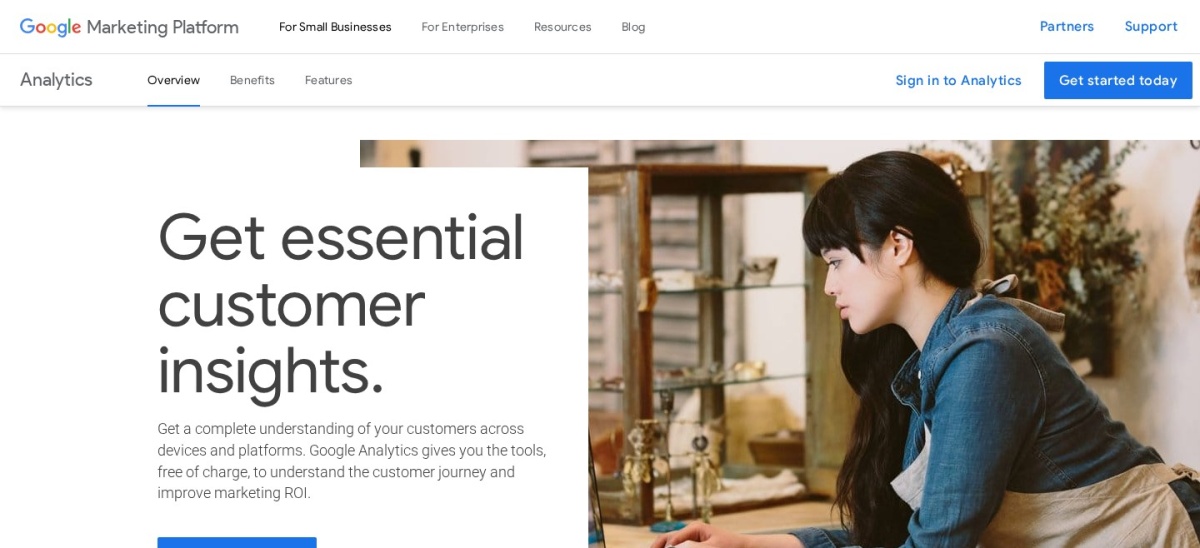
Google Analytics homepage, captured Nov 2026.
Google Analytics is the free web analytics service from Google, tracking pageviews, traffic sources, user behaviour and conversions for sites of any size. It is the default analytics tool for most of the web, with real-time reports and integrations across the Google stack.
The trade off is privacy and complexity. Google Analytics uses cookies and faces GDPR limits in some regions, and its interface takes time to learn. It suits any site that needs a free, full-featured baseline for visitor tracking.
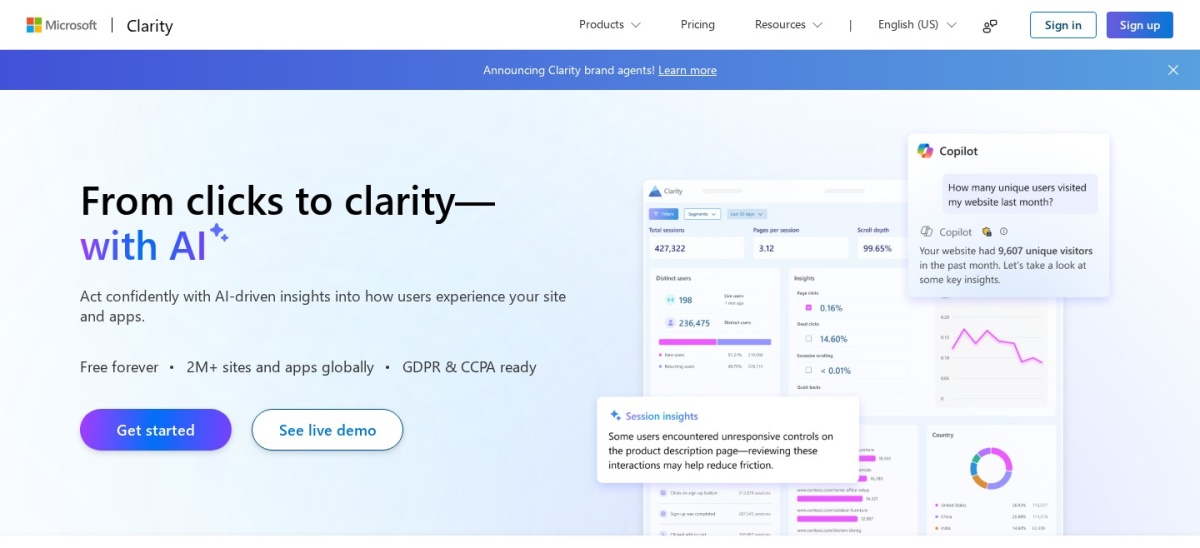
Microsoft Clarity is a free behaviour analytics tool from Microsoft that records visitor sessions, builds click and scroll heatmaps, and flags rage clicks and dead clicks automatically. It is free forever with unlimited recordings and no paid tier.
The trade off is depth. Clarity shows what visitors do but not who they are, and recordings expire after 30 days. It suits teams that want free session recordings alongside a fuller analytics tool.
Hotjar is a behaviour analytics tool that combines heatmaps, session recordings, surveys and feedback widgets in one product. Its free plan covers 200,000 sessions a month, and the Growth plan costs $49 a month for unlimited recordings.
The trade off is the sale price and the thin free tier. The pricing page shows a $39 sale price, but the regular Growth price is $49, and the free plan limits recordings to 200,000 sessions a month. It suits teams that want heatmaps and user feedback in one tool.
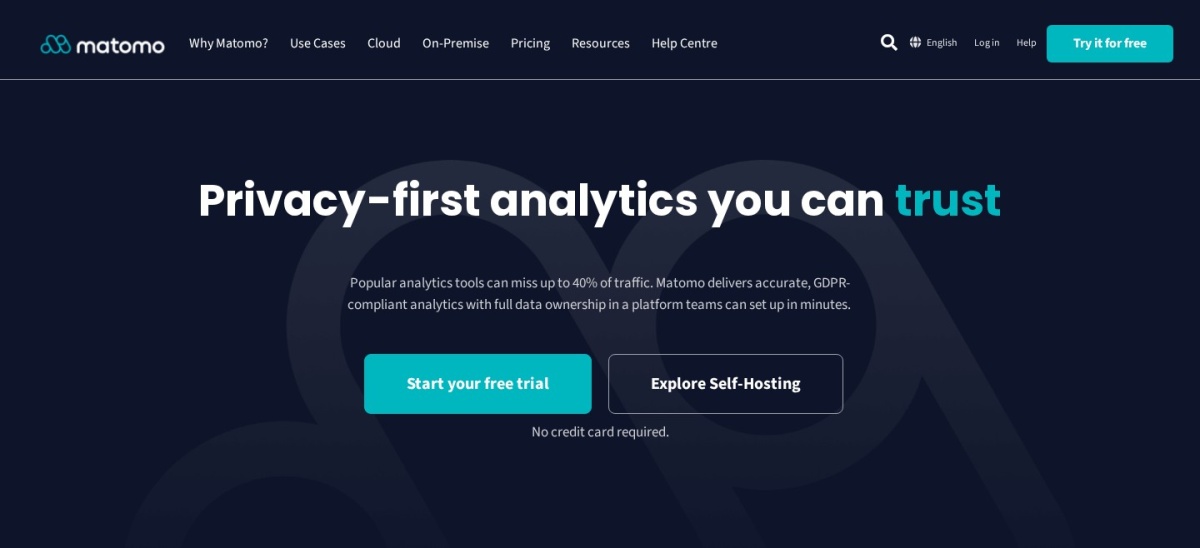
Matomo is an open-source analytics platform that you can self-host for free or run on Matomo Cloud from $29 a month for 50,000 hits. It tracks visitors without cookies, keeps the data on your own servers, and offers heatmaps and session recordings as add-ons.
The trade off is setup and price confusion. Self-hosting needs a server, and the Cloud price rose from $23 to $29 a month, while the On-Premise tiers are priced in euros. It suits teams that must own their data for privacy reasons.
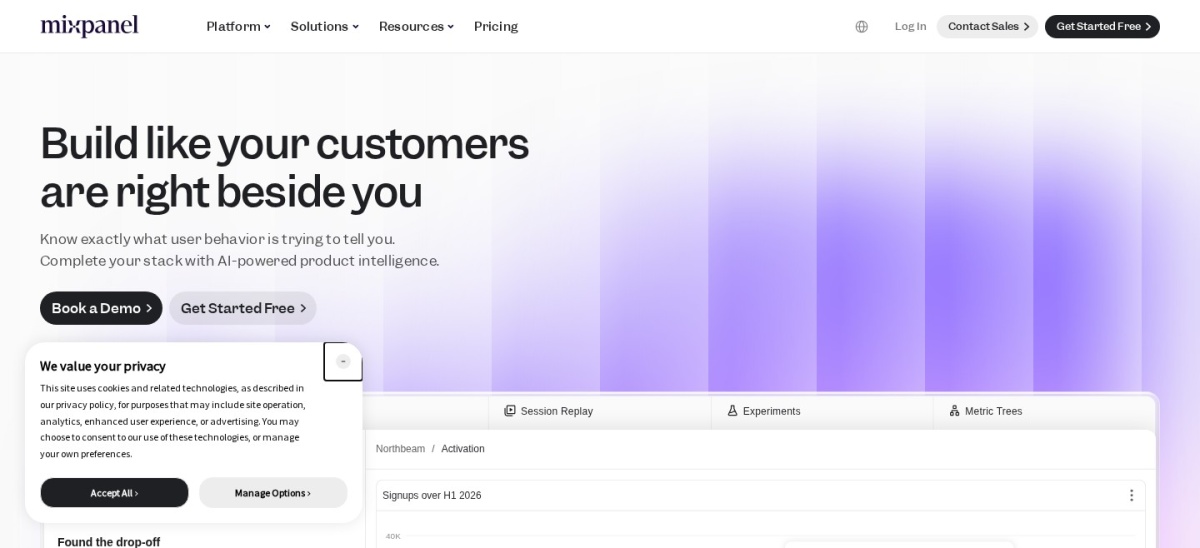
Mixpanel is an event analytics platform built for product teams, tracking funnels, retention and user journeys across web and mobile. Its free plan covers 1 million events a month, and the Growth plan costs $100 a month at 1.5 million events.
The trade off is price and complexity. Mixpanel costs far more than a basic visitor tracker, and its event model takes setup work before the reports make sense. It suits product teams that track funnels, not just pageviews.
Mouseflow is a behaviour analytics tool with session recordings, heatmaps, funnels and form analytics that show where visitors drop off. Its free plan covers 500 sessions a month, and the Starter plan costs $31 a month billed annually.
The trade off is price confusion and a small free tier. Sources quote $25, $31 and $39 a month for the same plan, and the free plan covers only 500 sessions. It suits teams that need form and funnel data alongside recordings.
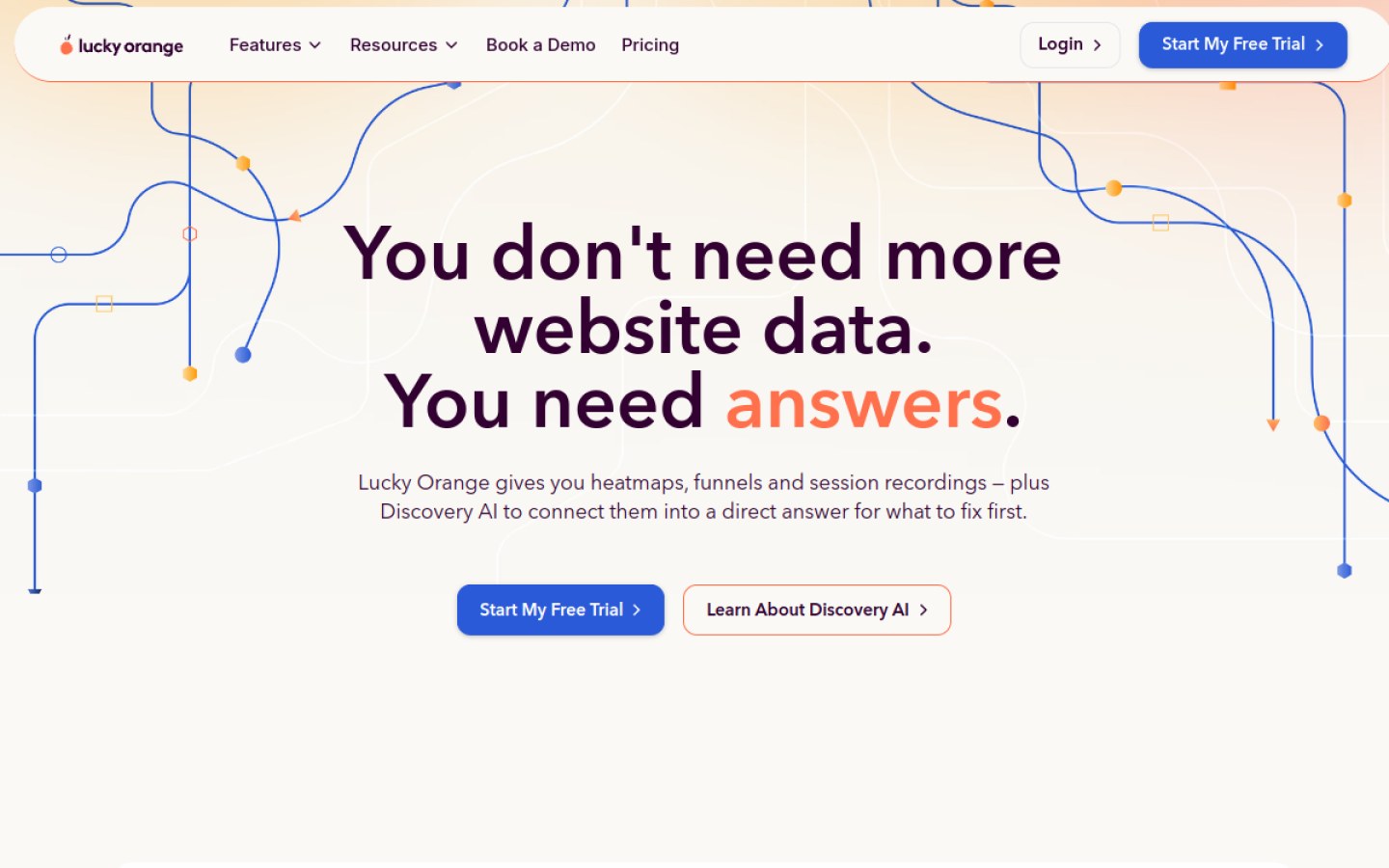
Lucky Orange is a behaviour analytics tool with session recordings, heatmaps, form analytics and live chat in one product. Its Build plan costs $32 a month billed annually, and a free plan covers 100 sessions a month.
The trade off is the small free tier. Lucky Orange gives fewer free sessions than Hotjar or Matomo, and its reports are simpler than Mixpanel's. It suits small sites that want recordings and live chat in one tool.
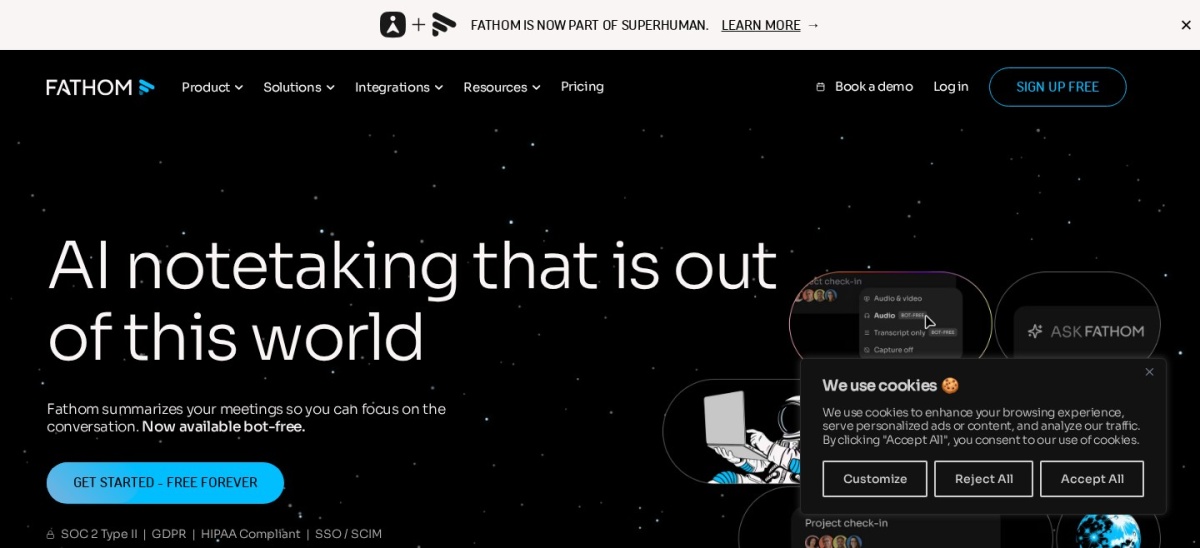
Fathom is a simple, privacy-first analytics tool that shows pageviews, referrers and top pages without cookies or consent banners. It costs $15 a month for up to 100,000 pageviews and includes a 30-day free trial.
The trade off is depth and a thin review base. Fathom shows the basics only, with no heatmaps or recordings, and only 22 G2 reviews back its 4.7 rating. It suits small sites that want simple, private stats.
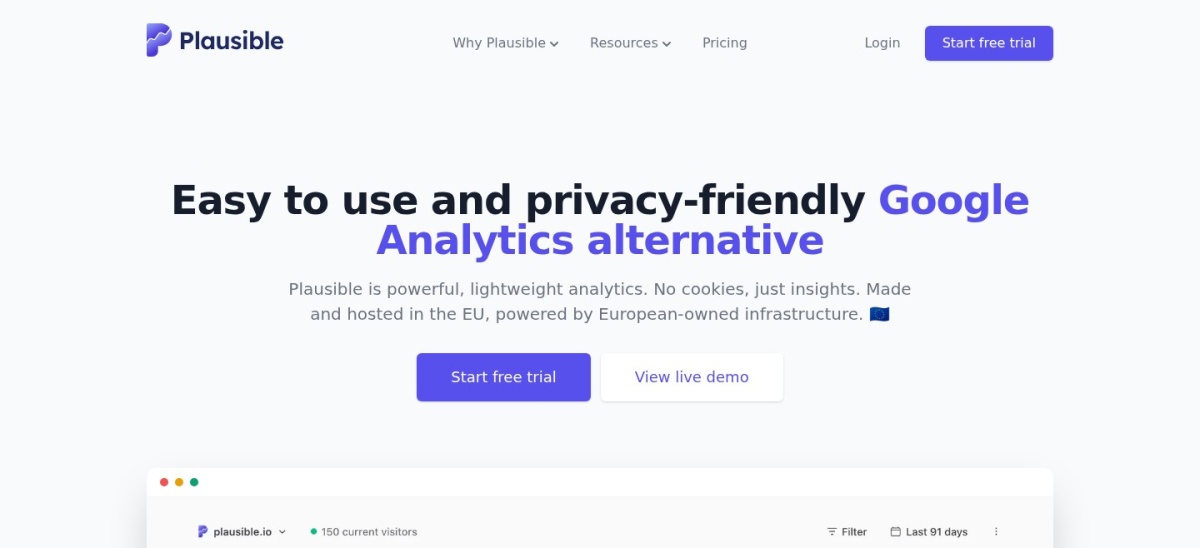
Plausible is a lightweight, open-source analytics tool that tracks pageviews, referrers and goals without cookies. It costs $9 a month for up to 10,000 pageviews, and self-hosting is free for teams that run their own server.
The trade off is a very thin review base. Plausible holds a 4.9 G2 rating but from only 7 reviews, and it shows the basics only. It suits small sites that want cheap, private stats and open-source code.
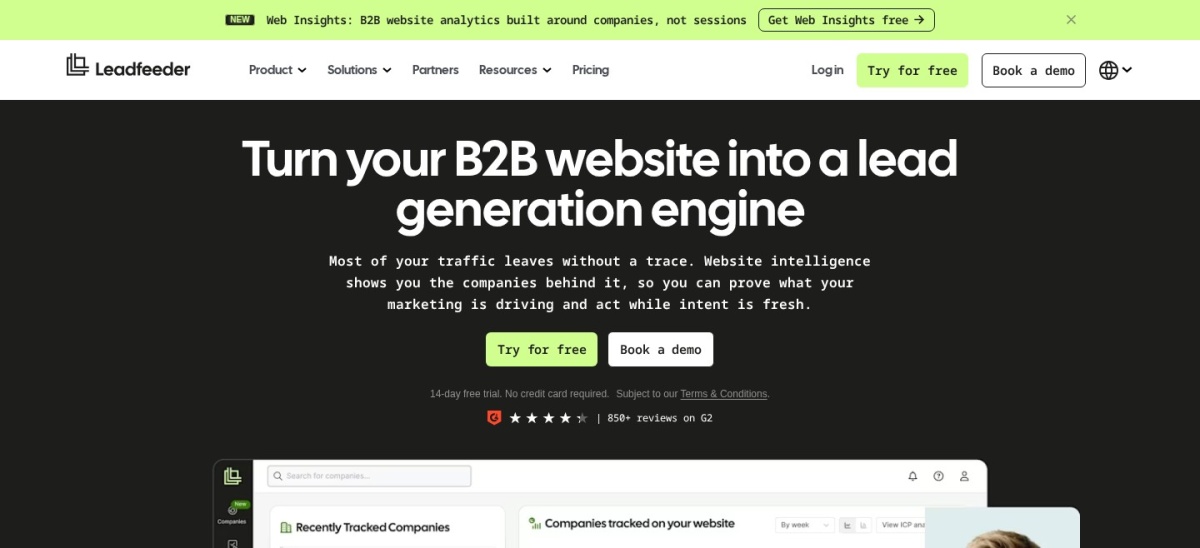
Leadfeeder is a B2B visitor identification tool, formerly Dealfront, that identifies the companies visiting your website and shows which pages they viewed, so sales teams can follow up with warm leads. Its Discover plan costs €79 a month billed annually, and a free Lite plan shows the last 100 companies.
The trade off is currency and scope. Leadfeeder is priced in euros, not dollars, and it names companies, not individual visitors, so it suits B2B sales teams rather than publishers. It is the only tool in this list that identifies who visits.
Free visitor tracking is real. Google Analytics and Microsoft Clarity cost nothing with no limits, and Hotjar, Matomo, Mixpanel and Leadfeeder all have free plans.
Free plans mostly cap volume. Hotjar covers 200,000 sessions a month, Mouseflow 500, and Lucky Orange only 100, so busy sites hit the limit fast.
Paid plans add recordings, funnels and company identification. The cheapest paid tools here are Plausible at $9 a month and Fathom at $15 a month.
For most sites, the free tier of Google Analytics plus Clarity covers everything. Pay only when you need funnels, form analytics or B2B company data.
How we chose
We started from the G2 web analytics and heatmap leaders for Fall 2026, then kept the tools with a verifiable G2 rating and a real visitor tracking product.
Prices come from each vendor's pricing page, checked on 29 November 2026. Ratings and review counts come from G2 on the same day. Where a vendor shows a sale, the list shows the regular price.
We left out Smartlook because its pricing page says End of Sale is now in effect, so new customers cannot buy it. No vendor paid for a place, and we do not claim hands-on testing for this list.
How to choose a website visitor tracking tool
Start with the job you need done, then check the free tier against your traffic.
Decide what you need to see. Traffic and sources need Google Analytics, behaviour needs Hotjar or Clarity, and company names need Leadfeeder.
Start with the free tools. Google Analytics and Microsoft Clarity cost nothing, so install both before paying for anything.
Check the free tier against your traffic. Hotjar covers 200,000 sessions a month, Mouseflow 500 and Lucky Orange 100, so busy sites outgrow them fast.
Add a paid tool only for a gap. Pay for funnels, form analytics or B2B company data, not for features the free tools already cover.
FAQ
Which tool is best for website visitor tracking?
Google Analytics is the best tool for website visitor tracking for most sites, because it is free and shows who visits, where they come from and what they do. Hotjar leads for behaviour, while Leadfeeder is the pick for identifying visiting companies.
Is Google Analytics free?
Yes. Google Analytics is free with no limits on sites, users or data, and the paid Analytics 360 tier is quote only. It is the default visitor tracking tool for most of the web.
What is the best free website visitor tracking tool?
Google Analytics is the best free tool for traffic and sources, and Microsoft Clarity is the best free tool for session recordings and heatmaps. Together they cover both jobs at no cost.
How can I see who visits my website?
Google Analytics shows traffic sources, locations and devices, but not individual names. Leadfeeder names the companies visiting your site, which is what B2B sales teams use to follow up.
Is there a website visitor tracking tool without cookies?
Yes. Matomo, Fathom and Plausible all track visitors without cookies, which avoids consent banners in Europe. Matomo can also be self-hosted so the data stays on your own servers.
Why is Smartlook not on this list?
Smartlook stopped selling to new customers and its pricing page says End of Sale is now in effect, with existing customers able to renew only until 31 August 2026. Lucky Orange replaces it in this list.
SaaS SEO and WordPress specialist with about 8 years of experience. Rakib compares WordPress plugins, themes, hosting and software using public pricing, documentation and user reviews. See how we rank.