Grammarly is the best software for plagiarism detection in writing for most people, with the largest review base and checks built into the plan you already use. Copyscape is the cheapest pick for web checks, while Originality suits publishers that scan at scale.
How we make this list: we compare pricing pages, product documentation and public user reviews, then re-check every price before each update. No product paid for a place. Disclosure.
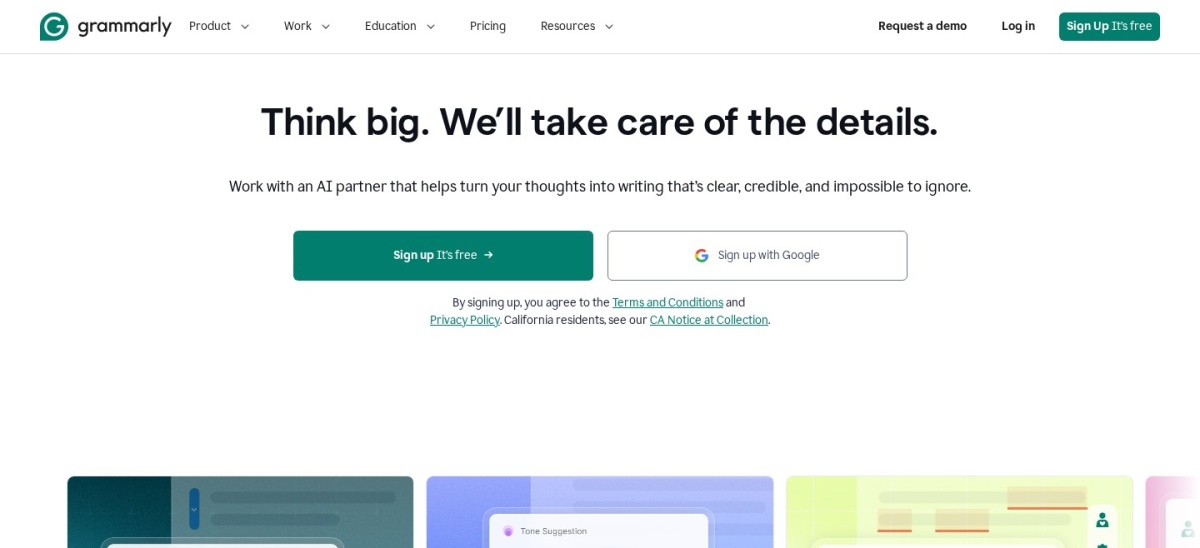
Grammarly is the best plagiarism detection software for most writers, rated 4.7 out of 5 on G2 with Pro from $12 a user a month.
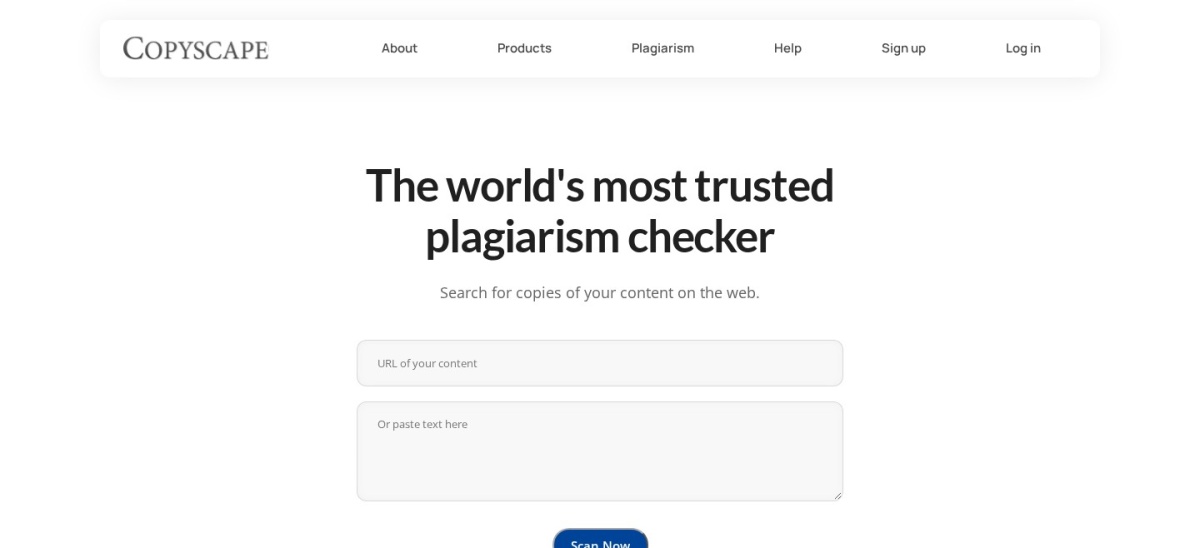
Copyscape is the cheapest way to check web text, at $0.03 per search with no subscription.
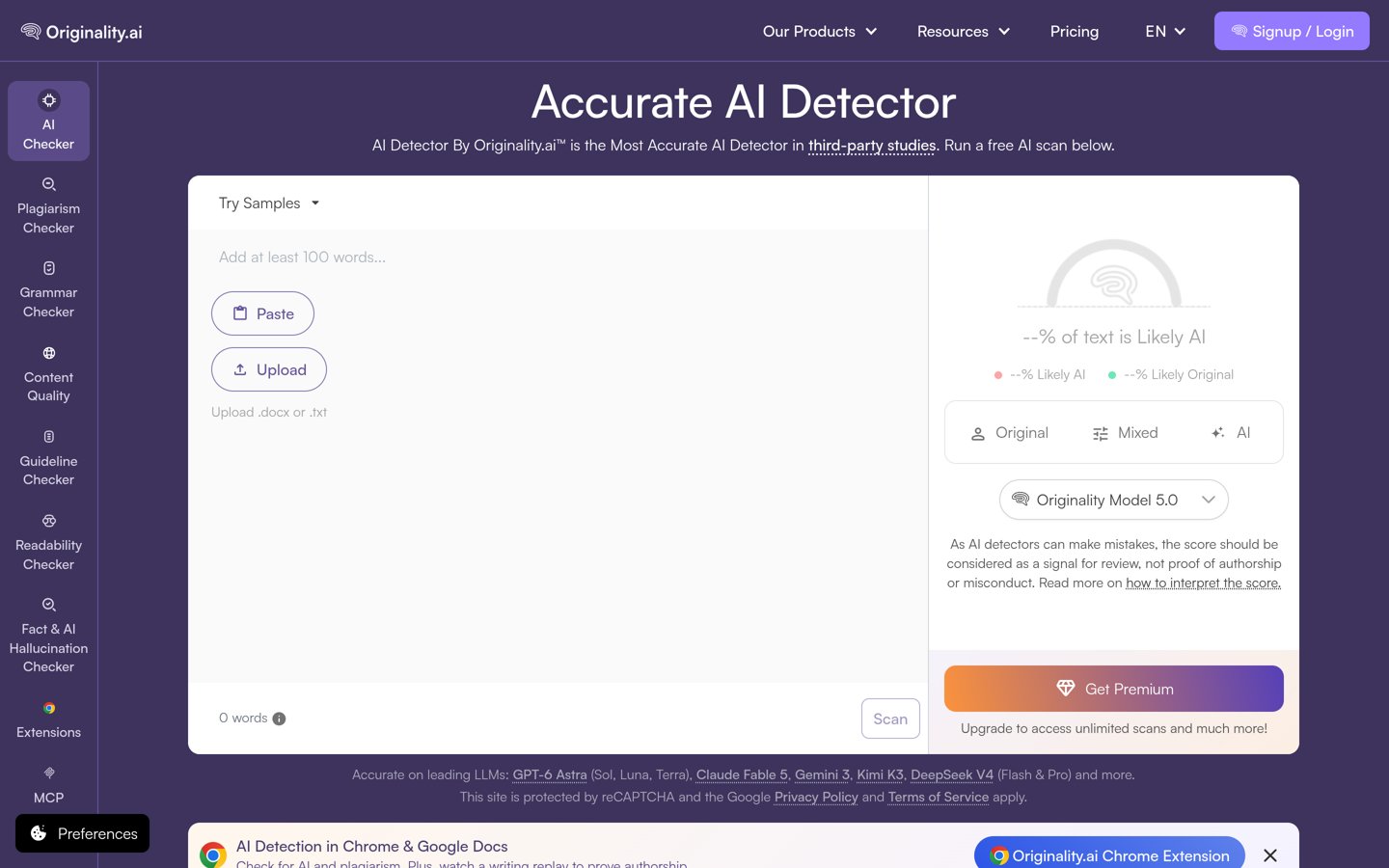
Originality.ai suits publishers, with bulk scans and 200,000 words a month on Pro at $12.95 a month.
Scribbr licenses Turnitin technology, making it the pick for a student checking one final paper at $19.95.
Plagiarism checks sit on paid plans in most tools here, so check the free tier before you rely on it.
Which software is best for plagiarism detection in writing?
Plagiarism detection is not one job. Writers checking a blog draft need a web search, students need an academic database, and publishers need bulk scans with a paper trail. The best tool depends on which of those jobs you do every week.
Price splits the list three ways. Grammarly Pro costs $12 a user a month on annual billing, Originality.ai Pro costs $12.95 a month, and Copyscape charges $0.03 per search with no subscription. A writer who checks one draft a week spends about $1.56 a year with Copyscape.
Database coverage matters more than the star rating. Grammarly checks against the web and ProQuest, Scribbr licenses Turnitin technology for academic papers, and Copyscape checks the public web only. Pick the database that holds the text you are worried about.
Free access is real but narrow. Grammarly, Originality.ai and Quetext all offer a free tier, but plagiarism checks sit on paid plans in most tools, and Winston AI keeps plagiarism off its free trial entirely. Trial the paid plan before you commit.
Grammarly is the best software for plagiarism detection in writing for most people, with 4.7 out of 5 on G2 from 14,066 reviews. Its Pro plan costs $12 a user a month billed yearly and checks against the web and ProQuest, alongside grammar, tone and AI detection.
The trade off is that plagiarism is a Pro feature. The free plan fixes grammar and tone but will not run a plagiarism check, and the monthly rate is $30 a user if you do not pay yearly. It suits writers who want one tool for grammar and originality.
Copyscape is the cheapest way to check a short piece of web text, at $0.03 per search for the first 200 words. It is the industry standard for finding copies of published pages, with a free tier for URL checks and no subscription for Premium searches.
The trade off is coverage. Copyscape checks the public web only, with no academic database and no paywalled journals, and heavy users find per-search costs add up. It suits bloggers and site owners checking published web content.
Originality.ai is a plagiarism and AI checker built for content marketers, publishers and SEO teams. Its Pro plan costs $12.95 a month billed yearly, with 200,000 words a month, bulk scans, shareable reports and a free plan with 10,000 words.
The trade off is the credit system. Plagiarism checks cost credits, 1 credit per 100 words, so a long month of scanning needs top-ups, and the monthly rate is $14.95 without annual billing. It suits publishers that scan at scale.
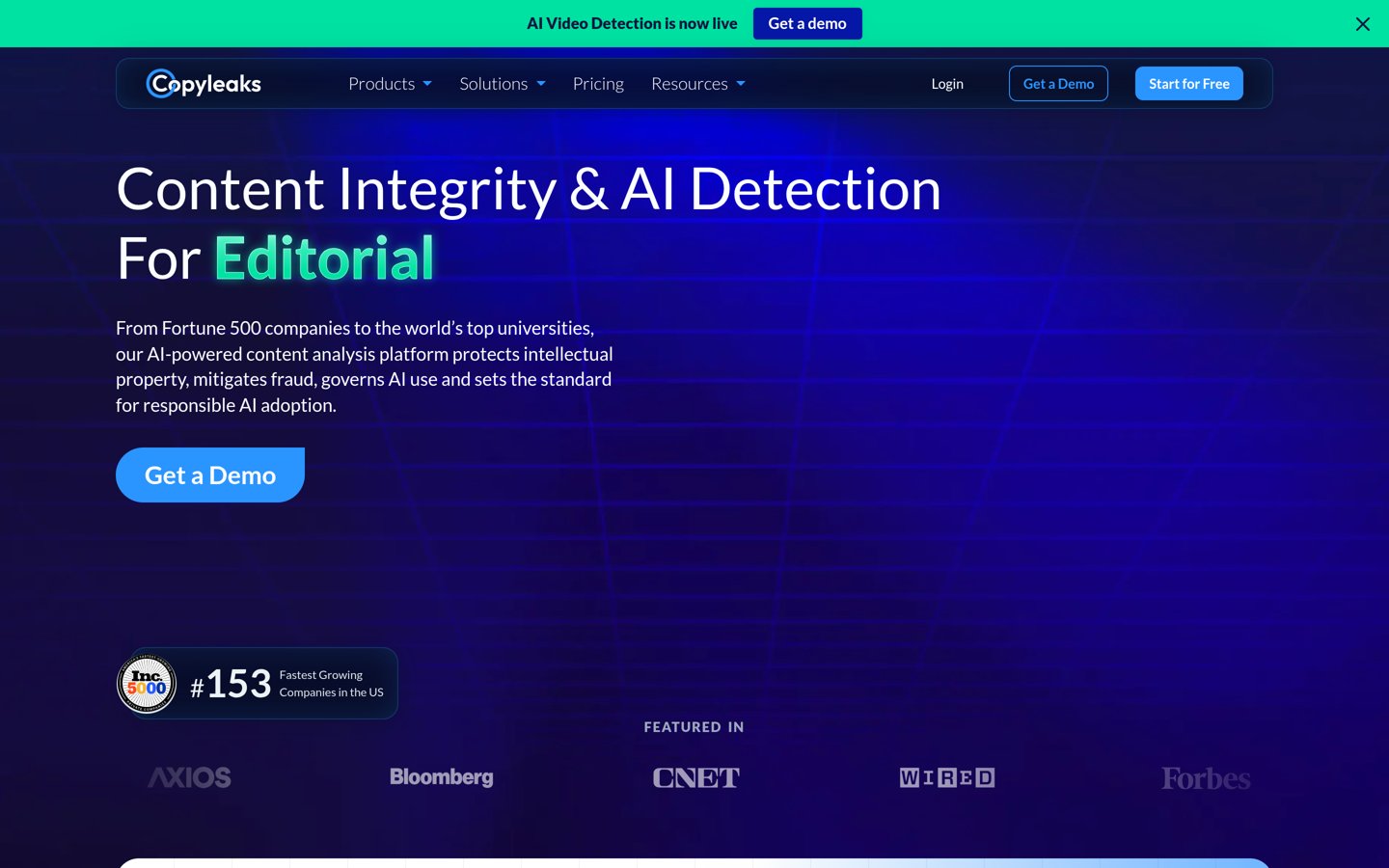
Copyleaks is a plagiarism checker for schools and teams that works in more than 100 languages. Its Personal plan costs $13.99 a month billed yearly, with AI detection, source-code checks and an API for teams that want to automate scanning.
The trade off is the review base. Only 91 G2 reviews sit behind the 4.4 score, and its Trustpilot rating is far lower at 2.7 from 397 reviews, so read recent reviews before you buy. It suits teams that need many languages.
4.6/5on Trustpilot (154 reviews, checked Nov 2026)
Paid from$14.99/mo
Best free plagiarism check
Free planYes, 1,000 words
Paid planEssential, $14.99/mo
Monthly words100,000 on Essential
Deep searchYes, on paid plans
quetext.com
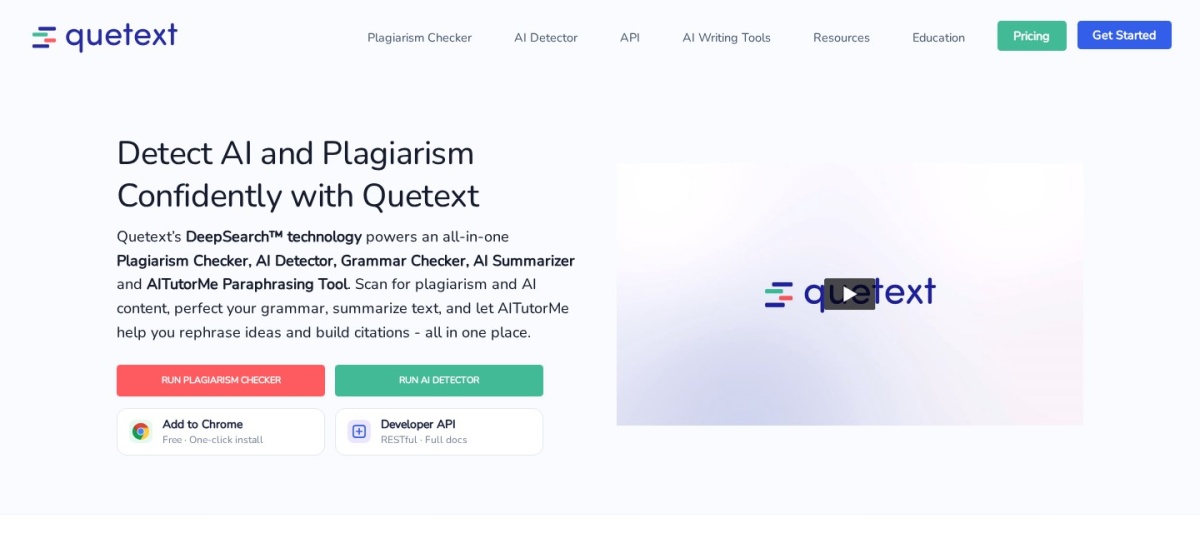
Quetext homepage, captured Nov 2026.
Quetext is a plagiarism checker with a generous free check, rated 4.6 out of 5 on Trustpilot from 154 reviews. Its Essential plan costs $14.99 a month, with 100,000 words a month, deep search and citation tools for writers and students.
The trade off is the price spread. The annual rate is cited at $8.33 a month in some sources, against $14.99 monthly, so confirm the billing term before you pay. It suits writers who want a strong free check first.
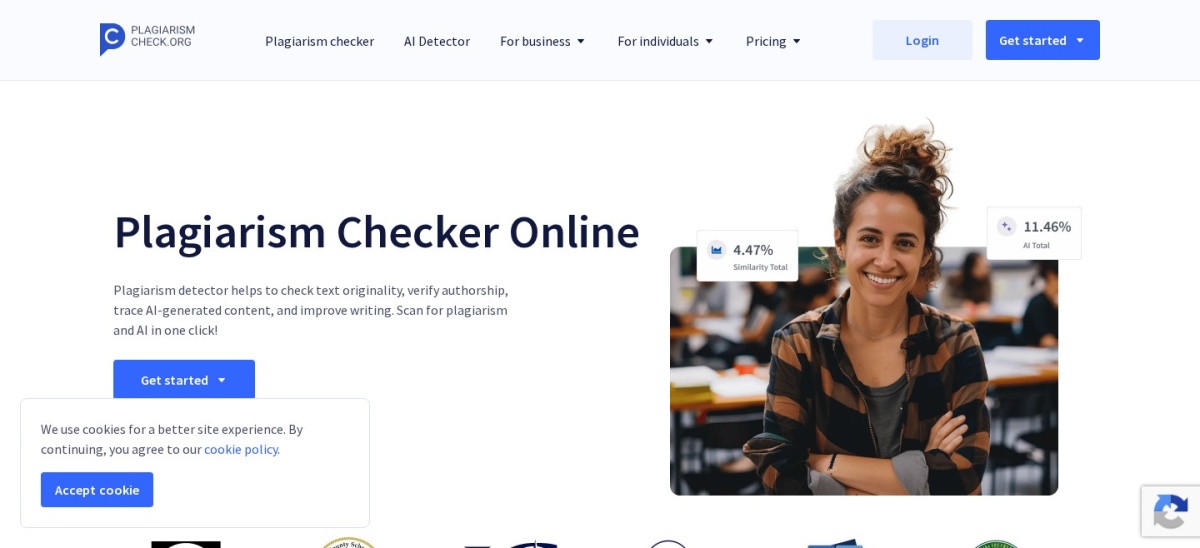
PlagiarismCheck.org is a low-cost plagiarism checker for students and writers, rated 4.8 out of 5 on G2 from 47 reviews. It charges $5.99 for 20 pages, with no subscription, similarity reports and support for many file types.
The trade off is the review base. Only 47 G2 reviews sit behind the 4.8 score, and the per-page price adds up for a whole class or a long manuscript. It suits a student checking one paper at a time.
4.3/5on Trustpilot (15,716 reviews, checked Nov 2026)
Starts at$19.95 (one-time)
Best for academic papers
Free planNo
Paid plan$19.95 per check
Words per checkUp to 7,499
TechnologyLicensed from Turnitin
scribbr.com
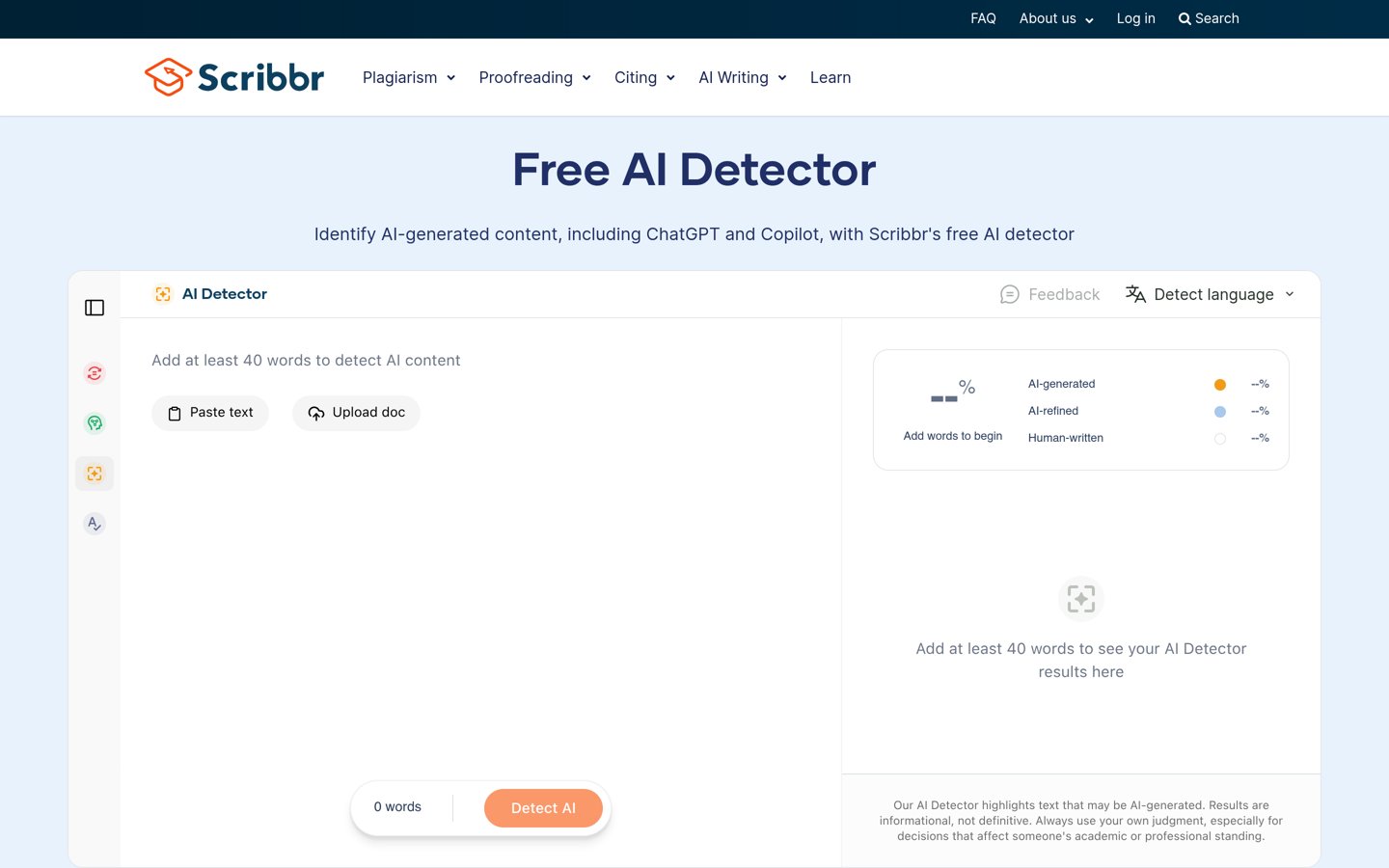
Scribbr homepage, captured Nov 2026.
Scribbr is a plagiarism checker for students that licenses Turnitin technology, rated 4.3 out of 5 on Trustpilot from 15,716 reviews. It costs $19.95 per check for up to 7,499 words, with a similarity report and citation help for academic papers.
The trade off is the price per check. At $19.95 each, checking several drafts costs more than a monthly plan, and there is no subscription for regular use. It suits a student checking one final paper.
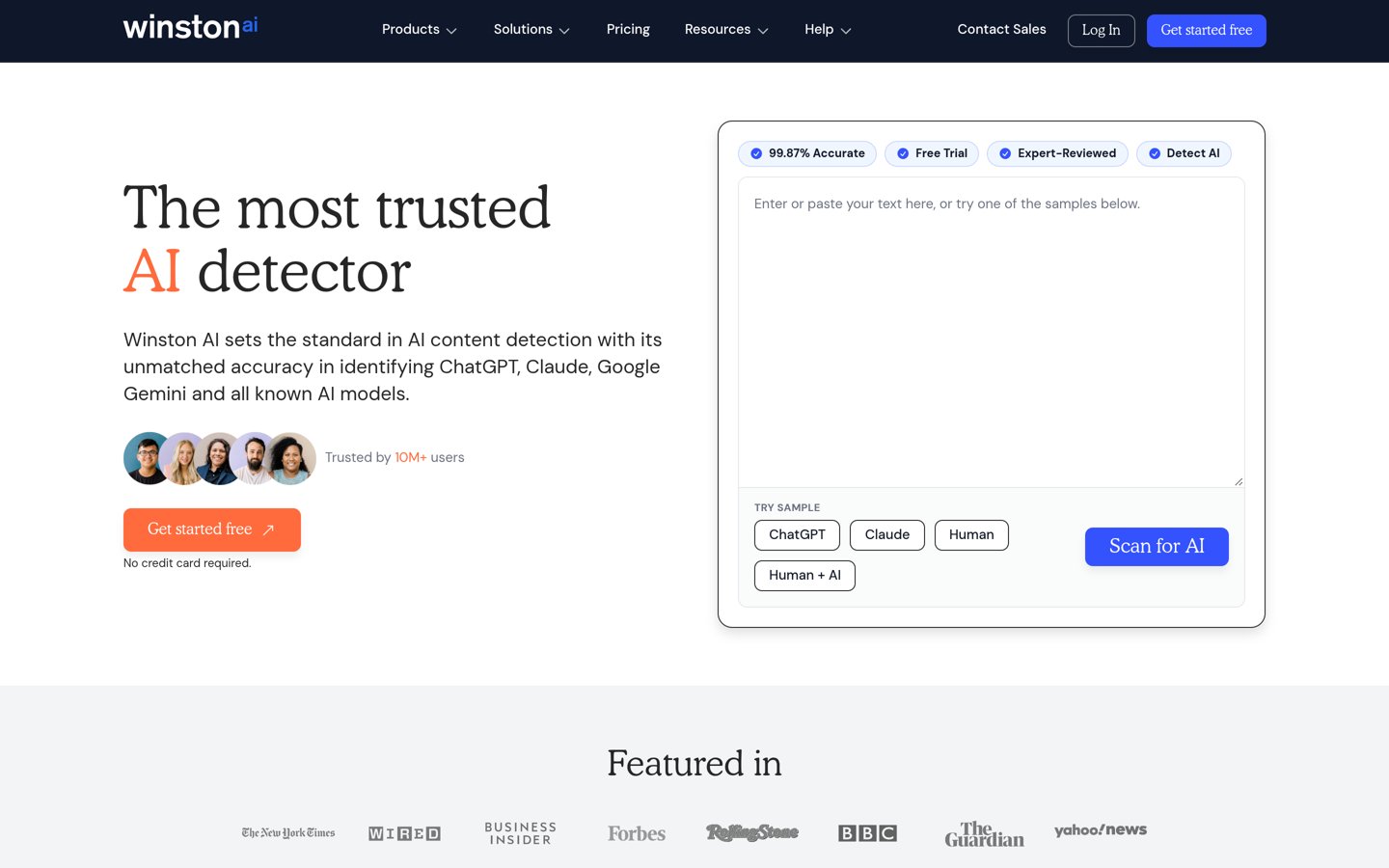
Winston AI is an AI and plagiarism checker for educators and publishers, rated 4.4 out of 5 on G2 from 13 reviews. Its Essential plan costs $10 a month billed yearly, with 100,000 credits a month, OCR, PDF reports and image detection.
The trade off is that plagiarism is not in the free trial. The 14-day trial covers AI detection only, and the review base is thin at 13 G2 reviews. It suits educators who want AI and plagiarism checks in one report.
Grammarly, Originality.ai and Quetext offer free tiers, but plagiarism checks sit on paid plans in most tools. Copyscape is the exception, with free URL checks and $0.03 searches.
Paid plans add database depth. Grammarly Pro checks against the web and ProQuest, Scribbr licenses Turnitin technology, and Originality.ai Pro adds bulk scans and shareable reports.
Watch the credit systems. Originality.ai and Winston AI sell words by credit, so a heavy month needs top-ups, while Copyscape and PlagiarismCheck.org charge per search or per page with no subscription.
If you check one paper a month, pay per use. A single Scribbr check costs $19.95, while 20 pages on PlagiarismCheck.org cost $5.99.
How we chose
We started from the most reviewed plagiarism checkers on G2, Capterra and Trustpilot, keeping tools with a verifiable rating and a published price, then ranked them by rating, database coverage and fit for writers and students.
Prices come from each vendor pricing page opened on 29 November 2026, or from multiple independent sources quoting those pages where a page did not render its prices. Grammarly Pro is $12 a user a month on annual billing, and Originality.ai Pro is $12.95 a month.
We left out Turnitin, which sells to institutions only with no individual price, and DupliChecker, rated 2.1 out of 5 on Trustpilot. No vendor paid for a place, and we do not claim hands-on testing for this list.
How to choose plagiarism detection software
Match the database to your text, then match the price to how often you check.
Pick the database first. A blog draft needs a web check, while a student paper needs an academic database, so choose the tool whose database holds the text you are worried about.
Count how often you check. One draft a week costs about $1.56 a year with Copyscape, while daily checks suit a monthly plan like Grammarly Pro or Originality.ai Pro.
Check the free tier. Plagiarism checks sit on paid plans in most tools, and Winston AI keeps them off its free trial, so confirm the free tier covers your job.
Trial with your own text. Run a real draft through the tool before you pay, and check the report shows sources you can actually open and verify.
FAQ
What is the best software for plagiarism detection in writing?
Grammarly is the best software for plagiarism detection in writing for most people. It is rated 4.7 out of 5 on G2 from 14,066 reviews, and its Pro plan costs $12 a user a month billed yearly, with checks against the web and ProQuest.
Which plagiarism checker is cheapest?
Copyscape is the cheapest plagiarism checker, at $0.03 per search for the first 200 words with no subscription. A 1,500-word article costs about $0.16 to check, so an occasional writer spends a few dollars a year.
Is there a free plagiarism checker for writing?
Yes. Grammarly, Originality.ai and Quetext all offer free tiers, and Copyscape offers free URL checks. Plagiarism checks themselves sit on paid plans in most tools, so a free tier may not cover your job.
Grammarly vs Copyscape: which is better for plagiarism detection?
Grammarly is better for writers who want grammar and plagiarism checks in one tool, with Pro at $12 a user a month. Copyscape is better for checking published web content at $0.03 per search, with no subscription.
Which plagiarism checker is best for students?
Scribbr is the best plagiarism checker for students, because it licenses Turnitin technology for academic papers. It costs $19.95 per check for up to 7,499 words, while PlagiarismCheck.org charges $5.99 for 20 pages.
Do plagiarism checkers also detect AI writing?
Most do now. Grammarly, Originality.ai, Copyleaks and Winston AI all bundle AI detection with plagiarism checks, while Copyscape and Scribbr focus on matching text against the web or academic sources.
SaaS SEO and WordPress specialist with about 8 years of experience. Rakib compares WordPress plugins, themes, hosting and software using public pricing, documentation and user reviews. See how we rank.